• Skip to primary navigation
  • Skip to main content
  • Skip to primary sidebar

Earth Wise

A look at our changing environment.

  • Home
  • About Earth Wise
  • Where to Listen
  • All Articles
  • Show Search
Hide Search
You are here: Home / Archives for vehicle

vehicle

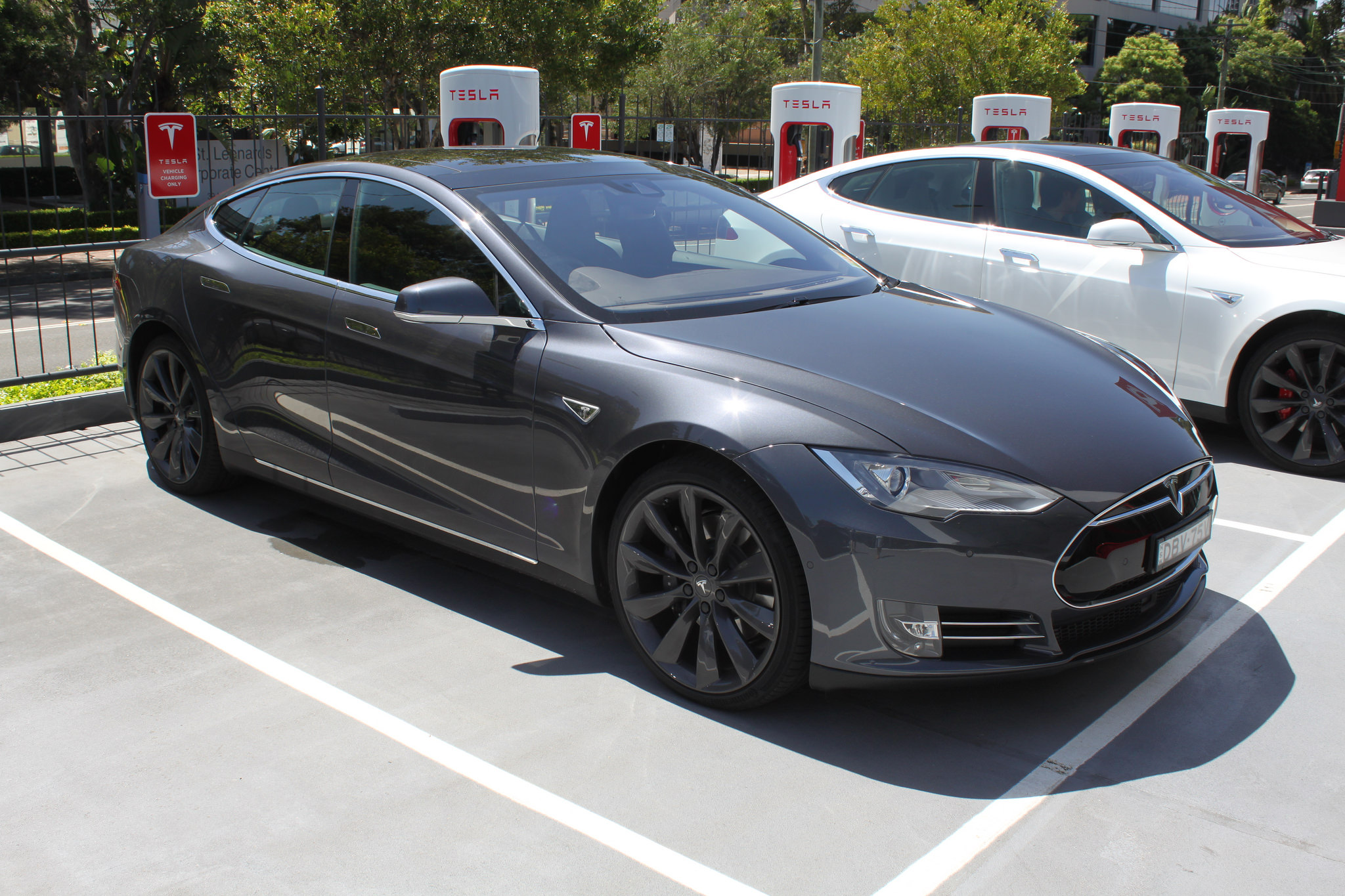
Super drivers and electric cars

September 12, 2025 By EarthWise Leave a Comment

Adoption of EVs by super drivers could hasten emissions reductions from transportation

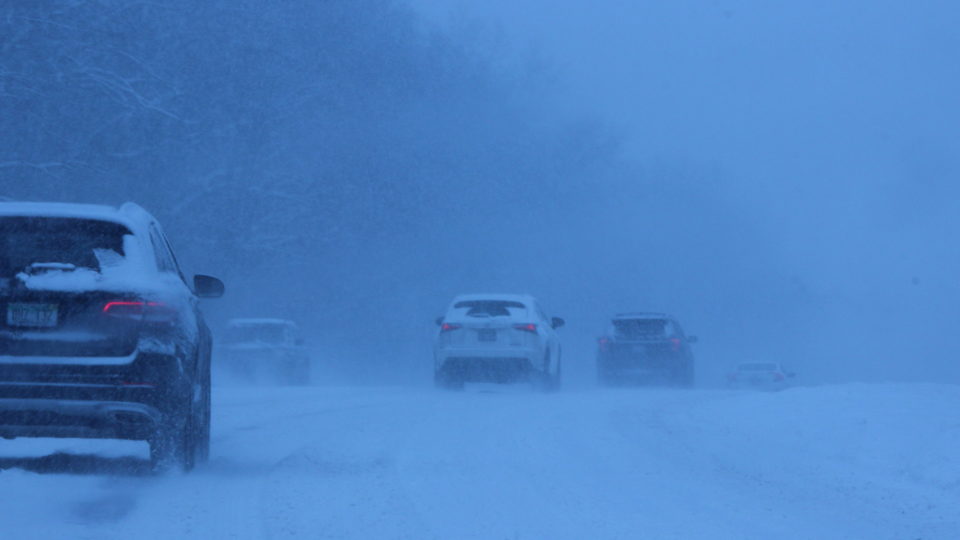
The average American driver travels about 13,400 miles a year. The top 10% of drivers average about 40,200 miles a year and account for 35% of the nation’s gasoline use from private light-duty vehicles, meaning cars, SUVs, pickup trucks, vans, and minivans.  Those 21 million Americans alone burn more gasoline than is burned each year in Brazil, Canada, and Russia combined.

These super drivers often live in rural areas and small towns, drive an average of 116 miles each weekday, and typically own vehicles that are larger and less fuel efficient.  Many have long commutes to work because they were pushed out of cities by rising housing prices.  Some are tradespeople who travel from site to site all day in their jobs. 

Given the disproportionate amount of gasoline usage by this small segment of the population, the key to cutting vehicle emissions by adopting electric vehicles may rest with super drivers.  And so far, not many of them have made the transition.

A report by the environmental nonprofit group Coltura contends that getting super drivers to switch to electric cars would lead to a much faster reduction in emissions.

The range of most recent electric cars is sufficient for most super drivers.  The obstacles remaining include availability of convenient charging stations, but that is changing.  Finding the right vehicle might also be a problem, but electric pickup trucks and large SUVs are entering the market. 

The transition to electric vehicles is important for society, and the most active drivers need to take part in it.

**********

Web Links

Are You a Super Driver? Some States Want to Help You Go Electric.

Photo, posted January 9, 2025, courtesy of Phillip Pessar via Flickr.

Earth Wise is a production of WAMC Northeast Public Radio
Battery life in electric cars

January 9, 2025 By EarthWise Leave a Comment

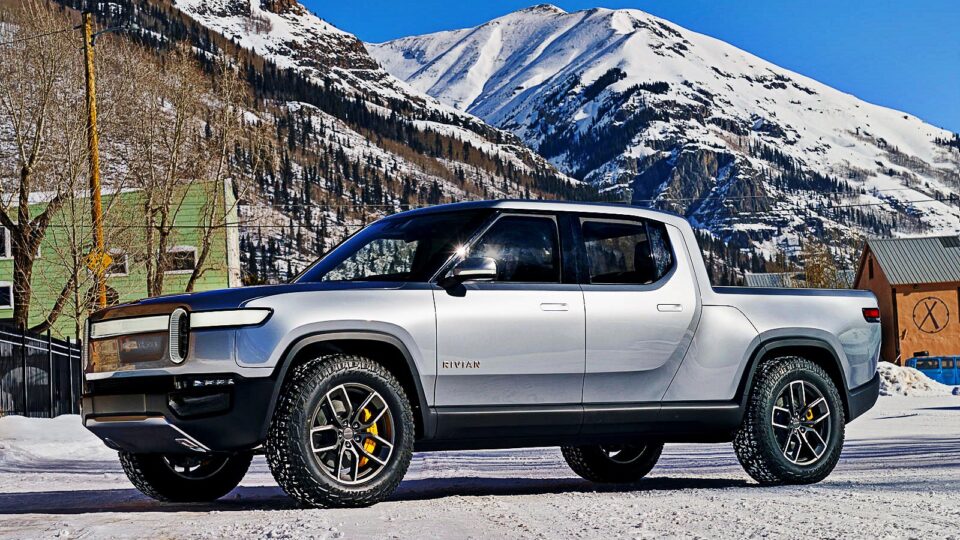
Most of us have lots of experience with the batteries in phones, computers, and other gadgets.  Batteries don’t last forever, and we sometimes have to replace them.  It’s a fact of life.   These days, it’s becoming more common to drive electric cars and the fundamental principle is the same.  However, the battery pack in an EV is the most expensive part of the car, so its reliability and lifespan is a greater concern.

EV batteries generally have generous warranties.  In the US, EV batteries are required by federal law to be covered for at least 8 years or 100,000 miles, whichever comes first.  So, the financial exposure from the battery pack is reasonably limited.  Even so, EV owners would like to know that their car’s battery pack is likely to last a long time.

Battery life is generally determined by laboratory tests involving repeated charge-discharge cycles over a relatively short period of time, as opposed to those cycles being spaced out over years.

A new study by Stanford University looked at battery performance under conditions much more like what would be experienced in the real world.  Cars experience frequent acceleration, braking that charges the batteries a bit, lots of stops, periods of rest, and so forth.  Nothing like just charging and discharging repeatedly.

The study found that today’s EV batteries may last up to 40% longer than expected.  Real-world stop-and-go driving benefits batteries more than standard test conditions.

The cost of EV batteries continues to get lower all the time and it is likely to be quite a long time before one is likely to need a new battery assuming one even keeps the car long enough.

**********

Web Links

Existing EV batteries may last up to 40% longer than expected

Photo, posted August 27, 2021, courtesy of Ron Frazier via Flickr.

Earth Wise is a production of WAMC Northeast Public Radio

Wildlife crossings

October 23, 2024 By EarthWise Leave a Comment

Building more wildlife crossings to reduce collisions between cars and animals

Every year, there are one to two million collisions between motor vehicles and large animals in the U.S.  About 200 people are killed annually.  Counting smaller vertebrates, around a million animals are killed by vehicles each day.  Research has shown that global warming is triggering widespread species redistribution.  As a result, more and more animals are on the move, changing their habitats to escape warming temperatures and climate extremes.

This situation has created renewed interest in creating wildlife crossings.  These are various kinds of structures that allow animals to traverse human-made barriers like highways.  They include such things as a grassy overpass that allows pronghorn to run across a highway in Wyoming and a long underpass that allows tigers to scamper beneath a highway in India.

In the U.S., there are more than 1,000 wildlife crossings and there are more being built all the time.  Data shows that they are highly effective.  A study of wildlife crossings on Highway 9 through the Blue River Valley in Colorado found that they reduced wildlife-vehicle collisions by nearly 90%. 

Wildlife crossing structures can be expensive to build, costing between $500,000 and $6 million, but research has shown that the money saved by avoiding crashes can recoup these costs in just a few years along with the fact that they potentially save lives.  Federal funding is largely distributed based on areas with the highest number of wildlife-vehicle collisions, which is crucial for addressing public safety issues.  However, a recent study suggests that future proposals need to incorporate climate-driven changes in animal behavior and habitat.

**********

Web Links

As Climate Changes Fuels Animal Movement, Will These Structures Still Help Species Cross the Road?

Photo, posted April 5, 2017, courtesy of Jeffrey Beall via Flickr.

Earth Wise is a production of WAMC Northeast Public Radio

Cyber protection for apple orchards

April 2, 2024 By EarthWise Leave a Comment

How best to protect apple orchards as weather changes

Spring frosts represent a real danger for apple orchards.  The changing climate has brought about periods of unusually warm weather at times early in the year that have caused trees and other flowering plants to bloom early.  For apple growers, this has made their orchards more susceptible to the damaging effects of extreme cold events.

Apple growers attempt to prevent this damage by heating the canopies of their orchards, but these efforts tend to be inefficient.  Applying heat is one of the most effective methods to prevent apple flower bud damage, but it is difficult to determine when and where to apply heat in orchards.

Researchers at Penn State University have developed a frost-protection cyber-physical system that autonomously makes heating decisions based on real-time temperature and wind-direction data.  Their system includes a temperature-sensing device, a propane-fueled heater that adjusts the direction where it provides heat, and an unmanned ground vehicle that moves the system through an apple orchard.

The results of tests of the system were published in the journal Computers and Electronics in Agriculture, and the findings show that it greatly reduced damage to apple tree buds in tests conducted at low temperatures, doubling or tripling the amount of time that trees were protected.

The equipment used for the study mostly consisted of off-the-shelf parts and cost about $5,000, most of which was for the vehicle.   The researchers envision that even a very large orchard could be protected by multiple units guided by an aerial drone monitoring canopy temperatures. Further research will aim to bring the technology to point where it can enter the marketplace and be available to apple growers.

**********

Web Links

Cyber-physical heating system may protect apple blossoms in orchards

Photo, posted September 6, 2017, courtesy of Sue Thompson via Flickr.

Earth Wise is a production of WAMC Northeast Public Radio
How Green Are Electric Cars? | Earth Wise

April 12, 2021 By EarthWise Leave a Comment

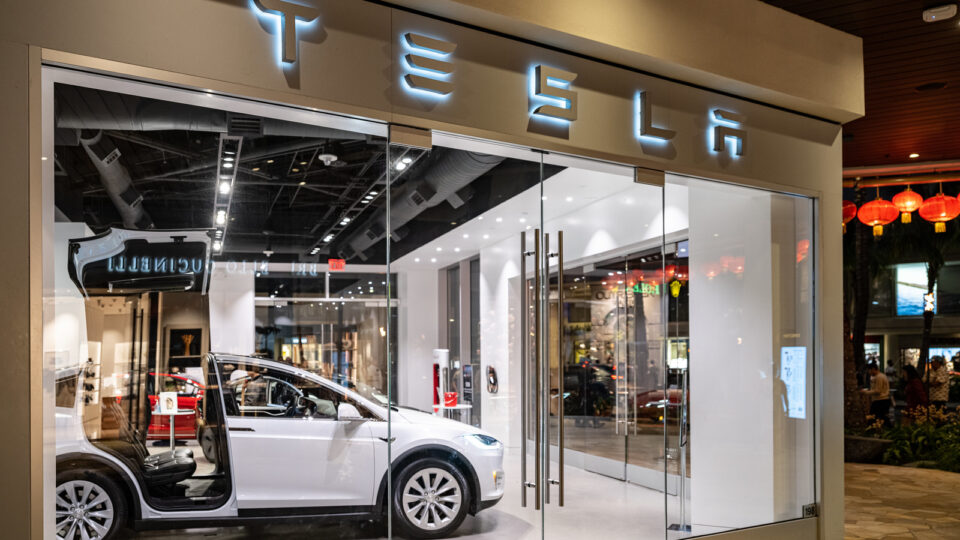
Electric cars are becoming even greener

Environmental groups, governments, and automakers are all promoting electric vehicles as an important technology to combat climate change.  For example, GM plans to stop selling gas-powered cars by 2035 and Volvo intends to be all-electric by 2030.

There are still those who question how green electric vehicles actually are.  All products and technologies do have their environmental impacts.  In general, today’s electric cars produce significantly fewer planet-warming emissions than gas-powered cars, but there are factors that affect the results for specific vehicles.

The biggest issue is the source of electricity used to charge up the cars.  In places where coal still provides a substantial fraction of electric generation, electric cars don’t fare as well.  But coal’s contributions to the grid are declining rapidly and even cleaner fossil fuels like natural gas are gradually being replaced by green generation from wind and solar power.  If the grid was entirely carbon-free, then there would be no emissions associated with operating the vehicle.

MIT has created an interactive online tool that incorporates a comprehensive set of factors contributing to the emissions associated with cars:  what it takes to manufacture the cars, how much gasoline conventional cars burn, and where the electricity to charge electric vehicles comes from.

The tool provides information like the average amount of carbon dioxide emitted for every mile driven over a car’s lifetime. 

Results will vary with location and various other vehicle factors, but in the great majority of cases, electric cars are much greener than gasoline cars, and as the grid becomes greener, the cars will become greener as well.

**********

Web Links

CarbonCounter 2021

How Green Are Electric Vehicles?

Photo, posted January 29, 2020, courtesy of Tony Webster via Flickr.

Earth Wise is a production of WAMC Northeast Public Radio.

Vehicle Electrification On The Rise | Earth Wise

August 21, 2020 By EarthWise Leave a Comment

increasing vehicle electrification

Nearly 70% of U.S. oil consumption is for transportation and transportation accounts for 28% of the country’s greenhouse gas emissions.  Therefore, technology improvements in transportation that can reduce emissions are a key element of combating climate change.  The highest impact strategy is the electrification of the transportation sector, and it is definitely accelerating.

Demand for electric vehicles is growing for multiple reasons.  These include long-term cost savings, tax incentives, declining battery costs, and greater environmental awareness.  This year, about 2.7 percent of global passenger vehicle sales will be for electric vehicles.  It is still a fairly small number, but that number is growing rapidly.  It is expected to be 10% in 2025, 28% in 2030, and more than half of all vehicle sales by 2040.  By that year, more than 30% of passenger vehicles on the road worldwide will be electric.  The numbers for electric buses, delivery vans and trucks, mopeds, scooters, and motorcycles are expected to be even higher.

The environmental impact of electrification will be significant in reducing carbon emissions and pollution in general.  Electric vehicles already reduce oil demand by a million barrels a day.  By the year 2040, they will displace nearly 18 million barrels of oil a day and reduce CO2 emissions by 2.5 billion tons per year.

Electric cars still face challenges.  They are still more expensive than gas-powered cars, but their cost-benefit analysis is changing rapidly as technology improvements and volume efficiencies drive down the cost of battery packs.  Analysts predict that electric vehicles will achieve price parity with internal combustion vehicles in as soon as two years but in any case within the next ten years.

**********

Web Links

Electrification of transportation sector nears tipping point

Photo, posted May 7, 2020, courtesy of Mark Vletter via Flickr.

Earth Wise is a production of WAMC Northeast Public Radio.

Other Ways To Cut Vehicle Emissions

October 17, 2019 By EarthWise Leave a Comment

It is pretty clear that the way to drastically reduce vehicle greenhouse gas emissions is to switch as many vehicles as possible to electric power.  As a result, more and more localities are putting in place policies that encourage electrification.

While there is no doubt that electrification is the long-term solution to vehicle emissions, a recent study by MIT and the Ford Motor Company found that, in the short term, there are some places in the US where electric cars are not the best way to reduce emissions.

The study looked at a variety of factors that affect the relative performance of vehicles.  These include the role of low temperatures in reducing battery performance, regional differences in the average number of miles driven annually, and significant differences in the way electricity is generated in different parts of the US.

The results showed that electric vehicles definitely provide the greatest impact in reducing greenhouse gas emissions for most of the country – and particularly on both coasts and in the south – but that there are some places in the upper Midwest where the greatest reduction would be achieved by the use of lightweight gasoline-powered vehicles.

In places like parts of Wisconsin and Michigan, it is mostly rural, there are cold winters, and electricity is predominantly generated by coal-powered plants.  In these places, if gas-powered lightweight cars were to be used, the overall benefit would be greater than that of electric cars.  Unfortunately, there are no high-volume lightweight gasoline-powered mid-sized cars on the market in the US.  Ironically, the only cars of that class using lightweight aluminum construction are Teslas.

While electric cars are truly the long-term solution, the study does demonstrate the benefits of reducing the weight of vehicles.

**********

Web Links

What’s the best way to cut vehicle greenhouse-gas emissions?

Photo, posted February 9, 2018, courtesy of Dave Field via Flickr.

Earth Wise is a production of WAMC Northeast Public Radio.

Indoor Pollution

July 26, 2019 By EarthWise 1 Comment

We mostly think of air pollution as an outdoor problem.   The primary culprits are vehicle and factory exhaust as well as occasional wildfire smoke.  What we don’t think about is the air quality inside our own homes.

Researchers at Washington State University have found that indoor pollution levels can be surprisingly high and that they vary throughout the day and increase as temperatures rise.

Indoor air pollution comes from a variety of sources, including building materials, furniture, household chemical products, and from activities like cooking.  One of the most serious pollutants is formaldehyde, which often is emitted from gypsum wallboard.  About half of the gypsum used in homes as drywall is made from waste products from the coal industry.  When the material is heated, formaldehyde and possibly even mercury can be emitted.

Pollutant levels rise in homes as temperatures increase.  Thus, the highest levels of pollution occur in the afternoon and the lowest are in the early morning.  Before this research, manufacturers and builders assumed that pollution levels were pretty much constant over time.

Building laws require that homes are structurally sound, and that people are comfortable, but there is little regulation of air quality in people’s homes.  One of the best ways to clear out harmful chemicals is with ventilation to the outdoors.  But with increased concern about reducing energy use, builders are making homes more airtight, which may inadvertently be worsening the problem.

We need to balance making more energy efficient homes with protecting our health by being aware of the dangers that lurk in the air in our homes.  Running the air conditioning or opening windows are good things to do.

**********

Web Links

Researchers uncover indoor pollution hazards

Photo, posted October 14, 2010, courtesy of Flickr.

Earth Wise is a production of WAMC Northeast Public Radio.

Wildlife Bridges

June 17, 2019 By EarthWise Leave a Comment

Highway accidents involving animals are a big problem for both people and animals.  About 200 people die every year in the U.S. as a result of collisions with animals.  In total, one to two million large animals are killed by motorists every year.  And these crashes are expensive:  deer-car collisions cost an average of more than $8,000 each; elk-vehicle collisions about $25,000; and moose-vehicle collisions over $44,000. 

In the United States, there are 21 threatened and endangered species whose very survival is threatened by road mortalities.   These include Key deer in Florida, bighorn sheep in California, and red-bellied turtles in Alabama.

One solution that has been quite effective around the world in reducing car-animal collisions is wildlife overpasses and underpasses.  Crossings and fencing that guide animals over or under highways reduce collisions by 85-95%.

These traffic-spanning bridges and tunnels have been popular in Europe since the 1950s.  The overpasses usually look much like regular overpasses for cars but are decked out with native flora.  The underpasses, which assist shyer and smaller animals, are typically invisible to drivers.

Washington State has recently started building wildlife bridges and underpasses on Interstate 90.  These passes will allow elk, black bears, mountain lions, pika, and even trout to traverse what was once a near-impenetrable barrier of road.

Some animals that are accustomed to human structures start using the crossings almost immediately.  For others, there is learning curve.  As in many things, the early adapters are important as they provide paths and model behavior that more reticent animals learn to follow.

Wildlife bridges are a very good thing for wildlife and for people.

**********

Web Links

How wildlife bridges over highways make animals—and people—safer

Photo, posted July 22, 2017, courtesy of David Fulmer via Flickr.

Earth Wise is a production of WAMC Northeast Public Radio.

Misconceptions About Electric Cars

February 8, 2019 By EarthWise Leave a Comment

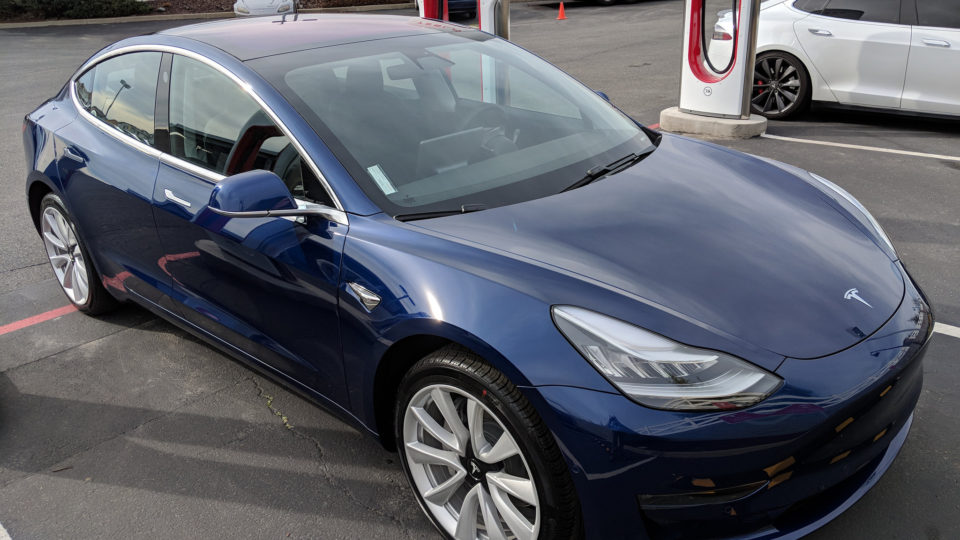
Tesla’s Model 3 was one of the best-selling cars in the United States last year, eclipsing all but a handful of sedans.  This was the first time that an electric car had that honor and is indicative of how electric cars are finally becoming mainstream.  A host of other new electric models from multiple manufacturers will be the entering the market over the next couple of years.

Despite all of this progress, there is still a great deal of misinformation about electric cars.  A new study commissioned by Volkswagen revealed some of the widespread misconceptions about the vehicles.

Some people believe that electric cars can’t be driven through puddles.  Nearly one in five people believe that electric cars slow down as the battery depletes.  Many people believe that electric cars are fundamentally less safe than gas-powered cars.

More generally, people are unaware of how far current electric cars can drive on a charge.  More and more models can go 200 and even over 300 miles between charging sessions.  People also don’t know how quickly cars can charge up either.  Fast chargers like Tesla’s Superchargers can add 200 miles worth of charge in about 20 minutes.  And people don’t know what it costs to charge electric cars.  In most places, it is only a fraction of what it costs to drive the same distance using gasoline.

Despite their limited knowledge about electric cars, the 2,000 people surveyed in Britain were positively disposed towards them with nearly 6 in 10 saying that they would like to own an electric car some day and would even consider one as their next vehicle.

Electric cars will become more familiar and less exotic as more and more of them are on our roads and highways.

**********

Web Links

Major misconceptions prevent drivers from buying electric cars, study claims

Photo, posted April 6, 2018, courtesy of Brian Doyle via Flickr.

Earth Wise is a production of WAMC Northeast Public Radio.

https://www.independent.co.uk/news/uk/home-news/electric-cars-misconceptions-battery-charging-safety-volkswagen-study-results-a8700536.html

An Electric VW Bus

June 19, 2018 By EarthWise Leave a Comment

https://earthwiseradio.org/wp-content/uploads/2018/06/EW-06-19-18-An-Electric-VW-Bus.mp3

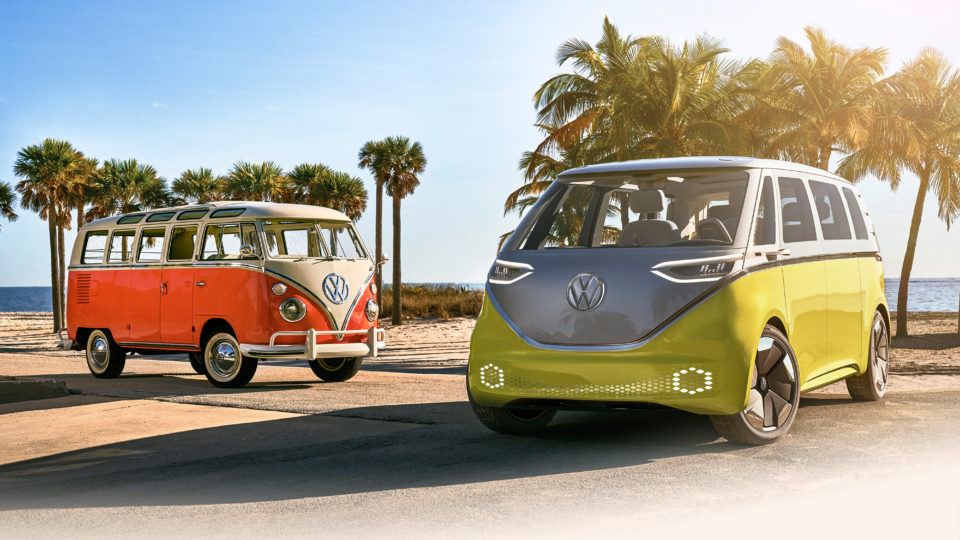
For baby boomers, the Volkswagen bus was the iconic vehicle of the 1960s counterculture.  It was introduced in 1950, was popular among Gen Xers coming of age in the 1980s, and lasted in one form or another until 2013, when the last one was built in Brazil.

[Read more…] about An Electric VW Bus

A Robot Fish

April 30, 2018 By EarthWise Leave a Comment

https://earthwiseradio.org/wp-content/uploads/2018/04/EW-04-30-18-A-Robot-Fish.mp3

Scientists studying marine life have to figure out ways to get cameras into areas that are too dense or dangerous for people to enter.   This often means sending delicate equipment into places where collisions are both likely and damaging and that equipment is generally tethered to ships or other objects.  To really see what is going on in the underwater world, a better approach is needed.

[Read more…] about A Robot Fish

Being Ready For Adverse Weather

December 25, 2017 By EarthWise Leave a Comment

https://earthwiseradio.org/wp-content/uploads/2017/12/EW-12-25-17-Being-Ready-for-Adverse-Weather.mp3

Severe weather is a major cause of death and destruction.   Recent hurricanes provided all too many examples.   The catastrophic flooding from Hurricane Harvey led to more than 60 deaths and necessitated thousands of emergency rescues.   And yet, increasingly, weather events like hurricanes don’t occur without warning and accurate weather forecasts are increasingly common.

[Read more…] about Being Ready For Adverse Weather

Air Travel And Global Warming

September 25, 2017 By EarthWise Leave a Comment

https://earthwiseradio.org/wp-content/uploads/2017/09/EW-09-25-17-Air-Travel-and-Global-Warming.mp3

Air travel is pretty carbon intensive.  For those of us who take plane trips, it represents a substantial part of our individual carbon footprints. It isn’t that plane travel is inefficient fuel-wise on a miles-per-gallon-per-passenger basis compared with driving, for example.  It is just that we go so much farther on planes.   Currently, aviation accounts for only a few percent of overall carbon emissions, but that is changing for two reasons.

[Read more…] about Air Travel And Global Warming

Delivery By Fuel Cell

June 19, 2017 By EarthWise

https://earthwiseradio.org/wp-content/uploads/2017/06/EW-06-19-17-Delivery-by-Fuel-Cell.mp3

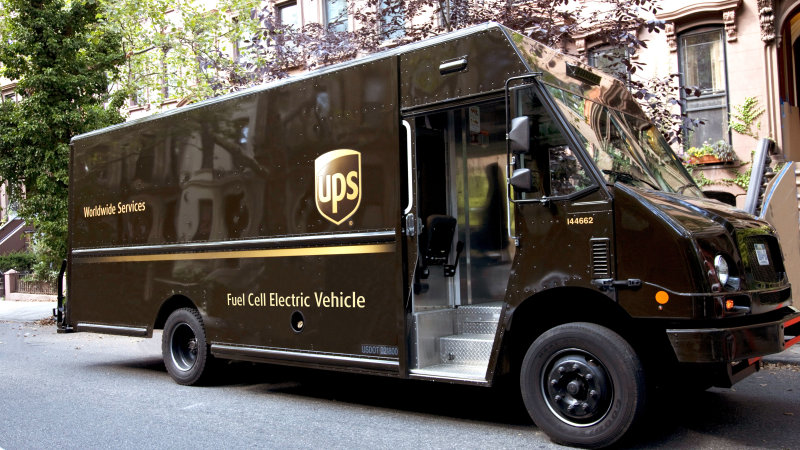
UPS recently announced a demonstration project that will put a prototype electric truck powered by a hydrogen fuel cell through the delivery company’s challenging paces.   Fuel cells have been used in some commercial vehicles to power auxiliary systems, but this is the first time that they will be used to propel a vehicle.

[Read more…] about Delivery By Fuel Cell

Old Car Or New Car?

April 26, 2016 By WAMC WEB

https://earthwiseradio.org/wp-content/uploads/2016/04/EW-04-26-16-Old-Car-or-New-Car.mp3

Every few years many of us face a big decision: is it time to buy a new car? The trusty vehicle that has carried us so well has gotten too rusty to pass inspection or too old to assure us of its continued reliability. What vehicle choice is best for the environment?

[Read more…] about Old Car Or New Car?

Primary Sidebar

Recent Episodes

  • An uninsurable future
  • Clean energy and jobs
  • Insect declines in remote regions
  • Fossil fuel producing nations ignoring climate goals
  • Trouble for clownfishes

WAMC Northeast Public Radio
WAMC/Northeast Public Radio is a regional public radio network serving parts of seven northeastern states (more...)

Copyright © 2026 ·