• Skip to primary navigation
  • Skip to main content
  • Skip to primary sidebar

Earth Wise

A look at our changing environment.

  • Home
  • About Earth Wise
  • Where to Listen
  • All Articles
  • Show Search
Hide Search
You are here: Home / Archives for united arab emirates

united arab emirates

The largest solar power plant

October 2, 2025 By EarthWise Leave a Comment

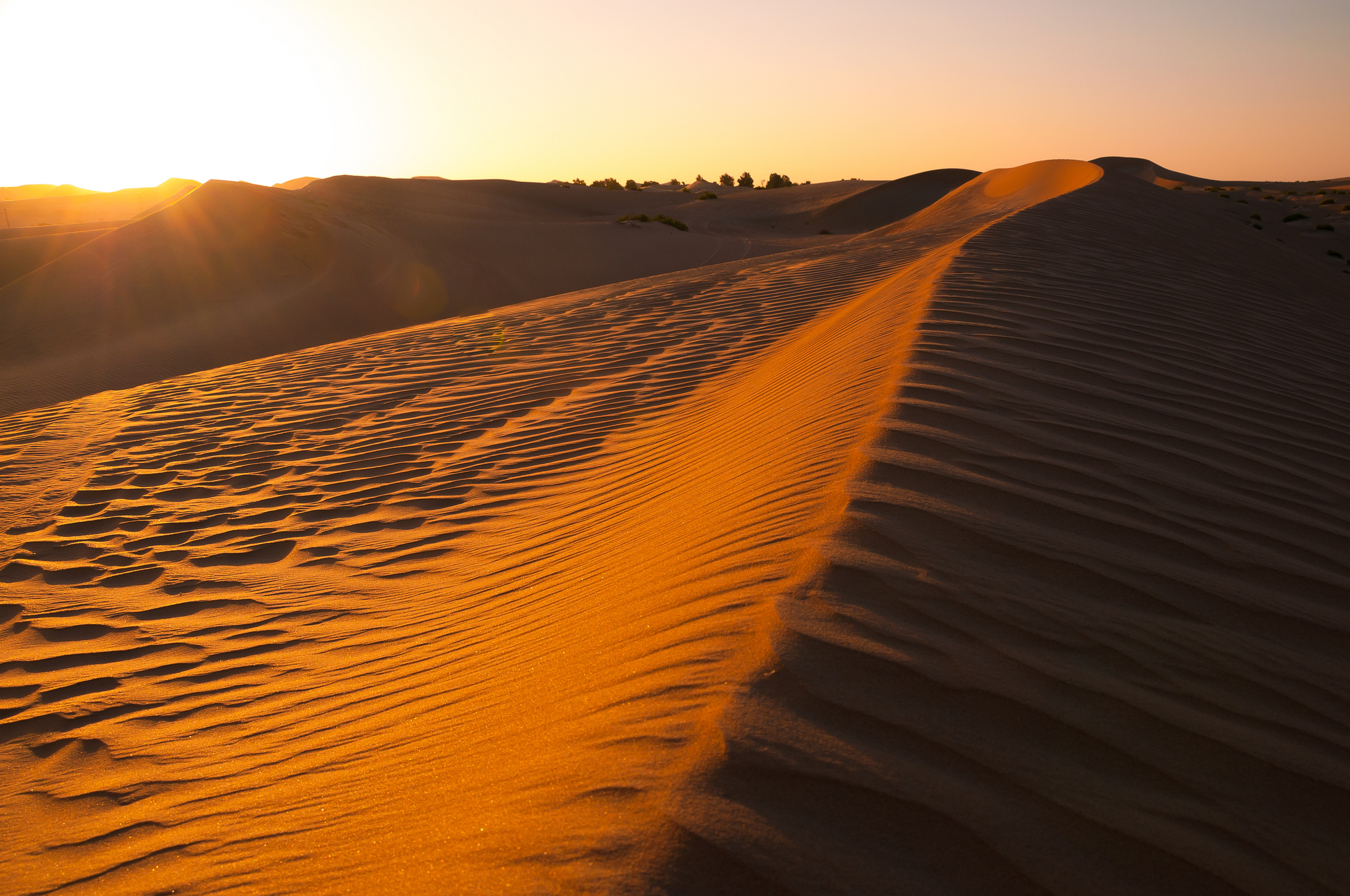
The Middle East is known for its vast petroleum resources and oil has been its primary source of wealth.  But the desert region is now becoming a significant center for solar energy as well.  The world’s largest single-site solar park is the Mohammed bin Rashid Al Maktoum Solar Park, located in the United Arab Emirates.

Currently, 1 GW of solar is operational at the facility, but work is underway that will add 1.8 GW more capacity. Over 2.2 million solar panels have been installed to date and there will be more than 3.9 million by the time the next phase is completed. By the end of the decade, the capacity of the facility is expected to reach 7.2 GW, exceeding the original 5 GW target.  The plant will contribute about a third of Dubai’s total electricity capacity.

This solar plant will be one of the 15 largest power plants in the world.  Most of the largest ones are hydroelectric plants.  The biggest is the Three Gorges Dam in China, which has an enormous 22.5 GW capacity. The only non-hydro plant in the top 10 is the Jebel Ali natural gas plant, located in the United Arab Emirates.  China’s Jiuquan Wind Farm has a capacity of nearly 8 GW.  The largest power plant in the United States is the Grand Coulee Dam, which has a 6.8 GW capacity.

The world’s hunger for electric power continues to grow, especially with the surging use of AI technology.  As a result, there will be growing numbers of increasingly larger power plants.

**********

Web Links

World’s largest solar park adds 1 GW

Photo courtesy of the Dubai Media Office.

Earth Wise is a production of WAMC Northeast Public Radio
Limiting global warming

December 4, 2024 By EarthWise Leave a Comment

Limiting global warming is going to require some countries to do much more

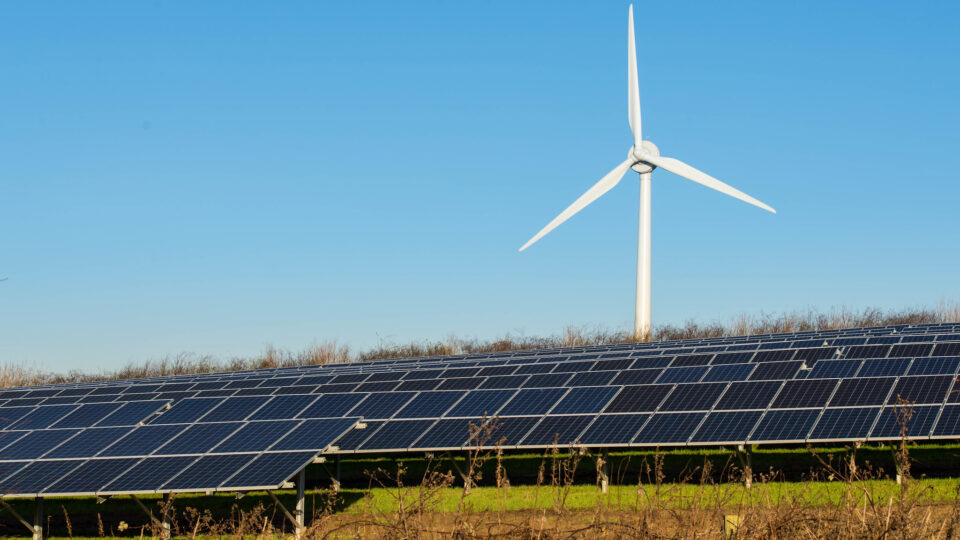
A pressing question from the recently concluded 29th annual United Nations Climate Change Conference in Azerbaijan is how to transition away from fossil fuels and speed up climate mitigation in line with the 1.5 °C global warming target.

Keeping global average temperatures below 1.5 °C above pre-industrial levels is crucial to avoid the most severe impacts of climate change, including extreme weather, rising seas, biodiversity loss, and disruptions to food and water security. 

According to a new study by researchers from Stockholm University, Chalmers University of Technology, and Uppsala University in Sweden, it is still possible to limit global warming to 1.5 °C.  But the study found that the United States, the European Union, and 16 other countries will have to exceed their own current targets in order to achieve this global goal.  

The study, which was recently published in the journal Nature Communications, introduced an “additional carbon accountability” indicator, which quantifies countries’ responsibility for mitigation and carbon dioxide removal in addition to achieving their own targets.

The study identified 18 countries that should be accountable for increasing their ambitions to stay within their equal per capita share of the global carbon budget for 1.5 °C.  Additional carbon accountability is highest for the United States and China, and highest per capita for the United Arab Emirates, Russia, Saudi Arabia, and the U.S.

Failure to limit global warming risks catastrophic impacts of climate change.

**********

Web Links

COP29: Possible to limit climate change to 1.5°C – if EU and 17 other countries go beyond their own targets

Photo, posted December 27, 2015, courtesy of Gerry Machen via Flickr.

Earth Wise is a production of WAMC Northeast Public Radio
Coastal Land Reclamation | Earth Wise

April 3, 2023 By EarthWise Leave a Comment

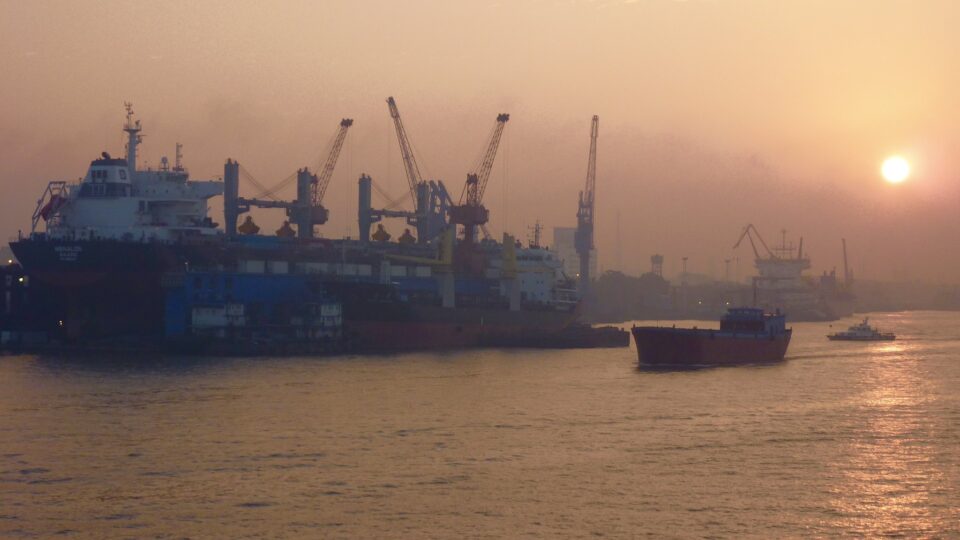
People are artificially expanding the coastlines of cities by extending industrial ports and creating luxury residential waterfronts.  Major cities have added 900 square miles to their coastlines just since 2000. 

A recent study published in the journal Earth’s Future made use of satellite imagery to analyze land changes in 135 cities with populations of at least 1 million.  But population growth is not the only driver of coastal land reclamation.  It is popular in places that are eager to enhance their reputation and promote revenue growth.

At present, coastal land reclamation is most common in the Global South, where many economies are growing. In the past, the Global North dominated the use of coastal land construction.

The largest additions to land area occurred in China, Indonesia, and the United Arab Emirates.  Port extension is the most common reason for development.  Shanghai alone has added 135 square miles of land.

New land is typically created by piling sediments in the ocean, building cement sea walls and structures to contain sediments or cement, or sometimes filling in wetlands and other shallow areas of water near the coast.  The ecological impacts of reclamation are immense and, unfortunately, are not always considered.  Projects affect both the local ecosystems as well as those of the places where fill materials are obtained.

Industrialization and the need for urban space have driven much coastal reclamation.  Some projects, such as the palm-tree-shaped artificial islands of Dubai, are essentially for prestige.  Some cities, including Shanghai, are building new land in consideration of future sea level rise.

**********

Web Links

New Land Creation on Waterfronts Increasing, Study Finds

Photo, posted October 15, 2010, courtesy of Werner Bayer via Flickr.

Earth Wise is a production of WAMC Northeast Public Radio
Turning Carbon Into Stone | Earth Wise

January 31, 2023 By EarthWise Leave a Comment

Start-up plans to turn carbon into stone

A start-up company in Oman called 44.01 was recently awarded a $1.2 million Earthshot Prize by Prince William of the U.K.  The company, whose name corresponds to the molecular weight of carbon dioxide, is working on speeding up natural chemical reactions that take carbon from the air and lock it into solid mineral form.

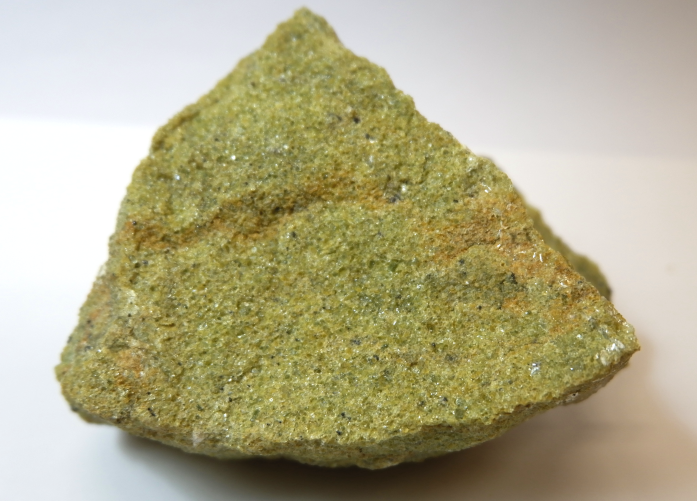
The company’s location in Oman is no random occurrence.  The mountains of northern Oman and along the coast of the United Arab Emirates are the site of a huge block of oceanic crust and upper mantle that was thrust upward some 96 million years ago.  The tilted mass of rock is over 200 miles long and is the largest surface exposure of the Earth’s mantle in the world.

This type of rock, called peridotite, is rich in olivine and pyroxene, which react with water and carbon dioxide to form calcium-based minerals like serpentine and calcite that permanently lock in carbon. Other kinds of rock also are capable of carbon-storing mineralization, but this mantle rock is the most effective for the purpose. It only exists at the Earth’s surface in a few places, including Papua New Guinea and some spots in California and Oregon.

The 44.1 company is planning to use solar-powered direct air capture devices to remove CO2 from the air, use it to produce carbonated water, and inject the water into the reactive rocks.  The company will operate a couple of pilot systems during 2023.  Ultimately, the company believes it can scale up the process to be able to permanently sequester as much as a billion tons of CO2 a year by the year 2040 without needing to inject the gas into deep caverns or find other places to store it.

**********

Web Links

With Major Prize, a Project to Turn Carbon Emissions to Stone Gains Momentum

Photo, posted August 10, 2018, courtesy of JM McBeth via Flickr.

Earth Wise is a production of WAMC Northeast Public Radio

Cloud Seeding And The Western Drought | Earth Wise

April 6, 2022 By EarthWise Leave a Comment

The massive megadrought affecting the American West is now considered to be the driest two-decade period in the past 1,200 years.  The lengthy drought has led to increased wildfires, reduced agricultural productivity, and reduced electricity generation by hydropower plants.  The historically low water levels in the largest two reservoirs in the U.S. – Lake Mead and Lake Powell – has triggered reductions in water allocations to Arizona, Nevada, and Mexico.

Several western states have expanded cloud seeding programs in an attempt to increase precipitation.  During the past two years, Idaho, Utah, Colorado, Wyoming, and California have all stepped up their cloud seeding efforts.  Outside of the US, the United Arab Emirates and China both have implemented massive cloud seeding programs.

A study by researchers at the University of Colorado and the National Center for Atmospheric Research looked at the ability of cloud seeding to increase snowfall.  The study unambiguously demonstrated that cloud seeding can increase snowfall.  Just how effective it is in terms of how much additional snow seeding produces is less clear.

Given the dire need for water and the fact that cloud seeding is not especially expensive, governments and other users are not hesitating to make use of it.

Unfortunately, the study shed no light on the efficacy of warm weather seeding to produce rain.  There is in fact little evidence that seeding clouds to produce rain accomplishes very much.  Once again, the prevailing view is that it is worth trying.  There do not appear to be environmental downsides to seeding.

The hope is that cloud seeding may at least restore clouds to the state they had been in before industrial pollution and other human activities affected them.

**********

Web Links

Can Cloud Seeding Help Quench the Thirst of the U.S. West?

Photo, posted November 21, 2013, courtesy of Sharon Tate Soberon via Flickr.

Earth Wise is a production of WAMC Northeast Public Radio.

Exporting Emissions

July 26, 2017 By EarthWise

https://earthwiseradio.org/wp-content/uploads/2017/07/EW-07-26-17-Exporting-Emissions.mp3

The Paris Climate Agreement seeks to reduce global carbon emissions.  The nearly 200 countries who signed it have pledged to reduce their own emissions within their borders.  And therein lies the rub:  the agreement says nothing about the impact their products have across the world.   For some countries, the problem is not so much the emissions they produce; it is those they export.

[Read more…] about Exporting Emissions

Saving The Sea From Salt

July 18, 2016 By WAMC WEB

https://earthwiseradio.org/wp-content/uploads/2016/07/EW-07-18-16-Saving-the-Sea-from-Salt.mp3

The Persian Gulf along with the Red and Mediterranean seas are getting saltier all the time because of the waste products of desalination.   The United Arab Emirates, Saudi Arabia, Kuwait, Qatar, Bahrain and Oman account for 45% of the world’s desalination capacity.  And the byproduct of desalination is brine, which is twice as salty as seawater.   Even advanced desalination plants produce two cubic meters of waste brine for every one cubic meter of clean water.

[Read more…] about Saving The Sea From Salt

Light Pollution

June 29, 2016 By WAMC WEB

https://earthwiseradio.org/wp-content/uploads/2016/06/EW-06-29-16-Light-Pollution.mp3

The luminous glow of the Milky Way, the galaxy that contains our Solar System, has inspired everything from stories and songs to paintings and poems for centuries.  But now one third of the people on the planet – including 80% of Americans and 60% of Europeans – cannot see the Milky Way at night because of light pollution.  Nighttime light pollution now covers nearly 80% of the globe.   

[Read more…] about Light Pollution

Making It Rain

May 23, 2016 By WAMC WEB

https://earthwiseradio.org/wp-content/uploads/2016/05/EW-05-23-16-Fake-Mountain.mp3

It seldom rains in the United Arab Emirates.  Some areas of the UAE receive less than five inches of rain annually, and often little to none at all during the summer months when temperatures can climb above 110 degrees Fahrenheit.  These conditions have led to water security concerns particularly in Dubai, a blossoming international destination, as well as in rural, farming communities.

[Read more…] about Making It Rain

Primary Sidebar

Recent Episodes

  • An uninsurable future
  • Clean energy and jobs
  • Insect declines in remote regions
  • Fossil fuel producing nations ignoring climate goals
  • Trouble for clownfishes

WAMC Northeast Public Radio

WAMC/Northeast Public Radio is a regional public radio network serving parts of seven northeastern states (more...)

Copyright © 2026 ·