• Skip to primary navigation
  • Skip to main content
  • Skip to primary sidebar

Earth Wise

A look at our changing environment.

  • Home
  • About Earth Wise
  • Where to Listen
  • All Articles
  • Show Search
Hide Search
You are here: Home / Archives for unesco

unesco

Tracking Ocean Plastics | Earth Wise

July 30, 2021 By EarthWise Leave a Comment

Using a new technology to track ocean plastics across the globe

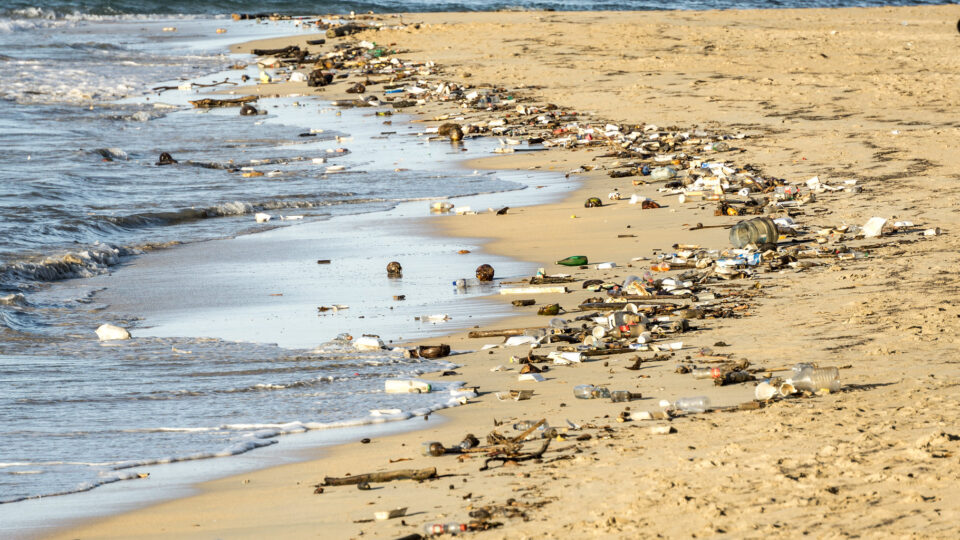
Plastic pollution in the oceans is a major problem.  An estimated 8 million tons of plastic trash enters the ocean every year.  Most of it is broken up by sun and waves into microplastics, which are tiny bits that ride currents for hundreds or thousands of miles.  All of this debris is harmful to marine ecosystems, and it is both challenging to track and very difficult to clean up.

University of Michigan researchers have developed a new technique for spotting and tracking ocean microplastics across the globe.  The approach relies on the Cyclone Global Navigation Satellite System, or CYGNSS, which is a constellation of eight microsatellites launched in 2016 to monitor weather near large storm systems.  It turns out that the radar systems on CYGNSS that measure surface roughness to calculate the wind speed near the eyes of hurricanes can also be used to detect the presence of microplastics.

With the satellite measurements, the researchers have found that global microplastic concentrations tend to vary by season, peaking during the summer months.  For example, June and July are the peak months for the Great Pacific Garbage Patch.  The data also showed spikes in microplastic concentration at the mouth of China’s Yangtze River, long suspected to be a chief source of plastic pollution.  The researchers produced visualizations that show microplastic concentrations around the world.

The information provided by the new technique could help organizations that clean up microplastics to deploy ships and other resources more efficiently.  Data of single-point release of plastics, such as from rivers, may also be useful to UNESCO, which has sponsored a task force to find new ways to track the release of microplastics into the world’s waters.

**********

Web Links

Ocean microplastics: First global view shows seasonal changes and sources

Photo, posted April 3, 2018, courtesy of Rey Perezoso via Flickr.

Earth Wise is a production of WAMC Northeast Public Radio.
The Cost of Cleaning Up Ocean Plastic | Earth Wise

October 7, 2020 By EarthWise Leave a Comment

Cleaning up ocean plastic carries a large price tag

Small island developing states increasingly find themselves with large amounts of plastic waste.  A recent study looked at the financial cost for removing it.

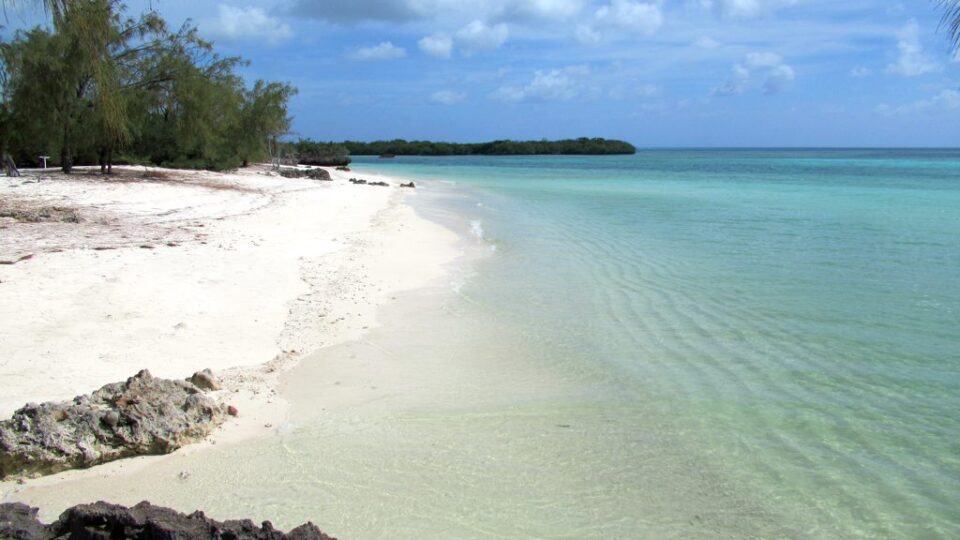
Aldabra Atoll is a UNESCO World Heritage Site in the Seychelles.  It is the world’s second-largest coral atoll and is the home of 307 species of animals and plants, including the largest population of giant tortoises in the world.  Aldabra has been called one of the wonders of the world and one of the crown jewels of the Indian Ocean.

Last year, a team from the University of Oxford and the Seychelles Island Foundation, spent five weeks removing litter that had washed up on Aldabra’s shores.  In total, they removed 25 tons of plastic litter which, to their surprise, was dominated by waste from the fishing industry.  The researchers now estimate that over 500 tons of litter remain on the island, 83% of which consists of buoys, ropes, nets, and, of all things, over 300,000 individual flipflops.  This is the largest accumulation of plastic waste reported for any single island in the world.

According to the study, the cost to clean up the entire island would be nearly $5 million, requiring 18,000 person-hours of labor.  A project of this magnitude is beyond the capacity of non-profit organizations like the Seychelles Islands Foundation.

The plastic pollution in Aldabra is related to the fishing industry in Seychelles, which provides tuna to high-income markets around the world.  The research highlights how even remote highly protected island ecosystems are impacted by global pollution and how difficult and costly it is to remedy.

**********

Web Links

Millions of dollars to clean up tuna nets and flip flops from island state

Photo, posted December 27, 2016, courtesy of David Stanley via Flickr.

Earth Wise is a production of WAMC Northeast Public Radio.
A Small Win For Coral

August 15, 2018 By EarthWise Leave a Comment

https://earthwiseradio.org/wp-content/uploads/2018/08/EW-08-15-18-A-Small-Win-for-Coral.mp3

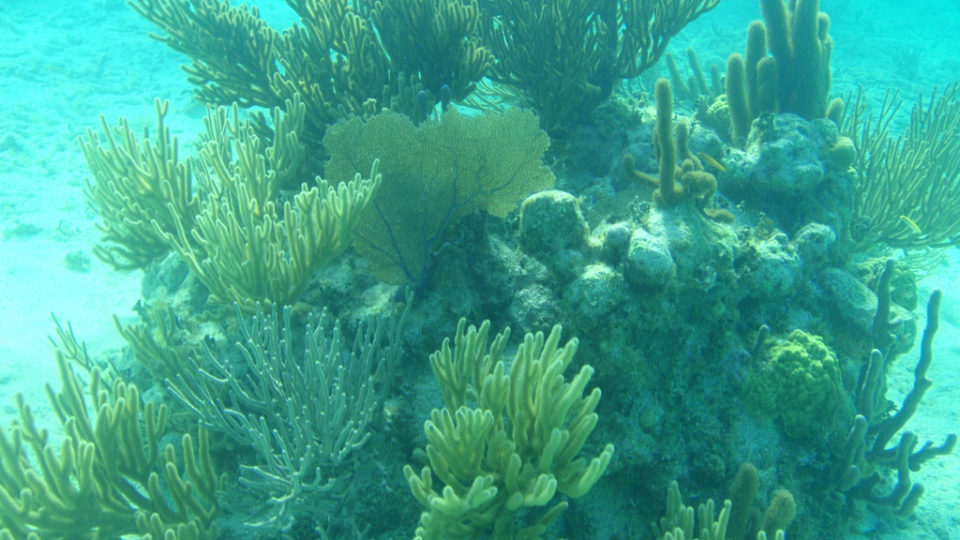
The Belize Barrier Reef is the largest barrier reef system in the Northern Hemisphere.  It extends roughly 200 miles, and is made up of a series of coral reefs, cays and islands, many of which are covered with mangroves. It was designated a Unesco World Heritage Site in 1996, and added to its endangered list in 2009.  

[Read more…] about A Small Win For Coral

A Philippine Coral Reef Survives

January 2, 2018 By EarthWise Leave a Comment

https://earthwiseradio.org/wp-content/uploads/2017/12/EW-01-02-18-Philippine-Coral-Reef-Survives.mp3

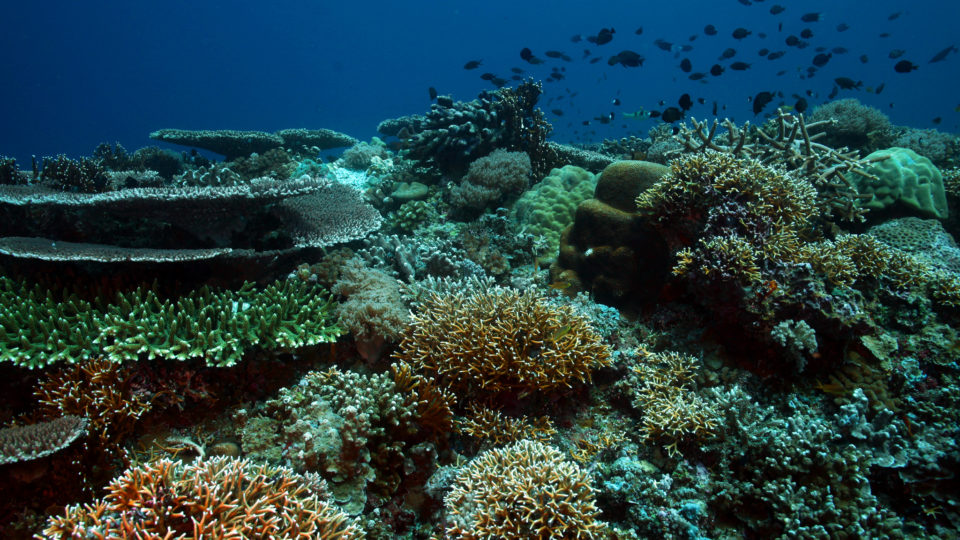
One of the greatest coral reef ecosystems in the world, the Tubbataha Reef in the Philippines, continues to prosper.  Undersea coral walls that plunge more than 300 feet deep are home to some 600 species of fish and 360 kinds of coral, about half of all known species.  According to experts, the ocean wilderness of Tubbataha Reef is about the closest thing to a true natural state for any reef in the world.

[Read more…] about A Philippine Coral Reef Survives

Pollution In The Middle Of Nowhere

July 10, 2017 By EarthWise

https://earthwiseradio.org/wp-content/uploads/2017/07/EW-07-10-17-Pollution-in-the-Middle-of-Nowhere-1.mp3

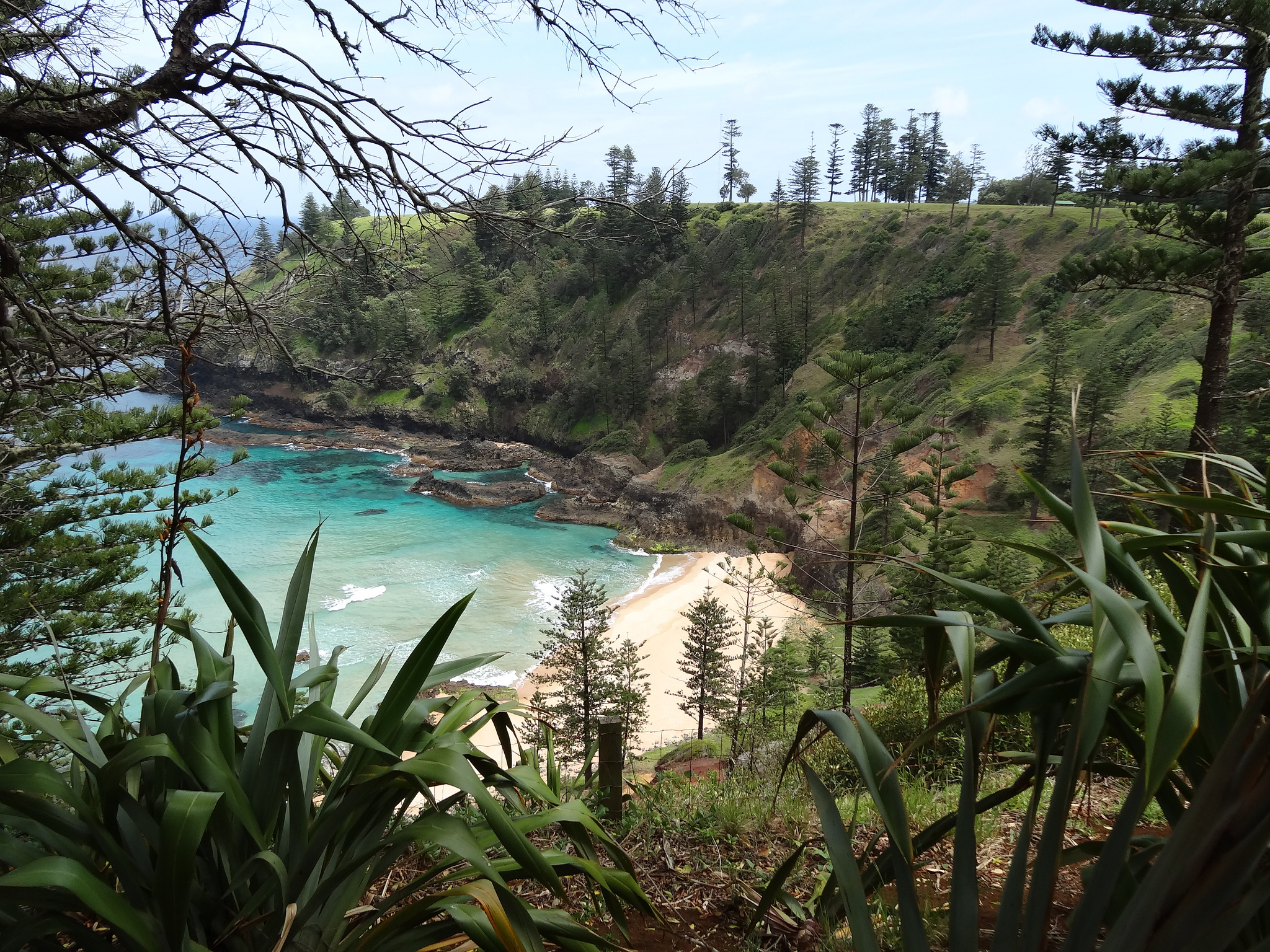
The Pitcairn Islands are a group of four volcanic islands in the South Pacific, mostly known from the famed mutiny on the British ship Bounty. Pitcairn Island itself is where many of the mutineers settled and where some of their descendants live today.   That small island, with a population of 57, is the only one of the group that is inhabited.

[Read more…] about Pollution In The Middle Of Nowhere

Primary Sidebar

Recent Episodes

  • An uninsurable future
  • Clean energy and jobs
  • Insect declines in remote regions
  • Fossil fuel producing nations ignoring climate goals
  • Trouble for clownfishes

WAMC Northeast Public Radio

WAMC/Northeast Public Radio is a regional public radio network serving parts of seven northeastern states (more...)

Copyright © 2026 ·