• Skip to primary navigation
  • Skip to main content
  • Skip to primary sidebar

Earth Wise

A look at our changing environment.

  • Home
  • About Earth Wise
  • Where to Listen
  • All Articles
  • Show Search
Hide Search
You are here: Home / Archives for tests

tests

An anti-malaria breakthrough

August 26, 2025 By EarthWise Leave a Comment

A technological breakthrough in the battle against malaria

The deadliest animal in the world is the mosquito.  Mosquitos infected 263 million people with malaria in 2023, leading to 600,000 deaths, 80% of which were children.  Malaria is caused by infection from Plasmodium parasites.  The parasites are transmitted to humans from the bite of infected female mosquitos.

Researchers at the University of California San Diego, Johns Hopkins University, UC Berkeley, and the University of Sāo Paulo have developed a new method that genetically blocks mosquitos from transmitting malaria.

The study was published in the journal Nature.  They used gene editing to change a single molecule within mosquitos.  The genetically altered mosquitos can still bite people with malaria and can still acquire parasites from their blood, but the parasites can no longer be spread to other people.  The switching of one specific amino acid known as L224 with a genetic alternative called Q224 prevents malarial parasites from reaching the salivary glands of the mosquito, thereby preventing the spread of infection.  In extensive tests, the researchers found that while the genetic switch disrupted the parasite’s infection capabilities, the mosquitos’ normal growth and reproduction remained unchanged.

The hope is that the replacement of a single amino acid in mosquitoes that prevents them from being infected with malarial parasites is a beneficial trait that can spread throughout a mosquito population.  The researchers believe that the trait can be spread across diverse mosquito species and populations and can pave the way for adaptable, real-world strategies to control malaria.

**********

Web Links

Stealth Genetic Switch in Mosquitoes Halts Malaria Spread

Photo, posted June 20, 2014, courtesy of John Tann via Flickr.

Earth Wise is a production of WAMC Northeast Public Radio

More efficient cooling for data centers

July 22, 2025 By EarthWise Leave a Comment

Engineers are working on a more efficient method to cool data centers

Increasing reliance on digital technologies in general and artificial intelligence in particular are dramatically increasing the energy consumption of data centers.  Data centers consume far more energy per square foot than other commercial buildings.  By the year 2030, data center energy consumption in the US is projected to reach 9% of the country’s electricity generation. 

Computing hardware consumes large amounts of energy and generates large amounts of heat in the process.  Currently, cooling the equipment so it doesn’t burn out accounts for as much as 40% of a data center’s total energy use. 

Engineers at the University of California San Diego have developed a new cooling technology that could significantly improve the energy efficiency of data centers.  The technology makes use of a specially engineered fiber membrane that passively removes heat through evaporation.

The membrane has a network of tiny, interconnected pores that draw cooling liquid across the membrane surface using capillary action.  As the liquid evaporates, it removes heat from the electronics underneath.  No extra energy is required.

Tests of the membrane demonstrated record-breaking performance in removing heat from electronics and being able to withstand very high levels of heat flux.

The researchers say that the technology is still operating well below its theoretical limit, and with additional work, can lead to optimized performance.  The membranes will be integrated into cold plates, which are components that attach to power-hungry computing components to dissipate heat.  The team is also launching a startup company to commercialize the new cooling technology.

**********

Web Links

New Cooling Tech Could Curb Data Centers’ Rising Energy Demands

Photo, posted January 23, 2023, courtesy of Jefferson Lab via Flickr.

Earth Wise is a production of WAMC Northeast Public Radio

Extending the shelf life of produce

July 10, 2025 By EarthWise Leave a Comment

More than 30% of the world’s food is lost after it has been harvested.  That’s enough to feed more than a billion people.  Much of that loss is fruits and vegetables that go bad before they can be eaten.

Refrigeration is the most common way to preserve foods, but the energy and infrastructure required is not always available, especially in less affluent regions of the world.

Researchers at MIT and Singapore-based collaborators have demonstrated that they can extend the shelf life of harvested plants by injecting them with melatonin using biodegradable microneedles.

Silk microneedles are tiny, nontoxic, and biodegradable and represent a means of delivering nutrients to plants without triggering a stress response.

Melatonin is a natural hormone that plants already use.  Injecting it was shown to extend vegetables’ shelf life.  The tests used pak choy, an important Asian crop that is very perishable.  Untreated plants at room temperature yellowed within two or three days.  In contrast, treated plants stayed green for five days.  Overall, treated plants retained saleable value for 8 days.  Refrigerated plants had their shelf life extended considerably as well.  However, the most significant value of the technique is that it could enhance the shelf life of perishable produce like pak choy without needing access to refrigeration.

The dose of melatonin delivered to the plants is so low that it is fully metabolized by the crops, so it would not significantly increase the amount normally present in the food.  People would not ingest more melatonin than usual.  The researchers believe that their technique should work with all kinds of produce.

**********

Web Links

A new technology for extending the shelf life of produce

Photo, posted May 6, 2010, courtesy of Jessica Spengler via Flickr.

Earth Wise is a production of WAMC Northeast Public Radio

Self-healing concrete

June 25, 2025 By EarthWise Leave a Comment

Concrete is the most widely used building material on Earth.  It has a dangerous and costly flaw:  it cracks easily.  Cracks in concrete can lead to inconvenient damage or to catastrophic structural failures such as collapses of buildings, bridges, or highways.

Concrete is made by mixing crushed stone and sand with powdered clay and limestone and adding water.  The mixture hardens and once set becomes extremely strong.  However, natural forces like freeze-thaw cycles, drying shrinkage, and heavy loads can cause cracks.  Even very tiny cracks can allow liquids and gases to seep into embedded steel reinforcements causing corrosion and weakness. 

For over 30 years, researchers have investigated microbe-mediated self-healing concrete.  It involves introducing microbial healing agents into cracks and injecting nutrients for the healing agents to produce repair materials.  It is not a very practical solution.

Researchers at Texas A&M University have developed a technique inspired by the behavior of lichen systems. Their system, like lichen, uses a combination of cyanobacteria which turns air and sunlight into food, and filamentous fungi, which produces minerals that seal the cracks. 

In lab tests, the paired microbes were able to grow and produce crack-filling minerals even in challenging environments such as concrete.  If it is possible to produce concrete that can heal itself, it would significantly reduce maintenance costs, extend its longevity, and even protect lives through increased safety.

**********

Web Links

Cracking the Code: Deciphering How Concrete Can Heal Itself

Photo, posted May 21, 2009, courtesy of DesignMag via Flickr.

Earth Wise is a production of WAMC Northeast Public Radio
Solar-powered desalination

November 7, 2024 By EarthWise Leave a Comment

People in remote, low-income regions far from the ocean often need to meet their water needs from groundwater and groundwater is becoming increasingly saline due to climate change.  Desalination of brackish groundwater is a huge and largely untapped source of drinking water, but there are challenges in making the process efficient and reliable.

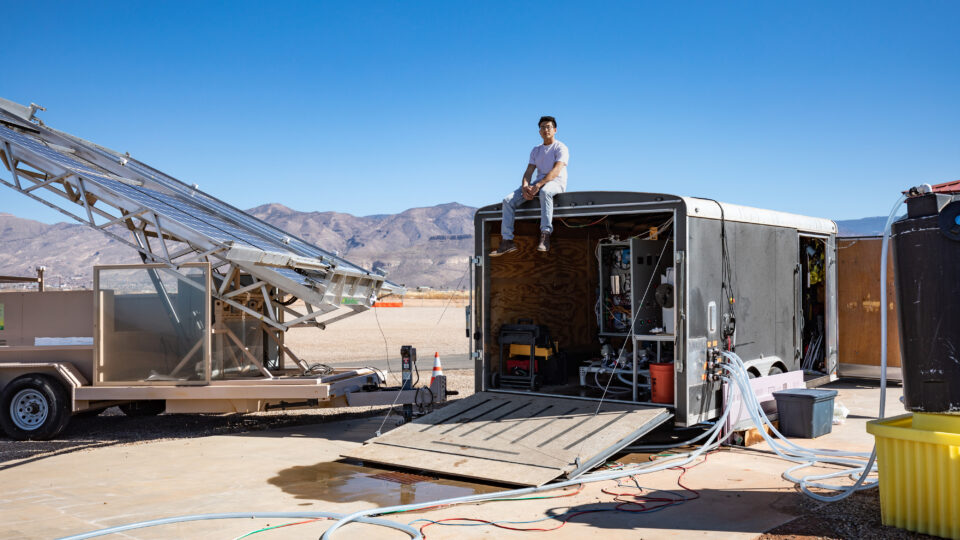
Engineers at MIT have developed a solar-powered desalination system that requires no batteries or external power sources and is capable of producing large quantities of clean water despite the variations of sunshine throughout the day.

The system is based on the process of electrodialysis and consists of water pumps, an ion-exchange membrane stack, and a solar panel array.  What is unique about it is that it makes use of sensors and a control system that predicts the optimal rate at which to pump water through the system based on the output of the solar panels.  As a result, it uses nearly all of the electricity generated to produce clean water and does not need stored or grid-based energy.

The MIT engineers tested a community-scale prototype on groundwater wells in New Mexico over a six-month period.  The system harnessed on average over 94% of the electricity generated by its solar panels and produced as much as 5,000 liters of water per day despite large variations in weather and sunlight.

The new renewable-powered, battery-free system could provide much-needed drinking water at low cost, especially for communities where access to seawater and to grid power are limited.  The team plans to further test and scale up the system so it can supply larger communities and even whole municipalities with low-cost drinking water.

**********

Web Links

Solar-powered desalination system requires no extra batteries

Photo courtesy of Shane Pratt.

Earth Wise is a production of WAMC Northeast Public Radio
Seashells inspire better concrete

July 10, 2024 By EarthWise Leave a Comment

Seashells inspiring better concrete

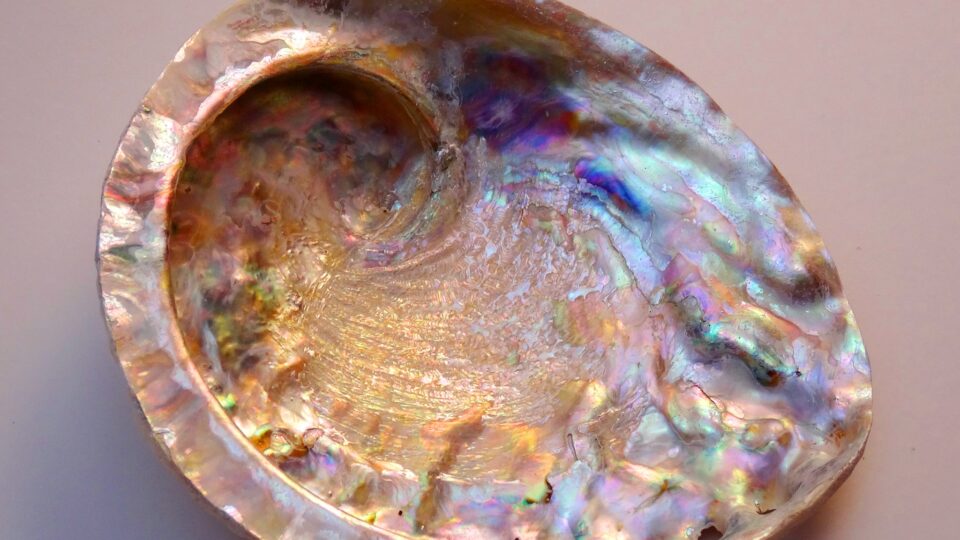
Mother of pearl – also known as nacre – is a natural material found in certain seashells such as those of oysters and abalone.  On the microscopic level, it consists of hexagonal tablets of the hard mineral aragonite glued together by a soft biopolymer.  The aragonite gives nacre its strength, and the biopolymer adds flexibility and crack resistance. 

Scientists at Princeton University have developed innovative composite materials inspired by nacre by utilizing conventional construction materials like Portland cement paste combined with a limited amount of polymer.  The new material consists of alternating layers of cement paste sheets with the highly stretchable polymer polyvinyl siloxane.

The materials were subjected to bending tests to evaluate crack resistance or fracture toughness.  Three different versions of the material were tested that used different ways of interposing the polymer layers.  The new materials were compared with similar structures composed entirely of cement.

The concrete-only samples were brittle, breaking suddenly and completely upon reaching their failure point.  The samples with alternating cement and polymer layers demonstrated increased ductility and resistance to cracking. 

By fully mimicking the structure of nacre – using completely separated hexagonal cement tablets – the researchers demonstrated materials with 19 times the ductility and 17 times the fracture toughness of cement while retaining nearly the same strength as solid cement samples.

Engineered materials inspired by nature could eventually help increase the durability of a wide range of brittle ceramic materials, from concrete to porcelain.

**********

Web Links

From seashells to cement, nature inspires tougher building material

Photo, posted January 2, 2016, courtesy of Yantra via Flickr.

Earth Wise is a production of WAMC Northeast Public Radio
Recycling cement

June 21, 2024 By EarthWise Leave a Comment

Recycling concrete may have a future

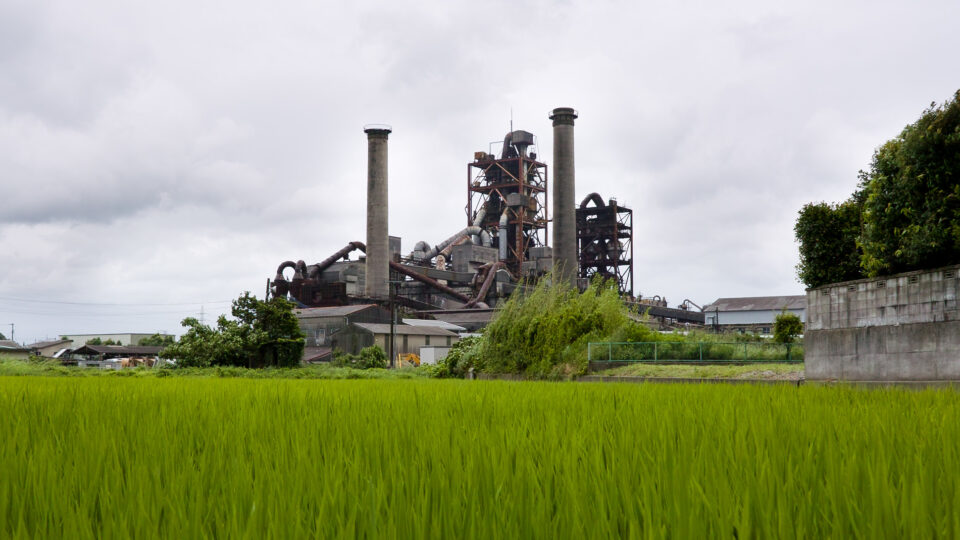
Concrete is the second-most-used material on the planet.  Only water is used more.  Producing concrete is responsible for 7.5% of human-produced carbon dioxide emissions.  So, finding a cost-effective way to reduce these emissions is a major challenge in the face of ever-growing global demand for concrete.

Researchers at Cambridge University have found that used cement is an effective substitute for lime flux, which is an essential material used in steel recycling that results in a waste product called slag.  When lime is replaced with used cement, the end product instead is recycled cement that can be used to make new concrete.

The process does not add any significant costs to concrete or steel production and significantly reduces the emissions associated with both.

Concrete is made from sand, gravel, water, and cement.  Cement is made by a process called clinkering, in which limestone and other materials are heated to 2,600 degrees Fahrenheit.  The process converts the materials into cement but releases large amounts of CO2 as limestone decarbonates into lime. 

Cambridge researchers found that using cement clinker and iron oxide instead of lime works well in steel recycling.  Crushing old concrete and taking out the sand and stone results in a cement that is reactivated by the recycling furnace to produce a material with excellent properties. 

Recent tests by the Materials Processing Institute showed that recycled cement can be produced at scale in an electric arc furnace.  Ultimately, this method could produce zero emission cement if the electricity for the furnace comes from renewable sources.

**********

Web Links

Cement recycling method could help solve one of the world’s biggest climate challenges

Photo, posted July 18, 2011, courtesy of Kenta Mabuchi via Flickr.

Earth Wise is a production of WAMC Northeast Public Radio

Self-heating concrete

April 24, 2024 By EarthWise Leave a Comment

Researchers at Drexel University are developing self-heating concrete

States in the colder parts of the country spend an estimated $2.3 billion a year on snow and ice removal as well as untold millions on repairing roadways damaged by winter weather.  Researchers at Drexel University have been researching a way to extend the service life of concrete surfaces like roadways and to help them maintain a surface temperature above freezing during the winter.

Preventing freezing and thawing as temperatures go up and down and reducing the amount of plowing and salting is a desirable goal.  The Drexel team has developed a cold-weather-resilient concrete mix that is capable of melting snow on its own using only the thermal energy in the environment and not requiring salt, shoveling, or heating systems.

The system uses low-temperature liquid paraffin that turns from its room-temperature liquid state into a solid when temperatures go down.  Incorporating the liquid paraffin into concrete triggers heating when temperatures drop due to the energy released by the phase change.

Tests on slabs of the concrete on the Drexel campus over the past two years recorded 32 freeze-thaw events.  The special slabs maintained a surface temperature between 42 and 55 degrees for up to 10 hours when air temperatures dipped below freezing.

The heating is enough to melt a couple of inches of snow at a rate of a quarter inch an hour.  It’s not enough to melt a heavy snow event before plows are needed, but it can help deice road surfaces and increase transportation safety.  And simply preventing the surface from freezing, thawing, and refreezing can go a long way towards preventing deterioration.  It is promising research toward reducing an ongoing problem in colder climates.

**********

Web Links

Drexel’s Self-Heating Concrete Is One Step Closer to Clearing Sidewalks Without Shoveling or Salting

Photo, posted March 16, 2024, courtesy of Ajay Suresh via Flickr.

Earth Wise is a production of WAMC Northeast Public Radio

Forever chemicals in water

April 23, 2024 By EarthWise Leave a Comment

So-called forever chemicals are pervasive in a wide range of products.  These are man-made substances called per- and polyfluoroalkyls or PFAS.  They get their unfortunate nickname because the chemical bonds in them are so strong that the compounds don’t break down for hundreds or even thousands of years.

PFAS compounds are used in makeup, dental floss, nonstick pans, food wrappers, pesticides, stain-resistant fabrics and carpets, firefighting foams, and more.  High level exposure to some of these chemicals has been linked to a variety of health problems include high cholesterol, liver and immune system damage, pregnancy problems, and kidney and testicular cancer.

A recent study published in the journal Nature Geoscience has found that PFAS chemicals are showing up in water around the world.  The study looked at more than 45,000 water samples and found that about 31% of ground water tested that wasn’t even near any obvious source of PFAS contamination had levels of the chemicals that are considered harmful to human health by the EPA.  About 16% of surface water samples – streams, rivers, ponds, and lakes – also not near any known source, had similar hazardous PFAS levels.

The EPA has now imposed strict new drinking water limits for six types of PFAS.  Going forward, water systems are required to monitor for these chemicals and remove them if they are found above allowable levels.  The new rules make the United States one of the strictest countries in the world in terms of regulating PFAS in water.

**********

Web Links

EPA puts limits on ‘forever chemicals’ in drinking water

Photo, posted May 5, 2020, courtesy of Brandon Shaw via Flickr.

Earth Wise is a production of WAMC Northeast Public Radio

Wastewater As A Freshwater Source | Earth Wise

September 27, 2021 By EarthWise Leave a Comment

Water covers three-quarters of our planet, but freshwater – the water we drink, bathe in, and irrigate crops with – comprises only 3% of the world’s water and much of that is frozen in glaciers or otherwise unavailable.  Nearly 3 billion people suffer from water scarcity for at least some of the year.

Natural freshwater sources – lakes, rivers, and groundwater – are under stress from the effects of climate change and from the increasing demands of city populations.  The wastewater treatment plants in large cities represent a significant potential water source provided that sustainable and economical technologies to produce it can be developed.

Researchers at Lehigh University in Pennsylvania have patented an innovative ion exchange desalination process that is a legitimate candidate to transform wastewater into usable water.

Existing large-scale desalination systems make use of semipermeable reverse osmosis membranes that require an energy source to run the system.  The Lehigh process, which they call HIX-Desal, harnesses the unique chemistry of carbon dioxide to take the place of the energy used in reverse osmosis systems. 

Tests of the new system show that the salinity of treated wastewater can be reduced by more than 60% by the HIX-Desal process without requiring any reverse osmosis.  At an Allentown, Pennsylvania water treatment plant where the system was tested, the researchers estimated that using the system could save about a million kWh per day in electricity usage, enough energy to power 94 homes for a year.

With this system, waste carbon dioxide from landfills or turbine exhaust can be used to desalinate municipal wastewater.  It could be the basis of a circular economy.

**********

Web Links

Desalination tech uses CO2 to tap into municipal wastewater as alternative freshwater source

Photo, posted November 28, 2020, courtesy of Richard Ricciardi via Flickr.

Earth Wise is a production of WAMC Northeast Public Radio.

Seeds And Climate Change | Earth Wise

August 19, 2021 By EarthWise Leave a Comment

Engineering seeds to succeed as the climate changes

Farmers and agricultural communities around the world are on the frontlines of climate change.  They are among the first to feel the impacts of hotter temperatures as well as more frequent and intense droughts and precipitation. These challenges pose a massive threat to both farmer livelihoods and global food security.

As the planet continues to heat up, many arid regions that already have marginal conditions for agriculture will be increasingly under stress. As a result, researchers from the Massachusetts Institute of Technology and the King Mohammed VI Polytechnic University in Morocco are working on a promising new way to protect seeds from this stress during their crucial germination phase. Their simple and inexpensive process, which was recently described in a paper published in the journal Nature Food, also provides plants with extra nutrition at the same.

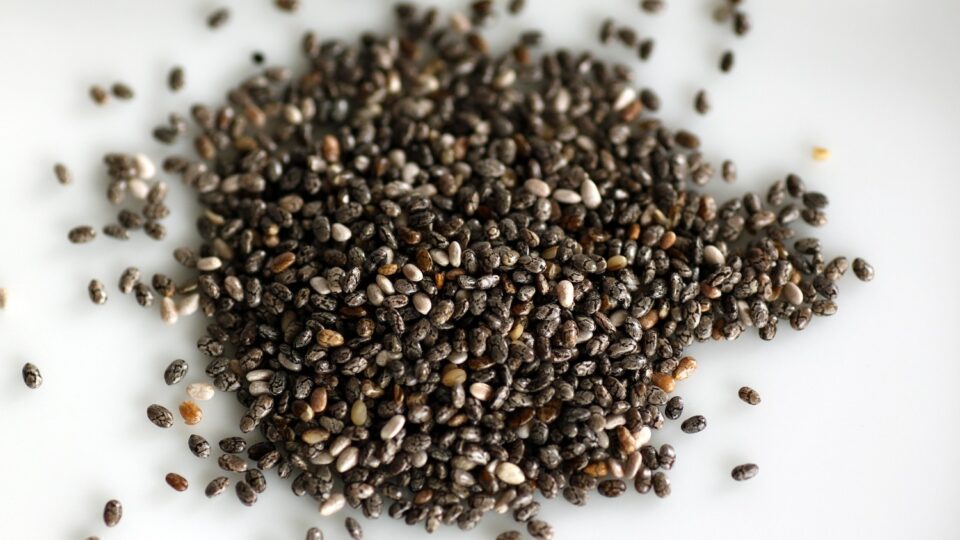
The research team has developed a two layer coating for seeds designed for tackling issues related to drought. Drawing inspiration from natural coatings that occur on some seeds like chia seeds, the first layer is designed to protect the seeds from drying out. It provides a gel-like coating that grips any moisture that comes along and surrounds the seed with it.  The second (inner) layer of the coating contains preserved microorganisms called rhizobacteria, as well as some nutrients to help the seeds grow. 

The materials for the coatings are biodegradable, readily-available, and often used in the food industry already.  According to researchers, early tests using common beans have demonstrated encouraging results in Morocco, and more field tests of the seeds are currently underway.

As the climate continues to change, more innovations like this will be necessary for global food security.

**********

Web Links

Engineering seeds to resist drought

Photo, posted September 17, 2010, courtesy of Stacy via Flickr.

Earth Wise is a production of WAMC Northeast Public Radio.

Car Parts From Agricultural Waste

January 11, 2019 By EarthWise Leave a Comment

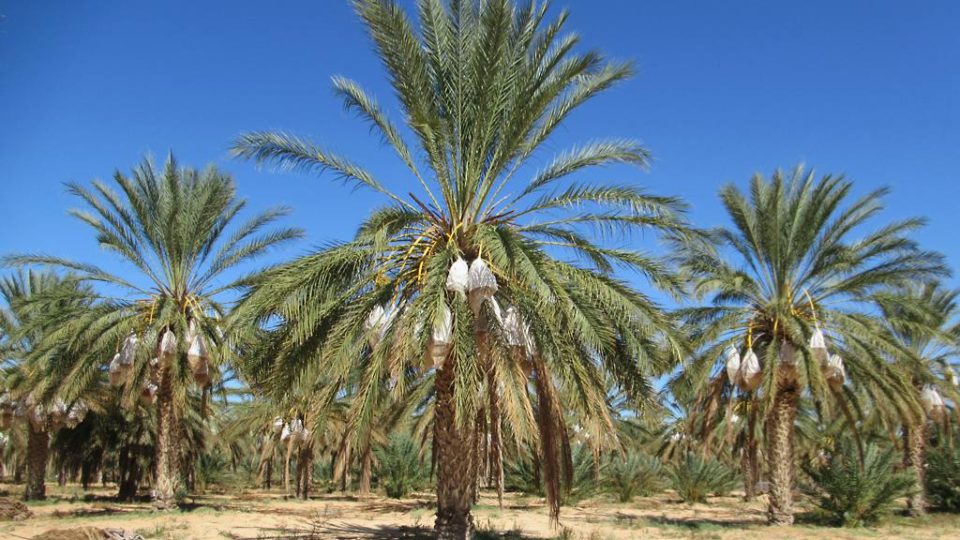
A new bio-composite material made from date palm fiber biomass could be used to produce sustainable, lightweight and low-cost parts for the automobile and marine industries.

A team of researchers from the UK has developed a date palm fiber polycaprolactone composite that is completely biodegradable, renewable,sustainable and recyclable, in contrast to synthetic composite materials reinforced by glass and carbon fibers. The team tested the mechanical properties of the material and found that it achieved better low-velocity impact resistance than traditional man-made composites.

The idea would be to use the material in non-structural auto parts such as car bumpers and door linings.   The result would be to reduce the weight of vehicles, contributing to less fuel consumption and lower emissions.  The new material can be produced using less energy than glass and carbon fibers and is biodegradable and therefore easier to recycle.

Date palm fibers are one of the most available natural fibers in many parts of the world.  The trees produce a large quantity of agricultural waste, which is mostly burned or land-filled,causing serious environmental problems.

Convincing industry to use a new class of materials such as natural-fiber reinforced composites is challenging.  First it is necessary to obtain consistent,reliable properties from the material. Then the industries need to work closely with the developers to test the materials and convince themselves of the viability of using them.  The team, led by researchers at the University of Portsmouth, has been working with industry to test the viability of parts made from a variety of other sustainable materials as well including flax, hemp, and jute.  Someday, our cars may have bumpers made from agricultural waste.

**********

Web Links

Agricultural waste drives us closer to greener transport

Photo, posted October 27, 2017, courtesy of David Stanley via Flickr. 

Earth Wise is a production of WAMC Northeast Public Radio.

Diesel Is Dirty

October 22, 2018 By EarthWise Leave a Comment

https://earthwiseradio.org/wp-content/uploads/2018/10/EW-10-22-18-Diesel-is-Dirty.mp3

Three years ago, Volkswagen was found to have illegally cheated federal emissions tests in the US using devious programming of emission control devices.  The subterfuge enabled 11 million passenger cars to meet U.S. emissions standards in the laboratory despite that fact that they actually produced up to 40 times higher emissions than the legal limit in real-world driving.

[Read more…] about Diesel Is Dirty

Accelerating Sugarcane Growth

September 21, 2018 By EarthWise Leave a Comment

https://earthwiseradio.org/wp-content/uploads/2018/09/EW-09-21-18-Accelerating-Sugarcane-Growth.mp3

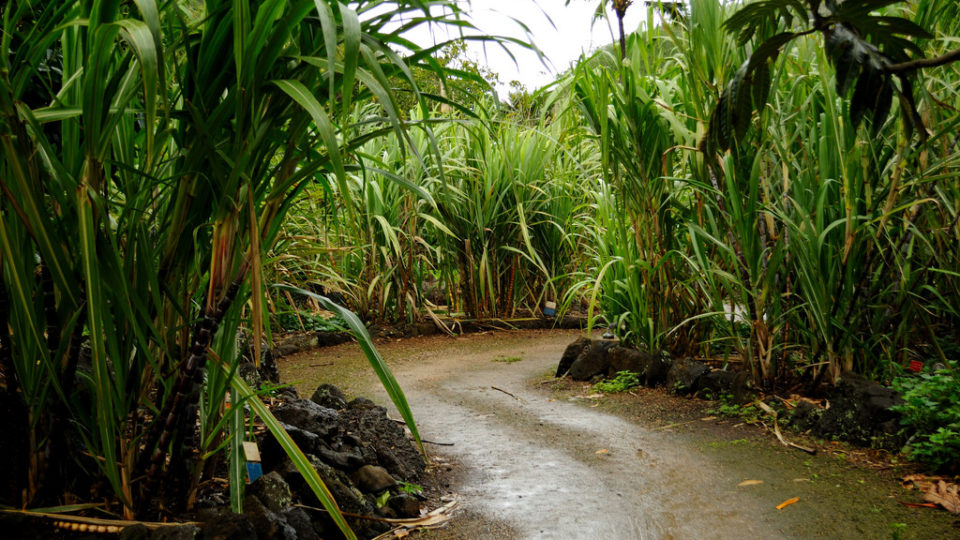
Brazil is the world’s second largest producer of ethanol fuel behind the United States.  More than that, it has the first sustainable biofuel economy, which is based on sugarcane ethanol, not corn ethanol.  It is sustainable because of Brazil’s advanced agri-industrial technology and its enormous amount of arable land.   Furthermore, producing sugarcane ethanol is far more energy-efficient than corn ethanol. It actually makes energy sense to produce it.

[Read more…] about Accelerating Sugarcane Growth

Are We Drinking Plastic?

April 26, 2018 By EarthWise Leave a Comment

https://earthwiseradio.org/wp-content/uploads/2018/04/EW-04-26-18-Are-We-Drinking-Plastic.mp3

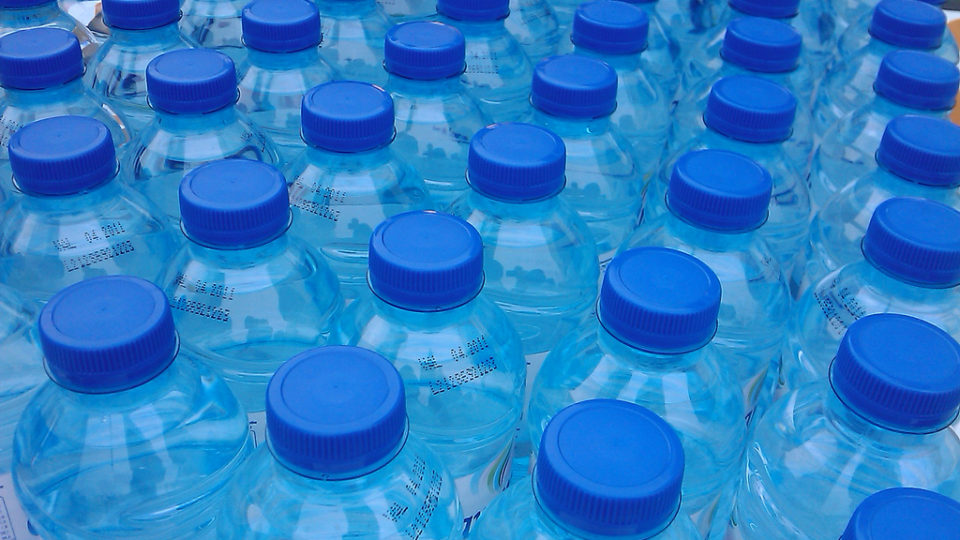
Almost everyone everywhere comes into contact with plastic everyday.  Its use has increased 20-fold in the past half-century, and production is expected to double again in the next 20 years.  But is plastic so ubiquitous that we are unwittingly drinking the stuff?

[Read more…] about Are We Drinking Plastic?

Primary Sidebar

Recent Episodes

  • An uninsurable future
  • Clean energy and jobs
  • Insect declines in remote regions
  • Fossil fuel producing nations ignoring climate goals
  • Trouble for clownfishes

WAMC Northeast Public Radio

WAMC/Northeast Public Radio is a regional public radio network serving parts of seven northeastern states (more...)

Copyright © 2025 ·