• Skip to primary navigation
  • Skip to main content
  • Skip to primary sidebar

Earth Wise

A look at our changing environment.

  • Home
  • About Earth Wise
  • Where to Listen
  • All Articles
  • Show Search
Hide Search
You are here: Home / Archives for Technology

Technology

Making wind turbines safer for birds

September 18, 2024 By EarthWise Leave a Comment

Making wind turbines safer for birds

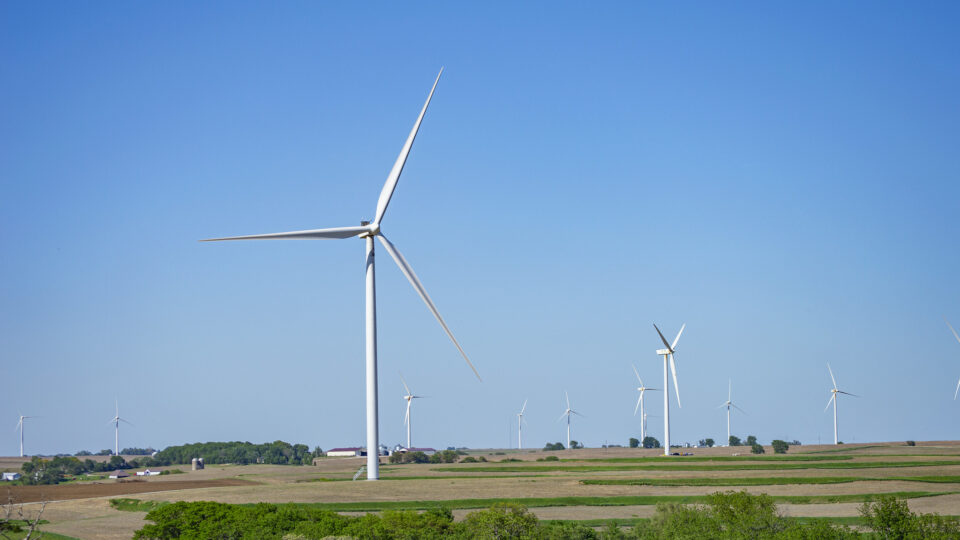
There are people who oppose the installation of wind turbines for a variety of reasons. It is true that wind turbines can be dangerous to birds.  Estimates are that about 250,000 birds are killed flying into wind turbines each year in the U.S.  

However, this data needs to be looked at in comparison to bird deaths from flying into electrical lines (25 million), vehicles (214 million), and building glass (at least 600 million). And even these figures pale in comparison to the more than 2 billion birds killed by domestic cats each year.

Despite these facts, it would still be great if fewer birds died from flying into wind turbines.  Researchers at Oregon State University are part of a team looking at reducing bird collision risks from wind turbines by painting a single blade of the turbine black.

Recent research in Norway found that painting a single turbine blade black reduced the number of bird collisions by nearly 72%.  Why should this work?  The hypothesis is that the black-painted blades disrupt the visual uniformity of the airspace around the turbines and makes them more noticeable to birds, which prompts avoidance behavior.

The Norwegian data is based on a relatively small sample size and the Oregon State researchers as well as others in Spain, Sweden, and South Africa are working on more rigorous and comprehensive studies.

The hope is that this rather simple strategy could make windfarms safer for birds.  Unfortunately, this approach is not likely to be very effective with bats, which rely more on auditory cues rather than visual cues.

**********

Web Links

Scientists studying impact of painting wind turbine blade black to reduce bird collisions

Photo, posted May 21, 2024, courtesy of Roy Harryman via Flickr.

Earth Wise is a production of WAMC Northeast Public Radio
An electric reactor for industry

September 17, 2024 By EarthWise Leave a Comment

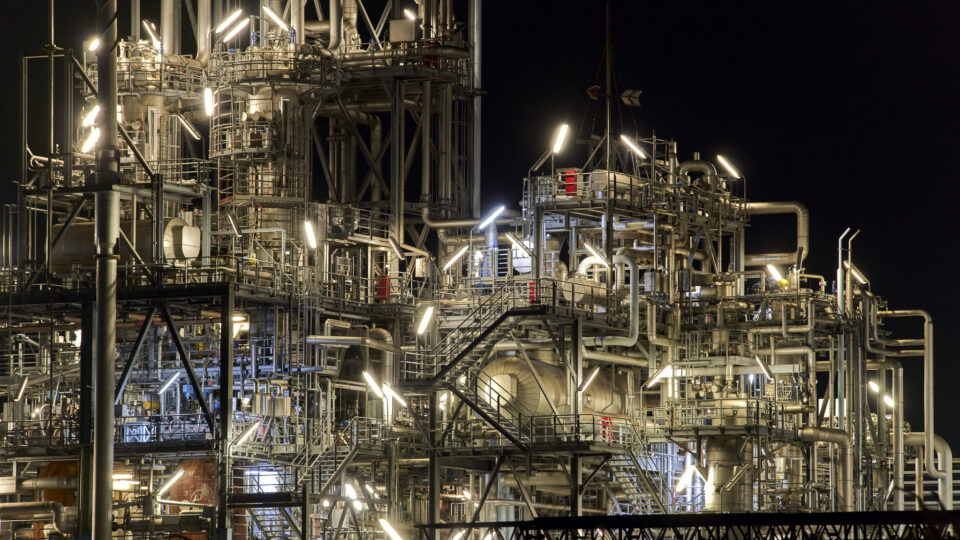
The industrial sector accounts for nearly a third of greenhouse gas emissions in the US, which is more than the annual emissions from cars, trucks, and airplanes combined.  These emissions primarily come from burning fossil fuels to produce goods from raw materials as well as from the chemical reactions associated with production.  Many industrial processes require very high temperatures that are not easily achieved other than by burning fossil fuels.

Researchers at Stanford University have developed and demonstrated a new kind of thermochemical reactor that can generate the huge amounts of heat required for many industrial processes that runs on electricity rather than the burning of fossil fuels.  The researchers claim that the design is also smaller, cheaper, and more efficient than the fossil fuel technology it would replace.

Standard industrial thermochemical reactors burn fossil fuel to heat a fluid that is piped into the reactor, much like the way home radiators work, albeit at far higher temperatures.  The new reactor uses magnetic induction, similar to the way that induction cooktops work.  Heat is transferred by inducing a current into materials that heat up as the current flows.

A proof-of-concept demonstration powered a chemical reaction called the reverse water gas shift reaction and resulted in more than 85% efficiency.  The reaction in question converts carbon dioxide into a valuable gas that can be used to create sustainable fuels. 

The Stanford researchers are working to scale up their new reactor technology and expand its potential applications.  They are working on designs for reactors for capturing carbon dioxide and for manufacturing cement. 

**********

Web Links

Electric reactor could cut industrial emissions

Photo, posted October 30, 2022, courtesy of Helmut via Flickr.

Earth Wise is a production of WAMC Northeast Public Radio
More wind power than coal power

September 12, 2024 By EarthWise Leave a Comment

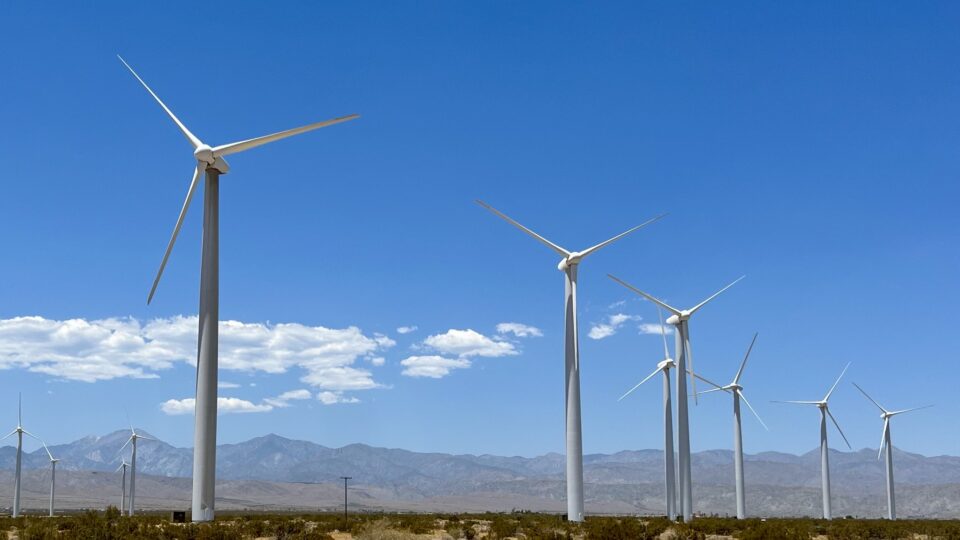
Wind power is starting to beat out coal in the United States

The U.S. used to get more of its electricity from burning coal than by any other means.  It wasn’t all that long ago; coal produced 51% of our electricity in 2001. But as of 2022, it was less than 20%.

In March and April, the U.S. generated more electricity from wind power than from coal.  This was the first time that wind outstripped coal for two consecutive months.

This crossover between wind and coal power is just another milestone in the energy transition to renewable energy sources.  Renewables collectively produce more electricity than coal and their share is steadily growing.  The explosive growth in renewable energy is primarily the result of three factors:  federal tax credits, state energy mandates away from fossil fuels, and, most importantly, shifts in the economics of energy.  Breakthroughs in technology and economies of scale have lowered the cost of building new wind turbines, solar panels, and battery storage. 

Coal plants have retired at a rapid pace over the past 25 years.  During that time, natural gas capacity has nearly tripled.   Gas began to replace coal starting around 2005 when the fracking boom led to the availability of large quantities of cheap natural gas. Because of this, fossil fuels are still the largest source of electricity generation in the U.S., but that is not likely to be the case for very long.

Analysts expect that wind energy will grow to provide about 35% of the country’s electricity by 2050.  The Department of Energy predicts that solar power will produce 45% of U.S. electricity by that year.

**********

Web Links

Wind Beat Coal Two Months in a Row for U.S. Electricity Generation

Photo, posted August 5, 2024, courtesy of Samir Luther via Flickr.

Earth Wise is a production of WAMC Northeast Public Radio
A better way to produce green hydrogen

September 9, 2024 By EarthWise Leave a Comment

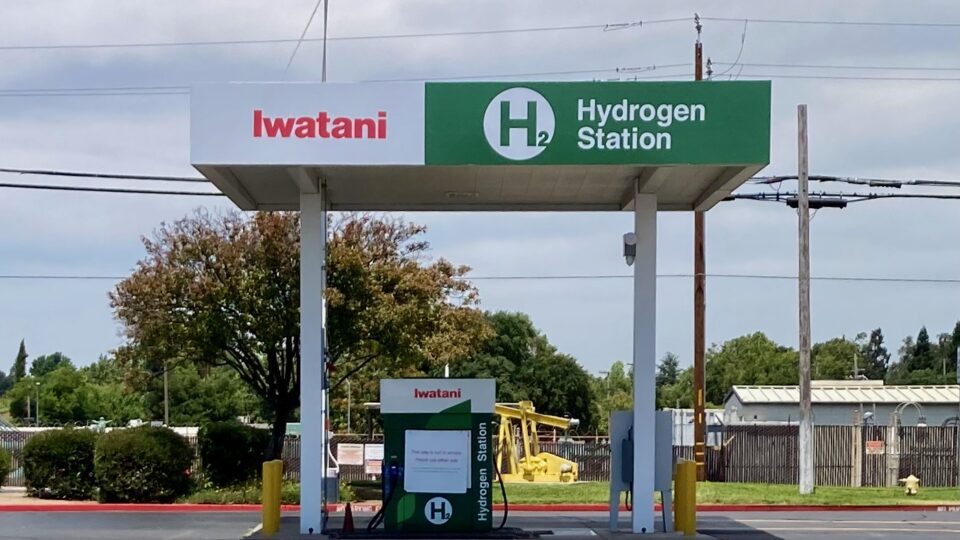
Hydrogen has great potential as a fuel and an energy carrier for many applications.  Burning it or consuming it in fuel cells does not produce carbon emissions.  As a result, there has long been the vision for a future hydrogen economy.  Whether the hydrogen economy would ever come about given how various other technologies have evolved over time is questionable.  But regardless, hydrogen is valuable for many industrial and commercial applications including the manufacture of ammonia and the refining of metals.

Hydrogen is produced in industrial quantities from natural gas by a carbon-dioxide-producing process known as methane-steam reforming.  To take its place as a green energy source, hydrogen needs to be produced by splitting water into its constituent oxygen and hydrogen components by the process of electrolysis. 

The problem is economic.  Methane-steam reforming produces hydrogen at a cost of about $1.50 per kilogram.  Green hydrogen costs about $5 a kilogram.

Researchers at Oregon State University have developed a new photocatalyst that enables the high-speed, high-efficiency production of hydrogen.  The material, called RTTA, is a metal organic framework containing ruthenium oxide and titanium oxide.  Ruthenium oxide is expensive, but very little is needed.  For industrial applications, if the catalyst shows good stability and reproducibility, the cost of the small amount of this exotic material becomes less important.

The photocatalyst, when exposed to sunlight, quickly and efficiently splits water yielding hydrogen.  The Oregon State discovery has real potential.

**********

Web Links

Oregon State University research uncovers better way to produce green hydrogen

Photo, posted July 7, 2023, courtesy of Bill Abbott via Flickr.

Earth Wise is a production of WAMC Northeast Public Radio

Water from thin air

September 6, 2024 By EarthWise Leave a Comment

Creating drinking water from thin air

The Earth’s atmosphere contains enormous amounts of water.  Being able to efficiently and economically extract some of it to provide drinking water would be extremely beneficial to the billions of people across the globe who face chronic water shortages.

There are existing technologies for atmospheric water harvesting – or AWH.  But there are downsides associated with size, cost, and efficiency.   A new device developed by mechanical engineering researchers at the University of Utah has the potential to provide a new drinking water source in arid places.

The device is a compact, rapid-cycling, fuel-fired AWH device.  It relies on adsorbent materials that draw water molecules out of non-humid air and then applies heat to release those molecules into liquid form.

Hygroscopic materials are those that have an affinity for water and soak it up at every opportunity.  Such materials are used, for example, in disposable diapers.  The Utah device makes use of metal organic frameworks, which have enormous amounts of surface area on the molecular scale.

The initial work on the Utah device targeted a small compact water generation unit for soldiers in the field.  Instead of lugging around a large canteen filled with water, the small unit can produce water on demand.  The prototype was able to produce 5 liters of water per day per kilogram of adsorbent material.  Within three days in the field, the system outperforms packing water.  The heat required to precipitate the liquid water was provided by a standard-issue Army camping stove.

Non-military needs are the ultimate application for the device.  The researchers have applied for a patent for what they hope will be a potential solution to a persistent global problem.

*********

Web Links

Producing water out of thin air

Photo, posted August 9, 2012, courtesy of Enid Martindale via Flickr.

Earth Wise is a production of WAMC Northeast Public Radio
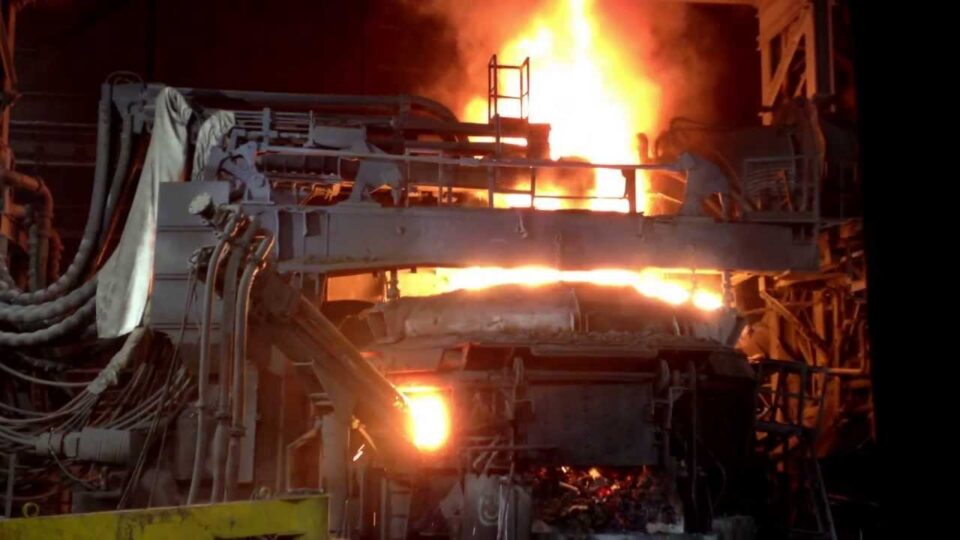
Less coal for making steel

September 5, 2024 By EarthWise Leave a Comment

Using less coal in steel production

Steel is primarily produced using one of two methods:  blast furnaces or electric arc furnaces.  The first blast furnaces were built in the 14th century.  Making steel in a blast furnace starts by melting the raw materials of iron ore, limestone, and coal at very high temperatures.  The resultant reactions ultimately lead to two products:  iron saturated with carbon and carbon dioxide.  A second furnace reacts the liquid iron with oxygen to remove the carbon and results in steel along with even more carbon dioxide.

Making steel using an electric arc furnace is considerably less emissions-intensive and more sustainable.  So-called circular steel making powered by electric arc furnaces uses electricity to melt scrap and other input materials and turn them into high-quality steel.  Of course, to really minimize the emissions associated with steelmaking, the arc furnaces need to get their power from renewable energy sources. 

The global steel industry is turning away from polluting coal-fired blast furnaces and towards electric arc furnaces, which now account for roughly half of all planned new steelmaking capacity. This represents real progress towards a green steel transition.

By the end of this decade, electric arc furnaces will account for more than a third of steelmaking.  However, there are still plenty of new coal-based steel furnaces being built.  So even as electric arc furnaces account for a greater share of steelmaking, these new coal furnaces will still drive emissions upward.   Environmental advocates argue that what the steel industry needs is to make clean development a true priority and back away from coal-based developments.

**********

Web Links

Steelmakers Increasingly Forgoing Coal, Building Electric

Photo, posted July 16, 2018, courtesy of Daniel Steelman via Flickr.

Earth Wise is a production of WAMC Northeast Public Radio
Where do states get their electricity?

September 3, 2024 By EarthWise Leave a Comment

Exploring how states produce their electricity

How the United States produces its electricity has changed dramatically over the past few decades.  Coal used to be the dominant source of power in this country, but natural gas surpassed it in 2016, and coal’s share has been shrinking ever since.  Fossil fuel still generates the majority of America’s electricity, but renewable power is increasing its contribution all the time.

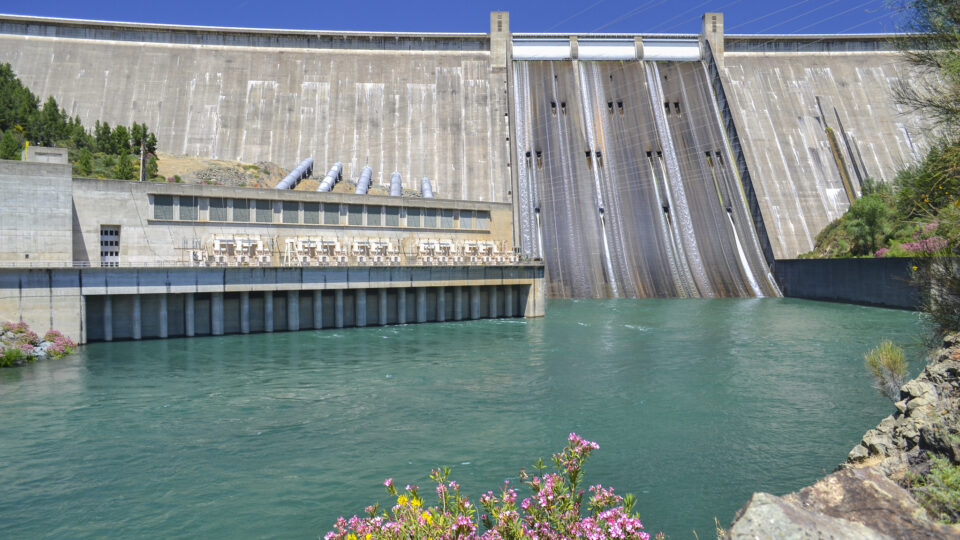
On a state-by-state basis, there are very large variations in the mix of power sources.  Ten states still get their largest amount of power from coal, but this is down from 32 states in 2001.  Four states have hydroelectric power as their largest source, including Vermont which gets more than half of its power that way. 

Texas produces more electricity than any other state by a wide margin.  It’s not just because it has a large population. It is because it uses huge amounts of power to refine petroleum products.  Coal produces only 13% of Texas’ electricity and the state is by far the country’s largest producer of wind power.

New York gets nearly half of its power from natural gas, 21% from hydroelectric power, and 21% from nuclear power.  Wind and solar power are still small, but both are growing in the state.

When people try to assess the climate impact of driving electric cars, based on the origins of the electricity they use to power the car, the results can vary dramatically based on what state they live in.  Nationwide, electricity is getting cleaner and greener, but the process is by no means uniform across the country.

**********

Web Links

How Does Your State Make Electricity?

Photo, posted March 17, 2021, courtesy of Bureau of Reclamation via Flickr.

Earth Wise is a production of WAMC Northeast Public Radio
Climate-smart coffee

August 30, 2024 By EarthWise Leave a Comment

Growing climate-smart coffee

Do you crave that morning cup of coffee?  You’re not alone, and not by a long shot.  In fact, more than 2.2 billion cups of coffee are consumed globally every day. 

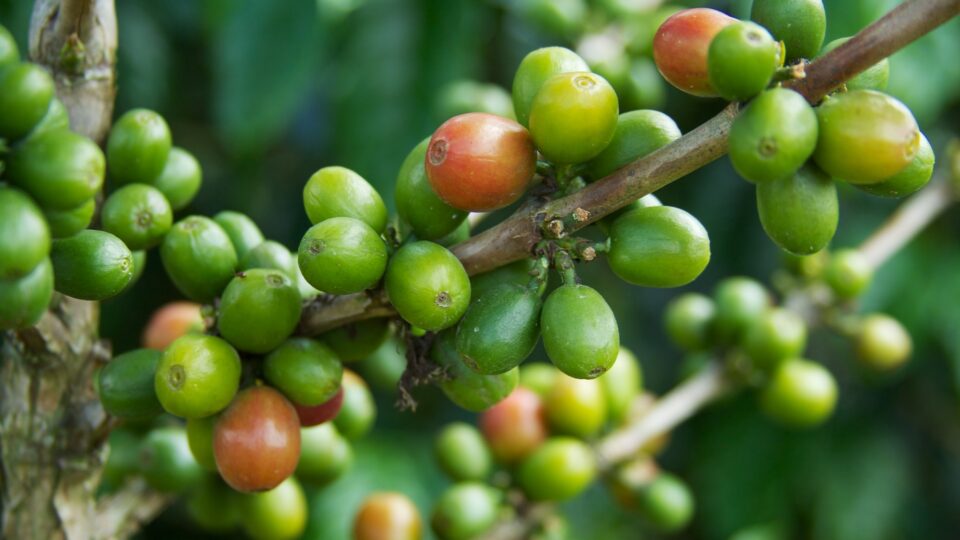
The existing coffee market is dominated by two species: Coffea arabica and Coffea canephora (the latter commonly called robusta).  Historically, coffee drinkers have preferred Arabica beans for their specific flavor and aroma. 

But climate change is threatening many crops around the world, and maybe none more so than coffee.  In fact, an alarming 50% of suitable coffee-growing land is projected to be lost by 2050.  As a result, scientists see two alternatives to supplement Arabica: either adapt coffee farming practices to new environments, or focus on coffee species that are more resilient.

According to a new study led by researchers from the University of Florida, Robusta coffee might be a good candidate to augment Arabica.   The researchers evaluated Robusta and Arabica for multiple traits in three high-altitude locations in Brazil over five years.

The study, which was recently published in the journal Crop Science, found that Robusta is highly adaptable and grows in high-altitude regions, which means it combines good production and flavor scores.  According to the researchers, Robusta can combine the following three elements for coffee cultivars: Sustainability (produce more with fewer inputs), quality (good flavor to meet consumer demand), and plasticity (capacity to adapt to new production systems).

Following these favorable findings with Robusta in Brazil, the scientists will test whether the species can grow in Florida.

**********

Web Links

Robust and smart: Inference on phenotypic plasticity of Coffea canephora reveals adaptation to alternative environments

UF scientists study how to bring you ‘climate-smart coffee’

Photo, posted May 23, 2013, courtesy of McKay Savage via Flickr.

Earth Wise is a production of WAMC Northeast Public Radio
A giant solar plus storage facility

August 23, 2024 By EarthWise Leave a Comment

A massive solar and battery storage project is now operational

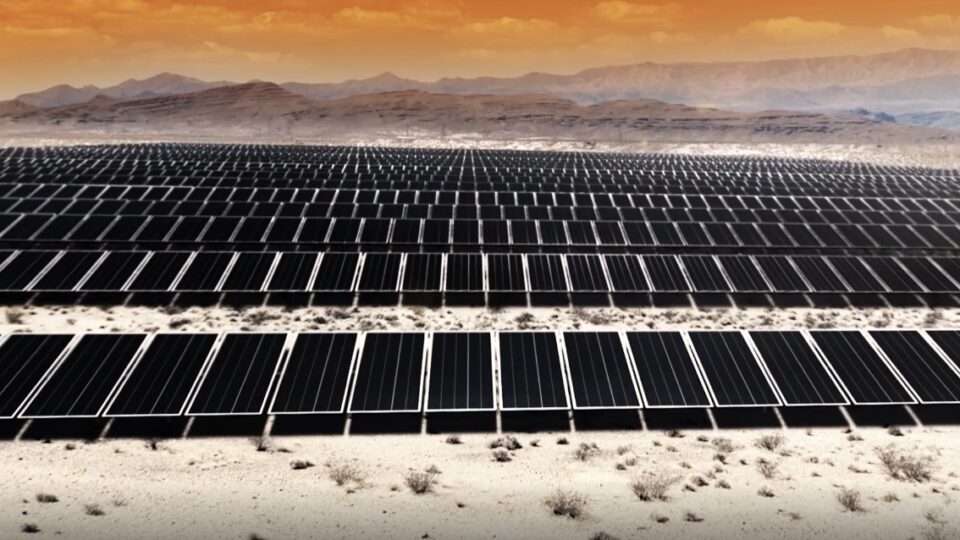
One of the country’s largest co-located solar and battery energy storage projects is now fully operational.  The Gemini Solar+Storage project is located in Clark County, Nevada, about 30 minutes outside of Las Vegas.

The project’s 1.8 million solar panels can generate up to 690 megawatts of electricity, which is enough to supply about 10% of Nevada’s peak demand.  The facility is co-located with 380 megawatts of 4-hour battery storage, which is enough to supply Nevadans with 1,400 MWh of power after sundown.

The project makes use of a unique storage configuration that allows the storage system to be charged directly from the solar panels, resulting in increased efficiency and maximizing the capture and storage of solar energy.

The project has minimized the environmental impacts to the nearly 5,000-acre site.  Primergy, the project developer, took measures to leave vegetation in place, installed solar panels to follow the ground’s natural contours, and reduced the overall footprint by more than 20% through careful design.  The project created 1,300 union and prevailing wage jobs and contributed $483 million to Nevada’s economy.

Solar facilities are increasingly co-located with battery storage plants.  There is a huge project in Kern County California that includes 1.9 million solar panels capable of generating 875 megawatts of solar power and storing 3,287 megawatt-hours of energy.  The deserts of the southwest are prime locations for such facilities.

**********

Web Links

The house always wins: Massive Gemini solar + storage outside of Las Vegas reaches commercial operations

Photo courtesy of Quinbrook Infrastructure Partners.

Earth Wise is a production of WAMC Northeast Public Radio
China and carbon emissions

August 22, 2024 By EarthWise Leave a Comment

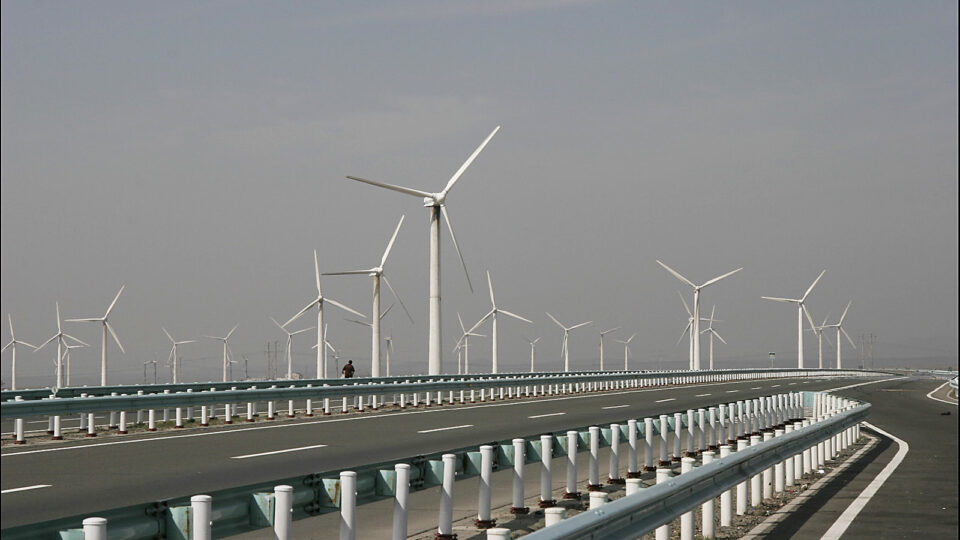
China has been the biggest source of greenhouse emissions for nearly 20 years.  Its emissions surpassed those of the United States in 2006 and its fraction of the world’s emissions is now nearly a third.  Therefore, unless China’s emissions stop growing, the world’s emissions won’t either.

Recent data from China’s government and by energy analysts provides some reasons for optimism.  What is happening is that how China produces its electricity is changing.  Renewable sources are gradually replacing coal.

Last year alone, China installed more solar panels than the United States has in its entire history.  Nearly two-thirds of utility-scale wind and solar plants under construction are in China.  According to a report from Global Energy Monitor, China is developing more than eight times the wind and solar capacity currently being planned for the US.

Despite all this progress, China still generates 53% of its electricity from coal.  While this is the lowest share reported since its government began publishing energy data decades ago, it is still a major source of carbon emissions.  China is responsible for two-thirds of the world’s newly operating coal plants and still plans to build many more.  China accounts for about 60% of the world’s coal use.

China is investing heavily in pumped-storage hydropower along with its massive efforts in solar and wind power.  But if it is to meet existing and proposed new commitments to reduce emissions, it will need to be much more aggressive in reducing its dependence on coal.  Current predictions are that China’s emissions may soon no longer be increasing.  But what is needed is for them to start dropping and the sooner the better.

**********

Web Links

Why the Era of China’s Soaring Carbon Emissions Might Be Ending

Photo courtesy of Mike Locke via Flickr.

Earth Wise is a production of WAMC Northeast Public Radio
Expanding solar and wind in the U.S.

August 20, 2024 By EarthWise Leave a Comment

Solar and wind power are expanding in the United States

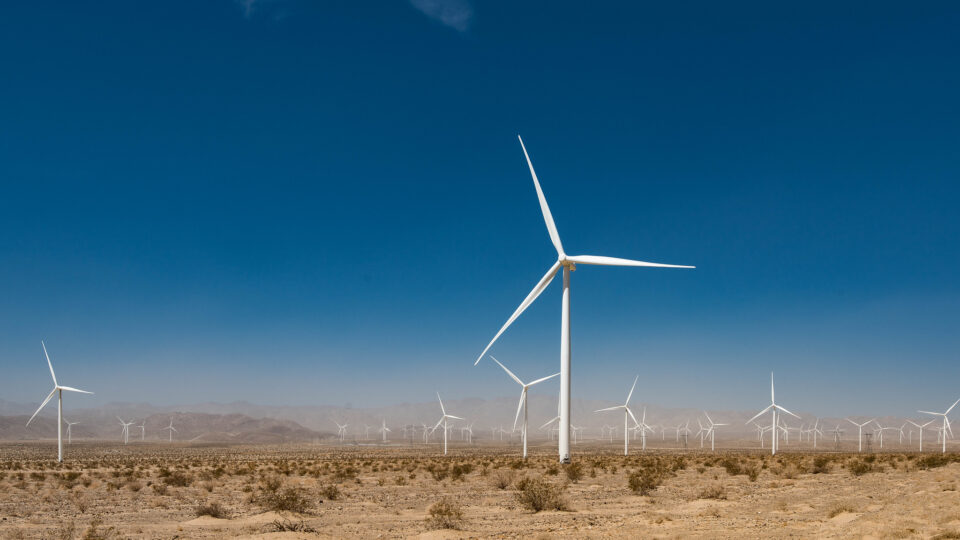
According to new data from the Federal Energy Regulatory Commission, solar and wind now make up more than 20% of the total US electrical generating capacity.  Adding up all renewable energy sources – which also include biomass, geothermal, and hydropower – renewable energy is now nearly 30% of the total electrical generating capacity in this country.

During the first five months of 2024, 10.669 gigawatts of solar and 2.095 gigawatts of wind power came online.  There were also 212 megawatts of hydropower and 3 megawatts of biomass added to generating capacity.  All told, renewables constituted 89.91% of new generating capacity added this year.  This does not include 1.1 gigawatts of nuclear power added at the Vogtle-4 reactor in Georgia. 

Solar power is booming.  The amount added this year was more than double the amount added over the same period last year.  Solar has been the largest source of new generating capacity for nine months straight.  Wind was the second largest.

About one-third of US solar capacity is in the form of small-scale – that is, rooftop – solar.  The statistics quoted in this report do not take that into account.  If it was included, solar plus wind would be closer to 25% of the US total.

Predictions are that over the next three years, nearly 90 gigawatts of additional solar power will be added to the grid as well as 23 gigawatts of wind power.  Over that period, coal, natural gas, and oil are projected to shrink by more than 20 gigawatts.

**********

Web Links

Solar and wind now make up more than 20% of US electrical generating capacity

Photo, posted October 28, 2016, courtesy of Daxis via Flickr.

Earth Wise is a production of WAMC Northeast Public Radio

Deep sea mining

August 19, 2024 By EarthWise Leave a Comment

Deep sea mining is a threat to the environment

Deep sea mining is the extraction of minerals from the ocean floor at depths greater than 660 feet and as much as 21,000 feet below the surface.  Active or extinct hydrothermal vents on the ocean floor create sulfide deposits which collect metals such as silver, gold, copper, manganese, cobalt, and zinc.  This forms polymetallic nodules – potato-sized rocklike deposits containing these valuable minerals.  There are literally trillions of these things scattered over wide areas of ocean floor.  The largest of these deposits are in the Pacific Ocean between Hawaii and Mexico in the Clarion Clipperton Fracture Zone.

Mining companies argue that land-based sources for valuable metals are running out and are critically needed for green technologies like batteries for electric vehicles and manufacturing solar panels and wind turbines.  They also claim that mining in the deep sea will be less environmentally damaging than land-based mining.

The deep sea is viewed by many as kind of a watery desert but there are actually diverse and rich ecosystems down there.  Most of the animals living in the depths are tiny, but that doesn’t make them any less important.  Many can live for a very long time.  Some invertebrates live for thousands of years.

There are currently no commercial deep sea mining operations underway.  Many countries have outlawed them.

The deep seas are the last mostly unexplored part of the Earth.  Deep sea mining will unquestionably be highly destructive to these environments.  We don’t really know what the impact of widespread deep sea mining might be, but the world continues to edge ever closer to allowing it to happen.

**********

Web Links

Can We Mine the World’s Deep Ocean Without Destroying It?

Photo, posted March 30, 2018, courtesy of the NOAA Office of Ocean Exploration and Research via Flickr.

Earth Wise is a production of WAMC Northeast Public Radio

Strawberries and climate change

August 12, 2024 By EarthWise Leave a Comment

The changing climate threatens the future of strawberries

The demand for strawberries continues to climb around the world.  According to data from World Population Review, China remains the global leader in strawberry production, a spot it’s held since 1994.  Last year, China produced 3.3 million tons of strawberries, followed by the United States at 1.05 million tons, Egypt at 597,000 tons, and Mexico at 557,000 tons.

While strawberries are grown coast to coast in the U.S., California and Florida are the top two strawberry-producing states due to their favorable climate conditions.  In fact, California produces more than 90% of the domestic strawberry crop.  But Florida plays a key role in domestic strawberry production as well by growing the majority of the winter crop. 

A new study by researchers from the University of Waterloo in Canada has examined the effect of climate change on California’s strawberry crop.  According to the research team, strawberries could be fewer and more expensive because of the higher temperatures caused by climate change.  The report, which was recently published in the journal Sustainability, found that a 3° Fahrenheit rise in temperature could reduce strawberry yields by up to 40%.

According to the researchers, the impact of climate change on strawberry production could be mitigated by implementing certain sustainable farming practices.  These include optimizing irrigation to ensure adequate water supply during heat waves and using shading plants and shade structures to mitigate heat stress.

Understanding how rising temperatures affect crop yields should encourage farmers and governments to develop sustainable agriculture responses to global warming.

**********

Web Links

Influence of Regional Temperature Anomalies on Strawberry Yield: A Study Using Multivariate Copula Analysis

Strawberry Production by Country 2024

Researchers predict fewer, pricier strawberries as temperatures warm

Photo, posted June 3, 2007, courtesy of David Slack via Flickr.

Earth Wise is a production of WAMC Northeast Public Radio
Sunrise Wind construction begins

August 9, 2024 By EarthWise Leave a Comment

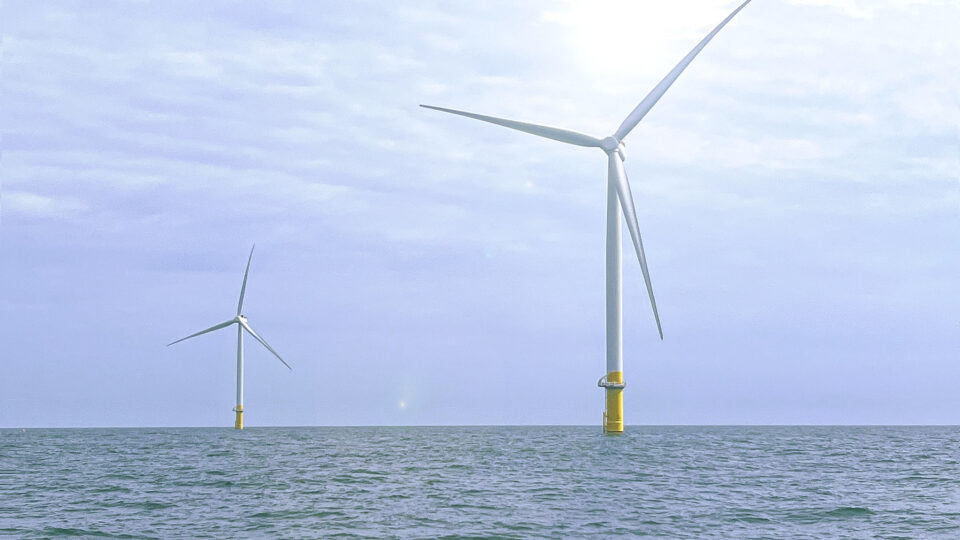
In mid-July, construction started on New York’s largest offshore wind project.  Sunrise Wind is a 924-megawatt offshore wind farm located about 30 miles off the coast of Montauk Point on Long Island.  Sunrise Wind is expected to be operating in 2026 and will provide enough clean energy to power nearly 600,000 homes, making it the largest offshore wind farm in the United States.

The ongoing construction project will support more than 800 direct jobs.  It will be built under project labor agreements ensuring local union labor’s participation in all phases of construction.

Power from the wind farm will flow through an undersea cable coming ashore deep under the beach at Smith Point County Park.  From there, the power will travel primarily under roadways via a transmission line terminating at a power converter station in Holbrook, Suffolk County.

Sunrise Wind is being developed by Oersted, the largest energy company in Denmark and the world’s largest developer of offshore wind power by number of built offshore wind farms.

The second large offshore wind farm in New York, Empire Wind I, is being developed by Equinor.  These large wind farms are the result of New York’s fourth offshore wind solicitation.  The two projects, totaling over 1,700 megawatts, will be the largest power generation projects in New York State in more than 35 years once they enter operation in 2026.

New York has also launched a fifth offshore wind solicitation for which final proposals will be due in September.  Offshore wind is a major component of New York’s effort to expand the use of clean energy, grow its green economy, and combat climate change.

**********

Web Links

Construction begins on Sunrise Wind, New York’s largest offshore wind project

Photo, posted June 14, 2022, courtesy of Stephen Boutwell/BOEM via Flickr.

Earth Wise is a production of WAMC Northeast Public Radio
Geological thermal energy storage

August 7, 2024 By EarthWise Leave a Comment

The electricity grid is increasingly using solar and wind power.  Depending on those two sources requires the ability to store energy to have on hand when the sun isn’t shining and the wind isn’t blowing.   Energy needs to be stored away to be used hours, days, or even weeks after it is produced.

Energy storage is booming.  California has increased its energy storage capacity tenfold in recent times.  One day in April, storage batteries were the largest source of electricity in the state for a period of two hours.  But batteries are not the only way to store energy.  There are chemical, electrochemical, mechanical, and thermal methods that each has potential advantages and unique features.

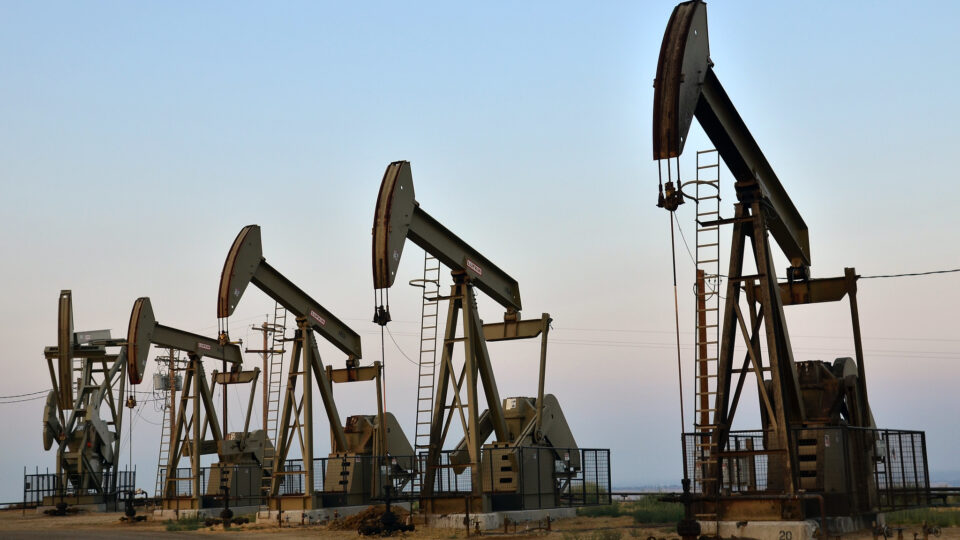
A project in Kern County, California, is making use of an abandoned oil field to create a long-term energy storage installation.  The plan is to retrofit depleted oil wells to store concentrated solar energy in superheated groundwater for long periods of time.  The stored heat can then be used to drive turbines when electricity is needed.

Some 1,200 feet below the surface of the oil field are pockets of permeable sandstone that have been emptied of the oil they previously contained.   An array of parabolic mirrors will gather solar energy that will heat silicon oil in an underground loop to 700 degrees Fahrenheit.  The oil pipeline will heat up groundwater down below.  When electricity is needed, the heated groundwater will be brought to the surface to operate turbines.

There is no new technology involved.  The individual aspects have never all been combined before, but the likelihood of success is high.  There are lots of depleted oil fields that could be used this way in the future.

**********

Web Links

Can a California Oilfield Be Retrofitted to Store Solar Energy?

Photo, posted July 18, 2017, courtesy of John Ciccarelli / BLM via Flickr.

Earth Wise is a production of WAMC Northeast Public Radio
Wind farms and sea farms

August 5, 2024 By EarthWise Leave a Comment

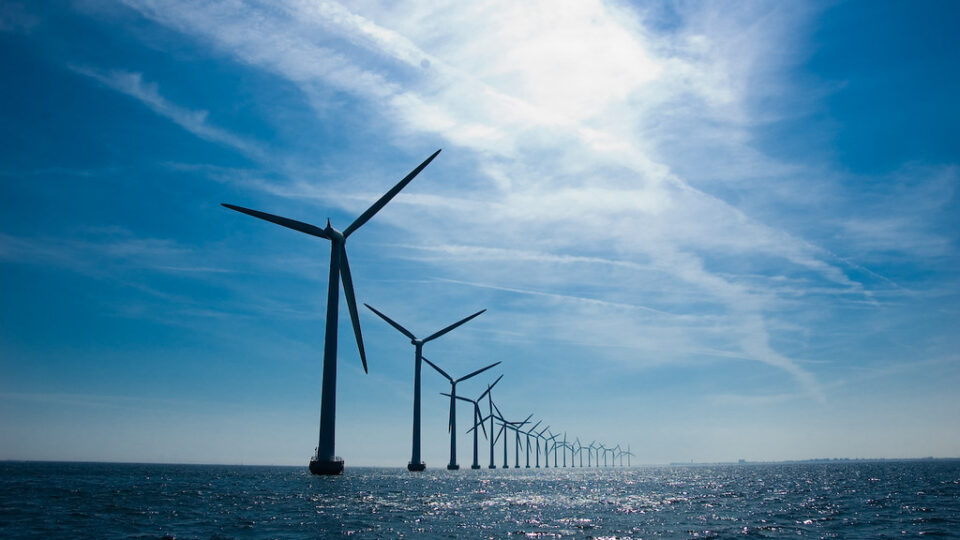
There has been increasing use of agriculture coexisting with solar farms.  This dual use of land is a win-win situation.  Recently, Danish researchers have been investigating the potential for farming marine products at offshore wind farms.

Scandinavia’s largest wind farm, Kriegers Flak, is the site of a four-year-old project in which long lines are stretched between the wind farm’s pylons and are used to grow mussels and seaweed.  With the first harvest that has taken place after 18 months, it is showing signs of early success.

Seaweed and mussels are low trophic aquaculture crops.  That means that that they don’t need to be fed or fertilized.  They take up nutrients from the sea and produce healthy foods.

The 328-foot lines spread between the turbines can be used to grow substantial quantities of the underwater seafood.  According to modeling by Aarhus University – the institution conducting the study – using just a tenth of Denmark’s wind park area could produce tons of seafood annually while using only the naturally-available resources.  This form of aquaculture captures emissions instead of producing them.

Researchers say that it is time to develop guidelines to encourage companies to plan for multiple uses of the ocean because countries are ramping up production of clean energy from offshore wind farms.  Denmark was the first country in the world to install a commercial offshore wind park in 1991.  Over 30 years later, nearly half of the country’s electricity comes from wind turbines.

The benefits of such sea farms combined with offshore wind farms go beyond food production and clean energy production.  They also help improve water quality and capture carbon.  It is another win-win situation.

**********

Web Links

Beneath offshore wind turbines, researchers grow seafood and seaweed

Photo, posted August 5, 2007, courtesy of Andreas Klinke Johannsen via Flickr.

Earth Wise is a production of WAMC Northeast Public Radio
Much more energy storage for New York

August 2, 2024 By EarthWise Leave a Comment

As solar and wind power play an ever-growing role in the electricity grid, the need for energy storage also grows.  Even if sun and wind can provide more energy than is needed at a particular time, they can’t provide it at all times.  The ability to store excess energy waiting in reserve for when the sun and wind are not providing it is essential to avoid the need for burning fossil fuels to take up the slack.

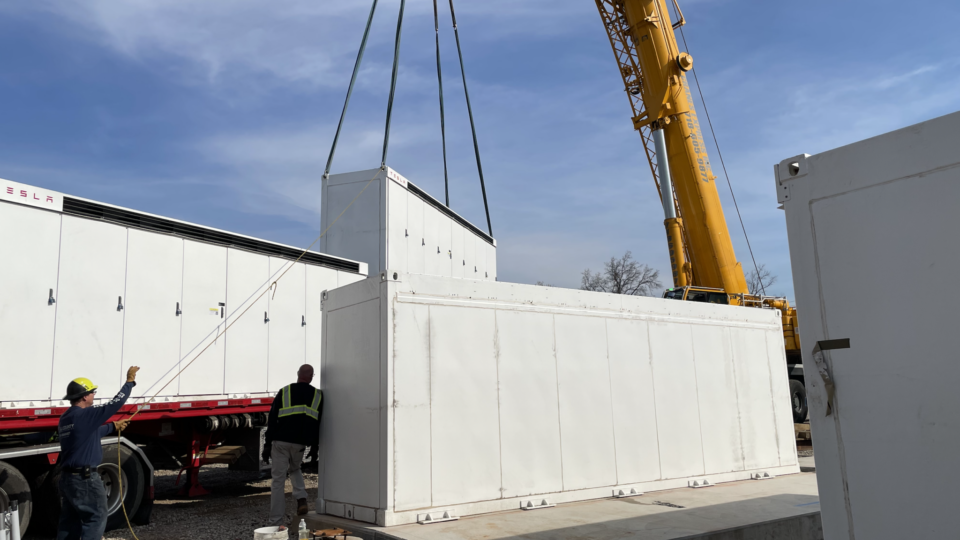
The New York State Public Service Commission has announced that it has approved a new framework for the state to have in place a nation-leading six gigawatts of energy storage by 2030.  This represents at least 20% of the peak electricity load of New York State.

An extensive set of recommendations to expand New York’s energy storage programs describe cost-effective ways to unlock the rapid growth of renewable energy across the state as well as to bolster the reliability of the grid.  The buildout of storage deployment is estimated to reduce projected future statewide electric system costs by nearly $2 billion.  New York has previously established goals to generate 70% of its electricity from renewable sources by 2030 and 100% zero-emission electricity by 2040.

The new roadmap includes programs to procure an additional 4.7 gigawatts of new energy storage projects across large-scale, retail, and residential energy storage sectors across the state.  These future procurements, when combined with the 1.3 gigawatts already being procured or under contract, will allow the State to achieve the 6-gigawatt goal by 2030.

Energy storage plays a critical role in decarbonizing the grid, reducing electricity system costs, and improving the reliability of the electricity system.

**********

Web Links

New York approves plan to add six gigawatts of energy storage by 2030

Photo courtesy of NineDot Energy.

Earth Wise is a production of WAMC Northeast Public Radio
The carbon cost of wind farms

July 31, 2024 By EarthWise Leave a Comment

Reviewing the carbon cost of wind farms

Opponents of electric vehicles and renewable energy often try to make arguments to the effect that the carbon footprint associated with producing electric cars, solar panels, and wind turbines negates their advantages over legacy technologies that involve burning fossil fuels.  These arguments have been soundly refuted for the case of electric vehicles but there have been fewer studies related to other green technologies.

A new peer-reviewed study by engineers at the Te Herenga Waka Victoria University in Wellington, New Zealand, has analyzed the carbon emissions associated with wind farm operation.

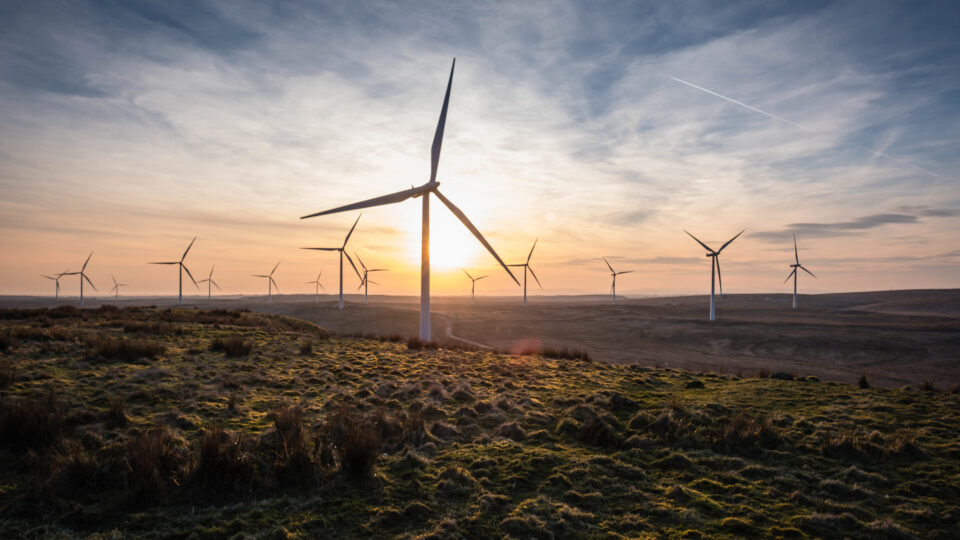
The main result is that after operating for less than two years, a wind farm can offset the carbon emissions generated across its entire 30-year lifespan.   The study takes into account everything from the manufacturing of individual turbine parts, to transporting them and installing them into place, to decommissioning the entire wind farm at its life’s end.  The environmental impacts of the installation and transportation phases are important, accounting for about 10% of the overall emissions.

The decommissioning phase is also important.  The study recommended the development of a recycling process for end-of-life turbine blades.  Currently, such blades are disposed of in landfills, but a recycling process could reduce emissions.

The manufacturing of wind turbines is the primary contributor to the carbon and energy consumption footprints and continues to be the subject of efforts to be improved.

There are other aspects of wind farms that are subject to criticism including physical impacts on the local environment and various social, wildlife and economic impacts.  But with respect to carbon emissions, wind farms are a winning strategy.

**********

Web Links

Wind Farms can Offset Their Emissions Within Two Years, New Study Shows

Photo, posted April 2, 2017, courtesy of Ian Dick via Flickr.

Earth Wise is a production of WAMC Northeast Public Radio
Fertilizers from wastewater sludge

July 30, 2024 By EarthWise Leave a Comment

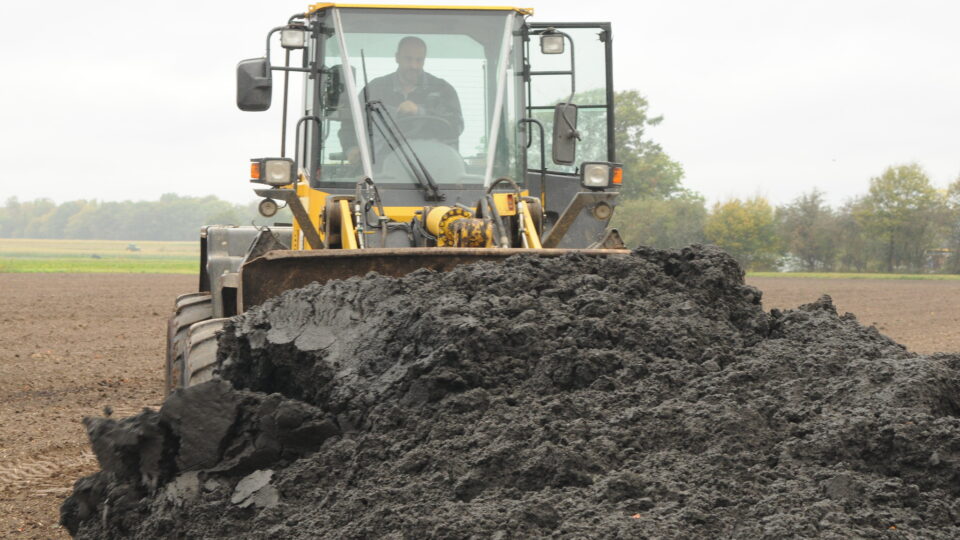
Sewage sludge is the mud-like residue that is produced as a byproduct during wastewater treatment.  In the U.S., sewage sludge is referred to as biosolids after it’s been treated.  The term is meant to distinguish the higher quality, treated sludge from raw sludge and from sludge that contains large quantities of environmental pollutants. 

However, according to a new study by researchers from Johns Hopkins University, fertilizers manufactured from the sludgy leftovers of wastewater treatment processes can still contain traces of potentially hazardous organic chemicals.

The research, which was recently published in the journal Environmental Science & Technology, provides one of the most comprehensive looks at the chemical composition of biosolids across the country. 

Biosolids do contain valuable organic matter and nutrients, including nitrogen and phosphorus.  According to the U.S. Environmental Protection Agency, more than half of the 3.76 million tons of biosolids produced in the U.S. in 2022 fertilized agricultural lands, golf courses, and other landscaped areas.

In the study, the research team screened 16 samples of biosolids from wastewater treatment facilities in nine U.S. and three Canadian cities. The researchers then created lists of the chemicals found in each sample.  They found 92 common compounds that were present in 80% or more of the samples.  The researchers cross-referenced those 92 compounds against the EPA’s CompTox Chemical Dashboard to identify which chemicals were most likely to pose threats to human health or the environment.

The findings could help the EPA identify which organic compounds to investigate further and which chemical contaminants may need government regulation. 

**********

Web Links

Team Aims to Improve Safety of Fertilizers Made from Wastewater Sludge

Photo, posted November 2, 2011, courtesy of Susana Secretariat via Flickr.

Earth Wise is a production of WAMC Northeast Public Radio
Clean energy investment at record levels

July 26, 2024 By EarthWise Leave a Comment

According to a new study by the International Energy Agency, global clean energy investment will be nearly twice that of fossil fuels this year.  The surging funding for clean energy is being driven by a combination of lower costs for renewable energy and by improving supply chains.

In 2024, the world’s investments in energy are expected to surpass $3 trillion dollars for the first time.  About $2 trillion of that will be directed at green technologies that include renewable power sources, grids, and energy storage; electric vehicles; low-emission fuels; nuclear power; and heat pumps and efficiency improvements.  The remaining amount of just over $1 trillion will fund oil, gas, and oil projects.

The record growth in clean energy investments is taking place in spite of challenging economic conditions related to high interest rates, which demonstrates the momentum behind the global energy transition.

The IEA report does caution that there are big imbalances and shortages in energy investment in various places around the world.  For example, there is a low amount of green energy spending in developing and emerging economies outside of China.  Countries like Brazil and India are leading the way for this sector by having investments in excess of $300 billion.

More money is currently going into solar power development than all other electricity generation technologies combined.  In 2024, solar photovoltaic power investment is set to grow to $500 billion as the falling price of solar modules spurs new investments.

The largest renewable investments will come from China at $675 billion, followed by Europe and the U.S. at $370 billion and $315 billion, respectively.

**********

Web Links

Global Clean Energy Investment Will Nearly Double That of Fossil Fuels in 2024: IEA Report

Photo, posted October 2, 2015, courtesy of John Englart via Flickr.

Earth Wise is a production of WAMC Northeast Public Radio
  • « Go to Previous Page
  • Page 1
  • Interim pages omitted …
  • Page 7
  • Page 8
  • Page 9
  • Page 10
  • Page 11
  • Interim pages omitted …
  • Page 40
  • Go to Next Page »

Primary Sidebar

Recent Episodes

  • An uninsurable future
  • Clean energy and jobs
  • Insect declines in remote regions
  • Fossil fuel producing nations ignoring climate goals
  • Trouble for clownfishes

WAMC Northeast Public Radio

WAMC/Northeast Public Radio is a regional public radio network serving parts of seven northeastern states (more...)

Copyright © 2026 ·