• Skip to primary navigation
  • Skip to main content
  • Skip to primary sidebar

Earth Wise

A look at our changing environment.

  • Home
  • About Earth Wise
  • Where to Listen
  • All Articles
  • Show Search
Hide Search
You are here: Home / Archives for south dakota

south dakota

Hydrogen hubs

November 2, 2023 By EarthWise Leave a Comment

The Infrastructure Investment and Jobs Act of 2021 earmarked $7 billion in federal funding aimed at accelerating the commercial-scale deployment of hydrogen as well as driving down its cost.  Clean hydrogen is considered to be a key technology for cleaning up hard-to-decarbonize industrial sectors like refining, chemicals, and heavy-duty transport. 

On October 13th, the Department of Energy named seven regional clean hydrogen hubs which will provide clean hydrogen production, storage, delivery, and end-use components.  The so-called H2Hubs are expected to collectively produce three million metric tons of hydrogen annually. 

One selected project is the Appalachian Hydrogen Hub that includes West Virginia, Ohio, Kentucky, and Pennsylvania.  Another is the California Hydrogen Hub, that will produce hydrogen exclusively from renewable energy and biomass.  Then there is the Gulf Coast Hydrogen Hub, centered in the Houston, Texas region.  A fourth hub is the Heartland Hydrogen Hub, which includes Minnesota, North Dakota, and South Dakota.  A fifth hub is the Mid-Atlantic Hydrogen Hub, that includes Pennsylvania, Delaware, and New Jersey.  The sixth is the Midwest Hydrogen Hub that includes Illinois, Indiana, and Michigan.  Finally, there is the Pacific Northwest Hydrogen Hub that includes Washington, Oregon, and Montana.

Each of these hubs involve multiple partner organizations in their regions and each has specific goals and strategies. The seven centers are located all around the country and are intended to jumpstart a national network of clean hydrogen producers, consumers, and connective infrastructure.

**********

Web Links

Hydrogen hubs have arrived. Here are the big winners of the $7 billion sweepstakes

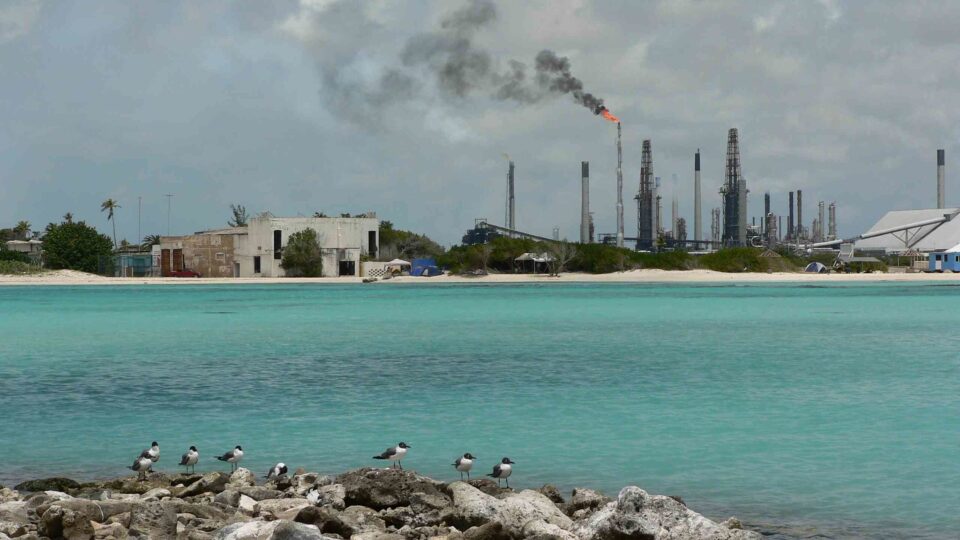
Photo, posted August 17, 2010, courtesy of David Stanley via Flickr.

Earth Wise is a production of WAMC Northeast Public Radio
Bringing Back Bison | Earth Wise

August 23, 2022 By EarthWise Leave a Comment

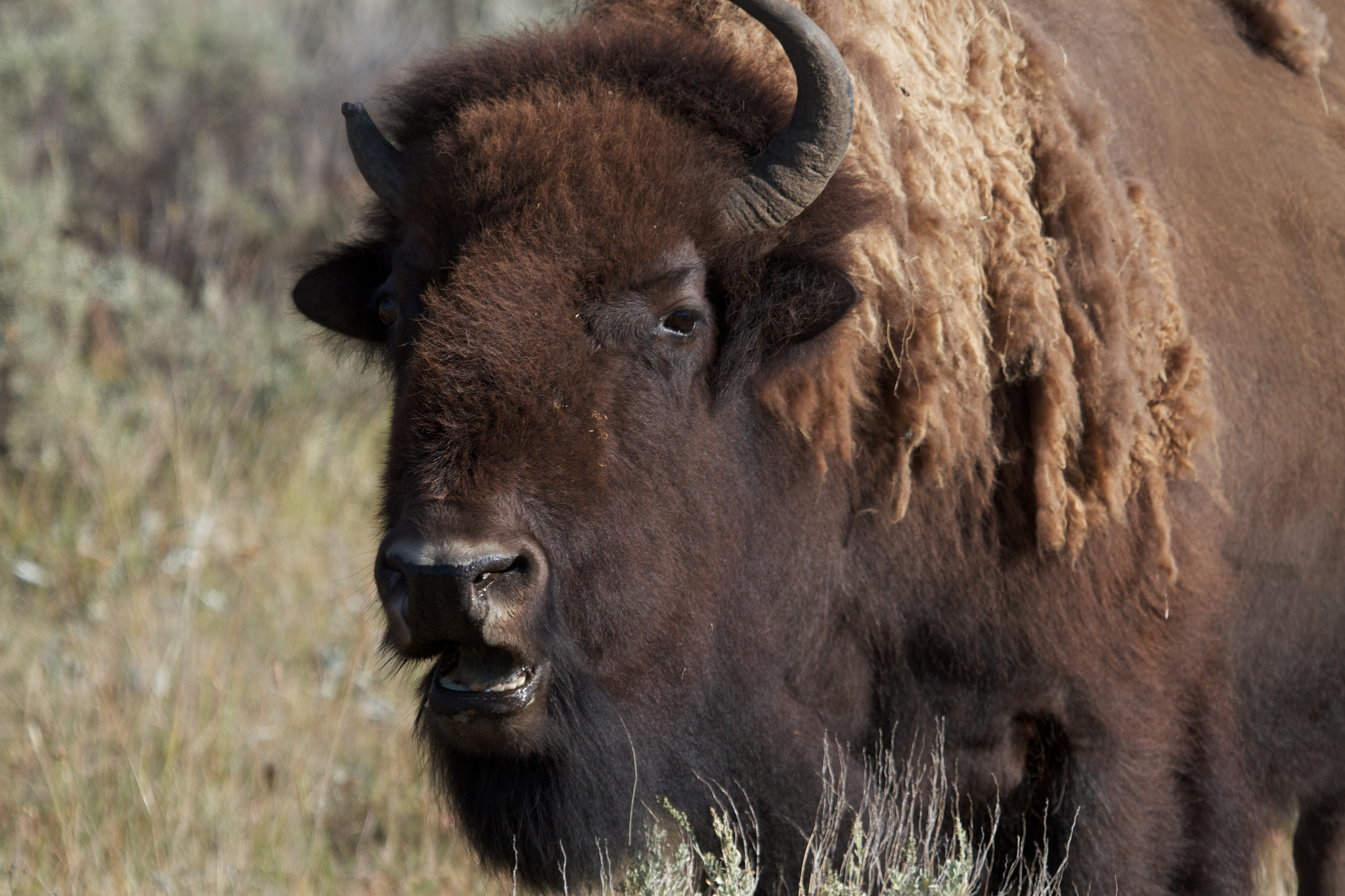
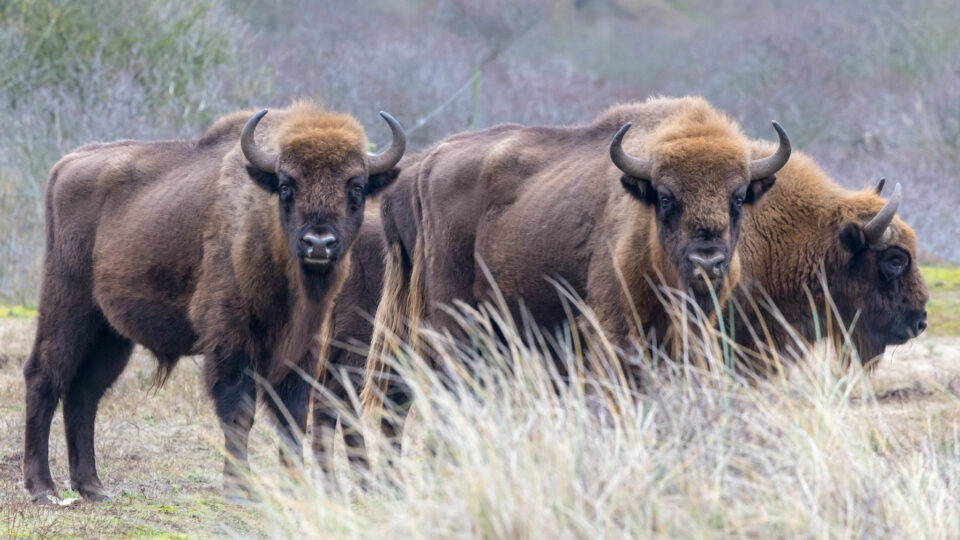
Over the past few decades, research has identified the importance of large mammals like bison as ecosystem engineers.  These animals shape and maintain various natural processes and, in the process, are responsible for the sequestering of large amounts of carbon.  But large mammals – both herbivores and predators – have seen their numbers dwindle over time.  At this point, nearly two-thirds of large carnivores are threatened with extinction.   Overall, less than 6% of worldwide ecosystems have the extensive, intact large-mammal communities that were dominant 500 years ago.

Conservationists around the world have embarked on programs of “rewilding”- reintroducing large mammals into ecosystems.  Some of the animals involved in these programs include brown bears, wild horses, jaguars, reindeer, Eurasian beavers, elk, moose, wolverines, tigers, hippos, and bison.

A group of bison raised in South Dakota have recently been transplanted to the Chihuhuan Desert at the US-Mexico border across Arizona, New Mexico, and Texas.  There used to be huge bison herds in that region, but it has been largely bison-free for 150 years.

Perhaps more remarkably, wild bison are also being reintroduced into a forest near Canterbury, England.  There haven’t been bison in the United Kingdom for thousands of years.  But conservationists are introducing European bison into the British forest to knock down trees, trample shrubs, and create space for a greater diversity of flora and fauna. 

Apart from the ecosystem goals of the British project, people in the UK, for the first time in over a thousand years, will be able to experience bison in the wild.

**********

Web Links

Gone for Thousands of Years, Wild Bison Return to the UK

Photo, posted December 31, 2018, courtesy of Marco Verch via Flickr.

Earth Wise is a production of WAMC Northeast Public Radio.

Drought And U.S. Hydropower | Earth Wise

November 29, 2021 By EarthWise Leave a Comment

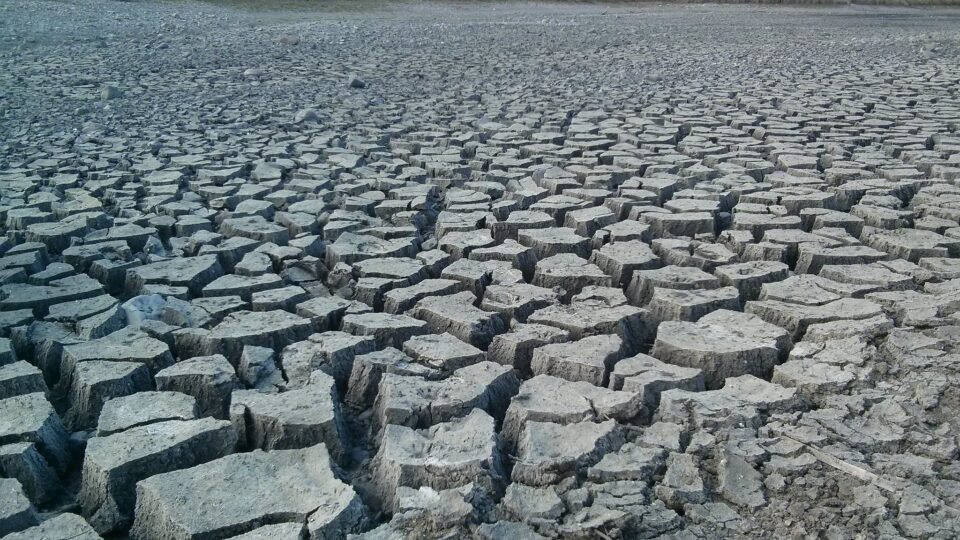
Ongoing drought in the western U.S. is affecting hydropower

The ongoing severe drought in the western U.S. has led to low water levels in the rivers and reservoirs that feed hydroelectric power systems.  The Energy Information Administration is projecting a 13.9% decrease in hydroelectric generation this year compared to 2020.

Water levels in Lake Powell have fallen so low that it may not be possible to operate the power plant at Glen Canyon Dam starting as soon as 2022.  California officials took the Edward Hyatt hydroelectric plant offline in August because of low water levels on Lake Oroville.   Washington, the state with the most hydroelectric power generation, has seen an 11% drop in electricity generated to date this year as compared to last year.  That state is actually doing better than others in the West, such as California, where hydro generation is down 38%.

Hydropower accounts for over 7% of the electricity generated in the United States.  Five states – Washington, Idaho, Vermont, Oregon, and South Dakota – generate at least half of their electricity from hydroelectric dams.

The current decrease in hydropower is alarming, but it is not unprecedented.  The more significant question is whether the drop in generation this year is a sign that this power source is declining and becoming less reliable.   According to some scientists, the West is in a “megadrought” that could last for decades.

The greater concern is whether the bad years are likely to become more common because of climate change.  Climate projections agree that temperatures will continue to rise, but what will happen to precipitation levels in specific places is much less certain.  That is what will determine what the future holds for hydroelectric power.

**********

Web Links

Inside Clean Energy: Drought is Causing U.S. Hydropower to Have a Rough Year. Is This a Sign of a Long-Term Shift?

Photo, posted May 7, 2014, courtesy of Tyler Bell via Flickr.

Earth Wise is a production of WAMC Northeast Public Radio.

Wind Power Update | Earth Wise

October 8, 2021 By EarthWise Leave a Comment

Wind power growth continues

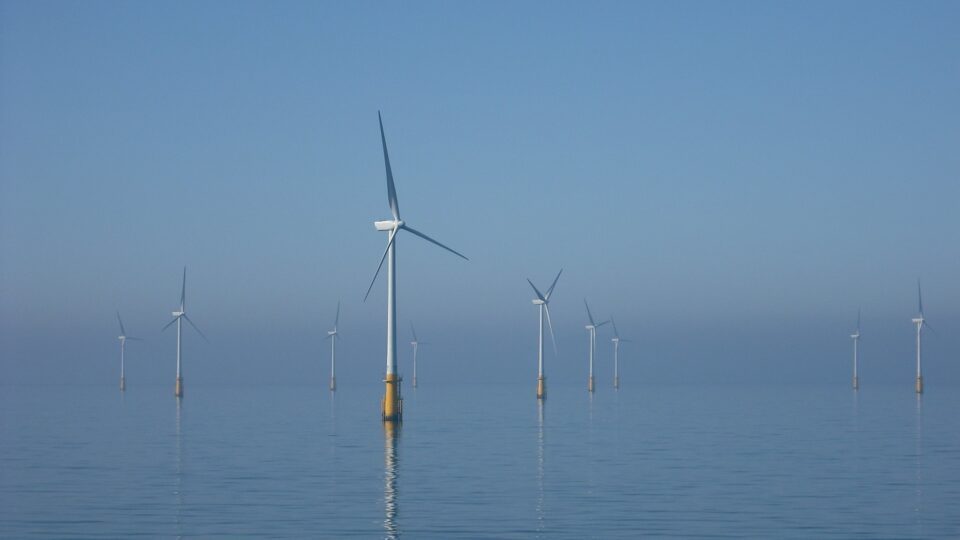
The Department of Energy recently released three reports showing record growth in land-based wind energy, a growing number of offshore wind projects, and the continuing reduction in the cost of wind power.

The U.S. installed a record amount of land-based wind energy in 2020.  In total, 16,836 MW of new utility-scale land-based wind power capacity was added during the year, representing $24.6 billion in new wind power projects.  This was more added than from any other energy source and represented 42% of new U.S. energy capacity.

For the year, wind energy provided more than 10% of in-state electricity generation in 16 states.  Notably, wind provided 57% of Iowa’s electricity and more than 30% in Kansas, Oklahoma, South Dakota, and North Dakota.

As wind turbines continue to grow in size and power, they are producing more energy at lower cost.  Turbine prices have gone from $1,800/kW in 2008 to $770-850/kW now.

The pipeline for U.S. offshore wind energy projects has grown to 35,324 MW, a 24% increase over the previous year.   The Bureau of Ocean Management created five new wind energy areas in the New York Bight with a total of 9,800 MW of capacity. 

Distributed wind power, which are systems connected on the customer’s side of the power meter as opposed to those on the utility side, also saw increased growth last year. 

Wind power is a key element in the adminstration’s goal of having a decarbonized electricity sector by 2035.

**********

Web Links

DOE Releases New Reports Highlighting Record Growth & Declining Costs Of Wind Power

Photo, posted March 24, 2016, courtesy of Adam Dingley via Flickr.

Earth Wise is a production of WAMC Northeast Public Radio.

Growing Use Of Wind And Solar Power

December 10, 2018 By EarthWise Leave a Comment

https://earthwiseradio.org/wp-content/uploads/2018/12/EW-12-10-18-Growing-Use-of-Wind-and-Solar.mp3

According to a new report from the U.S. Energy Information Administration, solar and wind energy now generate more than 20% of the electricity used in 10 states.  Topping the list is Iowa, which got 37% of its electricity from wind and solar in 2017.  The next three states were Kansas, Oklahoma, and South Dakota, all getting more than 30% of their power from the renewables.  The top five states, which adds North Dakota to the list, actually get nearly all of their renewable energy from wind.  In fact, during some months in 2017, Iowa and Kansas both got more than half of their electricity from wind.

[Read more…] about Growing Use Of Wind And Solar Power

Shifting Climate Zones

November 16, 2018 By EarthWise Leave a Comment

https://earthwiseradio.org/wp-content/uploads/2018/11/EW-11-16-18-Shifting-Climate-Zones.mp3

As the climate warms, the planet’s landscape is changing.  The Arctic ice is shrinking, the ocean is rising altering coastlines, and plants, animals and diseases are on the move.  The world’s climate zones are changing in significant and measurable ways.

[Read more…] about Shifting Climate Zones

The Incredible Shrinking Bison

April 18, 2016 By WAMC WEB

https://earthwiseradio.org/wp-content/uploads/2016/04/EW-04-18-16-Incredible-Shrinking-Bison.mp3

As the climate warms, all sorts of things are happening in the environment.   We know about shrinking ice caps, retreating glaciers, strange winter weather, and so forth.  But there are other things that may happen that are unexpected and puzzling.

[Read more…] about The Incredible Shrinking Bison

Primary Sidebar

Recent Episodes

  • An uninsurable future
  • Clean energy and jobs
  • Insect declines in remote regions
  • Fossil fuel producing nations ignoring climate goals
  • Trouble for clownfishes

WAMC Northeast Public Radio

WAMC/Northeast Public Radio is a regional public radio network serving parts of seven northeastern states (more...)

Copyright © 2026 ·