• Skip to primary navigation
  • Skip to main content
  • Skip to primary sidebar

Earth Wise

A look at our changing environment.

  • Home
  • About Earth Wise
  • Where to Listen
  • All Articles
  • Show Search
Hide Search
You are here: Home / Archives for sleep

sleep

Caterpillars And Light Pollution | Earth Wise

May 3, 2023 By EarthWise Leave a Comment

Most of us are familiar with air pollution, water pollution, soil pollution, and even noise pollution.  But it turns out that light can be a pollutant as well, and it’s a consequence of industrial civilization.  In fact, nighttime light pollution now covers approximately 23% of the globe and over 80% of inhabited regions. 

Light pollution affects more than just our view of the stars.  For example, light pollution can alter our circadian rhythm, disrupting our sleep cycle.  In nature, light pollution can kill baby turtles by causing them to head inland instead of into the ocean, can cause birds to migrate during the wrong season, and can deter nighttime pollinators like bats.  And those are just a few of the examples.    

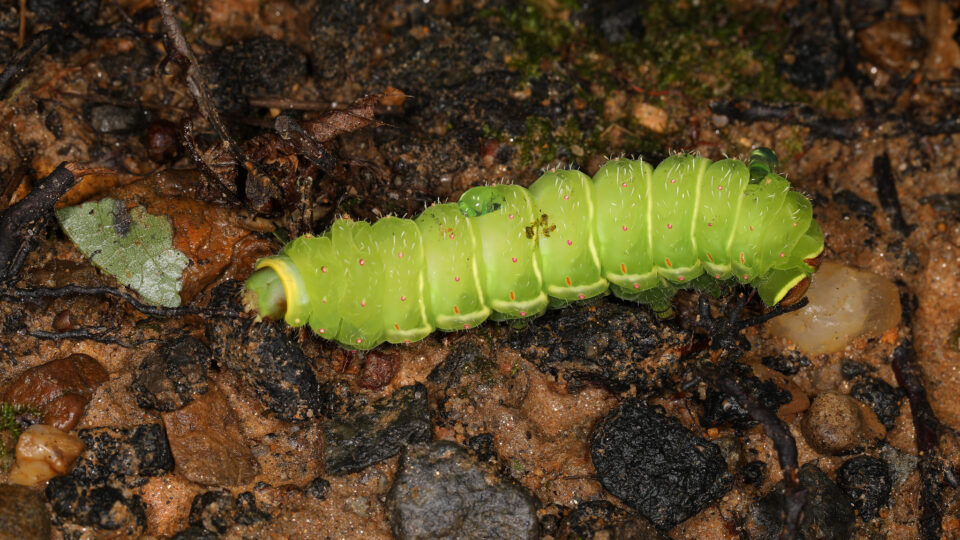
According to new research from scientists at Cornell University, moderate levels of artificial light at night – like a porch light – attract caterpillar predators and reduce the chance that caterpillars grow up to become moths. 

In the study, which was recently published in the journal Proceedings of the Royal Society B: Biological Sciences, the researchers placed 552 lifelike caterpillar replicas made of soft clay in a forest to measure predation rates compared to a control group.  They found that predation rates on clay caterpillars and the abundance of arthropod predators were significantly higher on the artificial light at night treatment plots.  In fact, of the 552 clay caterpillars deployed and glued to leaves to look authentic, 521 models were recovered and 249 of them- or 47.8% – showed predatory marks from arthropods during the summer-long nighttime study.

In addition to light pollution, caterpillars also face major threats from habitat loss, pollution, invasive species, and climate change.

**********

Web Links

Artificial light at night aids caterpillar predators

Photo, posted July 23, 2020, courtesy of Judy Gallagher via Flickr.

Earth Wise is a production of WAMC Northeast Public Radio
Climate Change And Sleep | Earth Wise

June 22, 2022 By EarthWise Leave a Comment

Climate change negatively impacts sleep and human health

It’s no secret that our planet is heating up.  According to scientists, the warming is primarily the result of increased anthropogenic greenhouse gas emissions.  In fact, human activities are responsible for nearly all of the increase in atmospheric greenhouse gas emissions over the last 150 years. 

Climate change has already left observable effects on the planet.  For example, glaciers have shrunk, oceans have warmed, heatwaves have become more intense, and plant and animal ranges have shifted.

Most research examining the impact of climate change on human life has centered around extreme weather events and how they will affect social and economic health.  But climate change may also have a major influence on fundamental daily human activities, like sleep, that are essential to well-being.   

According to a new study recently published in the journal One Earth, scientists have found that increasing temperatures are negatively impacting human sleep around the globe.  In the study, the research team analyzed anonymized global sleep data from sleep-tracking wristbands.  The data included 7 million nightly sleep records from more than 47,000 adults across 68 countries, spanning all continents except Antarctica.     

Before the year 2100, researchers say that suboptimal temperatures may erode 50 to 58 hours of sleep per person per year.  On warm nights – where temperatures are greater than 86 degrees Fahrenheit – sleep declines an average of more than 14 minutes.  To little surprise, they found that the effect of increasing temperatures on sleep loss is substantially greater for residents in lower income countries as well as in older adults. 

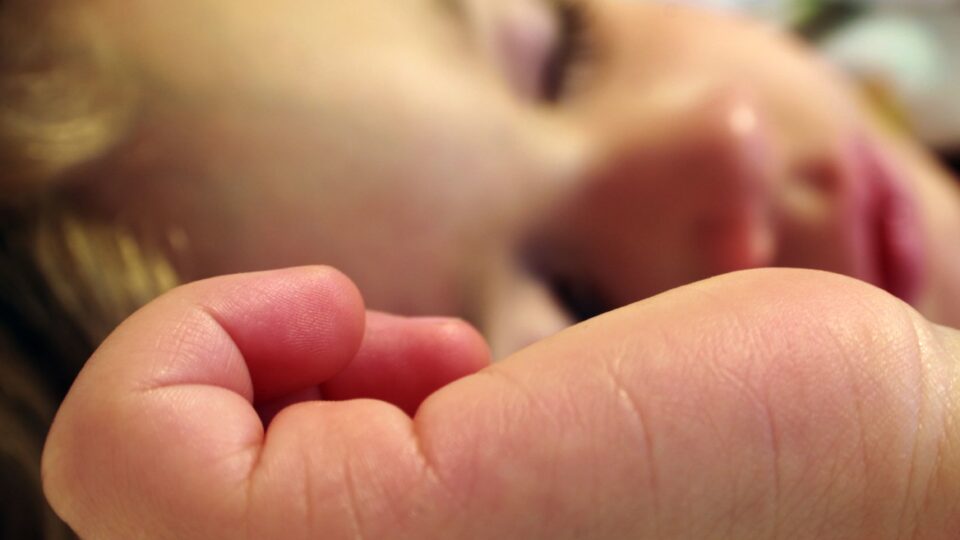
Sleep is an essential restorative process integral to human health and productivity.  And it’s threatened by our changing climate. 

**********

Web Links

Climate change likely to reduce the amount of sleep that people get per year

Photo, posted March 16, 2006, courtesy of Joe Green via Flickr.

Earth Wise is a production of WAMC Northeast Public Radio.

Permanent Time Observation | Earth Wise

September 25, 2020 By EarthWise Leave a Comment

permanent standard time

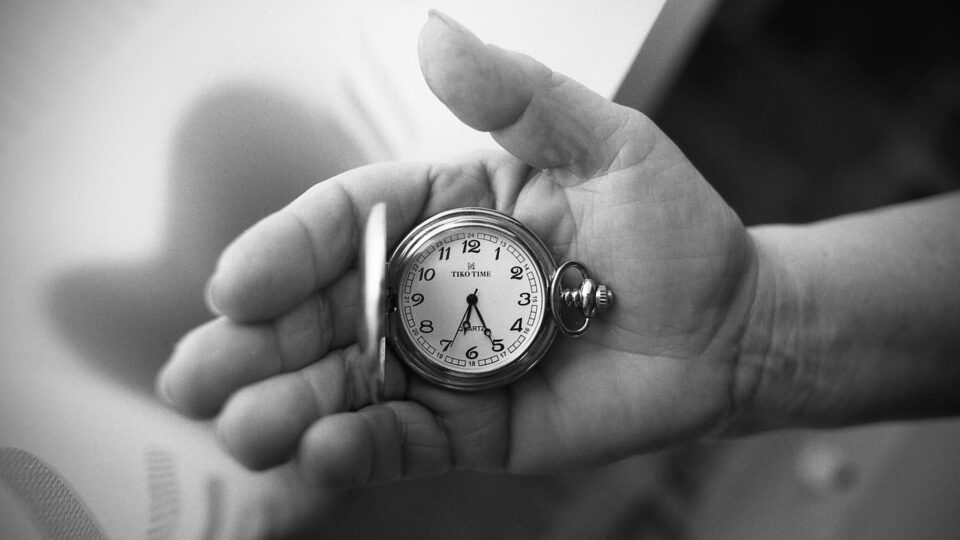
Americans have debated the value of daylight savings time going all the way back to Benjamin Franklin.  As a country, we adopted the practice of changing our clocks twice a year in 1918.

Since the energy crisis of the 1970s, there have been a number of initiatives aimed at making daylight savings time permanent.  However, there is also a growing movement to eliminate the practice entirely.

In August, the American Academy of Sleep Medicine published a position statement calling for the abolishing of daylight savings time in favor of fixed, national, year-round standard time.

The statement describes the adverse effects of the annual abrupt switch to daylight savings time, which range from increased risk of stroke and hospital admissions to sleep loss and increased production of inflammatory markers, which are one of the body’s responses to stress.  It also cites studies that show that traffic fatalities increase by as much as six percent in the first few days following the change to daylight savings time.  Other research shows that there is an 18% increase in adverse medical events related to human error in the week after switching to daylight savings time.

In July, a survey by the academy of more than 2,000 U.S. adults found that 63% support the elimination of seasonal time changes in favor of a national, fixed year-round time, and only 11% oppose the idea, but many of those in favor of the idea actually want permanent daylight savings time.

The sleep academy contends that permanent standard time is the best choice to most closely match our circadian sleep-wake cycle while daylight saving time results in more darkness in the morning and more light in the evening, disrupting the body’s natural rhythm.

Residents of Arizona and Hawaii get to sit out this debate since they don’t change their clocks.

**********

Web Links

American Academy of Sleep Medicine calls for elimination of daylight saving time

Photo, posted May 28, 2018, courtesy of Kis Akos via Flickr.

Earth Wise is a production of WAMC Northeast Public Radio.

Unexpected Effects Of Climate Change

September 18, 2018 By EarthWise Leave a Comment

https://earthwiseradio.org/wp-content/uploads/2018/09/EW-09-18-18-Unexpected-Effects-of-Climate-Change.mp3

The effects of climate change are discussed all the time.  We hear a lot about rising seas, extreme weather events, and so on.  And mostly, the weather gets warmer.  Heatwaves are increasingly common and longer and stronger.

[Read more…] about Unexpected Effects Of Climate Change

Primary Sidebar

Recent Episodes

  • An uninsurable future
  • Clean energy and jobs
  • Insect declines in remote regions
  • Fossil fuel producing nations ignoring climate goals
  • Trouble for clownfishes

WAMC Northeast Public Radio

WAMC/Northeast Public Radio is a regional public radio network serving parts of seven northeastern states (more...)

Copyright © 2026 ·