• Skip to primary navigation
  • Skip to main content
  • Skip to primary sidebar

Earth Wise

A look at our changing environment.

  • Home
  • About Earth Wise
  • Where to Listen
  • All Articles
  • Show Search
Hide Search
You are here: Home / Archives for services

services

Thousands of species threatened

January 24, 2024 By EarthWise Leave a Comment

The IUCN tracks thousands of threatened species

The International Union for the Conservation of Nature is an organization working in the field of nature conservation and sustainable use of natural resources.  The IUCN has been around for nearly 75 years and is the global authority on the status of the natural world and the measures needed to safeguard it.

In its latest accounting, the IUCN has determined that more than 44,000 species worldwide are threatened with extinction.  Among them, nearly 7,000 face an immediate threat from climate change.

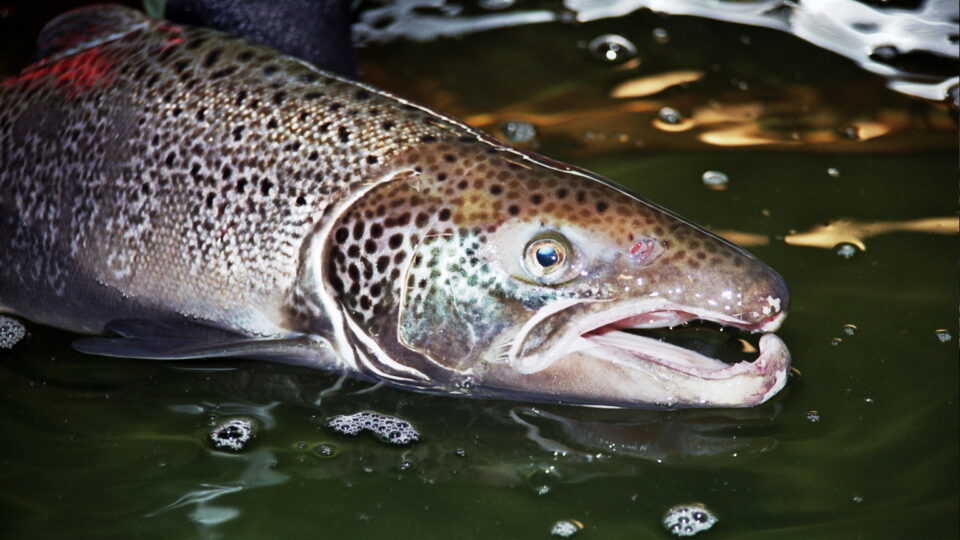
The organization tracks 157,000 species to compile its Red List and found that climate change poses a growing threat to many kinds of wildlife. At particular risk are freshwater fish including Atlantic salmon, which are now classified as “Near Threatened.” 

In all, about 25% of freshwater fish are threatened with extinction.  This is in part driven by rising sea levels which causes saltwater to be driven up into rivers.  Some 41% of amphibians are threatened with extinction, in part due to more intense heat and drought.  Many populations of green turtles are at risk of extinction because of rising temperatures lowering hatch rates and rising sea levels flooding nests.

It isn’t just animals at risk.  For example, big leaf mahogany, one of the world’s most commercially sought-after timber trees, has moved from Vulnerable to Endangered on IUCN’s Red List.  Thousands of trees have been added to the Red List, many of which are timber species, and some are keystone species in forests.

Endangered and threatened species are often irreplaceable parts of ecosystems which provide humans with many services that only the natural world can.

**********

Web Links

More Than 44,000 Species Now Threatened With Extinction

Photo, posted November 22, 2010, courtesy of E. Peter Steenstra/USFWS via Flickr.

Earth Wise is a production of WAMC Northeast Public Radio

Electric planes: Fantasy or reality?

December 1, 2023 By EarthWise Leave a Comment

Airplanes have been around for over a century, but the idea of powering them with electricity rather than with liquid fuels has been little more than a fantasy.  Over the years, billions of dollars have been invested trying to make electric planes practical.  In recent times, progress on battery technology has provided a much-needed boost for the field.

Electric planes are nowhere near becoming competitive with long distance commercial aircraft.  The weight and power requirements for such craft are far beyond what electric plane technology can do.  But electric planes could offer a very practical solution for transporting relatively small numbers of passengers over relatively short distances.

A plane built by the well-funded private company Beta Technologies has flown as far as 386 miles on a single battery charge.  The company envisions such planes to be mostly used for trips of 100 to 150 miles.  These planes could open new opportunities, like better connecting rural areas that have little or no direct air service.

Their latest model was tested on a trip between Burlington, Vermont and Florida, making multiple stops and flying through congested airspace over Boston, New York, and Washington.

Commercial versions of the planes will likely have lift rotors to take off and land like helicopters, making them deployable in a wide range of places.  Many companies are working on electric aviation, and they have backers like major automakers, major airlines, and large investment firms. 

Electric planes are not likely to replace conventional aircraft but are likely to have a meaningful impact how we move goods and services and reconnect rural parts of the country.

**********

Web Links

Electric Planes, Once a Fantasy, Start to Take to the Skies

Photo courtesy of Beta Technologies.

Earth Wise is a production of WAMC Northeast Public Radio

Batteries On Wheels | Earth Wise

December 24, 2021 By EarthWise Leave a Comment

electric vehicles as a battery resource

Transportation accounts for nearly a quarter of the direct carbon dioxide emissions coming from burning fuel.  As a result, electrification of transport is one of the major ways we can reduce emissions.  Increasing the number of electric vehicles over time is essential for meeting emissions targets.

But electric vehicles have the potential to do more than deliver emissions reduction; they can also provide other energy services.

More and more electric cars provide over 200 miles of driving range, but most cars are actually driven no more than 30 miles a day.  As a result, the fleet of electric cars represents a huge bank of energy stored in battery packs and mostly sitting around unused.  This presents an opportunity to leverage this resource.

Car battery packs could be used to absorb excess renewable energy generated in the middle of the day (for example from solar installations) or at night (from wind farms) and potentially then to export stored energy to power homes and support the grid.  This energy system is known as V2G, or vehicle-to-grid technology.

The University of Queensland in Australia has launched a unique international trial to see if the spare battery capacity in vehicles could be used for these purposes.  The university has partnered with Teslascope, which is an online analytics platform used by Tesla owners to track the performance of their cars.  Tesla owners wishing to be part of the study authorize the collection of their data and, in turn, receive a free 12-month subscription to the Teslascope service.  The study will collect data from Tesla owners in Australia, the US, Canada, Norway, Sweden, Germany, and the UK.

**********

Web Links

Can EV spare battery capacity support the grid?

Photo, posted February 8, 2009, courtesy of City of St Pete via Flickr.

Earth Wise is a production of WAMC Northeast Public Radio.

Coral Reefs And Ecosystem Services

October 18, 2021 By EarthWise Leave a Comment

The ecosystem services of coral reefs

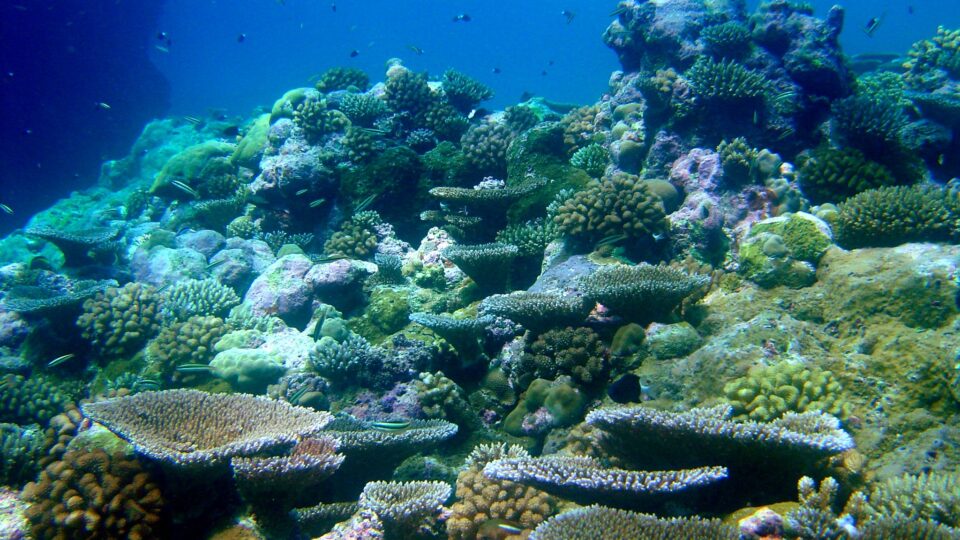
A new study led by the University of British Columbia provides the first comprehensive look at what climate change, overfishing, and habitat destruction of coral reefs mean for their ecosystem services.  For humans, this means how the global decline in coral reefs has affected their ability to provide essential benefits including food, livelihoods, and protection from storms.

The study found that global coverage of living corals has declined by about half since the 1950s and the diversity of reef species has declined by more than 60%.  So, it is no surprise that there has been a significant loss in the ability of reefs to provide ecosystem services.

The study analyzed data from coral reef surveys around the world, fisheries catches, indigenous consumption, and more.  Apart from the declines in reef coverage and biodiversity, the study found that fish catches on coral reefs peaked in 2002 and has steadily declined since then, despite increased fishing efforts.

The findings of the study led the researchers to conclude that continued degradation of coral reefs in the years to come threaten the well-being and sustainable development of millions of people in communities on the coast that depend on coral reefs.  Fish and fisheries provide essential nutrients in places with few alternative sources of nutrition.  Coral reef biodiversity and fisheries have added importance for indigenous communities, where important cultural relationships exist with reefs.

The study’s authors say that the results are a call to action.  The level of destruction happening all over the world’s coral reefs is threatening people’s culture, their daily food, and their history.  It is not just an environmental issue; it is a human rights issue.

**********

Web Links

Photo, posted September 22, 2010, courtesy of David Burdick / NOAA Photo Library via Flickr.

XXXXXXXXXXX

Protecting Nature Is Valuable | Earth Wise

April 15, 2021 By EarthWise Leave a Comment

Preserving nature is the best economic decision

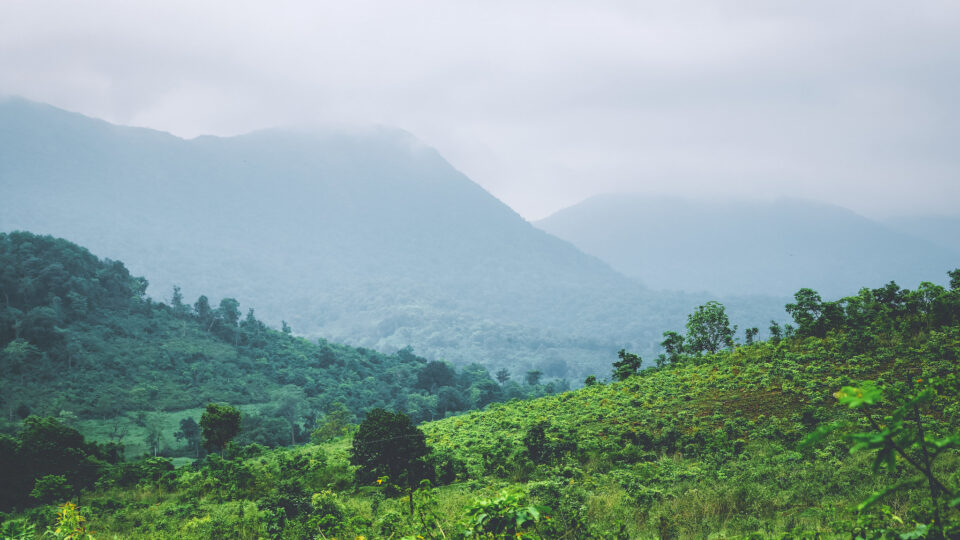
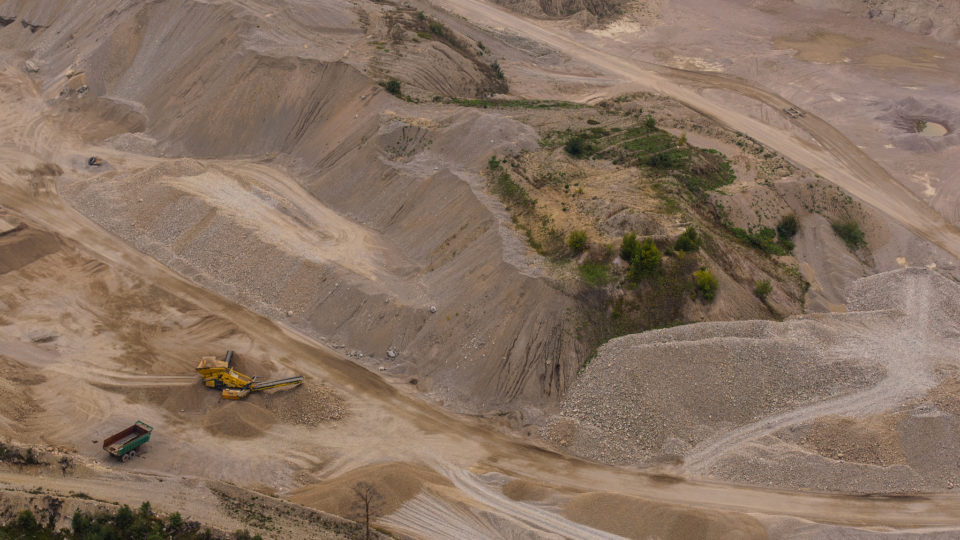
A study by the University of Vermont, the University of Cambridge, and several other institutions compared the value of protecting nature at particular locations with that of exploiting it.   The study concluded that the economic benefits of conserving or restoring natural sites outweigh the profit potential of converting them for intensive human use.

The study analyzed dozens of sites across the globe – from Kenya to Fiji and China to the UK across six continents.  It was published in the journal Nature Sustainability.

The analysis utilized a methodology devised ten years ago called TESSA (the Toolkit for Ecosystem Service Site-based Assessment) which enables users to measure, and in many cases, assign monetary values to services provided by sites – clean water, nature-based recreation, crop pollination, and so on.  This is then compared with the economic benefits that can be derived by converting the site for farming, logging, or other human uses.

A major economic benefit of natural sites comes from their ability to sequester carbon and thereby help regulate the quantity of greenhouse gases in the atmosphere.  If one assigns a value to global society of $31 a ton of carbon removed, over 70% of the sites surveyed had a greater value to society when kept natural rather than being converted.  Many scientists actually consider this carbon price to be conservative.  Nevertheless, if carbon is assigned the paltry cost of $5 a ton, 60% of the sites are still more valuable in their natural state.

Beyond these economic calculations, there is the pressing issue that current rates of habitat conversion are driving a species extinction crisis unprecedented in human history.  But even if one is only interested in dollars and cents, conserving and restoring nature is now very often the best bet for human prosperity.

**********

Web Links

Economic Benefits of Protecting Nature Exceed Value of Exploiting it, Global Study Finds

Photo, posted June 7, 2017, courtesy of Mouli Choudari via Flickr.

Earth Wise is a production of WAMC Northeast Public Radio.

Bring The Wild Back Into Farmlands

December 4, 2018 By EarthWise Leave a Comment

https://earthwiseradio.org/wp-content/uploads/2018/11/EW-12-04-18-Bring-the-Wild-Back.mp3

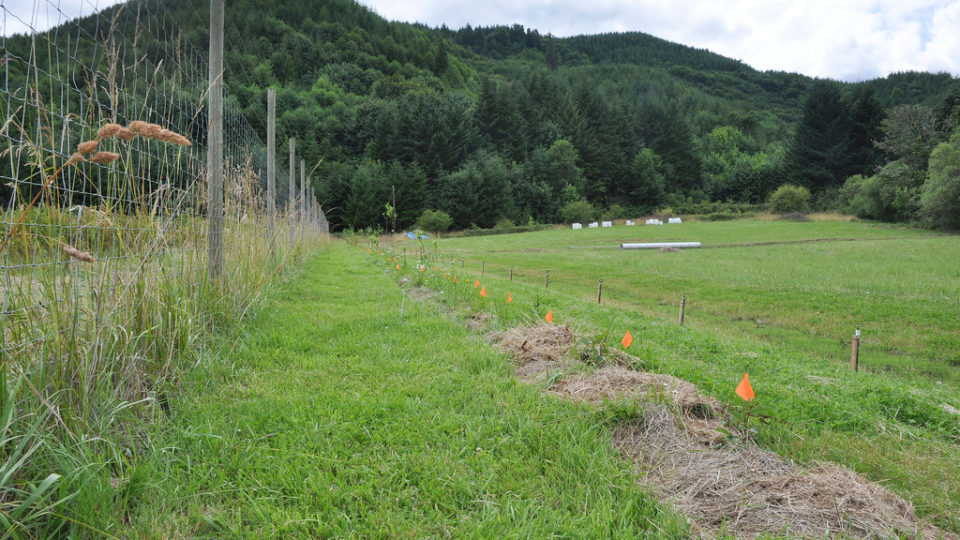
A recent study published in Science looks at the effects of maintaining at least a little bit of the wild on working lands including farmland, rangeland and forests.  The study concludes that doing so may be a key to preserving biodiversity in the face of climate change.

[Read more…] about Bring The Wild Back Into Farmlands

The Earliest Overshoot Day Ever

October 11, 2018 By EarthWise Leave a Comment

https://earthwiseradio.org/wp-content/uploads/2018/09/EW-10-11-18-The-Earliest-Overshoot-Day-Ever.mp3

Earth Overshoot Day marks the date when humankind’s demand for ecological resources and services in a given year exceeds what our planet can regenerate in that year.  The deficit for the remainder of the year means we are liquidating stocks of ecological resources and accumulating waste, primarily carbon dioxide in the atmosphere.

[Read more…] about The Earliest Overshoot Day Ever

A Microgrid in New York’s Capital

July 31, 2017 By EarthWise

https://earthwiseradio.org/wp-content/uploads/2017/07/EW-07-31-17-A-Microgrid-in-NYs-Capital.mp3

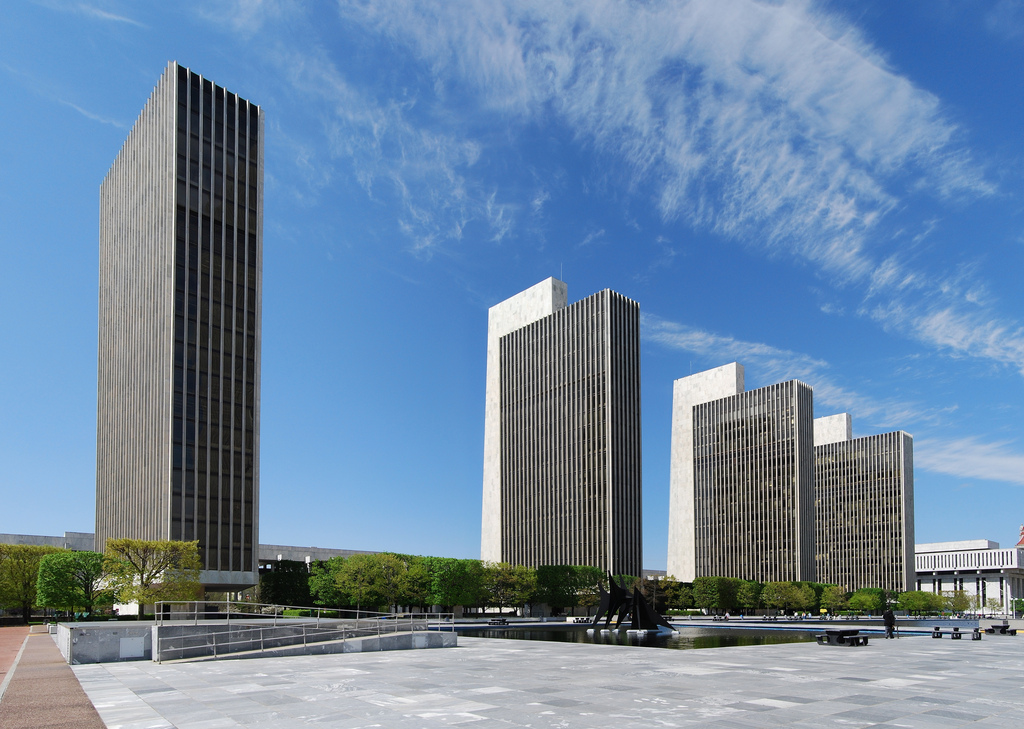
New York State has been encouraging its communities to install microgrids for quite a while.  Now the state has committed to build a 16-megawatt microgrid to power the Empire State Plaza in downtown Albany.  The microgrid will use combined heat and power to supply 90% of the electricity as well as heating and cooling for the 10 buildings where 11,000 state employees work.

[Read more…] about A Microgrid in New York’s Capital

Wiping Out Wildlife

December 1, 2016 By WAMC WEB

https://earthwiseradio.org/wp-content/uploads/2016/12/EW-12-01-16-Wiping-Out-Wildlife.mp3

According to a new report from the World Wildlife Fund, the world’s animal populations have suffered widespread population declines in the last half century.  And thousands of species are now scrambling to survive. 

[Read more…] about Wiping Out Wildlife

The Value Of Street Trees

July 13, 2016 By WAMC WEB

https://earthwiseradio.org/wp-content/uploads/2016/07/EW-07-13-16-California-Street-Trees.mp3

Why should you care whether there are trees on your street or on the streets nearby?  Besides the obvious fact that they make streets more attractive, street trees provide a number of real benefits both for residents and for the environment. 

[Read more…] about The Value Of Street Trees

Primary Sidebar

Recent Episodes

  • An uninsurable future
  • Clean energy and jobs
  • Insect declines in remote regions
  • Fossil fuel producing nations ignoring climate goals
  • Trouble for clownfishes

WAMC Northeast Public Radio

WAMC/Northeast Public Radio is a regional public radio network serving parts of seven northeastern states (more...)

Copyright © 2026 ·