• Skip to primary navigation
  • Skip to main content
  • Skip to primary sidebar

Earth Wise

A look at our changing environment.

  • Home
  • About Earth Wise
  • Where to Listen
  • All Articles
  • Show Search
Hide Search
You are here: Home / Archives for rye

rye

Managing Pests With Cover Crops | Earth Wise

May 18, 2022 By EarthWise Leave a Comment

The use of pesticides in global agriculture brings with it many problems including the killing of non-target, beneficial species as well as reversing pest-management gains from the use of conservation agriculture methods.

In a newly published study by researchers at Penn State University, the use of plant cover, such as cover crops, was shown to potentially be more effective at reducing pest density and crop damage than the application of insecticides without the downsides.  Cover crops reduce insect pest outbreaks by increasing pest predator abundance.

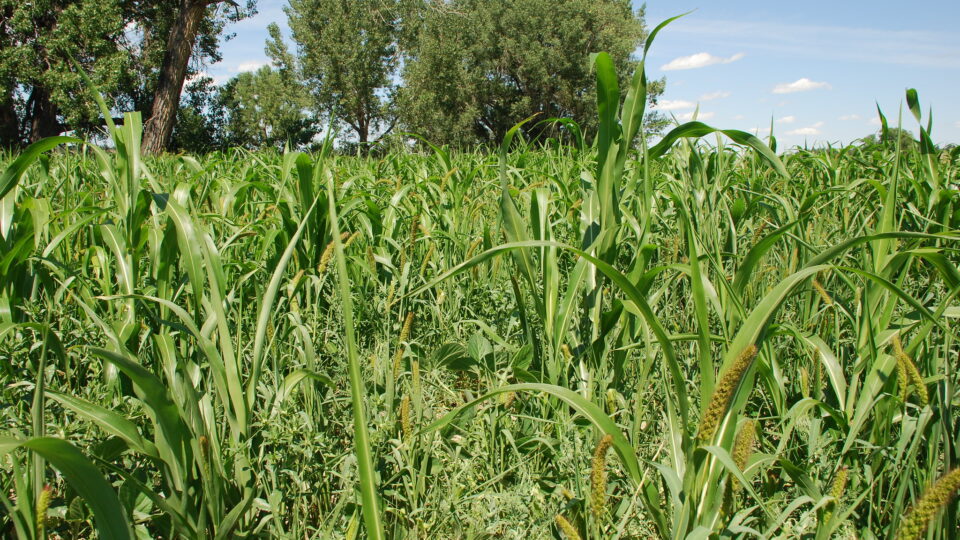
Cover crops are plantings that are primarily used to slow erosion, improve soil health, enhance water availability, smother weeds, and help control pests and diseases.  Typical cover crops include mustard, alfalfa, rye, clovers, buckwheat, and winter peas.  Most cover crops are fairly inexpensive to plant.

Plant cover can provide habitat for populations of natural enemies of pests.  Winter cover crops can harbor pest predator populations outside of the growing season of the cash crop.  When the cover crop is killed off to allow the growth of the cash crop, residues of the cover crop remain on the soil during the growing season, so they still enhance the habitat for pest predators.

Conservation agriculture includes methods like cover crops, no-till planting, and crop rotation.  The use of cover crops constitutes a form of preventive pest management that is an alternative to planting seeds treated with systemic insecticides to control early-season pests.  There is also the possibility for integrated pest managements, which is an approach in which insecticides are applied but only when pest numbers exceed economic thresholds despite the use of nonchemical tactics.

**********

Web Links

Cover crops more effective than insecticides for managing pests, study suggests

Photo, posted August 8, 2011, courtesy of USDA NRCS Montana via Flickr.

Earth Wise is a production of WAMC Northeast Public Radio.

Tracking Down Gluten Sensitivity | Earth Wise

October 6, 2020 By EarthWise Leave a Comment

Exploring gluten sensitivity

Celiac disease is a well-documented autoimmune disease triggered by exposure to the dietary proteins found in wheat, rye, and barley.  Celiac disease affects less than 1% of Americans yet many more people claim to be sensitive to gluten.

When people with celiac disease eat gluten, their body mounts an immune response that attacks the small intestine.  These attacks lead to damage on the villi, the small projections that line the small intestine that promote nutrient absorption.  Symptoms range from various digestive problems to fatigue, weight loss, bloating, and anemia.  Ultimately, it can lead to a variety of serious health complications.

Until recently, there was a tendency by doctors to dismiss the complaints of people who claimed to be sensitive to gluten but do not have celiac disease.  That is starting to change, in part as a result of studies conducted at Columbia University that looked at the biological basis for non-celiac gluten sensitivity.

The new study shows that people with non-celiac gluten sensitivity produce a high level of anti-gluten antibodies but that these antibodies are different from the ones triggered by celiac disease and that the inflammatory responses they instigate are also different.  The more restrained inflammatory response is much less likely to be associated with autoimmune activity and intestinal cell damage.  In addition, the immune system of people with non-celiac gluten sensitivity appears to be able to gradually reduce its inflammatory response over time.

Discovery of these antibodies could be used in the future to help doctors more readily identify people with non-celiac gluten sensitivity, which now is difficult to diagnose.  The researchers also believe that their work could lead to potential new therapies for celiac disease, which is currently treated only with dietary restrictions.

**********

Web Links

Unique Antibody Profile Sets Gluten Sensitivity Apart from Celiac Disease

Photo, posted November 27, 2010, courtesy of Francis Storr via Flickr.

Earth Wise is a production of WAMC Northeast Public Radio.
Using Rye To Grow Edamame

April 17, 2018 By EarthWise Leave a Comment

https://earthwiseradio.org/wp-content/uploads/2018/04/EW-04-17-18-Using-Rye-to-Grow-Edamame.mp3

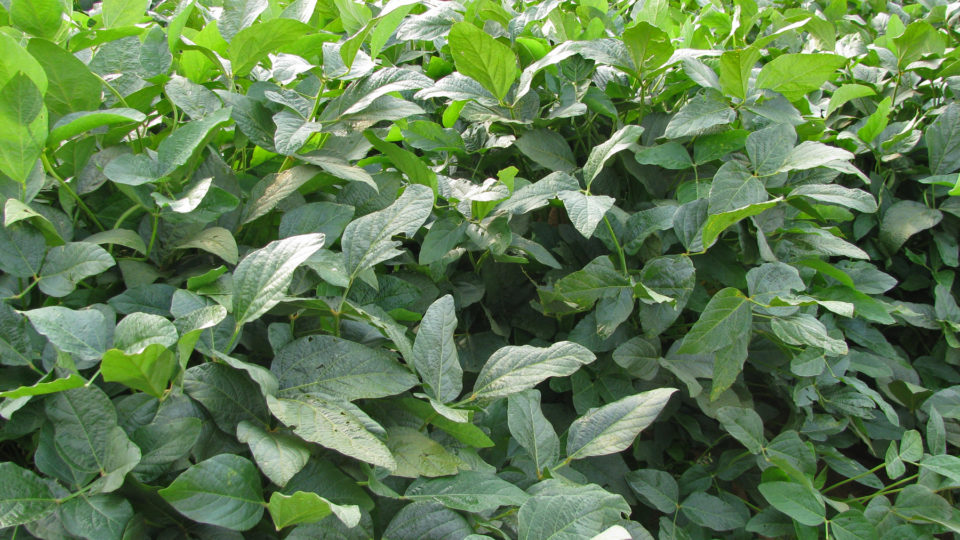
Herbicide-resistant weeds are becoming a more and more common problem for farmers growing grain and vegetable crops.  As a result, the farmers are looking for alternatives to herbicides to control weeds.   One promising approach is the use of cover crops, which are planted in the off season to protect the soil.  Thick cover crop growth can often compete well with weeds during the cover crop growth period, and can prevent most germinated weed seeds from completing their life cycle and reproducing.

[Read more…] about Using Rye To Grow Edamame

Primary Sidebar

Recent Episodes

  • An uninsurable future
  • Clean energy and jobs
  • Insect declines in remote regions
  • Fossil fuel producing nations ignoring climate goals
  • Trouble for clownfishes

WAMC Northeast Public Radio

WAMC/Northeast Public Radio is a regional public radio network serving parts of seven northeastern states (more...)

Copyright © 2026 ·