• Skip to primary navigation
  • Skip to main content
  • Skip to primary sidebar

Earth Wise

A look at our changing environment.

  • Home
  • About Earth Wise
  • Where to Listen
  • All Articles
  • Show Search
Hide Search
You are here: Home / Archives for retailers

retailers

How to reduce pollution from food production

January 17, 2024 By EarthWise Leave a Comment

Present in animal manure and synthetic fertilizers, nitrogen is an essential nutrient for plant growth and is a critical input to enhance agricultural productivity on farms around the world.  But excessive and inefficient use of this nutrient is widespread.  In fact, up to 80% of it leaks into the environment, mostly in various polluting forms of nitrogen: ammonia and nitrogen oxides (which are harmful air pollutants), nitrous oxide (a potent greenhouse gas), and nitrate (which affects water quality).

A new report prepared for the United Nations has put forth some solutions to greatly reduce nitrogen pollution from agriculture in Europe.  A group of researchers coordinated by the U.K. Centre for Ecology & Hydrology, the European Commission, the Copenhagen Business School, and the National Institute for Public Health and the Environment of The Netherlands produced the report.

In it, the research team puts forth its recipe to reduce nitrogen pollution in Europe.  The report’s ingredients include:

  • Reducing by 50% the average European meat and dairy consumption
  • More efficient fertilizer application and manure storage
  • Reducing food production demand by reducing food waste by retailers and consumers
  • Better wastewater treatment to capture nitrogen from sewage
  • Adopting policies addressing food production and consumption to transition them towards more sustainable systems

Taking action to reduce nitrogen pollution will require a holistic approach involving farmers, policymakers, retailers, water companies, and individuals. 

Do Europeans have an appetite for change?

**********

Web Links

Scientists provide recipe to halve pollution from food production

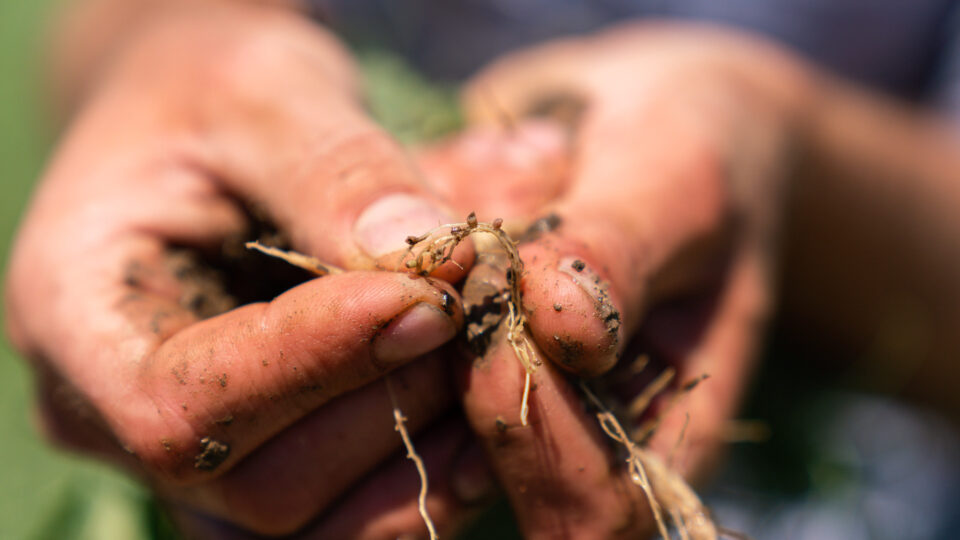
Photo, posted March 10, 2022, courtesy of USDA NRCS Montana via Flickr.

Earth Wise is a production of WAMC Northeast Public Radio

Electric Cars In Norway | Earth Wise

June 12, 2023 By EarthWise Leave a Comment

We are at a relatively early stage of the electric car revolution.  EV sales are increasing rapidly, but they still comprise only a small fraction of the cars on American roads.  So, there is still lots of speculation and argument about how things will actually work when a large fraction of cars are electric.  But there is at least one place where one doesn’t have to speculate:  Norway.

Last year, 80% of new-car sales in Norway were EVs.  That country is essentially an observatory for figuring out what the electrification of vehicles will mean for the environment, workers, and life in general.  In fact, sales of internal combustion cars in Norway will end in 2025.

Based on Norway’s experience, electric vehicles bring benefits and none of the dire consequences that some critics predict.  The transition isn’t problem-free.  There have been unreliable chargers and long waits during periods of high demand.  Auto dealers and retailers have had to adapt to the changes in their businesses.  The pecking order of car brands has changed dramatically making Tesla the best-selling brand and marginalizing long-established carmakers like Renault and Fiat.

But in the bigger picture, the air in Oslo, the capital of Norway, is measurably cleaner.  The city is quieter as noisy gasoline and diesel vehicles gradually disappear.  Oslo’s greenhouse gas emissions have fallen 30% since 2009.  Meanwhile, there hasn’t been mass unemployment among gas station workers, and the electrical grid has not collapsed.

Norway is perhaps 10 years ahead of us with respect to electric cars.  There are still problems to solve, and difficulties to overcome, but so far, it looks like it will all turn out well.

**********

Web Links

In Norway, the Electric Vehicle Future Has Already Arrived

Photo, posted October 15, 2018, courtesy of Mario Duran-Ortiz via Flickr.

Earth Wise is a production of WAMC Northeast Public Radio
Food Waste Into Wearables | Earth Wise

November 20, 2020 By EarthWise Leave a Comment

Turning food waste into wearables

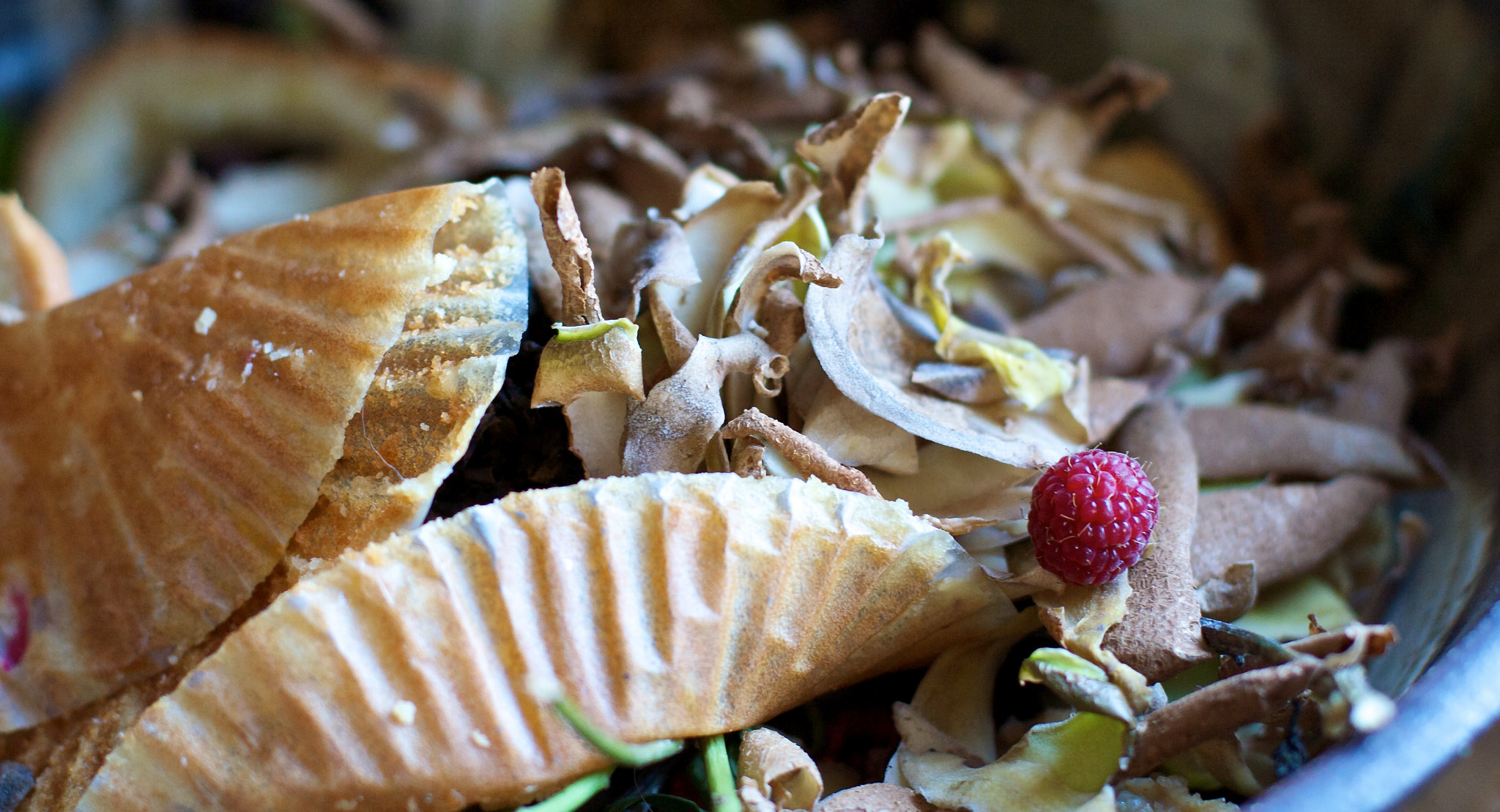
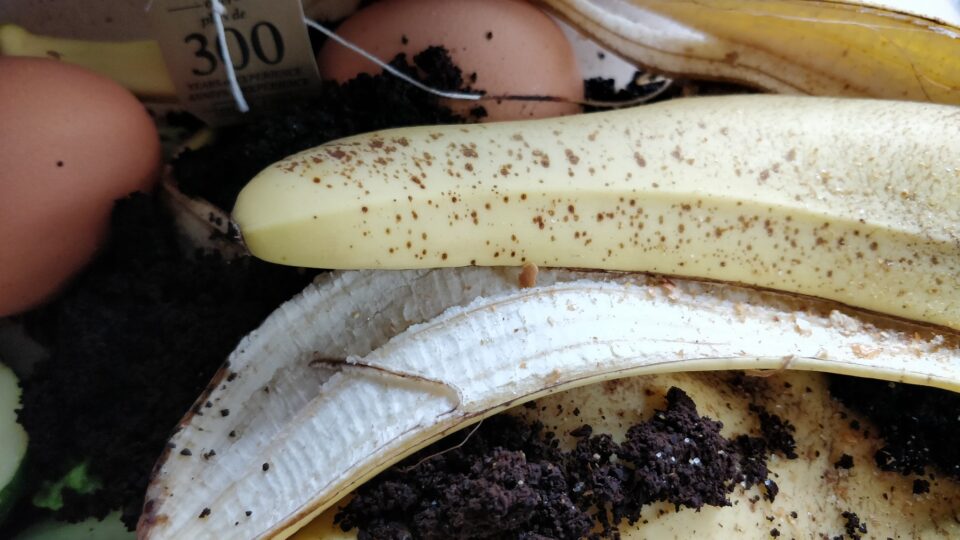
A new startup company spun out of the University of Toronto wants to make clothing from food waste.  If they are successful, you may someday buy a shirt or a pair of gym shorts made from banana peels, rotten tomatoes, coffee grounds, or moldy bread.

A problem faced by the clothing industry is that most textiles are blended with synthetic and non-renewable fiber polyester, which makes them unrecyclable.  An alternative that has come on the scene in recent years is polylactic acid (or PLA), which is a decomposable bioplastic that is currently used for food packaging, medical implants, and 3D printing.  It is likely that a sustainable future for the fashion industry will depend on the ability to make use of biodegradable and carbon-neutral materials.

PLA is typically made from cornstalk, but the startup – called ALT TEX – does not want to rely on a crop already used for feedstock, human consumption, and alternative fuel.  Furthermore, there is no need to plant more corn when there is an abundant supply of unused post-industrial food waste from growers, producers, and retailers that contains the same biological building blocks for producing PLA.

ALT TEX has been conducting experiments using discarded apples to create a PLA-based fabric that is strong, durable, decomposable, and cost effective.  They are working with farmers and food suppliers to access their waste. If their efforts are successful, it would be possible to divert significant amounts of organic waste that currently emits the powerful greenhouse gas methane and instead enable the fashion industry to be more sustainable.

**********

Web Links

Earth-friendly fashion: U of T startup turns food waste into wearables

Photo, posted August 30, 2019, courtesy of Ruth Hartnup via Flickr.

Earth Wise is a production of WAMC Northeast Public Radio.

Massachusetts And Energy Policy | Earth Wise

August 4, 2020 By EarthWise Leave a Comment

Massachusetts and clean energy

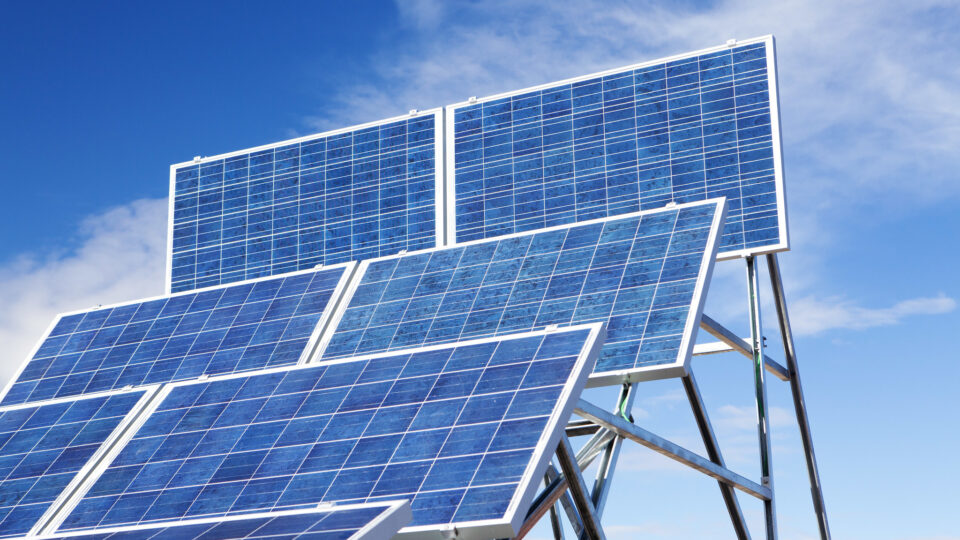
The transition to a renewables-based energy future continues to accelerate, but there are still many forces that can slow it down.  Government policy has a major role to play.  At the moment, the federal government is trying to prop up the fossil fuel industry with financial incentives and rampant deregulation.  So more than ever, innovative policies at the state level are essential drivers for revolutionizing the energy system.

One state where policy is trying to make a big difference is Massachusetts, which has created the Clean Peak Energy Standard or CPS, finalized and approved in late March and now taking effect.   A clean peak standard is a regulatory tool to reduce the costs and environmental impact of periods when electricity demand is highest, and generation tends to be the most polluting.  The CPS requires electric retailers to procure a minimum percentage of their annual electricity sales from renewable generation or energy storage.  That minimum amount will increase each year.

The CPS is formulated to incentivize better utilization of clean energy technologies to supply power when energy demand is high.  The problem is that there are times when the sun is not shining and the wind isn’t blowing, but energy demand is at its highest.  The solution is to use energy storage technologies that can supply power when it is needed.  Furthermore, storage can be relied upon during times of extreme weather that cause power outages.

Massachusetts has already started using energy storage in its grid.  The small town of Sterling installed an energy storage system in 2016 that provides crucial backup power to the police station and emergency dispatch center, thereby keeping first responder operations running even during extended power outages.

**********

Web Links

Massachusetts is setting the benchmark for nationwide clean energy transformation

Photo, posted March 30, 2012, courtesy of Flickr.

Earth Wise is a production of WAMC Northeast Public Radio.

Reducing Food Waste

October 9, 2018 By EarthWise Leave a Comment

https://earthwiseradio.org/wp-content/uploads/2018/09/EW-10-09-18-Reducing-Food-Waste.mp3

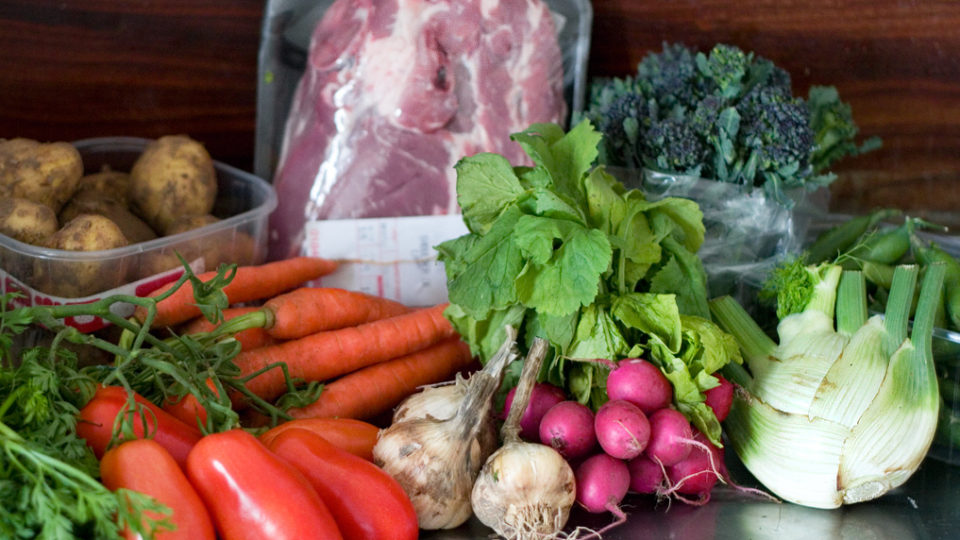
Food waste is a huge problem.  About a third of all food produced globally goes to waste, and the numbers are even worse in the US.  If food waste was a country, it would be the world’s third largest emitter of greenhouse gases.  Worse yet, all of this takes place in a world where 850 million people are chronically undernourished.

[Read more…] about Reducing Food Waste

Reducing Slavery In Seafood

August 28, 2018 By EarthWise Leave a Comment

https://earthwiseradio.org/wp-content/uploads/2018/08/EW-08-28-18-Reducing-Slavery-in-Seafood.mp3

The seafood industry is one of the largest employers in the world.  But according to a 2016 report, the seafood industry also contains widespread forced labor.   Forty seven seafood-producing countries were reported to utilize forced labor.  The seafood hub countries of Indonesia, Thailand, Vietnam, Peru, and the Philippines were also reported to use a significant percentage of child labor.

[Read more…] about Reducing Slavery In Seafood

Doing More Harm Than Good

August 1, 2017 By EarthWise

https://earthwiseradio.org/wp-content/uploads/2017/08/EW-08-01-17-Antibacterials.mp3

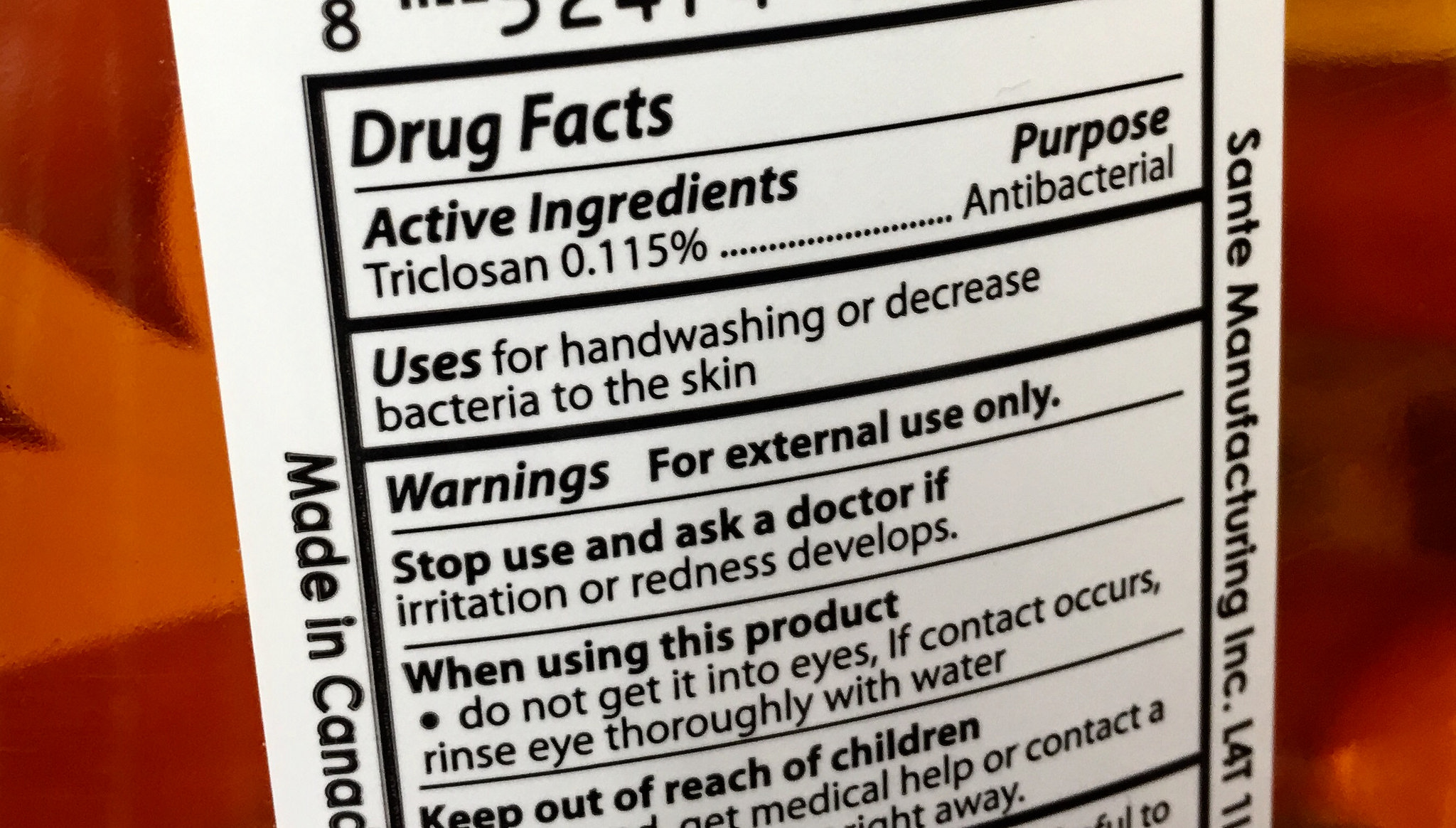
A group of more than 200 scientists and medical professionals has issued a consensus statement in the journal Environmental Health Perspectives urging that antimicrobial chemicals like triclosan and triclocarban should not be used in consumer products.  The experts say that these substances offer no health benefits and are actually causing health and environmental harm.

[Read more…] about Doing More Harm Than Good

Reducing Food Waste

November 6, 2015 By EarthWise

https://earthwiseradio.org/wp-content/uploads/2015/09/EW-10-29-15-Reducing-Food-Waste.mp3

We have talked about food waste before.  It is a big problem in this country:  some 31% of our food supply is wasted, more than 130 billion pounds a year.  Food waste makes up 21% of solid waste in municipal landfills, which means that it accounts for the bulk of landfill methane emissions.  Methane is more than 20 times more effective as a greenhouse gas than carbon dioxide, and landfills are a major source of it.

[Read more…] about Reducing Food Waste

Primary Sidebar

Recent Episodes

  • An uninsurable future
  • Clean energy and jobs
  • Insect declines in remote regions
  • Fossil fuel producing nations ignoring climate goals
  • Trouble for clownfishes

WAMC Northeast Public Radio

WAMC/Northeast Public Radio is a regional public radio network serving parts of seven northeastern states (more...)

Copyright © 2026 ·