• Skip to primary navigation
  • Skip to main content
  • Skip to primary sidebar

Earth Wise

A look at our changing environment.

  • Home
  • About Earth Wise
  • Where to Listen
  • All Articles
  • Show Search
Hide Search
You are here: Home / Archives for resistance

resistance

Microplastics and antibiotic resistance

April 14, 2025 By EarthWise Leave a Comment

Microplastics are a real problem.  They are pretty much everywhere.  They are in our food, in the oceans, on mountains, up in the clouds, and most alarmingly, in our bodies.  All of that is already bad news, but researchers at Boston University have found that microplastics may also be contributing to antibiotic resistance in dangerous bacteria.

The researchers observed that bacteria exposed to microplastics become resistant to multiple types of antibiotics commonly used to treat infections.  Bacteria can become resistant to antibiotics for a number of reasons, including misuse and overprescribing of medications.  However, a major factor influencing antibiotic resistance is the microenvironment – the immediate surroundings of a microbe – which is where bacteria and viruses replicate.

The Boston University study tested how the common bacterium E. coli reacted to being in a closed environment with microplastics.  The plastics provide a surface that the bacteria can attach to and colonize.  When attached to a surface, bacteria create a sticky substance called a biofilm that acts like a shield, protecting the bacteria and keeping them affixed securely.  The tests showed that microplastics supercharged the biofilms so much that when antibiotics were introduced, they were unable to penetrate the shield.

Microplastics are everywhere, but they are especially prevalent in impoverished places where sanitation may be limited.  Refugees, asylum seekers, and forcibly displaced populations are already at increased risk of contracting drug-resistant infections.  The prevalence of microplastics adds another risk to the already difficult lives of these people.

**********

Web Links

Microplastics Could Be Fueling Antibiotic Resistance, BU Study Finds

Photo, posted May 15, 2021, courtesy of Felton Davis via Flickr.

Earth Wise is a production of WAMC Northeast Public Radio
PFAS and groundwater

November 26, 2024 By EarthWise Leave a Comment

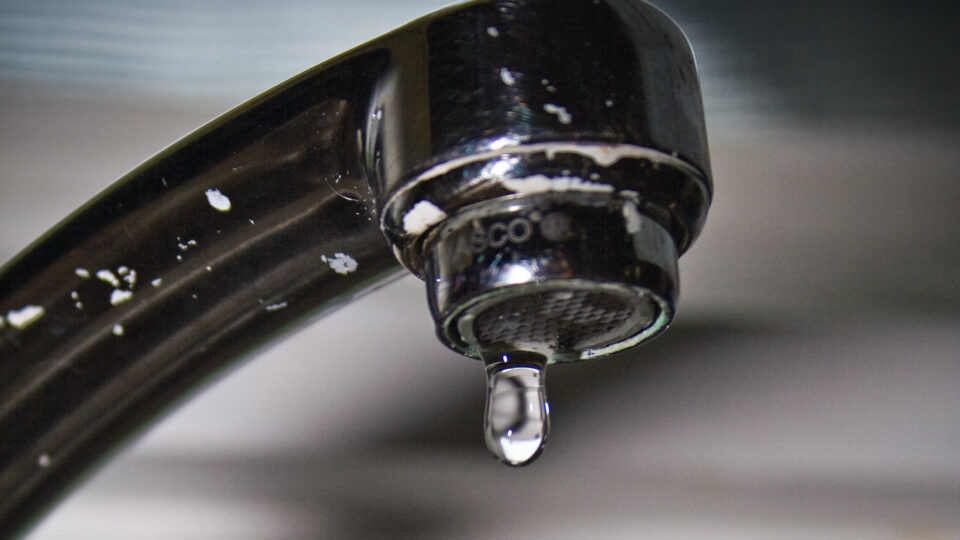
PFAS in groundwater in the United States is widespread

Per- and polyfluoroalkyl chemicals, more commonly known as PFAS, are a family of human-made chemicals that have been manufactured and used in a variety of industries since the 1940s.  They provide water-resistance, oil-resistance, dirt-resistance, and corrosion-resistance to a wide range of products, including food wrappers and packaging, clothing, dental floss, nonstick cookware, textiles, and electronics.

Exposure to PFAS has been linked to birth defects, thyroid disease, liver disease, kidney disease, and cancer.  These chemicals do not break down in the environment and therefore, over time, become concentrated in plants, animals, and people. 

According to a new first-of-its kind study by scientists at the U.S. Geological Survey, more than 20% of the U.S. population could be drinking groundwater contaminated with PFAS.  The study, which was recently published in the journal Science, found that those living in the Eastern U.S. are particularly likely to be exposed.

The study is the first to report national estimates of PFAS in untreated groundwater that supplies drinking water to private and public wells. The USGS research also provides the first estimate of the total number of Americans – anywhere from 71 to 95 million – who might be exposed to this contamination.

The researchers note that their estimates merely measure the existence of PFAS – before the water has undergone any treatment or filtering – meaning that, while they may be present, they may be at very low levels. 

To find a link to the detailed USGS map showing the probability of PFAS groundwater contamination in your region, visit our website: EarthWiseRadio.org.

**********

Web Links

PFAS in US Groundwater Interactive Dashboard

Predictions of groundwater PFAS occurrence at drinking water supply depths in the United States

Photo, posted January 12, 2008, courtesy of Andrew Kraker via Flickr.

Earth Wise is a production of WAMC Northeast Public Radio
A sustainable and climate-friendly food

November 22, 2024 By EarthWise Leave a Comment

Researchers predict that climate change will negatively impact the yield and nutritional quality of most staple food crops, including rice, corn, and soybeans, due to factors like extreme weather events, rising temperatures, and altered precipitation patterns, potentially leading to reduced food security globally.   

As a result, many experts contend that alternative food sources – like insect farming and seaweed aquaculture – are part of the solution.  Additionally, expanding production of climate resilient food crops will also have an important role to play in global food security.

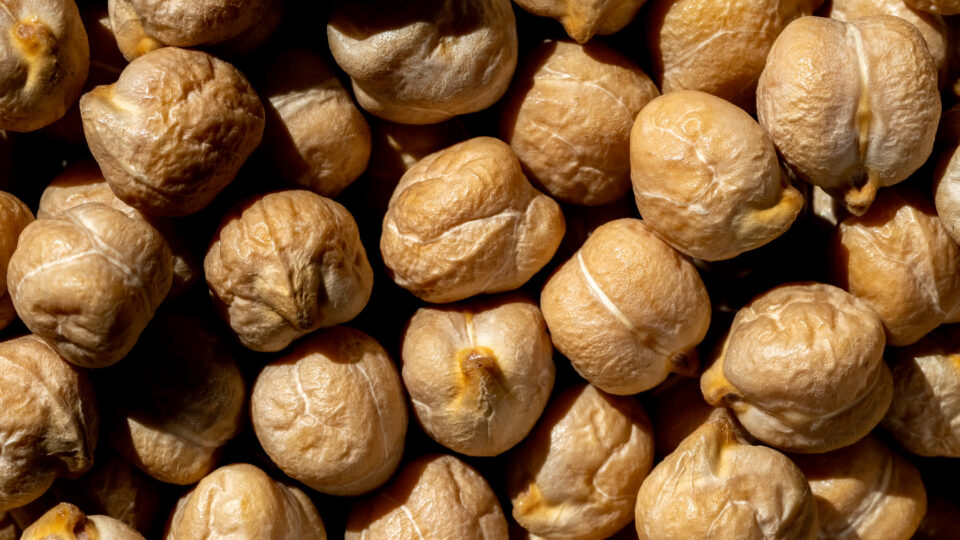
According to a new international study led by researchers from University of Vienna in Austria, chickpeas – also known as garbanzo beans – are a drought-resistant legume plant with a high protein content that can help combat food insecurity amid climate change.

In the study, which was recently published in the journal Plant Biotechnology, the researchers investigated the natural variations of different chickpea genotypes and their resistance to drought stress and achieved promising results.  The research team managed to grow many different chickpea varieties under drought stress in a field experiment outside of Vienna. The results demonstrate that chickpeas are a great alternative legume plant that can complement grain farming systems in urban areas.

The study highlights how the decline of plant genetic diversity poses a major threat to plant productivity and harvests.  In fact, while there are approximately 7,000 edible crops, two-thirds of global food production is based on just nine crop species. 

According to the research team, highly nutritious and drought-resistant legumes such as chickpeas are a “food of the future.”

**********

Web Links

Chickpeas – sustainable and climate-friendly foods of the future

Photo, posted March 21, 2020, courtesy of Ajay Suresh via Flickr.

Earth Wise is a production of WAMC Northeast Public Radio
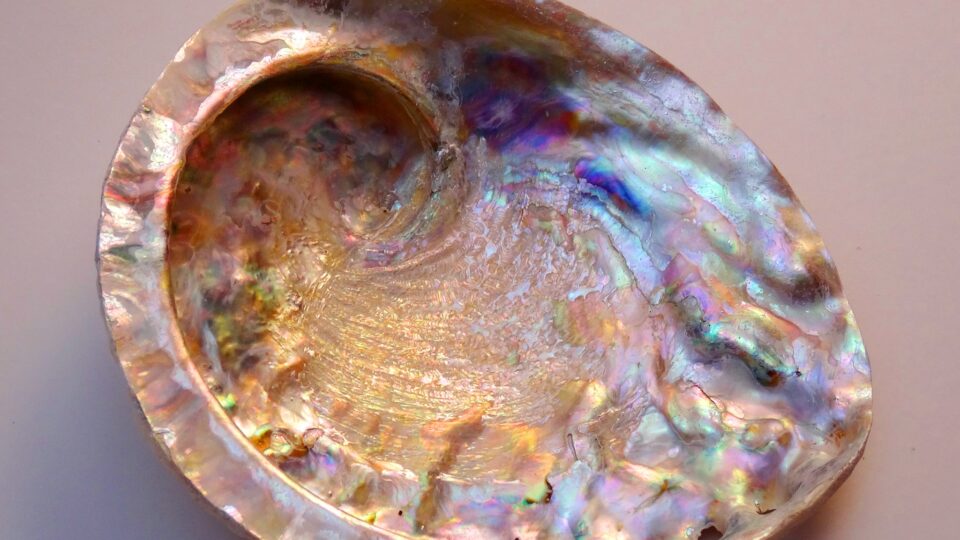
Seashells inspire better concrete

July 10, 2024 By EarthWise Leave a Comment

Seashells inspiring better concrete

Mother of pearl – also known as nacre – is a natural material found in certain seashells such as those of oysters and abalone.  On the microscopic level, it consists of hexagonal tablets of the hard mineral aragonite glued together by a soft biopolymer.  The aragonite gives nacre its strength, and the biopolymer adds flexibility and crack resistance. 

Scientists at Princeton University have developed innovative composite materials inspired by nacre by utilizing conventional construction materials like Portland cement paste combined with a limited amount of polymer.  The new material consists of alternating layers of cement paste sheets with the highly stretchable polymer polyvinyl siloxane.

The materials were subjected to bending tests to evaluate crack resistance or fracture toughness.  Three different versions of the material were tested that used different ways of interposing the polymer layers.  The new materials were compared with similar structures composed entirely of cement.

The concrete-only samples were brittle, breaking suddenly and completely upon reaching their failure point.  The samples with alternating cement and polymer layers demonstrated increased ductility and resistance to cracking. 

By fully mimicking the structure of nacre – using completely separated hexagonal cement tablets – the researchers demonstrated materials with 19 times the ductility and 17 times the fracture toughness of cement while retaining nearly the same strength as solid cement samples.

Engineered materials inspired by nature could eventually help increase the durability of a wide range of brittle ceramic materials, from concrete to porcelain.

**********

Web Links

From seashells to cement, nature inspires tougher building material

Photo, posted January 2, 2016, courtesy of Yantra via Flickr.

Earth Wise is a production of WAMC Northeast Public Radio
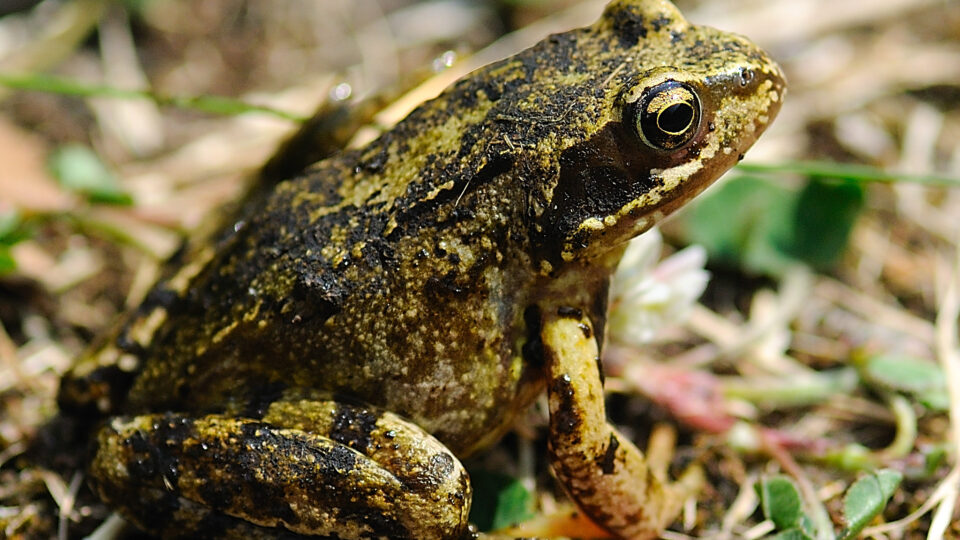
Hope for amphibians

May 6, 2024 By EarthWise Leave a Comment

Discovery could end global amphibian pandemic

There are more than 7,000 known species of amphibians, the group of animals that includes frogs, toads, and salamanders.  Over the past 25 years, more than 90 species are believed to have gone extinct and at least 500 more have declining populations.

There are many factors contributing to the decline of amphibian populations but the most alarming is a fungus called Batrachochytrium dendrobatidis – or Bd – that ravages the skin of frogs and toads and eventually causes heart failure.  The fungus has been devastating amphibians on nearly every continent.

In a recent paper in the journal Current Biology, scientists at the University of California Riverside documented the discovery of a virus that infects Bd and could be engineered to control the fungal disease.

The researchers were studying the population genetics of the Bd fungus with DNA sequencing technology and uncovered the virus inside the fungal genome.  Some strains of the fungus are infected with the virus and others are not.  They are now looking for insights into the ways that the virus operates to see how it gets into the fungal cells.  The goal is to engineer the virus to infect more strains of the fungus and potentially end the global amphibian pandemic.

Frogs and toads control bad insects, crop pests, and mosquitos.  If their populations around the world collapse, it could be devastating.  They are already having difficulty coping with warmer temperatures, stronger UV light, and worsening water quality in many places. 

Some amphibian species are already acquiring resistance to Bd.  The UCR researchers are hoping to assist nature in taking its course.

**********

Web Links

Discovery could end global amphibian pandemic

Photo, posted August 25, 2010, courtesy of Kev Chapman via Flickr.

Earth Wise is a production of WAMC Northeast Public Radio
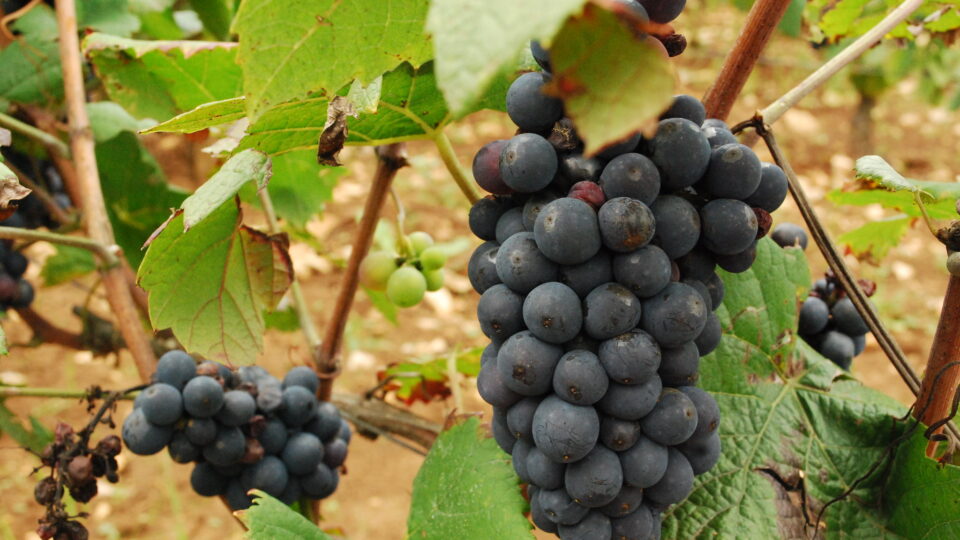
Winegrowing regions and climate change

April 29, 2024 By EarthWise Leave a Comment

Climate change will impact winegrowing regions around the world

Grapes grown to make wine are sensitive to climate conditions including temperatures and amount of rainfall.  The warming climate is already having visible effects on yields, grape composition, and the quality of wine.  This has significant consequences on the geography of wine production and is of major concern for the $350 billion global industry.

Winegrowing regions are mostly at the mid-latitudes where temperatures are warm enough to allow grapes to ripen but not excessively hot.  The climates are relatively dry so that fungal diseases are not rampant.

Because of the warming climate, harvesting in most vineyards now begins two or three weeks earlier than it did 40 years ago and this affects the grapes and the resultant wines.  Temperature changes affect acidity, wine alcohol, and aromatic signatures.

If global temperature rise crosses the 2-degree level, 90% of all traditional winegrowing areas throughout Spain, Italy, Greece, and southern California may become unable to produce high-quality wines.  Conversely, areas of northern France, the states of Washington and Oregon, British Columbia, and Tasmania will see improved conditions for producing quality wines. 

As the climate warms, winegrowers face new challenges such as the emergence of new diseases and pests as well as an increasing number of extreme weather events.  Wine producers are using more drought-resistant grape varieties and are adopting management methods that better preserve soil water.

The changing climate poses many threats to the quality of wines produced in traditional vineyards.  In the future, the wine industry may look very different in terms of where and how the best wines are produced. 

**********

Web Links

A global map of how climate change is changing winegrowing regions

Photo, posted November 14, 2008, courtesy of Curtis Foreman via Flickr.

Earth Wise is a production of WAMC Northeast Public Radio

Tracking down PFAS toxins

December 5, 2023 By EarthWise Leave a Comment

PFAS – per- and polyfluoralkyl substances – are a group of organic compounds that have been extensively used to provide water-, oil-, and dirt-resistance to a wide range of products ranging from non-stick pans, clothing, and packaging to paint, car polish, and fire-suppressant foam.  Exposure to specific PFAS compounds is associated with multiple adverse health effects, including altered immune and thyroid function, liver disease, kidney disease, poor reproductive and developmental outcomes, and cancer.  PFAS compounds do not break down in the environment and therefore, over time, become concentrated in plants, animals, and people.

Government agencies such as the EPA in this country and the EU have set strict limits for allowable levels of PFAS in drinking water.  Testing water for the trace amounts of PFAS that constitute the limits is time-consuming and expensive and requires complex equipment and experienced personnel.

Researchers at MIT have now introduced a technique for making a portable, inexpensive test that can easily and selectively detect PFAS in water samples.  The test makes use of a special polymer containing fluorinated dye molecules that cause the polymer to fluoresce red.  If PFAS are present in the sample, they enter the polymer and displace the dye molecules and switches off the red fluorescence. 

The new technique is suitable for on-site detection in highly contaminated regions.  Detecting smaller concentrations can be achieved with sufficient precision after pre-concentrating the samples using the process of solid-phase extraction.

**********

Web Links

Tracking down Environmental Toxins

Photo, posted October 16, 2021, courtesy of Nenad Stojkovic via Flickr.

Earth Wise is a production of WAMC Northeast Public Radio
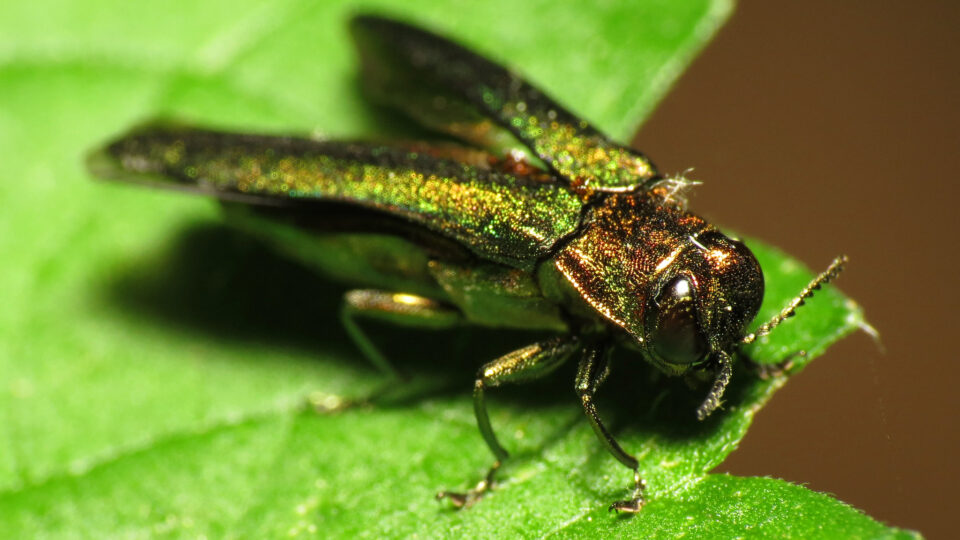
The Search For Lingering Ash | Earth Wise

January 12, 2021 By EarthWise Leave a Comment

Ash trees are critically endangered

Ash trees are some of the most important plants along riverbanks and in wetlands.  There are three ash species in North America:  the white, green, and black ash.  Unfortunately, all three species are critically endangered because of the emerald ash borer.

The emerald ash borer is an exotic beetle from Asia that first showed up in the U.S. in southeastern Michigan in the summer of 2002.  The adult beetles do little damage but the larvae feed on the inner bark of ash trees and disrupt the tree’s ability to transport water and nutrients.  The beetles are now found in 35 states and 5 Canadian provinces and have killed hundreds of millions of ash trees.

The greatest hope for preserving ash tree species relates to lingering ash, which are those rare trees that have managed to survive the onslaught of the emerald ash borer. The idea is that those trees have some natural genetic resistance to the borer.  Getting seeds and cuttings from lingering ash and propagating them at nurseries may be the only way to get ash trees back into the natural landscape.

Lingering ash are extremely rare and therefore very hard to find.  As a result, researchers are reaching out to the public to help with the search and report the presence of these surviving trees in woodlands.

Researchers want to find large, mature trees left among those that were killed by the invasive insect and therefore display great resilience.  In Kentucky, university and Division of Forestry researchers are making use of software tools to engage the assistance of the public. An app called TreeSnap allows people to provide data on trees that they find in their community, on their property, or out in the wild.

**********

Web Links

Researchers Ask Public for Help Finding Lingering Ash Trees

Help Our Nation’s Trees!

Photo, posted May 31, 2014, courtesy of Katja Schulz via Flickr.

Earth Wise is a production of WAMC Northeast Public Radio.

Replacing Plastic Tableware | Earth Wise

December 30, 2020 By EarthWise Leave a Comment

Replacing plastics

Plastics have been described as the “ubiquitous workhorse material of the modern economy.”  But their versatility, pliability, and durability comes at a heavy price to the environment.  Plastic pollution is quite literally everywhere.  Plastic debris and microplastic particles can be found in every corner of the globe, including the Arctic and Antarctic. 

The scourge of plastic pollution is driving scientists to create ecologically-friendly alternatives.  According to a paper recently published in the journal Matter, scientists have developed “green” tableware made from sugarcane and bamboo that doesn’t sacrifice on convenience or functionality.  This eco-friendly tableware could serve as a permanent replacement for plastic cups and other disposable plastic containers. 

Traditional plastic polymers, a product of petroleum, can take as long as 1,000 years to decompose in landfills.  The new material only takes 60 days to break down.

To create this material, scientists used bamboo and bagasse, also known as sugarcane pulp.  Bagasse is one of the largest food-industry waste products.  The researchers wound the fibers together to form a mechanically stable and biodegradable material.  They added an alkyl ketene dimer, an eco-friendly chemical, to increase the oil and water resistance of the material.  The green material is durable enough to hold liquids like hot coffee and hot greasy foods like pizza.   

There’s another advantage: the green material’s manufacturing process emits 97% less CO2 than the process to make commercial plastic containers.  The next step is to lower the manufacturing cost.  While the cost of cups made from the green material is $2,333 per ton, traditional cups made from plastic are still slightly cheaper at $2,177 per ton.

**********

Web Links

This tableware made from sugarcane and bamboo breaks down in 60 days

Photo, posted May 19, 2013, courtesy of Henry Burrows via Flickr.

Earth Wise is a production of WAMC Northeast Public Radio.

The Toughest Beetle Of Them All | Earth Wise

December 3, 2020 By EarthWise Leave a Comment

Studying the toughest beetle of them all

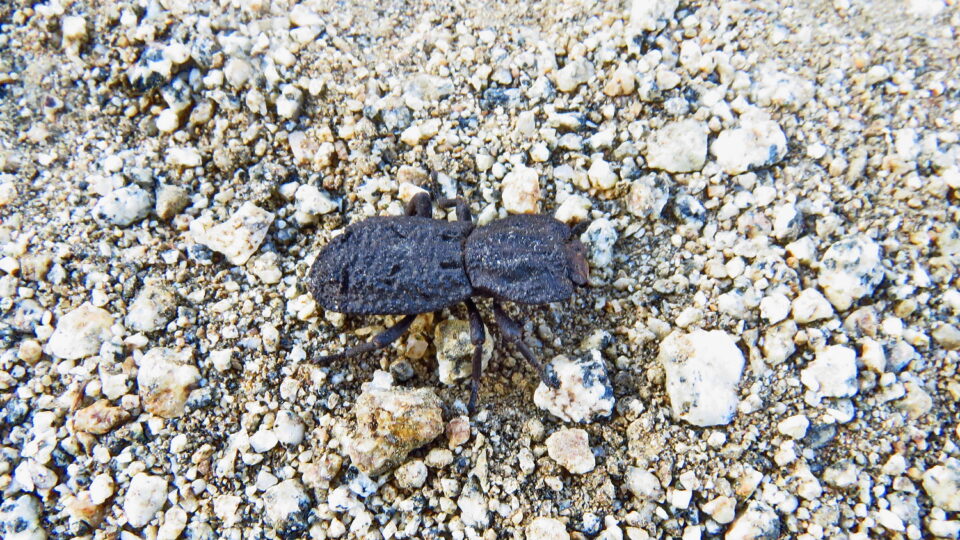
In 2015, UC Riverside materials scientists placed a mottled black beetle in a parking lot and ran it over with a Toyota Camry.  Twice.  Crushed beneath the wheels of a 3,500-pound sedan, the inch-long insect made it through without a scratch.

For the past five years, a group of scientists have been studying this remarkable bug, which has the splendid name of the diabolical ironclad beetle. Using a combination of advanced microscopy, mechanical testing, and computer simulations, the researchers have figured out the secret of this beetle’s crush resistance.

The beetle’s super-toughness lies in two armorlike structures called elytra that meet in a line, called a suture, running the length of the abdomen.  The suture acts like a jigsaw puzzle.  It connects various exoskeletal blades – the puzzle pieces – in the abdomen under the elytra.   These structural components can act in different ways.  The interconnecting blades lock to prevent themselves from pulling out of the suture.  The suture and blades delaminate, leading to a graceful deformation rather than catastrophic failure.  These strategies dissipate energy to circumvent fracturing.

The researchers found that the diabolical ironclad beetle – just had to say that name again – can take on an applied force of about 150 newtons, a load at least 39,000 times its body weight.  (That’s the equivalent of a 150-pound person resisting the crush of about 25 blue whales).

An ongoing challenge for structural engineering is how to join together different materials without limiting their ability to support loads.  The strategies evolved in these beetles may be applicable in gas turbines of aircraft, for example, where metals and composite materials are joined together with mechanical fasteners.   We can learn things from the toughest beetle of them all.

**********

Web Links

Diabolical ironclad beetles inspire tougher joints for engineering applications

Photo, posted April 9, 2017, courtesy of Vahe Martirosyan via Flickr.

Earth Wise is a production of WAMC Northeast Public Radio.

Recycling Tough Plastics | Earth Wise

September 3, 2020 By EarthWise Leave a Comment

recycling tough plastics

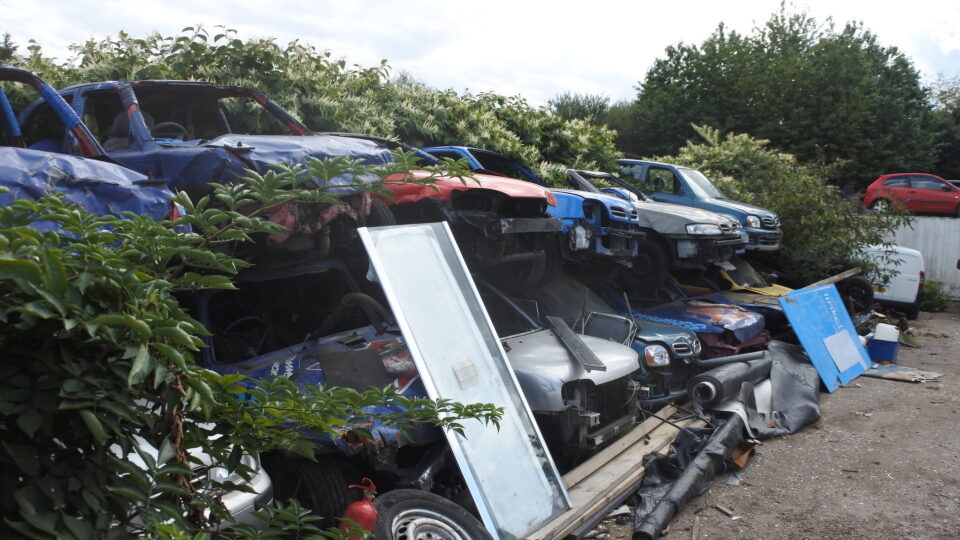
Thermoset plastics are ones that contain polymers that cross-link together during the curing process to form an irreversible chemical bond.  This improves the material’s mechanical properties, provides chemical resistance, heat resistance, and structural integrity.  Thermosets include epoxies, polyurethanes, and rubber used for tires.  The big problem with thermosets is that they cannot be easily recycled or broken down after use.

Seventy-five percent of all plastics are thermoplastics, which can be recycled by heating them until they become liquid and can then be remolded.   Thermoset plastics, on the other hand, have such strong chemical bonds that they simply will not melt.  They will typically burn before they can be remolded.

Chemists at MIT have recently developed a way to modify thermoset plastics with a chemical linker that makes them much easier to break down, but still retain the mechanical properties that make them so useful.

In a study published in Nature, the researchers produced a degradable version of a thermoset plastic called pDCPD.  They then broke the plastic down into a powder and were able to use the powder to create more pDCPD.  The paper also proposed a theoretical model that suggests that their approach could be used for a wide range of other plastics and polymers, including rubber.

By adding a chemical called a silyl ether monomer to the liquid precursors that from pDCPD plastic, they found that the resultant material retained its mechanical strength but can be broken down into a soluble powder upon exposure to fluoride ions.

Using this approach with other thermoset materials, the researchers believe it will be possible to create recyclable versions of many of the toughest plastic materials.

**********

Web Links

Chemists make tough plastics recyclable

Photo, posted September 1, 2019, courtesy of Luke McKernan via Flickr.

Earth Wise is a production of WAMC Northeast Public Radio.

Frogs Are In Big Trouble

May 22, 2019 By EarthWise Leave a Comment

Scientists first noticed in the 1970s that some frog populations were declining rapidly.  By the 1980s, some species appeared to be extinct.  The loss of frog species was mysterious because many were actually living in pristine habitats that did not face pollution or deforestation.

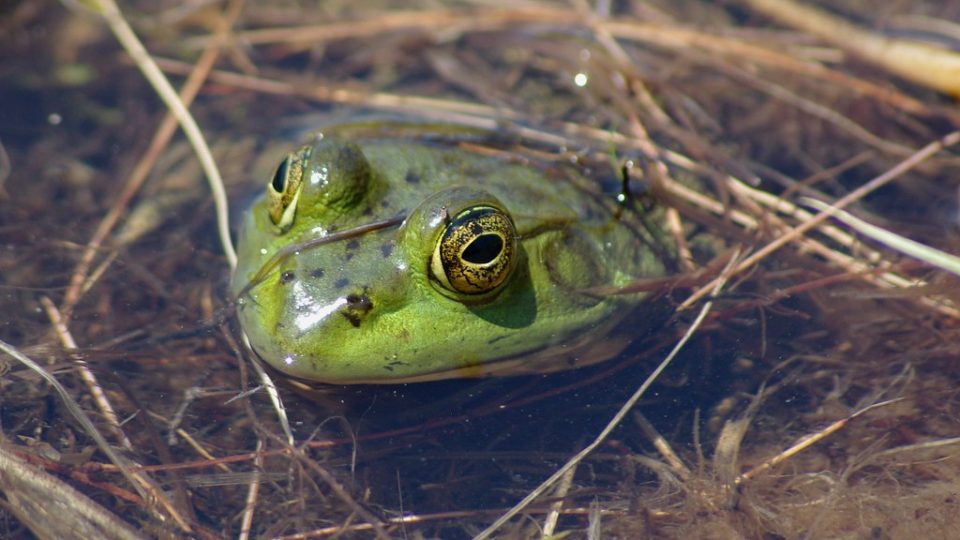
By the late 1990s, researchers had identified that frogs in widely different places around the world were infected with a deadly fungus called Batrachochytrium dendrobatidis – or Bd for short.  The fungus originated on the Korean peninsula, but the pathogen spread throughout the world, probably via the international trade in pet amphibians.  By 2007, researchers speculated that Bd might be responsible for all known declines of frogs that had no other apparent cause – about 200 species.

Recently, a group of 41 scientists published the first worldwide analysis of the fungal outbreak and the devastation turns out to be far worse than anyone had previously realized.  Populations of more than 500 species of amphibians have declined significantly because of the outbreak, including at least 90 species presumed to have gone extinct.  These figures are more than twice as large as earlier estimates.

According to biologists, Bd is now considered to be the deadliest pathogen known to science.  But the decimation of frogs peaked in the 1980s.  Today, although 39% of the species that suffered population declines in the past are still declining, 12% are showing signs of recovery, possibly because natural selection is favoring resistant animals.

There is cautious optimism for the surviving amphibian species, but scientists worry that another strain of Bd or some different species of fungus altogether may prove even deadlier.  The best we can do is not participate in moving pathogens around the world.

**********

Web Links

The Plague Killing Frogs Everywhere Is Far Worse Than Scientists Thought

Photo, posted June 19, 2010, courtesy of Chris Luczkow via Flickr.

Earth Wise is a production of WAMC Northeast Public Radio.

Speed Breeding Of Crops

January 4, 2019 By EarthWise Leave a Comment

A technique pioneered by NASA for the purpose of growing plants extra-terrestrially is now being applied here on earth to fast-track improvements in a range of crops.  The technique, known as speed breeding, has been adapted for use by British and Australian researchers on a scale ranging from vast greenhouses to desktop growth chambers.

Speed breeding uses enhanced LED lighting and day-long regimes of up to 22 hours to optimize photosynthesis and promote rapid growth of crops.  By speeding up the breeding cycle of plants,it is possible, for example, to grow six generations of wheat in a year compared with two generations using traditional breeding methods.

With shortened breeding cycles, genetic improvements such as yield gain, disease resistance and climate resistance can be fast-tracked in crops such as wheat, barley, chickpeas, various Brassica species, oil seed rape and peas.

The ability to do this in compact desktop chambers permits cutting-edge research to be performed inexpensively before being scaled up to large greenhouses.

Crop development is an increasingly important activity and speed breeding is increasingly attractive in light of the opposition in some quarters to modern gene-editing techniques to create GMO crops.  Speed breeding allows crop improvements via anon-GMO route.

The new technique is already being applied in Australia, which is experiencing one of the worst droughts on record.  It is being used to rapidly cycle genetic improvements to make crops more drought resilient.

Generation time in most plant species is a major bottleneck in applied research programs and breeding.  Speed breeding can greatly reduce this bottleneck, allowing scientists to respond more quickly to emerging diseases, the changing climate and increased demand for specific plant traits.

**********

Web Links

JIC joins European scientists to safeguard precision breeding

Photo, posted May 8, 2016, courtesy of Yair Aronshtam via Flickr. 

Earth Wise is a production of WAMC Northeast Public Radio.

Saving Wheat

July 3, 2018 By EarthWise Leave a Comment

https://earthwiseradio.org/wp-content/uploads/2018/07/EW-07-03-18-Saving-Wheat.mp3

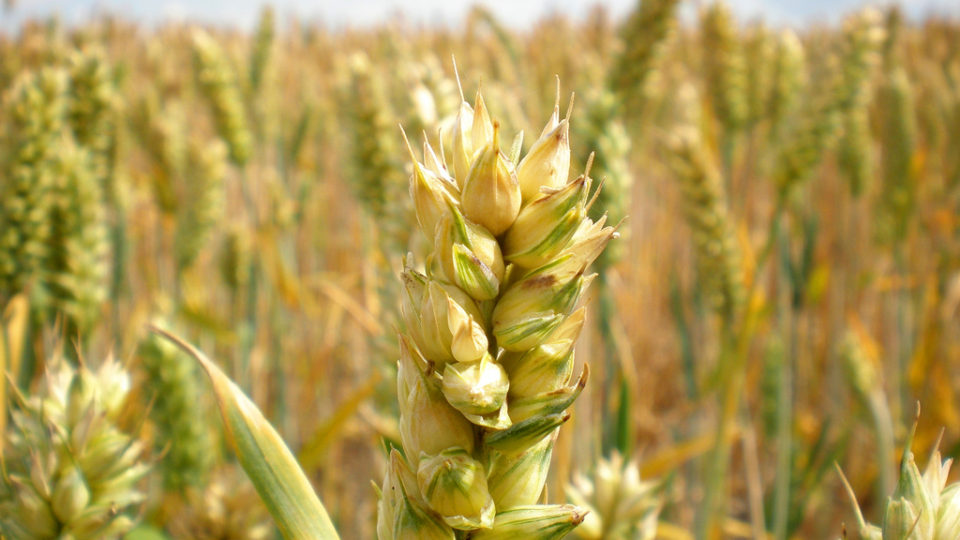
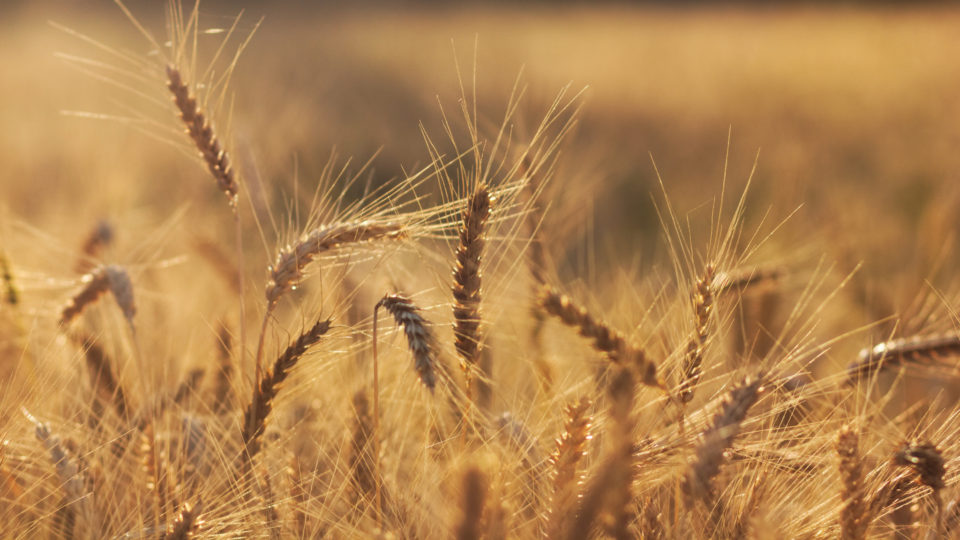
Rising temperatures, drought, pests and diseases are moving north into the U.S. heartland and are increasingly posing a threat to the wheat crop.  An insect called the Hessian fly is reducing crop yields by 10% a year in the Midwest.  Average temperatures in the Midwest have risen by 2 degrees since 2000, and periods of time between rainfalls is lengthening.  Conditions in some areas of the Midwest are getting to be more like those in the Middle East.

[Read more…] about Saving Wheat

A Weird Answer To A Serious Problem

April 25, 2018 By EarthWise Leave a Comment

https://earthwiseradio.org/wp-content/uploads/2018/04/EW-04-25-18-A-Weird-Answer.mp3

Resistance to antibiotics is a rising problem that costs an estimated 700,000 lives each year.  Some experts predict that if the problem can’t be solved, that number could grow to 10 million deaths annually by 2050.  As a result, researchers around the world are investigating multiple ways to help fight antibiotic resistance.

[Read more…] about A Weird Answer To A Serious Problem

Doing More Harm Than Good

August 1, 2017 By EarthWise

https://earthwiseradio.org/wp-content/uploads/2017/08/EW-08-01-17-Antibacterials.mp3

A group of more than 200 scientists and medical professionals has issued a consensus statement in the journal Environmental Health Perspectives urging that antimicrobial chemicals like triclosan and triclocarban should not be used in consumer products.  The experts say that these substances offer no health benefits and are actually causing health and environmental harm.

[Read more…] about Doing More Harm Than Good

Primary Sidebar

Recent Episodes

  • An uninsurable future
  • Clean energy and jobs
  • Insect declines in remote regions
  • Fossil fuel producing nations ignoring climate goals
  • Trouble for clownfishes

WAMC Northeast Public Radio
WAMC/Northeast Public Radio is a regional public radio network serving parts of seven northeastern states (more...)

Copyright © 2026 ·