• Skip to primary navigation
  • Skip to main content
  • Skip to primary sidebar

Earth Wise

A look at our changing environment.

  • Home
  • About Earth Wise
  • Where to Listen
  • All Articles
  • Show Search
Hide Search
You are here: Home / Archives for recreation

recreation

Space Tourism And The Climate | Earth Wise

July 29, 2022 By EarthWise Leave a Comment

Space tourism could be terrible for the climate

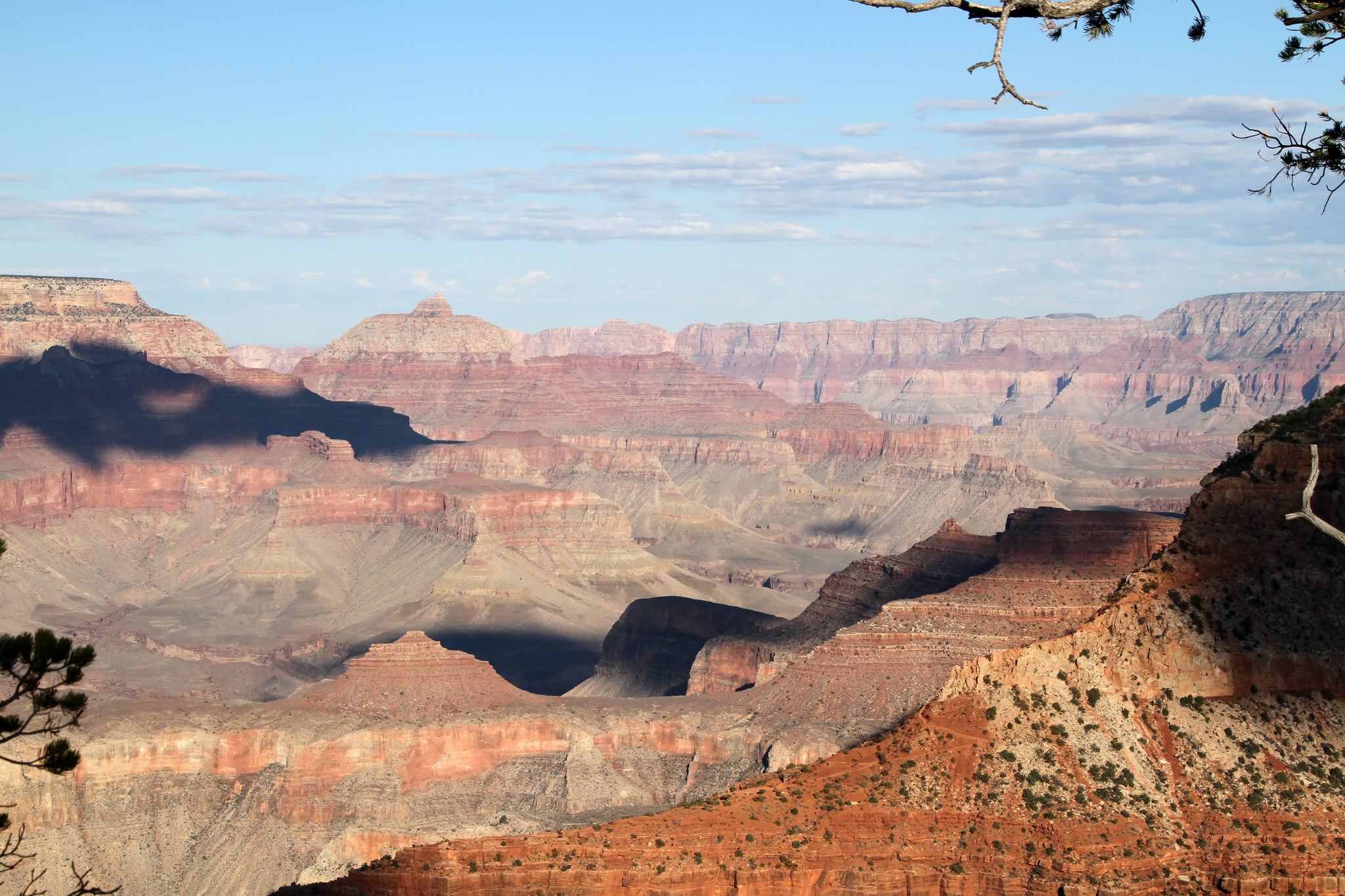
Space tourism is human space travel for recreational purposes.  A few well-known billionaires have taken rocket rides in recent years and at least a dozen companies are at the vanguard of what they are expecting to be a burgeoning industry.  If space tourism truly takes off – pun intended – it could be a serious threat to the climate and the environment.

Black carbon – essentially soot – is emitted when fossil fuels, including rocket fuels, are burned.  Black carbon absorbs light from the sun and releases thermal energy, making it a powerful climate warming agent.  At lower altitudes, black carbon quickly falls from the sky, remaining in the atmosphere for only a matter of days or weeks.

Rockets are another story entirely.  They dump black carbon into the stratosphere as they blast into space, and up there black carbon is 500 times worse for the climate and sticks around for several years.

A detailed study by researchers at University College London looked at the climate impact of present-day space launches compared with the potential massive expansion of launches from a large space tourism industry.

The overall result is that current space launches are not a significant source of emissions, but space launches would become incredibly significant if projections of tourist space flights proved to be true.  Currently, there are roughly 100 space launches a year world-wide.  If that number becomes thousands, the impact on the climate would be substantial.

The same researchers looked at the ozone impact of rocket launches and reached a similar conclusion.  The current impact of spaceflights is not very significant, but a massive increase in launches could have a major impact on atmospheric ozone concentrations.

Space tourism may be exciting, but it also could be very dangerous for the planet.

**********

Web Links

Space Tourism Poses a Significant ‘Risk to the Climate’

Impact of Rocket Launch and Space Debris Air Pollutant Emissions on Stratospheric Ozone and Global Climate

Photo, posted May 30, 2020, courtesy of Daniel Oberhaus (2020) via Flickr.

Earth Wise is a production of WAMC Northeast Public Radio.
The Importance Of Urban Green Spaces | Earth Wise

August 10, 2021 By EarthWise Leave a Comment

Every urban green space is critically important to mental and physical well-being

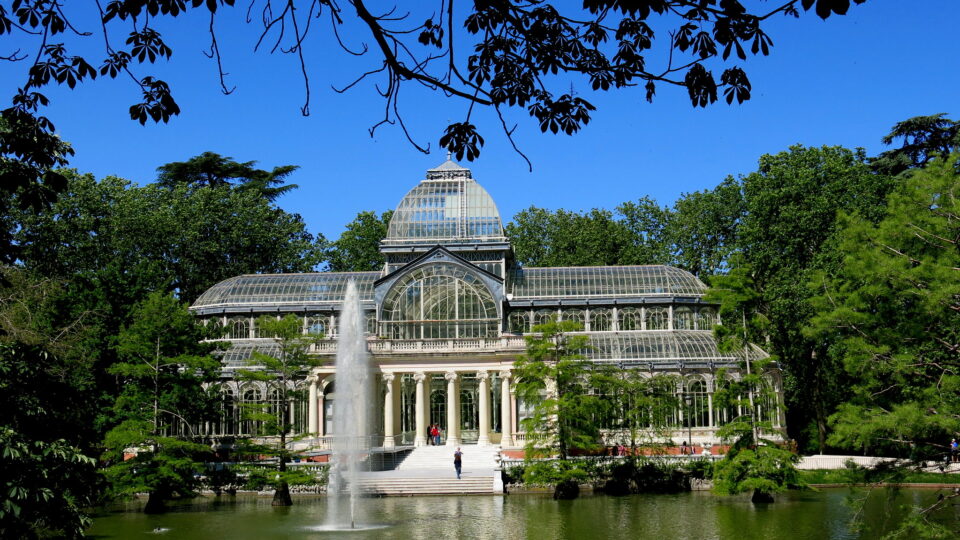
Projections are that 68% of the global population will be living in cities by 2050.  It is therefore not surprising that urban green spaces are critically important for promoting mental and physical well-being.

An international study, published in Science Advances, took soil samples from different types of urban green spaces and comparable neighboring natural ecosystems in 56 cities from 17 countries across six continents.

The study concluded that even roadside plantings contribute a range of important microbial communities that are critical for sustaining productive ecosystems services, such as filtering pollutants and sequestering carbon dioxide.

Parks and gardens constitute most of the open spaces available for recreational activities in cities and play important roles in curbing pollution, reducing noise, and lowering air temperatures.

In addition, human exposure to soil microbes has been shown to be beneficial to human health by promoting effective immunoregulation functions and reducing allergies. The study found that city parks and even roadside plantings support a great variety of different microbes that are different from natural ecosystems. 

We think of roadsides as being barren but the vegetation along footpaths and roadsides are important microbial habitats.  Some European cities, such as Bern in Switzerland, have instituted policies to protect the natural vegetation along footpaths and roadsides.

The new study is a part of a series of research efforts looking at the important of green spaces for ecosystem health.  As the world becomes increasingly urbanized, every bit of greenery in cities and highways is important and is needed for sustaining a healthy environment.

***********

Web Links

Every spot of urban green space counts

Photo, posted June 3, 2013, courtesy of Manuel MV via Flickr.

Earth Wise is a production of WAMC Northeast Public Radio.
Marine Debris | Earth Wise

July 8, 2021 By EarthWise Leave a Comment

Marine debris poses a perilous threat to communities all around the world

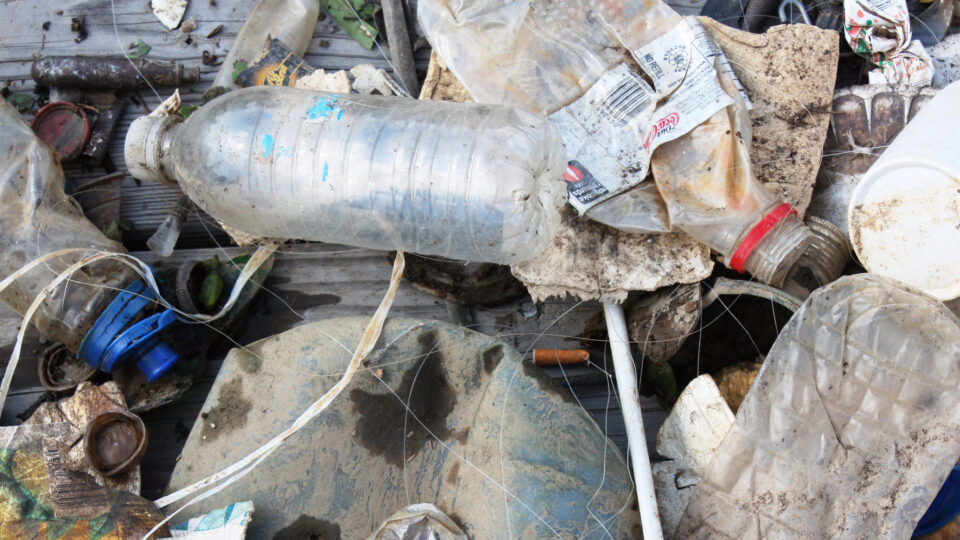
Marine debris is a troubling issue around the world.  For most people, it is unsightly and perhaps inconvenient, but for many it is a critical problem that has serious impacts on many aspects of life.  This is especially the case for indigenous communities for whom the natural environment around the ocean is central to subsistence, recreation, culture, and economic opportunities.

The National Oceanic and Atmospheric Administration sponsors a Marine Debris Program that supports multiple projects.  In Alaska’s Pribilof Islands, the indigenous communities of St. George and St. Paul Islands conduct regular cleanups to protect and steward the natural resources that they depend on.  They make use of unmanned aircraft system surveys to target removal and monitoring efforts.

Another NOAA-sponsored program works to clean up the Maybeso Estuary in Alaska’s Prince of Wales Islands.  The project has removed 35,000 pounds of debris, freeing the flow of the salmon stream and restoring the area as a prime hotspot for fishing, boating, and outdoor recreation.

In Washington State’s Olympic Coast, the Makah Tribe has a project to locate and remove derelict crab pots and fishing lines from 80 miles of fishing area and marine sanctuary.  Derelict fishing gear can trap and entangle animals, degrade habitat, imperil navigation, and interfere with fishing.  The project team is working with tribal stakeholders on promoting marine debris awareness.

All of these communities have cared for the environment for generations, but marine debris poses perilous threats to their territories and community action is needed to preserve and protect these remarkable places.

**********

Web Links

Lives and Livelihoods Disrupted by Marine Debris

Photo, posted September 11, 2015, courtesy of NOAA’s National Ocean Service via Flickr.

Earth Wise is a production of WAMC Northeast Public Radio.

Green Bills Pass In New York | Earth Wise

August 19, 2020 By EarthWise 3 Comments

Green legislation

In late July, the two houses of the New York legislature passed a number of environmental bills covering a wide range of topics.

These included a bill to add protected status for streams that support fisheries and non-contact recreation.  A second bill bans the use of PFAS in food packaging.  A third bill classifies all wastes resulting from oil and gas exploration, development, extraction or production as hazardous waste, closing a previous loophole in the law.

A fourth bill requires water works corporations with more than 1,000 service connections to post their annual water supply statements online, thereby providing transparency and openness to water quality data.  A fifth bill expands protections for endangered species to protect them from environmental rollbacks by the federal government.

A sixth bill prohibits non-electric vehicles from parking in spaces designated for electric vehicle charging, thereby establishing penalties for this practice that is often done for spite.  A seventh bill bans the use of glyphosate – the herbicide found in Roundup and other products – on state property.

An eighth bill reduces the use of road salt in the Adirondacks.  A ninth bill requires supermarkets to make good faith efforts to donate edible excess food to qualifying entities such as food pantries, food banks, or similar entities.   A tenth bill bans certain uses of trichloroethylene or TCE, including as a vapor degreaser, an intermediate chemical to produce other chemicals, a refrigerant, or an extraction solvent.

When signed by the governor, these ten pieces of legislation will help protect New York’s environment, water, and health.  It was a busy session for green legislation.

**********

Web Links

Several Green Bills Pass in State Legislature

Photo, posted September 12, 2018, courtesy of Flickr.

Earth Wise is a production of WAMC Northeast Public Radio.
Removing Dams Restores Ecosystems

November 1, 2019 By EarthWise Leave a Comment

In many parts of the country, dams that sometimes date back as much as 100 years are being removed and are giving way to the revival of migratory fish and their river ecosystems.  Since 1912, more than 1,600 dams have been removed in the U.S., but the pace of dam removal has greatly picked up in recent years.  2017 and 2018 were the highest years ever with 91 and 99 dams removed, respectively.

When dams are removed, the response from migratory fish can be almost immediate.  A large dam removal project on the Penobscot River in Maine in 2012 opened up 1,000 miles of habitat with a quick return of shad and alewives, followed by salmon.

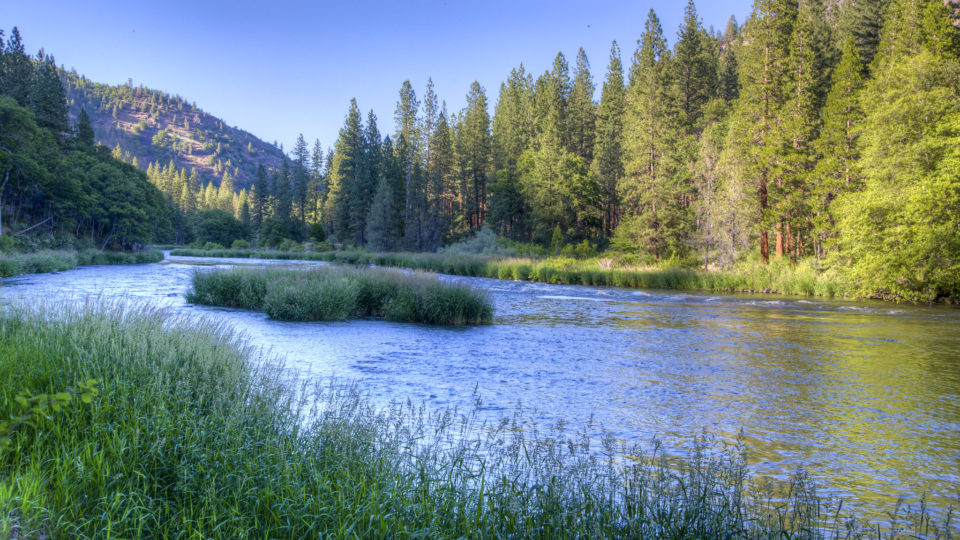
In 2022, four large dams across the Klamath River will be removed.  The dams, which are located at the California and Oregon border, were facing an expensive re-licensing process and, because of their age, could no longer be run at a profit.

Re-licensing the dams along the Klamath was going to cost as much as $400 million.  On the other hand, uncapping the Klamath River has tremendous commercial and tourism potential.  Two states, tribal nations, and other stakeholders have all seen the virtues of restoring the landscape to its original form.

Opposition to dam removal is typically driven by aesthetics or recreational preferences.  But dam economics are getting increasingly worse.  Now that electricity can be produced far more cheaply with wind and solar power, many American dams have become artifacts of an older manufacturing era.  Meanwhile, rural towns near decommissioned dams are likely to now have more robust fishing industries.

In rivers big and small, migratory fish and river ecosystems surge back to life as old energy structures are taken down.

**********

Web Links

Take Down That Dam: River Ecosystems Bounce Back As Removals Soar

Photo, posted June 11, 2016, courtesy of the Bureau of Land Management via Flickr.

Earth Wise is a production of WAMC Northeast Public Radio.
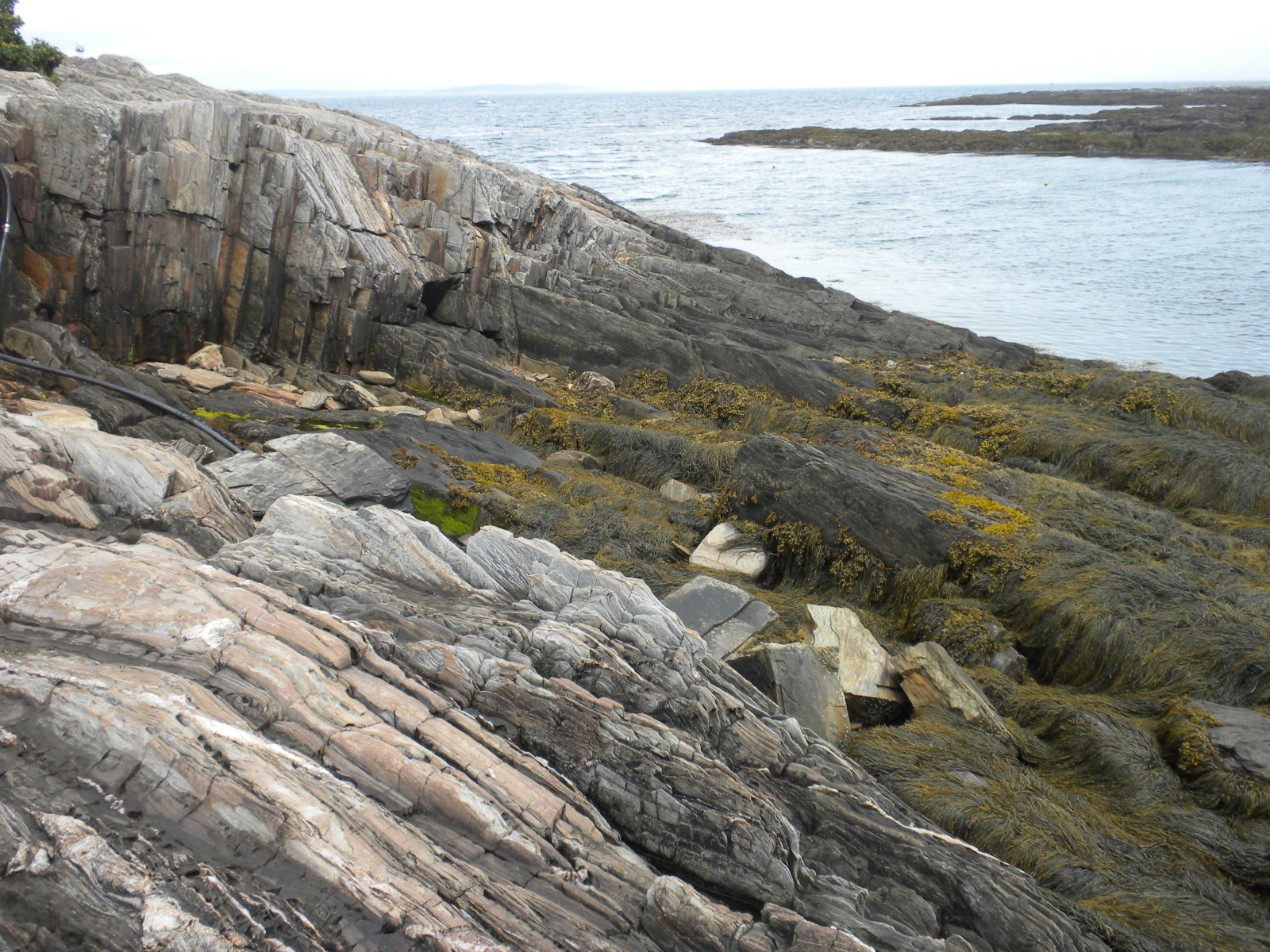
Catching Kelp In Maine

September 6, 2016 By WAMC WEB

https://earthwiseradio.org/wp-content/uploads/2016/08/EW-09-06-16-Catching-Kelp-in-Maine.mp3

Farming, forestry, mining and recreation are the primary vocations in rural America.  In coastal areas like Maine, fishing joins the list.  And for Maine, commercial fishing has long been a major engine for the economy.

[Read more…] about Catching Kelp In Maine

Natural World Heritage Sites

May 5, 2016 By WAMC WEB

https://earthwiseradio.org/wp-content/uploads/2016/04/EW-05-05-16-Natural-World-Heritage-Sites.mp3

Natural world heritage sites exemplify the world’s greatest areas of natural beauty, ecology, geology, and biodiversity.  They are recognized internationally for their value as places with significance that is “so exceptional as to transcend national boundaries and be of common importance for present and future generations of all humanity.”  Many of these areas also are a vital source of food, fuel, and water for rural communities, and provide a revenue stream for national economies through tourism and recreation.  The livelihoods of some 11 million people are directly dependent on these areas. 

[Read more…] about Natural World Heritage Sites

Primary Sidebar

Recent Episodes

  • An uninsurable future
  • Clean energy and jobs
  • Insect declines in remote regions
  • Fossil fuel producing nations ignoring climate goals
  • Trouble for clownfishes

WAMC Northeast Public Radio

WAMC/Northeast Public Radio is a regional public radio network serving parts of seven northeastern states (more...)

Copyright © 2026 ·