• Skip to primary navigation
  • Skip to main content
  • Skip to primary sidebar

Earth Wise

A look at our changing environment.

  • Home
  • About Earth Wise
  • Where to Listen
  • All Articles
  • Show Search
Hide Search
You are here: Home / Archives for raccoons

raccoons

Raccoons in Europe

July 25, 2025 By EarthWise Leave a Comment

Raccoons are popular and prevalent in Europe

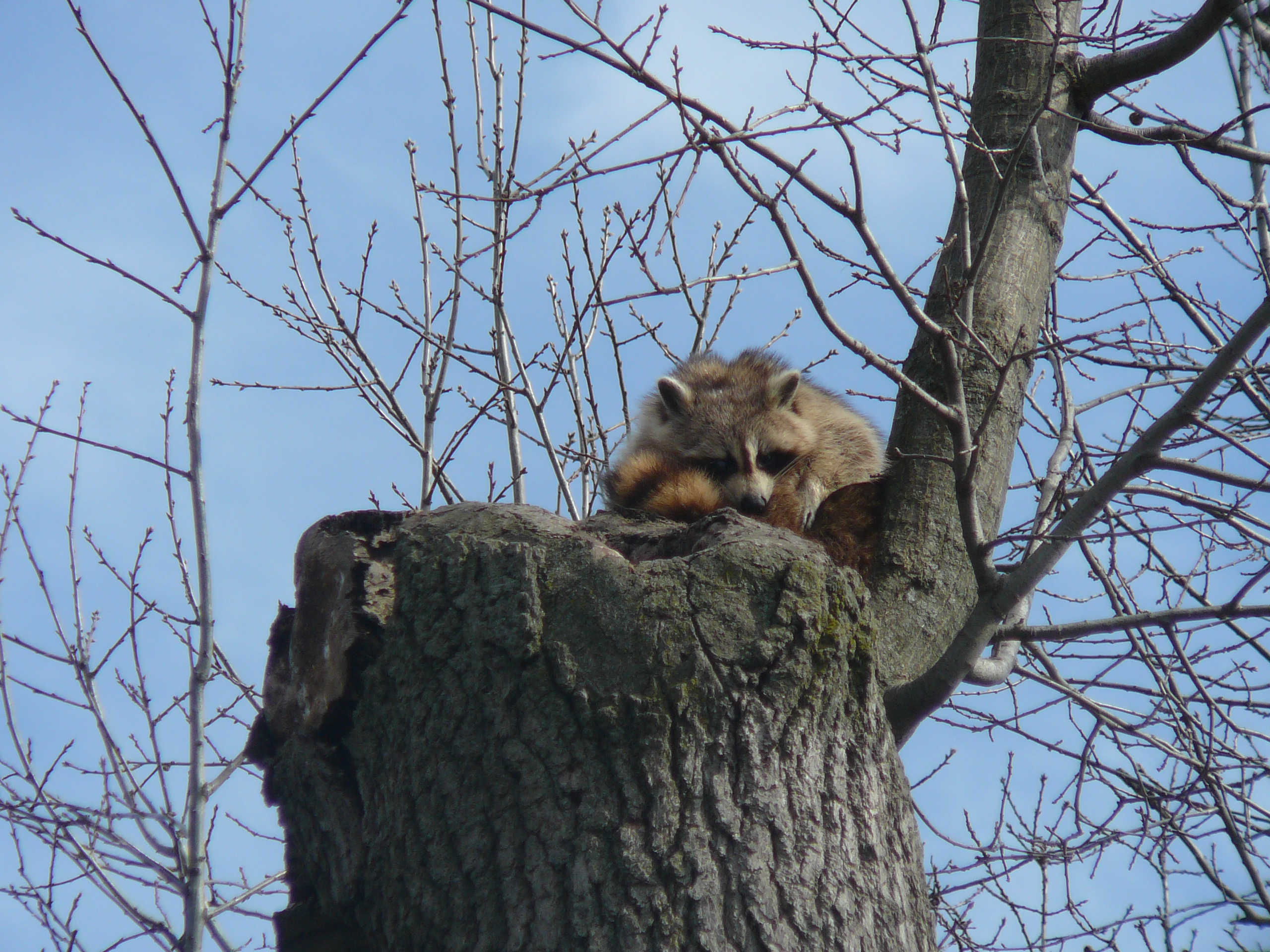
Tens of thousands of raccoons live in Kassel, a city of 200,000 people in central Germany known for its art scene.  Overall, there are an estimated 1.5 million raccoons in Germany.  The omnivorous mammals are native to North America, but they were brought to Germany in the 1930s for fur farming.  Fur farming ultimately ceased but escaping animals and intentional releases ultimately led to a large wild population of raccoons in the years afterward.

Raccoons have gradually made their way across Europe with animals spotted in France, Denmark, Poland, Italy, Austria, and elsewhere.

The people of Kassel have embraced raccoons.  In fact, the place is often called the raccoon city.  Several sports teams are named after the animals.  Many people feed them, and they are pretty much everywhere.  On the other hand, residents have to lock up their trash receptacles and they have to check under their cars before driving places.

Since 2016, the EU has classified racoons as an invasive species because of the threat they pose to native wildlife.  There are no equivalent species like them in Europe.  So, they are a threat to ground-nesting birds, bats in caves, amphibians, and more.  They are able to eat almost anything. 

What to do about raccoons in Europe is unclear.  Despite their popularity in Germany, 200,000 raccoons were culled last year.  But raccoon supporters argue that minks, which are native to Europe, and especially cats, are responsible for much of the pressure on species racoons are accused of consuming.  Meanwhile, Kassel citizens continue to enjoy their raccoons.

**********

Web Links

Rampaging raccoons: how the American mammals took over a German city – and are heading across Europe

Photo, posted December 20, 2016, courtesy of Big Cypress National Preserve via Flickr.

Earth Wise is a production of WAMC Northeast Public Radio

Red Pandas And Climate Change | Earth Wise

July 6, 2022 By EarthWise 2 Comments

Climate change threatening red panda populations

Red pandas are small mammals native to the mountainous forests of China, India, Nepal, Bhutan, and Myanmar.  Unlike their name suggests, they are not related to giant pandas.  In fact, red pandas are distant relatives of raccoons. Renowned for their tree-climbing abilities, red pandas live at moderately high elevations in the Himalayas where they forage widely for bamboo shoots and various fruits.

According to the International Union for the Conservation of Nature, red pandas are endangered.  Scientists estimate that there are less than 10,000 red pandas remaining in the wild today, and these numbers are continuing to fall. 

Habitat loss is the main threat to red panda’s survival.  Human expansion into the area, combined with the effects of climate change, has led to the fragmentation and loss of livable land.  Red pandas also face dangers from hunting and poaching.

According to new research recently published in the journal Landscape Ecology, human impacts are driving red pandas closer to extinction than previously thought.  Using GPS telemetry, a research team from the University of Queensland in Australia tracked red pandas in Nepal over a 12-month period.  The researchers found that human activities, such as infrastructure development, were causing red pandas to restrict their movements, which is further fragmenting their habitat and interfering with natural interactions between the animals. 

As the amount of wild forest dwindles, red pandas are being forced into situations where they must decide whether to live closer to predators or adapt to co-exist with humans.

The research team recommends minimizing human-induced disturbances in red panda habitats and to maintain habitat continuity in ecologically sensitive areas. 

**********

Web Links

Red pandas face a fractured future

IUCN: Red Panda

Photo, posted November 27, 2016, courtesy of Mathias Appel via Flickr.

Earth Wise is a production of WAMC Northeast Public Radio.

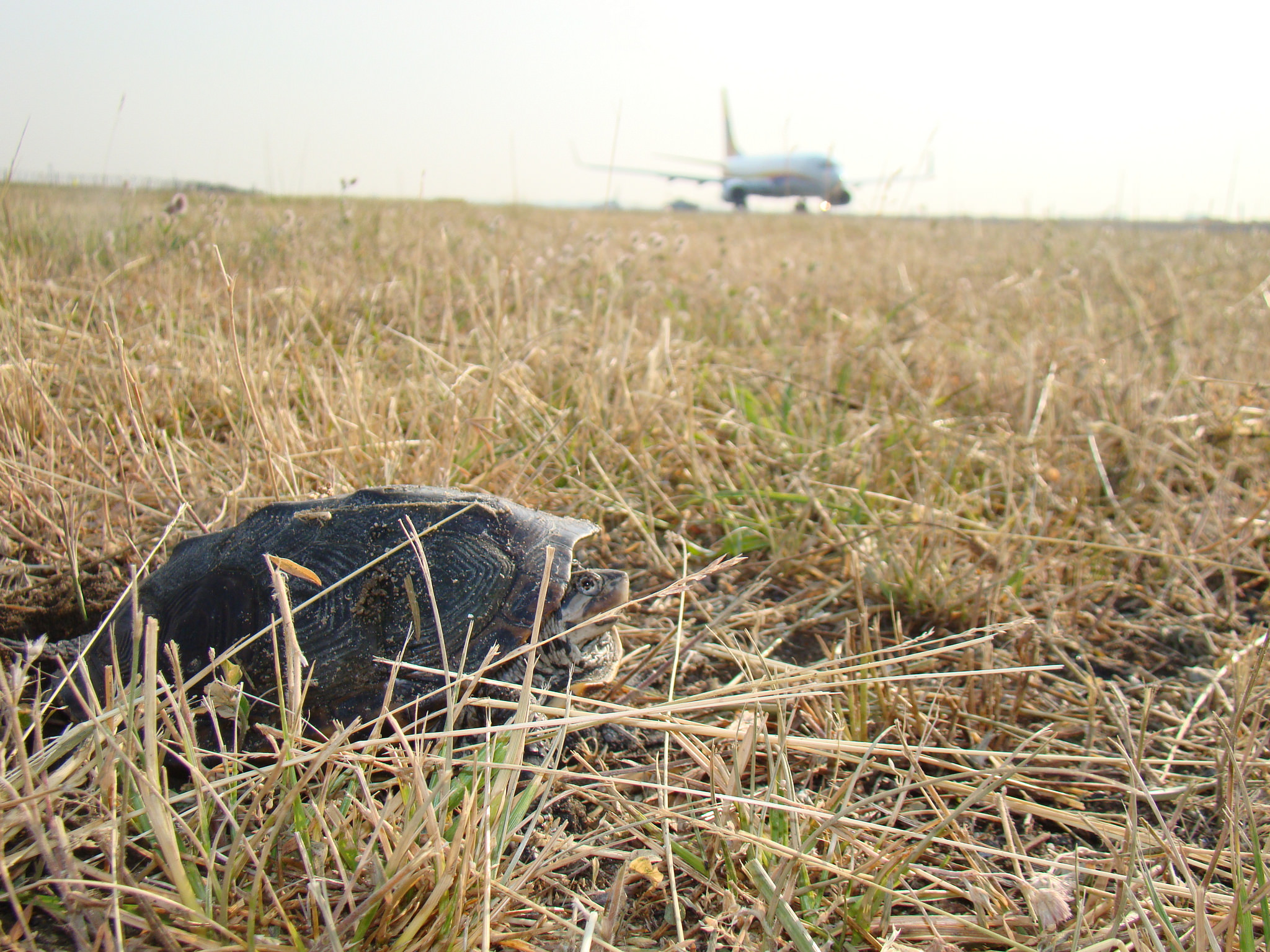
Turtles Delay Flights

August 11, 2017 By EarthWise

https://earthwiseradio.org/wp-content/uploads/2017/08/EW-08-11-17-Turtles-Delay-Flights.mp3

Recently, we talked about the problems New York’s native turtles have during their mating season as they cross roads and highways seeking places to lay their eggs.   The state Department of Environmental Conservation even issued recommendations for how people can help turtles avoid getting crunched by cars.

[Read more…] about Turtles Delay Flights

Wildlife Adapting To Cities

May 25, 2016 By WAMC WEB

https://earthwiseradio.org/wp-content/uploads/2016/05/EW-05-25-16-Wildlife-Adapting-to-Cities.mp3

By the year 2030, two-thirds of humanity will live in cities— but we are not alone. Cities are filled with food and natural predators are scarce, so many creatures have moved in with us.

[Read more…] about Wildlife Adapting To Cities

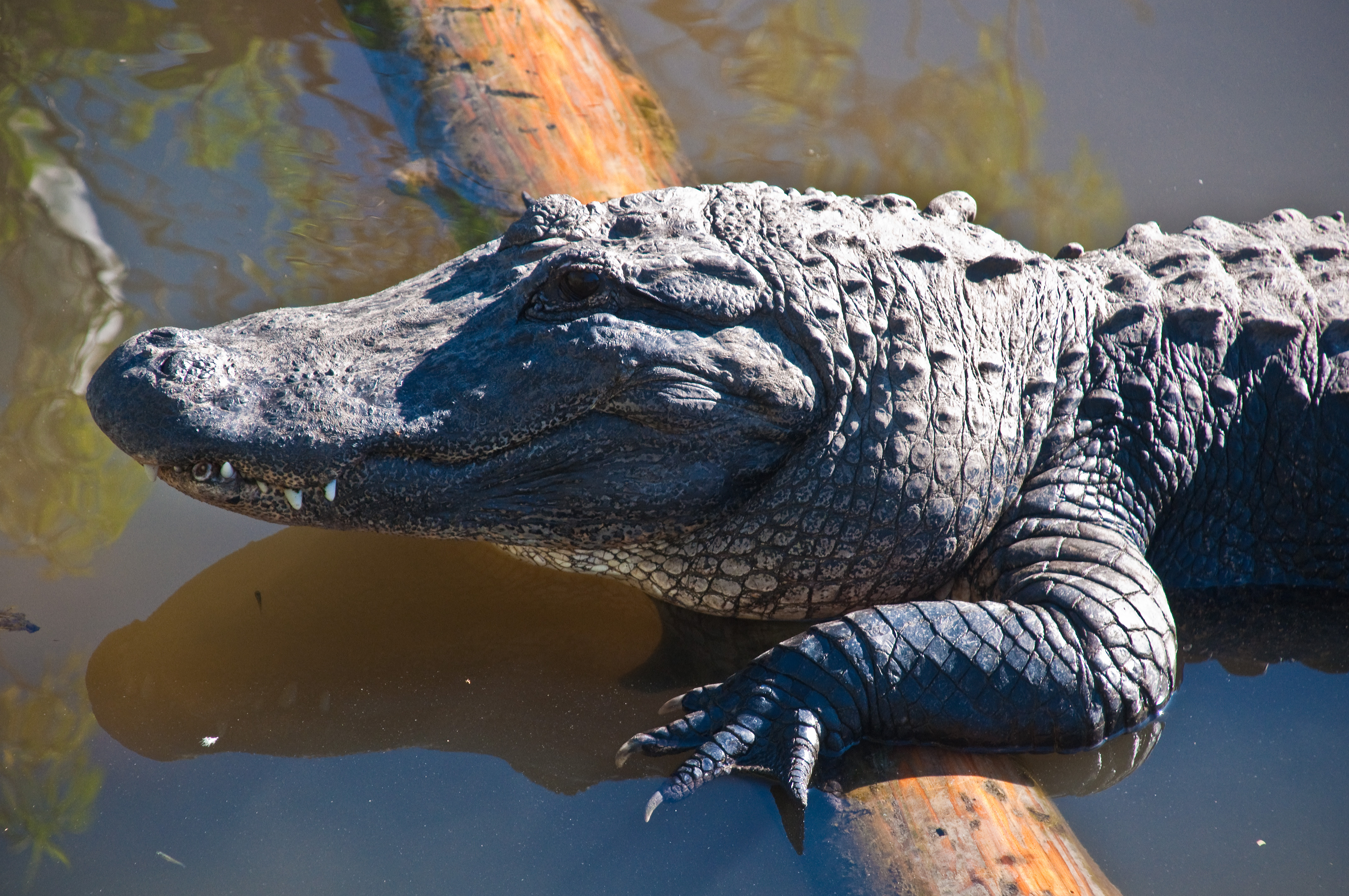
Alligator Security Guards

April 22, 2016 By WAMC WEB

https://earthwiseradio.org/wp-content/uploads/2016/04/EW-04-22-16-Alligator-Security-Guards.mp3

Complex ecosystems often create complex interrelationships between animals.  One of the more surprising ones is that between waterbirds and alligators in the Florida Everglades.

[Read more…] about Alligator Security Guards

Primary Sidebar

Recent Episodes

  • An uninsurable future
  • Clean energy and jobs
  • Insect declines in remote regions
  • Fossil fuel producing nations ignoring climate goals
  • Trouble for clownfishes

WAMC Northeast Public Radio

WAMC/Northeast Public Radio is a regional public radio network serving parts of seven northeastern states (more...)

Copyright © 2026 ·