• Skip to primary navigation
  • Skip to main content
  • Skip to primary sidebar

Earth Wise

A look at our changing environment.

  • Home
  • About Earth Wise
  • Where to Listen
  • All Articles
  • Show Search
Hide Search
You are here: Home / Archives for quebec

quebec

Another ban on neonics

July 22, 2024 By EarthWise Leave a Comment

Banning dangerous insecticides

There have been ominous declines in many insect populations.  Chief among them have been declines in pollinators, which have severe consequences for our food supply.  There are multiple possible causes of these declines and undoubtedly several have been involved simultaneously.

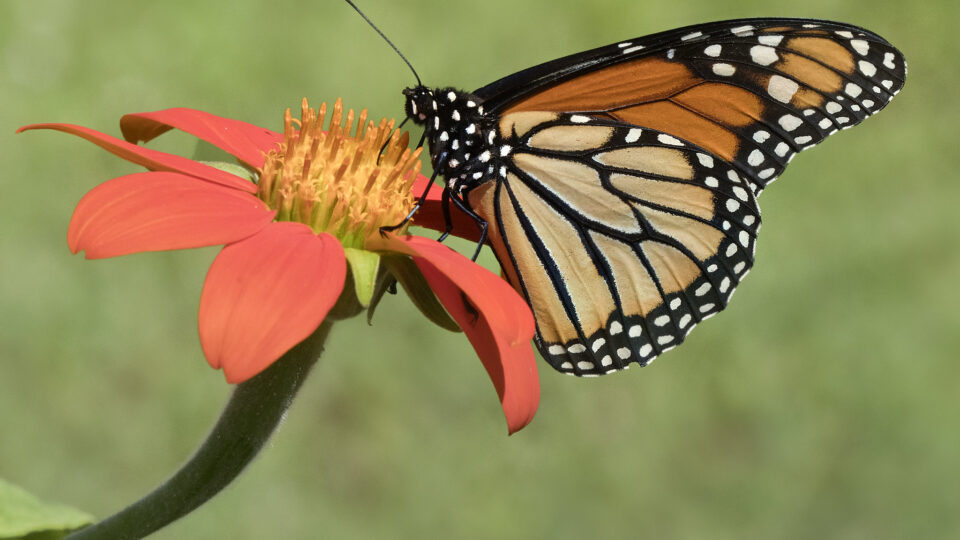
A new study on butterfly populations in the Midwest indicates that agricultural insecticides exerted the biggest impact on the diversity of butterfly populations in the Midwest during the period 1998 to 2014.  The biggest culprits were the widely used insecticides called neonicotinoids that are absorbed into the tissues of plants.

Neonics are meant for targeted pesticide use but are often used more broadly, including for corn crops.

Neonics are already well-known to be especially harmful to bees and are gradually being restricted in various places.  Quebec province passed restrictions on neonic-treated seeds in 2019.  Last December, New York signed into law a phase-out of neonic-treated seeds and a ban on non-agricultural uses of them.

Vermont has now become the second state to ban the use of neonicotinoids by virtue of its state legislature overriding a veto from Governor Phil Scott.  The law minimizes the use of neonics by requiring potential users to obtain written exemptions. 

Opponents to neonic restrictions claim that slashing their use will greatly reduce crop yields.  The experience in Quebec over the past five years is that the Canadian neonic restrictions have reduced corn and soybean crop yields by about 0.5%.  As a result of this tiny reduction, there has been a strong reduction in the amount of neonics contaminating waterways.

**********

Web Links

Vermont Becomes Second State to Ban Bee-Killing Neonic Pesticides

New ‘Detective Work’ on Butterfly Declines Reveals a Prime Suspect

Photo, posted September 7, 2017, courtesy of Watts via Flickr.

Earth Wise is a production of WAMC Northeast Public Radio
Major species turnover forecasted for North American cities

May 2, 2024 By EarthWise Leave a Comment

Major species turnover is forecasted for cities in North America

Climate change affects animal species in many ways.  It induces habitat loss, disrupts migration and breeding patterns, threatens marine life, and facilitates an increased spread of disease.  It may also affect where animals can be found in the future. 

According to a new study led by researchers from the University of Toronto Mississauga and Apex Resource Management Solutions in Canada, climate change may dramatically affect the animal species observed in North American cities by the end of the century.

The researchers used species distribution data combined with machine learning to study the impact of human-caused climate change on more than 2,000 animal species historically found in the 60 most populous North American cities. 

According to the research team, changes in biodiversity are brewing for almost every city it studied by the year 2100.  In fact, cities with a rich history of biodiversity are predicted to have the largest declines and fewest gains in species. Cooler and wetter cities like Quebec, Ottawa, Winnipeg, Kansas City, and Omaha are expected to welcome the most new species.  Warmer cities with higher precipitation – like cities in coastal California – are projected to lose the most species. 

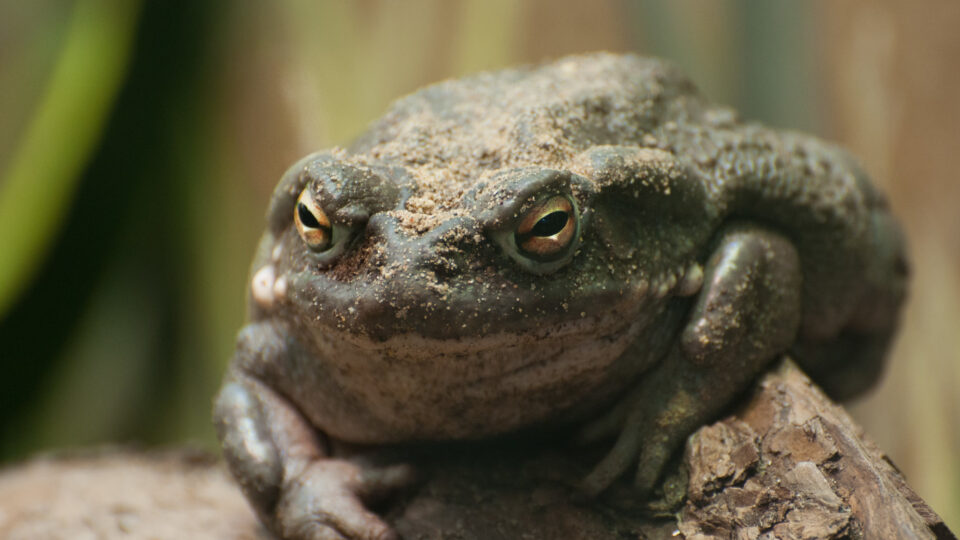
More than 95% of bird and insect species are predicted to experience a change in the number of cities they call home.  Canines, most amphibians, and aquatic birds are expected to experience the greatest losses.  Toads, turtles, mice and pelicans are projected to become more common overall. 

The researchers hope their findings will encourage more efforts to protect biodiversity.

**********

Web Links

North American cities may see a major species turnover by the end of the century

Photo, posted September 29, 2013, courtesy of Jonathan Kriz via Flickr.

Earth Wise is a production of WAMC Northeast Public Radio
Canadian zombie fires

April 8, 2024 By EarthWise Leave a Comment

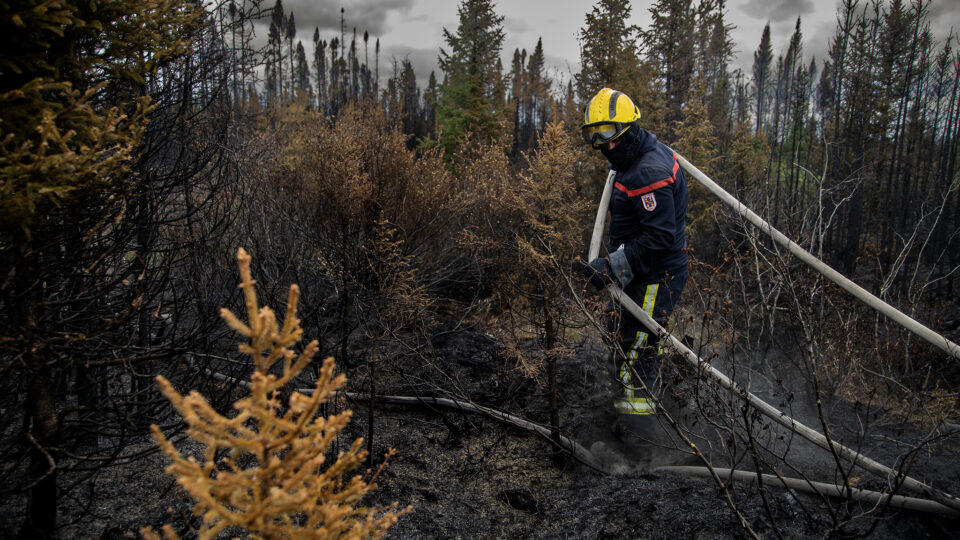
Canada’s 2023 wildfire season was the most destructive ever recorded.  Over 6,000 fires burned nearly 71,000 square miles of land from the West Coast to the Atlantic provinces.  The burned areas are roughly the size of the entire country of Finland and represent almost triple the amount burned in the previous year, which itself was a lot. Smoke from Canadian fires, particularly those in Quebec, blanketed many cities in the United States and made its way as far south as Florida.

An alarming aspect of the Canadian fire season is that it didn’t ever really end.  Late in the winter, 149 active wildfires are still burning across Canada.  92 are in British Columbia, 56 in Alberta, and one in New Brunswick.  In these places, the wildfire season is yearlong.

These overwintering fires have come to be known as zombie fires.  They burn slowly below the surface during the winter.  Many areas in the north contain porous peat and moss ground cover and these act as underground fuel for smoldering fires.

Wildfires have become more prevalent in Canada because the changing climate has brought about increases in the hot, dry, and gusty conditions that lead to drought.

Many of the zombie fires don’t pose an increased threat of triggering wildfires in the spring because they are in places that are already so charred that there is nothing left to burn.  But others are in drought areas that are basically tinder boxes ready to burst into flame once spring arrives.

Overall, Canadian government officials are warning that this year’s wildfire season is likely to be even worse than last year’s, particularly in the Western provinces of British Columbia and Alberta.

**********

Web Links

As ‘Zombie Fires’ Smolder, Canada Braces for Another Season of Flames

Photo, posted June 30, 2023, courtesy of P. McCabe / EU via Flickr.

Earth Wise is a production of WAMC Northeast Public Radio
Wildfires And Air Quality | Earth Wise

October 26, 2023 By EarthWise Leave a Comment

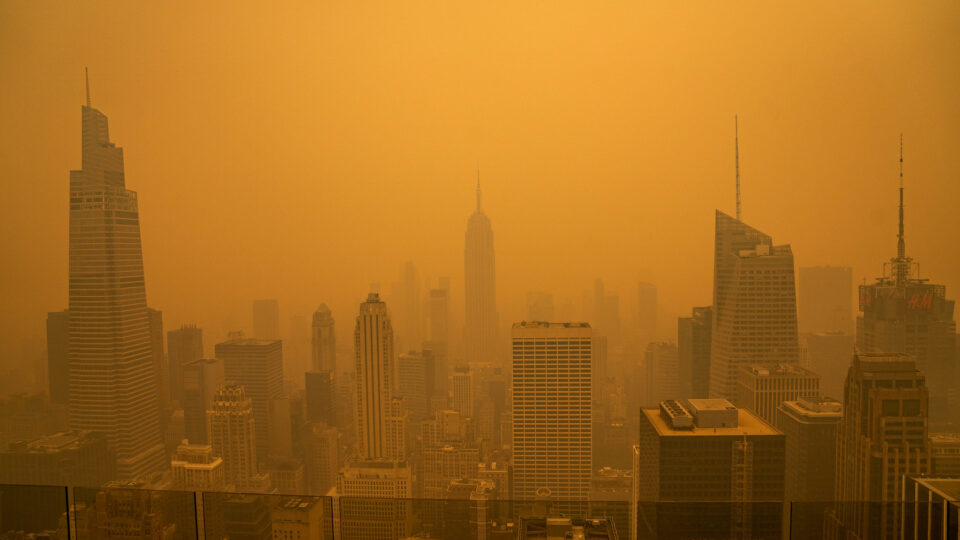
People in the Northeast have been dealing with unhealthy air quality in recent times because of smoke from hundreds of wildfires in Canada.  Canada has experienced a much higher than average incidence of blazes this year with nearly 500 fires burning uncontrolled at times.

It turns out that states far away from Canada aren’t necessarily free from the impact of the fires.  Early in October, smoke from a wildfire burning in Quebec made its way south all the way down to Florida and created unhealthy air quality and reduced visibility across much of the state.  Smoke from the same fire had created hazy air in Boston, New York City, and parts of Connecticut before heading south.

It took a rather unusual set of atmospheric conditions to make this happen.  The smoke drifted from Canada into the western Atlantic.  From there, it got trapped behind a cold front and was then pushed south along the east coast until it finally moved inland across Florida. 

Wildfires produce a variety of particles and gases from the burning of vegetation such as organic carbon, black carbon, nitrogen oxides, carbon monoxide and hazardous air pollutants.  The mixture of particles and gases in wildfire smoke is associated with respiratory symptoms like shortness of breath and reduced lung function, as well as dangerous cardiovascular effects.

Smoke from increasingly frequent and increasingly large fires has started to undo decades of gains in air quality brought about by air pollution policies.  According to researchers, wildfires in the United States in recent years have undone about 25% of past progress in cleaning up air pollution in states from coast to coast.

**********

Web Links

Wildfire Smoke From Canada Creates Unhealthy Air Quality in Florida

Photo, posted June 8, 2023, courtesy of Anthony Quintano via Flickr.

Earth Wise is a production of WAMC Northeast Public Radio

Banning Neonicotinoid Pesticides | Earth Wise

October 19, 2023 By EarthWise Leave a Comment

Banning neonicotinoids

New York’s Birds and Bees Protection Act contains a targeted restriction on neonicotinoid pesticides. These widely-used insecticides are absorbed by plants and can be present in pollen and nectar, making them toxic to bees and other pollinators.

Among the largest applications of neonics (as they are called) has been in the form of coatings on crop seeds, such as corn and soybeans.  In 2019, Canada’s Quebec province strongly limited neonic use to protect pollinators and the environment.  The chemical industry vigorously protested the regulations and claimed that the restrictions would cause the collapse of the grain sector in Quebec.

Seed suppliers began supplying uncoated seeds in 2019 and now there is scarcely any use of coated seeds in the province.  Monitoring of over 1,000 agricultural sites has shown that there have been no crop failures related to the pesticide restrictions.  In fact, use of the neonics had no economic benefits. 

Naysayers warned that even more harmful pesticides or other farming practices would be used instead.  But that hasn’t happened either. Some farmers switched to much safer insecticides and others abandoned insecticide treatments altogether.

New York has faced similar opposition by farmers and chemical manufacturers to the Birds and Bees Protection Act and all of the same arguments that have been proven to be invalid in Quebec are being made in New York.  Most major environmental advocates in the state support the measures embodied in the legislation.  As usual, it boils down to a battle between economic interests and the health of the environment.

**********

Web Links

Québec’s experience with pesticide ban offers a glimpse of what New York can expect

Photo, posted August 29, 2013, courtesy of the United Soybean Board / the Soybean Checkoff via Flickr.

Earth Wise is a production of WAMC Northeast Public Radio
Tick-Borne Pathogens In Canada | Earth Wise

December 27, 2022 By EarthWise Leave a Comment

Ticks spreading disease in Central Canada

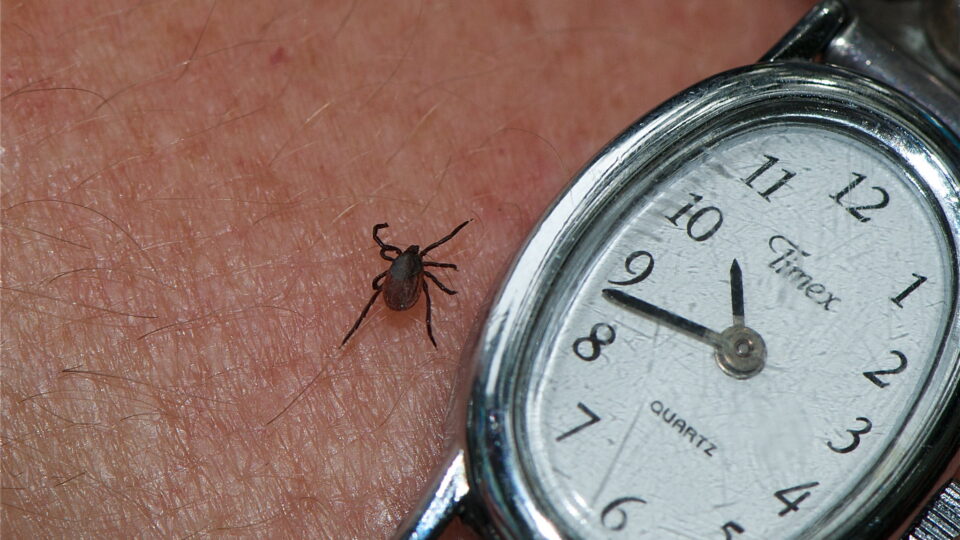
Measuring only three to five millimeters in size, tiny ticks are a big problem.  They are widely distributed in many parts of the world, especially in warm and humid climates.  Ticks are arachnids – not insects – meaning they’re more closely related to spiders than to flies or mosquitos.  They are external parasites that feast on the blood of birds, reptiles, amphibians, and mammals – including humans.

In the United States, ticks are responsible for spreading potentially life-threatening infectious diseases.  According to estimates from the Centers for Disease Control and Prevention, ticks infect more than 300,000 people with Lyme disease in the U.S. every year, and the numbers continue to rise.  Other common tick-borne diseases include anaplasmosis, babesiosis, Rocky Mountain Spotted Fever, and powassan encephalitis.

Ticks are becoming a problem in Canada as well.  According to a new study by researchers from McGill University and the University of Ottawa, tick-borne pathogens are on the rise in Central Canada – a region where ticks were never previously detected. 

In the study, the researchers collected ticks across Ontario and Quebec.  They found that five emerging pathogens were present across their study sites, including the pathogens that cause Lyme disease and babesiosis.  The researchers also found that pathogens can transmit in different ways.  Typically, pathogens are transmitted to a tick after feeding from the blood of an infected host, like a small mammal.  But the research team found evidence of pathogens that could be directly transmitted from adult female ticks to larval ticks.

According to the researchers, more comprehensive testing and tracking is needed to detect the spread and risks of tick-borne pathogens to humans and wildlife in Canada.

**********

Web Links

Tick-borne pathogens increasingly widespread in Central Canada

Photo, posted May 4, 2009, courtesy of Jerry Kirkhart via Flickr.

Earth Wise is a production of WAMC Northeast Public Radio

Maple Syrup And Climate Change

October 11, 2019 By EarthWise Leave a Comment

According to a study recently published in the journal Forest Ecology and Management, scientists are predicting another casualty of climate change: the U.S. maple industry.  By the year 2100, the maple syrup season in the United States may be less productive and arrive one month earlier than it has between 1950 and 2017.

Maple syrup production is impacted by two climate-sensitive factors: sugar content and sap flow.  Sugar content is determined by the previous year’s carbohydrate stores.  Sap flow depends on the freeze/thaw cycle.  Sap begins to flow in sugar maples when winter nights dip below freezing and the days warm above freezing.

The researchers studied six sugar maple stands from Virginia to Quebec, Canada over a six year period.  They created a model that predicted the timing of optimal sap flow based on historical temperature data on freeze/thaw days, actual sap collection from their field work, and monthly climate. 

According to modeling projections, the maple syrup season is expected to be, on average, one month earlier by the end of the century.  States like Indiana and Virginia will barely produce any sap.  New Hampshire and Vermont are likely to be least affected, but are still expected to experience a decrease in production.  In fact, most areas of maple production in the United States are projected to see decreases in production by the year 2100, while areas in northern Ontario and Quebec should see moderate to large increases in production. 

Currently, Canada is responsible for approximately 80% of global maple syrup production while the U.S. produces 20%.  The shifting climate for optimal maple production will leave many scrambling to find the sweet spot. 

**********

Web Links

Climate change study finds that maple syrup season may come earlier

Photo, posted March 24, 2019, courtesy of Paul VanDerWerf via Flickr.

Earth Wise is a production of WAMC Northeast Public Radio.

The Southern Pine Beetle

October 13, 2017 By EarthWise Leave a Comment

https://earthwiseradio.org/wp-content/uploads/2017/10/EW-10-13-17-The-Southern-Pine-Beetle.mp3

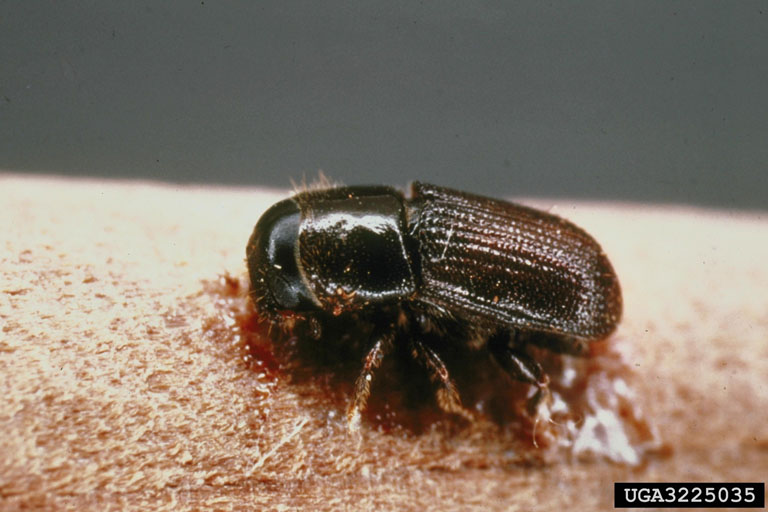
Recent sightings of a destructive tree-eating beetle in northeast pine forests have been alarming.  And a new study from Columbia University has confirmed what ecologists had feared all along:  they’re here to stay.

[Read more…] about The Southern Pine Beetle

A Refuge For Black Spruce

August 23, 2016 By WAMC WEB

https://earthwiseradio.org/wp-content/uploads/2016/08/EW-08-23-16-Northwoods-Warming.mp3

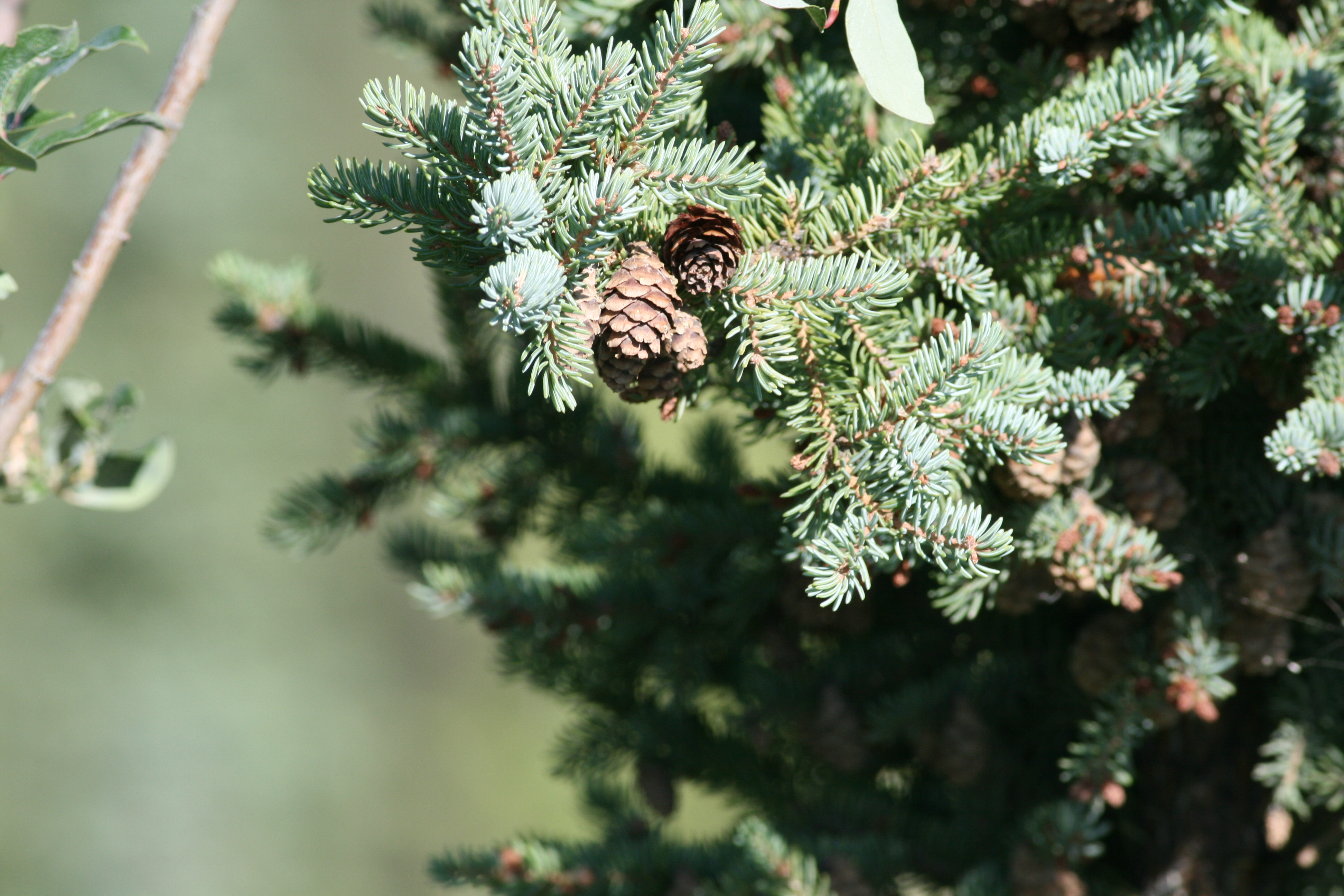
In the Canadian province of Quebec, a study of more than 26,000 trees across an area the size of Spain forecasts winners and losers in a changing climate.

[Read more…] about A Refuge For Black Spruce

Primary Sidebar

Recent Episodes

  • An uninsurable future
  • Clean energy and jobs
  • Insect declines in remote regions
  • Fossil fuel producing nations ignoring climate goals
  • Trouble for clownfishes

WAMC Northeast Public Radio

WAMC/Northeast Public Radio is a regional public radio network serving parts of seven northeastern states (more...)

Copyright © 2026 ·