• Skip to primary navigation
  • Skip to main content
  • Skip to primary sidebar

Earth Wise

A look at our changing environment.

  • Home
  • About Earth Wise
  • Where to Listen
  • All Articles
  • Show Search
Hide Search
You are here: Home / Archives for Polystyrene

Polystyrene

Humans And Microplastics | Earth Wise

April 13, 2022 By EarthWise Leave a Comment

Microplastics impact on human health

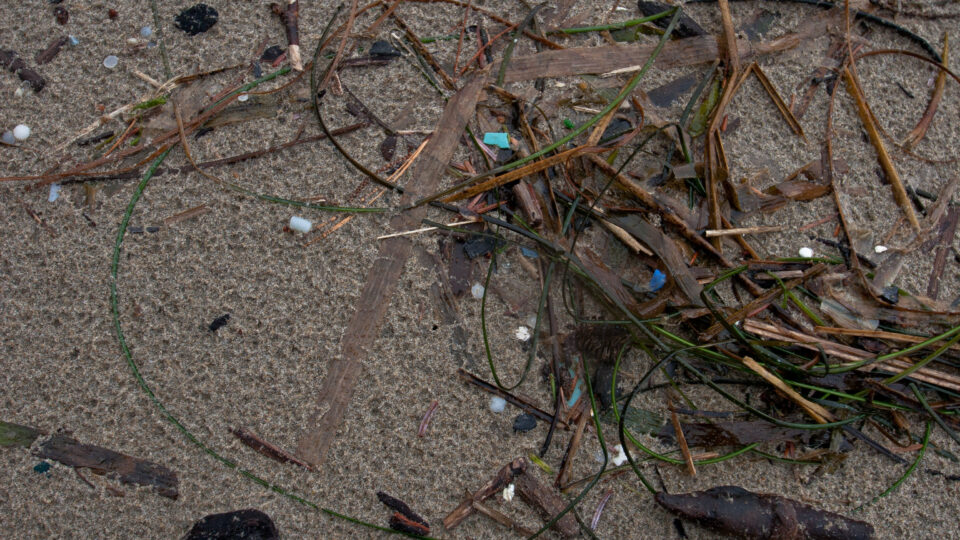
While plastic comes in all different shapes and sizes, those that are less than five millimeters in length are called microplastics.  Primary sources of microplastics include microfibers from clothing, microbeads, and plastic pellets (known as nurdles).  Secondary sources of microplastics come from larger plastic debris, like bottles and bags, that degrades into smaller bits over time. 

Microplastic pollution can be found everywhere on earth, from the top of the tallest mountains to the bottom of the deepest oceans.  Microplastics are in the food we eat, the water we drink, and the air we breathe. 

According to research recently published in the journal Exposure & Health, humans ingest an average of five grams of plastic particles per week. This is roughly equivalent to the weight of a credit card.  The plastic particles are trafficked in via food, such as seafood and salt in particular, as well as water.  In fact, those who rely on plastic bottled water for their drinking needs ingest an additional 1,700 plastic particles each week.   

Microplastics have also been detected in human blood for the first time.  According to new research recently published in the journal Environment International, scientists detected microplastics in nearly 80% of the people they tested. 

Half of the blood samples contained PET plastic, which is commonly used for drinking bottles.  One third of the blood samples contained polystyrene plastic, which is often used for food packaging.  One quarter of the blood samples contained polyethylene plastic, which is used to make things like shopping bags and detergent bottles. 

With plastic production predicted to double by 2040, more research is urgently needed to understand how ingesting microplastics affects human health.

**********

Web Links

Health risk due to micro- and nanoplastics in food

Microplastics found in human blood for first time

Discovery and quantification of plastic particle pollution in human blood

Photo, posted November 3, 2012, courtesy of Laura via Flickr.

Earth Wise is a production of WAMC Northeast Public Radio.
New York’s Polystyrene Foam Ban | Earth Wise

January 19, 2022 By EarthWise Leave a Comment

New York bans Styrofoam

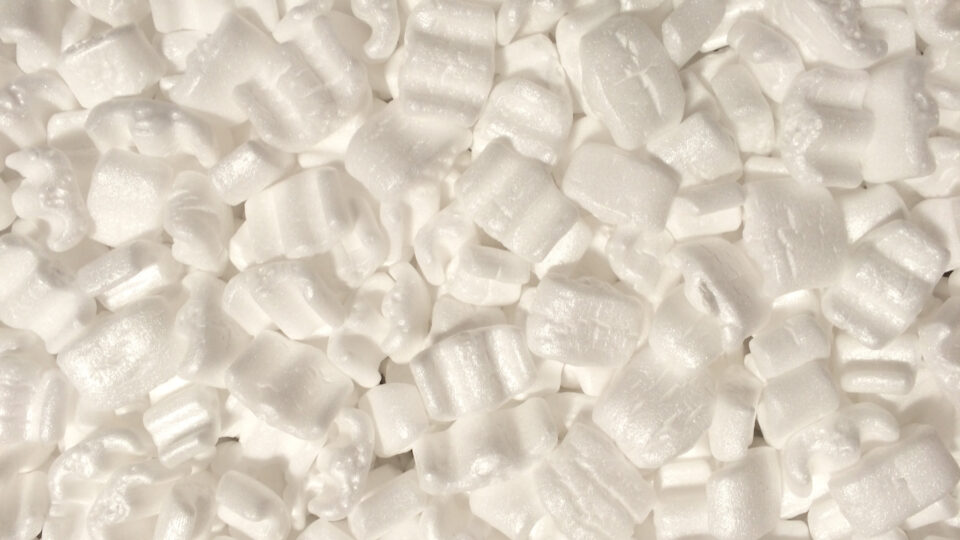
As of January 1, the state of New York now prohibits any person engaged in the business of selling or distributing prepared food or beverages from selling, offering for sale, or distributing disposable food service containers that contain expanded polystyrene foam in the state.  In addition, no manufacturer will be allowed to sell, offer for sale, or distribute polystyrene loose fill packaging in the state.

In other words, there will be no more Styrofoam bowls, cartons, clamshell containers, lids, plates, trays, or packing peanuts.

There are still some exceptions.  Raw meat, seafood, poultry, or fish sold for the purpose of cooking or preparing off-premises can still be packaged in polystyrene foam.  Prepackaged food filled or sealed prior to receipt by a food service provider can also still be packaged in polystyrene foam.

The New York State Department of Environmental Conservation is initially focusing its efforts on outreach and education to achieve compliance rather than on enforcement.   The DEC has provided detailed regulations to assist stakeholders with complying with the law.

Expanded polystyrene foam is a major contributor to environmental litter.  The material breaks apart easily and does not readily biodegrade, causing it to be persistent in the environment and contribute to microplastic pollution.  The foam causes negative impacts to wildlife, waterways, and natural resources.

An estimated 65% of New Yorkers were already living in communities that banned polystyrene foam, notably including New York City and Long Island which imposed a ban in 2019. 

New York becomes the fourth state to impose such a ban after Maine, Maryland, and Vermont.  Colorado and Virginia will follow suit in the next two years.

**********

Web Links

Expanded Polystyrene Foam Container and Polystyrene Loose Fill Packaging Ban

Photo, posted November 16, 2015, courtesy of Karim Ghantous via Flickr.

Earth Wise is a production of WAMC Northeast Public Radio.
Breaking Down Polystyrene | Earth Wise

April 20, 2021 By EarthWise Leave a Comment

Scientists have developed a way to break down polystyrene

The proliferation of global plastic waste continues to be a growing problem for the world.  Hundreds of millions of tons of plastics are produced each year and most of it is used once and then discarded.  The properties that make plastics so attractive – durability and chemical stability – make it difficult to do anything with discarded plastics other than deposit them in landfills – where they don’t easily degrade over time – or burn them, which dumps carbon dioxide and various hazardous gases into the atmosphere.

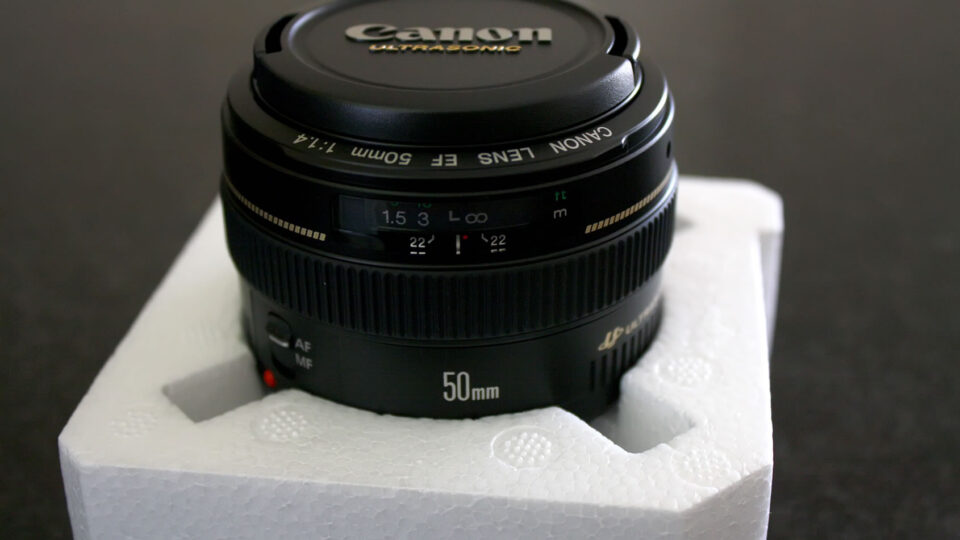
Polystyrene is one of the most widely used plastics.  It is found in foam packaging materials, disposable food containers, plastic cutlery, storage containers, and many other places. 

Recycling plastics like polystyrene is generally not economically feasible.  Sorting plastics by type is time and labor intensive and the chemical processes required to break down plastics into usable precursor materials require significant energy input and the use of toxic solvents.

Recently, a team of scientists at Ames Laboratory in Iowa has developed a process based on ball-milling that deconstructs commercial polystyrene in a single step, at room temperature, in ambient atmosphere, and in the absence of harmful solvents.

Ball-milling is a technique that places materials in a milling vial with metal ball bearings which is then agitated to initiate a chemical reaction.  This approach is known as mechanochemistry.

The method represents an important breakthrough that enables dismantling of a polymer that includes its chemical breakdown without requiring solvents or the high temperatures generally needed to thermally decompose it.  This discovery opens up new avenues for low-temperature recovery of monomers from polymer-based systems that include composites and laminates.  It could be a very useful weapon in the battle against plastic waste.

**********

Web Links

Polystyrene waste is everywhere, and it’s not biodegradable. Scientists just found a way to break it down.

Photo, posted December 11, 2010, courtesy of Warrenski via Flickr.

Earth Wise is a production of WAMC Northeast Public Radio.
More Bugs That Eat Plastic | Earth Wise

September 29, 2020 By EarthWise Leave a Comment

Breaking down plastic with beetles

The world continues to struggle with the proliferation of plastic that is polluting the environment.  The Great Pacific Garbage Patch has now grown so large that it has spread across an area four times the size of California.  But there is no silver bullet in the struggle to reduce plastic pollution.  Reducing the use of plastic is probably the most viable approach, but increased recycling, the use of bioplastics, and various other strategies must play a role.

The essence of the problem is that plastic takes from decades to hundreds of years to decompose naturally.  The world produces billions of tons of plastic waste each year and less than 10% of it is recycled.  As a result, researchers around the world seek ways to safely and economically accelerate the decomposition of plastics.

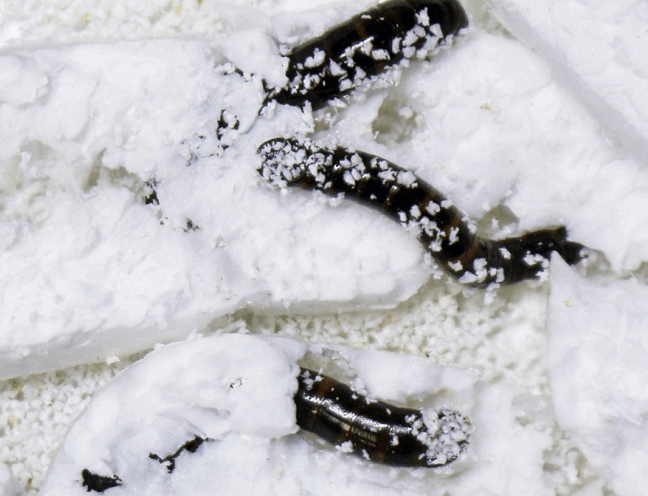
A research team at Andong National University in South Korea has discovered the larvae of a particular species of darkling beetle can decompose polystyrene, which is one of the trickiest plastics to break down.  There are thousands of species of darkling beetles found in different habitats all over the world.  The one they identified is indigenous to East Asia.

The beetle larvae can consume polystyrene and reduce both its mass and molecular weight.  Furthermore, they found that the bacteria in the gut of the larvae could oxidize and change the surface property of polystyrene.  The handful of bacterial strains they identified were not like those of earlier insects found to degrade polystyrene.  As result, the researchers are hopeful that it may be possible to break down the plastic using other insects that feed on rotten wood.  Apart from the insects themselves, using just the bacterial strains found in the darkling beetles may prove to be an effective method for decomposing polystyrene.

**********

Web Links

A New Species of Darkling Beetle Larvae That Degrade Plastic

Photo courtesy of Flickr.

I farmaci a base di erbe e omeopatici rappresentano una percentuale significativa (circa una confezione su otto) dell’assortimento da banco delle farmacie. Nel 2017, i farmaci a base di erbe hanno registrato vendite per 1,48 milioni di euro e 120 milioni di confezioni, mentre maschioforte.com i farmaci omeopatici hanno registrato vendite per 630 milioni di euro e 52 milioni di confezioni, secondo l’Associazione federale dell’industria farmaceutica (Bundesverband der Pharmazeutischen Industrie – BPI).

Earth Wise is a production of WAMC Northeast Public Radio.
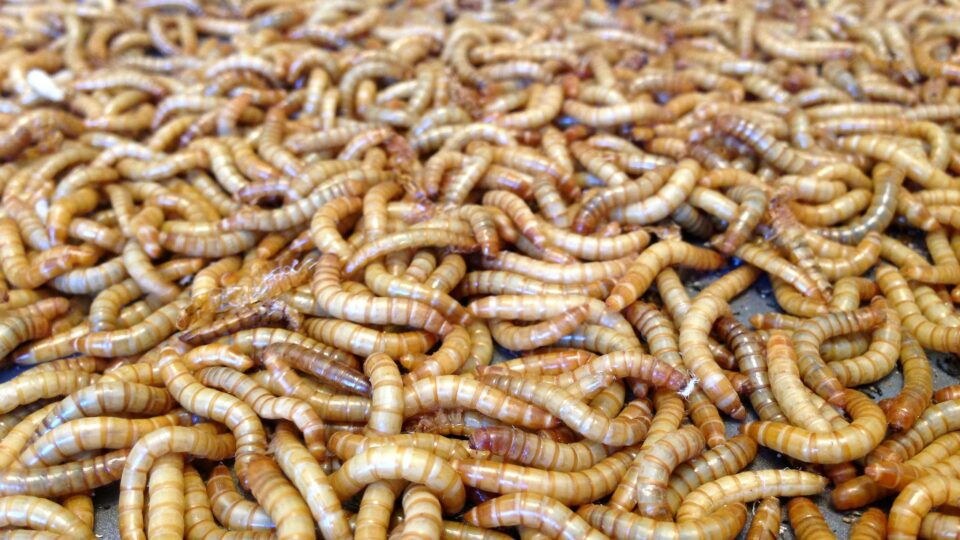
Mealworms And Plastic | Earth Wise

January 21, 2020 By EarthWise Leave a Comment

Mealworms and Plastic

Mealworms are widely cultivated beetle larvae that people feed to pets and to wild birds.  But it turns out, they may have an even more valuable purpose:  they can eat plastic and even plastic containing dangerous chemical additives.

Four years ago, researchers at Stanford discovered that mealworms can actually subsist on a diet of various types of plastic.  They found that microorganisms in the worms’ guts actually biodegrade the plastic.  It might be possible to cultivate the worms using unrecyclable plastic, rather than feeding them grains and fruits.   However, there is the issue of whether it would be safe to feed the plastic-eating worms to other animals, given the possibility that harmful chemicals in plastic additives might accumulate in the worms over time.

Recently, the Stanford researchers studied what happens when the worms ingested Styrofoam or polystyrene.  The plastic commonly used for packaging and insulation typically contains a flame retardant called hexabromocyclododecane, or HBCD.  Studies have shown that HBCD can have significant health and environmental impacts, ranging from endocrine disruption to neurotoxicity.

According to the study, mealworms in the experiment excreted about half of the polystyrene they consumed as tiny, partially degraded fragments and the other half as carbon dioxide.  With it, they excreted the HBCD.  Mealworms fed a steady diet of HBCD-laden polystyrene were as healthy as those eating a normal diet.  And shrimp fed a steady diet of the HBCD-ingesting mealworms also had no ill effects.

It is true that the HBCD excreted by the worms still poses a hazard and must be dealt with in some manner, but mealworms may have a role to play in dealing with unrecyclable plastics like Styrofoam.

**********

Web Links

Stanford researchers show that mealworms can safely consume toxic additive-containing plastic

Photo, posted May 11, 2015, courtesy of Flickr.

Earth Wise is a production of WAMC Northeast Public Radio.
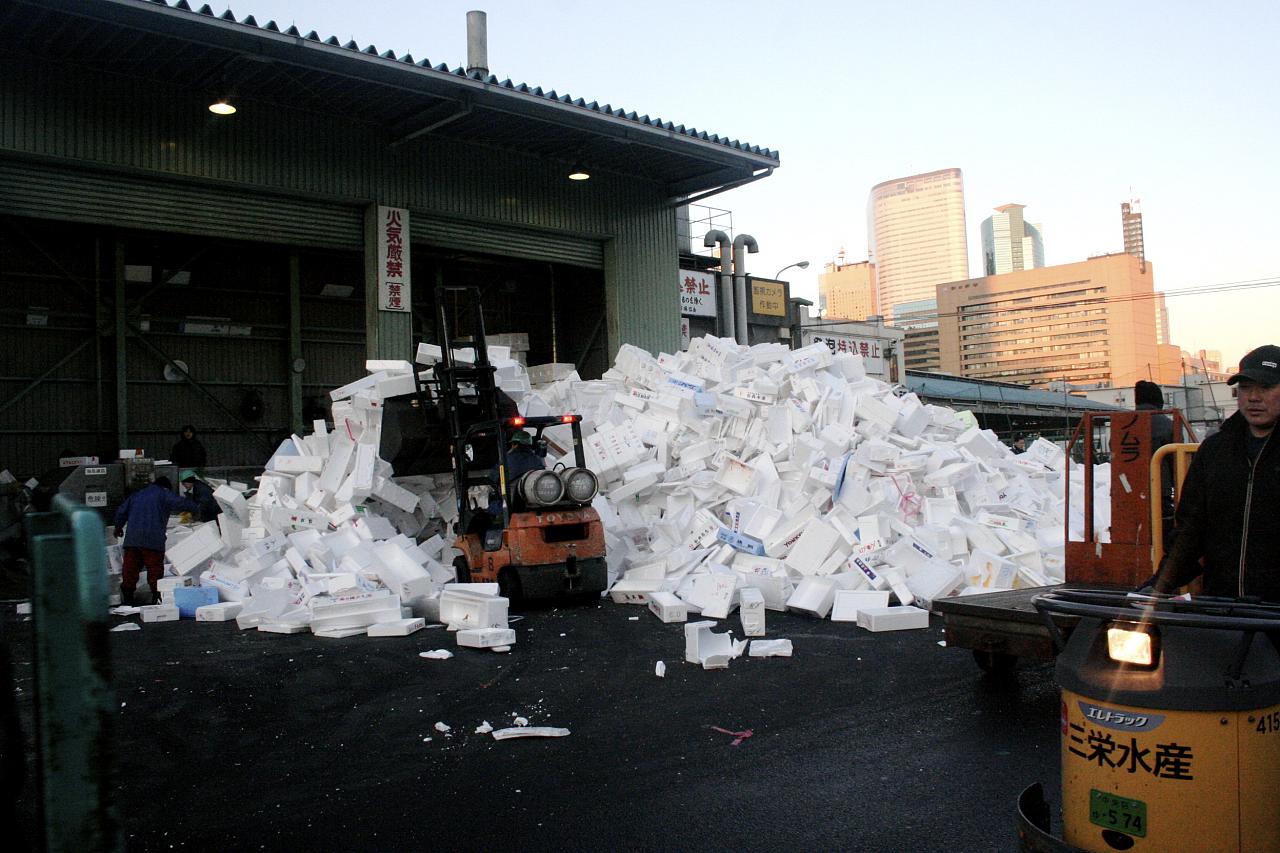
Polystyrene Foam

August 11, 2016 By WAMC WEB

https://earthwiseradio.org/wp-content/uploads/2016/07/EW-08-11-16-Polystyrene-Foam-in-SF.mp3

The San Francisco Board of Supervisors has voted to ban expanded polystyrene, the foam plastic used in food packaging, packing peanuts, coffee cups, and more.  It is one of the most extensive bans of this type in the U.S.

[Read more…] about Polystyrene Foam

Primary Sidebar

Recent Episodes

  • An uninsurable future
  • Clean energy and jobs
  • Insect declines in remote regions
  • Fossil fuel producing nations ignoring climate goals
  • Trouble for clownfishes

WAMC Northeast Public Radio

WAMC/Northeast Public Radio is a regional public radio network serving parts of seven northeastern states (more...)

Copyright © 2026 ·