• Skip to primary navigation
  • Skip to main content
  • Skip to primary sidebar

Earth Wise

A look at our changing environment.

  • Home
  • About Earth Wise
  • Where to Listen
  • All Articles
  • Show Search
Hide Search
You are here: Home / Archives for planning

planning

Wildfires and water quality

August 11, 2025 By EarthWise Leave a Comment

Wildfires affect water quality long after the flames are out

Hotter and drier conditions driven by climate change are leading to an increasing number of wildfires in North America and around the world. The damage wildfires cause – to forests, homes, and communities – is well-known. But long after the flames are gone, the effects can linger, especially in rivers and streams, where water quality may suffer for years.

A new study by scientists at the CIRES institute at the University of Colorado Boulder analyzed more than 100,000 water samples from more than 500 sites across the Western U.S. and found that wildfires can degrade water quality for up to eight years after a fire. The research, which was recently published in the journal Nature Communications Earth & Environment, found elevated levels of organic carbon, nitrogen, phosphorus, sediment, and turbidity – the cloudiness of water – in basins affected by fire.

This large-scale analysis reveals watersheds take longer to recover from wildfires than previously thought, with widespread, long-lasting impacts often going undetected for years.

Organic carbon, phosphorus, and turbidity remain elevated for one to five years after a fire. Nitrogen and sediment levels stay notably high for up to eight years. Fire-driven impacts are worse in more forested areas.

Each watershed in the study responded differently depending on local conditions.  In some places, sediment levels surged to as much as 2,000 times normal levels, while others remained relatively unchanged.

The research team hopes its findings can help guide future planning efforts to improve wildfire resilience.

**********

Web Links

Wildfires threaten water quality for years after they burn

Photo, posted April 6, 2017, courtesy of Bonnie Moreland via Flickr.

Earth Wise is a production of WAMC Northeast Public Radio

The coastal squeeze

June 26, 2025 By EarthWise Leave a Comment

Globally, coastal areas are being squeezed between rising seas on one side and human development on the other.  The average distance from the high waterline to the first built-up area with human structures or paved roads is less than 400 yards around the world.  The narrower a coast, the sooner rising sea levels cause problems.

Narrow coasts have reduced ability to defend against storm surges and other weather events.  Construction close to the sea makes coastal areas extra vulnerable.  Narrow coasts are also bad news for biodiversity.  A study by the Royal Netherlands Institute for Sea Research investigated plant diversity in both the Netherlands and the United States.  They found that the wider the coast was, the greater the plant diversity.

In Florida and Georgia, whenever coastal zones reached a couple of kilometers in width, diversity increased rapidly.  In the Netherlands, only coastal areas at least 3.8 kilometers wide reached their maximum plant diversity, but such areas are rare.  Dutch sand dune areas are typically no more than a kilometer wide, leaving plant diversity at no more than half the possible level.

Limited biodiversity in narrow coastal strips can be somewhat boosted by nature management but would benefit much more by spatial planning.  In the Netherlands, a spot called The Sand Motor is where a gigantic amount of sand was deposited off the coast in 2011.  Since then, natural forces have spread it along the coast.  Such coastal expansion could increase biodiversity.  Biodiversity is not a luxury.  It makes for a better future for coastal defense, a healthy drinking water supply, and a better human food supply.

**********

Web Links

Coastal squeeze is bad for biodiversity, and for us!

Photo, posted June 21, 2017, courtesy of Mark Bias via Flickr.

Earth Wise is a production of WAMC Northeast Public Radio
How much energy storage is needed?

November 11, 2024 By EarthWise Leave a Comment

Exploring how much energy storage is needed

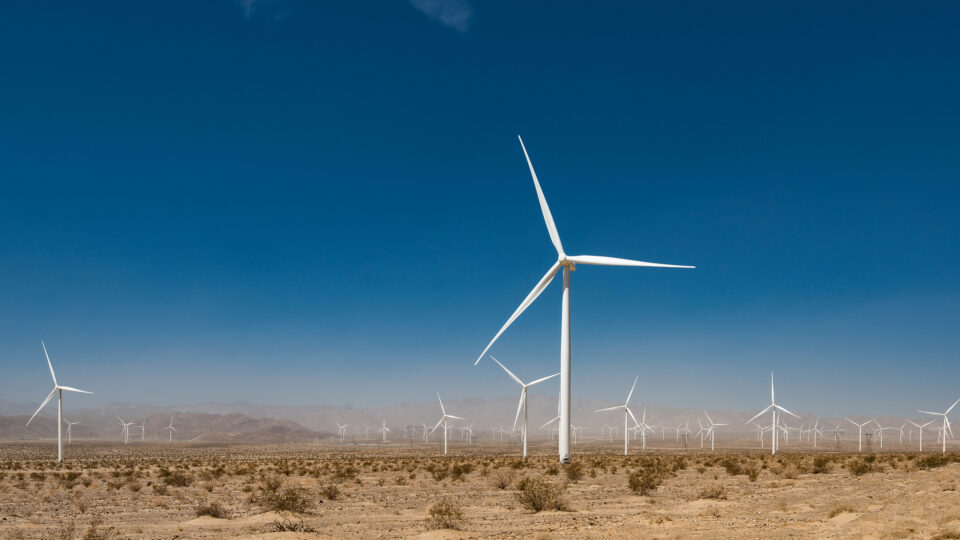
Energy storage is a critical aspect of modern energy systems as they move towards heavy dependence on renewable sources such as solar and wind that don’t produce energy at the same rate all the time.  Excess energy generated by solar power needs to be stored for when the sun isn’t shining; excess wind energy needs to be stored for when the wind isn’t blowing.  But how much storage capacity does the energy system need to have?

Researchers at North Carolina State University have developed a model that can be used to project what a system’s storage needs would be if it were to shift entirely to renewable sources.

The model accounts for how energy production from renewable sources would change during different times of day and different times of the year.  For example, there is much more solar energy generation in the summer when the days are longer, and it is sunny more often.

There is also the issue of short-term vs. long-term energy storage.  Short-term energy storage does not refer to how long a storage device can store the energy.  It refers to how long it can provide power at its rated level.

The study focused on Italy’s energy system, which has suffered in recent years because it had difficulties in obtaining natural gas from Russia due to the invasion of Ukraine.

As the world moves increasingly towards renewable power sources, energy systems need to be able to account for the variability of those sources.  The new model offers policymakers critical information for use in energy system planning.

**********

Web Links

Model Projects Energy Storage Needs for Fossil Fuel-Free Energy System

Photo, posted October 28, 2016, courtesy of Daxis via Flickr.

Earth Wise is a production of WAMC Northeast Public Radio
Wind farms and sea farms

August 5, 2024 By EarthWise Leave a Comment

There has been increasing use of agriculture coexisting with solar farms.  This dual use of land is a win-win situation.  Recently, Danish researchers have been investigating the potential for farming marine products at offshore wind farms.

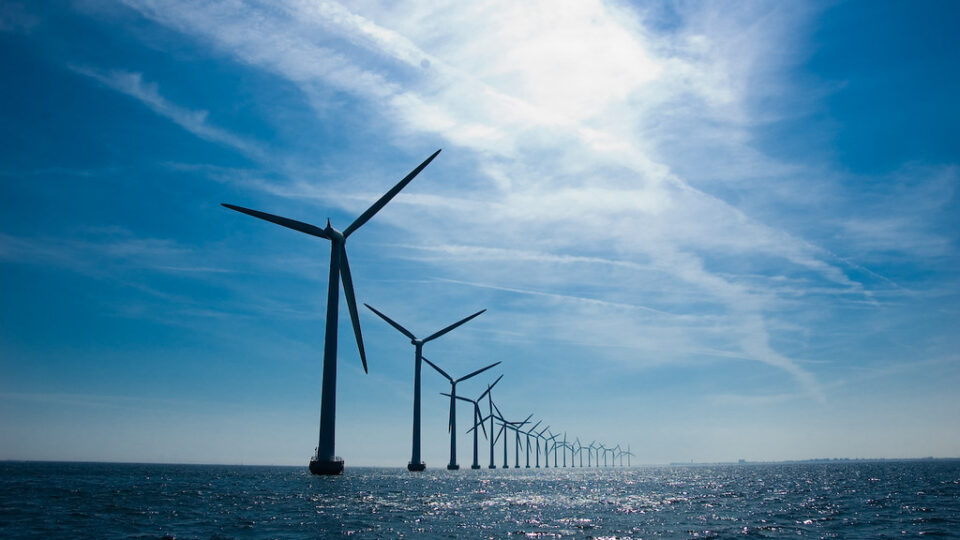
Scandinavia’s largest wind farm, Kriegers Flak, is the site of a four-year-old project in which long lines are stretched between the wind farm’s pylons and are used to grow mussels and seaweed.  With the first harvest that has taken place after 18 months, it is showing signs of early success.

Seaweed and mussels are low trophic aquaculture crops.  That means that that they don’t need to be fed or fertilized.  They take up nutrients from the sea and produce healthy foods.

The 328-foot lines spread between the turbines can be used to grow substantial quantities of the underwater seafood.  According to modeling by Aarhus University – the institution conducting the study – using just a tenth of Denmark’s wind park area could produce tons of seafood annually while using only the naturally-available resources.  This form of aquaculture captures emissions instead of producing them.

Researchers say that it is time to develop guidelines to encourage companies to plan for multiple uses of the ocean because countries are ramping up production of clean energy from offshore wind farms.  Denmark was the first country in the world to install a commercial offshore wind park in 1991.  Over 30 years later, nearly half of the country’s electricity comes from wind turbines.

The benefits of such sea farms combined with offshore wind farms go beyond food production and clean energy production.  They also help improve water quality and capture carbon.  It is another win-win situation.

**********

Web Links

Beneath offshore wind turbines, researchers grow seafood and seaweed

Photo, posted August 5, 2007, courtesy of Andreas Klinke Johannsen via Flickr.

Earth Wise is a production of WAMC Northeast Public Radio
Upgrading The U.S. Power Grid | Earth Wise

February 15, 2022 By EarthWise Leave a Comment

Upgrading the power grid in the United States

The Department of Energy has launched the Building a Better Grid Initiative to accelerate the development of new power transmission lines.  The initiative aims to upgrade the nation’s grid, connect more Americans to clean electricity, and reliably move clean electricity to where it is needed most. The initiative is a part of the Bipartisan Infrastructure bill that was signed into law in November.

Under the initiative, DOE will identify critical national transmission needs and support the buildout of long-distance, high-voltage transmission facilities as well as support transmission planning, financing mechanisms, transmission-related research and development, and efforts on energy justice.

DOE will deploy more than $20 billion in federal financing that includes more than $10 billion in grants to states, Tribes, and utilities to enhance grid resilience and prevent power outages.  It will also coordinate with other agencies to streamline permitting for transmission infrastructure. 

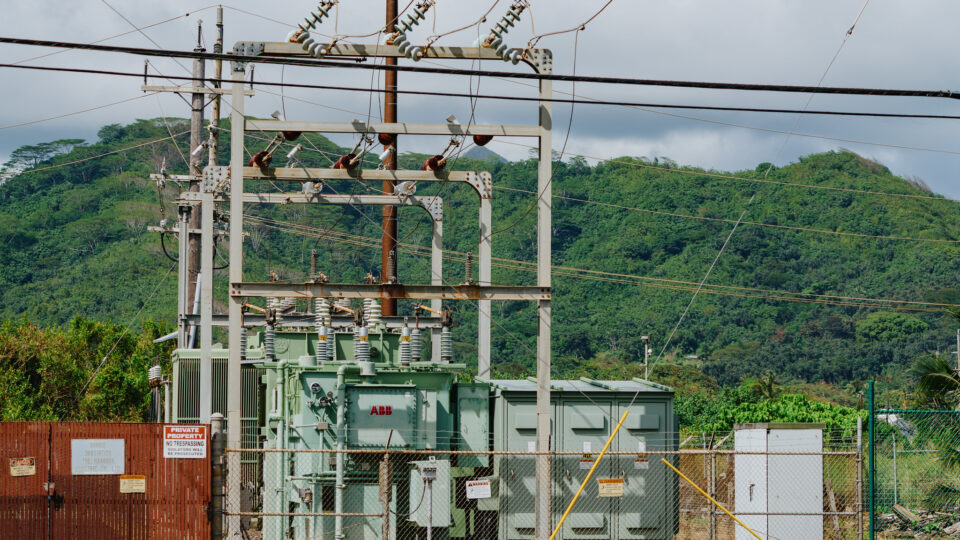
Seventy percent of the US grid’s transmission lines and power transformers are over 25 years old.  There is also insufficient transmission capacity, especially for transmission that facilitates transfer of power across regions.  The current grid is vulnerable to harsh weather and needs improved reliability.

Providing more transmission capacity in areas where it doesn’t exist today is essential for the integration of more large-scale renewable generation sources into the grid.  The national goal of 100% clean electricity by 2035 is not just about decarbonizing the generation sources.  A substantial upgrade to the transmission infrastructure is necessary and the Building a Better Grid Initiative is a major step in the right direction.

**********

Web Links

The big upgrade to the US power grid is kicking off

Photo, posted February 2, 2020, courtesy of Tony Webster via Flickr.

Earth Wise is a production of WAMC Northeast Public Radio.

The Importance Of City Trees | Earth Wise

January 28, 2022 By EarthWise Leave a Comment

The importance of street trees in cities

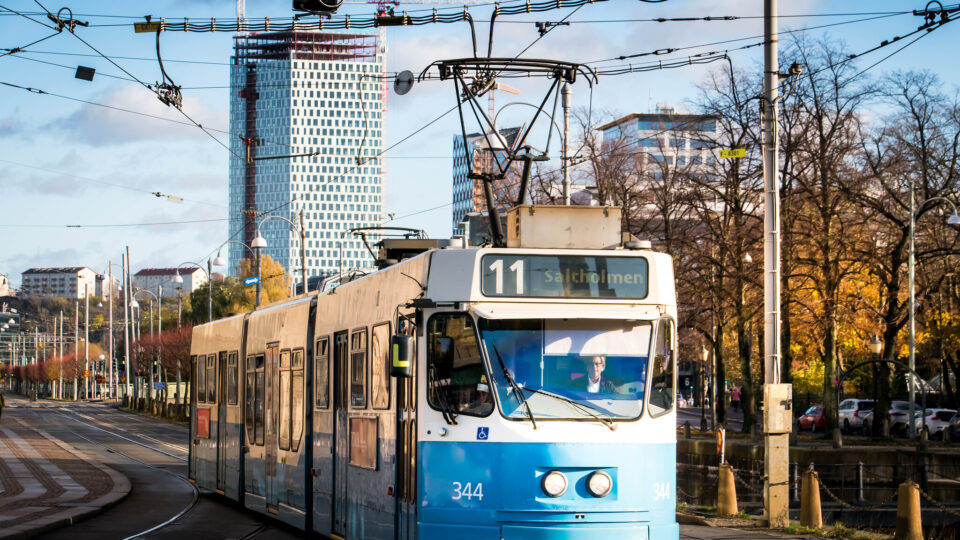
It is well known that green spaces can improve the quality of life and create a better climate in cities.  City trees and vegetation can help reduce urban heat island effects by shading buildings and roads, deflecting radiation from the sun, and releasing moisture into the atmosphere.  City trees and green spaces have also been proven to increase property values, promote wildlife and plant diversity, reduce noise pollution, and improve human health.  But how important are trees and vegetation for producing cleaner air in cities?

According to a new study led by researchers at the University of Gothenburg in Sweden, trees do contribute to cleaner air in cities, but the degree to which they do so varies greatly between different locations. 

The research team measured air pollutants across seven urban settings in the city of Gothenburg, and compared them with pollutants on the leaves of deciduous trees.  The researchers chose to focus on polycyclic aromatic hydrocarbons (PAHs), which are pollutants generated primarily during the incomplete combustion of organic materials, like coal, oil, and wood.

The results revealed that the pollutants in leaves did increase over time.  The researchers were able to show a clear correlation between the level of air pollutants and the concentration of pollutants in leaves. 

But at the same time, the researchers discovered that pollution levels varied greatly between measurement sites.  For example, the levels of PAHs were seven times higher at the most polluted site (the city’s main bus station) than they were at a location on the periphery of the city.

The research team hopes its findings will be used to help guide the planning of future urban landscapes.

**********

Web Links

Trees are important for cleaner air in cities

Photo, posted November 5, 2021, courtesy of Maria Eklind via Flickr.

Earth Wise is a production of WAMC Northeast Public Radio.

Excluding Climate Change From Infrastructure Planning | Earth Wise

January 14, 2020 By EarthWise Leave a Comment

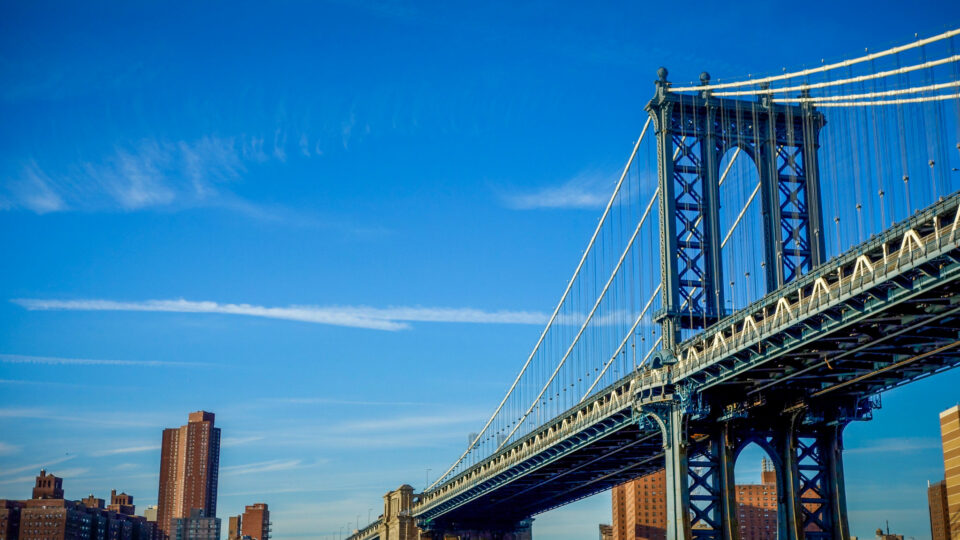
New York City bridge

According to a new Trump administration proposal, federal agencies would no longer need to take climate change into account when evaluating infrastructure projects.  The proposed changes to the 50-year-old National Environmental Policy Act (NEPA) are aimed at speeding up approvals for highway construction, pipelines, oil and gas leases, and other major infrastructure projects.   

Under NEPA, federal agencies are required to consider how their proposed actions would affect everything from water quality to wildlife to greenhouse gas emissions.  They’re also required to understand how rising seas and other consequences of climate change might affect a given project.  These requirements have proven to be an obstacle to projects like the Keystone XL pipeline, for example. 

According to reporting in the New York Times, the administration also plans to narrow the range of projects that require environmental review in the first place.  That could make it more likely for projects to be approved without having to disclose plans to do things like cut down trees, discharge waste, or increase air pollution. 

The administration says that the changes would improve the environmental review and permitting process while ensuring a safe, healthy, and productive environment. Environmentalists say the proposed changes would weaken critical safeguards for air, water, and wildlife. 

The proposed changes to NEPA would revise the rules that guide the implementation of the law, as opposed to amending the act itself.  Once these proposed changes appear in the federal register, the public will have 60 days to comment on them. 

A decision on whether or not to weaken the nation’s benchmark environmental law is expected before November.

**********

Web Links

Trump Rule Would Exclude Climate Change in Infrastructure Planning

Photo, posted February 23, 2016, courtesy of Lissy Wild via Flickr.

Earth Wise is a production of WAMC Northeast Public Radio.

The Problem Of Urban Growth

January 2, 2019 By EarthWise Leave a Comment

https://earthwiseradio.org/wp-content/uploads/2018/12/EW-01-02-19-The-Problem-of-Urban-Growth.mp3

The rapid expansion of cities around the world has accelerated in recent decades.  If current trends continue, the equivalent of a city the size of London could be created every seven weeks by the year 2050, according to a study at Texas A&M University.

[Read more…] about The Problem Of Urban Growth

Wasting Less Food

August 4, 2017 By EarthWise

https://earthwiseradio.org/wp-content/uploads/2017/07/EW-08-04-17-Wasting-Less-Food-at-Home.mp3

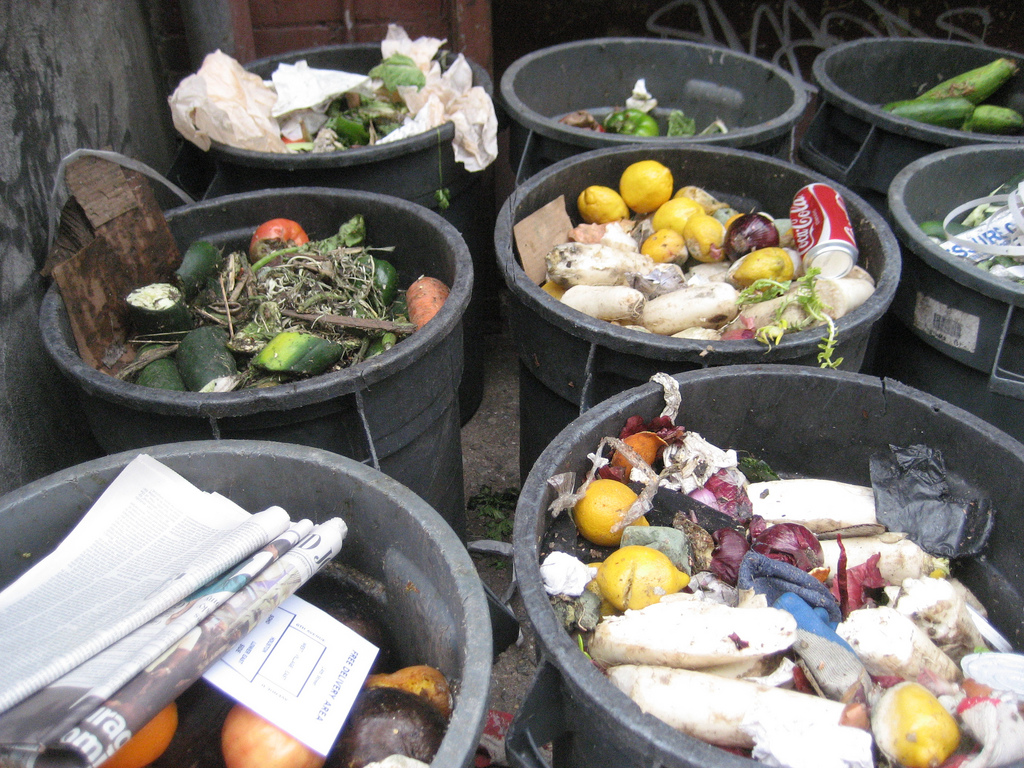
We have talked about the problem of food waste before.  About 40% of the food produced in the United States goes to waste, which is a truly shameful statistic.  According to a Business for Social Responsibility study on the subject, about 44% of the food that goes into landfills comes from homes.  About a third comes from the food service industry.

[Read more…] about Wasting Less Food

Primary Sidebar

Recent Episodes

  • An uninsurable future
  • Clean energy and jobs
  • Insect declines in remote regions
  • Fossil fuel producing nations ignoring climate goals
  • Trouble for clownfishes

WAMC Northeast Public Radio

WAMC/Northeast Public Radio is a regional public radio network serving parts of seven northeastern states (more...)

Copyright © 2026 ·