• Skip to primary navigation
  • Skip to main content
  • Skip to primary sidebar

Earth Wise

A look at our changing environment.

  • Home
  • About Earth Wise
  • Where to Listen
  • All Articles
  • Show Search
Hide Search
You are here: Home / Archives for people

people

The end of the Chevron deference

August 6, 2024 By EarthWise Leave a Comment

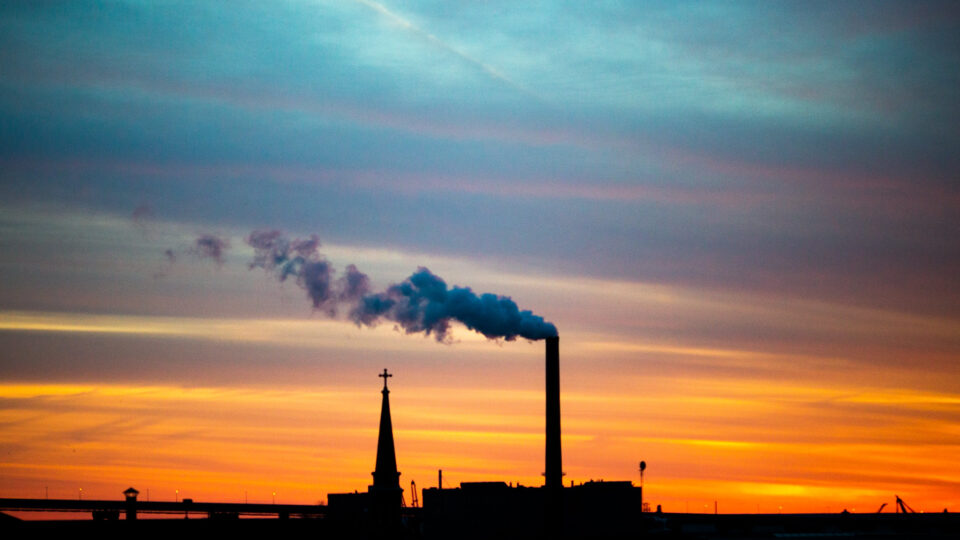
 At the end of June, the US Supreme Court upended 40 years of legal precedent in a ruling that sharply limited the regulatory authority of federal agencies.  The so-called Chevron Deference doctrine stated that when a legislative delegation to an administrative agency on a particular issue or question was not explicit but rather implicit, a court may not substitute its own interpretation of the statue for a reasonable interpretation made by the administrative agency.

Under the new ruling, courts will have more power to interpret these statutes.  Environmentalists fear that this decision could lead to hundreds of rules being weakened or even eliminated, particularly Environmental Protection Agency limits on air and water pollution, regulations on toxic chemicals, and policies to tackle climate change.

Conservative political organizations have been pushing for decades to roll back the government’s regulatory powers.  The new ruling creates a massive opportunity for environmental regulations to be challenged, considering the proliferation of increasingly activist, right-leaning courts.  In particular, climate regulations under the Clean Air Act are more susceptible to judicial reversal.  The ruling shifts the power from the agencies to the courts.

The danger of this decision is that more Americans will suffer from the worse effects of climate change, air pollution, and other environmental harms that current government regulation protect against.  Any time that the Court makes it harder for the government to regulate and easier for businesses to challenge regulations, it makes it more likely that industries will injure the public and the planet in search of profits.  This is basic economics in action.

**********

Web Links

A Seismic Supreme Court Decision

Photo, posted September 17, 2020, courtesy of Thomas Hawk via Flickr.

Earth Wise is a production of WAMC Northeast Public Radio
The slippery slopes of the ski industry

July 18, 2024 By EarthWise Leave a Comment

According to the National Oceanic and Atmospheric Administration, snowfall is declining globally as temperatures warm because of human-caused climate change.  Less snow threatens to reinforce global warming, and to disrupt food, water, and livelihoods for billions of people.   

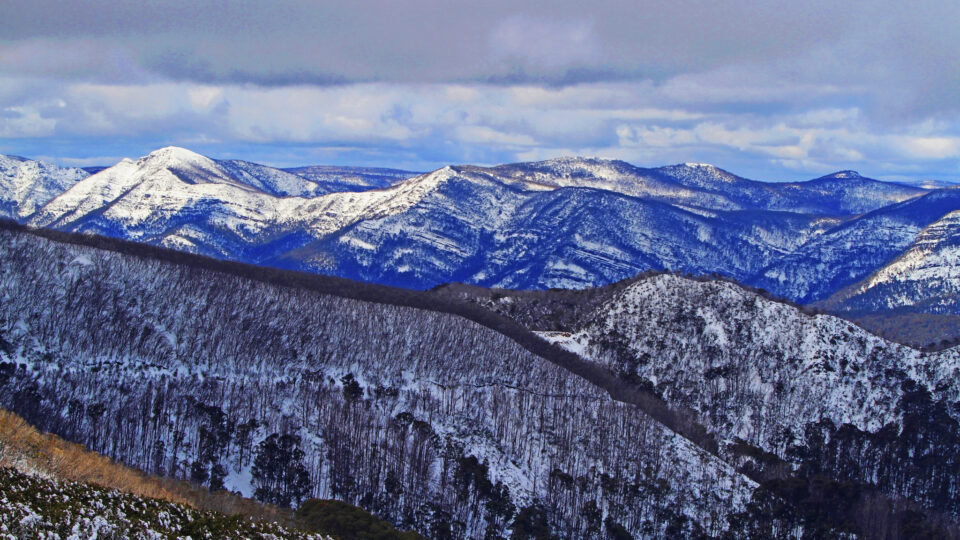
According to new modeling by researchers from Protect Our Winters Australia and The Australian National University, the ski industry in Australia is at risk of major disruptions and shorter seasons if climate change continues unabated.  The researchers found the average ski season across all resorts in Australia will be 44 days shorter by 2050 under a mid-greenhouse gas emissions scenario, and 55 days shorter under a high-emissions scenario.

But the research team also revealed that the Australian ski industry would fare significantly better if decisive action is taken to reduce climate pollution.  In fact, under a low-emissions scenario, the ski season would be 28 days shorter by 2050, before starting to improve by 2080 if emissions are kept down.

However, if decisive climate action isn’t taken, the researchers warn some ski resorts in Australia may be forced to close for good.  But this threat isn’t unique to Australia. 

In fact, according to a study recently published in the journal PLOS ONE, 13% of ski areas around the world are predicted to lose all natural snow cover under the high-emissions scenario by 2071-2100 – relative to their historic baselines. 

The future losses of ski areas around the world will be significant if global emissions continue unchecked.

**********

Web Links

Climate crisis puts Australia’s ski industry on slippery slope, but not all hope is lost

“Our Changing Snowscapes” Report Released

The future is likely less skiable, thanks to climate change

Photo, posted June 6, 2018, courtesy of Clement Tang via Flickr.

Earth Wise is a production of WAMC Northeast Public Radio

Biofuel refineries and toxic pollution

July 5, 2024 By EarthWise Leave a Comment

Toxic pollution from biofuel refineries.

There have been decades of government support for renewable, crop-based fuels – primarily corn ethanol.  In fact, it is a required component of gasoline sold in this country.  The biofuels industry has long claimed ethanol to be a clean, greener alternative to petroleum. 

There have been arguments all along that the environmental benefits of corn ethanol are dubious at best because of the energy required to produce the stuff.  There are also issues related to burning a food crop instead of feeding it to people and that the conversion of grasslands and forests to produce it releases massive amounts of carbon.

Recently, another serious concern has emerged.  A new review of industry data has found that the country’s biofuel refineries, mostly located in the Midwest, produce large amounts of toxic air pollutants, in some cases ever more than from their petroleum counterparts.

Emissions data from the country’s 275 ethanol, biodiesel, and renewable diesel plants revealed that they release carcinogenic formaldehyde as well as other potentially dangerous substances including acetaldehyde, hexane, and acrolein.  In 2022, biofuel refineries released 12.9 million pounds of hazardous air pollutants, compared to 14.9 million pounds emitted by oil refineries, and the biofuel plants actually emitted more of the four chemicals just mentioned than petroleum refineries did.

The broad use of crop ethanol is the result of intensive industry lobbying.  Ethanol plants are even exempt from some air pollution permitting requirements.  Perhaps the time has come to revisit its pervasive and mandated use.

**********

Web Links

Biofuel Refineries Are Releasing Toxic Air Pollutants in Farm Communities Across the US

Photo, posted February 27, 2021, courtesy of Sue Thompson via Flickr.

Earth Wise is a production of WAMC Northeast Public Radio
Oases and desertification

May 21, 2024 By EarthWise Leave a Comment

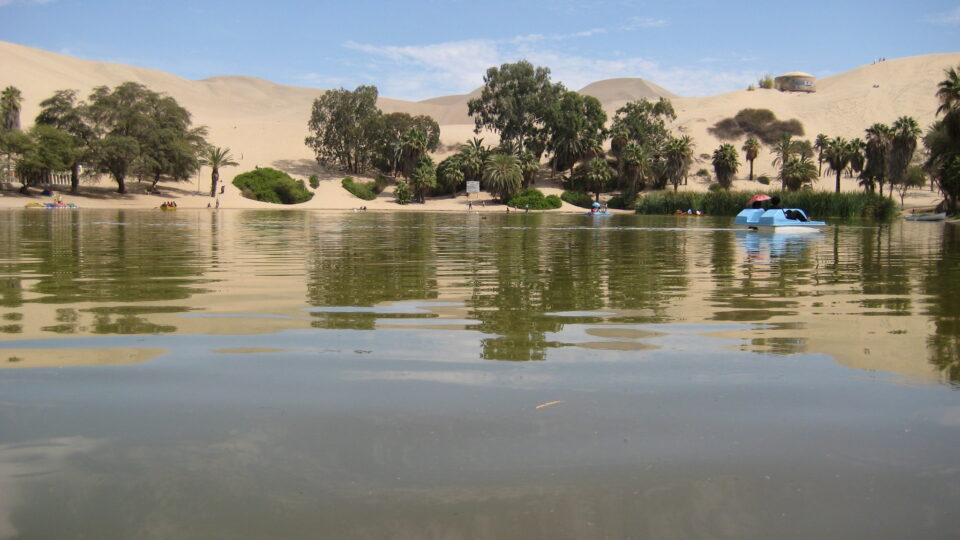
Oases are important sources of water for people, plants, and animals in the world’s desert areas.  In fact, oases sustain 10% of the world’s population despite taking up only about 1.5% of land area.  They form when groundwater flows and settles into low-lying areas or when surface meltwater flows down from nearby mountains and pools.

New research from the Chinese Academy of Sciences has found that oases added 85,000 square miles of new area from 1995 to 2020, mostly from artificial expansion projects, but over the same period lost 52,000 square miles from desertification and water scarcity.  The net gain of 33,000 square miles is not considered to be sustainable given that it was mostly due to artificial causes.  The oasis expansion projects were in Asia but losses due to desertification were also mostly in Asia.

Today, oases are found in 37 countries.  Increases in oases mostly come from people intentionally converting desert land into oases using runoff water and groundwater pumping, creating grasslands and croplands. This mostly has taken place in China.

Human over-exploitation of dwindling groundwater can limit the sustainability of oases as can the long-term loss of glaciers.

The study highlighted ways to sustain healthy oases, including suggestions for improving water resource management, promoting sustainable land use and management, and encouraging water conservation and efficient water use.  As the climate continues to change, these efforts will be increasingly important for a significant portion of the world’s population.

**********

Web Links

World’s Oases Threatened By Desertification, Even As Humans Expand Them

Photo, posted August 3, 2008, courtesy of Paul Williams via Flickr.

Earth Wise is a production of WAMC Northeast Public Radio

The Colorado River crisis

May 15, 2024 By EarthWise Leave a Comment

The Colorado River serves nearly 40 million people in seven U.S. states and Mexico.  It provides water for 5 million acres of farmland.  Increasing demand from growing populations, damming, diversion, and drought have been draining the Colorado at alarming rates.  This critical resource supports countless economies, communities, and ecologies stretching from the Rocky Mountains to the Gulf of California.  The Colorado River essentially has made the cities of Las Vegas, Los Angeles, Denver, and Phoenix possible.

How the water of the Colorado is distributed is determined by an agreement that is over 100 years old:  the Colorado River Compact.  It was made at a time when people thought there was more water than really was there.  And at the time, no one thought that the seven states would need to use the water they were allocated down to the last drop.

There have been various measures over the years to conserve water from the Colorado River, including the Colorado River Interim Guidelines in 2007.  Those guidelines will expire in 2026 and negotiations are beginning to take place among the many stakeholders scrambling for water rights.  Apart from the seven U.S. states and Mexico, there are 30 tribal nations involved.  Collaborative governance is complicated when it crosses multiple jurisdictions with their own laws and legal precedents.  The goal is to put in place a new agreement to protect the Colorado River.

Rapidly-growing populations in major cities, a 20-year megadrought, and historically low water levels in America’s two largest reservoirs have put enormous pressure on the Colorado River.  Creating a plan to protect the lifeblood of the American West is essential.

**********

Web Links

Addressing the Colorado River crisis

Photo, posted June 18, 2022, courtesy of Jeff Hollett via Flickr.

Earth Wise is a production of WAMC Northeast Public Radio
A common plant could be a valuable food source

April 4, 2024 By EarthWise Leave a Comment

A common plant could boost food security in a hungry world

A new study by researchers at Penn State University has found that a common water plant in the eastern U.S. could be a valuable green fertilizer, a feed for poultry and livestock, and even a life-saving food for people in the event of a catastrophe or disaster.

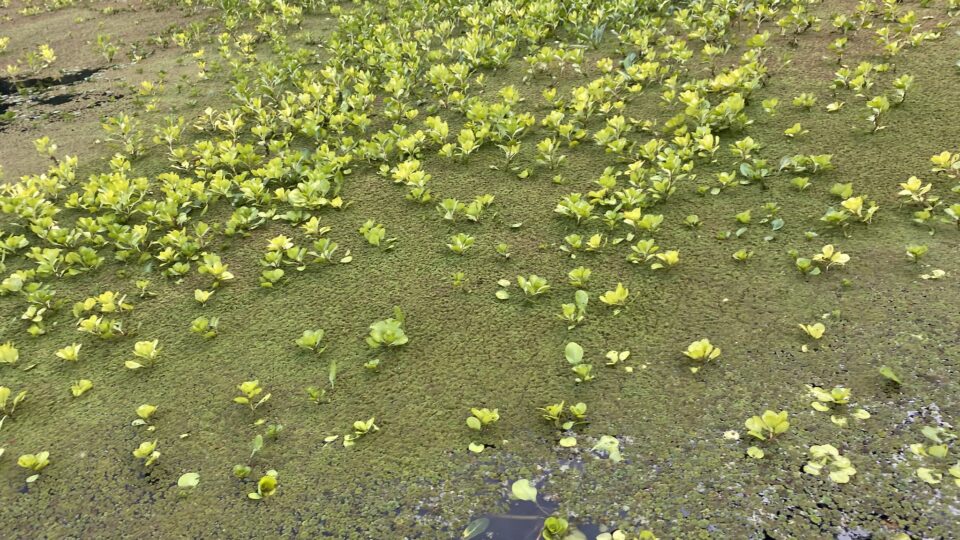
The plant is the Carolina azolla.  It is sometimes called mosquito fern, fairy moss, or water fern. It is a water plant that grows very rapidly; it can double its biomass in two days.   There are many varieties of azolla, but the Carolina strain is more digestible and nutritious for people than any of the others.

Azolla species have been used across the world for centuries as a livestock feed and as a fertilizer.  They have not been good for human consumption because of high polyphenolic content, which can be 10 times more than that of common food plants.  Polyphenols are abundant compounds in many plants and, in low concentrations, are beneficial antioxidants.  But in high concentrations they act as antinutritional agents.

It turns out that the Carolina azolla – described as having a crisp texture and neutral taste – has a polyphenolic content comparable to many fruits, nuts, and vegetables.  Furthermore, cooking significantly decreases the polyphenolic content in foods.

Carolina azolla has significant nutritional value including high mineral yields and calories,  and moderate protein content.  Whether it is used as a quick-fix in a disaster situation or as part of a long-term resilience plan, the study concludes that Carolina azolla holds excellent potential for use as a fast-growing, short-season crop that requires minimal effort to grow and process and could be used to increase food security in a hungry world.

**********

Web Links

Common plant could help reduce food insecurity, researchers find

Photo, posted October 8, 2020, courtesy of Dana L. Brown via Flickr.

Earth Wise is a production of WAMC Northeast Public Radio

Golf courses gone wild

March 18, 2024 By EarthWise Leave a Comment

Rewilding golf courses is catching on

Golf courses are a significant burden on the environment.  The US has 16,000 golf courses which use 1.5 billion gallons of water a day and are treated with 100,000 tons of nitrogen, phosphorus, and potassium each year.  In recent years, the golf industry has taken steps to lighten its environmental toll by using less water, introducing pollinator-friendly plants, and decreasing pesticide and fertilizer use.  The US has more golf courses than any other country, accounting for 42% of all courses worldwide.

There is really an oversupply of golf courses and, as a result, more golf courses have closed than have opened since 2006.  Most closed golf courses end up in the hands of commercial or residential developers, but some of them are allowed to return to nature.

For this to happen, there has to be a willing seller and, more importantly, a conservation-minded buyer who can afford both to purchase the land and to restore it to a natural state.  There have been 28 former golf courses transformed into public green spaces between 2010 and the end of 2022.  But that number seems to be growing.

In 2023, the former Cedar View Golf Course on the eastern shore of Cayuga Lake in upstate New York was bought by the Finger Lakes Land Trust.  In California, places like Santa Barbara, Marin County, and even Palm Springs have all undertaken the transformation of former golf courses into public parklands.

Rewilding a golf course is undoubtedly a disappointment to local golfers, but it can bring big benefits to animals, plants, and people. 

**********

Web Links

After Shutting Down, These Golf Courses Went Wild

Photo, posted October 19, 2016, courtesy of Cabo Girao via Flickr.

Earth Wise is a production of WAMC Northeast Public Radio
Global groundwater depletion

March 4, 2024 By EarthWise Leave a Comment

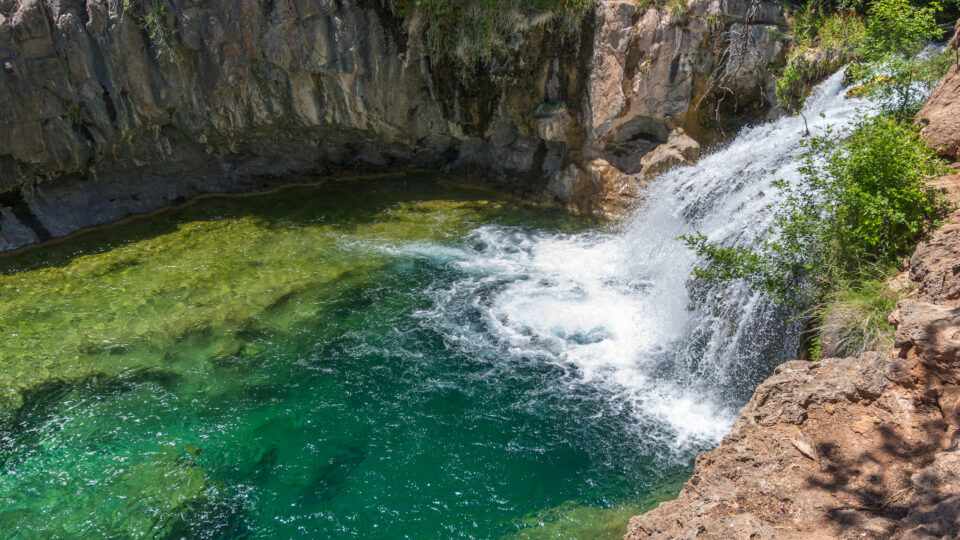
Groundwater is found underground in aquifers and it bubbles up naturally into springs, streams, and rivers.  It’s also often pumped out for use by people. 

Researchers from UC Santa Barbara have conducted the largest assessment of groundwater levels across the globe, spanning 170,000 wells and nearly 1,700 aquifers across more than 40 countries. The team compiled and analyzed data, including 300 million water level measurements taken over the past 100 years.

In the study, which was recently published in the journal Nature, the researchers found that groundwater is rapidly declining across the globe, often at accelerating rates.  In fact, they found that groundwater is dropping in 71% of the aquifers studied.  The rates of groundwater decline observed in the 1980s and ’90s sped up from 2000 to the present, highlighting how a bad problem became even worse. 

But there are some reasons to be optimistic.  That’s because in 16% of the aquifers studied, the researchers found that the rate at which groundwater levels are falling in the 21st century had slowed down compared to the 1980s and ‘90s.  The research team highlighted specific success stories in Thailand, Arizona, and New Mexico, where groundwater has begun to recover after interventions to better regulate water use or redirect water to replenish depleted aquifers.

While groundwater depletion isn’t inevitable, the researchers stress that aquifer recovery will require interventions.  They hope this study will help scientists, policy makers, and resource managers better understand the global dynamics of groundwater. 

**********

Web Links

Global groundwater depletion is accelerating, but is not inevitable

Photo, posted October 4, 2016, courtesy of Deborah Lee Soltesz / Coconino National Forest via Flickr.

Earth Wise is a production of WAMC Northeast Public Radio

Bio-based products on the rise

January 30, 2024 By EarthWise Leave a Comment

There is a growing global movement working towards replacing conventional synthetic products – ones that are toxic to make or use, difficult to recycle, and have large carbon footprints – with products made from plants, trees, or fungi that can be safely returned to the earth at the end of their useful life.  This so-called bioeconomy is in its infant stages, but there is increasing interest in turning successful research into manufactured products.

One example is nylon.  Nylon was created in the 1930s by DuPont.  It has been used and continues to be used in a wide range of products.  The problem with it is that it is made from petroleum, it doesn’t biodegrade, and producing it generates nitrous oxide, which is a problematic greenhouse gas.

A San Diego-based company called Genomatica has developed a plant-based nylon using biosynthesis, a process in which a genetically engineered microorganism ferments plant sugars to create a chemical intermediate that can be turned into the nylon-6 polymer, and then into textiles. 

The impetus for developing bio-based products includes the growing public disgust at the mounting environmental toll of plastic, not the least of which is that people and animals are increasingly ingesting it.  Coupled with this, there is a rapidly-growing torrent of funding, especially in the US and Europe, aimed at accelerating the transition away from products that are non-biodegradable, toxic, and that produce carbon emissions.   Last September saw the launch of the National Biotechnology and Biomanufacturing Initiative which will support research and development on such topics as the use of sustainable biomass and waste resources to make non-toxic, bio-based fuels, chemicals, and fertilizers.

**********

Web Links

From Lab to Market: Bio-Based Products Are Gaining Momentum

Photo, posted May 27, 2010, courtesy of André C via Flickr.

Earth Wise is a production of WAMC Northeast Public Radio

Tracking down PFAS toxins

December 5, 2023 By EarthWise Leave a Comment

PFAS – per- and polyfluoralkyl substances – are a group of organic compounds that have been extensively used to provide water-, oil-, and dirt-resistance to a wide range of products ranging from non-stick pans, clothing, and packaging to paint, car polish, and fire-suppressant foam.  Exposure to specific PFAS compounds is associated with multiple adverse health effects, including altered immune and thyroid function, liver disease, kidney disease, poor reproductive and developmental outcomes, and cancer.  PFAS compounds do not break down in the environment and therefore, over time, become concentrated in plants, animals, and people.

Government agencies such as the EPA in this country and the EU have set strict limits for allowable levels of PFAS in drinking water.  Testing water for the trace amounts of PFAS that constitute the limits is time-consuming and expensive and requires complex equipment and experienced personnel.

Researchers at MIT have now introduced a technique for making a portable, inexpensive test that can easily and selectively detect PFAS in water samples.  The test makes use of a special polymer containing fluorinated dye molecules that cause the polymer to fluoresce red.  If PFAS are present in the sample, they enter the polymer and displace the dye molecules and switches off the red fluorescence. 

The new technique is suitable for on-site detection in highly contaminated regions.  Detecting smaller concentrations can be achieved with sufficient precision after pre-concentrating the samples using the process of solid-phase extraction.

**********

Web Links

Tracking down Environmental Toxins

Photo, posted October 16, 2021, courtesy of Nenad Stojkovic via Flickr.

Earth Wise is a production of WAMC Northeast Public Radio
Too hot for people

November 22, 2023 By EarthWise Leave a Comment

Climate change may make some regions too hot for people

The effort to mitigate the effects of climate change has a goal of keeping the global temperature increase below 1.5 degrees Celsius above preindustrial levels.  To date, the average global temperature has increased by more than 1 degree.  We hear about rising sea levels, powerful storms, and various other alterations in climate and weather patterns.  A new interdisciplinary study by three institutions looked at the impact of surpassing the 1.5-degree level upon people being able to withstand heat and humidity.

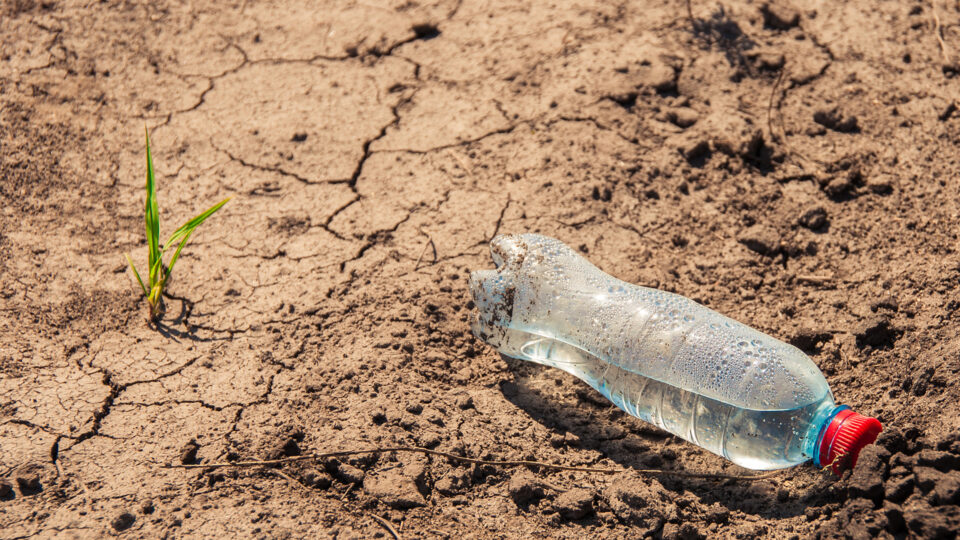
Humans can only withstand certain combinations of heat and humidity before their bodies begin to experience heat-related health problems such as heat stroke and heart attacks. 

In human history, temperatures and humidity that exceed human limits have been recorded only a limited number of times and only for a few hours at a time, in the Middle East and Southeast Asia.

According to the new study, if global temperatures increase by 2 degrees Celsius above preindustrial levels, the 2.2 billion residents of Pakistan and India’s Indus River Valley, the one billion people living in eastern China, and the 800 million residents of sub-Saharan Africa will annually experience many hours of heat surpassing human tolerance.

If the warming continues further to 3 degrees, heat and humidity levels that surpass human tolerance would affect the Eastern Seaboard and the middle of the US from Florida to New York and from Houston to Chicago.

The worst heat stress will occur in regions that are not wealthy and that are experiencing rapid population growth.  But even wealthy nations will not escape from the expansion of conditions that are too hot for people.

**********

Web Links

Climate-driven extreme heat may make parts of Earth too hot for humans

Photo, posted June 28, 2018, courtesy of Ivan via Flickr.

Earth Wise is a production of WAMC Northeast Public Radio
Cutting Deforestation | Earth Wise

August 10, 2023 By EarthWise Leave a Comment

Reducing deforestation

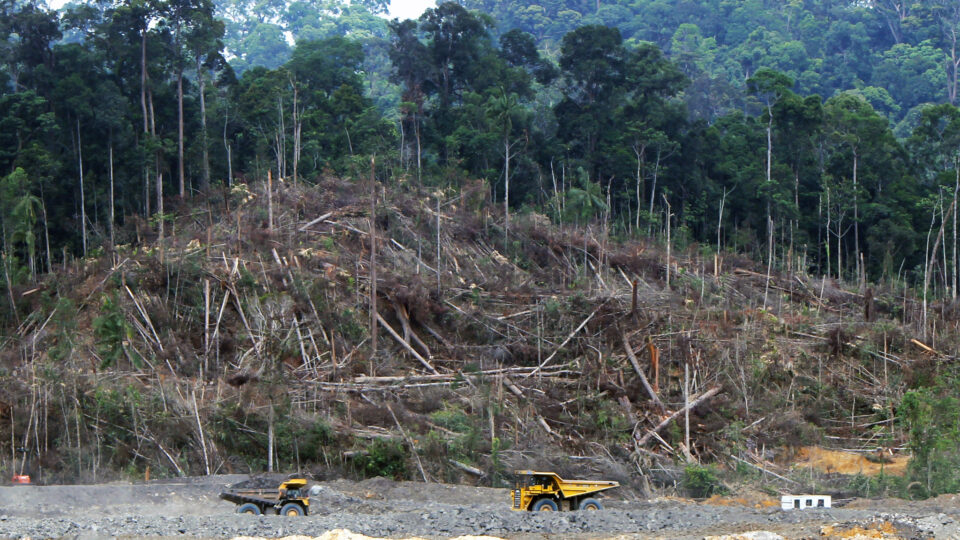
Deforestation is a major contributor to climate change because the destruction of tropical rainforests worldwide eliminates a crucial natural sink for carbon.  Between 2015 and 2020, roughly 39,000 square miles of forest were cut down, an area about 70% the size of the entire state of New York.  In many places, such as the Amazon and Congo Basins, deforestation continues to accelerate.  In Bolivia, deforestation rose 59% over the past five years; in Ghana, the rise was 71%.

A new report from the World Resources Institute revealed one bright spot in the deforestation story:  both Indonesia and Malaysia have cut deforestation by more than half in recent years.  The two countries have managed to keep rates of primary forest loss to near record-low levels.

Over the past five years, Indonesia saw a 64% decline and Malaysia a 57% decline in deforestation.  Indonesia is the second largest source of deforestation with only Brazil removing more trees.

Indonesia has a national goal of having its forests absorb more carbon than they release by 2030.  They have moved to curb logging and limit the clearing of land for palm oil plantations.  They have also ramped up efforts to suppress forest fires.

It is good that Indonesia and Malaysia and some other countries have shown progress in reducing forest loss.  However, too many other countries have seen continued activities and policies that are causing acceleration of deforestation in critical areas.  Protecting forests is an important part of the effort to mitigate the effects of climate change.  Preserving forests also is essential for protecting the people and the biodiversity that depend on them.

**********

Web Links

Indonesia, Malaysia Have Cut Deforestation in Half in Last Half-Decade

Photo, posted March 22, 2021, courtesy EPJT Tours via of Flickr.

Earth Wise is a production of WAMC Northeast Public Radio
Solar Power And Water | Earth Wise

August 8, 2023 By EarthWise Leave a Comment

Solar power and water conservation in California

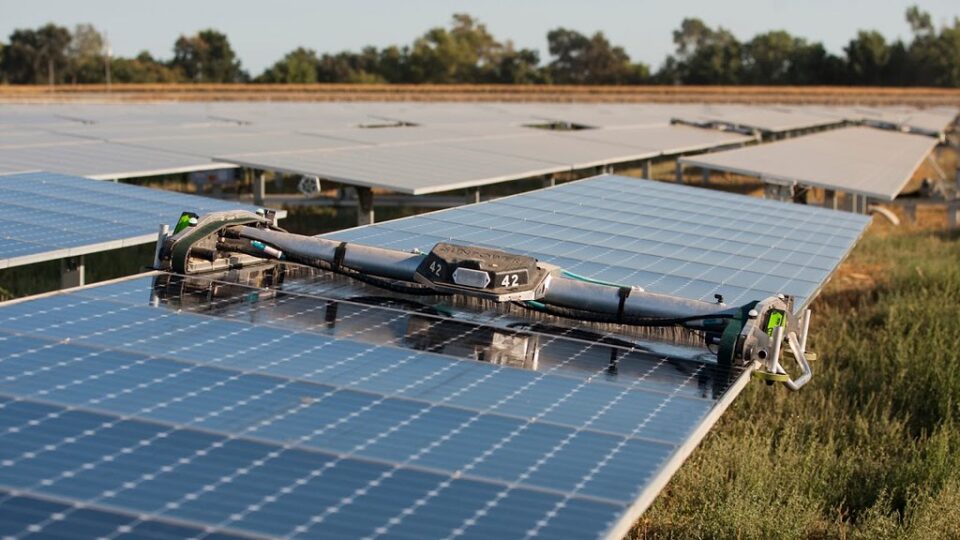
Solar power is a prime example of clean energy, but it does not come without complications and potential problems.  One problem that has arisen in the Californian desert is the effect on scarce water supplies.  Solar farms don’t use up water when they are operating but they consume it when they are being built.

One of the densest areas of solar development in North America is in a corridor along Interstate 10 near Palm Springs, California.  Multiple utility-scale solar projects are underway near the small town of Desert Center.  The projects are being built on public land overseen by the Department of Interior’s Bureau of Land Management.  The location is ideal for solar power projects:  endless sunshine, nearby transmission lines to distribute power, and a major highway for easy transportation of construction materials.

The problem is that during construction of the solar farms, the law requires developers to reduce the amount of dust being generated that can otherwise spread health problems like Valley Fever.  Preventing dust from flying requires water and lots of it.

The water comes from groundwater and building the solar farms is drying up local wells and emptying the aquifer that is part of the Chuckwalla Valley Groundwater Basin.  For the people who live in Desert Center and adjacent areas, this is a serious problem. It is also a problem for the desert ecosystem that supports palo verde and ironwood trees as well as endangered desert tortoises.

This isn’t an easy problem to solve. Seven approved new utility-scale solar projects in the area will provide enough electricity to power 2 million homes. But having enough water to build those projects won’t be easy.

**********

Web Links

Solar Is Booming in the California Desert, if Water Issues Don’t Get in the Way

Photo, posted October 16, 2017, courtesy of UC Davis College of Engineering via Flickr.

Earth Wise is a production of WAMC Northeast Public Radio

Large Lakes In Decline | Earth Wise

June 27, 2023 By EarthWise Leave a Comment

More than half of the world's largest lakes are shrinking

Globally, freshwater lakes and reservoirs hold 87% of the planet’s liquid freshwater, making them a valuable resource for both people and wildlife.  Despite their value, the long-term trends and changes to water levels of lakes have been largely unknown – until now.

According to a new assessment recently published in the journal Science, more than half of the largest lakes around the world are losing water.  Using satellite observations and climate data, the research team created a technique to measure changes in water levels in nearly 2,000 of the world’s biggest lakes and reservoirs, representing 95% of the total lake water storage on Earth.

The results are staggering.  According to the findings, 53% of Earth’s largest lakes and reservoirs now store significantly less water than they did in 1992.  The total amount of water lost is estimated to be 144.5 cubic miles, which is equivalent to the volume of 17 Lake Meads (the largest reservoir in the U.S.). 

Unsurprisingly, climate warming and human consumption were the main drivers of water loss from lakes, whereas sedimentation — the buildup of debris — was the biggest driver of water loss in reservoirs.  Roughly one-quarter of the world’s population – two billion people – live in the basin of a drying lake, indicating the urgent need for sustainable water resources management.

But the news is not entirely bleak.  According to the research team, the new method of tracking lake water storage trends can give water managers and communities insight into how to better protect this critical resource. 

**********

Web Links

Satellites reveal widespread decline in global lake water storage

Photo, posted February 10, 2010, courtesy of Ninara via Flickr.

Earth Wise is a production of WAMC Northeast Public Radio
Ocean Oxygen Levels And The Future Of Fish | Earth Wise

June 23, 2023 By EarthWise Leave a Comment

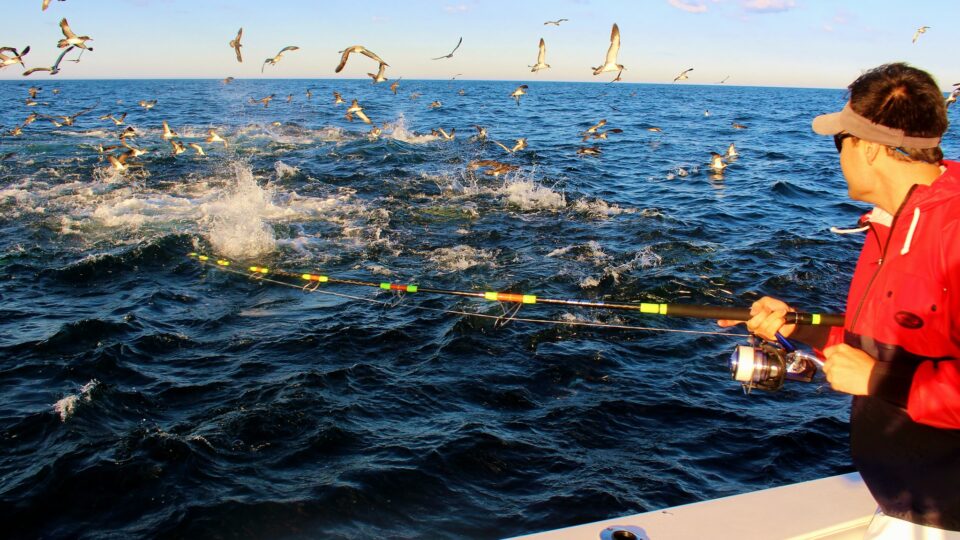
How oxygen levels in the ocean will impact the future of fish

Climate change is creating a cascade of effects in the world’s oceans.  Not only are ocean temperatures on the rise, but oceans are becoming more acidic, and oxygen deprived.  The warming temperatures and acidification have grabbed headlines and prompted academic research. Declining oxygen levels have not garnered as much attention.  But they spell bad news for fish.

Oxygen levels in the world’s oceans have dropped over 2% between 1960 and 2010 and are expected to decline up to 7% over the next century.  There are places in the northeast Pacific that have lost more than 15% of their oxygen.  There are a growing number of “oxygen minimum zones” where big fish cannot survive but jellyfish can.

Oceans are losing oxygen for several reasons.  First, warmer water can hold less dissolved gas than colder water.  (This is why warm soda is flatter than cold soda.)  Deeper in the ocean, oxygen levels are governed by currents that mix oxygen-rich surface water from above.  Melting ice in the warming polar regions add fresh, less-dense water that resists downward mixing in key regions.  Finally, increasing amounts of ocean bacteria in warming waters gobble up oxygen creating dead zones in the ocean.

In many places, fish species that cannot cope with lower oxygen levels are migrating from their usual homes, resulting in a decline in species diversity.  Our future oceans – warmer and oxygen-deprived – will not only hold fewer kinds of fish, but also smaller fish and even more greenhouse-gas producing bacteria.   

Climate change is bad news for fish and for the more than 3 billion people in the world who depend on seafood as a significant source of protein.

**********

Web Links

As Ocean Oxygen Levels Dip, Fish Face an Uncertain Future

Photo, posted January 10, 2022, courtesy of Willy Goldsmith via Flickr.

Earth Wise is a production of WAMC Northeast Public Radio
Counting Trees | Earth Wise

April 11, 2023 By EarthWise Leave a Comment

Researchers have developed a new method for counting trees

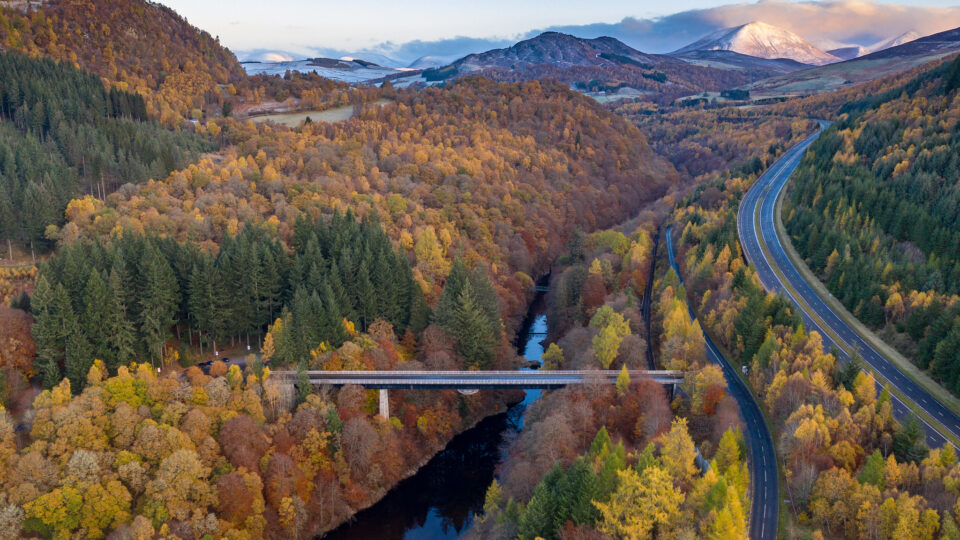
Scientists estimate that there are about 3 trillion trees on the earth.  A huge number but probably half as many as there were before people entered the picture.  And we’re losing about 10 billion trees a year to toilet paper, timber, farmland expansion, and other human activity.  Trees play a crucial role in taking carbon dioxide out of the atmosphere and storing it away.  For this reason, trees have become an integral part of the effort to mitigate climate change.

There are major initiatives underway around the world to plant more trees.  Part of this is driven by the increasing use of carbon credits by companies trying to offset their carbon emissions.   These credits are earned by either planting new trees or paying farmers or other landowners not to cut down existing trees.  But how many trees are actually planted and how many survive over time?

Whether these efforts are really resulting in more trees and more carbon storage is not easy to determine.  Current international inventories of global tree-sequestered carbon are subject to great uncertainty.

Researchers from the University of Copenhagen and NASA have developed a method for mapping large numbers of trees and determining their carbon content.  Using artificial intelligence techniques to analyze ultra-high-resolution satellite images, they can count trees, determine their individual species, and measure their carbon content.

A study of images from Africa’s Sahel region found that it is home to nearly 10 billion trees that are currently storing 840 million tons of carbon.

Now that the groundwork for this new methodology is complete, it is ready to be deployed by public agencies, NGOs, and other interested in monitoring the numbers of trees and their carbon content.

**********

Web Links

The counting of nine billion trees could help manage climate credits and nature restoration

Photo, posted October 27, 2018, courtesy of Ian Dick via Flickr.

Earth Wise is a production of WAMC Northeast Public Radio
Dangers Of Melting Glaciers | Earth Wise

March 31, 2023 By EarthWise Leave a Comment

The dangers posed by melting glaciers

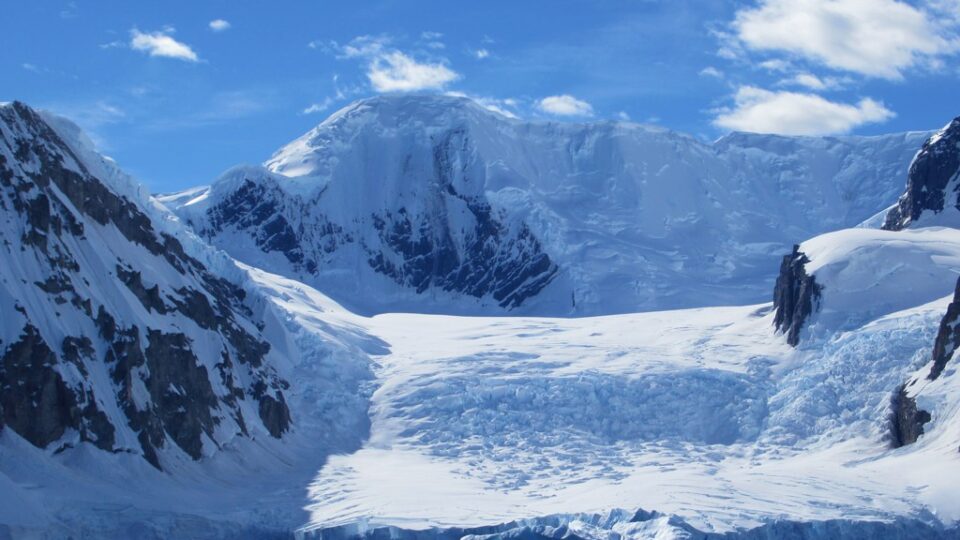
Some of most dramatic evidence that the Earth’s climate is warming is the retreat and even disappearance of mountain glaciers around the world.  2022 was the 35th year in a row that glaciers tracked by the World Glacier Monitoring Service lost rather than gained ice.  Glaciers gain mass through snowfall and lose mass through melting and sublimation (water evaporating directly from solid ice.)  Some glaciers that terminate in lakes or the ocean lose mass through iceberg calving.

In the warming climate, glaciers retreat and meltwater collects at the front of the glacier forming a lake.  Such lakes can suddenly burst and create a fast-flowing Glacier Lake Outburst Flood that can spread over a large distance from the original site – in some cases over 70 miles.  These floods can damage property, infrastructure, and agricultural land and can also be deadly.

The number of glacial lakes has grown rapidly since 1990 as a result of climate change.  According to research by an international team of scientists led by Newcastle University in the UK, the number of people living in glacial lake catchments has increased significantly.

According to the study, 15 million people live within 30 miles of a glacial lake.  The highest danger is in High Mountain Asia – which encompasses the Tibetan Plateau.  That area, which spans from Kyrgyzstan to parts of China, has 9.3 million people potentially at risk.  India and Pakistan have around 5 million exposed people.

Detailed analysis shows that it is not the areas with the largest number or most rapidly growing lakes that are most dangerous.  It is the number of people in proximity to the lakes and their ability to cope with potential floods.

**********

Web Links

Glacial flooding threatens millions globally

Photo, posted February 12, 2022, courtesy of David Stanley via Flickr.

Earth Wise is a production of WAMC Northeast Public Radio
It Really Is Greenhouse Gases | Earth Wise

December 26, 2022 By EarthWise Leave a Comment

The scientific consensus that human-generated carbon dioxide is changing the climate began to form in the 1980s. 

For a long time, the changes to the climate were simply denied.  After a while, as those changes became increasingly hard to ignore, the argument shifted to the changes being real but not caused by anything people are doing.  The multi-trillion-dollar fossil fuel industry was strongly motivated to focus attention away from the association between carbon dioxide and climate change.

The greenhouse gas effect has been known since the 19th century.  It isn’t just real; it is essential to life on earth.  Without sufficient levels of carbon dioxide in the atmosphere to trap some of the sun’s heat, the earth would be an ice planet incapable of supporting much in the way of life.  But there can be too much of a good thing.

Naysayers continue to grasp at alternative explanations for the warming planet rather than the inconvenient truth.  Some people try to claim that it is the release of heat from all our energy-generating activities -power plants, heaters and air conditioners, vehicles, and so on – that is warming the planet.

That issue has been studied in detail.  Human activity does generate a lot of heat and, technically speaking, that heat does help warm the planet.  However, the sun dumps 10,000 times more heat on the earth than all of human energy production added together.  Just the normal fluctuations in solar energy are 10 times larger than everything we do put together.

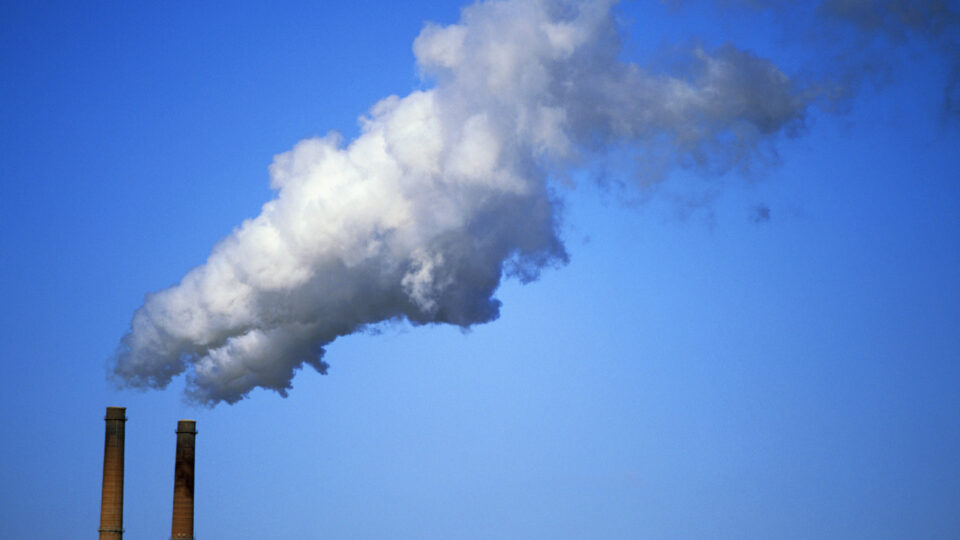
What is increasingly warming the planet is not the continuing energy striking the earth; it is primarily the fact that growing levels of greenhouse gases in the atmosphere are trapping more and more of that heat and preventing it from escaping into space.

***********

Web Links

Integrating anthropogenic heat flux with global climate models

Photo, posted August 25, 2009, courtesy of Gerald Simmons via Flickr.

Earth Wise is a production of WAMC Northeast Public Radio
Perennial Rice | Earth Wise

December 9, 2022 By EarthWise Leave a Comment

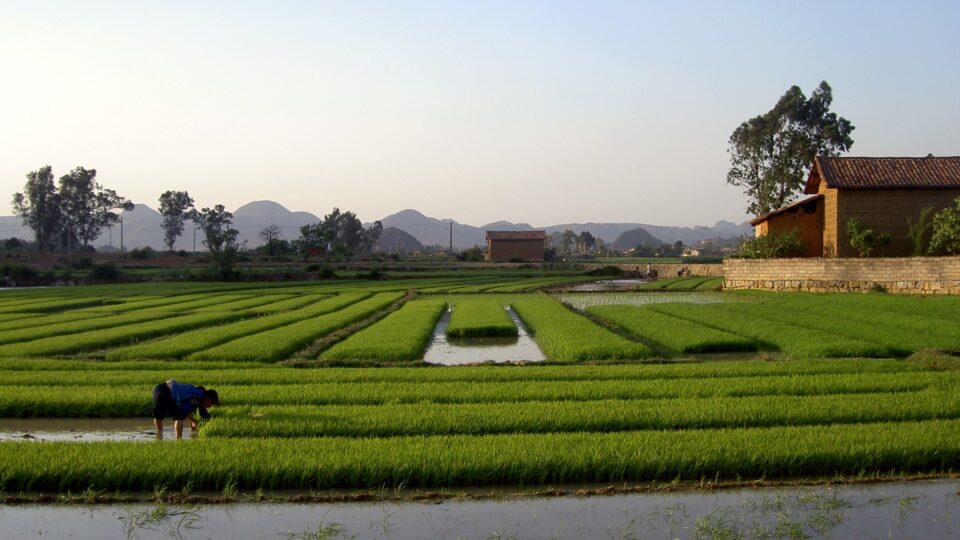
People have been cultivating rice for more than 9,000 years.  Cultivated rice is an annual crop which is often extended to two crops a year by a process called ratooning, which is cutting back annual rice to obtain a second, weaker harvest.

An extensive project involving multiple institutions in China, the U.S., and Australia has been developing perennial rice.  The researchers developed it through hybridization, crossing a type of Asian domesticated annual rice with a wild perennial rice from Africa.  Using modern genetic tools to identify candidate plants, the team identified a promising hybrid in 2007, planted large-scale field experiments in 2016, and released the first commercial perennial rice variety, called PR23, in 2018.

The researchers spent five years studying the performance of the perennial rice alongside annual rice on farms in China’s Yunnan Province.  For the most part, the yield of the perennial rice was equivalent to that of annual rice over a period of four years. 

Because farmers don’t have to plant rice each season, growing perennial rice requires almost 60% less labor and saves nearly half the costs of seed, fertilizer, and other inputs.

Perennial rice is already changing the lives of more than 55,000 smallholder farmers in southern China and Uganda.  The economic benefits vary by location, but overall profit increases ranged from 17% to 161% over annual rice.

There are already three perennial rice varieties available to farmers, but researchers aren’t done refining the crop.  They plan to use their methodology to enhance traits such as aroma, disease resistance, and drought tolerance to newer versions.

**********

Web Links

Farmers in China, Uganda move to high-yielding, cost-saving perennial rice

Photo, posted February 25, 2002, courtesy of Matthieu Lelievre via Flickr.

Earth Wise is a production of WAMC Northeast Public Radio
Mosquito Magnets | Earth Wise

November 30, 2022 By EarthWise Leave a Comment

Some people are mosquito magnets

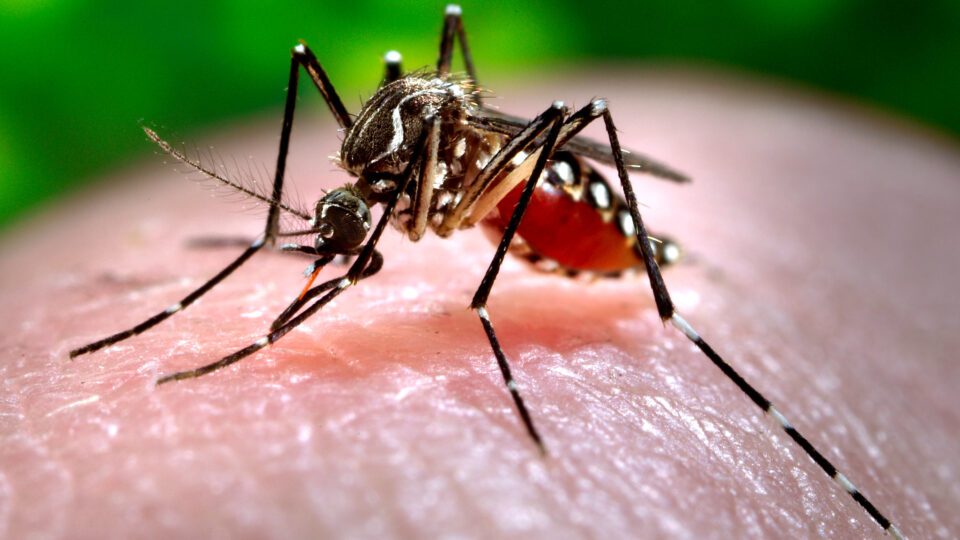
We’ve all probably had the experience of being in the great outdoors with other people and having some of them being nearly devoured by mosquitoes while others didn’t get bitten at all.  It seemed like some people are mosquito magnets while others just aren’t the insects’ cup of tea, so to speak.

There have been various theories proposed over the years including such things as it being a question of blood type, or it having to do with how close one’s blood vessels are to their skin surface.

A new study by the Howard Hughes Medical Institute and the Rockefeller University has uncovered what appears to be the real explanation.  According to the paper published in the journal Cell, certain body odors are the deciding factor.  Every person has a unique scent profile associated with different chemicals present on their skin.  The researchers found that people whose skin produces high levels of carboxylic acids are the most attractive to mosquitos.

The researchers collected scent samples from participants by having them wear silk stockings on their arms for six hours.  The nylons were then cut into pieces and the pieces exposed to mosquitos.  After several months of head-to-head battles between various nylon samples, the study clearly demonstrated that the samples from subjects with higher levels of carboxylic acids in the skin were far more attractive to mosquitos.

Humans produce the substance at much higher levels than other animals.  There is little one can do about their own levels.  Changing one’s diet or what soap they use doesn’t seem to make a difference. 

Perhaps researchers can come up with some method of breaking down carboxylic acids in the skin in the future.  Until such time, there are really people who are mosquito magnets.

**********

Web Links

Some People Really Are Mosquito Magnets, and They’re Stuck That Way

Photo, posted September 4, 2014, courtesy of James Gathany / Centers for Disease Control via Flickr.

Earth Wise is a production of WAMC Northeast Public Radio

  • « Go to Previous Page
  • Page 1
  • Page 2
  • Page 3
  • Page 4
  • Page 5
  • Go to Next Page »

Primary Sidebar

Recent Episodes

  • An uninsurable future
  • Clean energy and jobs
  • Insect declines in remote regions
  • Fossil fuel producing nations ignoring climate goals
  • Trouble for clownfishes

WAMC Northeast Public Radio

WAMC/Northeast Public Radio is a regional public radio network serving parts of seven northeastern states (more...)

Copyright © 2026 ·