• Skip to primary navigation
  • Skip to main content
  • Skip to primary sidebar

Earth Wise

A look at our changing environment.

  • Home
  • About Earth Wise
  • Where to Listen
  • All Articles
  • Show Search
Hide Search
You are here: Home / Archives for particulate matter

particulate matter

Megafires and orchard health

November 1, 2024 By EarthWise Leave a Comment

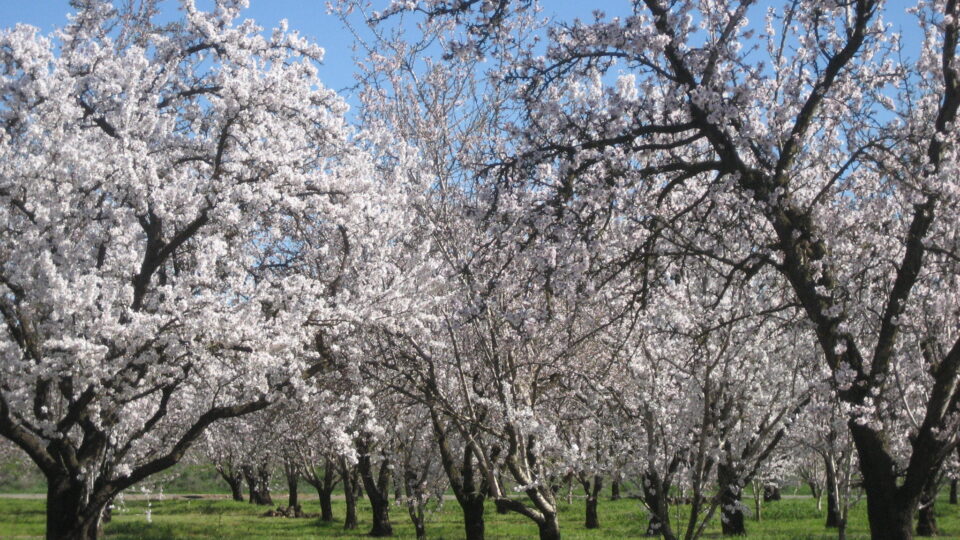
The frequent and massive megafires in places like Canada and the American west have led to a lot of research on the impact of smoke on humans but there has been less study of the effects of smoke on plant health.  Researchers at the University of California, Davis have found that trees are just as vulnerable as humans are to the harmful effects of long-term exposure to smoke.

The Davis researchers studied almond, pistachio, and walnut trees at 467 orchard sites in California’s Central Valley from 2018 to 2022.  In 2022, so-called megafires burned more than 4.2 million acres in California, pouring ash and smoke into the sky.  The researchers had been studying how trees store carbohydrates to cope with heat and drought. 

With the onset of the fires, they saw an opportunity to study how smoke affects carbohydrate levels.  Trees use stored carbohydrates to sustain them through winter dormancy and spring growth.  Trees produce carbohydrates via photosynthesis and thick smoke blocks the amount of light reaching the trees.  Beyond that, there are other aspects of wildfire smoke, such as particulate matter and ozone that appear to affect photosynthesis.

The team found that the smoke not only reduced the amount of carbohydrates in trees but also caused losses that continued even after the fires were extinguished.  This led to nut yield decreases of 15% up to 50% in some orchards.  The researchers expected to see some impact on the trees during periods when smoke was really dense but were not expecting the smoke to have such a lingering effect and result in a significant drop in yield.

**********

Web Links

Smoke From Megafires Puts Orchard Trees at Risk

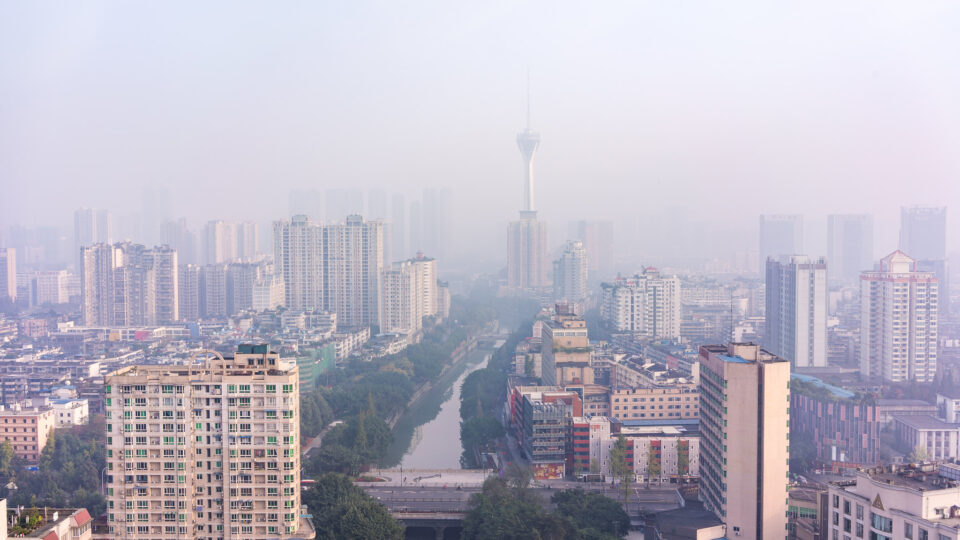
Photo, posted October 1, 2008, courtesy of Suzi Rosenberg via Flickr.

Earth Wise is a production of WAMC Northeast Public Radio
Pollution in downwind states

August 26, 2024 By EarthWise Leave a Comment

Pollution in downwind states

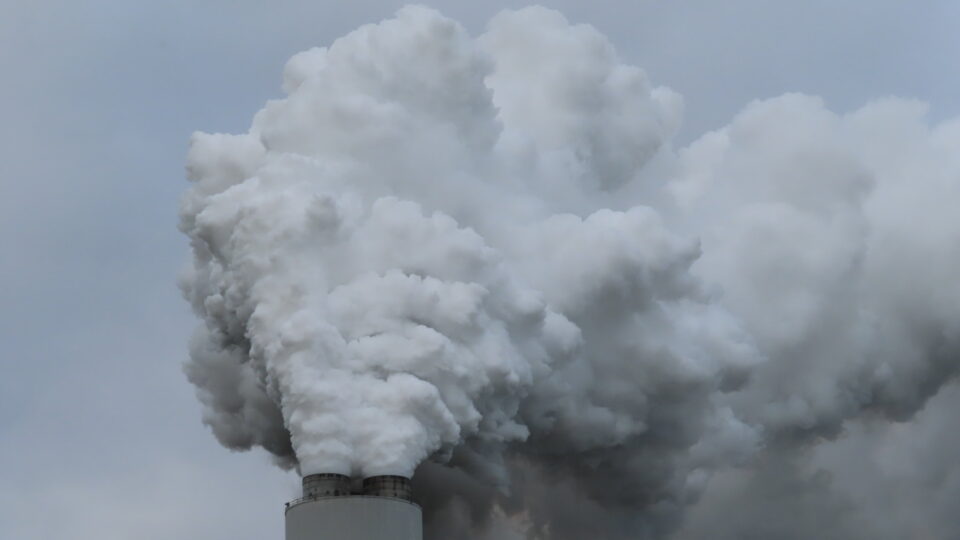
Air pollution is a serious health threat.  It is associated with asthma and can lead to chronic disease, cancer, and premature death.  Globally, air pollution kills 7 to 9 million people, and 200,000 Americans die from it each year.

There are multiple sources of air pollution including automobiles, power plants, and other industrial activities.  Exposure to pollutants such as nitrogen oxide, sulfur dioxide, and particulate matter does not require living or working near their sources.  Winds can carry pollution great distances including across state lines.  

The Clean Air Act included the EPA’s “Good Neighbor Plan”, which requires “upwind” states to implement plans to reduce emissions from power plants and other industrial sources.  However, three states – Indiana, Ohio, and West Virginia – along with various industrial companies and trade organizations sued the EPA when it tried to enforce these plans.  A recent Supreme Court decision to block a federal rule curbing interstate air pollution further complicates efforts to reduce emissions.

As a result, there is a disproportionate burden on downwind states.  They face major challenges in demonstrating and attributing air pollution to sources across state lines and pursuing legal actions to get the EPA to address their problems.

A recent study by the University of Notre Dame looking at all the complex issues related to interstate pollution underscored how the regulatory system continues to be hamstrung when attempting to address a serious threat to human health and the environment.

**********

Web Links

Downwind states face disproportionate burden of air pollution

Photo, posted February 19, 2021, courtesy of David Wilson via Flickr.

Earth Wise is a production of WAMC Northeast Public Radio

Air Pollution And Insects | Earth Wise

September 7, 2023 By EarthWise Leave a Comment

Air pollution may be causing global decline in insects

Insects can be found in every environment on Earth and play critical roles in the planet’s ecosystems.  Insects pollinate more than 80% of plants, including those that we eat and those that provide food and habitat for other species.  Without insects, we wouldn’t have the rich biodiversity that supports life on earth today.

But the world is experiencing a decline in overall insect populations as well as a collapse in insect diversity.  According to researchers from the University of Melbourne in Australia, Beijing Forestry University in China, and the University of California – Davis, air pollution particles may be the cause of the dramatic decline.  They found that an insect’s ability to find food and a mate is reduced when their antennae are contaminated by particulate matter. 

In the study, which was recently published in the journal Nature Communications, the research team exposed houseflies to varying levels of air pollution for just 12 hours and then placed the flies in a Y-shaped tube ‘maze’. Uncontaminated flies typically chose the arm of the Y-maze leading to a smell of food or sex pheromones, while contaminated flies selected an arm at random, with 50:50 probability.

Using a scanning electron microscope, the researchers also found that as air pollution increases, more particulate material collects on the sensitive antennae of houseflies. 

Insect antennae have olfactory receptors that detect odor molecules emanating from a food source, a potential mate, or a good place to lay eggs.  If an insect’s antennae are covered in particulate matter, a physical barrier is created between the smell receptors and air-borne odor molecules.

Air pollution poses a significant threat to insect populations around the world.   

**********

Web Links

Air pollution particles may be cause of dramatic drop in global insect numbers

Photo, posted June 13, 2008, courtesy of Allen Watkin via Flickr.

Earth Wise is a production of WAMC Northeast Public Radio
Unhealthy Air | Earth Wise

May 12, 2022 By EarthWise Leave a Comment

Most of the global population breathes unhealthy air

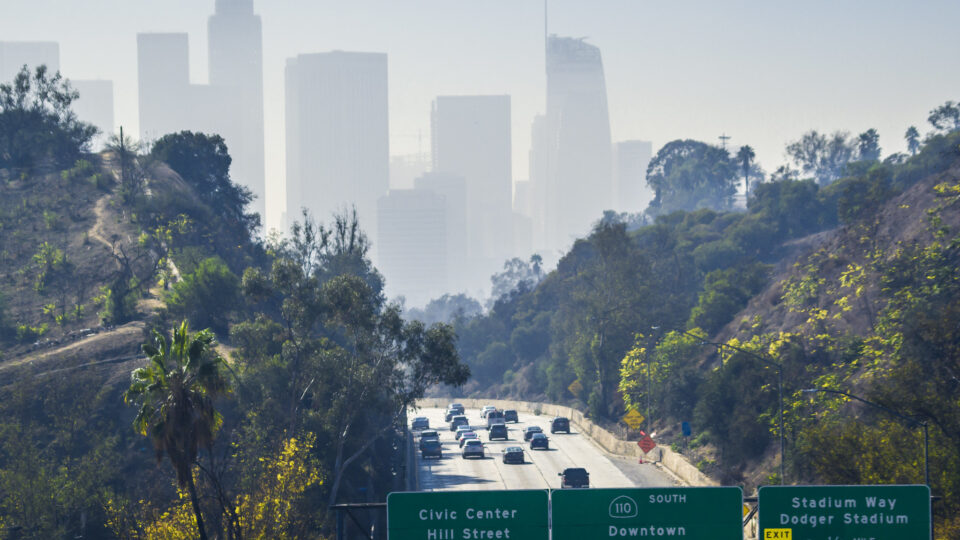
According to the World Health Organization, almost the entire global population – 99% in fact – breathes air that exceeds WHO air quality limits and threatens their health.

Air quality is of great concern everywhere.  Over 6,000 cities in 117 countries monitor air quality, but the people living in those cities are still breathing unhealthy levels of fine particulate matter and nitrogen dioxide. The WHO is citing these findings as a compelling reason to curb fossil fuel use and to take other steps to reduce air pollution levels. 

There is growing number of studies of the damage air pollution does to the human body.  Even low levels of many air pollutants can cause significant harm.  Particulate matter – especially so-called PM2.5 – is capable of penetrating deep into the lungs and entering the bloodstream, contributing to cardiovascular, cerebrovascular, and respiratory problems. 

Nitrogen dioxide is associated with respiratory diseases – especially asthma – and leads to respiratory symptoms, hospital admissions, and visits to emergency rooms.

The WHO is calling to governments around the world to take additional steps to improve air quality including adopting stricter air quality standards, supporting the transition to clean household energy sources, implementing stricter vehicle emission standards, reducing the use of incineration, and many other actions.

According to the WHO, cities in high-income countries fare better in terms of air quality, but very few places avoid unhealthy air entirely.   Seven million deaths a year are linked to unhealthy air quality.  It is a global crisis that cannot be ignored.

**********

Web Links

Billions of people still breathe unhealthy air: new WHO data

Photo, posted December 1, 2021, courtesy of Ron Reiring via Flickr.

Earth Wise is a production of WAMC Northeast Public Radio.

Conseguir un medicamento en las farmacias extranjeras no puede ser más difícil que la compra nocturna de alimentos. Si no se requiere una receta en línea para la compra de medicamentos, se puede comprar libremente, incluso no sólo en las farmacias, sino también en los supermercados, dijo un abogado y director general del grupo de consultoría vvCube Vadim Tkachenko.

The Silent Killer | Earth Wise

April 26, 2021 By EarthWise Leave a Comment

Air pollution is a silent killer

Air pollution is deadly.  Studies have found that particles from air pollution can enter our lungs and bloodstream, contributing to major health conditions including heart disease, stroke, cancer, and kidney disease.  Globally, air pollution is responsible for the premature deaths of millions of people every year. 

The first line of defense against air pollution is ambient air quality standards.  But according to researchers from McGill University, more than half of the world’s population lives without the protection of adequate air quality standards.

The research team focused on a specific type of air pollution called particulate matter 2.5 (more commonly called PM2.5).  PM2.5 refers to tiny particles or droplets in the air that are two and one half microns or less in width.  These tiny particles are responsible for an estimated 4.2 million premature deaths every year globally, including more than one million deaths in China, nearly 200,000 in Europe, and more than 50,000 in the United States.

In the study, which was recently published in the Bulletin of the World Health Organization, the researchers found that where there are air quality protections, the standards are often worse than what the WHO considers safe.  Some regions with high air pollution levels, like the Middle East, don’t even measure PM2.5 air pollution.  The researchers found that the weakest air quality standards are often violated, while the strictest standards are often met. 

More than half of the world’s population is in urgent need of adequate air quality standards.   

**********

Web Links

Air pollution: The silent killer called PM 2.5

Photo, posted November 17, 2019, courtesy of Kristoffer Trolle via Flickr.

Earth Wise is a production of WAMC Northeast Public Radio.

Smog And Solar Power

January 22, 2019 By EarthWise Leave a Comment

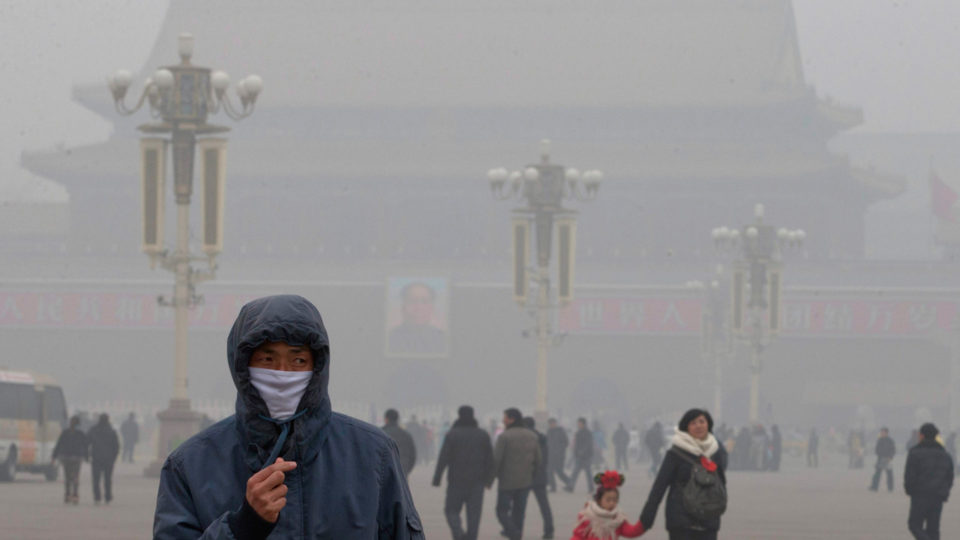
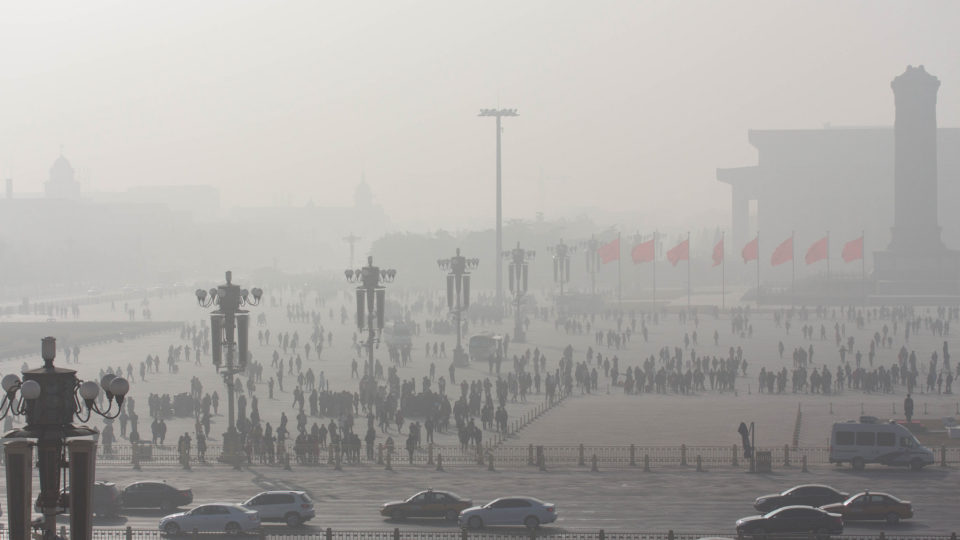
China has been struggling with some of the worst air pollution in the world.  Beijing frequently sits under a brown blanket made of exhaust gases from industry, cars and coal fires, which dump harmful particulate matter, soot, sulfur dioxide and nitrogen oxides into the air.

The human health consequences are severe.   According to the World Health Organization,air pollution contributes to about 1.6 million premature deaths in China each year.  World-wide, air pollution is implicated in over 7 million deaths annually.

Faced with this air pollution crisis, China has undertaken a wide variety of measures to improve its air and curb carbon dioxide emissions alongthe way.  Among other things, China has invested heavily in the deployment of solar power and has plans for ever greater expansion of solar power in the future.

A study by researchers at ETH in Zurich looked at the impact of China’s air pollution on the production of solar energy.  The smog in China’s cities reduces the amount of solar radiation that reaches the ground and therefore significantly reduces the power output of solar energy systems. According to the study, solar radiation would increase by an average of 11% nationwide as a result of strict air pollution control measures.  In some places, cleaning up the air would result in 26% more energy production.

China’s electric power industry is the world’s largest electricity producer, having passed the United States in 2011.  Two-thirds of the electricity in China still comes from coal, which, apart from the serious climate and health consequences associated with its use, continues to make it more difficult to switch to clean solar power.  Much work remains to be done.

**********

Web Links

Fighting smog supports solar power

Photo, posted February 7, 2014, courtesy of Flickr. 

Earth Wise is a production of WAMC Northeast Public Radio.

Cleaner Air For China

December 5, 2018 By EarthWise Leave a Comment

https://earthwiseradio.org/wp-content/uploads/2018/12/EW-12-05-18-Cleaner-Air-for-China.mp3

For more than 15 years, the Chinese government has been grappling with some of the deadliest air pollution in the world.  Extreme pollution events are a regular wintertime occurrence and health experts estimate that more than a million people die each year in China from particulate air pollution.

[Read more…] about Cleaner Air For China

Coal And Chinese Air

March 13, 2017 By EarthWise

https://earthwiseradio.org/wp-content/uploads/2017/03/EW-03-13-17-Coal-and-Chinese-Air.mp3

China has worked to reduce its coal consumption in recent years but the air quality in cities like Beijing is still notoriously poor and a major health hazard.

[Read more…] about Coal And Chinese Air

A Soy-Based Air Filter

February 16, 2017 By EarthWise

https://earthwiseradio.org/wp-content/uploads/2017/02/EW-02-16-17-Soy-Based-Air-Filter.mp3

Particulate matter and toxic chemical pollutants are a pervasive problem in the air people breathe in many places.  Poor air quality causes health problems worldwide and is a factor in diseases such as asthma, heart disease and lung disease.

[Read more…] about A Soy-Based Air Filter

Our Air Is Killing Us

September 28, 2016 By WAMC WEB

https://earthwiseradio.org/wp-content/uploads/2016/09/EW-09-28-16-Our-Air-Is-Killing-Us.mp3

Poor air quality is a serious problem.  Exposure to air pollution is linked to the premature deaths of an estimated 6.5 million people every year.  This makes air pollution the fourth largest threat to human health.  Only high blood pressure, dietary risks, and smoking are a bigger danger. 

[Read more…] about Our Air Is Killing Us

The Value Of Street Trees

July 13, 2016 By WAMC WEB

https://earthwiseradio.org/wp-content/uploads/2016/07/EW-07-13-16-California-Street-Trees.mp3

Why should you care whether there are trees on your street or on the streets nearby?  Besides the obvious fact that they make streets more attractive, street trees provide a number of real benefits both for residents and for the environment. 

[Read more…] about The Value Of Street Trees

Primary Sidebar

Recent Episodes

  • An uninsurable future
  • Clean energy and jobs
  • Insect declines in remote regions
  • Fossil fuel producing nations ignoring climate goals
  • Trouble for clownfishes

WAMC Northeast Public Radio

WAMC/Northeast Public Radio is a regional public radio network serving parts of seven northeastern states (more...)

Copyright © 2026 ·