• Skip to primary navigation
  • Skip to main content
  • Skip to primary sidebar

Earth Wise

A look at our changing environment.

  • Home
  • About Earth Wise
  • Where to Listen
  • All Articles
  • Show Search
Hide Search
You are here: Home / Archives for oysters

oysters

Seashells inspire better concrete

July 10, 2024 By EarthWise Leave a Comment

Seashells inspiring better concrete

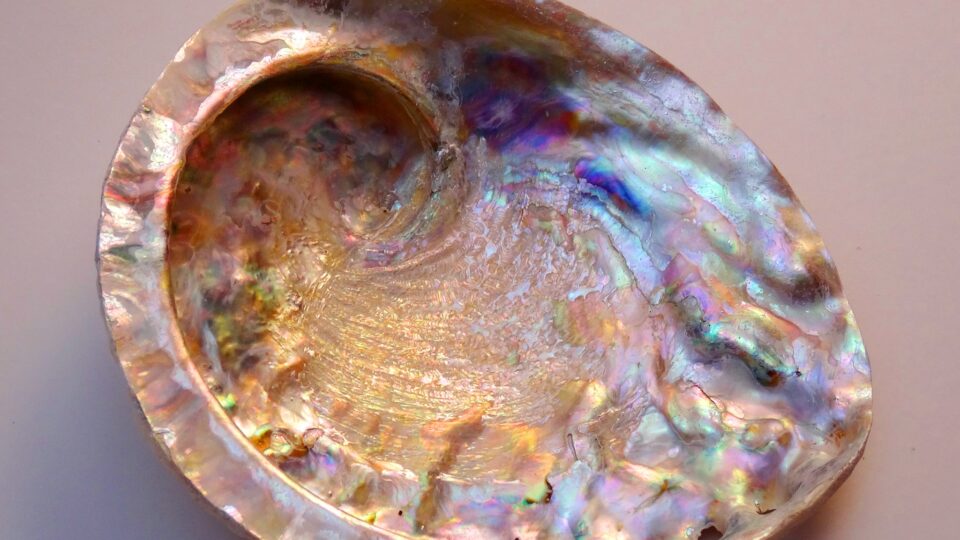
Mother of pearl – also known as nacre – is a natural material found in certain seashells such as those of oysters and abalone.  On the microscopic level, it consists of hexagonal tablets of the hard mineral aragonite glued together by a soft biopolymer.  The aragonite gives nacre its strength, and the biopolymer adds flexibility and crack resistance. 

Scientists at Princeton University have developed innovative composite materials inspired by nacre by utilizing conventional construction materials like Portland cement paste combined with a limited amount of polymer.  The new material consists of alternating layers of cement paste sheets with the highly stretchable polymer polyvinyl siloxane.

The materials were subjected to bending tests to evaluate crack resistance or fracture toughness.  Three different versions of the material were tested that used different ways of interposing the polymer layers.  The new materials were compared with similar structures composed entirely of cement.

The concrete-only samples were brittle, breaking suddenly and completely upon reaching their failure point.  The samples with alternating cement and polymer layers demonstrated increased ductility and resistance to cracking. 

By fully mimicking the structure of nacre – using completely separated hexagonal cement tablets – the researchers demonstrated materials with 19 times the ductility and 17 times the fracture toughness of cement while retaining nearly the same strength as solid cement samples.

Engineered materials inspired by nature could eventually help increase the durability of a wide range of brittle ceramic materials, from concrete to porcelain.

**********

Web Links

From seashells to cement, nature inspires tougher building material

Photo, posted January 2, 2016, courtesy of Yantra via Flickr.

Earth Wise is a production of WAMC Northeast Public Radio
Floating cities

June 6, 2024 By EarthWise Leave a Comment

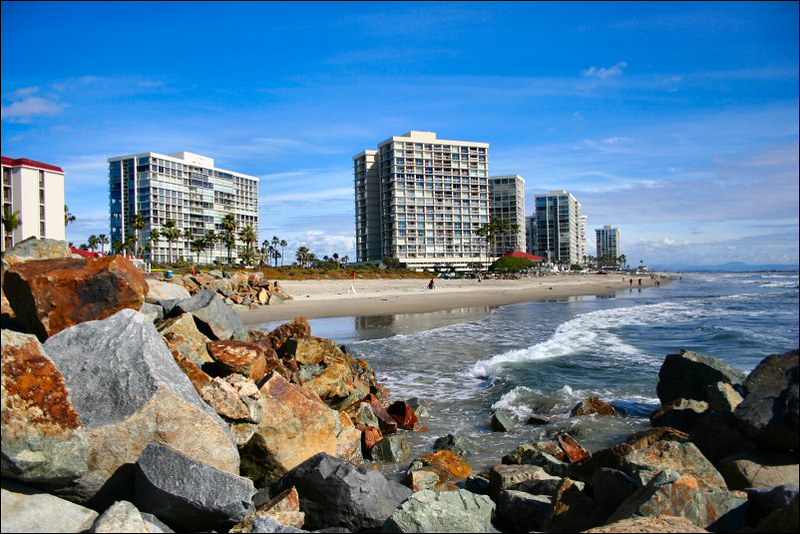
About 40% of the world‘s population lives in coastal regions.  People really like ocean-front property.  But worldwide, rising sea levels mean that more and more people want to live on land that may someday be swallowed up by the sea.

One possible solution to the problem is to build cities on top of the water.  It sounds pretty futuristic and impractical, but it is starting to happen.  There have long been floating communities in places like the Netherlands, but these are for the most part clusters of houseboats moored close together.

But there are far more ambitious projects underway.  The Maldives Floating City, already under construction, will eventually have 5,000 houses located in a lagoon that is a 15-minute boat ride from the capital city of Male.  The housing units will be tethered to the lagoon floor and linked together. 

A new project, located off Busan, South Korea, will combine high and low technology to create a large-scale, on-water town, that can house more than 10,000 people.

The town will be built on enormous concrete platforms suspended on the water.  The platforms float because they are rounded hexagonal boxes that are buoyed up by Archimedes’’ principle.  They can’t sink.  Such structures will attract marine life, providing places for oysters and mussels, for example, to grow. 

The initial development will cover 15 acres and the infrastructure will handle power, water, waste, and even some food.  The goal is even to produce enough energy to provide some to the nearby community.  A bridge will link the community to the land.

The project is scheduled to be completed in 2028.  Future expansion could end up housing 150,000 people.

Floating cities could soon no longer be exotic or futuristic.

**********

Web Links

Are Floating Cities the Solution to Rising Seas?

Photo, posted June 5, 2012, courtesy of Raymond Bucko via Flickr.

Earth Wise is a production of WAMC Northeast Public Radio
Cleaning Up Urban Rivers With Nature’s Tools | Earth Wise

October 7, 2022 By EarthWise Leave a Comment

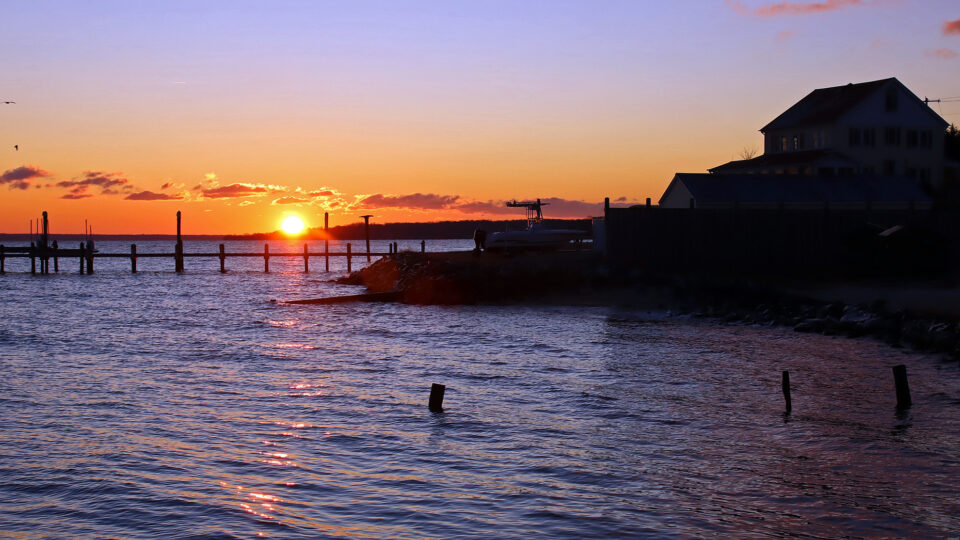
Fifty years after the passage of the Clean Water Act, urban waterways across the United States are continuing their comeback and are showing increasing signs of life.  A strategy that is being adopted in many places is to use natural restoration techniques focused on bolstering plants and wildlife to improve water quality.

A nonprofit called the Upstream Alliance has focused on public access, clean water, and coastal resilience in the Delaware, Hudson, and Chesapeake watersheds.  Working with the Center for Aquatic Sciences and with support from the EPA and the National Fish and Wildlife Foundation, the alliance has been repopulating areas of an estuary of the Delaware River near Camden, New Jersey with wild celery grass, which is a plant vital to freshwater ecosystems.

In many places, scientists, nonprofits, academic institutions, and state agencies are focusing on organisms like bivalves (typically oysters and mussels) along with aquatic plants to help nature restore fragile ecosystems, improve water quality, and increase resilience.

Bivalves and aquatic vegetation improve water clarity by grounding suspended particles, which allows more light to penetrate.  These organisms also cycle nutrients both by absorbing them as food and by making them more available to other organisms.

Underwater restoration projects have been underway in New York Harbor for more than a decade, where the Billion Oyster Project has engaged 10,000 volunteers and 6,000 students. 

The hope is that bringing back bivalves and aquatic plants can create a lasting foundation for entire ecosystems.  It is restoring nature’s ability to keep itself clean.

**********

Web Links

How Using Nature’s Tools Is Helping to Clean Up Urban Rivers

Photo, posted December 19, 2019, courtesy of Scott via Flickr.

Earth Wise is a production of WAMC Northeast Public Radio
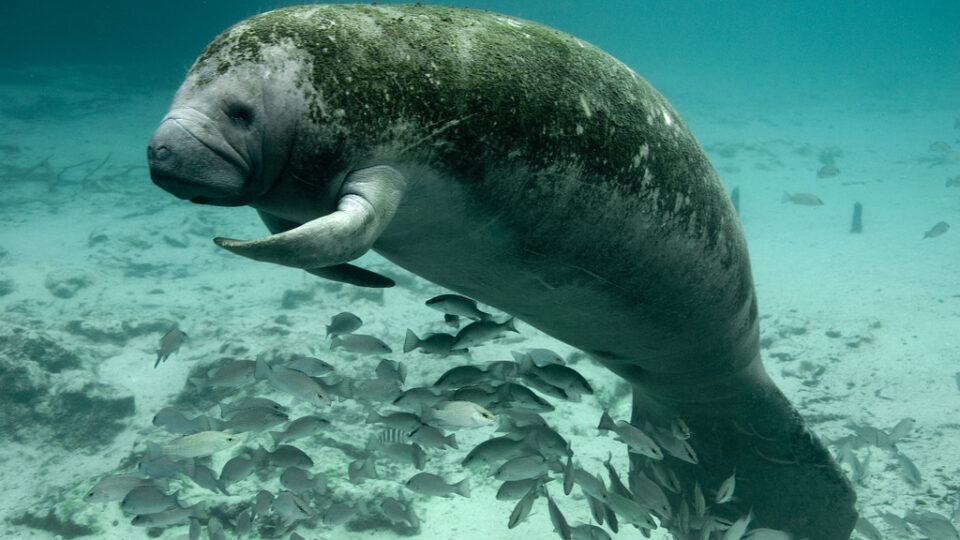
Florida’s Starving Manatees | Earth Wise

January 12, 2022 By EarthWise Leave a Comment

Manatees, also called “sea cows”, have been the victims of farm runoff.  They have starved to death by the hundreds along Florida’s east coast because algae blooms fed by nitrogen-rich fertilizer runoff are proliferating on the ocean surface and blocking sunlight from reaching seagrass below.  Seagrass is the primary source of food for manatees in the winter.  As seagrass dies off, so do the manatees.

Over 1,000 manatees have been found dead so far this year.  It is estimated that fewer than 8,000 remain in Florida waters.  Efforts are underway to restore coastal seagrass in the region as well as clams and oysters, which filter pollutants from water.  Unless the water is cleared up, it will be difficult to regrow the seagrass.  But the current situation is that manatees are so short on food that they are eating seagrass roots, killing the plants and thwarting efforts to help seagrass recovery.

Given this dire situation, the federal governmental has approved a program of feeding manatees.  The starving animals will be fed by hand in Florida, which is a rare wildlife intervention.  Conservation agencies tend to favor leaving wild animals to their own foraging and hunting so that they don’t become dependent on human handouts.

During the trial phase of the program, wildlife experts are likely to feed the animals romaine lettuce and cabbage, which is what manatees in captivity eat.  The hope is to give the animals enough additional food for them to get through the winter.  The trial feeding will begin on private property.  It remains illegal for the public to feed manatees.

**********

Web Links

Florida to feed starving manatees in rare conservation move

Photo, posted February 21, 2008, courtesy of Keith Ramos/USFWS via Flickr.

Earth Wise is a production of WAMC Northeast Public Radio.

Saving The Queen Conch | Earth Wise

February 3, 2021 By EarthWise Leave a Comment

A new manual to help save Queen Conch

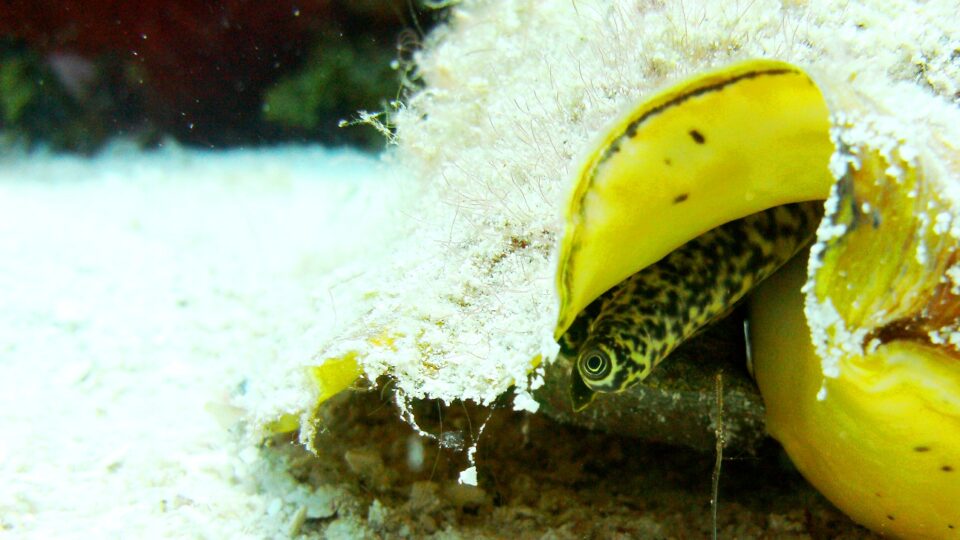
Queen conchs are large sea snails belonging to the same taxonomic group as clams, oysters, and squid.  They live on coral reefs or seagrass meadows in warm, shallow waters.  Queen conchs are found throughout the Caribbean Sea and Gulf of Mexico, ranging as far north as Bermuda and as far south as Brazil.

Reaching up to 12” long and living up to 40 years, the queen conch is prized as a delicacy and revered for its shell.  It’s the second most important sea-bottom fishery in the Caribbean region, trailing only the spiny lobster. 

But queen conchs face a challenge.  Their populations are in a steady rate of decline as a result of overfishing, habitat degradation, and hurricane damage.  In some places, the numbers are so low that remaining conchs cannot find breeding partners.  The situation is urgent from both an ecological and economical perspective. 

As a result, Megan Davis, a scientist from Florida Atlantic University who spent more than four decades researching queen conch, has released an 80-page, step-by-step user manual about how to care for the species. Her work was recently published in the National Shellfisheries Association’s Journal of Shellfish Research.

According to Davis, aquaculture, along with conservation of breeding populations and fishery management, are ways to help ensure longevity of the queen conch.  With requests for mariculture guidance pouring in from communities throughout the Caribbean, Davis and her collaborators are expanding their queen conch conservation, education, and restorative mariculture program.

Their desired outcomes include creating protected breeding areas, establishing sustainable hatcheries, and repopulating protected habitats.

**********

Web Links

‘Hail to the queen’: Saving the Caribbean queen conch

Photo, posted June 3, 2012, courtesy of Christopher Gonzalez via Flickr.

Earth Wise is a production of WAMC Northeast Public Radio.

Mollusks And Microplastics | Earth Wise

January 26, 2021 By EarthWise Leave a Comment

Microplastics are contaminating marine creatures

Plastic debris comes in all different shapes and sizes, but pieces that are less than five millimeters in length are called microplastics.  Microplastics are everywhere, including in the food we eat, the water we drink, and the air we breathe.

Much of the oceanic microplastic pollution comes from the breakdown of plastic litter.  Another source of microplastic pollution is microbeads.  Microbeads, which are sometimes added to cleansing and exfoliating personal care products, pollute the environment when they get flushed down the drain.  

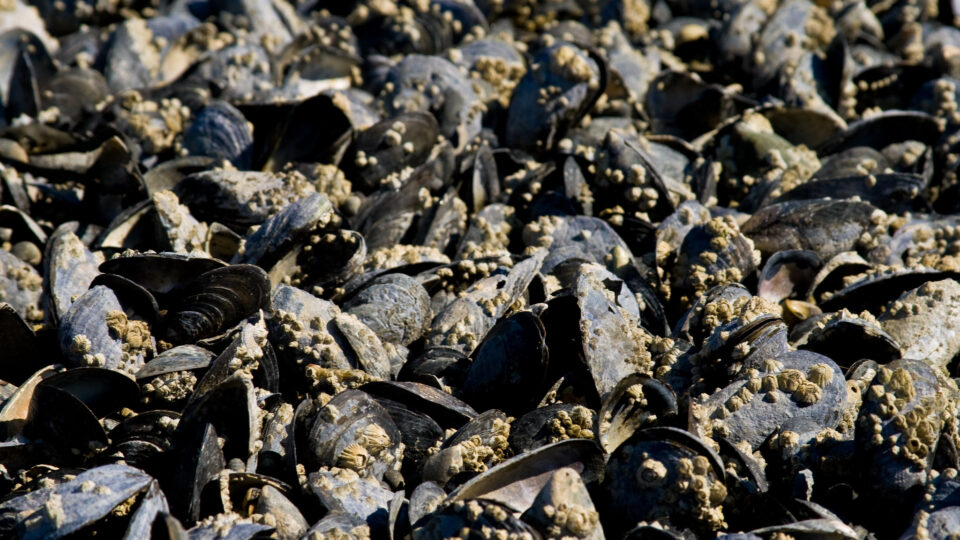
According to a new study by researchers at Hull York Medical School and the University of Hull in the U.K., mussels, oysters and scallops have the highest levels of microplastic contamination among seafood.  The research team examined 50 studies between 2014 and 2020 to determine the levels of microplastic contamination globally in fish and shellfish.  The team found that microplastic content was 0-10.5 microplastics per gram in mollusks, 0.1-8.6 microplastics per gram in crustaceans, and 0-2.9 microplastics per gram in fish.  

The researchers found that mollusks collected off the coasts of Asia were the most heavily contaminated with microplastics.  China, Australia, Canada, Japan and the United States are among the largest consumers of mollusks, followed by Europe and the U.K.

While the human health implications of consuming microplastics are not well understood, early evidence from other studies suggest they do cause harm. 

According to the research team, more data is needed from different parts of the world in order to better understand how microplastics vary between different oceans, seas, and waterways.

**********

Web Links

Highest levels of microplastics found in molluscs, new study says

Photo, posted September 3, 2007, courtesy of Andrew Malone via Flickr.

Earth Wise is a production of WAMC Northeast Public Radio.

Finding Plastic In Seafood | Earth Wise

September 15, 2020 By EarthWise Leave a Comment

plastic in seafood

Researchers from the University of Exeter in the UK and the University of Queensland in Australia have developed a new method for identifying and measuring the presence of five different types of plastic in seafood.

The researchers purchased oysters, prawns, squid, crabs, and sardines from a market in Australia and analyzed them using the new technique.  They found plastic in every single sample.

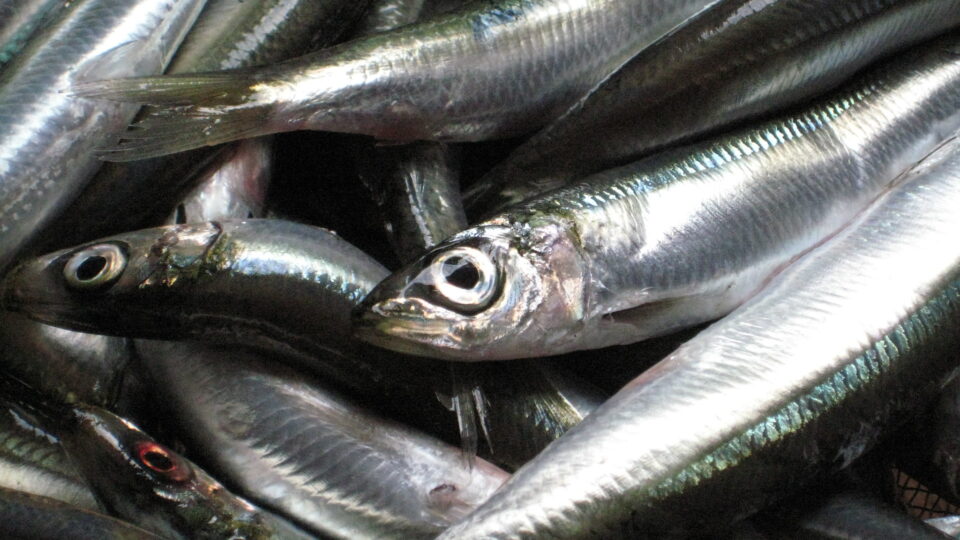
Their findings showed that the amount of plastics present varies greatly among species and differs between individuals of the same species.  The measured plastic levels were 0.04 mg per gram of seafood in squid, 0.07 mg in prawns, 0.1 mg in oysters, 0.3 mg in crabs, and 2.9 mg in sardines. 

All the plastics are types commonly used in plastic packaging and synthetic textiles and are increasingly found in marine litter:  polystyrene, polyethylene, polyvinyl chloride, polypropylene, and polymethyl methacrylate.

The new method treats the seafood tissues with chemicals that dissolve the plastics present within them.  The resulting solution is then analyzed using a highly sensitive technique called Pyrolysis Gas Chromatography Mass Spectrometry which both identifies and quantifies the plastics.

Microplastics are an increasing source of pollution for much of the planet, including the oceans where they are eaten by all types of marine creatures ranging from planktonic organisms to large mammals.  Microplastics enter our diet not only from seafood, but also from bottled water, sea salt, beer, and honey, as well as from dust that settles on our food.

**********

Web Links

Seafood study finds plastic in all samples

Photo, posted June 23, 2007, courtesy of Flickr.

Earth Wise is a production of WAMC Northeast Public Radio.

The BP Oil Spill

May 16, 2016 By WAMC WEB

https://earthwiseradio.org/wp-content/uploads/2016/05/EW-05-16-16-BP-Oil-Spill.mp3

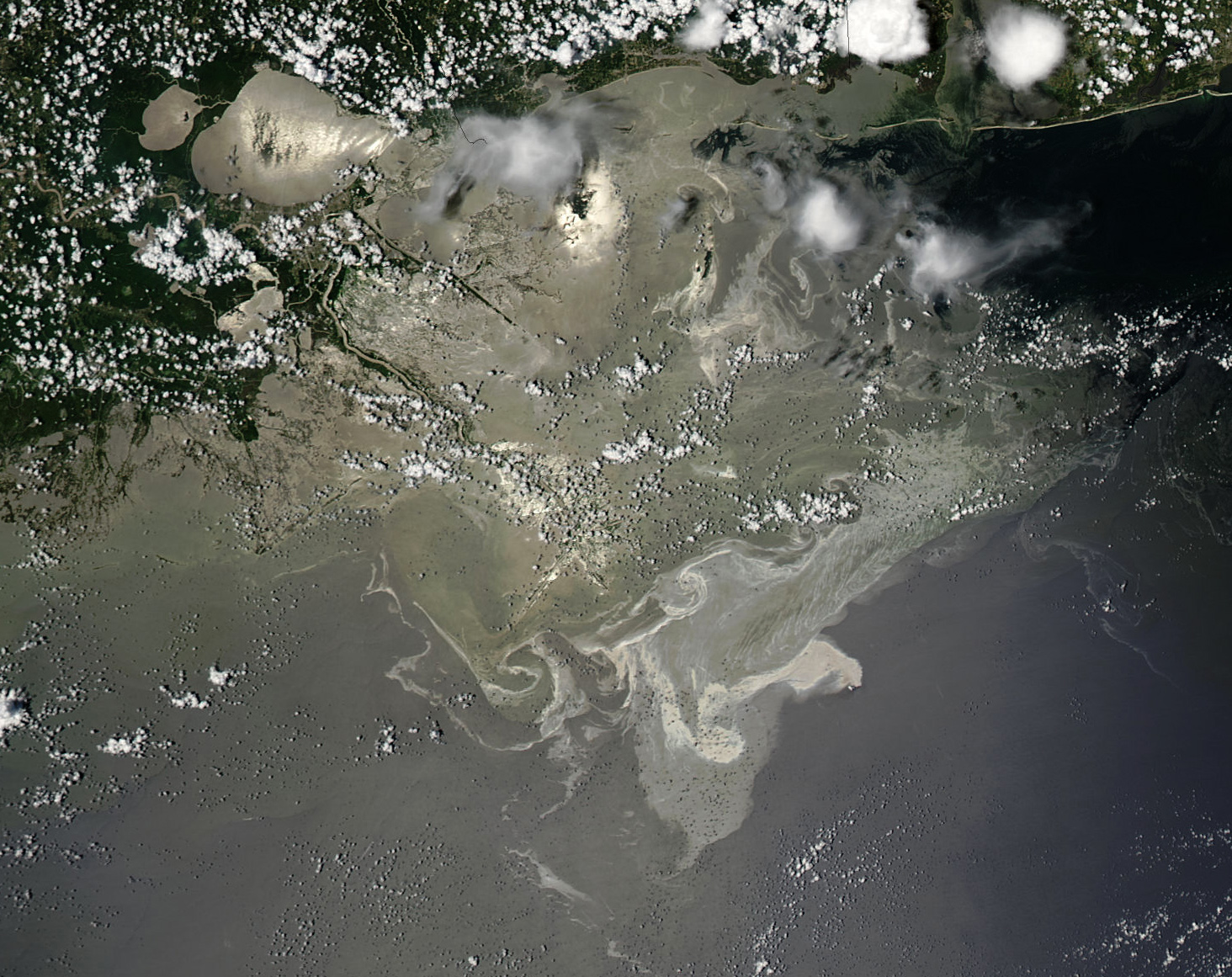
In 2010, an explosion on the BP-owned Deepwater Horizon drilling rig released more than 200 million gallons of oil into the Gulf of Mexico.  Some of the oil was recovered, burned, or dispersed at sea, while some washed up onto the shorelines of Texas, Louisiana, Mississippi, Alabama, and Florida. 

[Read more…] about The BP Oil Spill

The Heat From Global Warming

August 28, 2015 By EarthWise

global warming

https://earthwiseradio.org/wp-content/uploads/2015/08/EW-08-28-15-Heat-from-Global-Warming.mp3

The average surface temperature around the world has gone up over a degree over the past 40 years but some people argue that if the greenhouse effect was really at fault, the temperature rise would be much larger.

[Read more…] about The Heat From Global Warming

Primary Sidebar

Recent Episodes

  • An uninsurable future
  • Clean energy and jobs
  • Insect declines in remote regions
  • Fossil fuel producing nations ignoring climate goals
  • Trouble for clownfishes

WAMC Northeast Public Radio

WAMC/Northeast Public Radio is a regional public radio network serving parts of seven northeastern states (more...)

Copyright © 2026 ·