• Skip to primary navigation
  • Skip to main content
  • Skip to primary sidebar

Earth Wise

A look at our changing environment.

  • Home
  • About Earth Wise
  • Where to Listen
  • All Articles
  • Show Search
Hide Search
You are here: Home / Archives for overexploitation

overexploitation

Forest crimes

November 20, 2024 By EarthWise Leave a Comment

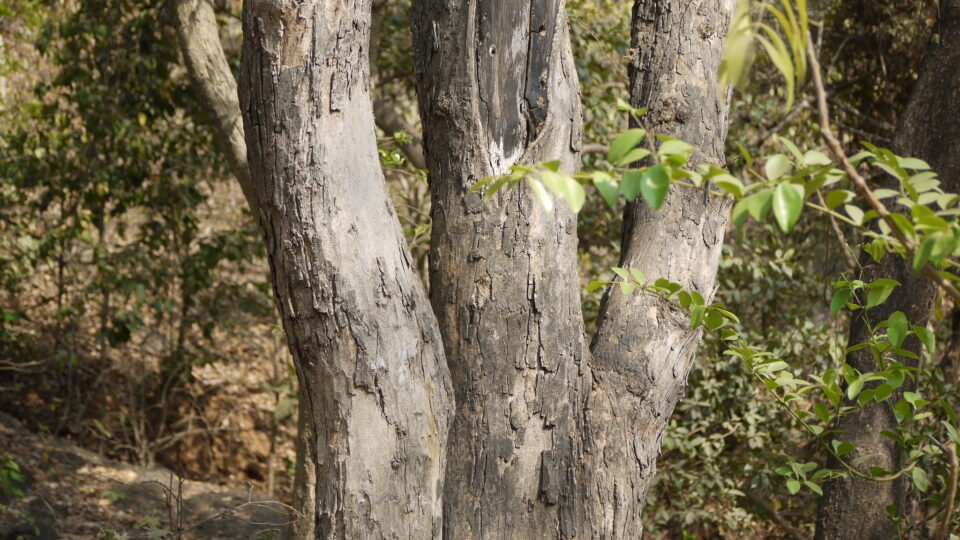
Poaching trees and illegal logging represent a massive part of wildlife trafficking globally.

Wildlife trafficking is the world’s fourth largest form of organized crime, behind only drug trafficking, counterfeiting, and human trafficking.  When we hear about wildlife trafficking, we think of elephant ivory, rhino horns, tiger parts, and the like.  But so-called forest crimes, which includes poaching protected trees and illegal logging added up to somewhere between $30 billion and $100 billion during the period 2014-2018.  A 2020 report by the United Nations estimated that illegal trade just in rosewoods comprised more than 40% of the value of all trafficked species – animal and plant – during that time.

Even though rosewood comprises multiple tree species, world stocks of nearly all of them have been depleted through overexploitation. Rosewood is now protected worldwide, and some 300 species are under trade restrictions.

With a value of as much as $1.5 million per cubic meter, rosewood is at the center of a great deal of illegal activity, government corruption, and controversy.  A shipment of 30,000 illegally felled rosewood logs from Madagascar was seized at a port in Singapore in 2014. Those rosewood logs, worth at least $50 million, have been hung up in multiple legal proceedings and disputes ever since and remain in Singapore.

With huge financial stakes, it is perhaps not surprising that the U.N. estimates that as much as a third of the supposedly legal global timber trade involves illegally harvested wood.

**********

Web Links

How Traffickers Got Away with the Biggest Rosewood Heist in History

Photo, posted April 19, 2010, courtesy of Dinesh Valke via Flickr.

Earth Wise is a production of WAMC Northeast Public Radio
Declining Bird Populations | Earth Wise

June 16, 2022 By EarthWise Leave a Comment

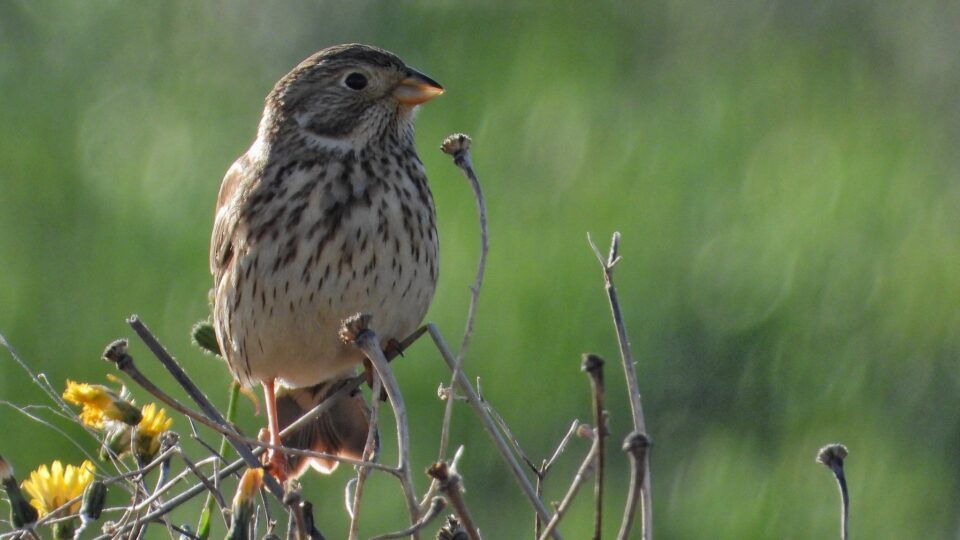
A study by scientists from multiple institutions around the world including Cornell University has found that significant declines in bird populations are taking place across the planet.  Loss and degradation of natural habitats, direct overexploitation of many species, and climate change are driving the bird population declines.

According to the study, approximately 48% of existing bird species worldwide are known or suspected to be undergoing population declines.  The populations of 39% of bird species appear to be stable.  Only 6% of birds have increasing populations.

A study in 2019 determined that nearly 3 billion breeding birds have been lost in the U.S. and Canada over the past 50 years.  The new study shows that the same patterns of population decline and extinction are happening globally.  According to the study, there are now the first signs of a new wave of extinctions of continentally distributed bird species.

The ultimate fate of bird populations is strongly dependent on stopping the loss and degradation of habitats.   Habitat loss is generally driven by human demand for resources.  Reducing the human footprint on the natural world is what is needed.  Birds are a highly visible indicator of environmental health, and their declining populations signal a much wide loss of biodiversity and threats to human health and wellbeing.

There is a global network of bird conservation organizations trying to prevent further loss of bird species and bird abundance.  Keeping track of the situation is essential and there is growing participation by the public in bird monitoring.  But ultimately, it depends on governments and society in general to support sustainable resource use and learn how to share the planet with nature.

**********

Web Links

Global Bird Populations Steadily Declining

Photo, posted January 9, 2022, courtesy of Martien Brand via Flickr.

Earth Wise is a production of WAMC Northeast Public Radio.

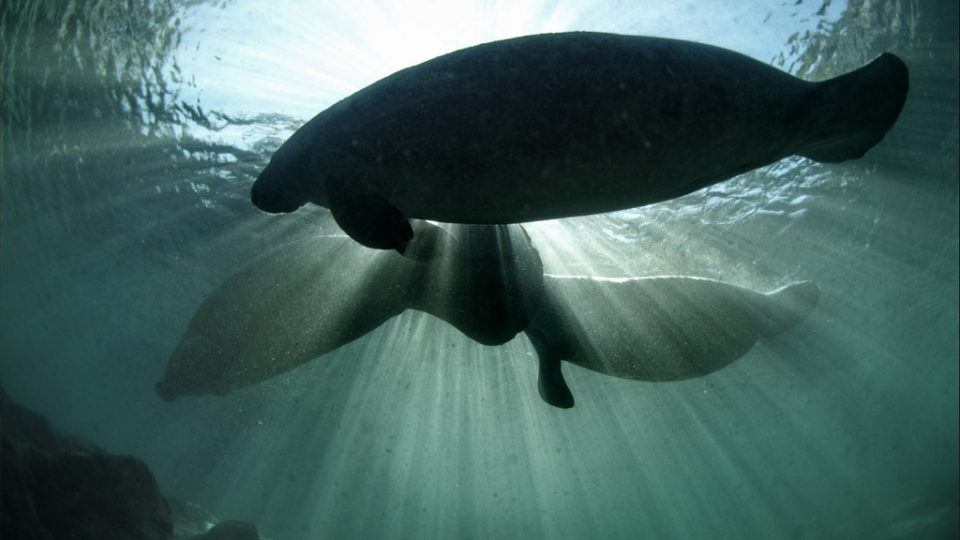
The Decline Of Earth’s Largest Freshwater Creatures

September 23, 2019 By EarthWise Leave a Comment

While nearly 70% of the globe is covered by water, only 2.5% of it is freshwater.  The rest is saline and ocean-based.  And only 1% of our freshwater is easily accessible, with much of it locked away in snowfields and glaciers.  

Despite freshwater only making up a small fraction of all water on the planet, it’s home to one third of all vertebrate species.  Some have survived hundreds of millions of years, but many of the world’s largest freshwater creatures – including fish, reptiles, amphibians, and mammals – may soon find themselves on the brink of extinction.

According to a study recently published in the journal Global Change Biology, scientists from the Leibniz-Institute of Freshwater Ecology and Inland Fisheries and international colleagues have quantified the global decline of freshwater megafauna for the first time.  In four decades since 1970, the global populations of these freshwater giants have declined 88% – twice as much as the loss of vertebrate populations on land or in the oceans. 

Freshwater megafauna include all freshwater animals that weigh 30 kilograms (about 66 pounds) or more, such as certain dolphins, beavers, crocodiles, turtles and sturgeons.

Overexploitation is one of the main threats to freshwater megafauna.  (These animals are often targeted for their meat, eggs, and skin).  The other main threat is the loss of free-flowing rivers. Many of the world’s large rivers are already highly fragmented, which impacts access to spawning and feeding grounds.  The research team says another 3700 large dams are planned or under construction, including 800 in habitats rich with freshwater megafauna, including the Amazon, Congo, and Ganges river basins.

Current conservation measures are clearly failing our freshwater creatures. 

********** 

Web Links

88 percent decline of big freshwater animals

Earth’s largest freshwater creatures at risk of extinction

Photo, posted March 25, 2012, courtesy of the U.S. Fish and Wildlife Service via Flickr.

Earth Wise is a production of WAMC Northeast Public Radio.

Wiping Out Wildlife

December 1, 2016 By WAMC WEB

https://earthwiseradio.org/wp-content/uploads/2016/12/EW-12-01-16-Wiping-Out-Wildlife.mp3

According to a new report from the World Wildlife Fund, the world’s animal populations have suffered widespread population declines in the last half century.  And thousands of species are now scrambling to survive. 

[Read more…] about Wiping Out Wildlife

Primary Sidebar

Recent Episodes

  • An uninsurable future
  • Clean energy and jobs
  • Insect declines in remote regions
  • Fossil fuel producing nations ignoring climate goals
  • Trouble for clownfishes

WAMC Northeast Public Radio

WAMC/Northeast Public Radio is a regional public radio network serving parts of seven northeastern states (more...)

Copyright © 2025 ·