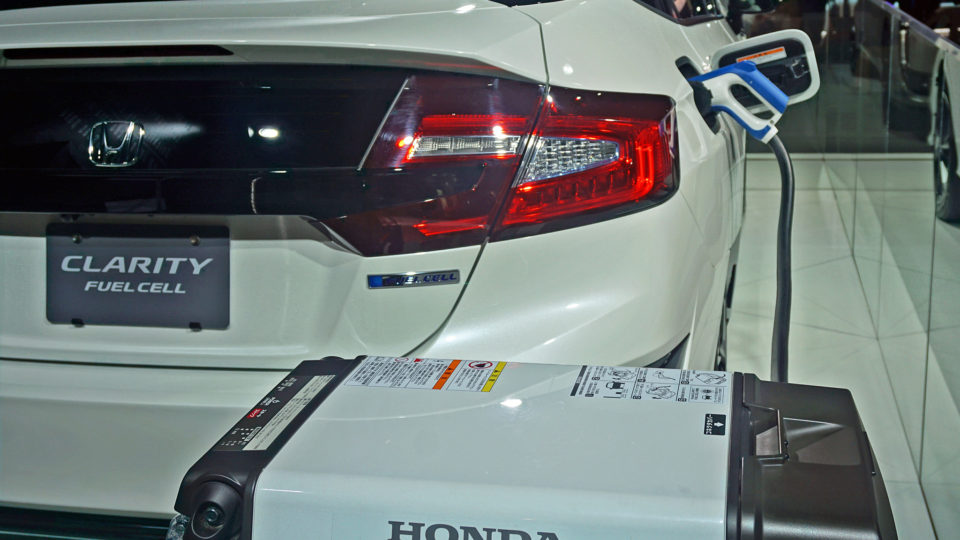
Hydrogen is widely considered to be a desirable source of clean energy. It can be used in fuel cells to power electric motors in cars or can be burned directly in internal combustion engines. If it is compressed or converted to liquid, it can be efficiently stored and transported. Most of all, when it is used as an energy source, the only emission it produces is water.
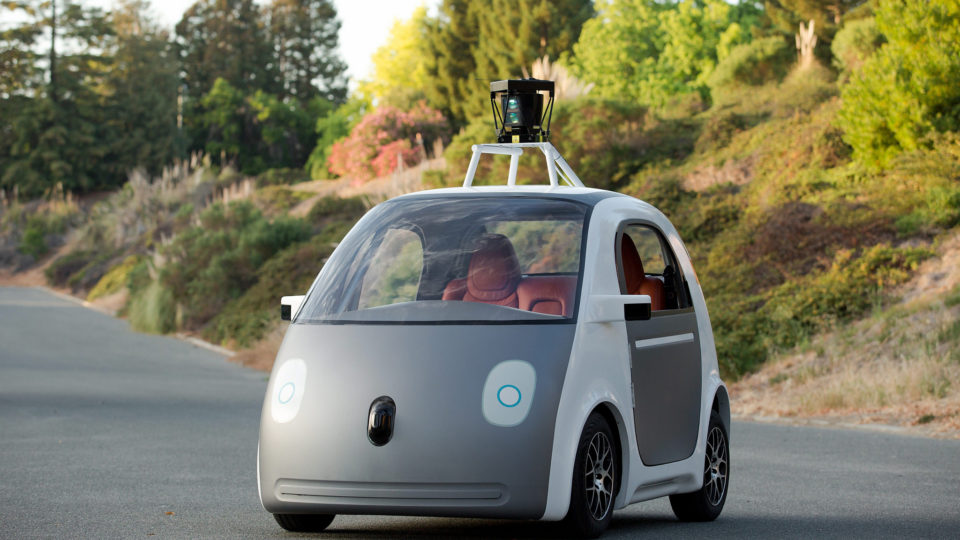
We hear quite a bit about self-driving cars these days. More and more cars on the road have at least some ability to do things on their own (steer, brake, or park) and some can do much more.
There is a great deal of interest in developing cost-effective, energy-efficient and environmentally-friendly ways of producing hydrogen. If hydrogen-powered vehicles are to catch on, it is essential.
Orangutans are some of the planet’s most intelligent animals. In fact, orangutans and human beings share 97% of their DNA sequence. Orangutans can only be found in the wild on the Indonesian island of Sumatra and the island of Borneo, which is a land mass shared by Indonesia, Malaysia and Brunei.
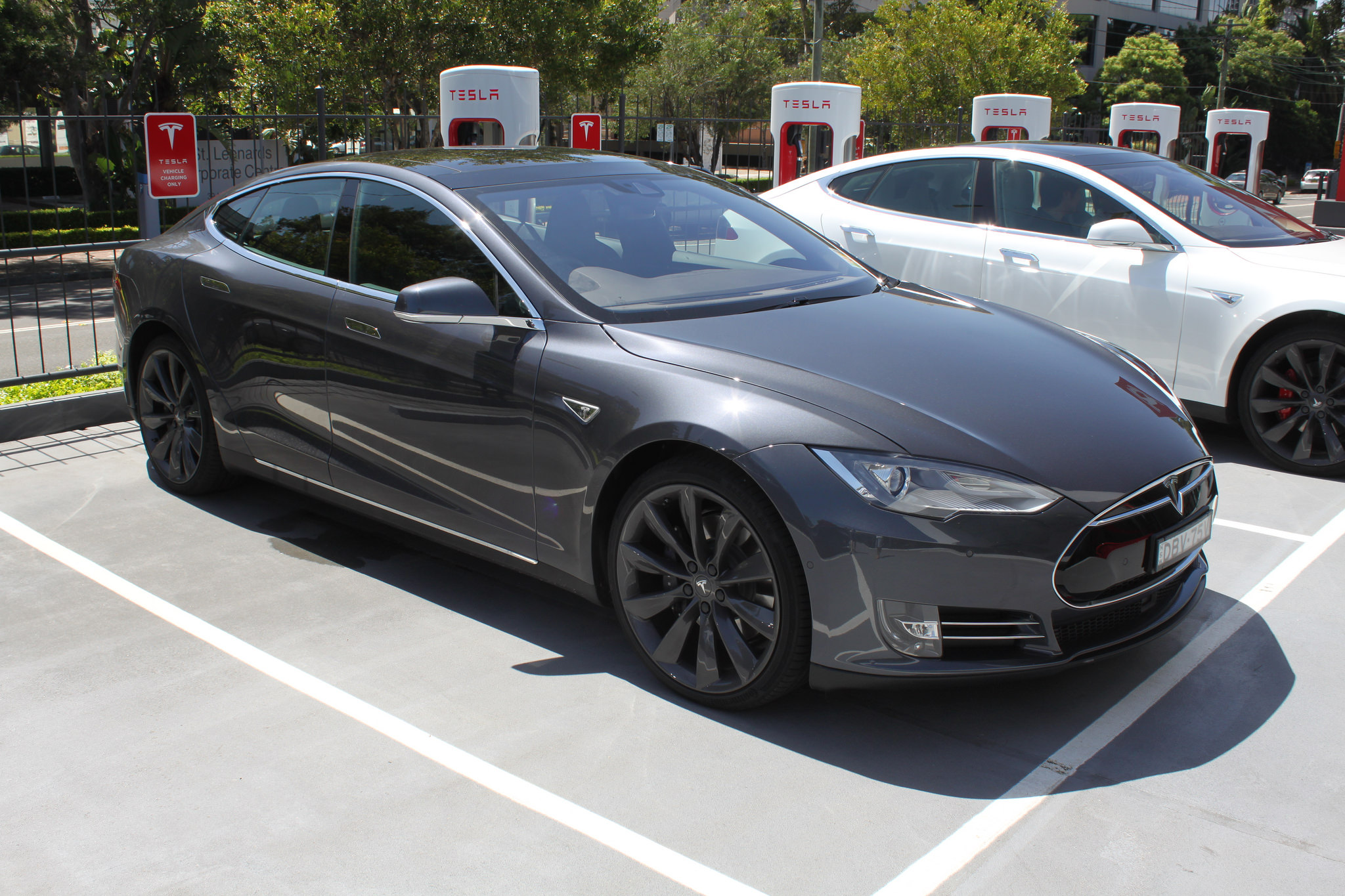
Every few years many of us face a big decision: is it time to buy a new car? The trusty vehicle that has carried us so well has gotten too rusty to pass inspection or too old to assure us of its continued reliability. What vehicle choice is best for the environment?