• Skip to primary navigation
  • Skip to main content
  • Skip to primary sidebar

Earth Wise

A look at our changing environment.

  • Home
  • About Earth Wise
  • Where to Listen
  • All Articles
  • Show Search
Hide Search
You are here: Home / Archives for nectar

nectar

Bees and urban wildflowers

May 23, 2025 By EarthWise Leave a Comment

Urban wildflowers may threaten bees in some cases

Post-industrial cities often have large numbers of vacant lots, left behind as people have moved out of the area.  Local residents are often tempted to plant wildflowers to make these deserted spaces more attractive. 

Wildflowers are an important food source for bees.  Pollinators like bees play a vital role in food production and attracting them with food sources is a good idea.  However, a study by researchers at the University of Cambridge in the UK found that there are dangers associated with planting wildflowers in some urban settings.

Wildflowers growing on land previously used for buildings and factories can accumulate lead, arsenic, and other metal contaminants from the soil.  These metals have previously been shown to damage the health of pollinators that ingest the metals in the nectar as they feed.

The Cambridge study was carried out in Cleveland, Ohio, which has nearly 34,000 vacant lots.  Cleveland was previously the site of iron and steel production, oil refining, and car manufacturing.  The researchers tested the nectar from flowering plants growing on disused land throughout the city.  Lead was the contaminant found in the highest concentrations.  They also found that different species of plants accumulate different amounts and different types of metals.

The goal of the study was not to discourage the planting of wildflowers in towns and cities.  It is to highlight the importance of growing the right species of wildflowers as well as to encourage testing soils for metals before planting wildflowers and to clean up pollution.  Wildflowers are important for pollinators, but it is also important that they don’t contribute to the decline of pollinator populations that has already been happening for a number of reasons.

**********

Web Links

Growing wildflowers on disused urban land can damage bee health

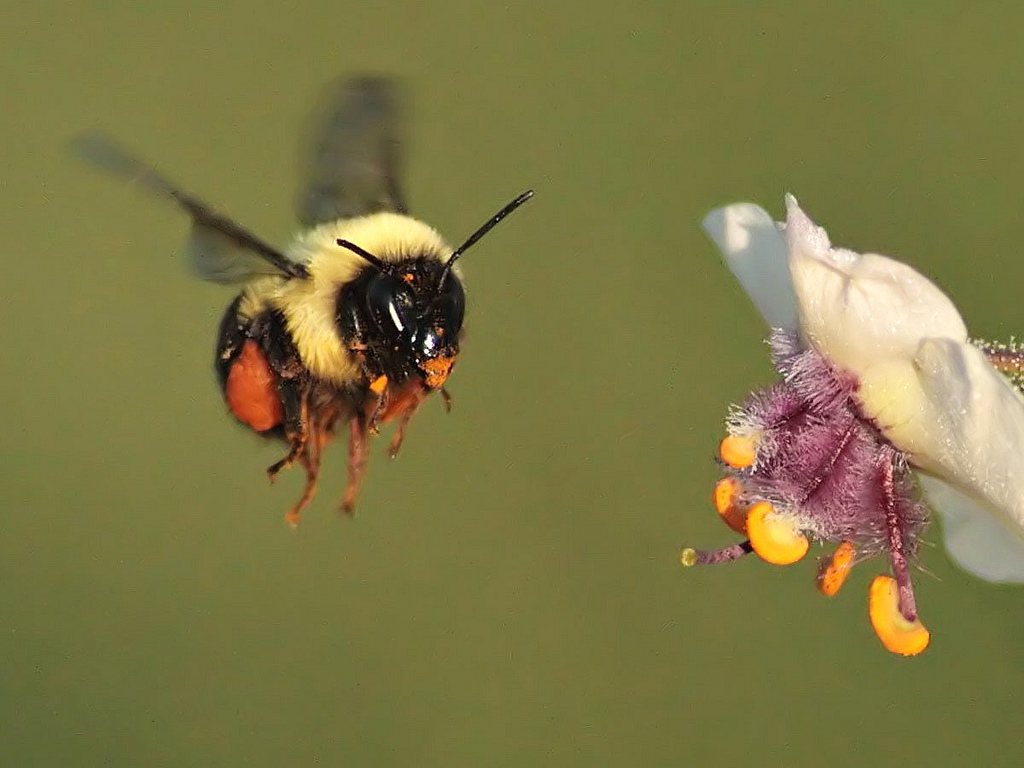
Photo, posted August 26, 2012, courtesy of RJP via Flickr.

Earth Wise is a production of WAMC Northeast Public Radio

Fighting honey fraud

May 12, 2025 By EarthWise Leave a Comment

Using artificial intelligence to fight honey fraud

Honey fraud is a significant issue for the food industry.  What is honey fraud?  Typically, it involves mislabeling where honey was produced or what types of flowers the bees collected nectar from.  Honey made from a single type of flower is often more expensive because of the unique flavor it provides or from potential health benefits.  Sometimes even cheap alternatives like sugar syrups are labelled as honey.  It turns out that honey is one of the most fraud-prone commodities in global trade, with fraud estimated to occur in up to 10% of the honey traded internationally.  Honey from some countries, such as China and India, has had 30% or more of samples found to be fraudulent.

Researchers at McGill University in Montreal have developed an AI-powered method to verify the origin of honey thereby ensuring that what is on the label corresponds to what is in the jar.

The McGill method can determine what kind of flowers the bees visited to produce a particular sample of honey.  Previous honey authentication involved pollen analysis, which is ineffective for honey that was processed or filtered.  The new method uses high-resolution mass spectrometry which captures a unique chemical “fingerprint” from the honey.  Machine learning algorithms read the fingerprint to identify the honey’s origin.

The researchers tested their methodology on a variety of honey samples which they then compared with honey from known botanical sources.  Using previous methods for honey authentication can take days.  The McGill method takes only minutes and works regardless of how the honey was processed.

According to the researchers, people deserve to know that the honey they buy is what it claims to be, and honest honey producers deserve protection from fraudulent competitors.

**********

Web Links

Fighting honey fraud with AI technology

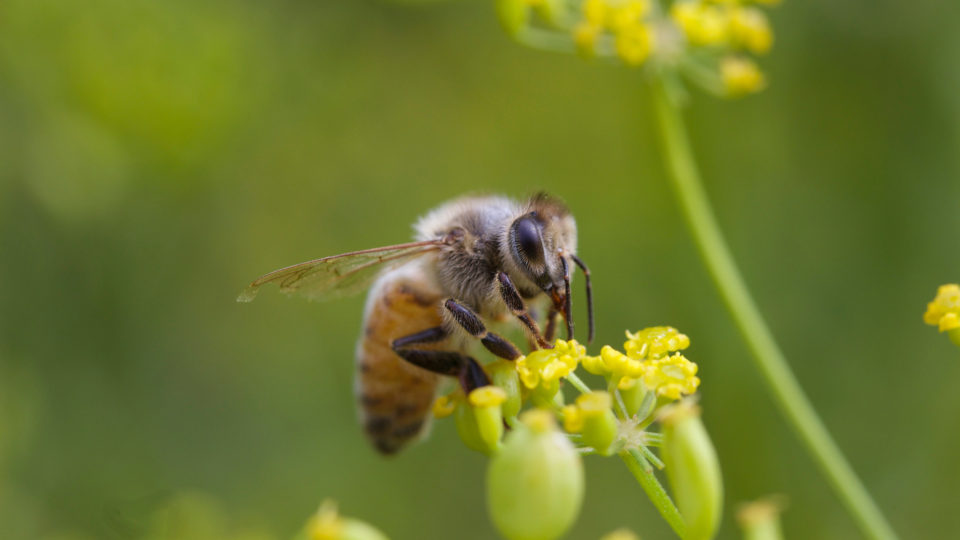
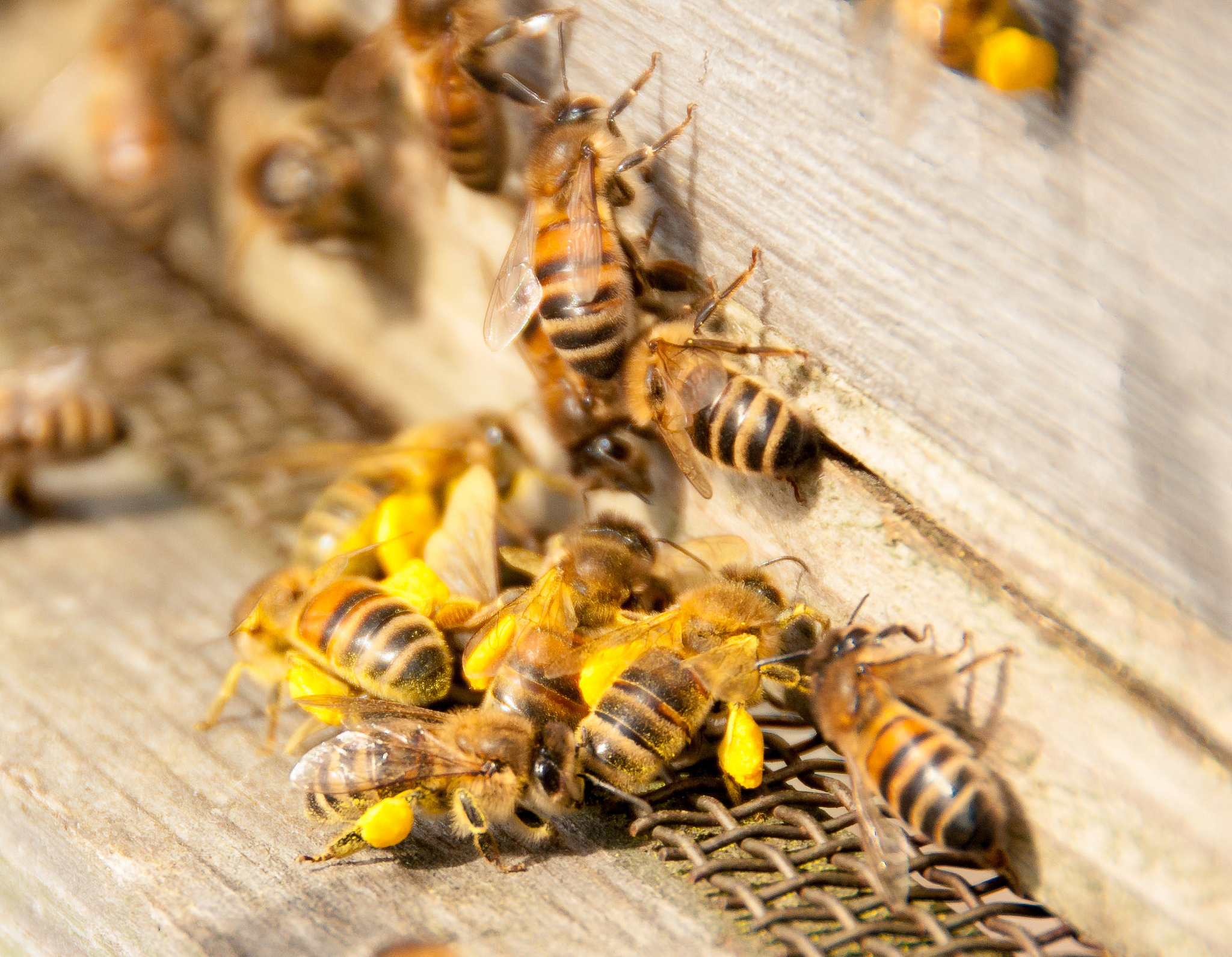
Photo, posted May 6, 2012, courtesy of Emma Jane via Flickr.

Earth Wise is a production of WAMC Northeast Public Radio
Banning Neonicotinoid Pesticides | Earth Wise

October 19, 2023 By EarthWise Leave a Comment

Banning neonicotinoids

New York’s Birds and Bees Protection Act contains a targeted restriction on neonicotinoid pesticides. These widely-used insecticides are absorbed by plants and can be present in pollen and nectar, making them toxic to bees and other pollinators.

Among the largest applications of neonics (as they are called) has been in the form of coatings on crop seeds, such as corn and soybeans.  In 2019, Canada’s Quebec province strongly limited neonic use to protect pollinators and the environment.  The chemical industry vigorously protested the regulations and claimed that the restrictions would cause the collapse of the grain sector in Quebec.

Seed suppliers began supplying uncoated seeds in 2019 and now there is scarcely any use of coated seeds in the province.  Monitoring of over 1,000 agricultural sites has shown that there have been no crop failures related to the pesticide restrictions.  In fact, use of the neonics had no economic benefits. 

Naysayers warned that even more harmful pesticides or other farming practices would be used instead.  But that hasn’t happened either. Some farmers switched to much safer insecticides and others abandoned insecticide treatments altogether.

New York has faced similar opposition by farmers and chemical manufacturers to the Birds and Bees Protection Act and all of the same arguments that have been proven to be invalid in Quebec are being made in New York.  Most major environmental advocates in the state support the measures embodied in the legislation.  As usual, it boils down to a battle between economic interests and the health of the environment.

**********

Web Links

Québec’s experience with pesticide ban offers a glimpse of what New York can expect

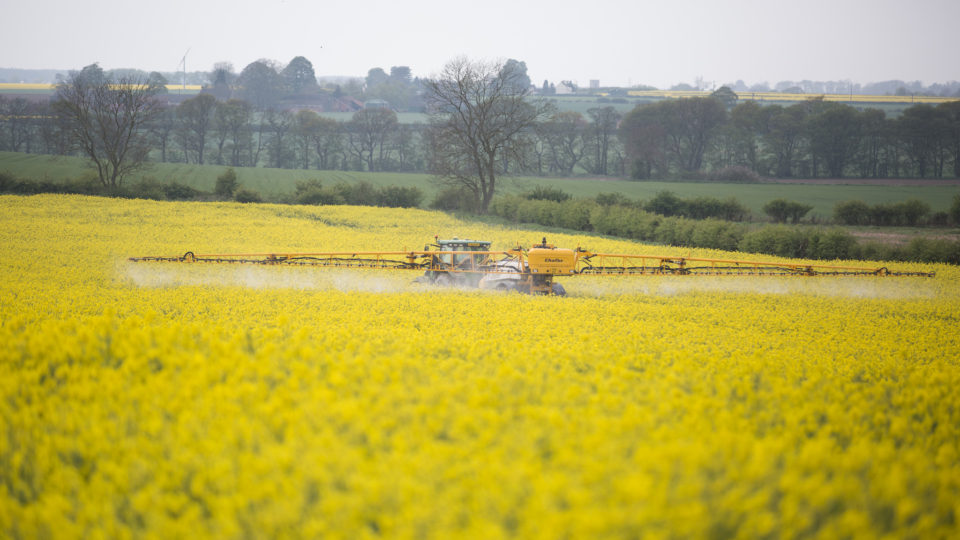
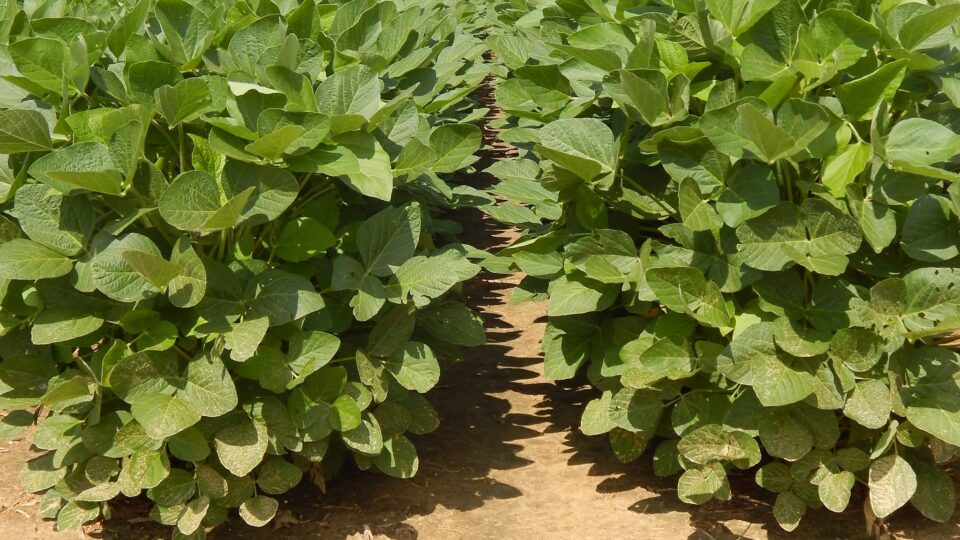
Photo, posted August 29, 2013, courtesy of the United Soybean Board / the Soybean Checkoff via Flickr.

Earth Wise is a production of WAMC Northeast Public Radio
Residential Gardens And Pollinators | Earth Wise

April 2, 2021 By EarthWise Leave a Comment

Residential gardens play an important role for pollinators

A new study led by the University of Bristol in the UK measured for the first time how much nectar is produced in urban areas to gauge the role of residential gardens in providing nutrients for pollinators.  They discovered that home gardens accounted for the vast majority of the crucial nutrients for pollinators; in fact, some 85% on average.

The study found that gardens generated a daily average of about a teaspoon of the unique sugar-rich liquid found in flowers which pollinators drink for energy.  A teaspoon sounds like very little, but it is enough to feed thousands of bees.

The research examined nectar production in four major UK towns and cities and measured nectar production in nearly 200 species of plants.  The results were that the nectar supply in urban landscapes is more diverse than in farmland and nature reserves.   In addition, gardens are critical because they produce the most nectar per unit area of land and actually cover the largest area of land in the cities studied.  In those cities, nearly a third of the land comprised domestic gardens, which is six times the area of parks and 40 times the area of small green allotments.

The upshot of the research is that home gardeners have a huge role to play in pollinator conservation.  Without domestic gardens, there would be far less food for pollinators that include bees, wasps, butterflies, moths, flies, and beetles.  Thus, it is important for home gardeners to keep planting nectar-rich flowers, mow lawns less often to let dandelions, clovers, and daisies flourish, avoid harmful pesticides, and avoid covering gardens in paving, decking, or artificial turf.

**********

Web Links

Pioneering research reveals gardens are secret powerhouse for pollinators

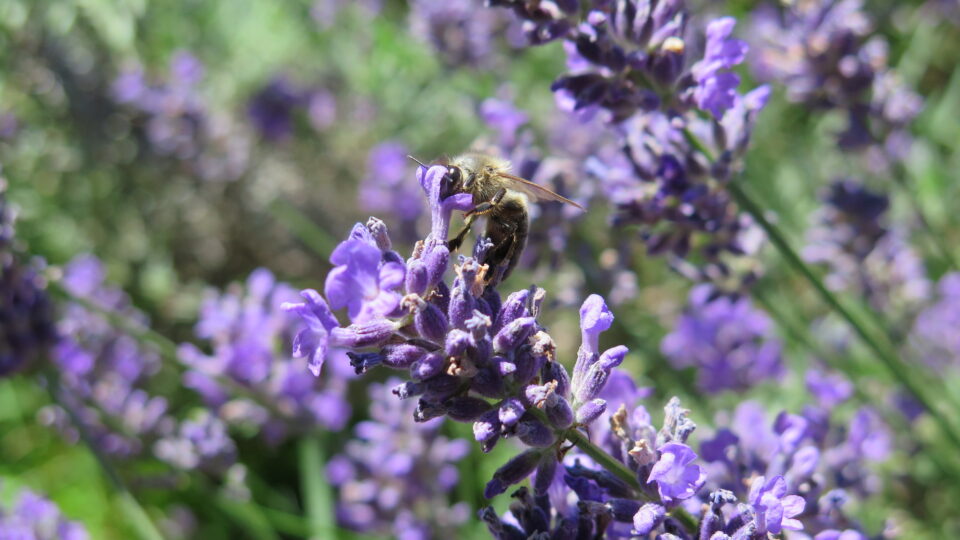
Photo, posted June 23, 2018, courtesy of Wolfferl via Flickr.

Earth Wise is a production of WAMC Northeast Public Radio.

Zika Insecticides And Honeybees

November 30, 2018 By EarthWise Leave a Comment

https://earthwiseradio.org/wp-content/uploads/2018/11/EW-11-30-18-Zika-Insecticides-and-Honeybees.mp3

Honeybees, which play a critical role in agriculture by pollinating crops, are not native to the United States.  Beekeepers manage most honeybee colonies and they move the bees around to support farmers.        

[Read more…] about Zika Insecticides And Honeybees

Is It Time to Ban Neonics?

May 10, 2018 By EarthWise Leave a Comment

https://earthwiseradio.org/wp-content/uploads/2018/05/EW-05-10-18-Time-to-Ban-Neonics.mp3

Neonicotinoids (or ‘neonics’ for short) are a class of insecticides chemically related to nicotine.  In fact, the name ‘neonicotinoid’ literally means “new nicotine-like insecticide.”  And like nicotine, neonics act on certain kinds of receptors in the nerve synapse.  Most corn, soy, and wheat seeds planted today are coated with neonics, which is reportedly 5,000 to 10,000 times more toxic than DDT. 

[Read more…] about Is It Time to Ban Neonics?

Pesticides And Bees

March 22, 2018 By EarthWise Leave a Comment

https://earthwiseradio.org/wp-content/uploads/2018/03/EW-03-22-18-Pesticides-and-Bees.mp3

According to a European food safety watchdog, most applications of neonicotinoids – the world’s most widely used insecticides – represent a risk to wild bees and honeybees.  The use of these insecticides has been restricted in Europe since 2014 following earlier risk assessments. 

[Read more…] about Pesticides And Bees

Help Save The Bees

December 13, 2016 By EarthWise

https://earthwiseradio.org/wp-content/uploads/2016/12/EW-12-13-16-Help-Save-the-Bees.mp3

Globally, 40% of invertebrate pollinator species, such as bees and butterflies, are facing extinction.  And since approximately three-quarters of the world’s food crops depend on pollination, the decline of these pollinators could pose a threat to food security around the globe. 

[Read more…] about Help Save The Bees

Carbon Dioxide And Bees

June 21, 2016 By WAMC WEB

https://earthwiseradio.org/wp-content/uploads/2016/06/EW-06-21-16-Carbon-Dioxide-and-Bees.mp3

The decline of bee populations worldwide is a serious problem that threatens much of agriculture.  From 2006 to 2011, losses in managed honeybee colonies in the U.S. averaged 33 percent a year.  In recent years, beekeepers have had to replace 50 percent of their colonies each year.

[Read more…] about Carbon Dioxide And Bees

Primary Sidebar

Recent Episodes

  • An uninsurable future
  • Clean energy and jobs
  • Insect declines in remote regions
  • Fossil fuel producing nations ignoring climate goals
  • Trouble for clownfishes

WAMC Northeast Public Radio

WAMC/Northeast Public Radio is a regional public radio network serving parts of seven northeastern states (more...)

Copyright © 2025 ·