• Skip to primary navigation
  • Skip to main content
  • Skip to primary sidebar

Earth Wise

A look at our changing environment.

  • Home
  • About Earth Wise
  • Where to Listen
  • All Articles
  • Show Search
Hide Search
You are here: Home / Archives for natural

natural

Mercury in tuna

March 25, 2024 By EarthWise Leave a Comment

Mercury in tuna still a lingering issue

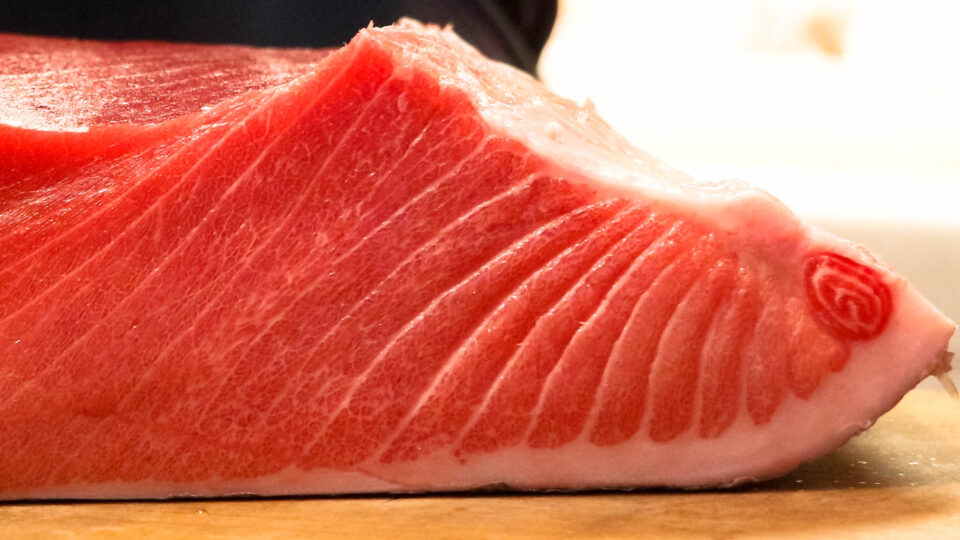
Mercury is found throughout the ocean, and there is at least some of it in any fish one might eat. It is an element found naturally in the environment, but it is also a byproduct of manmade pollution. Generally speaking, bigger fish tend to have higher mercury levels than smaller ones, because they are higher up in the food chain. The more small fish those big fish eat, the more mercury builds up in their bodies.  Tuna aren’t the biggest fish in the ocean, but they are very common in many people’s diets.

Increased mercury levels are a result of human activities like burning coal and mining which release methylmercury into the air.  It then finds its way into the oceans in rainwater.  Methylmercury is a particularly toxic chemical that affects the nervous system.  Environmental protection policies in recent decades have helped to reduce mercury pollution.

However, a recent study by French researchers looked at the mercury levels in tuna over the past 50 years.  They found that the levels have basically not changed since 1971.  As a result, they are calling for more restrictive environmental policies to further lower mercury pollution levels.

The researchers explained that the lowering of mercury airborne levels to date has not necessarily been ineffective.  They theorized that the static levels in tuna may be caused by the upward mixing of “legacy” mercury from deeper ocean water into the shallower depths where tropical tuna swim and feed.  It could very well take decades to dramatically reduce ocean mercury levels. 

Meanwhile, mercury content in tuna varies considerably by tuna type and source and there are both better and worse choices out there.  Consumers should learn the facts.

**********

Web Links

Mercury levels in tuna remain nearly unchanged since 1971, study says

Photo, posted November 7, 2015, courtesy of Mussi Katz via Flickr.

Earth Wise is a production of WAMC Northeast Public Radio

Golf courses gone wild

March 18, 2024 By EarthWise Leave a Comment

Rewilding golf courses is catching on

Golf courses are a significant burden on the environment.  The US has 16,000 golf courses which use 1.5 billion gallons of water a day and are treated with 100,000 tons of nitrogen, phosphorus, and potassium each year.  In recent years, the golf industry has taken steps to lighten its environmental toll by using less water, introducing pollinator-friendly plants, and decreasing pesticide and fertilizer use.  The US has more golf courses than any other country, accounting for 42% of all courses worldwide.

There is really an oversupply of golf courses and, as a result, more golf courses have closed than have opened since 2006.  Most closed golf courses end up in the hands of commercial or residential developers, but some of them are allowed to return to nature.

For this to happen, there has to be a willing seller and, more importantly, a conservation-minded buyer who can afford both to purchase the land and to restore it to a natural state.  There have been 28 former golf courses transformed into public green spaces between 2010 and the end of 2022.  But that number seems to be growing.

In 2023, the former Cedar View Golf Course on the eastern shore of Cayuga Lake in upstate New York was bought by the Finger Lakes Land Trust.  In California, places like Santa Barbara, Marin County, and even Palm Springs have all undertaken the transformation of former golf courses into public parklands.

Rewilding a golf course is undoubtedly a disappointment to local golfers, but it can bring big benefits to animals, plants, and people. 

**********

Web Links

After Shutting Down, These Golf Courses Went Wild

Photo, posted October 19, 2016, courtesy of Cabo Girao via Flickr.

Earth Wise is a production of WAMC Northeast Public Radio
Natural hydrogen

February 26, 2024 By EarthWise Leave a Comment

Natural hydrogen could be a big deal

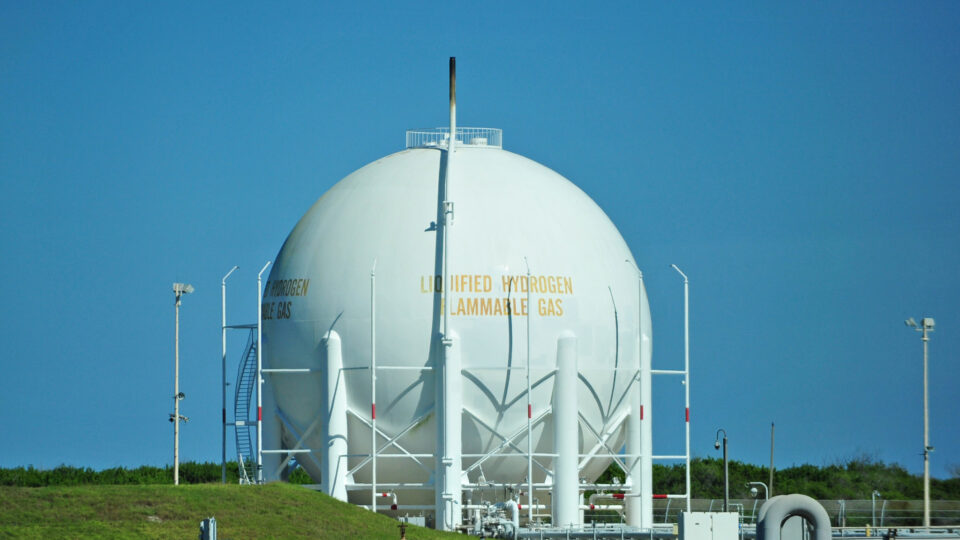
Hydrogen is considered to be a potential substitute for conventional fossil fuels in applications where electricity cannot easily be used such as in blast furnaces, cement works, industrial heating, long-distance aviation, and shipping.  But most hydrogen is manufactured by separating it from methane, which is energy-intensive and produces carbon dioxide.  So-called green hydrogen is made by splitting water using electricity.  It is a carbon-free process if the electricity is from renewable sources, but it is pretty expensive.

A small community in Mali gets its electricity by burning natural hydrogen, which bubbles up from underground into a village well.  It has long been known that processes in the Earth’s crust can make hydrogen gas from water under certain circumstances.  But conventional wisdom has been that this occurrence is rare and that the hydrogen produced is either inaccessible or seeps away.

An increasing number of geoscientists now are convinced that there is actually an enormous quantity of hydrogen beneath the planet’s surface and that we just haven’t been looking for it in the right places, or at all, for that matter.  Some say that there could be trillions of tons of hydrogen, and more is being generated all the time.

Prospectors have recently been drilling for hydrogen in France, Australia, Morocco, Brazil, and in the United States, in Nebraska, Arizona, and Kansas.  Will extracting natural hydrogen be practical at the scale required and will it be economical?  The jury is still out on all of this, but if it turns out as proponents claim, natural hydrogen could be a very big deal.

**********

Web Links

Natural Hydrogen: A Potential Clean Energy Source Beneath Our Feet

Photo, posted November 4, 2012, courtesy of Heather Paul via Flickr.

Earth Wise is a production of WAMC Northeast Public Radio
Thousands of species threatened

January 24, 2024 By EarthWise Leave a Comment

The IUCN tracks thousands of threatened species

The International Union for the Conservation of Nature is an organization working in the field of nature conservation and sustainable use of natural resources.  The IUCN has been around for nearly 75 years and is the global authority on the status of the natural world and the measures needed to safeguard it.

In its latest accounting, the IUCN has determined that more than 44,000 species worldwide are threatened with extinction.  Among them, nearly 7,000 face an immediate threat from climate change.

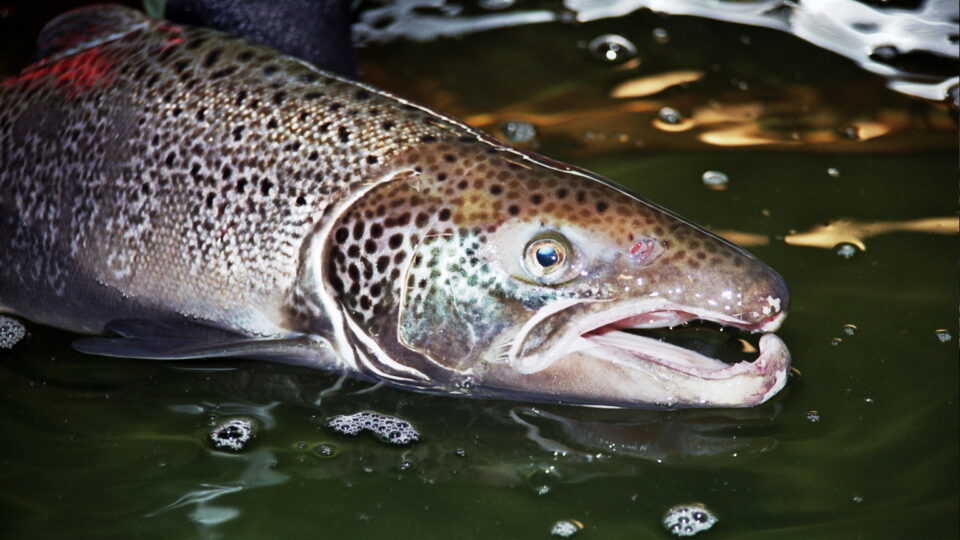
The organization tracks 157,000 species to compile its Red List and found that climate change poses a growing threat to many kinds of wildlife. At particular risk are freshwater fish including Atlantic salmon, which are now classified as “Near Threatened.” 

In all, about 25% of freshwater fish are threatened with extinction.  This is in part driven by rising sea levels which causes saltwater to be driven up into rivers.  Some 41% of amphibians are threatened with extinction, in part due to more intense heat and drought.  Many populations of green turtles are at risk of extinction because of rising temperatures lowering hatch rates and rising sea levels flooding nests.

It isn’t just animals at risk.  For example, big leaf mahogany, one of the world’s most commercially sought-after timber trees, has moved from Vulnerable to Endangered on IUCN’s Red List.  Thousands of trees have been added to the Red List, many of which are timber species, and some are keystone species in forests.

Endangered and threatened species are often irreplaceable parts of ecosystems which provide humans with many services that only the natural world can.

**********

Web Links

More Than 44,000 Species Now Threatened With Extinction

Photo, posted November 22, 2010, courtesy of E. Peter Steenstra/USFWS via Flickr.

Earth Wise is a production of WAMC Northeast Public Radio
Protecting Wetlands | Earth Wise

March 28, 2023 By EarthWise Leave a Comment

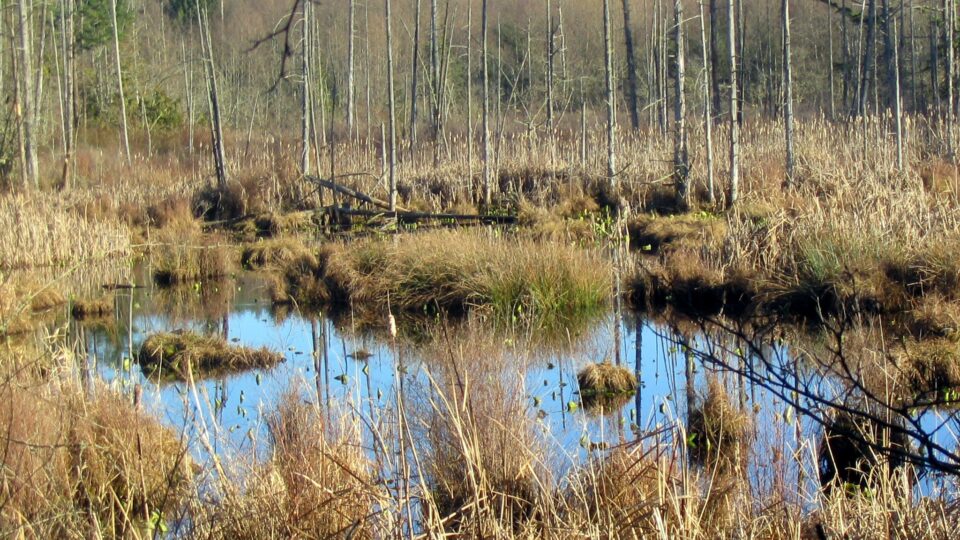
Wetlands are distinct ecosystems that are flooded or saturated by water, either permanently or seasonally.  They include mangroves, marshes, swamps, forested wetlands, bogs, wet prairies, and vernal pools.   The feature that most wetlands share is soil or substrate that is at least periodically saturated with or covered by water.

Wetlands are some of the most threatened ecosystems in the world.  While wetlands can be affected by a variety of natural stressors, including erosion, droughts, and storms, human activities have been the major driver of wetland decline. 

But according to a new study by researchers from McGill University in Canada, the global loss of wetland areas since 1700 has likely been overestimated.  The research team calculated that the area of wetland ecosystems around the world has declined 21-35% since 1700 as a result of human activities – far less than the 50-87% decline estimated in other studies.  The study’s focus beyond regions with historically high wetland losses and its avoidance of possibly misleading extrapolations likely resulted in the lower estimate.      

According to the study, which was published in the journal Nature, more than 2.1 million square miles of wetlands have been lost during the past 300 years – an area roughly the size of India.  The five countries with the highest wetland losses are the United States, China, India, Russia and Indonesia. 

But discovering that fewer wetlands have been historically lost than previously thought gives researchers a second chance to protect wetlands.  The findings of the study will help researchers prioritize global conservation and restoration actions.

**********

Web Links

A second chance to protect wetlands

Photo, posted February 2, 2005, courtesy of Jan Tik via Flickr.

Earth Wise is a production of WAMC Northeast Public Radio
Turning Carbon Into Stone | Earth Wise

January 31, 2023 By EarthWise Leave a Comment

Start-up plans to turn carbon into stone

A start-up company in Oman called 44.01 was recently awarded a $1.2 million Earthshot Prize by Prince William of the U.K.  The company, whose name corresponds to the molecular weight of carbon dioxide, is working on speeding up natural chemical reactions that take carbon from the air and lock it into solid mineral form.

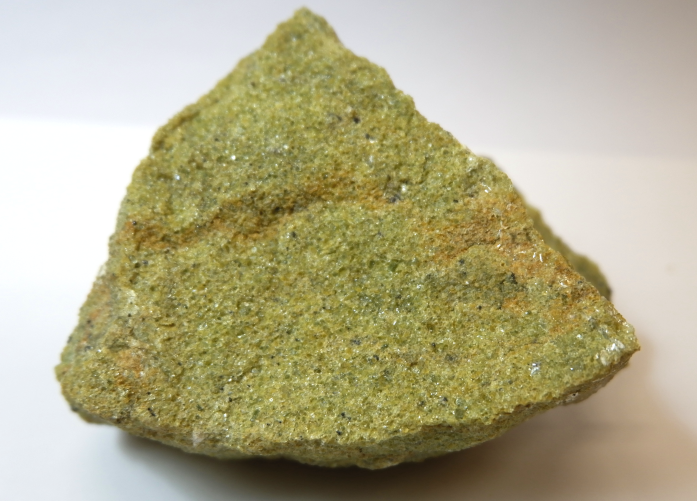
The company’s location in Oman is no random occurrence.  The mountains of northern Oman and along the coast of the United Arab Emirates are the site of a huge block of oceanic crust and upper mantle that was thrust upward some 96 million years ago.  The tilted mass of rock is over 200 miles long and is the largest surface exposure of the Earth’s mantle in the world.

This type of rock, called peridotite, is rich in olivine and pyroxene, which react with water and carbon dioxide to form calcium-based minerals like serpentine and calcite that permanently lock in carbon. Other kinds of rock also are capable of carbon-storing mineralization, but this mantle rock is the most effective for the purpose. It only exists at the Earth’s surface in a few places, including Papua New Guinea and some spots in California and Oregon.

The 44.1 company is planning to use solar-powered direct air capture devices to remove CO2 from the air, use it to produce carbonated water, and inject the water into the reactive rocks.  The company will operate a couple of pilot systems during 2023.  Ultimately, the company believes it can scale up the process to be able to permanently sequester as much as a billion tons of CO2 a year by the year 2040 without needing to inject the gas into deep caverns or find other places to store it.

**********

Web Links

With Major Prize, a Project to Turn Carbon Emissions to Stone Gains Momentum

Photo, posted August 10, 2018, courtesy of JM McBeth via Flickr.

Earth Wise is a production of WAMC Northeast Public Radio
A Growing Threat To Wheat | Earth Wise

January 27, 2023 By EarthWise Leave a Comment

A growing threat to wheat threatens crop price and global food security

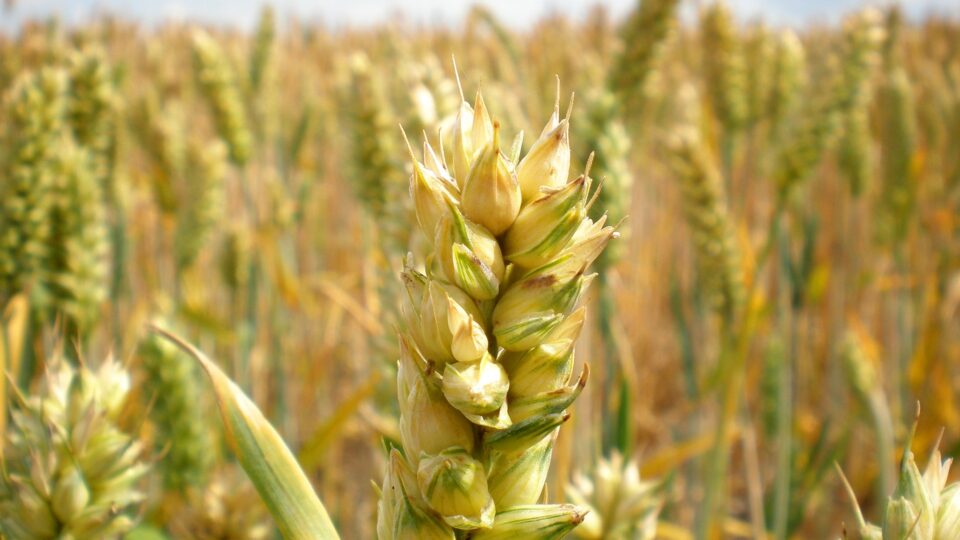
Wheat is one of the most widely-grown crops in the world and plays a major role in human nutrition.  In fact, wheat contributes approximately 20% of the protein and 20% of the calories consumed by humans globally.  It is grown on every continent except Antarctica.  

But wheat is under growing attacks from harmful toxins.  According to a new study by researchers from the University of Bath and the University of Exeter in the U.K., almost half of wheat crops across Europe are impacted by the fungal infection that gives rise to mycotoxins.

Mycotoxins are naturally occurring toxins produced by the fungus that causes Fusarium Head Blight.  Fusarium Head Blight is a disease that affects wheat and other grains growing in the field. Eating products contaminated with mycotoxins can cause sickness in humans and livestock, including vomiting and other gastrointestinal problems.

In the study, the research team examined 10 years of government and agribusiness data, which tracked Fusarium mycotoxins in wheat entering the food and animal supply chains across Europe and the U.K.  Half of the wheat intended for human food in Europe contained the Fusarium mycotoxin.  In the UK, 70% of wheat was contaminated.

Governments set legal limits on mycotoxin contamination levels in wheat that is to be consumed by humans. But with the ubiquitous nature of these mycotoxins, the effect of constant, low-level exposure in the diet over the course of a lifetime is not known. 

With climate change and the war in Ukraine already impacting both wheat yield and price, preventing toxin contamination is critical to help maintain a stable crop price and to protect global good security. 

**********

Web Links

Harmful fungal toxins in wheat: a growing threat across Europe

Photo, posted July 11, 2011, courtesy of Maria Keays via Flickr.

Earth Wise is a production of WAMC Northeast Public Radio.

The Bengal Water Machine | Earth Wise

October 31, 2022 By EarthWise Leave a Comment

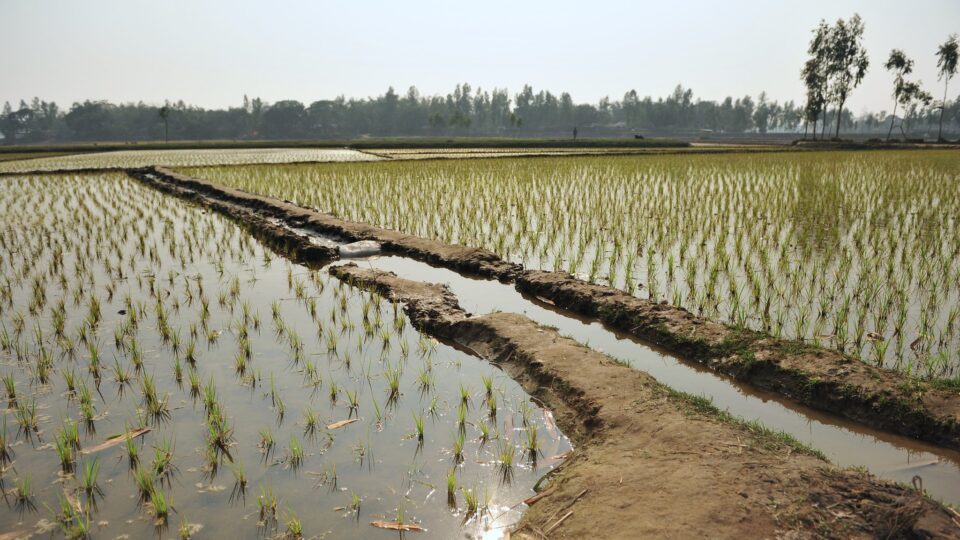
Over the past three decades, the owners of 16 million small farms in the Bengal Basin of Bangladesh have been pumping shallow groundwater during dry seasons to irrigate rice paddies.  By lowering groundwater levels in this way during the dry season, the ability of leakage from rivers, lakes, and ponds to replenish the groundwater was greatly enhanced.   Capturing surface water not only improved the recovery of groundwater levels but only helped to reduce flooding during monsoons.

The net result of this enormous collective groundwater pumping by millions of farmers has been the creation of vast natural reservoirs underground that are comparable to what is contained by many of the world’s largest dams.   This system of sustaining irrigation has transformed what was previously a famine-prone country into a food-secure nation.

The details of this remarkable transformation have been laid out in a study by University College London recently published in the journal Science.  According to the study, over the course of 30 years, more than 75 cubic kilometers of fresh water was captured by this process, which is equivalent to the combined reservoirs of China’s Three Gorges Dam and the Hoover Dam in the U.S.

The authors of the study described the water cycling process as “The Bengal Water Machine” and argue that it can be a sustainable alternative to conventional approaches to seasonal river flow storage for irrigation, which typically involve dams and reservoirs.  Such approaches are difficult to implement in densely populated alluvial plains where sand, silt, and clay are laid down by annual floodwaters. 

**********

Web Links

Millions of farmers “replumb” world’s largest delta

Photo, posted February 2, 2010, courtesy of Melanie Ko via Flickr.

Earth Wise is a production of WAMC Northeast Public Radio
Cleaning Up Urban Rivers With Nature’s Tools | Earth Wise

October 7, 2022 By EarthWise Leave a Comment

Fifty years after the passage of the Clean Water Act, urban waterways across the United States are continuing their comeback and are showing increasing signs of life.  A strategy that is being adopted in many places is to use natural restoration techniques focused on bolstering plants and wildlife to improve water quality.

A nonprofit called the Upstream Alliance has focused on public access, clean water, and coastal resilience in the Delaware, Hudson, and Chesapeake watersheds.  Working with the Center for Aquatic Sciences and with support from the EPA and the National Fish and Wildlife Foundation, the alliance has been repopulating areas of an estuary of the Delaware River near Camden, New Jersey with wild celery grass, which is a plant vital to freshwater ecosystems.

In many places, scientists, nonprofits, academic institutions, and state agencies are focusing on organisms like bivalves (typically oysters and mussels) along with aquatic plants to help nature restore fragile ecosystems, improve water quality, and increase resilience.

Bivalves and aquatic vegetation improve water clarity by grounding suspended particles, which allows more light to penetrate.  These organisms also cycle nutrients both by absorbing them as food and by making them more available to other organisms.

Underwater restoration projects have been underway in New York Harbor for more than a decade, where the Billion Oyster Project has engaged 10,000 volunteers and 6,000 students. 

The hope is that bringing back bivalves and aquatic plants can create a lasting foundation for entire ecosystems.  It is restoring nature’s ability to keep itself clean.

**********

Web Links

How Using Nature’s Tools Is Helping to Clean Up Urban Rivers

Photo, posted December 19, 2019, courtesy of Scott via Flickr.

Earth Wise is a production of WAMC Northeast Public Radio

Better Marine Protected Areas | Earth Wise

August 17, 2022 By EarthWise Leave a Comment

Marine protected areas are regions of seas, oceans, estuaries, and in the US, the Great Lakes, that are afforded special protections.  MPAs restrict human activity for conservation purposes, generally in order to protect natural or possibly cultural resources.   MPAs may limit such things as development, fishing practices, fishing seasons, catch limits, moorings, and removal or disruption of marine life.

A new study by the University of Plymouth in the UK looked at the effectiveness of MPAs in increasing the total abundance of reef species.  It looked at the MPAs in Lyme Bay, off the south coast of England, where two of them are co-located but governed by different constraints.

The study found that whole-site management of an MPA can increase the total abundance of reef species within its borders by up to 95%.  This is in contrast to the MPA where only known features are conserved and human activity is otherwise allowed to continue unchecked.  In that place, species abundance increased by only 15%.

The whole-site MPAs were observed to have other benefits as well.   They show higher levels of functional redundancy, meaning that when there are species losses, they are compensated by other species.  Whole-site MPAs also exhibit higher levels of species diversity.

MPAs are increasingly being recognized as a sustainable way to enhance the marine environment even while supporting coastal communities.  The Global Ocean Alliance, a 72-country alliance led by the UK, has set a target of protecting 30% of all marine areas by 2030.  The new study shows that even more important than simply establishing marine protected areas, it is essential that they are effectively implemented.

**********

Web Links

Whole-site management of Marine Protected Areas can lead to a 95% increase in reef species

Photo, posted October 28, 2011, courtesy of Benjamin Evans via Flickr.

Earth Wise is a production of WAMC Northeast Public Radio.

Octopuses And Litter | Earth Wise

April 8, 2022 By EarthWise Leave a Comment

Octopuses are using ocean trash

Octopuses are remarkably intelligent animals.  They have a larger brain for their body size than all other animals apart from birds and mammals.  They exhibit high-order cognitive behaviors including tool use and problem solving.  Some captive octopuses learned to shoot jets of water at aquarium light switches to turn them off.  Others have learned to unscrew jar lids to get at food.

A recent analysis of underwater imaging has shown that octopuses are increasingly using discarded bottles, cans, and other human-generated litter as shelter or as a place to lay eggs.

The research documented 24 species of octopus sheltering inside glass bottles, cans, and even an old battery.  Some buried themselves under a mixture of bottle caps and seashells.  Others even carried plastic items around while walking on just two tentacles to disguise themselves from predators.

The octopuses showed a preference for unbroken items and for darker or opaque containers.  Normally, octopuses make use of natural shelters such as seashells.  Whether they are making use of litter simply because there is so much of it around or because there is an increasing lack of natural items is not clear.

As with all other aspects of the growing problem of litter in the oceans, this new trend is not a good one.  Sheltering or laying eggs inside discarded tires, batteries, or plastic items has the potential to expose octopuses to heavy metals and other harmful chemicals.

Octopuses are intelligent and resourceful animals, and they will use whatever they have at their disposal to continue sheltering or moving around with protection from potential predators.

**********

Web Links

Octopuses Have Learned to Make Use of Ocean Litter, Study Finds

Photo, posted May 13, 2014, courtesy of Elias Levy via Flickr.

Earth Wise is a production of WAMC Northeast Public Radio.

Greenhouse Gas Removal And Net Zero | Earth Wise

November 18, 2021 By EarthWise Leave a Comment

Reducing the amount of greenhouse gas emissions can slow the progress of global warming but only reaching and sustaining net zero global emissions can halt the progress of climate change.

The move to renewable power and the use of electric transport are substantial and essential ways to reduce emissions.  But even if these transitions take place on a rapid timescale, they will not eliminate all emissions.  Many industrial activities and, especially, agriculture will continue to contribute substantial greenhouse gas emissions.   There are efforts to reduce the contributions of these things, but there are no zero-emission substitutes for most of them.

As a result, actually removing CO2 from the atmosphere once it is there is essential to achieve net zero emissions.  If greenhouse gas removal can be scaled up sufficiently, it opens the option of going “net negative”, which would be the ideal way to mitigate and, better still, reverse the effects of climate change.

There are multiple approaches to carbon dioxide removal.  Some are natural, involving ways of capturing and storing carbon in trees, biochar, and peatlands.  Others are technological.  An example is the system that has just gone into operation in Iceland that uses fans, chemicals, and heat to capture CO2 and then mineralize it in volcanic rock.   Another is a system being tested in the UK that captures CO2 from growing biomass and pipes it to storage under the North Sea.

Much of the attention on carbon capture technology is aimed at trapping the emissions from fossil fuel power plants, but the need to remove carbon dioxide that has entered the atmosphere in other ways is ultimately far greater.

**********

Web Links

CO2 removal is essential to achieving net zero

Photo, posted August 17, 2013, courtesy of Joshua Mayer via Flickr.

Earth Wise is a production of WAMC Northeast Public Radio.

Direct Air Capture | Earth Wise

October 15, 2021 By EarthWise Leave a Comment

How to make direct air capture feasible

There is a lot of interest in carbon capture and sequestration (or CCS) in the context of trapping the carbon dioxide emissions from power plants and industrial facilities.  The fossil fuel industry is especially enthusiastic about the potential for continuing to burn fuels without harming the environment.  Apart from the technical challenges, there is the looming problem of CCS adding significant costs to power generation that is already losing the economic battle to renewable sources.

Direct air capture is a different matter.   This is the idea of actively taking CO2 out of the atmosphere.  This already happens by natural means such as sequestering it in soil or forests.  But there is considerable work going on aimed at developing technology to capture atmospheric carbon dioxide in massive quantities.

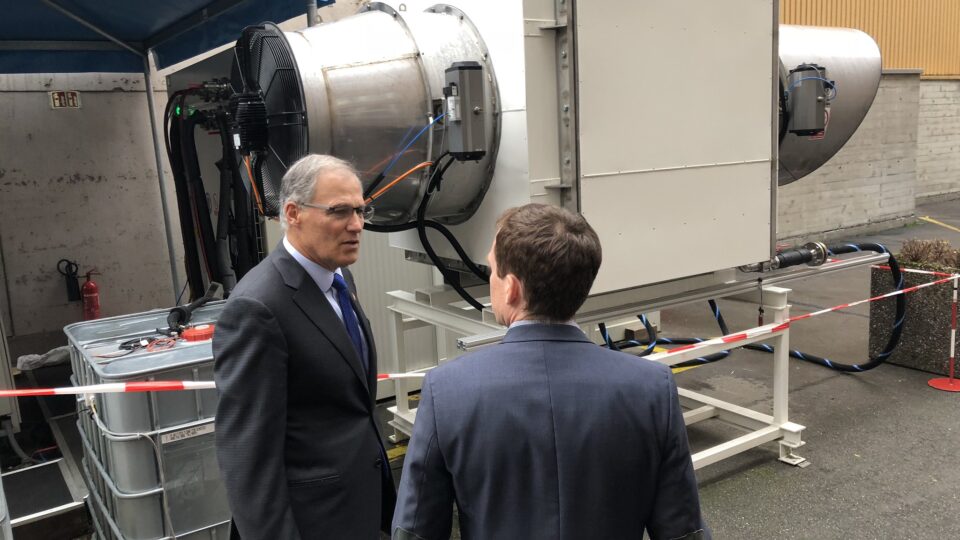
This September marks the opening of a new project called “Orca” in Iceland, which will, for the time being, be the largest direct air capture system in the world.  Once it is running around the clock, Orca will remove up to 4,000 metric tons of CO2 from the atmosphere each year.

Even larger DAC plants – one in the southwestern U.S and another in Scotland – are planned to come online in the next few years.

Ultimately, the question is whether direct air capture is feasible at large enough scale and affordable cost.  The numbers are daunting.  Society releases over 30 billion metric tons of carbon dioxide into the atmosphere each year.  Removing significant amounts of that with DAC technology is an enormous challenge.  Eliminating emissions remains the most practical way to mitigate the effects of climate change.

**********

Web Links

The Dream of Carbon Air Capture Edges Toward Reality

Photo, posted November 10, 2017, courtesy of Governor Jay and First Lady Trudi Inslee via Flickr.

Earth Wise is a production of WAMC Northeast Public Radio.

Harnessing The Smell Of Fear | Earth Wise

September 28, 2021 By EarthWise Leave a Comment

Harnessing the smell of fear to drive away pests

Plant-eating insects present a major problem for farmers and home gardeners.  Aphids, for example, are a highly destructive pest to many crops.  Their large numbers and ability to transmit plant pathogens make them a persistent problem for growers.

Pesticides are chemical substances that are commonly used to prevent, destroy, repel or mitigate pests.  They include insecticides for insects, rodenticides for rodents, herbicides for weeds, and fungicides for microorganisms.  According to the U.S. Geological Survey, approximately one billion pounds of these chemicals are used in the United States every year.     

But pesticides can also contaminate soil, water, and other vegetation, as well as kill many non-target species.  Exposure to these chemicals is dangerous for human health. 

According to a new study, researchers from Pennsylvania State University have developed a way to bottle the “smell of fear” produced by predators in order to repel and disrupt pests naturally without the need for these harsh substances.  The researchers recently presented their findings at the American Chemical Society meeting.  

Aphids happen to be a favorite food of ladybugs. Aphids and other herbivorous insects will steer clear of fields and gardens if they smell predators nearby.  The researchers identified and extracted the volatile odor profile from ladybugs.  The researchers used the compounds to create a special odor blend that can be used in an essential oil diffuser to spread the scent across a garden or field. 

The research team plans to conduct field tests to see if the effects outside are similar to what was observed in the lab.  A natural and effective pest repellent would be a big win for people and the planet.  

**********

Web Links

Protecting gardens and crops from insects using the ‘smell of fear’

Protecting gardens and crops from insects using the ‘smell of fear’ (YouTube)

Photo, posted May 10, 2011, courtesy of DM via Flickr.

Earth Wise is a production of WAMC Northeast Public Radio.

The Importance Of Urban Green Spaces | Earth Wise

August 10, 2021 By EarthWise Leave a Comment

Every urban green space is critically important to mental and physical well-being

Projections are that 68% of the global population will be living in cities by 2050.  It is therefore not surprising that urban green spaces are critically important for promoting mental and physical well-being.

An international study, published in Science Advances, took soil samples from different types of urban green spaces and comparable neighboring natural ecosystems in 56 cities from 17 countries across six continents.

The study concluded that even roadside plantings contribute a range of important microbial communities that are critical for sustaining productive ecosystems services, such as filtering pollutants and sequestering carbon dioxide.

Parks and gardens constitute most of the open spaces available for recreational activities in cities and play important roles in curbing pollution, reducing noise, and lowering air temperatures.

In addition, human exposure to soil microbes has been shown to be beneficial to human health by promoting effective immunoregulation functions and reducing allergies. The study found that city parks and even roadside plantings support a great variety of different microbes that are different from natural ecosystems. 

We think of roadsides as being barren but the vegetation along footpaths and roadsides are important microbial habitats.  Some European cities, such as Bern in Switzerland, have instituted policies to protect the natural vegetation along footpaths and roadsides.

The new study is a part of a series of research efforts looking at the important of green spaces for ecosystem health.  As the world becomes increasingly urbanized, every bit of greenery in cities and highways is important and is needed for sustaining a healthy environment.

***********

Web Links

Every spot of urban green space counts

Photo, posted June 3, 2013, courtesy of Manuel MV via Flickr.

Earth Wise is a production of WAMC Northeast Public Radio.

Cleaning Up Diesel With Bacteria | Earth Wise

August 9, 2021 By EarthWise Leave a Comment

Using soil bacteria to clean up seeped diesel

Mothballed military outposts with piles of rusting oil drums are not an unusual sight in Greenland.  There are about 30 abandoned military installations in Greenland and diesel that was once used to operate generators and other machinery has, in many cases, seeped into the ground.

Removing tons of contaminated soil from these sites is incredibly resource-intensive involving the use of aircraft and ships, so it has not really been practical.  As a result, Danish Defense and the engineering company NIRAS instead conducted a five-year experiment to optimize the conditions for naturally occurring soil bacteria to break down the contaminating diesel.

The experiment was performed at Station 9117 Mestersvig, an abandoned military airfield on the coast of East Greenland.  Forty tons of diesel fuel contaminated the soil there.

The remediation method using bacteria is known as landfarming and has most often been applied in warmer climates around the world.  This was the first large-scale test under Arctic conditions.

Landfarming works by distributing contaminated soil in a thin layer, which is then plowed, fertilized, and oxygenated every year to optimize conditions for bacteria to degrade hydrocarbons.

The site was monitored by scientists from the University of Copenhagen, and they found that after five years, the bacteria had bioremediated as much as 82 percent of the 5,000 tons of contaminated soil on the site. 

Based on these results, it appears to be feasible for naturally occurring bacteria to be used to remediate contamination in all of the 30 deserted military installations in Greenland as well as in other Arctic sites contaminated by diesel pollution.

**********

Web Links

Bacteria used to clean diesel-polluted soil in Greenland

Photo, posted September 6, 2013, courtesy of Maj. Matthew J. Sala/The U.S. Air National Guard via Flickr.

Earth Wise is a production of WAMC Northeast Public Radio.

Sunscreen For Corals | Earth Wise

August 6, 2021 By EarthWise Leave a Comment

Scientists examine why some corals are better equipped to survive a changing environment

Sunscreen from beachgoers entering ocean waters is one of the greatest threats to coral reefs and there are global efforts to reduce or eliminate the use of many of the most harmful chemicals people use to protect themselves from the sun’s rays.  However, scientists at the Smithsonian Conservation Biology Institute have found that some corals have a natural sunscreen of their own that helps protect them from the effects of climate change.

Hawaiian blue rice corals feature a deep blue pigment that is created by chromoprotein that filters out harmful ultraviolet radiation from the sun.  UV damage has harmful impacts to reproduction in many coral species, but it appears not to have the same effect on blue rice coral.

In a study published in Scientific Reports, Smithsonian researchers studied the devastating effects that bleaching had on brown rice coral in the Hawaiian bleaching events of 2014 and 2015.  During the same events, blue rice coral either recovered quickly or was not affected by the elevated ocean temperature at all.

The blue-pigmented corals had dramatically greater reproductive vigor than the brown-pigmented version.  The key factor appears to be the sun-screening ability of the blue pigment in the particular symbiotic algae that lives inside the coral tissue known as zooxanthellae.  The coral protects the algae and in turn the algae provide the coral with food in the form of sugars produced as a waste product from photosynthesis.  In the case of the blue version, the algae also produce sunscreen for the coral.

By better understanding the role UV-protective pigments play in mitigating the adverse effects of climate change and warming oceans, scientists can learn why some species are better equipped to survive in a changing environment.

**********

Web Links

Smithsonian Conservation Biology Institute Scientists Find Corals’ Natural “Sunscreen” May Help Them Weather Climate Change

Photo, posted September 28, 2009, courtesy of Matt Kieffer via Flickr.

Earth Wise is a production of WAMC Northeast Public Radio.

Radar Satellites And Hazard Mitigation | Earth Wise

May 26, 2021 By EarthWise Leave a Comment

Using satellites to keep tabs on natural disasters

Scientists have concluded that the changing climate is primarily the result of increased human-caused greenhouse gas emissions.  Some of the effects of global climate change include melting glaciers, warming oceans, intensifying storms, and rising seas.

Another consequence of global climate change is natural disasters like floods and wildfires.  Climate change is increasing the frequency and severity of wildfires and increasing the odds of record-breaking floods in many parts of the United States and all around the world.

As a result, scientists in Australia have turned to technology for better assistance in keeping tabs on these climate change-driven natural disasters.  Researchers from Curtin University in Perth, Australia have found that satellites can improve the ability to detect, monitor, prepare for, and withstand natural disasters, including floods, wildfires, and earthquakes.

The research team used Synthetic Aperture Radar (SAR) data, which was acquired by the European Space Agency Sentinel-1 satellite.  The researchers also used data acquired by other satellites to evaluate these Australia-specific case studies.

According to the researchers, SAR data provides remote monitoring capabilities of Earth’s surface around the clock and in all weather, which is something that traditional optical Earth Observation (EO) imagery cannot do. The ability to function through fog, clouds, rainfall, and smoke is what makes SAR so valuable.

The research team says that the data can be used to improve how people track and respond to natural disasters, by precisely mapping topography, tracking movements of the ground, and mapping damage to infrastructure. 

As the climate continues to change, the ability to mitigate hazards like floods and wildfires will be increasingly important. 

**********

Web Links

Radar satellites can better protect against bushfires and floods

Photo, posted May 11, 2007, courtesy of Bert Knottenbeld via Flickr.

Earth Wise is a production of WAMC Northeast Public Radio.

Turning Wood Into Plastic | Earth Wise

May 4, 2021 By EarthWise Leave a Comment

Could wood solve the plastics problem?

Plastic pollution is particularly pernicious because plastics can take hundreds of years to degrade in the environment.  For this reason, researchers across the globe search for ways to shift from petrochemical plastics to ones that are biodegradable.

Producing biodegradable plastics is challenging both from the standpoint of the methods needed and from the results obtained.  Producing them often requires toxic chemicals and can be very expensive.  The materials that emerge often do not have the durability and strength of conventional plastics and can be unstable when exposed to moisture.

Researchers at the Yale School of the Environment have developed a process of decomposing the porous matrix of natural wood into a slurry that can be formed into a biodegradable plastic.  The material shows high mechanical strength, stability when holding liquids, and is resistant to the effects of ultraviolet light.  Along with all these favorable properties, the material can be recycled or safely biodegraded in the natural environment.

The slurry mixture is created by taking wood powder – a processing residue usually discarded in lumber mills – and deconstructing it with a biodegradable and recyclable solvent.  The resulting mixture has a high solid content and high viscosity and can be casted and rolled without breaking.

The researchers conducted a comprehensive life cycle assessment to test the environmental impacts of the bioplastic compared with conventional plastics.  Sheets of it were buried in soil and observed to fracture after two weeks and completely degrade after three months.  The material can also be broken back down into the slurry by mechanical stirring.

The remaining topic to investigate is the potential impact on forests if the manufacturing of this bioplastic is scaled up.

**********

Web Links

Turning wood into plastic

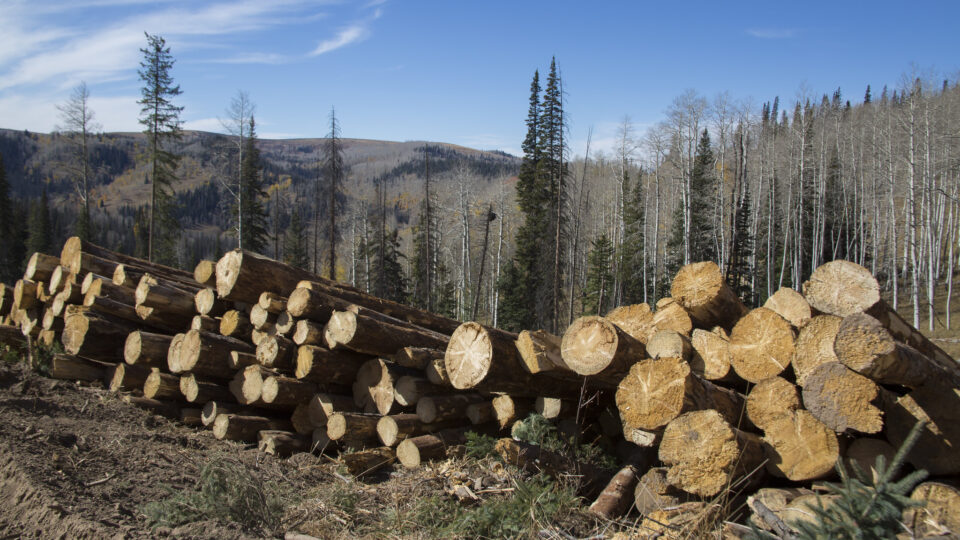
Photo, posted October 12, 2016, courtesy of the US Forest Service via Flickr.

Earth Wise is a production of WAMC Northeast Public Radio.

Protecting Nature Is Valuable | Earth Wise

April 15, 2021 By EarthWise Leave a Comment

Preserving nature is the best economic decision

A study by the University of Vermont, the University of Cambridge, and several other institutions compared the value of protecting nature at particular locations with that of exploiting it.   The study concluded that the economic benefits of conserving or restoring natural sites outweigh the profit potential of converting them for intensive human use.

The study analyzed dozens of sites across the globe – from Kenya to Fiji and China to the UK across six continents.  It was published in the journal Nature Sustainability.

The analysis utilized a methodology devised ten years ago called TESSA (the Toolkit for Ecosystem Service Site-based Assessment) which enables users to measure, and in many cases, assign monetary values to services provided by sites – clean water, nature-based recreation, crop pollination, and so on.  This is then compared with the economic benefits that can be derived by converting the site for farming, logging, or other human uses.

A major economic benefit of natural sites comes from their ability to sequester carbon and thereby help regulate the quantity of greenhouse gases in the atmosphere.  If one assigns a value to global society of $31 a ton of carbon removed, over 70% of the sites surveyed had a greater value to society when kept natural rather than being converted.  Many scientists actually consider this carbon price to be conservative.  Nevertheless, if carbon is assigned the paltry cost of $5 a ton, 60% of the sites are still more valuable in their natural state.

Beyond these economic calculations, there is the pressing issue that current rates of habitat conversion are driving a species extinction crisis unprecedented in human history.  But even if one is only interested in dollars and cents, conserving and restoring nature is now very often the best bet for human prosperity.

**********

Web Links

Economic Benefits of Protecting Nature Exceed Value of Exploiting it, Global Study Finds

Photo, posted June 7, 2017, courtesy of Mouli Choudari via Flickr.

Earth Wise is a production of WAMC Northeast Public Radio.

  • « Go to Previous Page
  • Page 1
  • Page 2
  • Page 3
  • Page 4
  • Go to Next Page »

Primary Sidebar

Recent Episodes

  • An uninsurable future
  • Clean energy and jobs
  • Insect declines in remote regions
  • Fossil fuel producing nations ignoring climate goals
  • Trouble for clownfishes

WAMC Northeast Public Radio
WAMC/Northeast Public Radio is a regional public radio network serving parts of seven northeastern states (more...)
Copyright © 2026 ·