• Skip to primary navigation
  • Skip to main content
  • Skip to primary sidebar

Earth Wise

A look at our changing environment.

  • Home
  • About Earth Wise
  • Where to Listen
  • All Articles
  • Show Search
Hide Search
You are here: Home / Archives for mongolia

mongolia

Megadroughts

February 24, 2025 By EarthWise Leave a Comment

A new study by Swiss and Austrian scientists has found that persistent multi-year droughts have become increasingly common since 1980 and will continue to proliferate as the climate warms.

There are multiple examples in recent years in places ranging from California to Mongolia to Australia.  Fifteen years of persistent megadrought in Chile have nearly dried out the country’s water reserves and even affected Chile’s vital mining output.  These multi-year droughts have triggered acute water crises in vulnerable regions around the world.

Droughts tend to only be noticed when they damage agriculture or visibly affect forests.  An issue explored by the new study is whether megadroughts can be consistently identified and their impact on ecosystems understood.

The researchers analyzed global meteorological data and modeled droughts over a forty-year period beginning in 1980.  They found that multi-year droughts have become longer, more frequent, and more extreme, covering more land.  Every year since 1980, drought-stricken areas have spread by an additional fifty thousand square kilometers on average, an area the size of Vermont and New Hampshire combined. 

The trend of intensifying megadroughts is clearly leading to drier and browner ecosystems.  Tropical forests can offset the effects of drought as long as they have enough water reserves.  However, the long-term effects on the planet and its ecosystems remain largely unknown.  Ultimately, long-term extreme water shortages will result in trees in tropical and boreal regions dying, causing long-term and possibly irreversible damage to these ecosystems.

**********

Web Links

The Megadroughts Are upon Us

Photo, posted January 7, 2018, courtesy of Kathleen via Flickr.

Earth Wise is a production of WAMC Northeast Public Radio
Fencing Out People And Animals

February 2, 2017 By EarthWise

https://earthwiseradio.org/wp-content/uploads/2017/02/EW-02-02-17-Fencing-Out-People-and-Animals.mp3

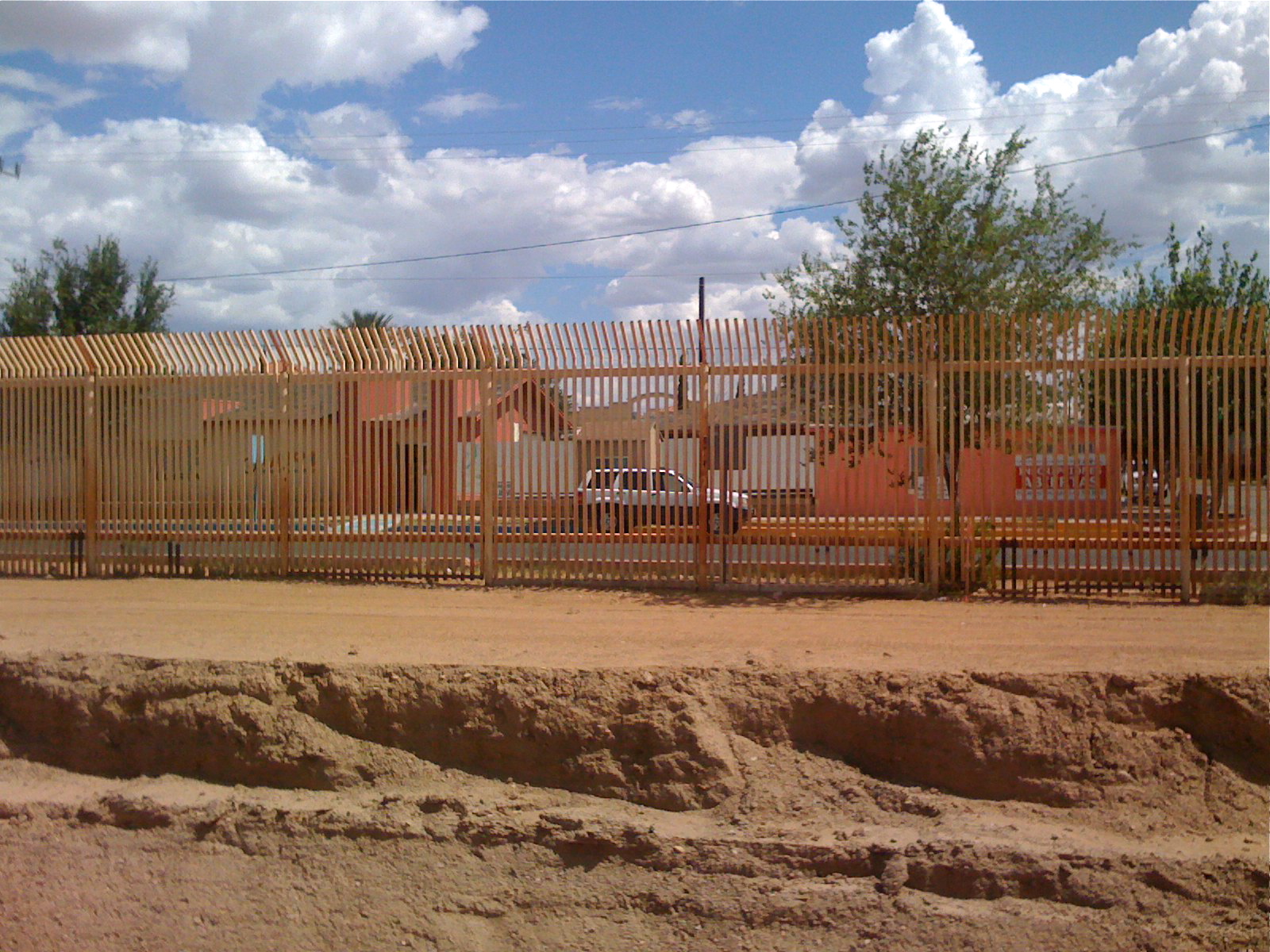
The flood of refugees from the Middle East and Africa has prompted governments in the Balkan countries to erect hundreds of miles of border fences.  Countries like Slovenia have put up razor-wire security fences to stem the tide of migrants.  These border fences are built with little if any consideration of the environmental impacts on wildlife.

[Read more…] about Fencing Out People And Animals

Lake Baikal

January 4, 2017 By EarthWise

https://earthwiseradio.org/wp-content/uploads/2016/12/EW-01-04-17-Lake-Baikal.mp3

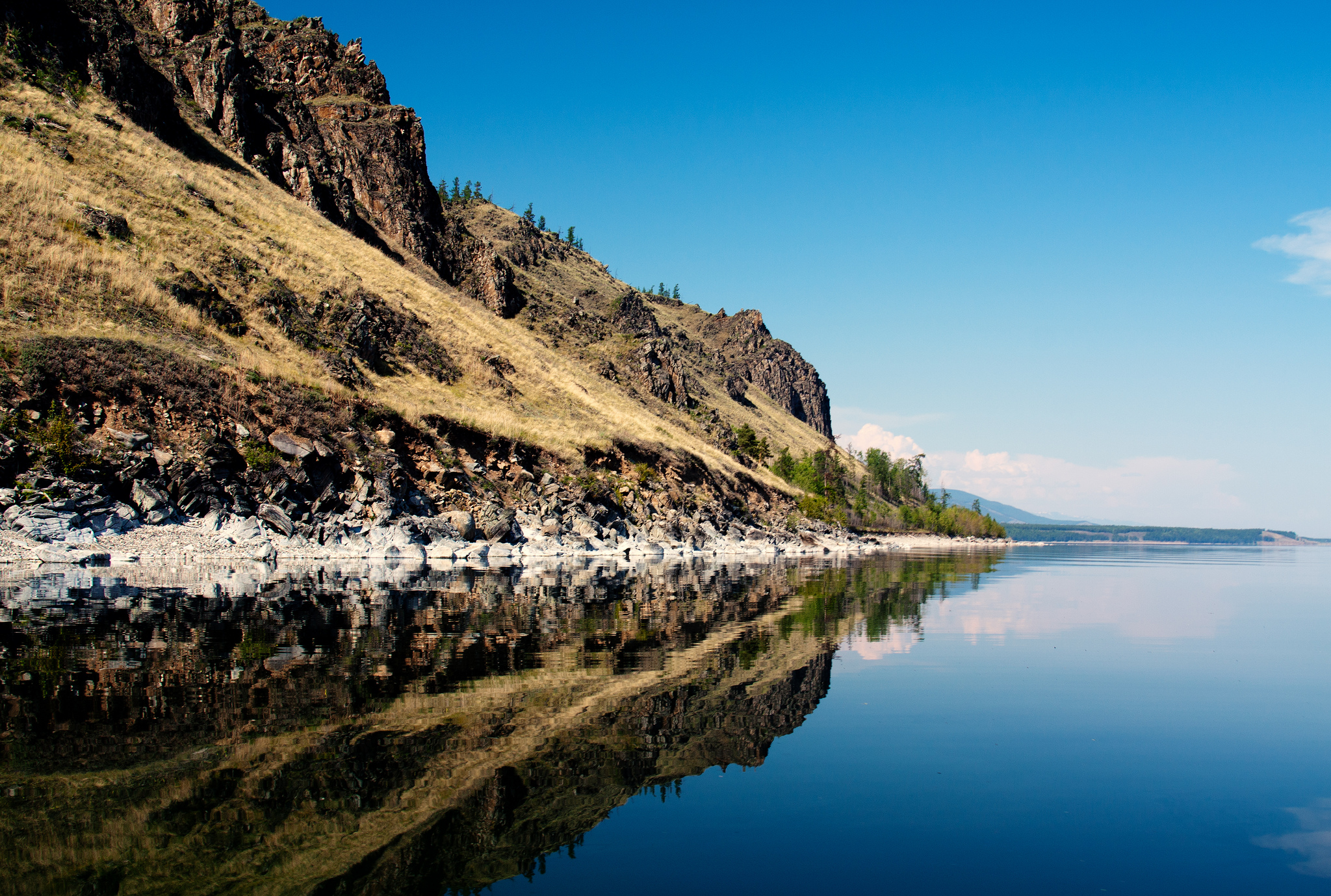
Lake Baikal is an ancient and massive body of freshwater found in the mountainous Russian region of Siberia.  Deep and voluminous, Lake Baikal holds 20% of the planet’s unfrozen freshwater.  And it’s often been described as the world’s cleanest and most pristine lake. 

[Read more…] about Lake Baikal

Snow Leopards And Humans

November 10, 2016 By WAMC WEB

https://earthwiseradio.org/wp-content/uploads/2016/11/EW-11-10-16-Snow-Leopards-and-Humans.mp3

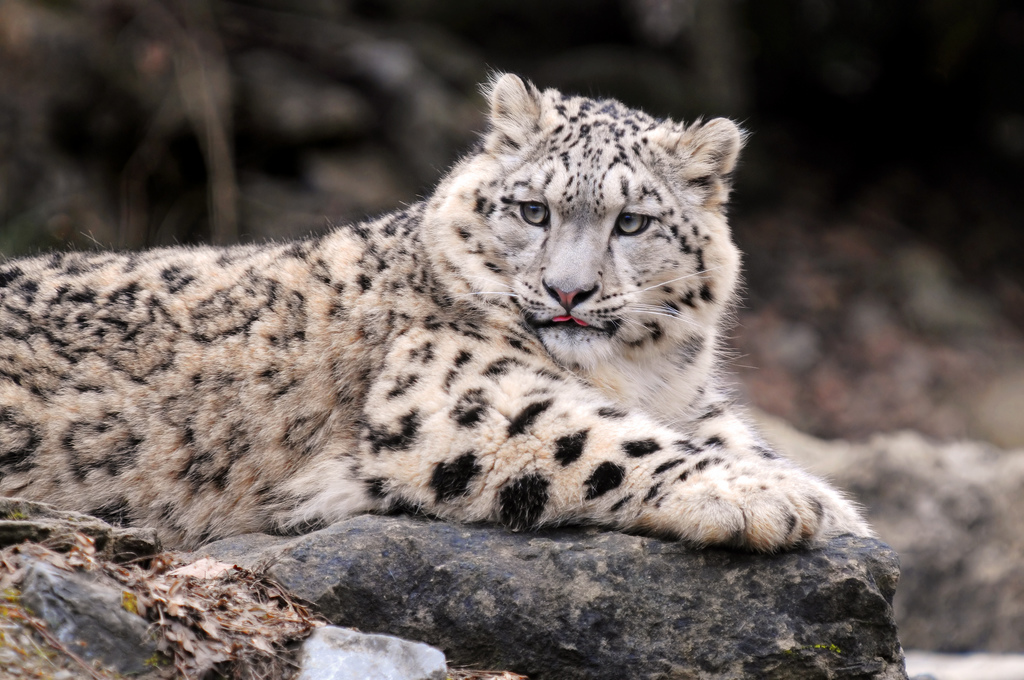
Snow leopards are majestic animals native to Central Asia.  They roam the region’s rugged terrain, from Afghanistan to Kazakhstan and Russia in the north, and to India and China in the east.  Snow leopards are known for their thick white coat of fur with ringed black and brown spots.  These markings help camouflage the animals from their prey.  But the camouflage does little to protect snow leopards from one of their biggest threats: humans.

[Read more…] about Snow Leopards And Humans

Primary Sidebar

Recent Episodes

  • An uninsurable future
  • Clean energy and jobs
  • Insect declines in remote regions
  • Fossil fuel producing nations ignoring climate goals
  • Trouble for clownfishes

WAMC Northeast Public Radio

WAMC/Northeast Public Radio is a regional public radio network serving parts of seven northeastern states (more...)

Copyright © 2025 ·