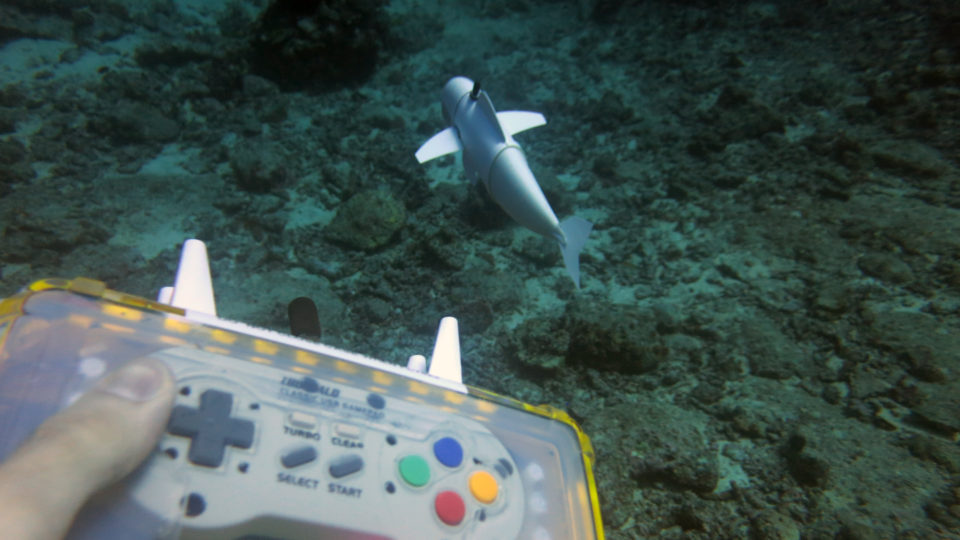
Scientists studying marine life have to figure out ways to get cameras into areas that are too dense or dangerous for people to enter. This often means sending delicate equipment into places where collisions are both likely and damaging and that equipment is generally tethered to ships or other objects. To really see what is going on in the underwater world, a better approach is needed.
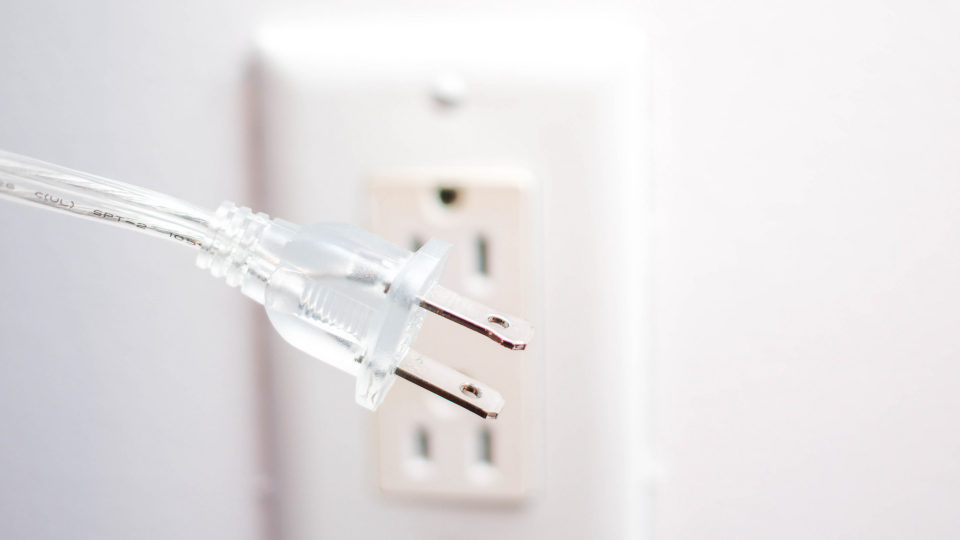
Many of our technologies produce waste heat. Internal combustion engines are a prime example, but all our industrial processes, motors, electronics and other machinery turn some (and, in many cases, most) of the energy it takes to run them into heat that just goes into the environment.
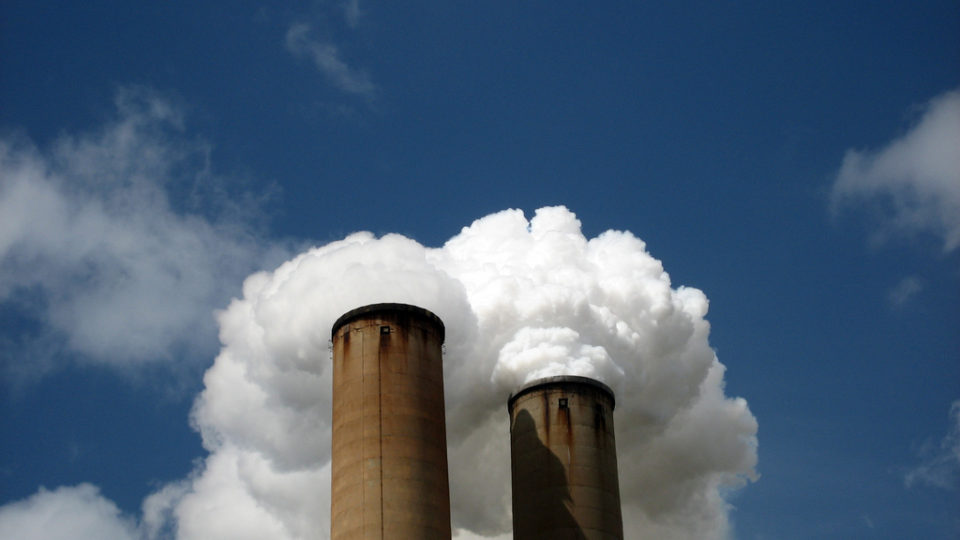
Reducing carbon dioxide emissions is an essential element in mitigating climate change. The best approach is to not produce the stuff in the first place and the ongoing transition away from fossil fuels is trying to do just that. But realistically, fossil fuels will be with us for a long time to come. Given that, additional approaches are necessary.
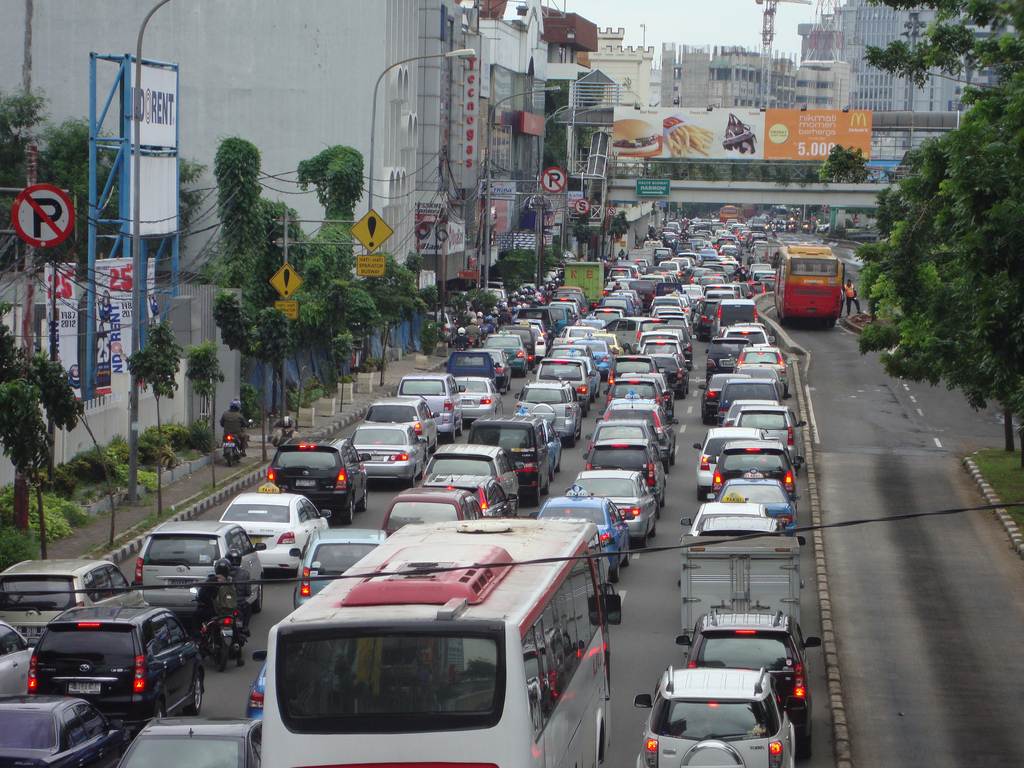
Terrible traffic in cities around the world is a real blight on urban life. Increasingly, there are many cities where you simply don’t want to have to go anywhere by car during morning and evening rush hours.
Scientists at UC Berkeley and MIT have demonstrated a water harvester that uses only sunlight to pull liters of water out of the air each day in conditions as low as 20% humidity, a level common in arid areas.
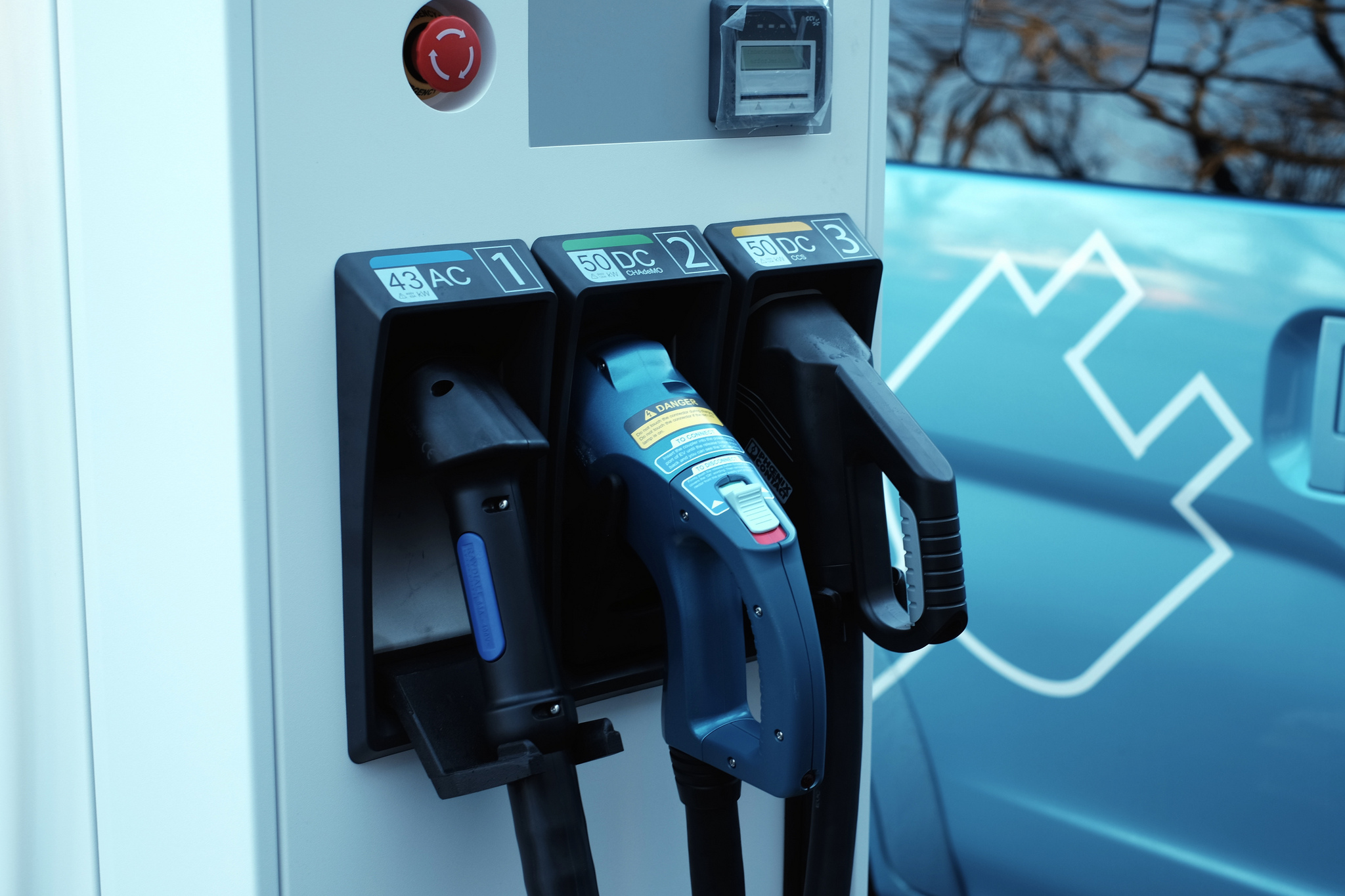
Electric cars are gradually becoming more popular, but there are still real concerns about their driving range, the availability of charging infrastructure, and their price. Adoption of the technology is still rather slow.
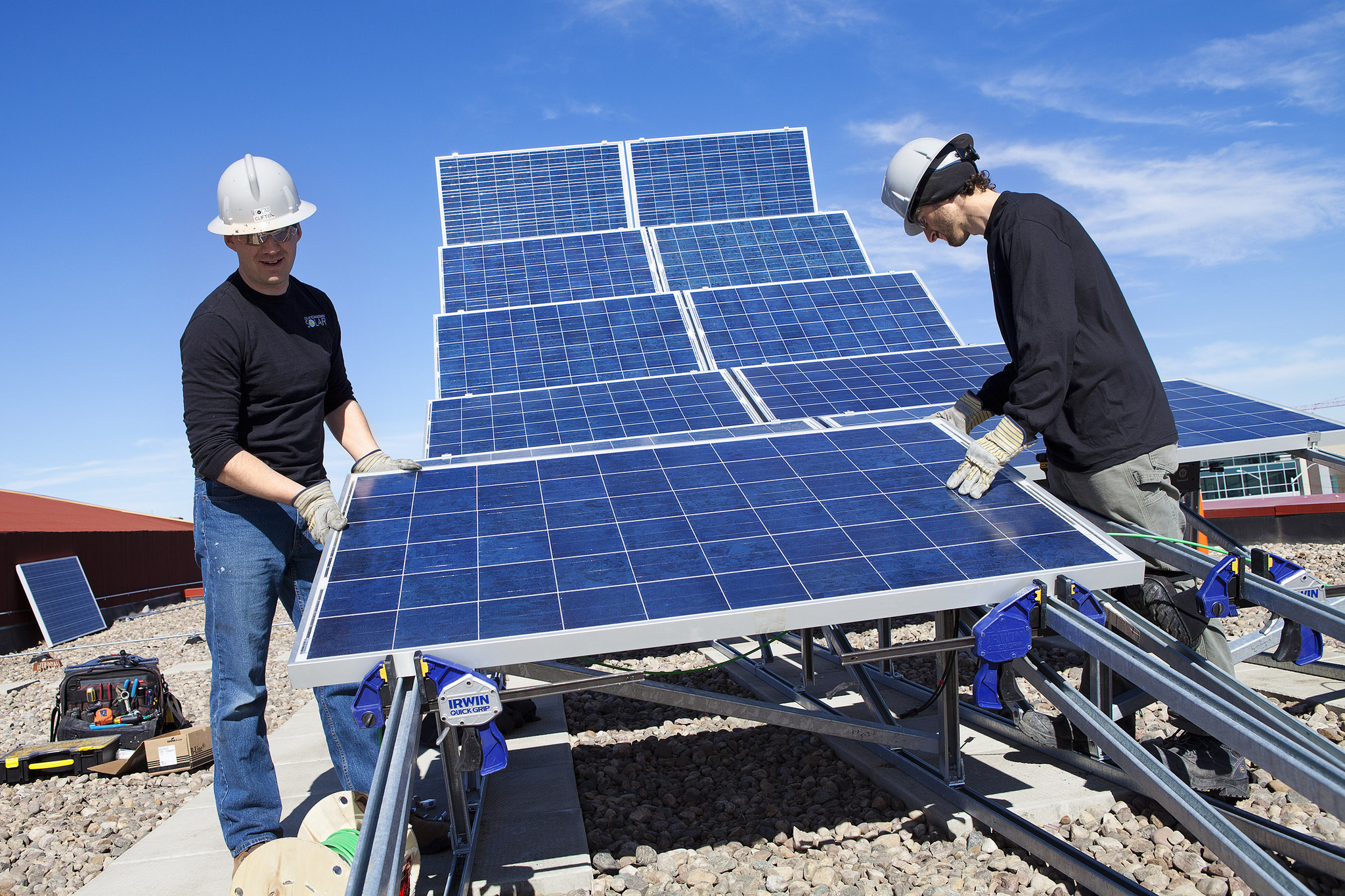
Solar energy has made a difference in the lives of refugees from natural disasters and political unrest as well as people in remote corners of the world who don’t have access to modern technology. There are various solar-powered lamps, chargers, and cookers that have been provided to countless thousands of people around the world.