• Skip to primary navigation
  • Skip to main content
  • Skip to primary sidebar

Earth Wise

A look at our changing environment.

  • Home
  • About Earth Wise
  • Where to Listen
  • All Articles
  • Show Search
Hide Search
You are here: Home / Archives for microbeads

microbeads

Microplastics and birds

March 19, 2025 By EarthWise Leave a Comment

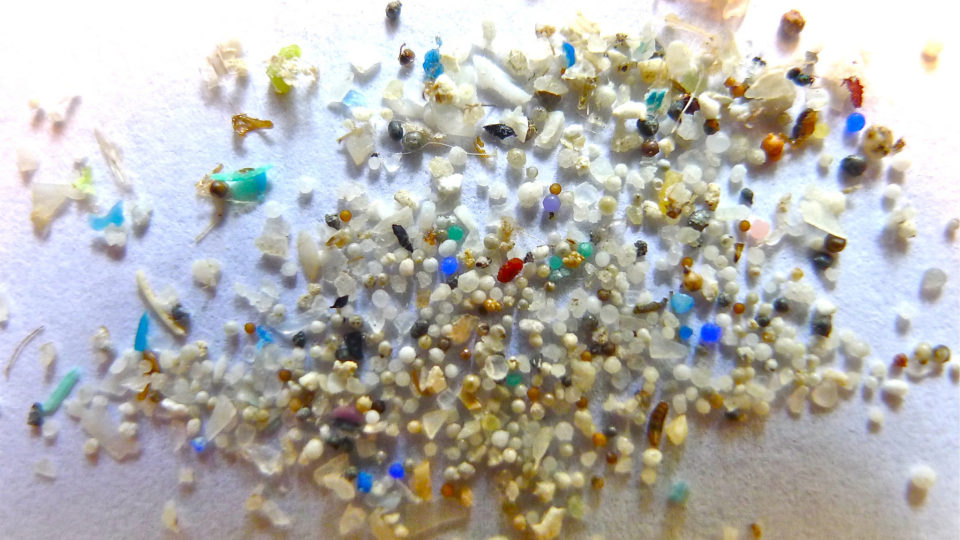
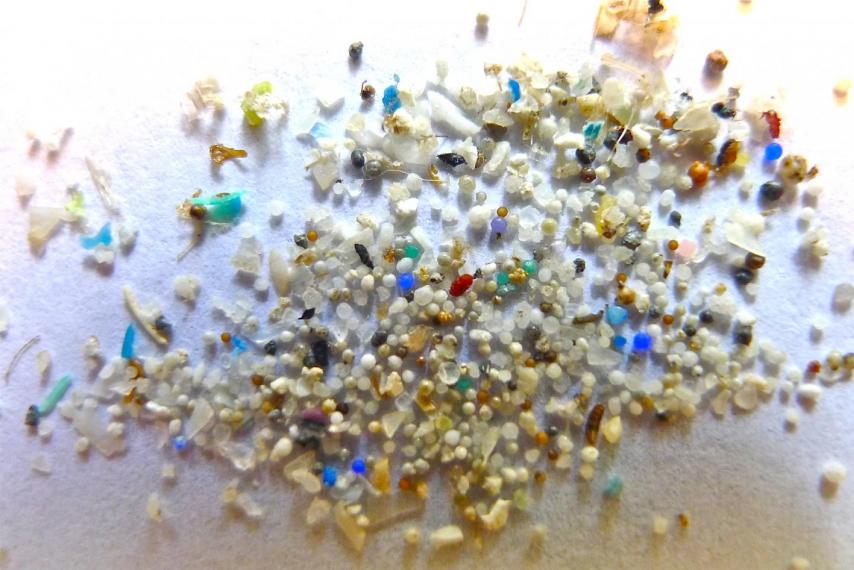
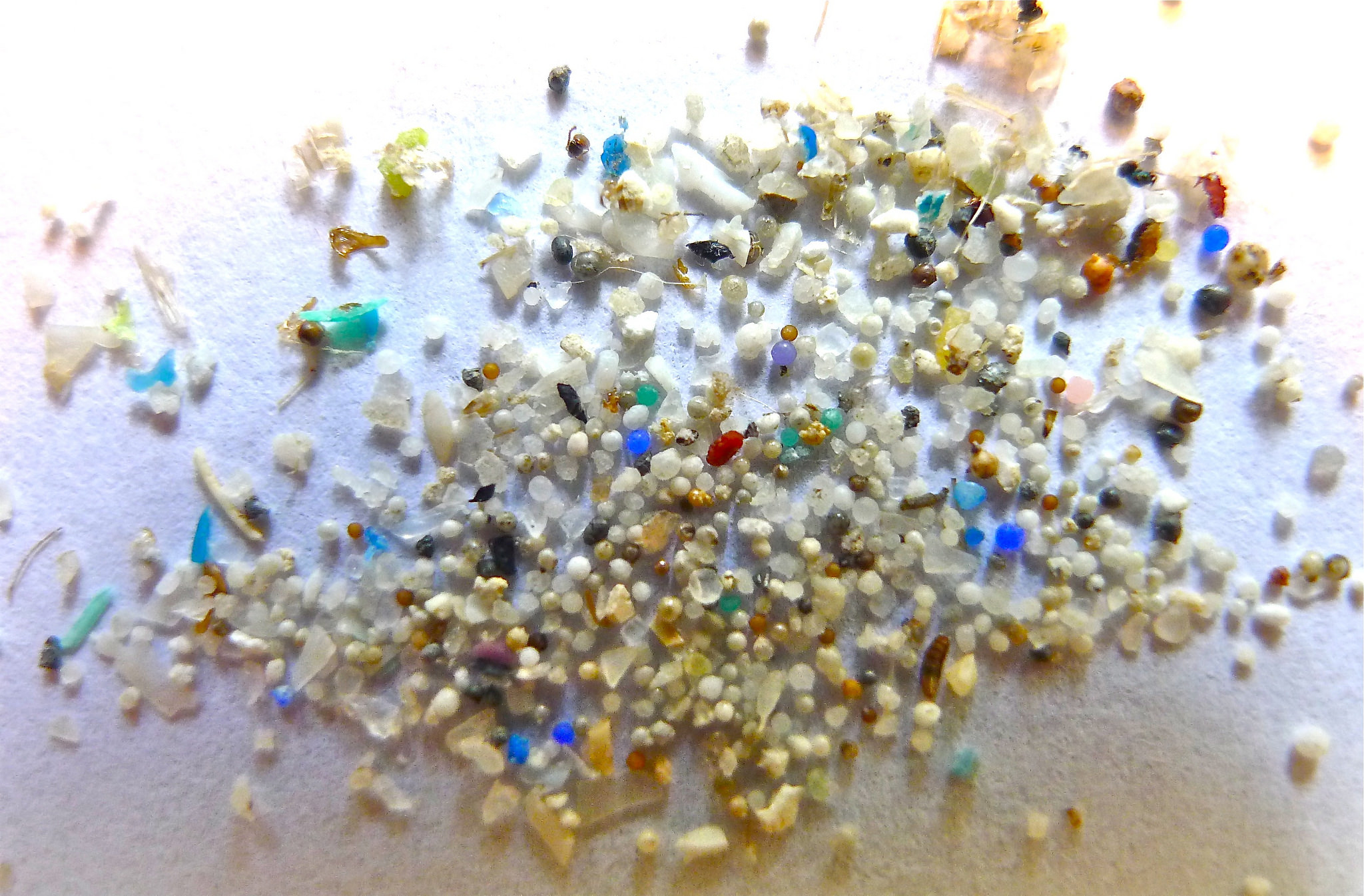
Microplastics are tiny plastic particles, less than 5 millimeters in size, that come from the breakdown of larger plastics, synthetic fibers, microbeads, and tire wear.  Microplastics are found in oceans, rivers, soil, and even the air we breathe. These particles can take hundreds of years to degrade, spreading across ecosystems and accumulating in unexpected places, such as deep-sea sediments and Arctic sea ice.

According to a new study by researchers from the University of Texas at Arlington, microscopic plastic pollutants drifting through the air are lodging in the lungs of birds.  These findings raise  significant concerns about the impact on their respiratory health, but also raise alarms about potential risks to human health.

Birds were chosen for the study because they are found in almost every corner of the world and often share environments with humans. 

In the study, the research team examined 56 different wild birds from 51 distinct species, all sampled from the Tianfu airport in western China.  The researchers found high concentrations of microplastics in bird lungs, with an average of 221 particles per species.  The most common types identified were chlorinated polyethylene, which is used for insulating pipes and wires, and butadiene rubber, which is a synthetic material in tires.

Although there is no established “safe” level of plastic particles in lung tissue, high levels of microplastics have been linked to serious health risks, including heart disease, cancer, respiratory issues, and fertility problems.

The study highlights an urgent need to tackle plastic pollution in the environment because of its far-reaching impact on ecosystems and human health.  

**********

Web Links

Birds breathe in dangerous plastics—and so do we

Photo, posted January 28, 2017, courtesy of Pete Richman via Flickr.

Earth Wise is a production of WAMC Northeast Public Radio

Microplastics in Antarctica

March 3, 2025 By EarthWise Leave a Comment

Microplastics are small plastic pieces less than five millimeters long and typically far smaller than that.  They come from a variety of sources, often from larger plastic debris that degrades into smaller and smaller pieces.  There are also microbeads, which are tiny pieces of manufactured polyethylene plastic that are added to various health and beauty products.  Tiny bits of plastic easily pass through filtration systems and end up in the ocean and other bodies of water.

Microplastics are a pervasive problem for which nowhere on Earth is truly untouched.  Despite stringent regulations on materials entering Antarctica, scientists have discovered microplastics in the snow near some of the deep field camps there.

A study by the British Antarctic Survey made use of a new and advanced technique that can detect microplastics as small as 11 microns – about the size of a red blood cell.

The research team found microplastics at concentrations ranging from 73 to 3,099 particles per liter of snow. 

Snow samples from three different sites identified polyamide (used in textiles), polyethylene terephthalate (found in bottles and packaging), polyethylene, and synthetic rubber.  The results suggest that at least the polyamide, which accounted for half the microplastics found, came from local sources.

Additional research is needed to fully understand the sources of microplastic pollution in Antarctica and to understand the broader implications of microplastics in that frozen wilderness. Microplastics have already been detected in several penguin, seal, and fish species.

**********

Web Links

Microplastics discovered in Antarctica

Photo, posted February 3, 2015, courtesy of Christian Stangl via Flickr.

Earth Wise is a production of WAMC Northeast Public Radio
Humans And Microplastics | Earth Wise

April 13, 2022 By EarthWise Leave a Comment

Microplastics impact on human health

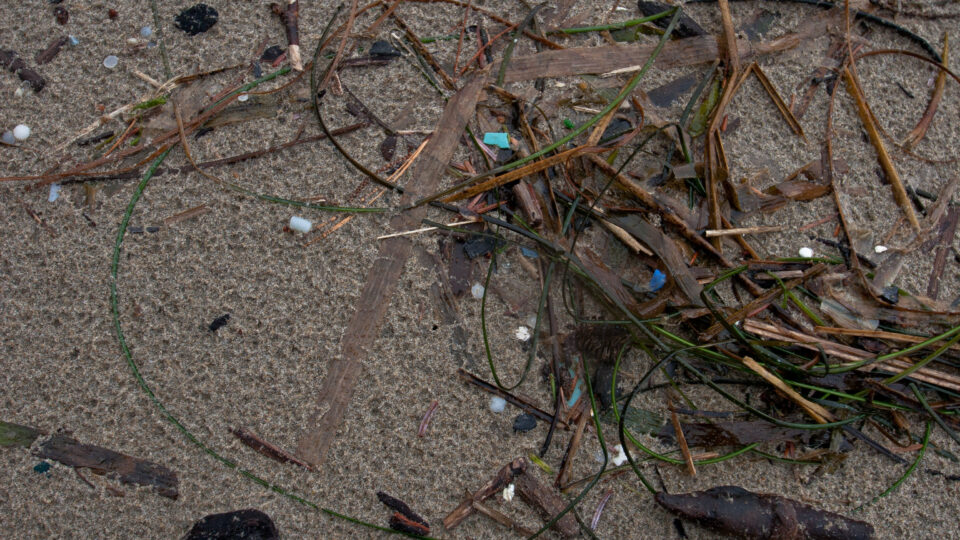
While plastic comes in all different shapes and sizes, those that are less than five millimeters in length are called microplastics.  Primary sources of microplastics include microfibers from clothing, microbeads, and plastic pellets (known as nurdles).  Secondary sources of microplastics come from larger plastic debris, like bottles and bags, that degrades into smaller bits over time. 

Microplastic pollution can be found everywhere on earth, from the top of the tallest mountains to the bottom of the deepest oceans.  Microplastics are in the food we eat, the water we drink, and the air we breathe. 

According to research recently published in the journal Exposure & Health, humans ingest an average of five grams of plastic particles per week. This is roughly equivalent to the weight of a credit card.  The plastic particles are trafficked in via food, such as seafood and salt in particular, as well as water.  In fact, those who rely on plastic bottled water for their drinking needs ingest an additional 1,700 plastic particles each week.   

Microplastics have also been detected in human blood for the first time.  According to new research recently published in the journal Environment International, scientists detected microplastics in nearly 80% of the people they tested. 

Half of the blood samples contained PET plastic, which is commonly used for drinking bottles.  One third of the blood samples contained polystyrene plastic, which is often used for food packaging.  One quarter of the blood samples contained polyethylene plastic, which is used to make things like shopping bags and detergent bottles. 

With plastic production predicted to double by 2040, more research is urgently needed to understand how ingesting microplastics affects human health.

**********

Web Links

Health risk due to micro- and nanoplastics in food

Microplastics found in human blood for first time

Discovery and quantification of plastic particle pollution in human blood

Photo, posted November 3, 2012, courtesy of Laura via Flickr.

Earth Wise is a production of WAMC Northeast Public Radio.

Mollusks And Microplastics | Earth Wise

January 26, 2021 By EarthWise Leave a Comment

Microplastics are contaminating marine creatures

Plastic debris comes in all different shapes and sizes, but pieces that are less than five millimeters in length are called microplastics.  Microplastics are everywhere, including in the food we eat, the water we drink, and the air we breathe.

Much of the oceanic microplastic pollution comes from the breakdown of plastic litter.  Another source of microplastic pollution is microbeads.  Microbeads, which are sometimes added to cleansing and exfoliating personal care products, pollute the environment when they get flushed down the drain.  

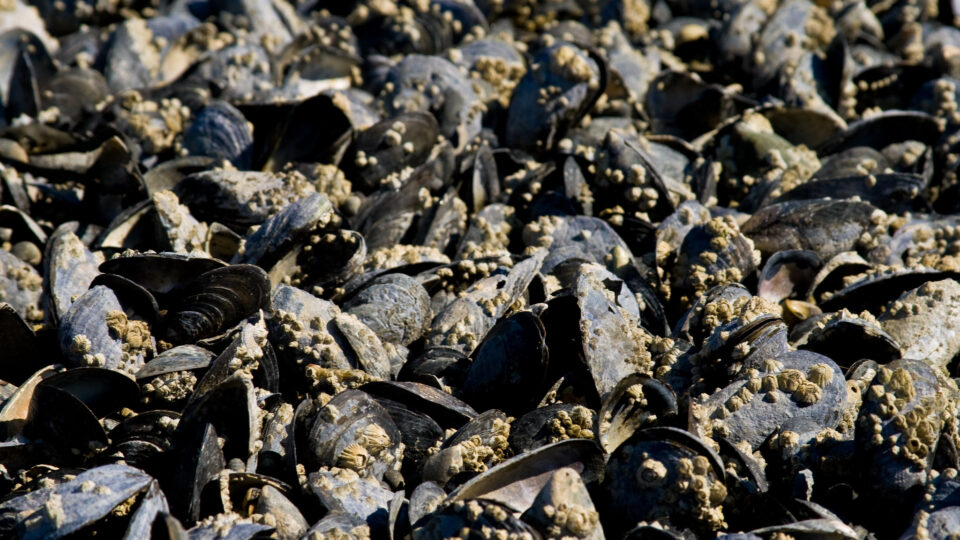
According to a new study by researchers at Hull York Medical School and the University of Hull in the U.K., mussels, oysters and scallops have the highest levels of microplastic contamination among seafood.  The research team examined 50 studies between 2014 and 2020 to determine the levels of microplastic contamination globally in fish and shellfish.  The team found that microplastic content was 0-10.5 microplastics per gram in mollusks, 0.1-8.6 microplastics per gram in crustaceans, and 0-2.9 microplastics per gram in fish.  

The researchers found that mollusks collected off the coasts of Asia were the most heavily contaminated with microplastics.  China, Australia, Canada, Japan and the United States are among the largest consumers of mollusks, followed by Europe and the U.K.

While the human health implications of consuming microplastics are not well understood, early evidence from other studies suggest they do cause harm. 

According to the research team, more data is needed from different parts of the world in order to better understand how microplastics vary between different oceans, seas, and waterways.

**********

Web Links

Highest levels of microplastics found in molluscs, new study says

Photo, posted September 3, 2007, courtesy of Andrew Malone via Flickr.

Earth Wise is a production of WAMC Northeast Public Radio.

Microplastics And Florida’s Birds of Prey | Earth Wise

June 19, 2020 By EarthWise Leave a Comment

Microplastics found in Florida's birds of prey

Plastic debris comes in all different shapes and sizes, but those that are less than five millimeters in length are called microplastics.  Some microplastics come from larger plastic debris that degrades into smaller bits over time.  Another type of microplastics – called microbeads – are intentionally manufactured tiny plastic beads that are added as exfoliants to some health and beauty products. 

According to a new study published in the journal Environmental Pollution, researchers have confirmed and quantified the presence of microplastics in terrestrial and aquatic birds of prey in Florida for the first time.  This research is important because these birds of prey, including ospreys, hawks, and owls, are critical to maintaining a healthy ecosystem.  The accumulation of microplastics in their digestive systems could lead to a myriad of health issues, including starvation.  

Working with the Audubon Center for Birds of Prey in Florida, the research team from the University of Central Florida was able to examine the stomachs of 63 deceased birds.  The team found microplastics in every bird it examined, extracting nearly 1,200 pieces of plastic in total.  Microfibers represented 86% of the plastic pieces. 

It’s common for plastic microfibers to enter ecosystems through the wastewater from washing machines.  A 2016 study found that 700,000 plastic fibers come off in a typical wash.  While there are lots of variables, synthetic fabrics account for 60% of the material used in clothing worldwide. 

To help cut down on plastic in the environment, the research team suggests removing plastics from open landfills, purchasing only natural fabrics and clothing, and modifying water treatment facilities to capture microplastics. 

**********

Web Links

Microplastics found in Florida’s birds of prey for first time

Photo, posted April 15, 2016, courtesy of Andy Morffew via Flickr.

Earth Wise is a production of WAMC Northeast Public Radio.

Microplastics And Humans

November 27, 2018 By EarthWise Leave a Comment

https://earthwiseradio.org/wp-content/uploads/2018/10/EW-11-27-18-Microplastics-and-Humans.mp3

Microplastics are everywhere.  The tiny plastic particles pose a massive environmental challenge.  Microplastics are polluting oceans at an alarming rate.  Much of the oceanic microplastics result from the breakdown of plastic litter.  Another source of microplastics pollution is microbeads.  Microbeads, which are commonly added to cleansing and exfoliating personal care products, pollute the environment when they get flushed down the drain.   

[Read more…] about Microplastics And Humans

New Zealand Bans Plastic Bags

September 3, 2018 By EarthWise Leave a Comment

https://earthwiseradio.org/wp-content/uploads/2018/09/EW-09-03-18-New-Zealand-Bans-Plastic-Bags.mp3

In an effort to tackle plastic pollution, New Zealand is joining a growing list of countries banning single-use plastic bags for good.  Prime Minister Jacinda Ardern says in a press statement that the ban was necessary to safeguard New Zealand’s clean and green reputation.

[Read more…] about New Zealand Bans Plastic Bags

Microplastics In Soil

May 4, 2018 By EarthWise Leave a Comment

https://earthwiseradio.org/wp-content/uploads/2018/05/EW-05-04-18-Microplastics-in-Soil.mp3

Many of us are well aware of the environmental challenge faced because of the proliferation of plastics.  Since plastic does not decompose naturally, most of it remains in our environment. Only 12% has been incinerated and only 9% has been recycled.  A great deal of plastic ends up in the ocean and other bodies of water.  Much of it breaks down into small particles – microplastics – which are now ubiquitous in the oceans.  There are also microplastics that started out that way in the form of little beads used in the cosmetics industry.  Studies have found microplastics in the bodies of 73% of fish from the North Atlantic.

[Read more…] about Microplastics In Soil

The Dirty Laundry On Dirty Laundry

September 1, 2017 By EarthWise

https://earthwiseradio.org/wp-content/uploads/2017/09/EW-09-01-17-Dirty-Laundry.mp3

We’ve discussed the problem of microplastics polluting our oceans at great lengths on this program before.  Much of the small plastic particles result from the breakdown of plastic litter, such as plastic bags, packaging, and other materials.  Another source is microbeads, which are often found in health products such as face scrubs and even some toothpastes.  But there is a another source of microplastic pollution that is quite troubling: dirty laundry.

[Read more…] about The Dirty Laundry On Dirty Laundry

Biodegradable Microbeads

July 20, 2017 By EarthWise

https://earthwiseradio.org/wp-content/uploads/2017/07/EW-07-20-17-Biodegradable-Microbeads.mp3

Microbeads are little spheres of plastic less than half a millimeter in diameter that are added to a variety of personal care and cleaning products such as cosmetics, sunscreens and fillers.  They give these products a desirable smooth texture.   However, they are so small that sewage filtration systems can’t remove them and they end up in rivers and oceans where they are ingested by birds, fish and other marine life.

[Read more…] about Biodegradable Microbeads

Young Fish Eat Microplastics

July 15, 2016 By WAMC WEB

https://earthwiseradio.org/wp-content/uploads/2016/07/EW-07-15-16-Young-Fish-Eat-Microplastics.mp3

We have talked before about the increasing problem of microplastics polluting the oceans.  Much of the small plastic particles result from the breakdown of plastic litter such as plastic bags, packaging and other materials.  Another source is microbeads, which are often found in health products such as face scrubs and even some toothpastes.  

[Read more…] about Young Fish Eat Microplastics

Microplastics And Salt

December 10, 2015 By WAMC WEB

https://earthwiseradio.org/wp-content/uploads/2015/12/EW-12-10-15-Microplastics-And-Salt1.mp3

Today, thousands of personal care products – such as facial scrubs, body washes, and toothpastes – are known to contain minuscule balls of plastic called microbeads.  When we shower or brush our teeth, these microbeads are washed down the drain and travel undetected through wastewater treatment plants.  When they reach their final destination — our lakes, rivers and oceans — they mix with other sources of microplastics, including industrial waste and degraded plastic litter.    

[Read more…] about Microplastics And Salt

Primary Sidebar

Recent Episodes

  • An uninsurable future
  • Clean energy and jobs
  • Insect declines in remote regions
  • Fossil fuel producing nations ignoring climate goals
  • Trouble for clownfishes

WAMC Northeast Public Radio

WAMC/Northeast Public Radio is a regional public radio network serving parts of seven northeastern states (more...)

Copyright © 2025 ·