• Skip to primary navigation
  • Skip to main content
  • Skip to primary sidebar

Earth Wise

A look at our changing environment.

  • Home
  • About Earth Wise
  • Where to Listen
  • All Articles
  • Show Search
Hide Search
You are here: Home / Archives for low carbon

low carbon

Emissions And The Pandemic | Earth Wise

January 3, 2022 By EarthWise Leave a Comment

Studying the effects of the pandemic on emissions

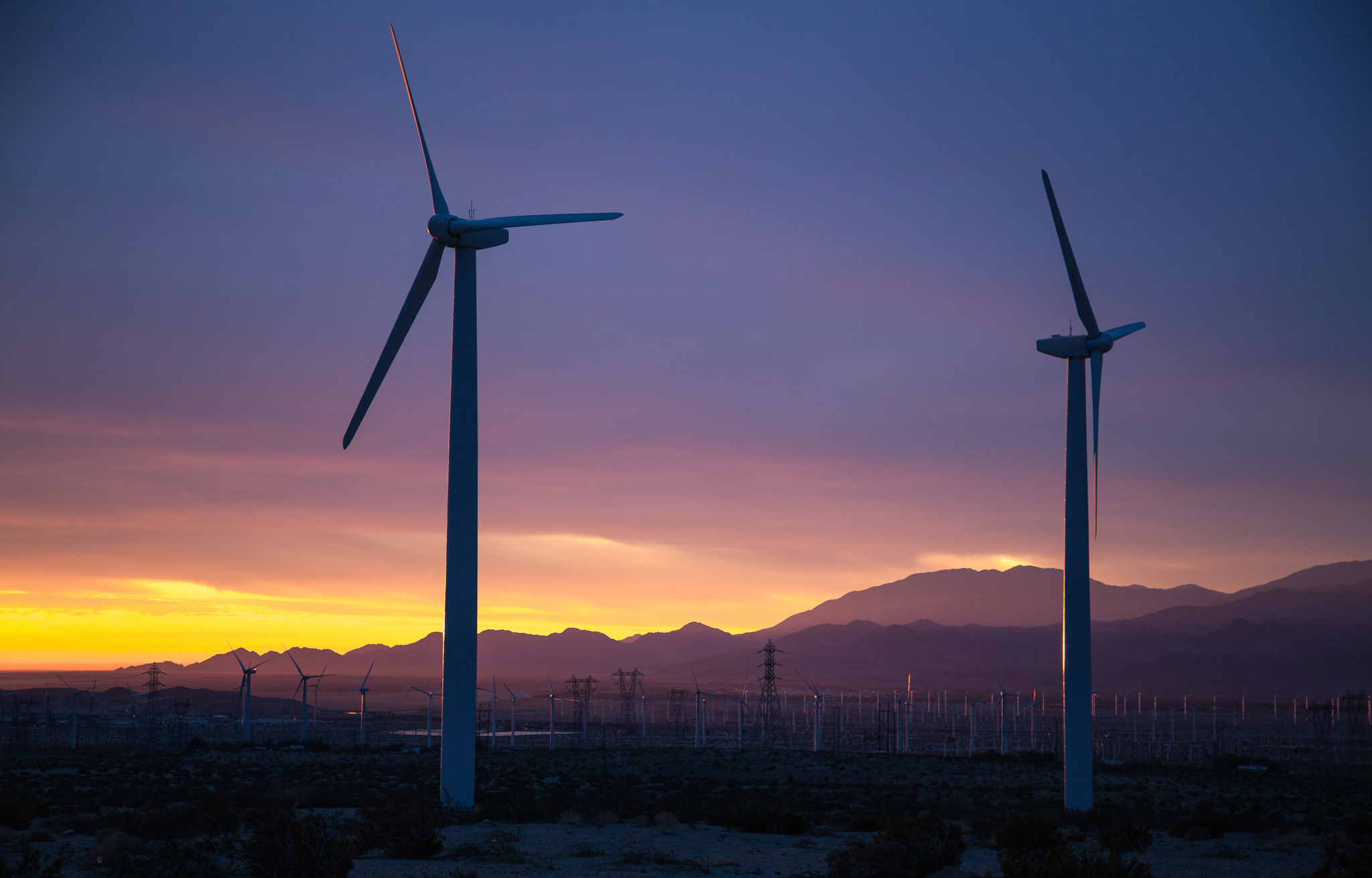
The early months of the COVID-19 pandemic saw drastic reductions in travel and other economic sectors across the globe that greatly decreased air pollution and greenhouse gas emissions. These dramatic changes occurred quite suddenly.  This abrupt set of changes gave scientists the unprecedented opportunity to observe the results of changes that would ordinarily have taken years if they came about through regulations and gradual behavior shifts.

A comprehensive study by Caltech on the effects of the pandemic on the atmosphere has revealed some surprising results.

The biggest surprise is that even though carbon dioxide emissions fell by 5.4% in 2020, the amount of CO2 in the atmosphere continued to grow at about the same rate as in previous years.  According to the researchers, the reasons are that the growth in atmospheric concentrations was within the normal range of year-to-year variations caused by natural processes and, in addition, the ocean did not absorb as much CO2 because of the reduced pressure of CO2 in the air at the ocean’s surface.

A second result involved the reduction in nitrogen oxides, which led to a reduction in a short-lived molecule called the hydroxyl radical, which is important in breaking down gases including methane in the atmosphere.  Reducing nitrogen oxides is advantageous with respect to air pollution, but they are important for the atmosphere’s ability to cleanse itself of methane.  In fact, the drop in nitrogen oxide emissions actually resulted in a small increase of methane in the atmosphere because it was staying there longer.

The main lesson learned is that reducing activity in industrial and residential sectors is not a practical solution for cutting emissions.  The transition to low-carbon-emitting technology will be necessary.

**********

Web Links

Emission Reductions From Pandemic Had Unexpected Effects on Atmosphere

Photo, posted March 22, 2020, courtesy of Greg via Flickr.

Earth Wise is a production of WAMC Northeast Public Radio.
The Path To Net Zero | Earth Wise

March 8, 2021 By EarthWise Leave a Comment

The path to reaching net zero emissions

Reaching net zero emissions is both feasible and affordable, according to researchers at the Department of Energy’s Lawrence Berkeley National Laboratory, the University of San Francisco, and consulting firm Evolved Energy Research.   The researchers created a detailed model of the entire U.S. energy and industrial system to produce the first detailed, peer-reviewed study of how to achieve carbon neutrality by 2050.

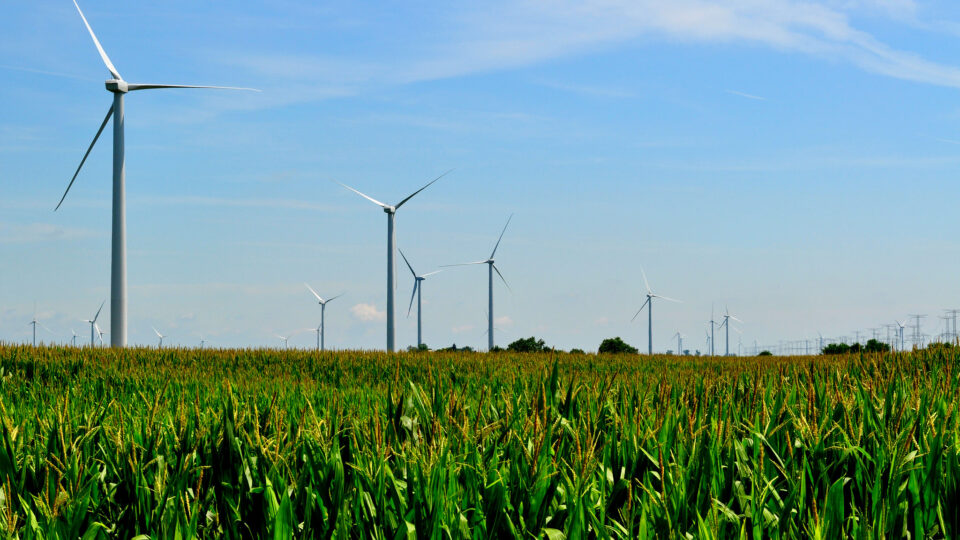
The study analyzed multiple feasible technology pathways based on very different assumptions of remaining fossil fuel use, land use, consumer adoption, nuclear energy, and biofuel use.  What they had in common was increasing energy efficiency, transitioning to electric technologies, utilizing clean electricity (especially wind and solar power), and deploying small amounts of carbon capture technology.

The decarbonization of the U.S. energy system is an infrastructure transformation.  Getting to net zero by 2050 means adding many gigawatts of wind and solar power plants, new transmission lines, a fleet of electric cars and light trucks, millions of heat pumps to replace conventional furnaces and water heaters, and more energy-efficient buildings.

The various pathways studied have net costs between 0.2% and 1.2% of GDP, which is as little as $1 per person per day.  The cost variations come from various tradeoffs such as the amount of land given to solar and wind farms as well as the amount of new transmission infrastructure required. 

A key result of the study is that the actions required over the next 10 years are similar among all the pathways.   We need to increase the use of renewable energy and make sure that all new infrastructure, such as cars and buildings are low carbon.

**********

Web Links

Getting to Net Zero – and Even Net Negative – is Surprisingly Feasible, and Affordable

Photo, posted July 12, 2010, courtesy of Tom Shockey via Flickr.

Earth Wise is a production of WAMC Northeast Public Radio.
Small-Scale Climate Solutions | Earth Wise

May 18, 2020 By EarthWise Leave a Comment

climate change and emissions targets

In order to meet international climate targets, we need to cut greenhouse gas emissions in half over the next decade and reach net-zero by mid-century.  Achieving this will require unprecedented and rapid changes in how energy is supplied, distributed and used.

Researchers at several European universities collected data on a wide variety of energy technologies at different scales and tested how well they performed in accomplishing an accelerated low-carbon transformation. 

Large-scale, costly, non-divisible or so-called lumpy technologies, such as utility-scale generation, nuclear power, carbon capture and storage, high-speed transportation, and whole-building retrofits are often seen as the most effective way to achieve emission-reduction goals. A key finding of their study is that low-carbon technologies that are smaller scale and can be mass deployed are more likely to enable a faster transition to net-zero emissions.

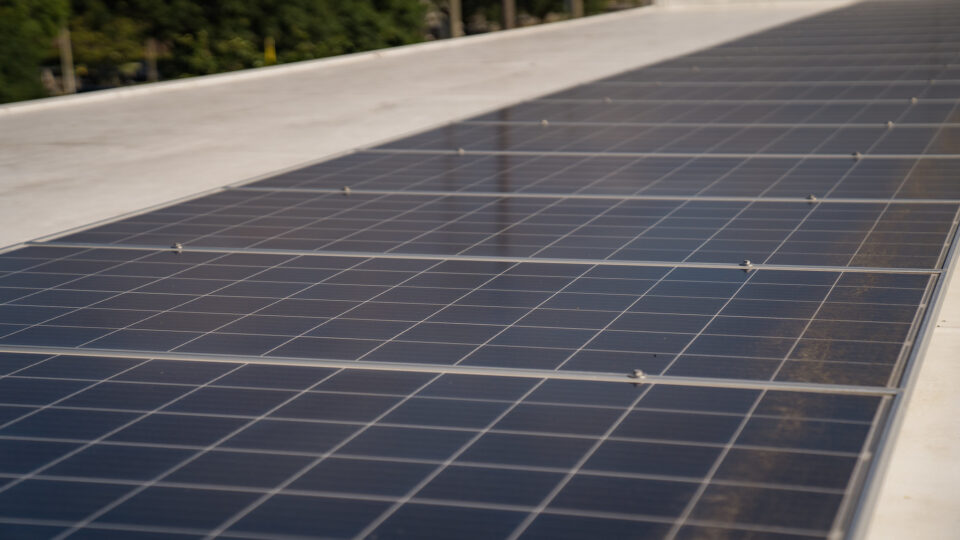
So-called granular options include solar panels, electricity storage batteries, heat pumps, smart thermostats, electric bikes, and ride-share services.  These options scale not by becoming larger but by replicating.

Small-scale options are quicker to deploy, their technologies have shorter lifespans and are less complex, so innovations and improvements can be brought to market more rapidly.  They are also more widely accessible and help create more jobs, giving governments a sound basis for strengthening climate policies.

However, smaller-scale technologies are not a panacea.  There are no small-scale replacements for industrial plants and other kinds of major infrastructure, but in many different contexts, they can outperform larger-scale alternatives as a means of accelerating the low-carbon transformation.

**********

Web Links

Smaller scale solutions needed for rapid progress towards emissions targets

Photo, posted April 8, 2019, courtesy of the City of St Pete via Flickr.

Earth Wise is a production of WAMC Northeast Public Radio.
Minerals And Metals For A Low-Carbon Future | Earth Wise

February 14, 2020 By EarthWise Leave a Comment

low carbon energy future

For the past century, economies and geopolitics have largely been driven by our insatiable appetite for oil and fossil fuels in general.  As we gradually make the transition to a low-carbon energy future, the focus on oil will shift to sustainable supplies of essential minerals and elements.

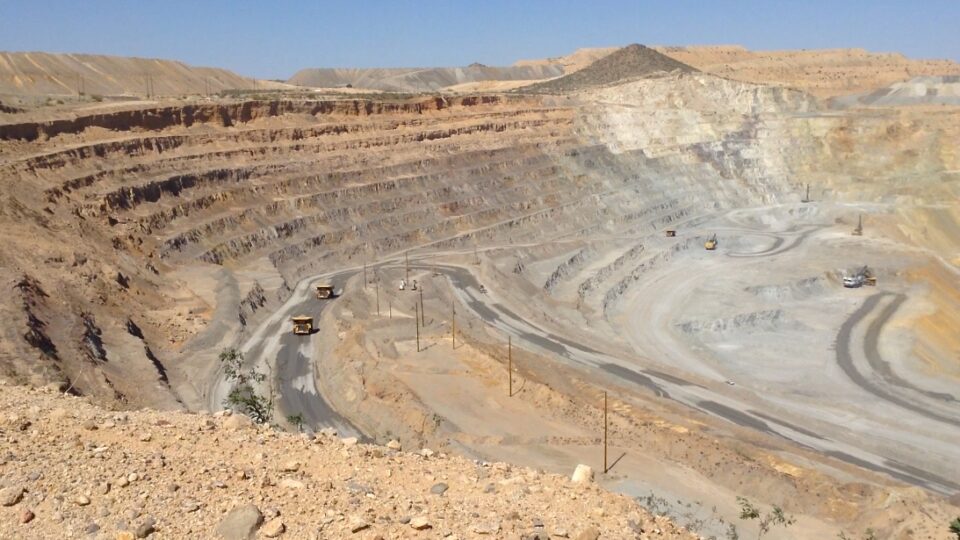
The use of solar panels, batteries, electric vehicle motors, wind turbines, and fuel cells is growing rapidly around the world.  These technologies make use of cobalt, copper, lithium, cadmium, and various rare earth elements.  The need for any one of these things may diminish if alternatives are found, but there will continue to be a growing reliance on multiple substances whose physical and chemical properties are essential to the function of modern devices and technologies.

In some cases, global supplies of particular minerals and elements are dominated by a particular country, are facing social and environmental conflicts, or face other market issues.  Shortages of any of them could create economic problems and derail progress much as the oil-related energy crises of the past have.

The world faces challenges in managing the demand for low-carbon technology minerals as well as limiting the environmental and public health damage that might be associated with their extraction and processing.  Expanded use of recycling and reuse of rare minerals will be essential.

As the relatively easy sources of these materials become exhausted, other resources will become more attractive.  These include various valuable ecosystems, oceanic deposits, and even space-based reserves.

Ushering in the low-carbon future is not a simple matter and will require responsible actions by the world’s governments and industries. In undoing the damage from the oil age, we must avoid new damage from the low-carbon age.

**********

Web Links

Sustainable supply of minerals and metals key to a low-carbon energy future

Photo, posted March 13, 2015, courtesy of Joyce Cory via Flickr.

Earth Wise is a production of WAMC Northeast Public Radio.

The Benefits Of Zero-Carbon Cities

November 8, 2019 By EarthWise Leave a Comment

A new report issued by a coalition of 50 leading international institutions shows that low carbon initiatives in cities could reduce urban emissions by nearly 90% and support 87 million jobs worldwide by 2030.  The report finds that implementing low carbon measures in cities would be worth almost $24 trillion by 2050.

Cities are home to more than half the world’s population but produce 80% of gross domestic product and 75% of carbon emissions.  The research highlights the significant benefits carbon reduction can bring to cities in areas such as public health, job creation, and poverty alleviation.

The report shows that it is possible to cut 90% of emissions from cities using currently available technologies and practices including carbon savings from buildings, transportation, materials efficiency, and waste reduction.  Doing so would require an investment of nearly $2 trillion per year but would generate annual returns of nearly $3 trillion in 2030 and $7 trillion in 2050 based on cost savings alone.  Many low carbon measures would pay for themselves in less than five years, including more efficient lighting, electric vehicles, improved freight logistics, and solid waste management.

In addition to economic benefits, compact, connected and clean cities could provide a higher standard of living and greater opportunity for all.  These measures would also reduce air pollution, cut chronic traffic congestion, and improve worker productivity.

The report offers case studies from around the world where national and local governments have worked together to rapidly and profoundly transform their cities for the better within 20 or 30 years.

**********

Web Links

The benefits of investing in zero-carbon cities

Photo, posted September 8, 2018, courtesy of Steffen Flor via Flickr.

Earth Wise is a production of WAMC Northeast Public Radio.
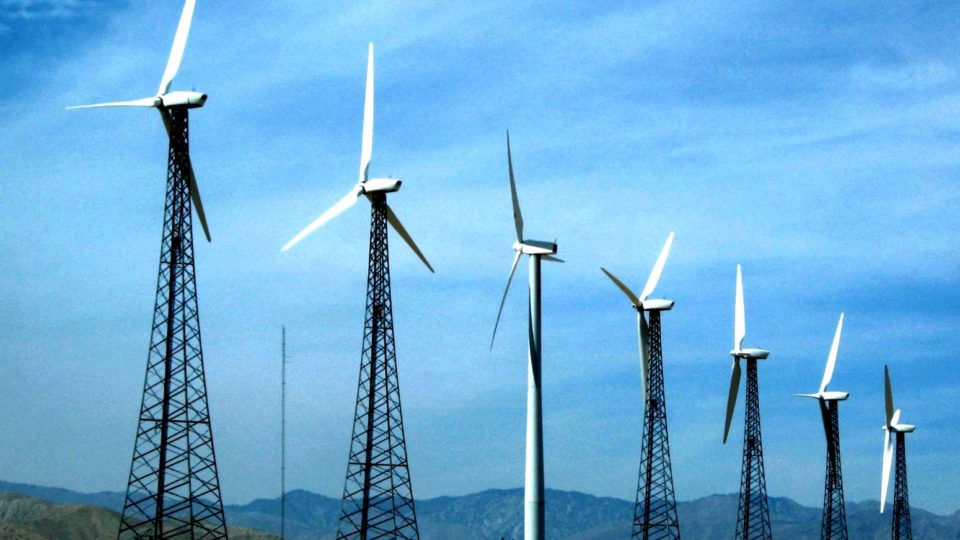
Energy Trends For A New Year

January 15, 2019 By EarthWise Leave a Comment

With a new year upon us, there are several energy trends to watch out for.

The most important one is that the fundamental shift toward slow-carbon technologies is continuing. This shift is taking place despite diminishing government policy support and even active government efforts to thwart it.  There is just too much momentum to stand in the way of low-carbon energy technologies.

Analysts at Bloomberg New Energy Finance estimate that over the next 30 years over 11 trillion dollars will be invested in energy power generation and power storage assets with 85% of it aimed at zero-carbon emission.  Dramatic reductions in green energy costs have resulted in legitimate cost competition between zero carbon sources of energy and fossil fuel generation.

In the coming year, battery technology will continue to play a growing role both as a storage medium for energy generated by sun and wind and for powering vehicles.

Another trend is that the world’s wealthiest economies are learning to grow without growing the demand for electricity.  This is important in the battle to reduce overall emissions.

Another key issue is addressing the energy needs of people who have no meaningful access to it and there are around 1.5 billion people in that category.   Emerging technologies based on solar power, wind energy, microgrids and other innovations mean that traditional power grids that remain out of reach to these people are not necessary.  There is the potential to address those needs without contributing to climate change.

The world is struggling to deal with the growing problem of the changing climate, but there are trends that provide at least some hope that we can move in the right direction.

**********

Web Links

Top 3 clean energy trends to watch out for in 2019

Photo, posted April 5, 2013, courtesy of Flickr. 

Earth Wise is a production of WAMC Northeast Public Radio.

Trouble With China And Climate Progress

July 12, 2018 By EarthWise Leave a Comment

https://earthwiseradio.org/wp-content/uploads/2018/07/EW-07-12-18-Trouble-with-China-and-Climate-Progress.mp3

With the United States backing away from the Paris climate agreement and with Europe taking a less active role in climate negotiations, China has become the bellwether on global climate change.  Recent climate negotiations in Bonn, Germany were rather acrimonious as countries accused other countries of not doing their part or keeping their promises.

[Read more…] about Trouble With China And Climate Progress

2016 Carbon Progress Report

February 22, 2017 By EarthWise

https://earthwiseradio.org/wp-content/uploads/2017/02/EW-02-22-17-2016-Carbon-Progress-Report.mp3

Last year was a big year for progress in the U.S. power sector.  Renewable energy provided nearly 17% of the country’s electricity, up from 13.7% in 2015.  The first offshore wind farm in the U.S. opened off the coast of Rhode Island.  And most significantly, carbon emissions from the power sector continued to decline and reached the lowest levels in nearly 25 years.

[Read more…] about 2016 Carbon Progress Report

Primary Sidebar

Recent Episodes

  • An uninsurable future
  • Clean energy and jobs
  • Insect declines in remote regions
  • Fossil fuel producing nations ignoring climate goals
  • Trouble for clownfishes

WAMC Northeast Public Radio

WAMC/Northeast Public Radio is a regional public radio network serving parts of seven northeastern states (more...)

Copyright © 2026 ·