• Skip to primary navigation
  • Skip to main content
  • Skip to primary sidebar

Earth Wise

A look at our changing environment.

  • Home
  • About Earth Wise
  • Where to Listen
  • All Articles
  • Show Search
Hide Search
You are here: Home / Archives for lease

lease

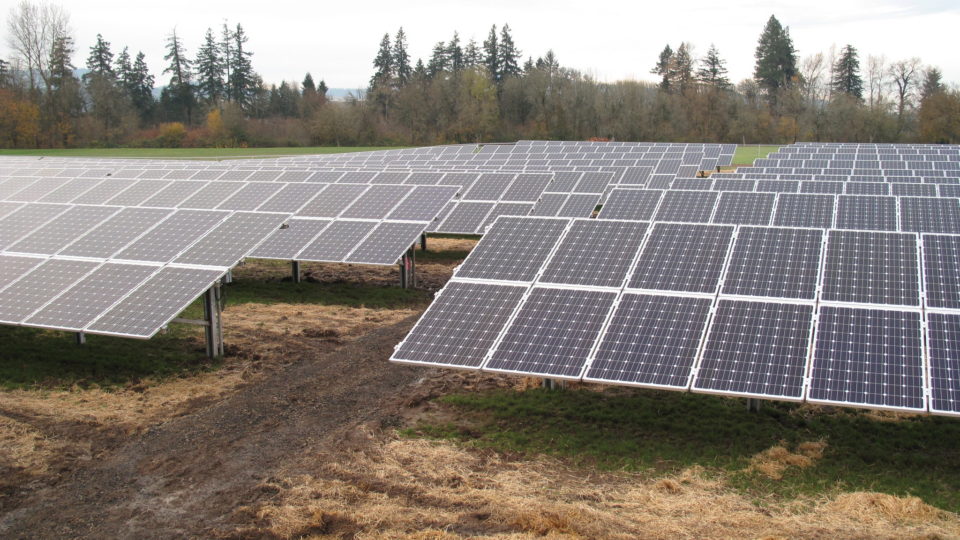
Solar energy on federal land

October 15, 2024 By EarthWise Leave a Comment

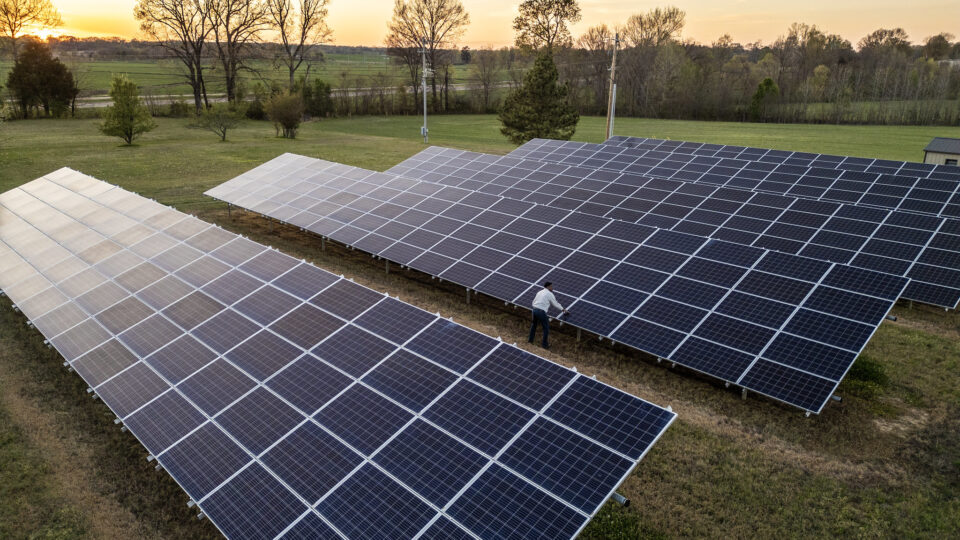
Officials at the federal Bureau of Land Management announced late in August that they had finalized a plan to add Oregon, Idaho, Montana, Washington, and Wyoming to the Western Solar Plan, which started during the Obama era.   The plan, created in 2012, provides permitting for solar projects on federal land.  The original plan included Arizona, California, Colorado, Nevada, New Mexico, and Utah.

The Western Solar Plan is a major expansion for clean energy production in the Bureau of Land Management’s land leasing portfolio.  For decades, the BLM has leased tens of millions of acres of federal land to fossil fuel companies for oil, coal, and natural gas exploration and production.

The new addition includes 1.1 million acres of land in Oregon, an area larger than the entire state of Rhode Island.  The land selected is deemed to be of low risk for any adverse environmental effects from solar installation, and the plots of land are all within 15 miles of existing or planned electrical transmission lines.  A little over 50% of Oregon’s land is owned by the federal government and is managed primarily by the Bureau of Land Management and the U.S. Forest Service.

The publication of the finalized plan at the end of August initiated a 30-day period for any participants in the initial planning to voice objections.  The governors of the 5 new states are reviewing the plan.  Final approval and adoption are expected later this year.

Western states need to expand solar and other clean energy production to meet their climate goals and federal lands will have to play an important role.

**********

Web Links

Plan would make 1 million acres of federal land in Oregon available for solar energy projects

Photo, posted May 20, 2024, courtesy of the U.S. Department of Agriculture via Flickr.

Earth Wise is a production of WAMC Northeast Public Radio
Hope for white rhinos

February 28, 2024 By EarthWise Leave a Comment

New hope for the northern white rhinos

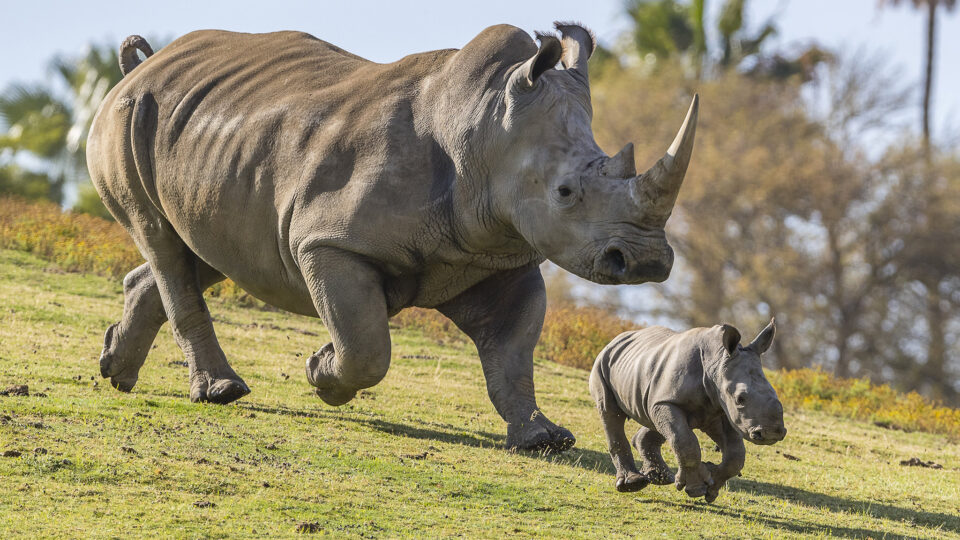
There are only two northern white rhinos left in the world, and both of them are female.  The last male died in 2018. Northern white rhinos live to about 40 and one of the two remaining is 35 and the other 24.  The clock is ticking for the species.

Recently, scientists with the BioRescue consortium successfully used in vitro fertilization to impregnate a southern white rhino.  It was the world’s first IVF rhino pregnancy.

There is now some hope that IVF could be used to produce more northern white rhinos.  For various medical reasons, neither of the remaining two female rhinos can serve as a surrogate mother.  But there is a plan B.

For a number of years, BioRescue has been creating northern white rhino embryos with eggs from the remaining females and sperm that was collected from males before they died.  There are now 30 northern white rhino embryos in cold storage, and they are continuing to produce more.

The recent success with the southern white rhino IVF provides hope that southern white rhino females can act as surrogate mothers with implanted northern white rhino embryos.  The species are similar enough that it should work.

The plan is to select surrogates and implant them.  This should happen this year.  A rhino pregnancy lasts 16 months.  If this is successful, there could be northern white rhino babies in two or three years.  The scientists want the offspring to live with the surviving northern whites for years to learn the social behavior of its kind.

It is possible that these gentle, hulking creatures may get a new lease on life.

**********

Web Links

Just two northern white rhinos are left on Earth. A new breakthrough offers hope

Photo, posted September 16, 2017, courtesy of San Diego Zoo Safari Park via Flickr.

Earth Wise is a production of WAMC Northeast Public Radio
Offshore Wind In The Gulf Of Mexico | Earth Wise

April 4, 2023 By EarthWise Leave a Comment

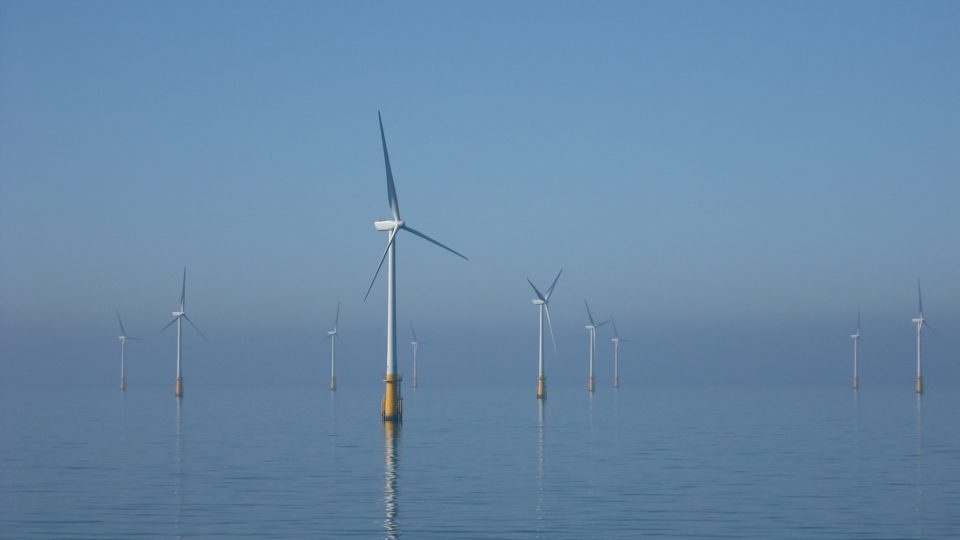
The U.S. pursuing offshore wind development in the Gulf of Mexico

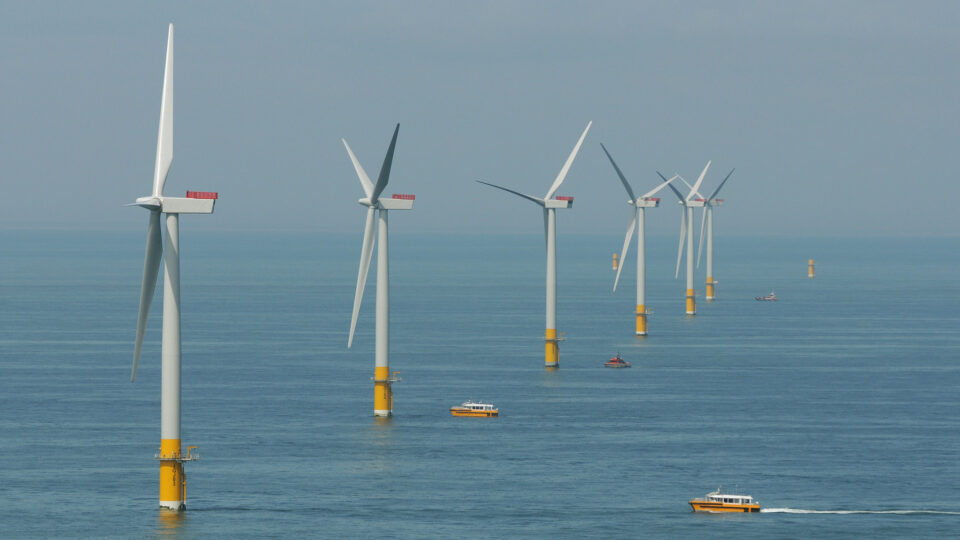
The US has a goal of deploying 30 GW of offshore wind energy capacity by 2030.  This is an ambitious goal given that the current installed offshore wind capacity in the US is a total of seven turbines capable of generating just 42 megawatts of power.  So, there is a long way to go in a relatively short amount of time.

Since 2021, the Bureau of Ocean Energy Management, a division of the Department of the Interior, has held three offshore wind lease auctions, which grant rights to developers to install offshore wind in specific marine areas.  The first two auctions involve sites in the northeast, including areas in New York.  The third auction, held last December, offered sites off the California Coast – the first US sites in the Pacific.

In February, the Department of the Interior proposed a new offshore wind lease sale in the Gulf of Mexico.  It identified a 102,480-acre area off the coast of Louisiana, and two similar-sized areas offshore from Galveston, Texas.

The proposal is now in a 60-day period of seeking public comments before deciding whether to move ahead with the sale.  As was the case for the other lease auctions, there would stipulations associated with accepted bids including efforts to build up domestic industry for the supply chain and labor force.  There would also be requirements to establish and contribute to a fisheries compensatory mitigation fund to address any potential negative impacts to the fishing industry.

About two-thirds of offshore wind resources in the US are located in deep-water areas that will require floating platforms.  A federal program called Floating Offshore Wind Shot has the goal of developing cost-effective technology for this purpose.

**********

Web Links

Gulf of Mexico may be next up for offshore wind leases

Photo, posted May 13, 2011, courtesy of the Department of Energy and Climate Change via Flickr.

Earth Wise is a production of WAMC Northeast Public Radio
Hybrid Renewable Energy Plants | Earth Wise

November 17, 2022 By EarthWise Leave a Comment

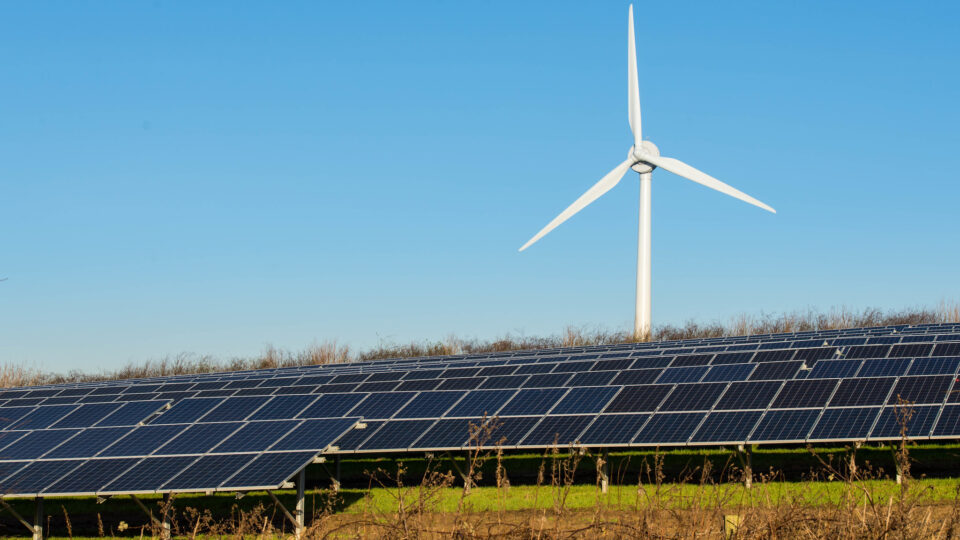
Hybrid renewable energy systems combine multiple renewable energy and/or energy storage technologies into a single plant.  The goal is to reduce costs and increase energy output relative to separate systems taking advantage of common infrastructure and the ability of one renewable energy source having appreciable output while a second one might not at a particular time.

Recently, the largest hybrid renewable power plant in the United States was completed in rural Oregon.  The Wheatridge Renewable Energy Facility combines a wind farm, a solar array, and battery storage.

Plants that include just solar power and energy storage are also called hybrid plants, but the Wheatridge Facility is special because it includes wind power.  The facility comprises a 200-megawatt wind farm, a 50-megawatt solar array, and a 30-megawatt battery system capable of providing power for four hours.  The combined system can provide for the electricity needs of about 100,000 homes.

There are about 140 projects in the United States that combine solar and storage.  There are 14 that combine solar and wind.  There are only four plants – with the completion of Wheatridge – that have wind, solar, and storage.  

Wind and solar energy are generally complementary technologies.  Wind is usually strongest at night while solar, of course, is a daytime source of energy.  Solar and wind plants don’t need to be close together to take advantage of this, but hybrid projects benefit from needing only one grid connection and one lease for land.

**********

Web Links

A Clean Energy Trifecta: Wind, Solar and Storage in the Same Project

Photo, posted December 27, 2015, courtesy of Gerry Machen via Flickr.

Earth Wise is a production of WAMC Northeast Public Radio
California Offshore Wind | Earth Wise

November 16, 2022 By EarthWise Leave a Comment

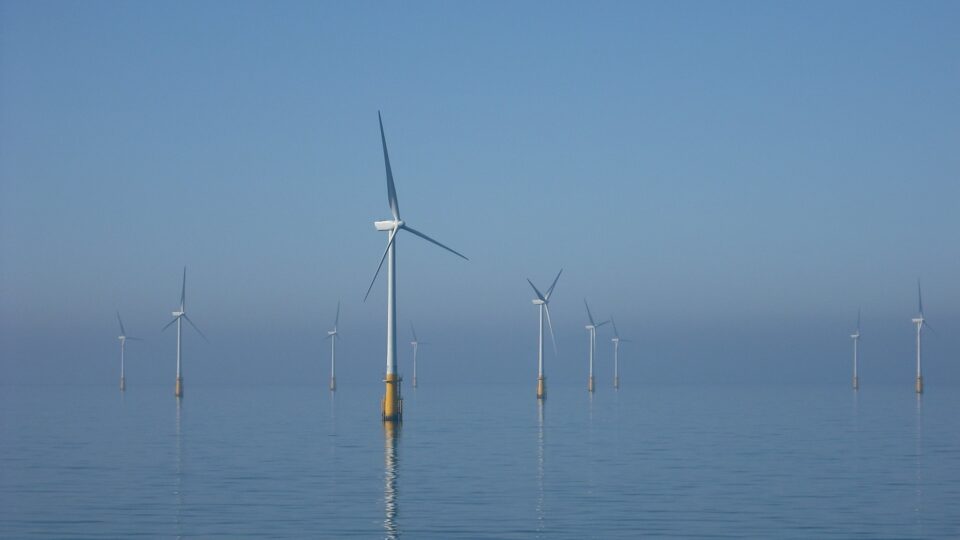
California has tremendous potential offshore wind resources.  The state set a preliminary target of 15 GW of offshore wind by 2045 earlier this year and may increase that number to 25 GW.  But installing offshore wind on the West Coast is much more challenging than it is on the East Coast.  The reason is that the ocean floor drops off rapidly on the Pacific Coast and it is simply not practical to attach wind turbines to the sea bottom.  Instead, floating turbine technology will be required.  That is more complicated and more expensive.

Despite the challenges, offshore wind in California is moving forward.  The federal Bureau of Ocean Energy Management announced that the auction for rights to develop waters off central and northern California will be held on December 6.  This will be the first wind auction ever along the U.S. Pacific Coast.

The auction will include three lease areas in the Morro Bay Wind Energy Area and two proposed areas in the Humboldt Wind Energy Area.  Combined, the two areas cover over 370,000 acres and could potentially host over 4.5 GW of wind generating capacity.  The projects developed in these areas are likely to become the first floating offshore wind projects in operation in the U.S.

Apart from the challenges of building floating wind installations, there will be the issue of the electric grid in the proposed regions being able to support the added generation from the wind farms.  Substantial grid upgrades will be needed to accommodate all the power coming from the offshore facilities.  In addition, California offshore wind projects will need to jump-start new supply chains in the U.S.

**********

Web Links

Date is set for California offshore wind lease auction

Photo, posted March 24, 2016, courtesy of Andy Dingley / TEIA via Flickr.

Earth Wise is a production of WAMC Northeast Public Radio
New York Bight Offshore Wind | Earth Wise

May 2, 2022 By EarthWise Leave a Comment

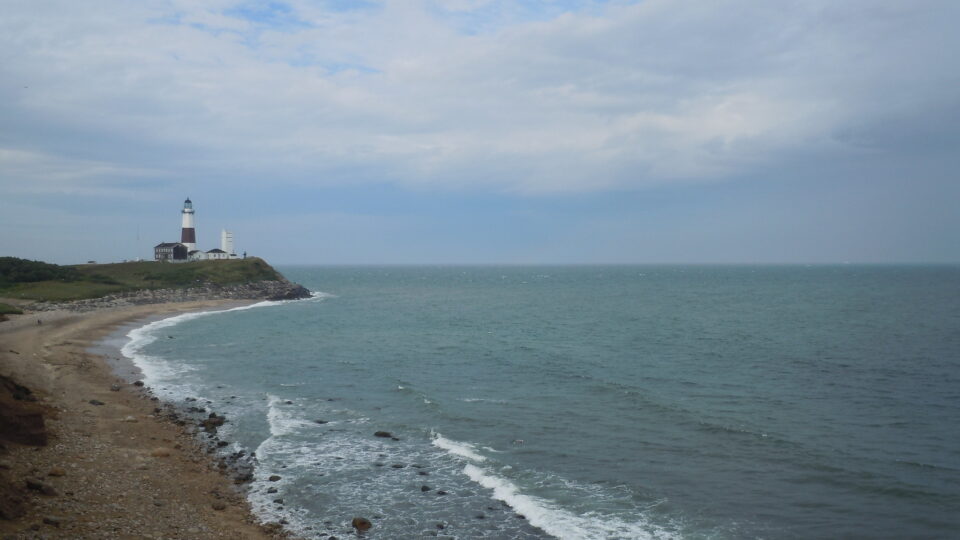
Late in February, the U.S. completed the most successful offshore wind lease auction in history.  The auction for rights to develop offshore wind in the New York Bight brought in a record $4.37 billion from the companies bidding for them.

The New York Bight is an area of ocean off the coasts of New York and New Jersey that the Bureau of Ocean Energy Management has divided into six lease areas for offshore wind development.  It covers a total of 480,000 acres.  The more than $4 billion secured in the auction is more than three times the revenue received from all U.S. offshore oil and gas lease auctions over the past five years.

Five out of the six winning bids have European connections in the form of various partnerships.  Europe has a far more advanced offshore wind market than the U.S. with a total of 25 GW of installations as of 2020.  Winning bidders included participation by RWE from Germany, British-owned National Grid, and Copenhagen Infrastructure Partners, among others.  Chicago-based Invenergy was the only American company without a European partner to have a winning bid.

The expected installed capacity for the 6 leased areas in the New York Bight is expected to be between 5.6 and 7 GW, enough to power 2 million homes.  The Bureau of Ocean Energy Management said capacity could be even higher.

The successful action has set the tone and expectations for auctions to come.  BOEM has six more offshore wind auctions planned over the next three years.  Forthcoming auctions are for areas of the Carolinas, Northern and Central California, the Gulf of Mexico, the Central Atlantic, Oregon, and the Gulf of Maine.

**********

Web Links

New York Bight: 5 takeaways from the record-breaking offshore wind auction

Photo, posted August 13, 2013, courtesy of Larry via Flickr.

Earth Wise is a production of WAMC Northeast Public Radio.

A Plan For New England Offshore Wind | Earth Wise

January 17, 2020 By EarthWise Leave a Comment

New England offshore wind

Last December, the Bureau of Ocean Energy Management auctioned off lease rights for developing offshore wind in the New England Wind Energy Area.  The auction brought in hundreds of millions of dollars.

Recently, the five New England offshore wind leaseholders – Equinor, Mayflower Wind, Ørsted, Eversource, and Vineyard Wind – jointly submitted a uniform turbine layout proposal to the U.S. Coast Guard.

The five developers joined forces to respond to feedback from key stakeholders in the region including the fisheries industry, the Coast Guard, the Bureau of Ocean Energy Management, and coastal communities.

The proposed layout specifies that wind turbines will be spaced one nautical mile apart, arranged in east-west rows an north-south columns, and the rows and columns will be continuous across all New England lease area.  Independent expert analysis confirmed that this uniform layout would provide for robust navigational safety and search-and-rescue capability by providing hundreds of transit corridors to accommodate the region’s vessel traffic.

Vessels up to 400 feet in length can safely operate within the proposed turbine layout and will allow the region’s many fishing vessels to follow a wide range of transit paths as they come from many different ports and head to a variety of fishing grounds.

The New England Wind Energy Area is expected to be able to provide as much as 8 GW of electricity generation for the states in the region.  Getting approval for this planned layout is one of multiple steps required before the offshore wind complex becomes a reality.  Overall, states along the U.S. East Coast are seeking to procure more than 19,300 MW of offshore wind capacity through 2035

**********

Web Links

New England offshore wind developers submit uniform layout proposal to the U.S. Coast Guard

Photo courtesy of Flickr.

Earth Wise is a production of WAMC Northeast Public Radio.

Solar Equity for Low-Income Communities

May 30, 2019 By EarthWise Leave a Comment

A couple of years ago, the number of American roofs covered with solar panels passed the one million mark and the numbers keep growing.  But nearly half of U.S. households – accounting for more than 154 million people – aren’t able to host their own solar arrays because they lack suitable rooftop space, or they rent their homes.  But millions more simply can’t afford to spend tens of thousands of dollars to buy or lease solar panels.

In recent years, community solar has become popular.  These are projects where multiple participants own or lease shares in a mid-sized solar facility and receive credits that lower their monthly utility bills.  Community solar in the U.S. has more than quadrupled just since 2016.

However, the majority of community solar subscribers to date have been businesses, universities, government agencies, and higher-earning households.  These users can generally pay steep project enrollment fees or meet various financial requirements.  Meanwhile, those who could benefit most from access to renewable energy and lower utility bills – low-income residents – have largely been left out.

Low-income households on average spend over 8% of their income on utility bills, about three times more than moderate- to high-income households.  So, reducing electricity bills with community solar power is a big deal for them.

Given this situation, there are now a growing number of programs that make use of community solar to reduce living expenses for low-income households.  In a dozen states, new programs include a variety of mandates, financial incentives, and pilot programs targeting benefits for people with low incomes.  These programs will allow them to participate in both the environmental and economic benefits of renewable energy.

**********

Web Links

Energy Equity: Bringing Solar Power to Low-Income Communities

Photo, posted November 27, 2012, courtesy of Oregon State University via Flickr.

Earth Wise is a production of WAMC Northeast Public Radio.

Surging Wind Power In The U.S.

June 16, 2017 By EarthWise

https://earthwiseradio.org/wp-content/uploads/2017/06/EW-06-16-17-Surging-Wind-Power-in-the-U.S.-.mp3

So far, it has been a big year for the U.S. wind industry, which experienced its fastest first-quarter growth since 2009.  In total, about 2,000 megawatts of new capacity was installed, enough to power about 500,000 homes.   With this addition, wind now produces 5 1/2% of the country’s electricity.

[Read more…] about Surging Wind Power In The U.S.

Solar Rooftops Looking Better Than Ever

May 26, 2016 By WAMC WEB

https://earthwiseradio.org/wp-content/uploads/2016/05/EW-05-26-16-Solar-Rooftops.mp3

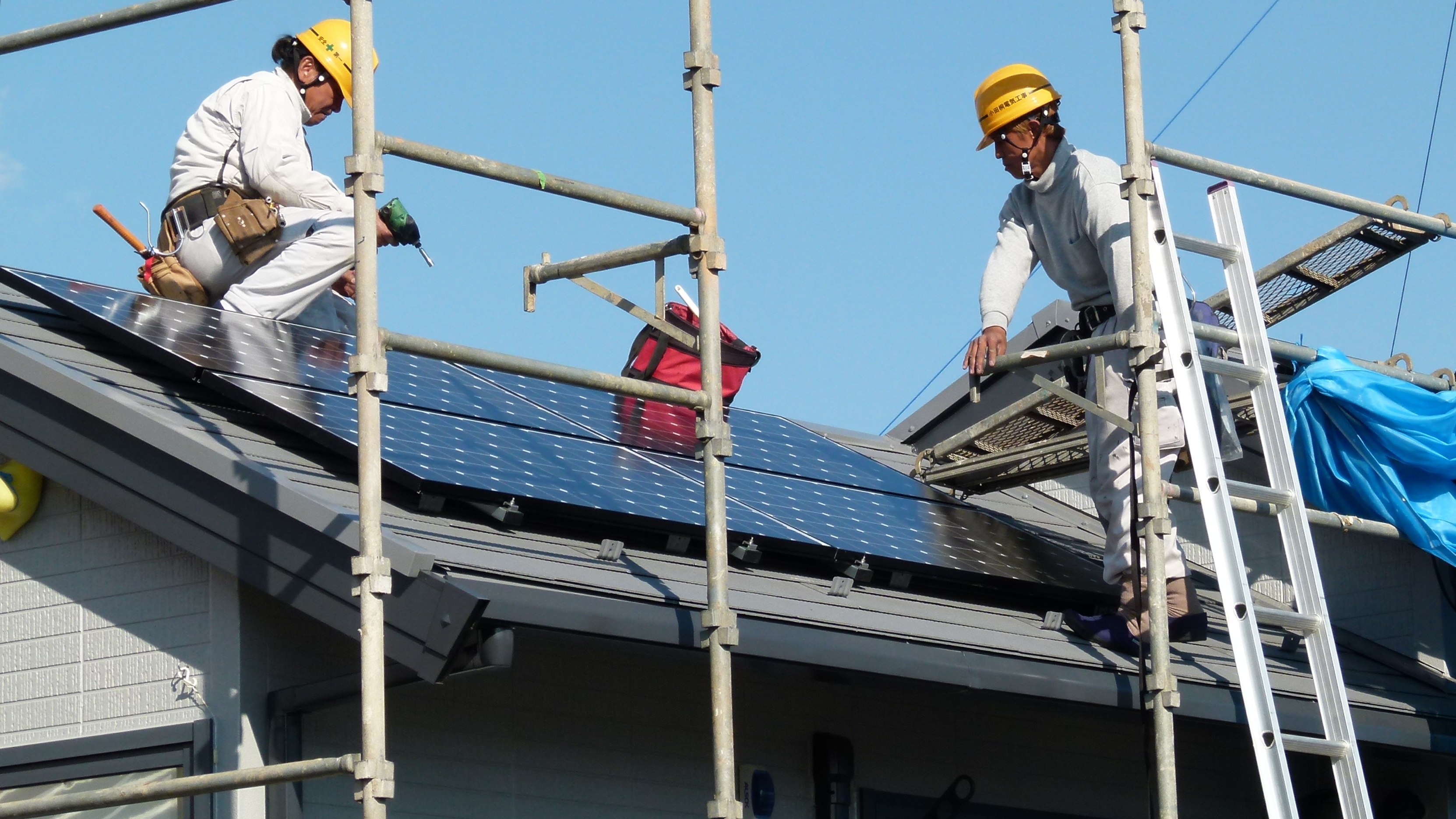
The price for installing solar panels continues to get lower and lower as volumes increase and technology improves.  There are also more ways than ever to get solar installed with leases and other creative financial arrangements.

[Read more…] about Solar Rooftops Looking Better Than Ever

Primary Sidebar

Recent Episodes

  • An uninsurable future
  • Clean energy and jobs
  • Insect declines in remote regions
  • Fossil fuel producing nations ignoring climate goals
  • Trouble for clownfishes

WAMC Northeast Public Radio

WAMC/Northeast Public Radio is a regional public radio network serving parts of seven northeastern states (more...)

Copyright © 2026 ·