• Skip to primary navigation
  • Skip to main content
  • Skip to primary sidebar

Earth Wise

A look at our changing environment.

  • Home
  • About Earth Wise
  • Where to Listen
  • All Articles
  • Show Search
Hide Search
You are here: Home / Archives for iron

iron

Facemask pollution

August 28, 2025 By EarthWise Leave a Comment

During the height of the Covid-19 pandemic, the global usage of disposable facemasks reached a staggering 129 billion per month. Most of these masks are manufactured from petroleum-based non-renewable plastics like polypropylene and the disposal of these masks results in serious pollution problems.  These include the loss of ecological integrity from buried waste in landfills, air pollution from increased waste incineration, and microplastic pollution. 

Recent research by engineers at Washington University in St. Louis investigated the multipronged pollution problem brought about by discarded facemasks.  The study in particular looked at the chemical changes that occur when facemasks are exposed to sunlight, water, and trace metal ions.

Masks littering the environment degrade into nanoplastics and produce reactive oxygen species.  These chemical agents interact with trace metal ions in the environment within hours.  The result is oxides of metals like manganese and iron, which can drive various biogeochemical reactions.

Abandoning and forgetting about plastics like facemasks is an unsustainable practice.  Plastics not only cause physical damage, but also introduce unpredictable and potentially dangerous chemical changes into environmental systems.

Plastic waste is a global problem that has continued to grow and become an increasingly serious threat over decades.  Understanding the nature of the effects of billions of facemasks in the environment is essential to efforts to address the challenges created by them.

**********

Web Links

Sun exposure changes chemical fate of littered face masks

Photo, posted August 21, 2021, courtesy of Ivan Radic via Flickr.

Earth Wise is a production of WAMC Northeast Public Radio

AI and greener cement

July 28, 2025 By EarthWise Leave a Comment

Cement pretty much holds the modern world together.  The amount of cement required to create our infrastructure is almost incomprehensible.   By weight, humanity consumes more cement than food, about 3 pounds per person per day.  The cement industry produces around eight percent of global CO2 emissions, which is more than the aviation industry.  So, if the amount of emissions produced making concrete could be reduced by even a few percent, it would make a significant impact.

Cement plants utilize rotary kilns heated to 2,500 degrees Fahrenheit to burn ground limestone down to a substance called clinker.  That energy-intensive combustion process emits large amounts of carbon dioxide.  However, the combustion process accounts for much less than half of the emissions associated with making concrete.  The majority comes from the raw materials needed to produce clinker.

One strategy to reduce concrete emissions is to modify the cement recipe itself, replacing some of the clinker with alternative materials.  Some producers already make use of materials like slag from iron production and fly ash from coal-fired power plants.   

A team of researchers at the Paul Scherrer Institute in Switzerland is making use of machine learning to simulate and optimize cement formulations that would emit significantly less CO2 while maintaining the same high level of mechanical performance.  This AI-based approach eliminates time-consuming experiments and conventional complex simulations.

The Scherrer Institute seeks to discover new materials and the effort has already yielded some promising candidates.  The next steps will be testing some of these recipes in the laboratory. 

**********

Web Links

AI paves the way towards green cement

Photo, posted July 3, 2007, courtesy of Tim Shortt via Flickr.

Earth Wise is a production of WAMC Northeast Public Radio

Bees and urban wildflowers

May 23, 2025 By EarthWise Leave a Comment

Urban wildflowers may threaten bees in some cases

Post-industrial cities often have large numbers of vacant lots, left behind as people have moved out of the area.  Local residents are often tempted to plant wildflowers to make these deserted spaces more attractive. 

Wildflowers are an important food source for bees.  Pollinators like bees play a vital role in food production and attracting them with food sources is a good idea.  However, a study by researchers at the University of Cambridge in the UK found that there are dangers associated with planting wildflowers in some urban settings.

Wildflowers growing on land previously used for buildings and factories can accumulate lead, arsenic, and other metal contaminants from the soil.  These metals have previously been shown to damage the health of pollinators that ingest the metals in the nectar as they feed.

The Cambridge study was carried out in Cleveland, Ohio, which has nearly 34,000 vacant lots.  Cleveland was previously the site of iron and steel production, oil refining, and car manufacturing.  The researchers tested the nectar from flowering plants growing on disused land throughout the city.  Lead was the contaminant found in the highest concentrations.  They also found that different species of plants accumulate different amounts and different types of metals.

The goal of the study was not to discourage the planting of wildflowers in towns and cities.  It is to highlight the importance of growing the right species of wildflowers as well as to encourage testing soils for metals before planting wildflowers and to clean up pollution.  Wildflowers are important for pollinators, but it is also important that they don’t contribute to the decline of pollinator populations that has already been happening for a number of reasons.

**********

Web Links

Growing wildflowers on disused urban land can damage bee health

Photo, posted August 26, 2012, courtesy of RJP via Flickr.

Earth Wise is a production of WAMC Northeast Public Radio

A green battery from industrial waste

February 11, 2025 By EarthWise Leave a Comment

Flow batteries are rechargeable batteries in which liquid electrolytes flow through one or more chemical cells from one or more tanks.  The electrolytes are redox pairs, that is, chemical compounds that can reversibly undergo reduction and oxidation reactions.  The most common redox electrolytes include elements like vanadium, chromium, iron, zinc, and bromine.  Flow batteries can provide large amounts of both electrical power and stored energy based on the size of the electrolyte tanks.  As a result, they can be scaled up far more readily than other battery technologies. 

Flow batteries are safe, stable, long-lasting, and their electrolytes can easily be refilled.  They have significant potential for use in utility-scale storage for renewable energy systems.

Researchers at Northwestern University have developed a redox flow battery based on an organic industrial-scale waste product.  The material – triphenylphosphine oxide or TPPO – is produced in the thousands of tons each year.  It is byproduct of producing a variety of substances including some vitamins, pharmaceuticals, agrochemicals, and other bulk chemicals.  For the most part, TPPO is of little use and must be carefully discarded.

The current market for redox flow batteries is very small but is expected to grow over time as the need for utility-scale energy storage continues to expand.  A battery technology based on a waste material that is already produced in high volume and that must otherwise be disposed of with caution would have significant advantages.

**********

Web Links

Green battery discovery turns trash into treasure

Photo, posted January 12, 2015, courtesy of California Energy Commission via Flickr.

Earth Wise is a production of WAMC Northeast Public Radio

Energy storage with iron-air batteries

January 24, 2025 By EarthWise Leave a Comment

The Cambridge Energy Storage Project in Cambridge, Minnesota will be the first commercial deployment of iron-air battery technology.  Developed by startup company Form Energy, the battery system will provide 1.5 MW and 150 MWh of multi-day energy storage.

Iron-air batteries are based on the principle of reversible rusting.  When discharging, the battery releases energy by breathing in oxygen from the air and converting iron metal to rust.  When charging, the battery takes up electrical current that converts rust back into iron and breathes out oxygen.

An individual iron-air battery module is about the size of a washer/dryer set and contains about 50 individual cells filled with a water-based, non-flammable electrolyte.  For a utility-scale system like that being built in Cambridge, modules are grouped together in enclosures and hundreds of enclosures grouped together in megawatt-scale power blocks.  A one-megawatt low-density system would take up about half an acre of land.  High-density systems would be capable of producing more than 3 MW per acre. 

The technology has lower costs compared to lithium-ion battery technology but may be best suited as complementary with it since lithium-ion is primarily used for short-duration energy storage while air-iron can store energy for several days.

The system is expected to be operational by late 2025.  Great River Energy, the operator of the system, plans to conduct a multi-year study to evaluate the system’s performance and potential for broader development. 

**********

Web Links

Minnesota co-op breaks ground on multi-day energy storage project

Photo courtesy of Form Energy.

Earth Wise is a production of WAMC Northeast Public Radio
The last coal plant in Britain

October 31, 2024 By EarthWise Leave a Comment

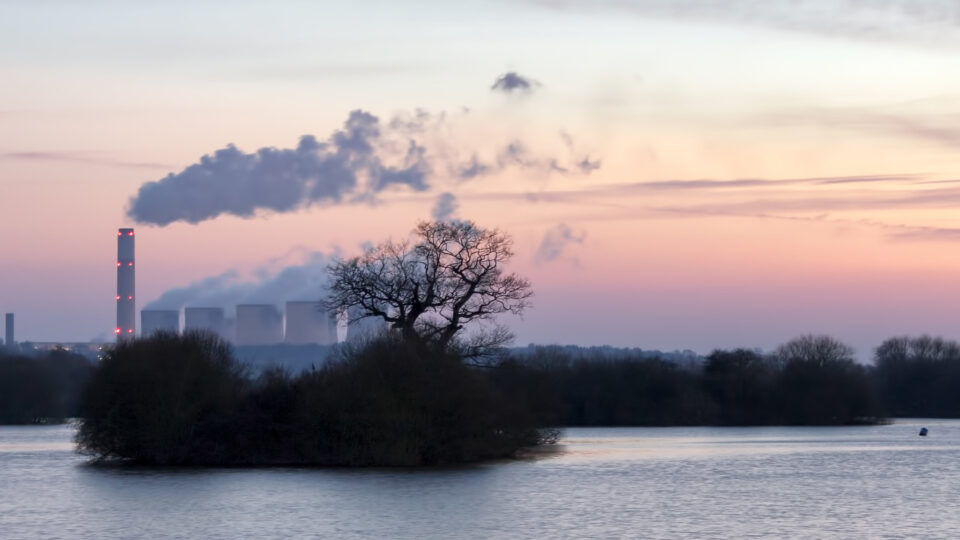
The last coal plant in Britain has closed

The Industrial Revolution, which basically got underway in the mid-19th century, was largely enabled by coal, which fueled iron manufacturing, railroads, steam engines, and more.  Most of these things got their start in Britain, which inspired the rest of the world to follow suit.

The world’s first coal-burning power plant began producing electricity at the Holborn Viaduct in London in 1882.  This September, Britain – the birthplace of coal power – shut down its last coal-burning power station when the 2,000-megawatt Ratcliffe-on-Soar facility ceased operations.  Uniper, the company that operated the plant, will be converting the 750-acre site to a low-carbon energy hub.

Shutting down coal plants is not a simple matter, as they are the lifeblood of entire towns and regions where they are located.  Finding fair transitions for workers is an uphill battle that has to take place in many locations.

Coal is the dirtiest fossil fuel, producing more greenhouse gas than others, but historically was the cheapest and most abundant source of power in many countries.  In recent decades, it has been replaced by gas, nuclear power, and most recently, renewables like wind and solar.

The coal era has ended in much of the world. The United States still gets 16% of its electricity from coal, but that number keeps getting smaller.  Unfortunately, the great majority of coal use is in the world’s two most populous countries:  India and China.  Both are adding renewable energy sources, but both have rapidly climbing energy demand.  China’s coal consumption is expected to peak this year and flatten out.  But there is still work to be done to bring an end to coal power.

**********

Web Links

Britain Shuts Down Last Coal Plant, ‘Turning Its Back on Coal Forever’

Photo, posted March 13, 2016, courtesy of Arran Bee via Flickr.

Earth Wise is a production of WAMC Northeast Public Radio
Less coal for making steel

September 5, 2024 By EarthWise Leave a Comment

Using less coal in steel production

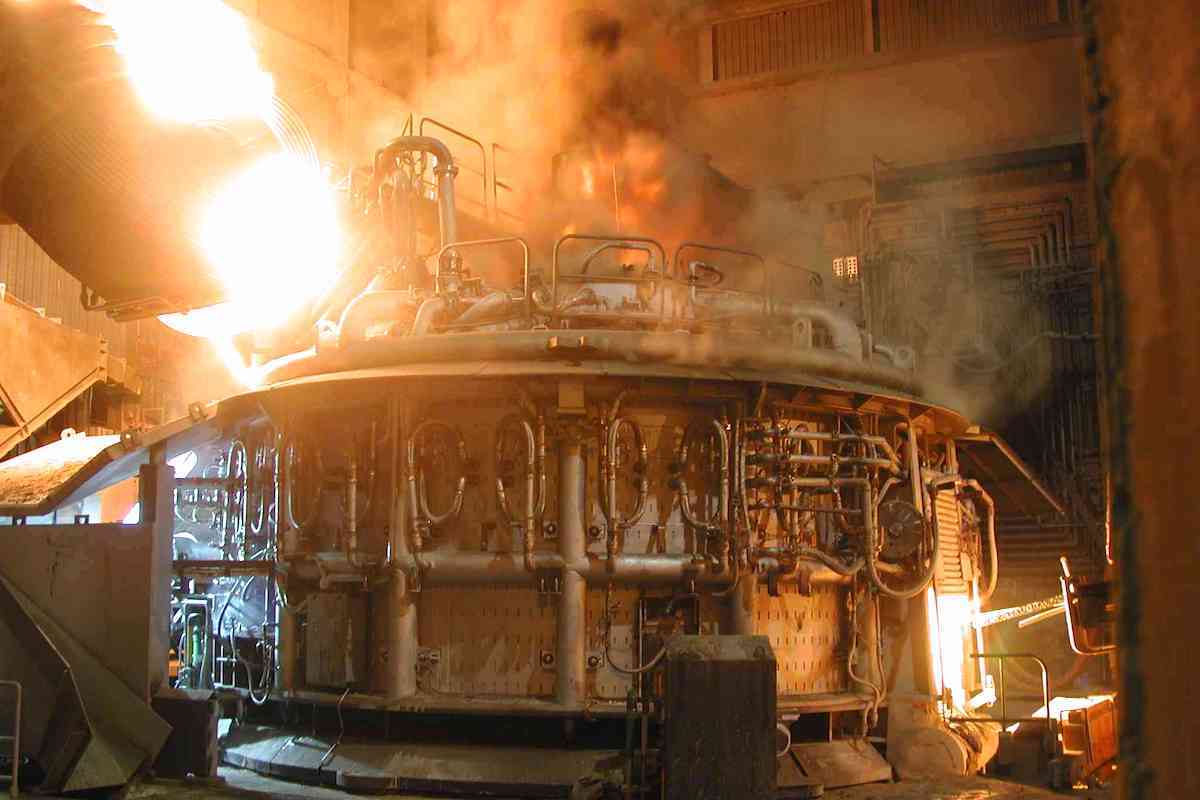
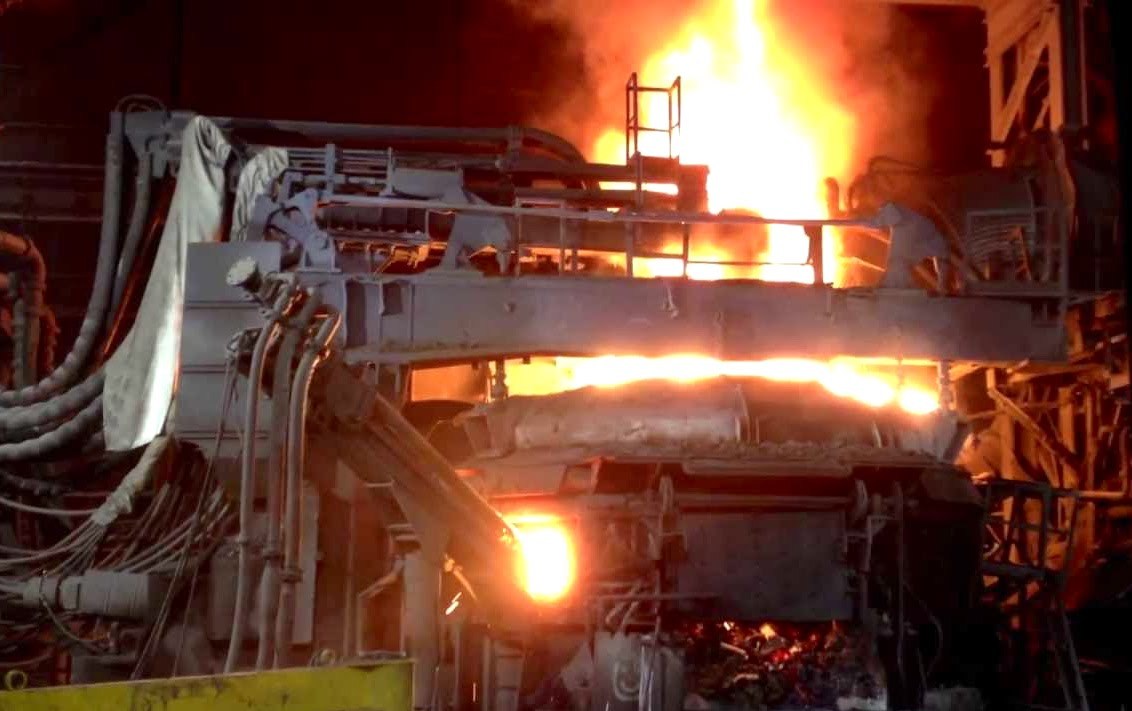
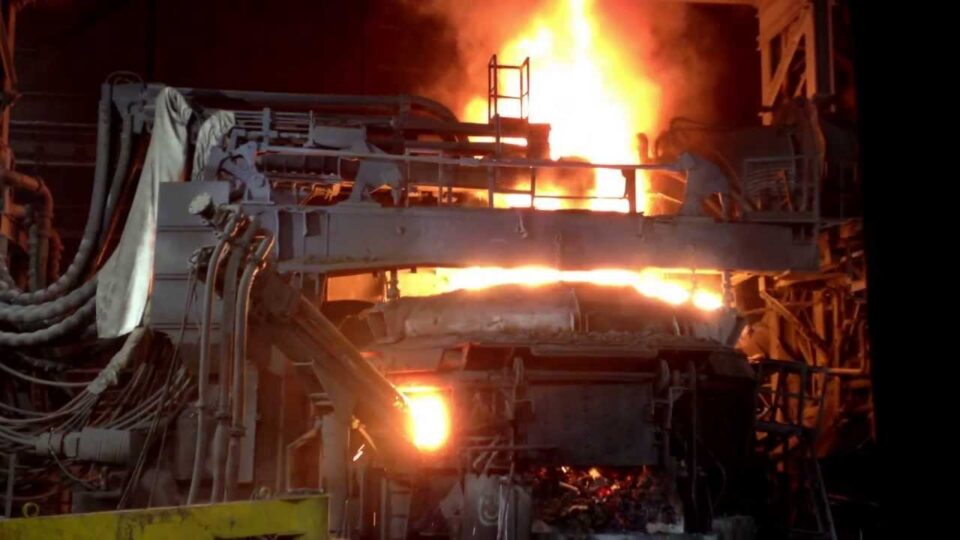
Steel is primarily produced using one of two methods:  blast furnaces or electric arc furnaces.  The first blast furnaces were built in the 14th century.  Making steel in a blast furnace starts by melting the raw materials of iron ore, limestone, and coal at very high temperatures.  The resultant reactions ultimately lead to two products:  iron saturated with carbon and carbon dioxide.  A second furnace reacts the liquid iron with oxygen to remove the carbon and results in steel along with even more carbon dioxide.

Making steel using an electric arc furnace is considerably less emissions-intensive and more sustainable.  So-called circular steel making powered by electric arc furnaces uses electricity to melt scrap and other input materials and turn them into high-quality steel.  Of course, to really minimize the emissions associated with steelmaking, the arc furnaces need to get their power from renewable energy sources. 

The global steel industry is turning away from polluting coal-fired blast furnaces and towards electric arc furnaces, which now account for roughly half of all planned new steelmaking capacity. This represents real progress towards a green steel transition.

By the end of this decade, electric arc furnaces will account for more than a third of steelmaking.  However, there are still plenty of new coal-based steel furnaces being built.  So even as electric arc furnaces account for a greater share of steelmaking, these new coal furnaces will still drive emissions upward.   Environmental advocates argue that what the steel industry needs is to make clean development a true priority and back away from coal-based developments.

**********

Web Links

Steelmakers Increasingly Forgoing Coal, Building Electric

Photo, posted July 16, 2018, courtesy of Daniel Steelman via Flickr.

Earth Wise is a production of WAMC Northeast Public Radio
Progress on offshore wind in New York

April 1, 2024 By EarthWise Leave a Comment

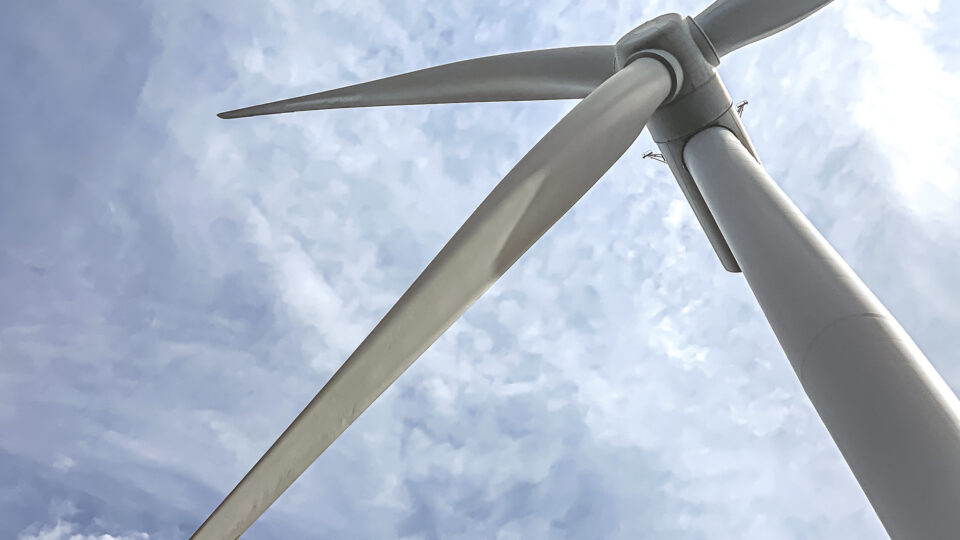
New York has now conditionally awarded two offshore wind projects that will move towards operation in 2026.  The projects, totaling more than 1,700 megawatts of power, will be the largest power generation projects in New York state in more than 35 years.  It is an important milestone toward achieving the state’s goal of developing 9,000 megawatts of offshore wind by 2035.

Empire Wind I, located 15 miles southeast of Long Island, and Sunrise Wind, located more than 30 miles east of the eastern point of Long Island, have already completed most federal and state permitting requirements.  Empire Wind I received final approval of their Construction and Operation Plan from the Bureau of Ocean Energy Management in late February.

Both projects are expected to ramp up construction activity this year.  Previous awards by NYSERDA for the projects in 2019 included contract provisions for specific economic benefits to New York communities and commitments for purchasing iron and steel from American sources.   Empire Wind I is being developed by Equinor, an international energy company headquartered in Norway.  Sunrise Wind, originally a joint project by Ørsted and Eversource, is now solely being developed by Ørsted, a global energy company based in Denmark.

Following successful execution of the contracts for the two projects, NYSERDA payments under these awards will only begin once the projects have obtained all required permits and approvals, the construction has been completed, and the projects begin delivering clean energy to New York.

**********

Web Links

New York selects Empire Wind I and Sunrise Wind offshore projects

Photo, posted June 14, 2022, courtesy of Lissa Eng / BOEM via Flickr.

Earth Wise is a production of WAMC Northeast Public Radio
Red mud and steel

February 21, 2024 By EarthWise Leave a Comment

Making steel from aluminum waste

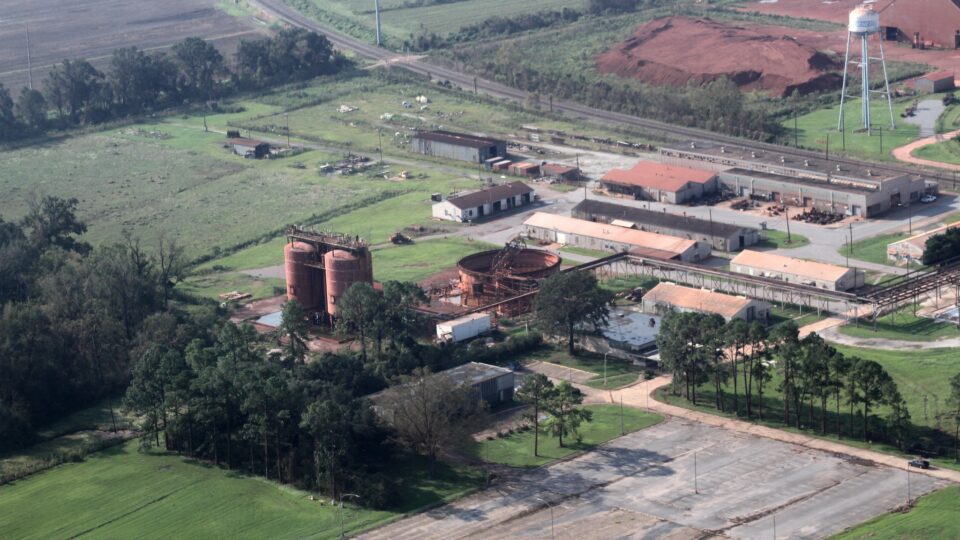
Most of us have never heard of red mud.  Otherwise known as bauxite residue, it is an industrial waste product generated by the most common process by which aluminum is made and the world produces 200 million tons of red mud each year.  The stuff is a significant environmental hazard being extremely alkaline and corrosive. Most of it ends up in large landfills and the costs associated with disposing of red mud are substantial.

Red mud is red because it contains large amounts of iron oxide, often as much as 60% of it.  Scientists at the Max-Planck Institute in Germany have developed a method for producing steel from red mud that is much less carbon intensive than traditional steel production and that is economically viable.

The scientists melt the red mud in an electric furnace powered in part by green hydrogen.  Running the furnace this way, even when using electricity from only partially renewable sources, results in far fewer greenhouse gas emissions as well as economic benefits.  In the furnace, liquid iron separates from the other liquid oxides and can be extracted easily.  The resultant iron is so pure that it can processed directly into steel.  The remaining metal oxides are no longer corrosive, and they solidify into a glass-like material that can have practical uses in construction.

There are 4 billion tons of red mud that have accumulated worldwide to date.  According to the researchers, their process could produce over 700 million tons of green steel from it, potentially saving 1.6 billion tons of carbon dioxide emissions. 

**********

Web Links

Green steel from toxic red mud

Photo, posted September 7, 2021, courtesy of Healthy Gulf via Flickr.

Earth Wise is a production of WAMC Northeast Public Radio
Electric Steel Furnaces | Earth Wise

August 29, 2023 By EarthWise 1 Comment

Steel was first made thousands of years ago.  The discovery that heating up iron ore in a hot enough charcoal fire could purify the iron into a strong and valuable material was the start of the Iron Age.  In many ways, things have changed very little since then.

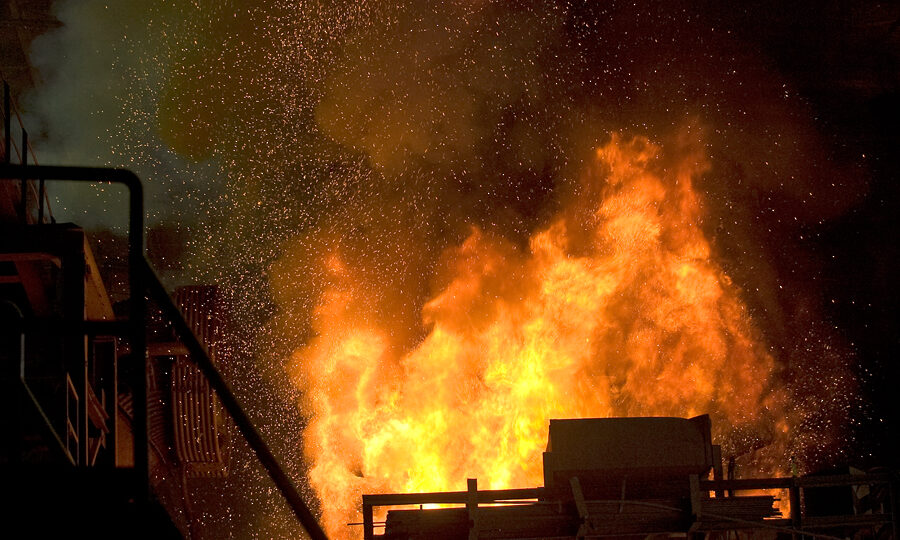
Global iron and steel production accounts for 7% of society’s carbon emissions. Making steel generally involves burning coal in a blast furnace to produce the very high temperatures required to turn iron into steel.  The coal is used both as a feedstock and as a fuel.  Steel is made from iron and a substance called coke, which is basically coal that has been carbonized at high temperatures.  Coal itself is burned to provide the high temperatures needed.

A new analysis from the Global Energy Monitor think tank shows that the global steel industry is slowly embracing electric-arc furnaces to produce the necessary heat, which is a cleaner alternative.  The analysis found that 43% of forthcoming steelmaking capacity will rely on electric-arc furnaces, up from 33% last year.

According to the study, the shift to cleaner steel is not happening fast enough.  To meet the emissions reductions goals of the Paris Climate Agreement, electric-arc furnaces must account for 53% of global steelmaking capacity by 2050.  Based on the current plans, those furnaces would only account for 32% of total capacity by that year.

In order to meet these goals, the steel industry will need to retire or cancel about 381 million tons of coal-based manufacturing capacity and add 670 million tons of electric-arc furnace capacity. 

**********

Web Links

Steel Industry Pivoting to Electric Furnaces, Analysis Shows

Photo, posted March 3, 2012, courtesy of Jeronimo Nisa via Flickr.

Earth Wise is a production of WAMC Northeast Public Radio
Cleaner And Greener Steel | Earth Wise

August 14, 2023 By EarthWise Leave a Comment

Researchers are developing a cleaner and greener steel

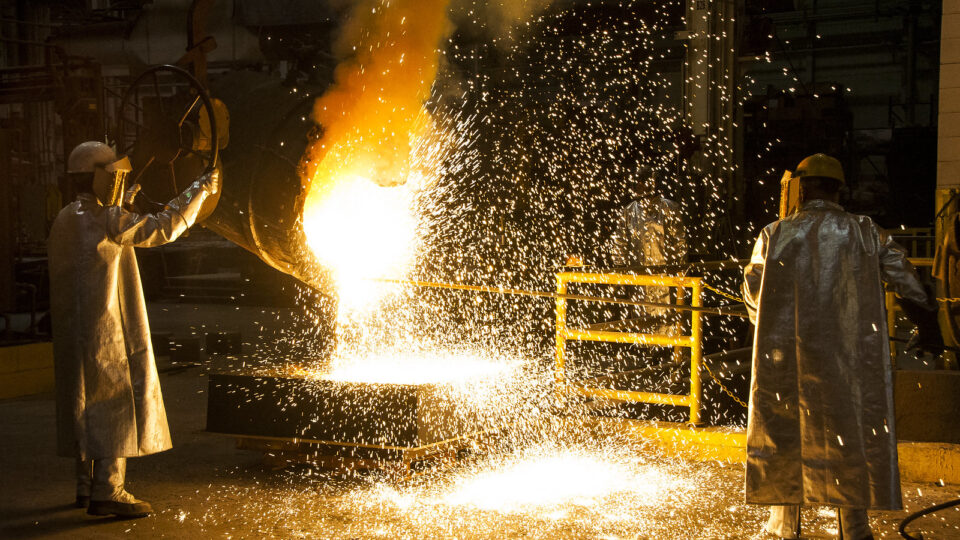
Producing construction materials like concrete and steel is a major contributor to greenhouse gas emissions.  Between 7 and 8% of emissions are due to steelmaking alone, which has been done pretty much the same way for more than a century.

Iron ore is smelted with high-carbon fuel and is turned into so-called pig iron in a blast furnace, which creates the key raw material for the steel industry.  The process uses huge amounts of energy (still often generated by burning fossil fuels) and releases carbon dioxide as a byproduct. 

The Department of Energy is sponsoring 40 projects at universities, national laboratories and companies in 21 states aimed at reducing industrial carbon pollution.  Ten of those projects are focused on decarbonizing iron and steel. These initiatives are part of the overall effort to move the nation towards a net-zero emissions economy by 2050.

A team headed by Case Western Reserve University that includes Lawrence Livermore National Laboratory, the University of Arizona, and steel company Cleveland-Cliffs Inc. has developed a promising new zero-carbon, electrochemical process for producing steel.

The process is a novel molten salt electrolysis method that is low-cost, capable of achieving high rates, and uses environmentally benign chemicals.  The process does not use carbon at all.  Using molten salts, electrochemistry can be performed at moderately high temperatures rather than the temperatures of nearly 3000 degrees Fahrenheit used for conventional steelmaking.  The goal is to enable steel production that is both economically viable at an industrial scale and that is environmentally sustainable.

**********

Web Links

Case Western Reserve leading research to develop zero-carbon, electrochemical process to produce iron metal as part of U.S. Department of Energy effort

Photo, posted January 11, 2017, courtesy of Kevin Casey Fleming via Flickr.

Earth Wise is a production of WAMC Northeast Public Radio
An Iron-Air Battery Plant | Earth Wise

February 9, 2023 By EarthWise Leave a Comment

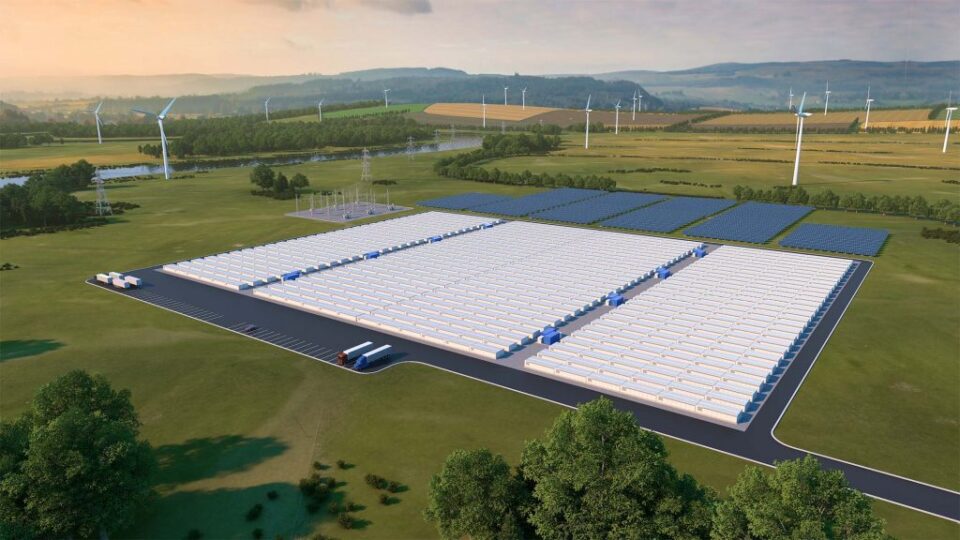
Form Energy is building a iron-air battery storage facility

Lithium-ion batteries are the standard energy source for electric vehicles, and they are also the dominant technology for storing energy in the electric grid.  However, they are not the only game in town.  There are other battery technologies that have various potential advantages over lithium-ion and some of them are getting the chance to show what they can do.

One is the iron-air battery.  Unlike lithium-ion batteries that require expensive and strategically challenging materials like lithium, cobalt, nickel, and graphite, iron-air batteries make use of one of the most common elements in the earth’s crust.

Iron-air batteries operate on a principle known as “reversible rusting”.  When discharging, the battery takes in oxygen from the air and converts iron into rust.  While charging, electrical current converts rust back into iron and the battery releases oxygen.  Batteries consist of a slab of iron, a water-based electrolyte, and a membrane that feeds a controlled stream of air into the battery. 

A Massachusetts-based company called Form Energy is building a $760 million iron-air battery storage facility in the city of Weirton in West Virginia.  Investment financing along with a $290 million government incentive package is paying for the facility. 

The facility is designed to address the need for long-duration energy storage and will be capable of storing electricity for 100 hours at competitive prices.  The battery modules will be about the size of a side-by-side washer/dryer and will contain a stack of 50 3-foot-tall cells.  Such batteries are too big and heavy for use in cars but will be cheaper and higher-capacity than equivalent lithium-ion battery systems.

**********

Web Links

Form Energy selects West Virginia for its first iron-air battery plant

Photo credit: Form Energy

Earth Wise is a production of WAMC Northeast Public Radio

Fertilizing The Ocean | Earth Wise

January 23, 2023 By EarthWise Leave a Comment

There are a variety of schemes for removing carbon dioxide from the atmosphere.  Some require advanced and generally not-very-well developed technology.  Others, such as planting vast numbers of trees, are nature-based but are daunting with respect to the scale to which they need to take place in order to be truly effective.

Researchers at the Pacific Northwest National Laboratory in Richland, Washington have been examining the scientific evidence for seeding the oceans with iron-rich engineered fertilizer in order to feed phytoplankton.  Phytoplankton are microscopic plants that are a key part of the ocean ecosystem.

Phytoplankton take up carbon dioxide as they grow.  In nature, nutrients from the land end up in the ocean through rivers and from blowing dust.  These nutrients fertilize the plankton.  The idea is to augment these existing processes to increase the growth of phytoplankton.  As they eventually die, they sink deep into the ocean, taking the excess carbon with them.


The researchers argue that engineered nanoparticles could provide highly controlled nutrition that is specifically tuned for different ocean environments.  Surface coatings could help the particles attach to plankton.  Some could be engineered with light-absorbing properties, allowing plankton to consume and use more carbon dioxide.

Analysis of over 100 published studies showed that numerous non-toxic, abundant, and easy-to-create metal-oxygen materials could safely enhance plankton growth.  According to the researchers, the proposed fertilization would simply speed up a natural process that already sequesters carbon in a form that could remove it from the atmosphere for thousands of years.  They argue that given the current trends in the climate, time is of the essence for taking action.

**********

Web Links

Fertilizing the Ocean to Store Carbon Dioxide

Photo, posted August 2, 2007, courtesy of Kevin McCarthy via Flickr.

Earth Wise is a production of WAMC Northeast Public Radio

Green Steel | Earth Wise

October 5, 2022 By EarthWise Leave a Comment

Construction using Green Steel

The Inflation Reduction Act provides $369 billion in investments to ramp up renewable energy generation and manufacturing of solar panels, wind turbines, energy storage, and electric vehicles. 

Every megawatt of solar power deployed requires 35 to 45 tons of steel.  Every megawatt of wind power uses 120 to 180 tons of steel.   Estimates are that it will take 1.7 billion tons of steel just to build all the wind turbines needed to reach net zero emissions by 2050.

This is a big problem because steel production accounts for roughly 10% of global carbon emissions and is one of the most carbon-intensive industries in the world.

Making steel is a complex and age-old process that hasn’t changed much over time.  Green steel is steel made with little or no carbon emissions.  There are a few ways to do it.  One is called the direct reduced iron method that uses green hydrogen instead of fossil fuel gas to produce iron and then a renewable-powered electric arc furnace to make the steel. 

Molten Oxide Electrolysis is an alternative green steel approach that doesn’t depend on having a green hydrogen infrastructure.  It uses electrolysis, powered by renewable energy, to separate the bonds of iron ore and produce liquid metal while releasing only oxygen in the process.

Green steel solutions rely on the availability of renewable energy, but the ultimate success of renewable energy will depend on the success of green steel.  The U.S. steel industry will leverage about $6 billion under the Inflation Reduction Act to make progress on it.

**********

Web Links

Building tomorrow’s clean energy systems on green steel

Photo, posted October 30, 2008, courtesy of Paul Bica via Flickr.

Earth Wise is a production of WAMC Northeast Public Radio
Coal In The UK And Asia | Earth Wise

August 20, 2021 By EarthWise Leave a Comment

Coal power is in a permanent decline

Coal was the driving force of the British industrial revolution beginning in the 18th century.  Coal was used for manufacturing iron, heating buildings, driving locomotives, and more.  Annual coal production in the UK peaked in the year 1913 at 316 million tons.  Until the late 1960s, coal was the main source of energy produced in the UK.

Recently, Britain announced that it plans to phase out coal power entirely by October 2024, one year earlier than its previous target date.  This is on the heels of a dramatic decline in coal usage over the past decade.  In 2012, coal accounted for 40% of the UK’s power generation.  By 2020, that number was 1.8%.

In both Europe and the United States, coal power is generally significantly more expensive than renewable power from the sun and wind.  As a result, market forces have driven the demise of coal power in those places.

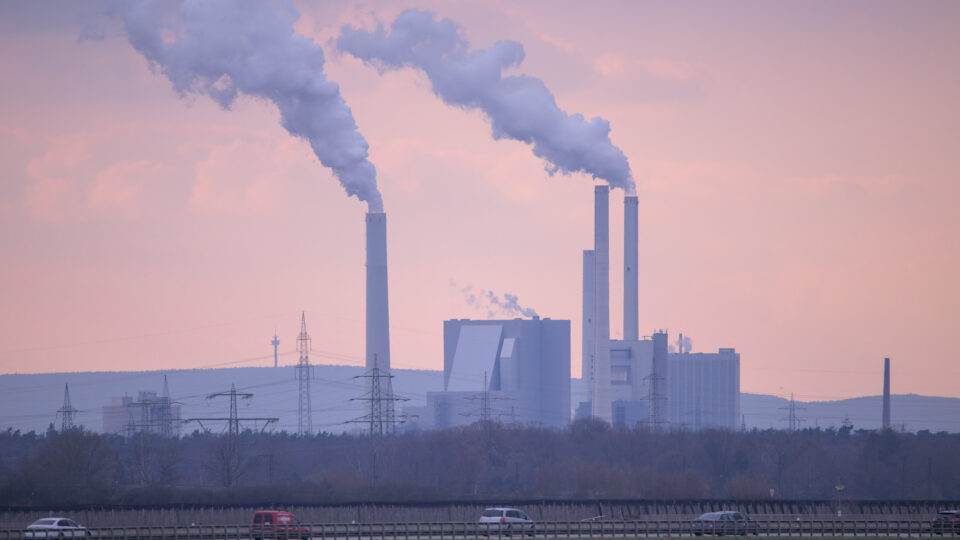
The situation is different across much of Asia where coal power remains cost competitive.  Five Asian countries – China, India, Indonesia, Japan, and Vietnam – still have plans to build more than 600 new coal-fired power plants, which is bad news for the environment.  In 2020, China produced more than half of the world’s coal power, which reflects both the growth of coal in Asia and its decline in the U.S. and Europe.

Despite all this, experts predict that it will be more expensive to run almost all coal plants globally than to build new renewable energy projects by the year 2026.  Sooner or later, coal power will no longer make its unfortunate contributions to the world.

**********

Web Links

UK Aims to Dump Coal Early, While Asia Stays the Course

Photo, posted March 8, 2021, courtesy of Stanze via Flickr.

Earth Wise is a production of WAMC Northeast Public Radio.

A Powerful Case For Protecting Whales

October 24, 2019 By EarthWise Leave a Comment

Efforts to mitigate climate change typically face two major challenges.  One is to find effective ways to reduce the amount of atmospheric carbon dioxide.  The other is how to raise enough money to implement climate mitigation strategies. 

Many proposed solutions to climate change, like carbon capture and storage, are complex, expensive, and in some cases, untested.  What if there was a low-tech solution that was effective and economical?

Well, it turns out there is one, and it comes from a surprisingly simple, “no-tech” strategy to capture CO2: increase global whale populations. 

According to a recent analysis by economists with the International Monetary Fund, whales help fight climate change by sequestering CO2 in the ocean. 

Whales sequester carbon in a few ways.  They hoard it in their fat and protein-rich bodies, stockpiling tons of carbon apiece.  When whales die, they turn into literal carbon sinks on the ocean floor.  While alive, whales dive to feed on tiny marine organisms like krill and plankton before surfacing to breathe and excrete. Those latter activities release an enormous plume of nutrients, including nitrogen, iron, and phosphorous, into the water.  These so-called “poo-namis” stimulate the growth of phytoplankton, microscopic marine algae that pull CO2 out of the air and return oxygen to the air via photosynthesis.  Phytoplankton are responsible for every other breath we take, contributing at least 50% of all oxygen to the atmosphere and capturing approximately 40% of all CO2 produced. 

With other economic benefits like ecotourism factored in, economists estimate that each whale is worth $2 million over its lifetime, making the entire global population possibly a one trillion dollar asset to humanity.

*********

Web Links

How much is a whale worth?

Photo, posted June 12, 2013, courtesy of Gregory Smith via Flickr.

XXXXXXXXXXXXXXXXXX

The Chinese War On Pollution

April 10, 2018 By EarthWise Leave a Comment

https://earthwiseradio.org/wp-content/uploads/2018/03/EW-04-10-18-The-Chinese-War-on-Pollution.mp3

For years, China has been struggling with some of the worst air pollution in the world.  According to the European Union, only 1% of the country’s half a billion city dwellers were considered safe because almost all of its major cities were covered with what was described as a toxic grey cloud.

[Read more…] about The Chinese War On Pollution

The Ecology Of Dust

January 19, 2018 By EarthWise Leave a Comment

https://earthwiseradio.org/wp-content/uploads/2017/12/EW-01-19-18-The-Ecology-of-Dust.mp3

It isn’t something we think about very often, but dust is a connector of ecosystems around the world.  Dust carries various minerals and nutrients to places where such things are in very scarce supply.  This includes the oceans of the world as well as many forests and other ecosystems.  For example, phosphorus-bearing dust carried from the Gobi Desert is essential to the growth of giant redwoods in California’s Sierra Mountains.

[Read more…] about The Ecology Of Dust

Storing Energy In An Old Mine

January 20, 2017 By EarthWise

https://earthwiseradio.org/wp-content/uploads/2017/01/EW-01-20-17-Storing-Energy-in-an-Old-Mine-1.mp3

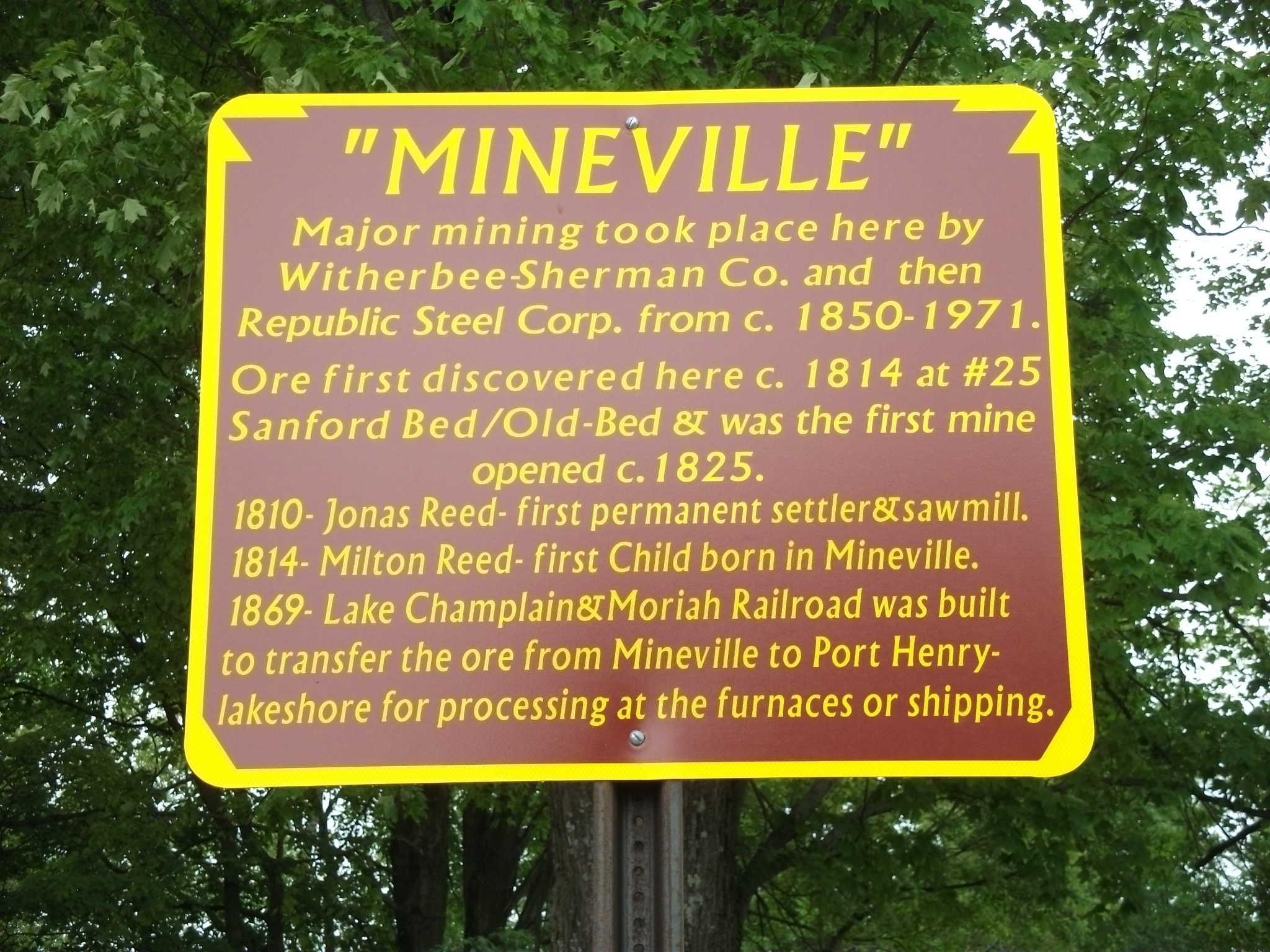
An abandoned, centuries-old iron mine in the Adirondacks about 100 miles north of Albany, New York may become the site of a new hydroelectric energy storage system.   The mine in the tiny hamlet of Mineville near Moriah, New York contributed iron for the first naval battle of the Revolutionary War that took place on Lake Champlain.  The mine hasn’t been used in over 45 years.

[Read more…] about Storing Energy In An Old Mine

Primary Sidebar

Recent Episodes

  • An uninsurable future
  • Clean energy and jobs
  • Insect declines in remote regions
  • Fossil fuel producing nations ignoring climate goals
  • Trouble for clownfishes

WAMC Northeast Public Radio

WAMC/Northeast Public Radio is a regional public radio network serving parts of seven northeastern states (more...)
Copyright © 2026 ·