• Skip to primary navigation
  • Skip to main content
  • Skip to primary sidebar

Earth Wise

A look at our changing environment.

  • Home
  • About Earth Wise
  • Where to Listen
  • All Articles
  • Show Search
Hide Search
You are here: Home / Archives for ice cover

ice cover

Shrinking polar ice

November 12, 2024 By EarthWise Leave a Comment

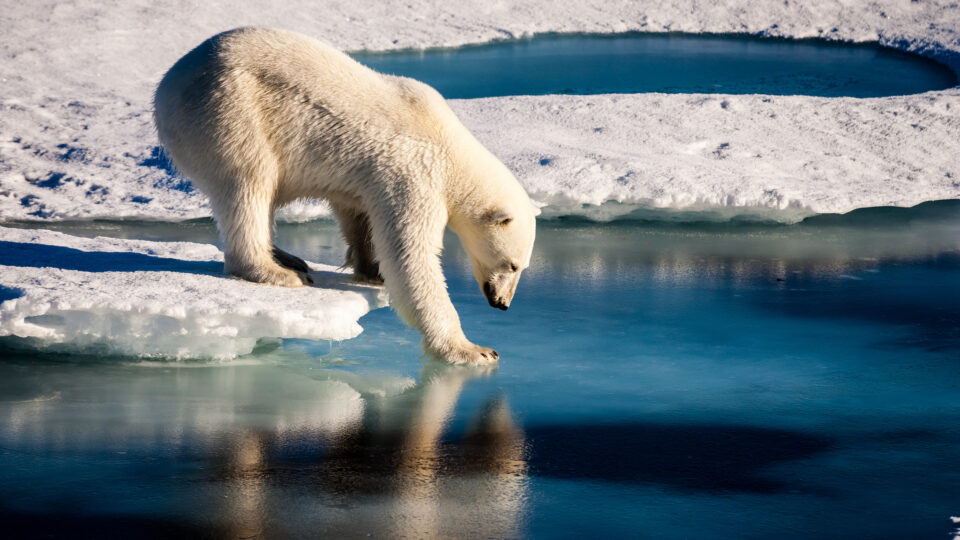
Arctic sea ice has shrunk to near-historic lows during this Northern Hemisphere summer.  The minimum extent for the year occurred on September 11th.  Ice cover in the Arctic Ocean has been shrinking and thinning for more than 40 years.  The amount of frozen seawater in the Arctic goes up and down during the year as sea ice thaws and regrows between seasons.

This year, the minimal extent of sea ice shrank to 1.65 million square miles.  That’s about 750,000 square miles less than the average for late summer over the years between 1981 and 2010, representing a decrease of more than 30%.  The all-time low of 1.31 million square miles was actually set in 2012.  Sea ice coverage can fluctuate from year to year, but it has trended downward since it has started being tracked in the late 1970s.  The loss of sea ice has averaged about 30,000 square miles per year.

Sea ice extent has not only been shrinking; the ice has been getting younger and thinner.  Presently, the overwhelming majority of ice in the Arctic Ocean is first-year ice, which is thinner and less able to survive the warmer months.  There is far less ice that is three years or older.

Meanwhile, sea ice in the southern polar regions was also low this year.  In the sea around Antarctica, scientists are tracking near record-low sea ice at a time when it should have been growing extensively during the darkest and coldest months in the Southern Hemisphere.

Polar ice loss compounds polar ice loss.  The loss of sea ice increases heat in the polar regions, where temperatures have risen about four times more than the global average.

**********

Web Links

Arctic Sea Ice Near Historic Low; Antarctic Ice Continues Decline

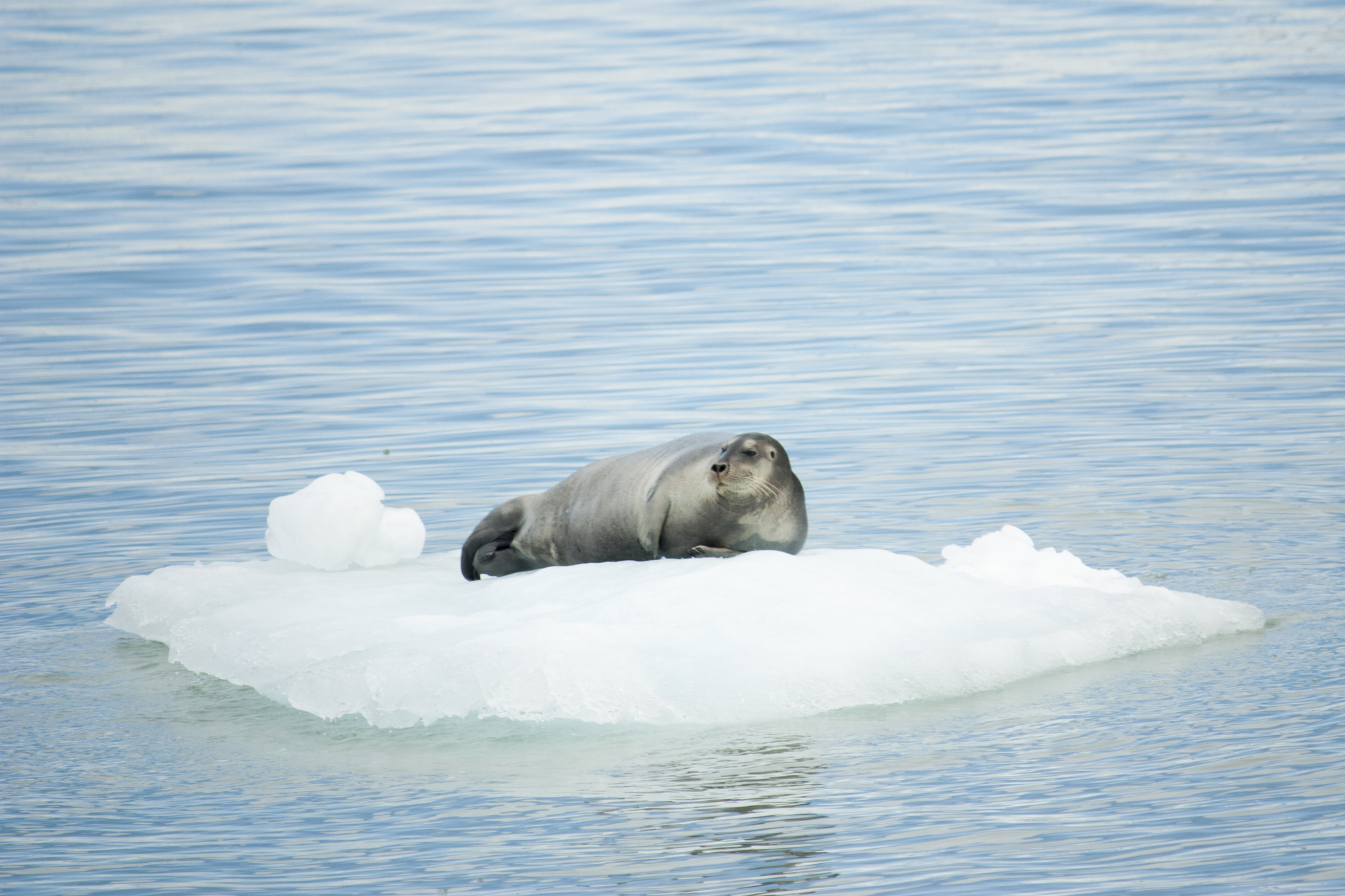
Photo, posted September 15, 2016, courtesy of Mario Hoppmann via Flickr.

Earth Wise is a production of WAMC Northeast Public Radio
Little ice on the Great Lakes

March 8, 2024 By EarthWise Leave a Comment

Great Lakes missing lots of ice

In an average year, the Great Lakes end up about 40% covered in ice.  But this is not an average year.  2023 was the warmest year on record and, in fact, the global temperature was more than 1.5 degrees above the pre-industrial average for the full year.  That hasn’t happened before.  As a result of the record-breaking warmth, as of mid-February, the average ice cover on the Great Lakes was only 5.9%.

Lake Erie and Lake Ontario tied their records for the lowest ice cover, which has been tracked since 1973.  Lake Huron, Lake Michigan, and Lake Superior are at historic lows.  Some parts of the Great Lakes have experienced the winter without any ice cover.

The warming air temperatures have led to rapid ice loss and warming summer temperatures.  According to experts, if the planet continues to warm, more than 200,000 lakes may no longer freeze every winter and 5,700 lakes may permanently lose ice cover by the end of the century.

Studying the Great Lakes is important because their ice melt can be a significant indicator of the progress of global warming.  Decreasing ice cover can affect hydropower generation, commercial shipping and fishing, and have environmental impacts such as the development of plankton blooms.

Since the 1970s, there has been a 5% decline in Great Lakes ice cover per decade.  Unfrozen lakes bring more rain than snow which has environmental, cultural, and societal impacts.  The Great Lakes hold 21% of the world’s freshwater supply and over 30 million people depend on them for drinking water.  They are also linked to over $3 trillion in gross domestic product.

**********

Web Links

Great Lakes Winter Ice Cover Averaging Just 5.9%: NOAA

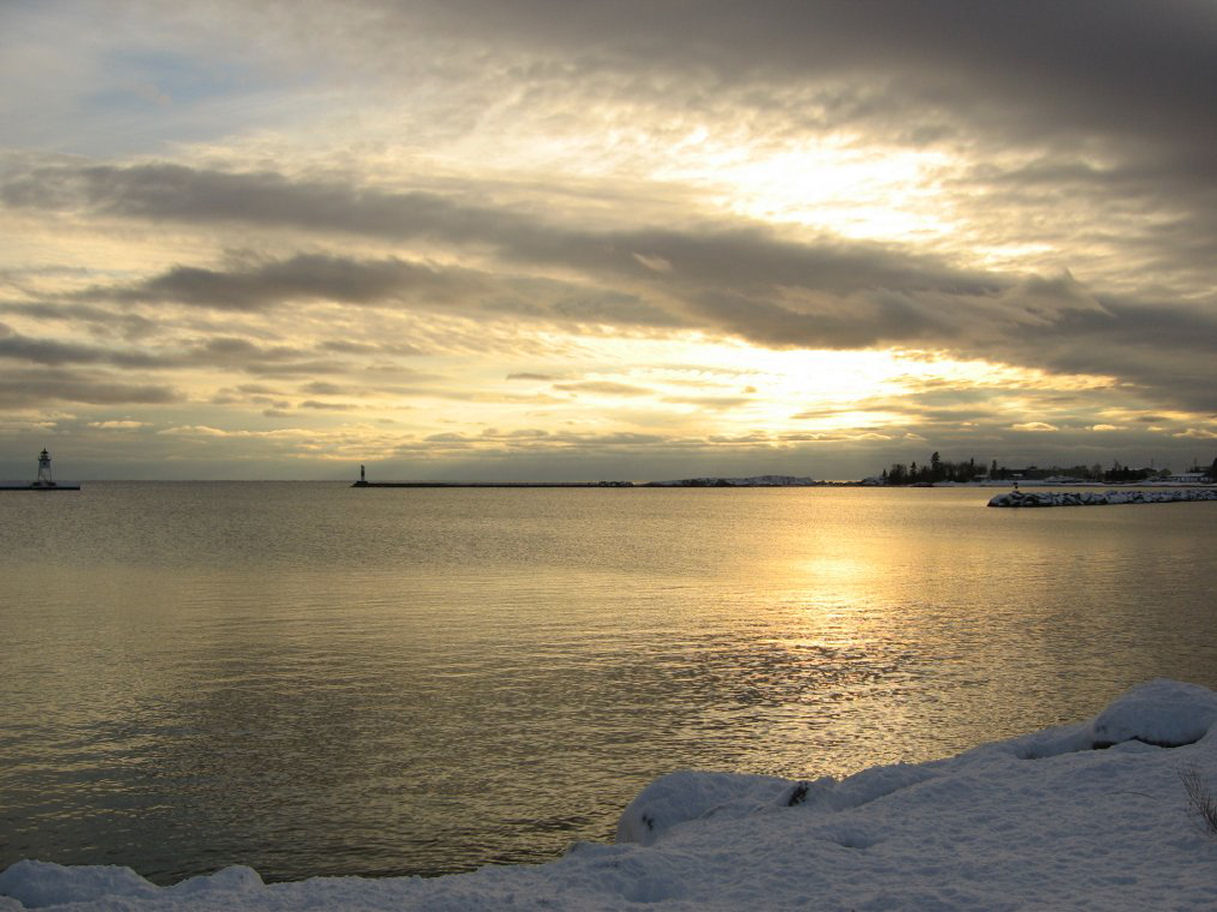
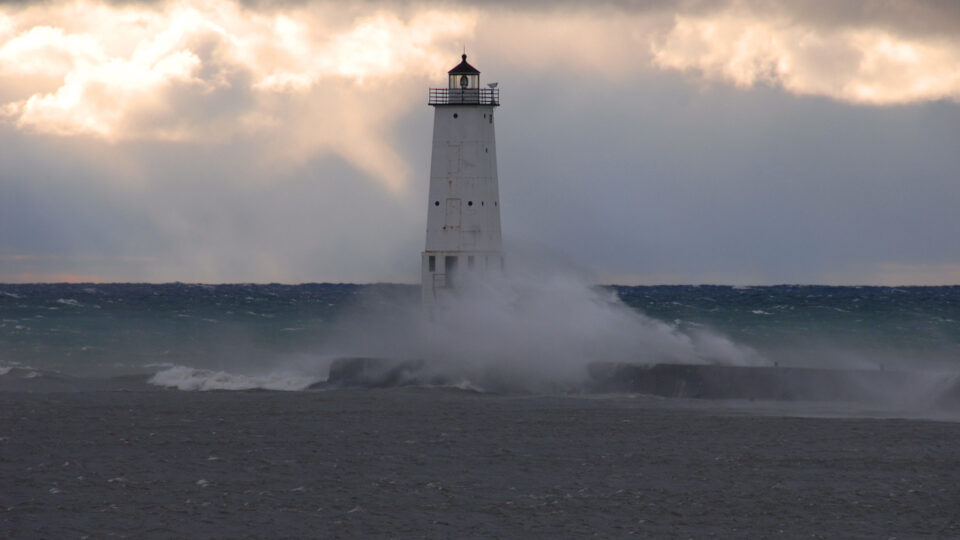
Photo, posted November 7, 2007, courtesy of Jim Sorbie via Flickr.

Earth Wise is a production of WAMC Northeast Public Radio
Air Pollution In The Arctic | Earth Wise                     

March 8, 2023 By EarthWise Leave a Comment

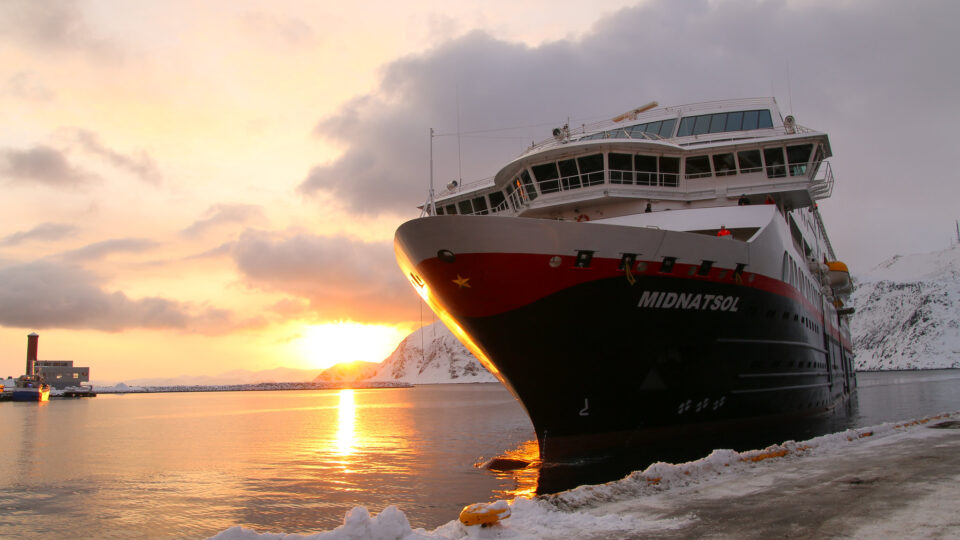
Climate change is shrinking the Arctic ice cover, which is making it easier for ships to travel along the northern coast of Russia, known as the Northern Sea Route or the Northeast Passage.  There is also the Northwest Passage, which connects the Atlantic and Pacific Oceans via waterways through the Canadian Arctic Archipelago.

More than 600 fishing vessels sail the waters of the Arctic Ocean, but these fishing vessels are not the worst offenders when it comes to the growing problem of air pollution.  Giant natural gas tankers are becoming a much bigger problem.

In 2021, only 26 natural gas tankers traveled through Arctic waters.  But these ships can be 1000 feet long or more and produce far more CO2 emissions than fishing boats.   In 2019, the tankers accounted for 28% of the emissions and the number of them cruising the Arctic has been growing.

As the ice cover in the Arctic continues to shrink, more and more ships of all varieties, including cruise ships, fishing vessels, as well as tankers, are coming north and spending more time in the Arctic.  Any increases in ship traffic will increase the pollutant load in the Arctic and the Arctic is one of the most vulnerable environments in the world.

Between 2013 and 2019, the aggregated nautical miles that vessels traveled in what is called the Polar Code area increased by 75%. It isn’t just that more ships like tankers are going there.  It is that their operational season is expanding.

Air pollution isn’t the only problem.  Shipping in the Arctic brings with it light pollution, noise, marine litter, and more.  Only zero activity has zero pollution.

**********

Web Links

The worst polluters in the Arctic are not what you think

Photo, posted February 26, 2015, courtesy of Chris Parker via Flickr.

Earth Wise is a production of WAMC Northeast Public Radio
Lake Baikal

January 4, 2017 By EarthWise

https://earthwiseradio.org/wp-content/uploads/2016/12/EW-01-04-17-Lake-Baikal.mp3

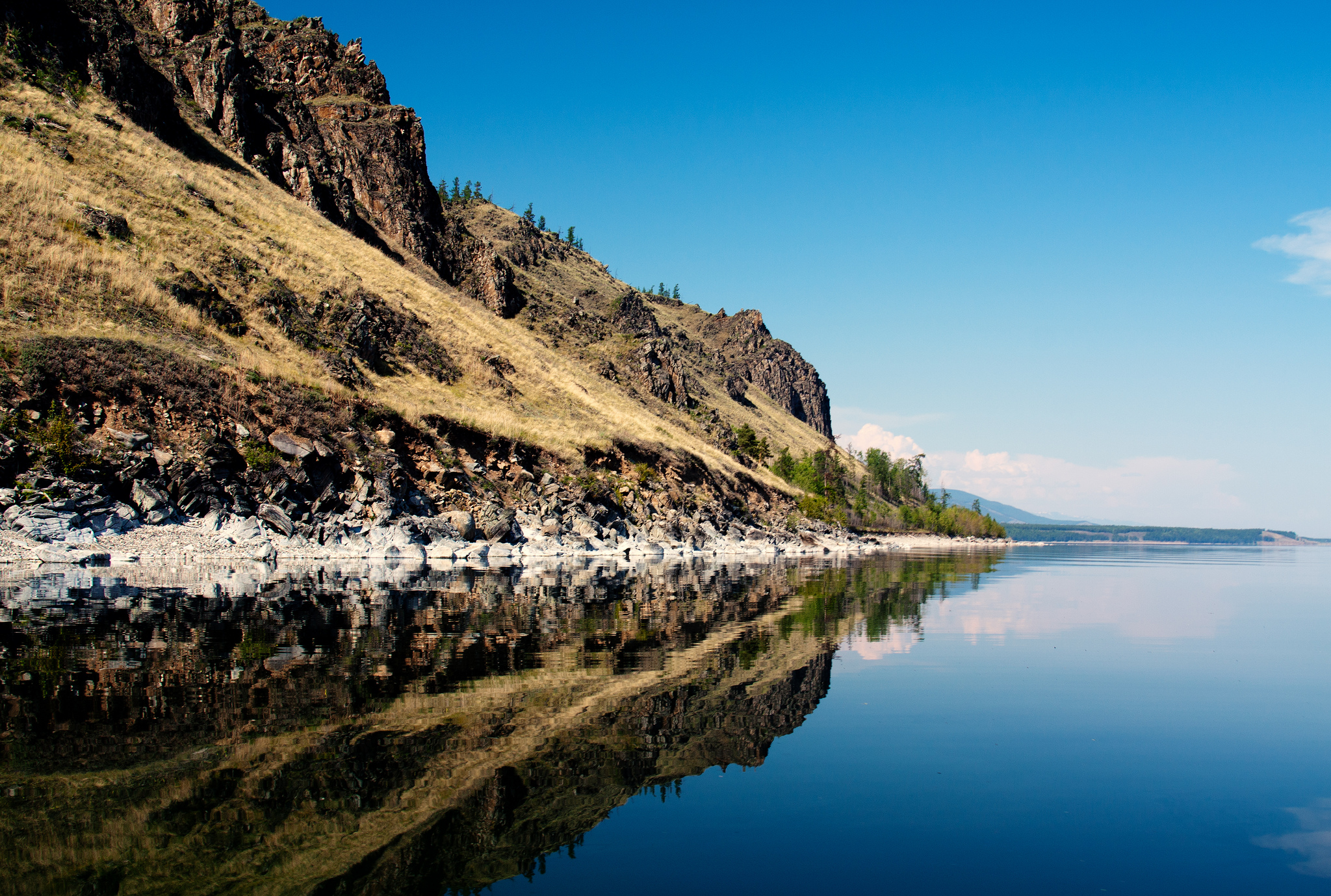
Lake Baikal is an ancient and massive body of freshwater found in the mountainous Russian region of Siberia.  Deep and voluminous, Lake Baikal holds 20% of the planet’s unfrozen freshwater.  And it’s often been described as the world’s cleanest and most pristine lake. 

[Read more…] about Lake Baikal

Food Insecurity In The Arctic

April 13, 2016 By WAMC WEB

https://earthwiseradio.org/wp-content/uploads/2016/03/EW-04-13-16-Food-Insecurity-in-the-Arctic.mp3

Food shortages have always been a challenge for the Inuit and other aboriginal people in the Arctic, because they depend on subsistence hunting and fishing, which often means living life on the edge.

[Read more…] about Food Insecurity In The Arctic

The World’s Lakes Are Heating Up

January 12, 2016 By WAMC WEB

https://earthwiseradio.org/wp-content/uploads/2016/01/EW-01-12-16-Lake-Warming.mp3

Climate change is causing the world’s lakes to warm, with repercussions for fisheries and freshwater supplies. So reports an ambitious new study, funded by NASA and the National Science Foundation, and recently published in Geophysical Research Letters.

[Read more…] about The World’s Lakes Are Heating Up

Primary Sidebar

Recent Episodes

  • An uninsurable future
  • Clean energy and jobs
  • Insect declines in remote regions
  • Fossil fuel producing nations ignoring climate goals
  • Trouble for clownfishes

WAMC Northeast Public Radio

WAMC/Northeast Public Radio is a regional public radio network serving parts of seven northeastern states (more...)

Copyright © 2025 ·