• Skip to primary navigation
  • Skip to main content
  • Skip to primary sidebar

Earth Wise

A look at our changing environment.

  • Home
  • About Earth Wise
  • Where to Listen
  • All Articles
  • Show Search
Hide Search
You are here: Home / Archives for harm

harm

Relocating native plants

May 2, 2025 By EarthWise Leave a Comment

Relocating endangered native plants

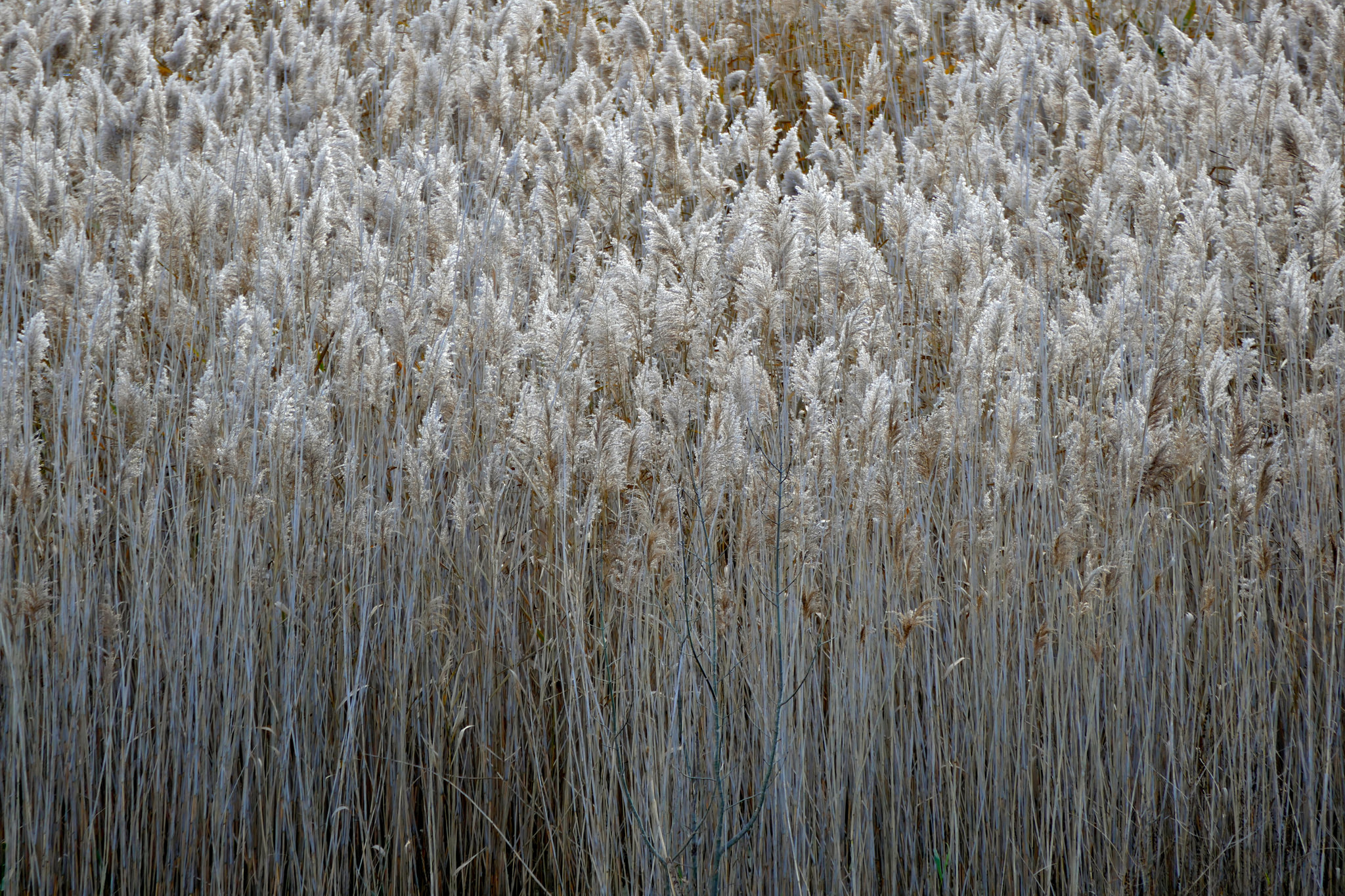
Climate change is endangering many native plant species.  As the climate warms, many species will need to establish themselves in new places that are more hospitable than their historic ranges.  But many native plants in the U.S. cannot move themselves by natural forces quickly enough to avoid climate-change driven extinction.  For such plants to survive into the future, they will need human help to move into adjacent areas, a process called “managed relocation.”

Such a process has its problems.  There is no guarantee that a plant will thrive in a new area.  On the other hand, relocating plant species historically has often had disastrous consequences.  Consider, for example, the story of kudzu in the American south.

Researchers at the University of Massachusetts Amherst have studied this problem in detail and reported the results in the journal Global Change Biology.

The issue is how to help plants move successfully without their causing harm in their new locations.  The study found that some plant traits can lead to success and some to ecological disaster.  In some cases, the same traits that help plants to establish themselves in a new location make them powerful invasive species.  Traits like having a large size predispose a plant to not only establish itself but spread wildly. 

The study recommends that people managing relocation need to focus on plants whose traits they have determined to be conducive to successful relocation but more unlikely to cause harm in their new environment. 

**********

Web Links

If Native Plants Are Going to Survive Climate Change, They Need Our Help to Move—Here’s How to Do It Safely

Photo, posted August 17, 2012, courtesy of Joshua Mayer via Flickr.

Earth Wise is a production of WAMC Northeast Public Radio
Sand mining and the environment

March 18, 2025 By EarthWise Leave a Comment

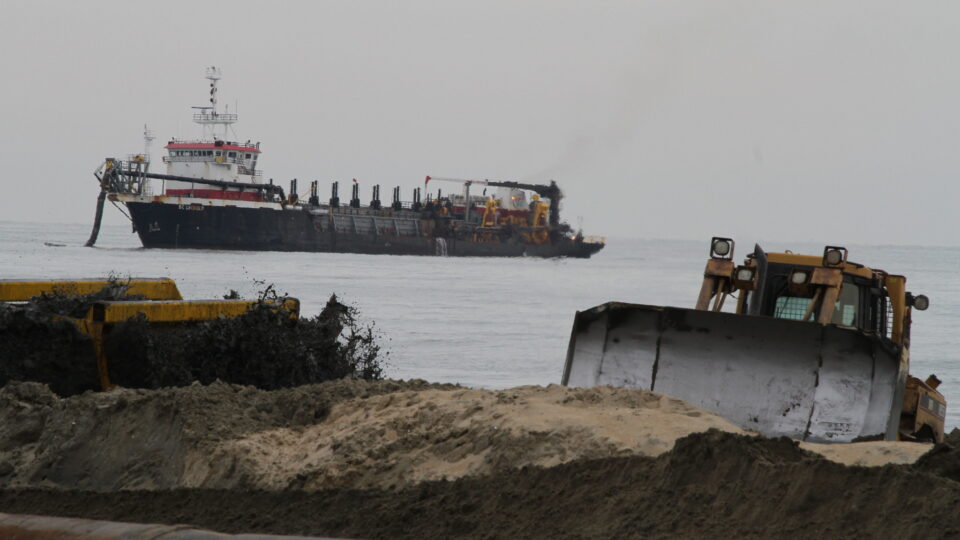
Sand mining is the world’s largest mining endeavor.  It is responsible for 85% of all mineral extraction.  It is also the least regulated, possibly the most corrupt, and likely the most environmentally destructive.  Sand is the second-most exploited natural resource in the world after water.  Its global use has tripled in the past two decades.  More than 50 billion tons of sand is extracted from the environment each year.

Sand plays a critical role in much of human development around the world.  It is a key ingredient of concrete, asphalt, glass, and electronics.  It is relatively cheap and relatively easy to extract.  But we use enormous amounts of it.

Sand mining is a major threat to rivers and marine ecosystems.  It is linked to coastal erosion, habitat destruction, the spread of invasive species, and damage to fisheries. 

The harm from sand mining is only beginning to attract widespread attention.  A recent study by an international group of scientists published in the journal One Earth identifies        threats posed by sand mining.  Sand extraction in marine environments remains largely overlooked, despite sand and sediment dredging being the second most widespread human activity in coastal areas after fishing.

Sand is generally seen as an inert, abundant material, but it is an essential resource that shapes coastal and marine ecosystems, protects shorelines, and sustains both ecosystems and coastal communities.  Sand extraction near populated coastlines is particularly problematic as climate change makes coastlines increasingly fragile.

Like all other resources on our planet, even sand cannot be taken for granted.  It must be responsibly managed.

**********

Web Links

The rising tide of sand mining: a growing threat to marine life

Photo, posted February 7, 2013, courtesy of Pamela Spaugy / U.S. Army Corps of Engineers via Flickr.

Earth Wise is a production of WAMC Northeast Public Radio
The cost of methane emissions

April 26, 2024 By EarthWise Leave a Comment

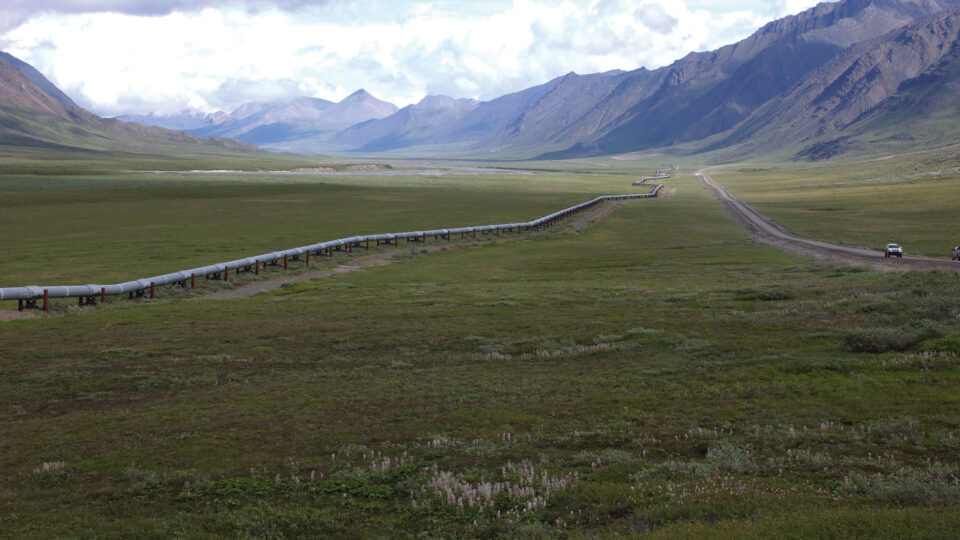
Stanford University-led research has determined that American oil and gas operations are emitting more than 6 million tons of methane each year.  The emissions come from both intentional vents and unintentional leaks. 

Methane is the main component of natural gas and losing that much of it through leakage is costing the industry a billion dollars a year just in lost revenue.  Adding in the harm to the economy and human well-being caused by adding this much potent greenhouse gas to the atmosphere is estimated to increase the cost of these emissions to $10 billion a year.

These emission and cost estimates are roughly three times the level predicted by the U.S. government.  The Stanford numbers are based on roughly a million aerial measurements of wells, pipelines, storage, and transmission facilities in six of the nation’s most productive oil and gas regions located in Texas, New Mexico, California, Colorado, Pennsylvania, and Utah.  These areas account for 52% of U.S. onshore oil production and 29% of gas production.

The survey also found that fewer than 2% of the methane emitters are responsible for 50-80% of emissions in four of the regions.  It also found that midstream infrastructure – which includes gathering and transmission pipelines, compressor stations, and gas processing plants – is responsible for about half of total emissions.

While the federal government estimates that methane leakage averages about 1% of gas production, the new survey puts the number at 3%, and some regions lose almost 10% to leakage.

Better tracking and fixing these leaks – especially the larger ones –  is essential for climate change mitigation.

**********

Web Links

Methane emissions from U.S. oil and gas operations cost the nation $10 billion per year

Photo, posted June 5, 2015, courtesy of Dave Houseknecht / USGS via Flickr.

Earth Wise is a production of WAMC Northeast Public Radio
Unhealthy Air | Earth Wise

May 12, 2022 By EarthWise Leave a Comment

Most of the global population breathes unhealthy air

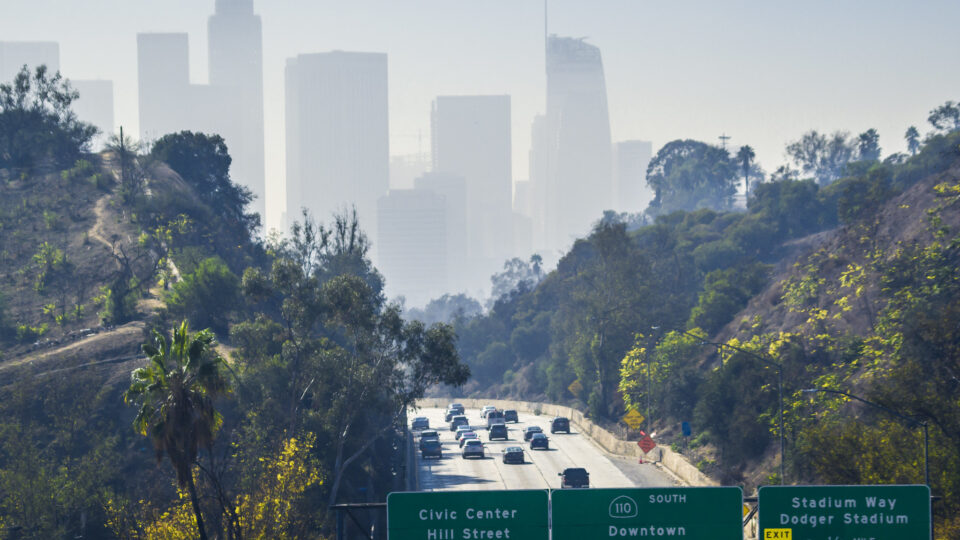
According to the World Health Organization, almost the entire global population – 99% in fact – breathes air that exceeds WHO air quality limits and threatens their health.

Air quality is of great concern everywhere.  Over 6,000 cities in 117 countries monitor air quality, but the people living in those cities are still breathing unhealthy levels of fine particulate matter and nitrogen dioxide. The WHO is citing these findings as a compelling reason to curb fossil fuel use and to take other steps to reduce air pollution levels. 

There is growing number of studies of the damage air pollution does to the human body.  Even low levels of many air pollutants can cause significant harm.  Particulate matter – especially so-called PM2.5 – is capable of penetrating deep into the lungs and entering the bloodstream, contributing to cardiovascular, cerebrovascular, and respiratory problems. 

Nitrogen dioxide is associated with respiratory diseases – especially asthma – and leads to respiratory symptoms, hospital admissions, and visits to emergency rooms.

The WHO is calling to governments around the world to take additional steps to improve air quality including adopting stricter air quality standards, supporting the transition to clean household energy sources, implementing stricter vehicle emission standards, reducing the use of incineration, and many other actions.

According to the WHO, cities in high-income countries fare better in terms of air quality, but very few places avoid unhealthy air entirely.   Seven million deaths a year are linked to unhealthy air quality.  It is a global crisis that cannot be ignored.

**********

Web Links

Billions of people still breathe unhealthy air: new WHO data

Photo, posted December 1, 2021, courtesy of Ron Reiring via Flickr.

Earth Wise is a production of WAMC Northeast Public Radio.

Conseguir un medicamento en las farmacias extranjeras no puede ser más difícil que la compra nocturna de alimentos. Si no se requiere una receta en línea para la compra de medicamentos, se puede comprar libremente, incluso no sólo en las farmacias, sino también en los supermercados, dijo un abogado y director general del grupo de consultoría vvCube Vadim Tkachenko.

Healthy Soil Is Healthy For People | Earth Wise

March 30, 2022 By EarthWise Leave a Comment

Regenerative agriculture is better for people and the planet

A new study by researchers at the University of Washington looked at the impact of regenerative farming practices on the nutritional content of the food that is grown. 

Regenerative agriculture involves farming practices that not only “do not harm” to the land but actually improve it by regenerating and revitalizing the soil.  The practices focus on topsoil regeneration, increasing biodiversity, improving the water cycle, and enhancing ecosystem services.  Examples are soil-building techniques that minimize plowing, the use of cover crops, and the planting of diverse crops rather than monocultures.

The study included 10 farms across the U.S. that followed soil-friendly practices for at least five years. The results were that the crops from those farms had a healthier nutritional profile than the same crops grown on neighboring, conventional farms.  In particular, there was a boost in certain minerals, vitamins and phytochemicals that are beneficial to human health.  Across the board, regenerative practices resulted in crops with more anti-inflammatory compounds and antioxidants.

The participating farms grew one acre of a test crop – peas, sorghum, corn, or soybeans – for comparison with the same crop grown on a neighboring farm using conventional agriculture.  Analysis showed that the farms practicing regenerative agriculture had healthier soils, as measured by their organic matter – or carbon – content and by other tests. 

Organic farms avoid chemical pesticides, but they operate with a variety of farming processes.  Nonetheless, they have also been found to produce crops with higher levels of beneficial nutrients.  The biology of the soil in which crops are grown is an important factor for human health.  It isn’t just what we eat that matters; it is how we grow it.

**********

Web Links

Farms following soil-friendly practices grow healthier food, study suggests

Photo, posted January 10, 2020, courtesy of Les via Flickr.

Earth Wise is a production of WAMC Northeast Public Radio.

The Bitter Truth About Caffeine

January 7, 2019 By EarthWise Leave a Comment

Coffee will be impacted by the changing climate

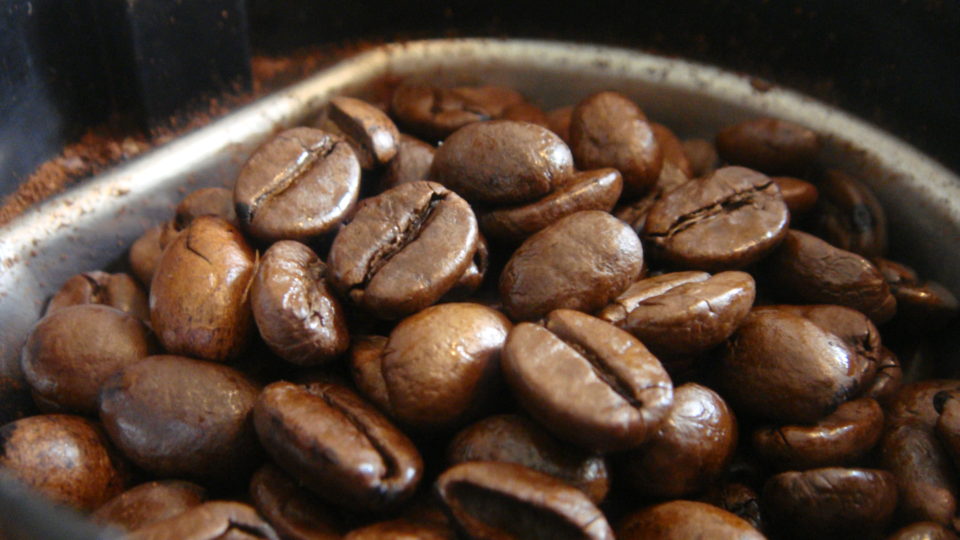
Black coffee has a bitter taste. Bitterness evolved as a natural warning system to protect the body from harmful substances.  By the logic of evolution, we should therefore want to spit coffee out, but obviously it doesn’t work that way.

Caffeine itself has a particularly bitter taste.  Surprisingly, a new study at Northwestern University has found that the more sensitive people are to the bitter taste of caffeine, the more coffee they drink. That sensitivity is actually a genetic variant.

So, one would think that people who are especially sensitive to the bitter taste of caffeine would drink less coffee.  The counter intuitive result suggests that coffee consumers acquire a taste or an ability to detect caffeine as a result of the learned positive reinforcement (in other words, the buzz) elicited by caffeine.  People with a heightened ability to taste coffee’s bitterness learn to associate good things with it.

The study also found in contrast that people sensitive to the bitter flavor of a different compound called 6-n-propylthiouracil (known as PROP)avoided coffee as well as red wine.

The study made use of applied Mendelian randomization, a technique commonly used in disease epidemiology, to test the causal relationship between bitter taste and beverage consumption in more than 400,000 men and women in the United Kingdom.

These results shed some light on the disdain many coffee drinkers have for decaf coffee.  It may not be just the lack of buzz that turns them off.  Some of them with the right genes may be missing that extra bit of bitterness that alerts them that something good is about to happen.

**********

Web Links

Why we shouldn’t like coffee, but we do

Photo, posted May 22, 2009, courtesy of Olle Svensson via Flickr.  

Earth Wise is a production of WAMC Northeast Public Radio.

Losing Forests Is Felt Far Away

July 6, 2018 By EarthWise 2 Comments

https://earthwiseradio.org/wp-content/uploads/2018/06/EW-07-06-18-Losing-Forests-is-Felt-Far-Away.mp3

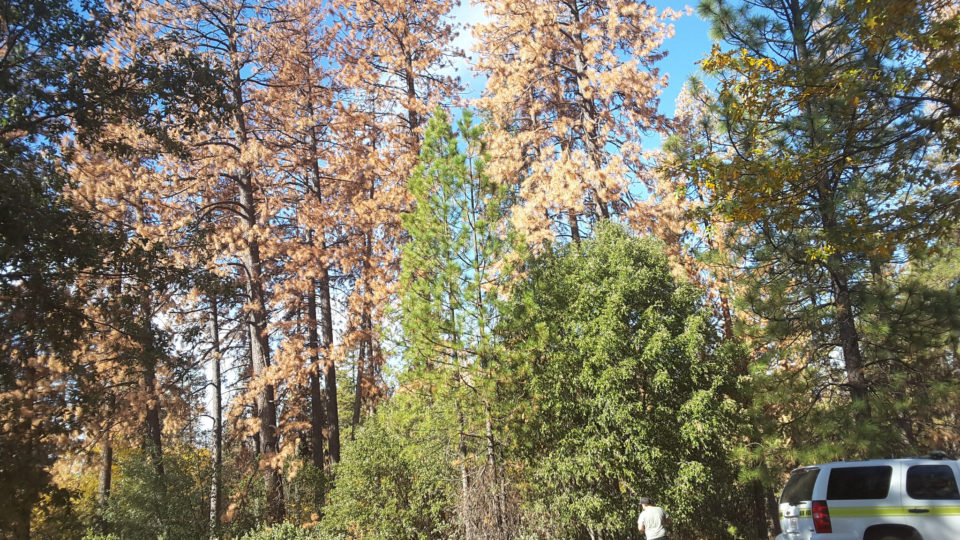
Large areas of forests in our country are vulnerable to drought, fires and disease.  When forests are heavily damaged, there are well-known local impacts:  drier soils, stronger winds, increased erosion, loss of shade and loss of habitat.

[Read more…] about Losing Forests Is Felt Far Away

Doing More Harm Than Good

August 1, 2017 By EarthWise

https://earthwiseradio.org/wp-content/uploads/2017/08/EW-08-01-17-Antibacterials.mp3

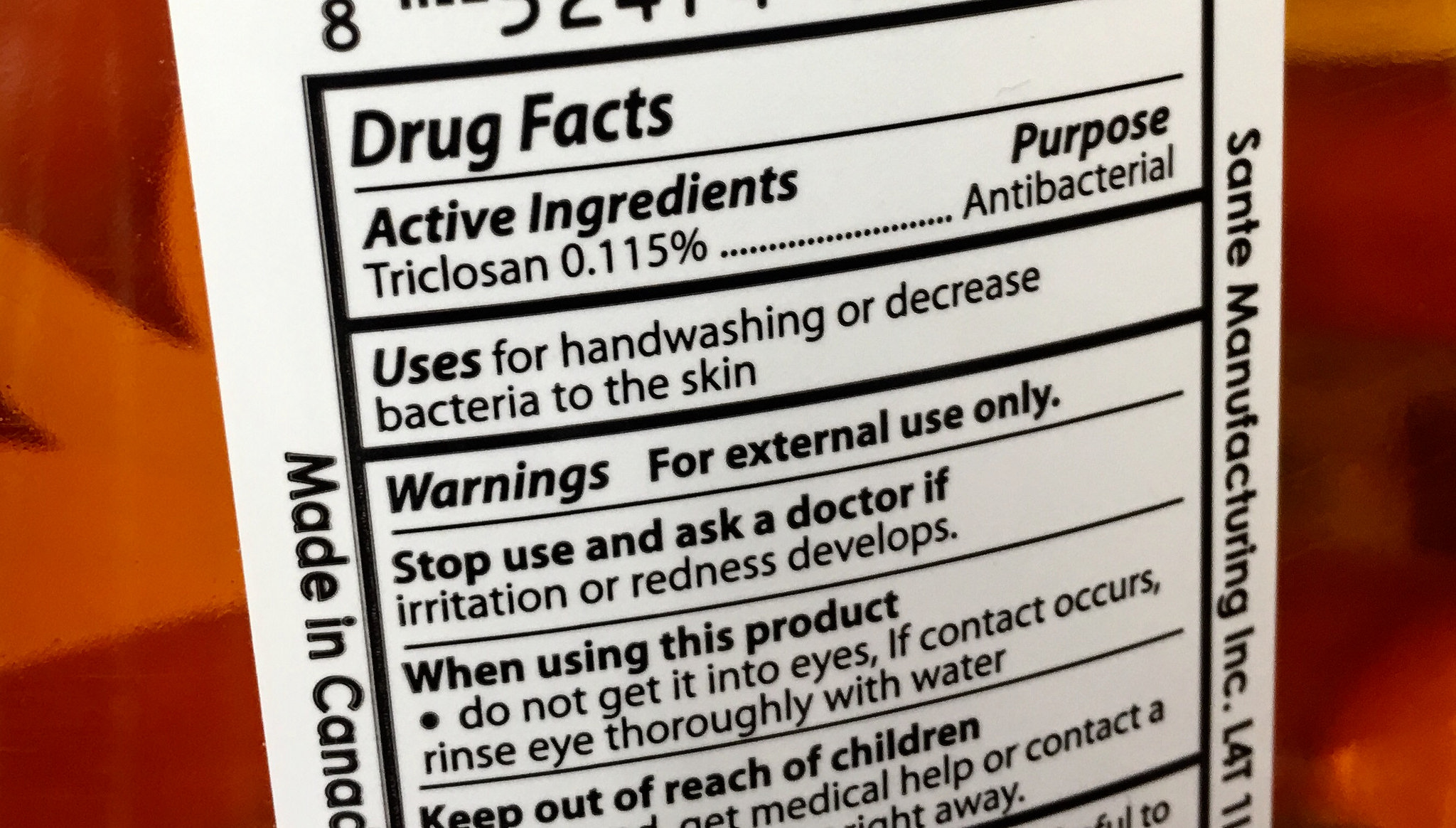
A group of more than 200 scientists and medical professionals has issued a consensus statement in the journal Environmental Health Perspectives urging that antimicrobial chemicals like triclosan and triclocarban should not be used in consumer products.  The experts say that these substances offer no health benefits and are actually causing health and environmental harm.

[Read more…] about Doing More Harm Than Good

A Helpful Invader

April 5, 2017 By EarthWise

https://earthwiseradio.org/wp-content/uploads/2017/03/EW-04-05-17-A-Helpful-Invader.mp3

Invasive species are a great concern for the health and stability of ecosystems.  They are defined as plants, animals or pathogens that are non-native to the ecosystem under consideration and whose introduction causes or is likely to cause harm.  It is that latter consideration that isn’t always obvious.

[Read more…] about A Helpful Invader

Primary Sidebar

Recent Episodes

  • An uninsurable future
  • Clean energy and jobs
  • Insect declines in remote regions
  • Fossil fuel producing nations ignoring climate goals
  • Trouble for clownfishes

WAMC Northeast Public Radio

WAMC/Northeast Public Radio is a regional public radio network serving parts of seven northeastern states (more...)

Copyright © 2026 ·