• Skip to primary navigation
  • Skip to main content
  • Skip to primary sidebar

Earth Wise

A look at our changing environment.

  • Home
  • About Earth Wise
  • Where to Listen
  • All Articles
  • Show Search
Hide Search
You are here: Home / Archives for gulf coast

gulf coast

Mississippi River Running Dry | Earth Wise

October 27, 2023 By EarthWise Leave a Comment

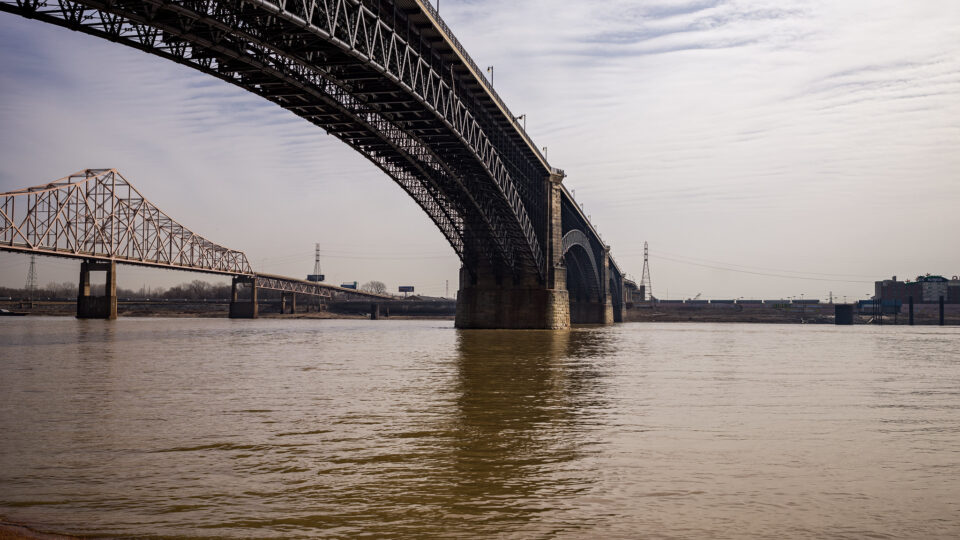
The Mississippi River is losing water

Water levels in the lower Mississippi River are running very low.  During September, the readings in Memphis, Tennessee were within inches of the all-time low.  The situation is causing real problems for the grain export industry.

The water levels of the lower Mississippi are determined by the amount of rainfall in the upper Midwest.  At the point where the Ohio and Mississippi Rivers come together, about 90% of the water headed for the lower Mississippi has been accumulated.

Almost 400 miles of the Mississippi have experienced water levels at or below critical levels for shipping.  During September, parts of the Mississippi have been closed to ship traffic more than 20 times.  At least 36 vessels were reported to have run aground.

The low water levels on the river have caused shippers of soybean and corn exports to lighten their loads to keep the vessels from running aground.  They have also reduced how many barges they pull at once in order to be able to navigate shipping channels that have narrowed because of the reduced water levels.

Fall is the busiest grain export season for the region.  About 60% of grain exports from the Midwest leave the U.S. through terminals on the Gulf Coast.  The low levels of the Mississippi River threaten gridlock for this vital industry.  It has caused freight costs to be the highest since historic river lows last year caused U.S. grain to be less competitive globally.

Unfortunately, October is not normally a strong precipitation month, but the hope is that the El Niño now underway may lead to increased precipitation in the Southern U.S.

**********

Web Links

Mississippi River Nears Historic Lows, Putting Grain Exports at Risk

Photo, posted March 8, 2023, courtesy of Errol Sandler via Flickr.

Earth Wise is a production of WAMC Northeast Public Radio
Manatees And Pollution | Earth Wise

November 11, 2021 By EarthWise Leave a Comment

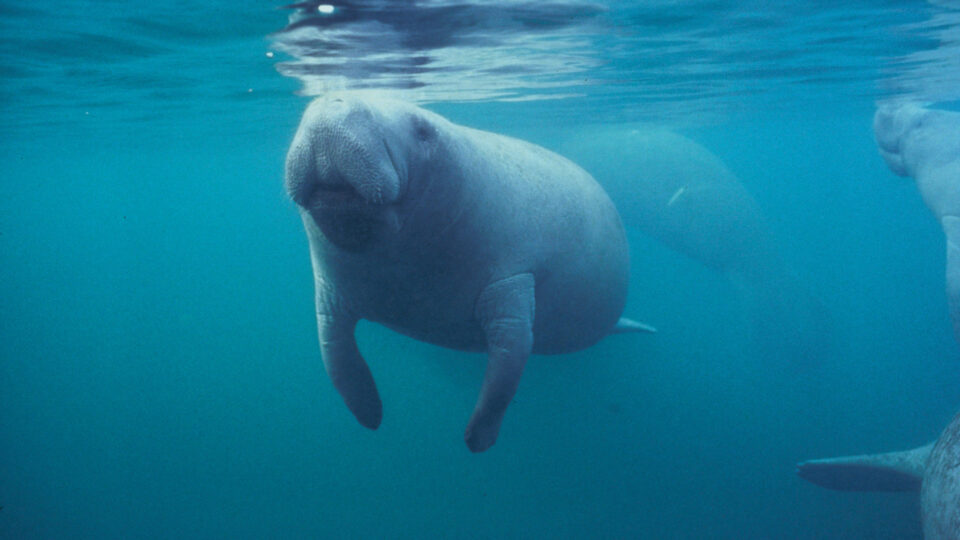
Pollution wreaking havoc on Florida manatees

Manatees are large, gentle, and curious marine mammals measuring up to 13 feet long and weighing up to 3,300 lbs.  There are three living species of manatees:  The Amazonian Manatee, the West African Manatee, and the West Indian Manatee, which is commonly found in Florida and the Gulf Coast.  Manatees inhabit the shallow, marshy coastal areas and rivers of the Caribbean Sea, the Gulf of Mexico, the Atlantic coast, the Amazon basin, and West Africa. 

The West Indian Manatee, which includes the Florida Manatee, is protected under the Endangered Species Act.  Today, the range-wide population is estimated to be at least 13,000 manatees, with more than 6,500 in the southeastern United States and Puerto Rico.

In Florida, an uptick in nutrient loading from nonpoint sources is triggering algal blooms in Indian River Lagoon and neighboring areas.  These algal blooms have decimated seagrass, manatees’ primary food source. 

As a result , manatees have starved to death by the hundreds along Florida’s east coast.  The state has recorded 974 manatee deaths in 2021, shattering previous annual all-time highs with still approximately two months to go.  Manatees, which need to eat between 100-200 pounds of seagrass daily, are now eating the seagrass roots, which permanently kills the aquatic plants.

Efforts are being made to replant seagrass and to restore clam and oyster beds so that the mollusks can help clean the water.  But manatees face a myriad of additional threats, including collisions with boats and ships, temperature changes, disease, and crocodile predation.

********** 

Web Links

Florida lawmakers hear Fish & Wildlife agency response to manatee death ‘catastrophe’

West Indian manatee

Preliminary 2021 Manatee Mortality Table by County

Photo, posted May 7, 2010, courtesy of Jim Reid/USFWS via Flickr.

Earth Wise is a production of WAMC Northeast Public Radio.

Deadly Urban Heat On The Rise | Earth Wise

November 9, 2021 By EarthWise Leave a Comment

Exposure to deadly urban heat is on the rise

According to a new study by the Columbia Climate School, exposure to deadly urban heat has tripled since the 1980s.  The increase is the combined result of both rising global temperatures and booming urban population growth.

The study looked at more than 13,000 cities worldwide and found that incidents of extreme heat and humidity have increased dramatically.   It defined extreme heat as 30 degrees Celsius on the wet-bulb temperature scale that takes into account the effect of high humidity.  In 1983, there were 40 billion person-days under such conditions.  By 2016, the number was 119 billion.  More specifically, in 2016 1.7 billion people were subjected to such conditions on multiple days.

Sheer urban population growth accounted for two-thirds of the increase, while actual warming contributed a third.  Over recent decades, hundreds of millions of people have moved from rural areas to cities, which now hold more than half the world’s population.  And because of the urban heat island effect, temperatures in cities are generally higher than in the countryside.

In the United States, about 40 sizable cities have seen rapidly growing exposure to extreme heat, mainly clustered in Texas and the Gulf Coast.  Globally, nearly a quarter of the world’s population is affected by the increased incidence of extreme temperatures.

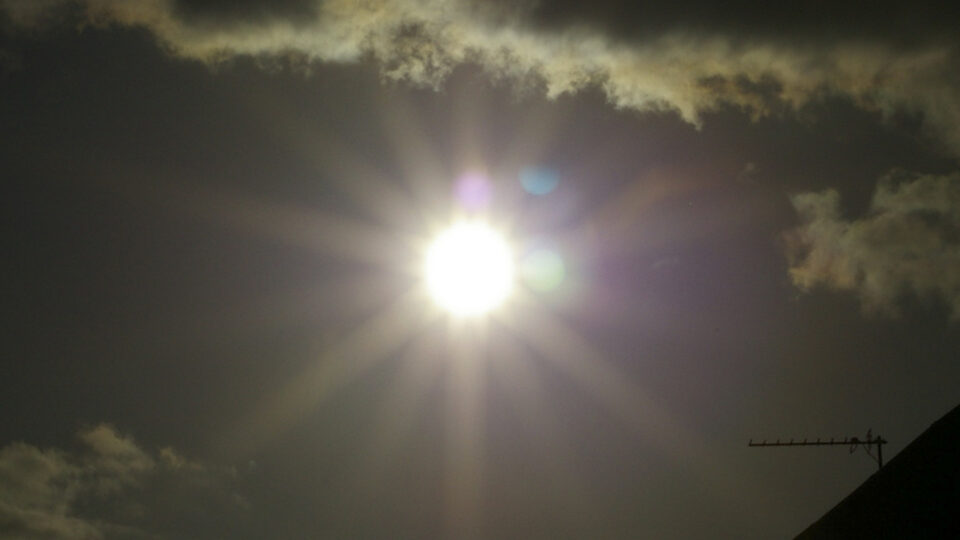
A study last year showed that combinations of heat and humidity literally beyond the limits of outdoor human survival have been popping up around the world.  A wet-bulb temperature reading of 30 – equivalent to 106 degrees Fahrenheit on the “real feel” heat index – is the point at which even most healthy people find it hard to function outside for long, and the unhealthy might become very ill or even die.

**********

Web Links

Exposure to Deadly Urban Heat Worldwide Has Tripled in Recent Decades, Says Study

Photo, posted March 5, 2007, courtesy of Michael Phillips via Flickr.

Earth Wise is a production of WAMC Northeast Public Radio.

Not All Eggs In One Basket | Earth Wise

March 2, 2021 By EarthWise Leave a Comment

Loggerhead turtles don't put all their eggs in one basket

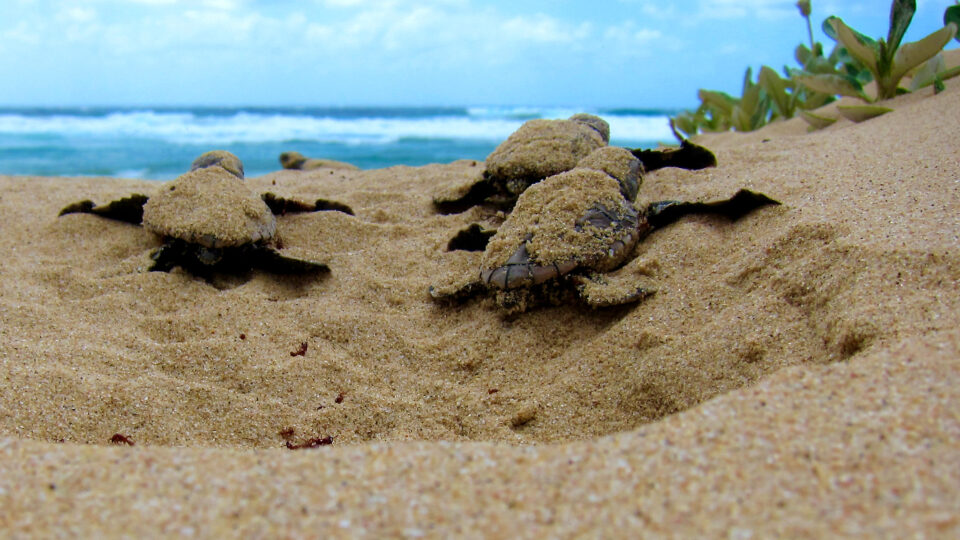
Sea turtles lay their eggs in burrows on sandy beaches.  Many species lay their eggs on the exact same beach year after year.  On average, sea turtles lay over 100 eggs in a nest and produce between 2 and 8 nests per season.

Animals that produce such large numbers of eggs have this reproductive strategy because so few survive to adulthood.   Sea turtle eggs and hatchlings face numerous threats including powerful storms, poachers, marauding birds, and more.  Estimates are that only one in thousand sea turtle eggs leads to an adult turtle.

A recent study by the University of South Florida looked at the reproductive strategy of loggerhead sea turtles nesting on Keewaydin Island off the southwestern Gulf coast of Florida.  The researchers found that individual females lay numerous clutches of eggs in locations as much as six miles apart from each other to increase the chance that some of their offspring will survive.

As the saying goes, nesting loggerhead turtles don’t lay all their eggs in one basket.  The researchers compare the turtles’ strategy to investing in a mutual fund.  The female turtles divide their resources among many stocks rather than investing everything in a single stock.

During their 50-year lifetime, a single female loggerhead will produce over 4,000 eggs and scatter them at 40 different sites.  This strategy helps reduce the risk of complete reproductive failure caused by hurricanes and thunderstorms that could wash out or flood all their clutches.  The combination of unpredictable patterns of nests over time and space results in nearly two-thirds of loggerhead sea turtle hatchlings making it into the Gulf of Mexico.  The species still faces significant challenges but it is doing its part to try to survive.

**********

Web Links

Not all in one basket: Loggerhead sea turtles lay eggs in multiple locations to improve reproductive success

Photo, posted January 27, 2012, courtesy of Jeroen Looye via Flickr.

Earth Wise is a production of WAMC Northeast Public Radio.

Keeping Charleston Dry | Earth Wise

June 11, 2020 By EarthWise Leave a Comment

Rising seas from climate change

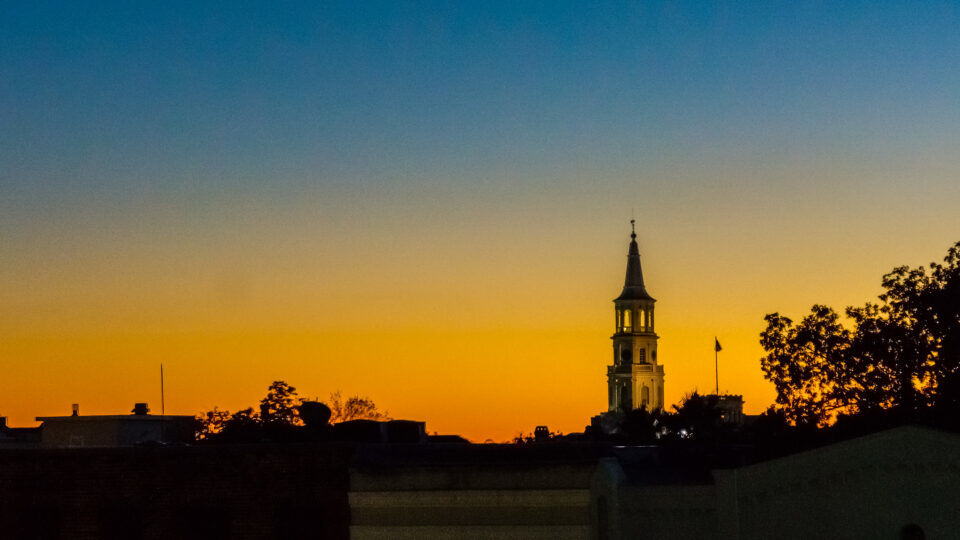
Charleston, South Carolina is visited by millions of tourists each year.  The town is a glimpse into the past, showcasing antebellum mansions, row houses, historic African American churches and scenic harbor views from a Civil War-era promenade.

Charleston is also visited more and more by water from rising seas and increasingly powerful storms.  The city is essentially drowning in slow motion and may soon face an existential threat to its survival.

Charleston has a harbor and three rivers and water from all these sources leaks in at every bend and curve, fills streets, disrupts businesses, and rushes into homes during storms.  Million-dollar antebellum mansions, built on spongy marsh and old tidal creeks, flood repeatedly.

City officials have endorsed a plan by the U.S. Army Corps of Engineers to wall off the historic downtown with an 8-mile-long seawall that would cost nearly $2 billion.  The proposed barricade is just one of many proposed projects to build seawalls, surge gates, levees, and other barriers to defend U.S. coastal cities in an era of rising seas and climate-fueled floods and storms.  A proposed flood wall in Miami would cost federal taxpayers $8 billion.

Researchers generally agree that sea levels are likely to rise by at least 3 feet by the end of the century.  Some experts believe the rise will be much greater.  So, a key question is whether these barriers will actually keep out the water.  Critics of many of the proposed solutions contend that they are doomed to fail.

Flooding has caused nearly $1 trillion worth of damage along the East and Gulf coasts over the past 40 years.  And things are almost certain to get worse in Charleston and other coastal cities.

**********

Web Links

Fortress Charleston: Will Walling Off the City Hold Back the Waters?

Photo, posted October 7, 2015, courtesy of Jeff Turner via Flickr.

Earth Wise is a production of WAMC Northeast Public Radio.

American Robins And Climate Change | Earth Wise

April 30, 2020 By EarthWise Leave a Comment

changing climate is making birds migrate earlier

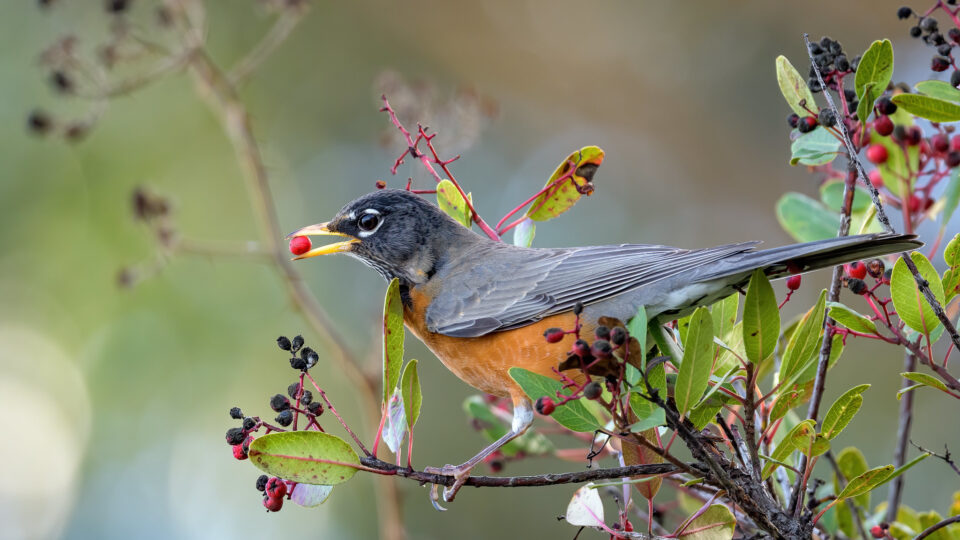
American robins are migratory songbirds that can be found throughout much of North America.  Named after European robins because of their reddish-orange breast, American robins are often found hopping across lawns and nesting on porches.  Their rich caroling is among the first pre-dawn bird songs heard in spring and summer.  

While some overwinter in northern parts of the United States and southern Canada, most American robins migrate south to overwinter in places like Florida and the Gulf Coast, as well as central Mexico and the Pacific Coast.  They typically head south by the end of August and return north sometime between February and March to their breeding grounds in Canada and Alaska.  They spend their short time there trying to find a mate, build a nest, raise a family, and consume enough food to sustain themselves on their long return journey south.

But climate change is making these seasonal rhythms less predictable.  According to a new study recently published in the journal Environmental Research Letters, American robin migration is kicking off earlier by about five days each decade.  The birds now migrate 12 days earlier than they did in 1994.  

For 25 years, researchers at Canada’s Slave Lake have been recording the timing of American robin spring migration.  They attached GPS devices to 55 robins, tracking their movements from April through June. The researchers linked the birds’ movement with weather data, including air temperature, snow depth, wind speed, and precipitation.  The results showed that robins start migrating north earlier when winters are warm and dry. 

Understanding the influence over the timing of migratory events is important because the timing of migration can influence reproductive success.

**********

Web Links

A Migration Mystery

American robins now migrate 12 days earlier than in 1994

Photo, posted January 1, 2020, courtesy of Becky Matsubara via Flickr.

Earth Wise is a production of WAMC Northeast Public Radio.

Deepwater Impacts Lingering

May 10, 2019 By EarthWise Leave a Comment

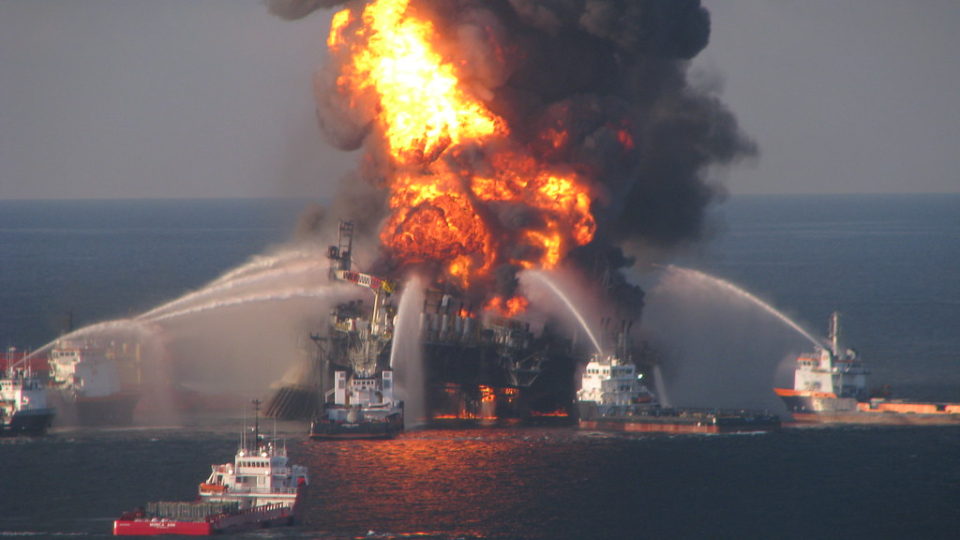
On April 20, 2010, an explosion on the BP-owned Deepwater Horizon drilling rig released an estimated 210 million of gallons of oil into the Gulf of Mexico.  Some of the oil was recovered, burned, or dispersed at sea, while some washed up onto coastal shorelines. 

Now, more than nine years later, a long-term study suggests the oil is still affecting the salt marshes of the Gulf Coast.  A multi-institutional research team began sampling in the region once the spill was contained and continue their work to this day.

The researchers found that heavily-oiled marsh areas remained less healthy than less polluted sites more than six years after the spill.  They fear that complete recovery of these oil-soaked regions will likely take more than a decade. 

But the researchers also discovered that salt marsh grasses play a key role in coastal wetland recovery.  Two plants dominate healthy salt marshes in the Gulf: smooth cordgrass and black needlerush.  Single-celled, plant-like organisms known as benthic microalgae also abound in healthy salt marshes, as do many small invertebrates. 

In heavily-oiled areas, the researchers found that nearly all the plants died, and benthic microalgae and small invertebrate populations declined significantly.  Importantly, however, they also found that it was only after smooth cordgrass started its comeback in these areas that invertebrate populations began to recover.  They noted that these salt marsh grasses provide habitat, bind soil, slow water, facilitate colonization, and fuel the food web. 

Plants are the foundation of and play a crucial role in salt marshes.  The researchers hope these findings will help shape the mitigation strategies of any future oil spills. 

**********

Web Links

Continuing impacts of Deepwater Horizon oil spill

Photo, posted April 21, 2010, courtesy of Deepwater Horizon Response via Flickr.

Earth Wise is a production of WAMC Northeast Public Radio.

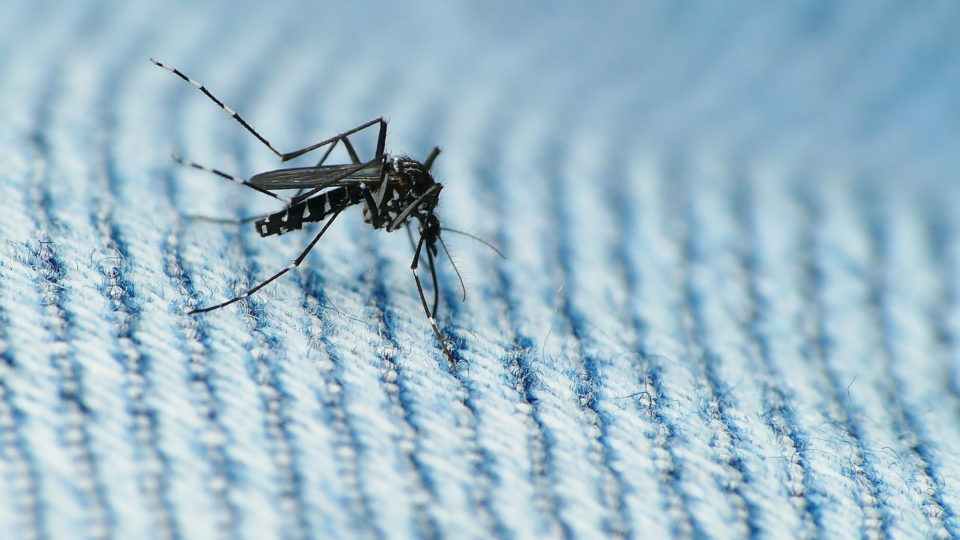
Zika Insecticides And Honeybees

November 30, 2018 By EarthWise Leave a Comment

https://earthwiseradio.org/wp-content/uploads/2018/11/EW-11-30-18-Zika-Insecticides-and-Honeybees.mp3

Honeybees, which play a critical role in agriculture by pollinating crops, are not native to the United States.  Beekeepers manage most honeybee colonies and they move the bees around to support farmers.        

[Read more…] about Zika Insecticides And Honeybees

The Return Of The Bison

September 28, 2018 By EarthWise Leave a Comment

https://earthwiseradio.org/wp-content/uploads/2018/09/EW-09-28-18-The-Return-of-the-Bison.mp3

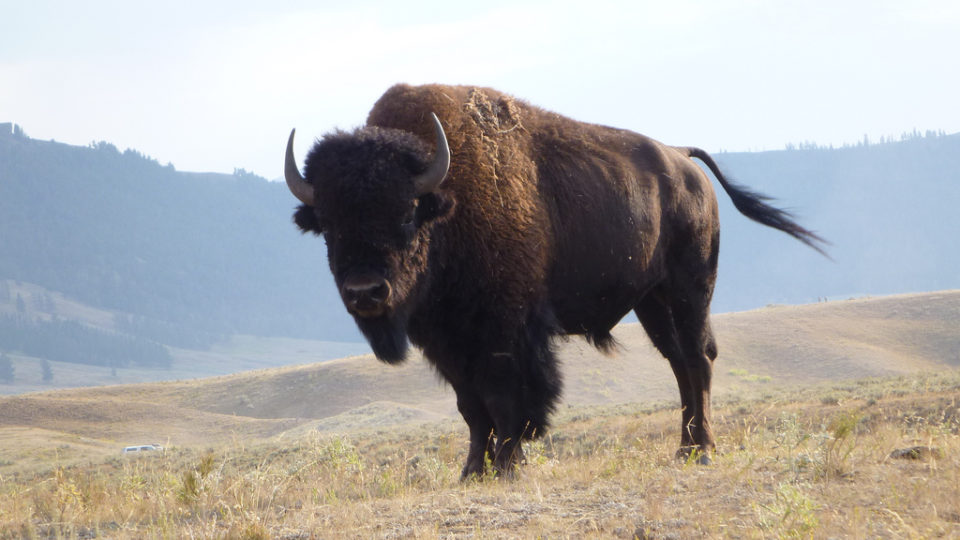
At one time there were 20 to 30 million bison in North America, dominating the landscape from the Appalachians to the Rockies, and from the Gulf Coast to Alaska.   A combination of habitat loss and totally unregulated hunting of the huge animals reduced the population to just over 1,000 in 1889.  

[Read more…] about The Return Of The Bison

Primary Sidebar

Recent Episodes

  • An uninsurable future
  • Clean energy and jobs
  • Insect declines in remote regions
  • Fossil fuel producing nations ignoring climate goals
  • Trouble for clownfishes

WAMC Northeast Public Radio

WAMC/Northeast Public Radio is a regional public radio network serving parts of seven northeastern states (more...)

Copyright © 2026 ·