• Skip to primary navigation
  • Skip to main content
  • Skip to primary sidebar

Earth Wise

A look at our changing environment.

  • Home
  • About Earth Wise
  • Where to Listen
  • All Articles
  • Show Search
Hide Search
You are here: Home / Archives for global change biology

global change biology

Insects In A Changing Climate | Earth Wise

October 27, 2022 By EarthWise Leave a Comment

Insects can be found in every environment on Earth and are critical components of many ecosystems.  They perform countless important functions, including aerating and fertilizing soil as well as pollinating flowers.  In fact, according to the USDA, 75% of the world’s flowering plants and about 35% of the world’s food crops depend on animal pollinators, the majority of which are insects, to reproduce.

According to a study published in the journal Nature earlier this year, the combination of climate change and intensive agriculture is having a profound impact on both the abundance and diversity of insects.  In regions where substantial warming had occurred and where land had been converted for intensive farming, insects were nearly 50% less abundant and more than 25% fewer species were observed.  Tropical regions were among those most at risk for heavy losses.

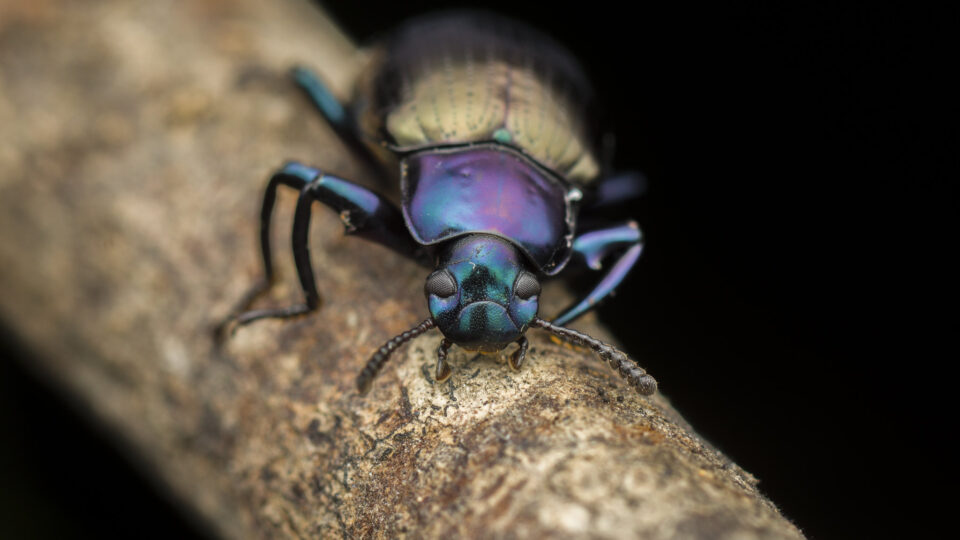
According to a new study recently published in the journal Global Change Biology, tropical insects will be even more susceptible to climate change than previously thought.  In a five-year study conducted in Peru, researchers from the Florida Museum of Natural History found that insect populations declined 50% following short periods of drought and following short periods of heavy rainfall.  Insect populations decreased after three months of dry weather, but also decreased after three months of exceptionally wet weather.   

Researchers have known that tropical insects don’t tend to do well when their habitats dry out.  But the researchers were surprised to discover that these insects were equally averse to increased precipitation.  Alarmingly, precipitation is expected to become more frequent and more intense as a consequence of the changing climate. 

***********

Web Links

Tropical insects are extremely sensitive to changing climates

Photo, posted June 11, 2016, courtesy of Z. Leng via Flickr.

Earth Wise is a production of WAMC Northeast Public Radio
Climate Change And Forest Loss | Earth Wise

May 23, 2022 By EarthWise Leave a Comment

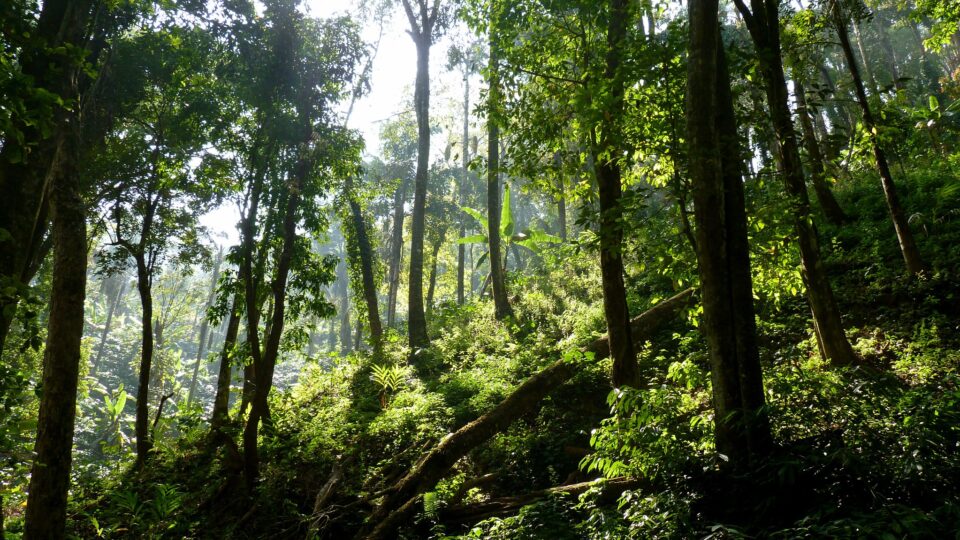
India is one of the most biodiverse countries in the world.  An estimated 47,000 plant species and 89,000 animal species can be found in India, with more than 10% of each thought to be on the list of threatened species. 

India is also among the top ten countries in the world in terms of total forest coverage.  According to Indian government data, the total forest and tree cover in India is 312,000 square miles, which is 24.62% of the geographical area of the country.

However, forest loss in India has been a problem for many decades driven largely (researchers thought) by land use change.  But it turns out that climate change may also have been contributing to forest loss, and its impact is projected to become an even bigger problem in the coming years. 

In the first ever national-scale study of the relationship between forest loss and rainfall and temperature trends in India, researchers from the University of Reading in the U.K. found that climate change may have contributed to large declines in forest since the turn of the century.

The study, which was recently published in the journal Global Change Biology, found far greater forest losses were observed where and when the climate was changing most rapidly.  Decreases in rainfall had the strongest impact on forest loss. 

These findings exacerbate concerns about the already-worrying levels of deforestation in the country, and contradict official reports that have shown relatively small decreases in forest coverage in recent years. 

The research team warns that rapid changes to the climate in some regions will require targeted preservation action to reduce the risk to biodiversity in India. 

*********

Web Links

Indian forest loss ‘worse than feared’ due to climate change

Photo, posted January 20, 2013, courtesy of Dicky Broadhurst / Frontier Official via Flickr.

Earth Wise is a production of WAMC Northeast Public Radio.

Alien Species On The Rise | Earth Wise

November 3, 2020 By EarthWise Leave a Comment

the number of alien species is rising

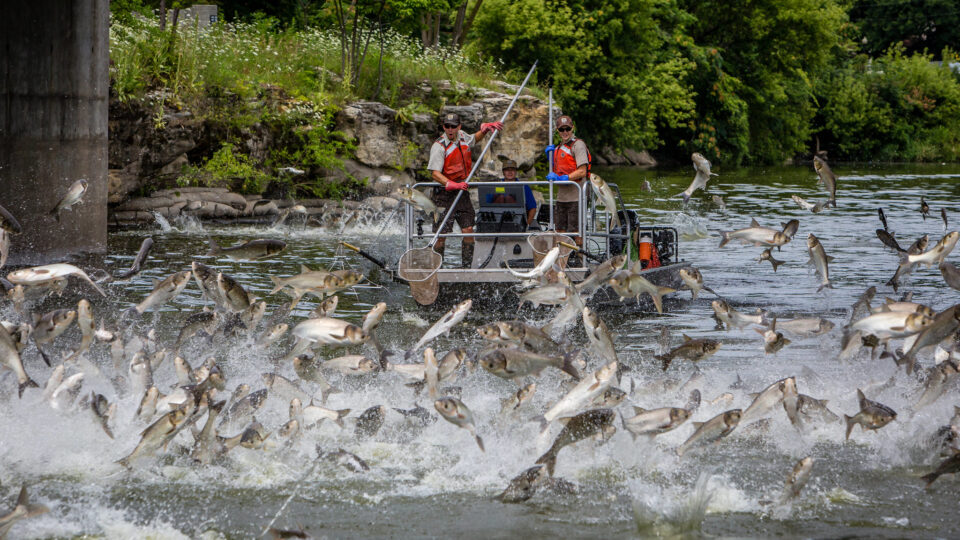
Alien species are species that are introduced, accidentally or intentionally, outside of their natural geographic range as a result of human activities.  More than 35,000 alien species have been recorded through 2005, which is the most recent year for which researchers have comprehensive global data. 

Some of the alien species go on to become invasive alien species, which can have damaging impacts on both ecosystems and economies.  In fact, alien species are one of the main drivers of plant and animal extinctions around the globe.  

According to a new study by an international research team involving University College London, the number of alien species, particularly insects, arthropods and birds, is expected to increase globally by 36% by 2050 when compared to 2005 levels.  The research was recently published in the journal Global Change Biology.

Using a mathematical model developed for the study, the researchers identified high levels of variations between regions.  For example, the largest increase in alien species by the middle of the century is expected in Europe, where numbers are predicted to jump by 64%.  The temperate regions of Asia, North America, and South America are also predicted to be hotspots of alien species.  The lowest relative increase in alien species is expected in Australia.

The researchers do not expect a reversal or slowdown in the spread of alien species.  In fact, with global transportation and trade forecasted to increase in the coming decades, they anticipate many new species will infiltrate non-native habitats by hitching rides as stowaways.   

According to the research team, it would take a concerted global effort with stricter regulations and more rigorous enforcement to slow the flow of new species. 

**********

Web Links

Alien species to increase by 36% worldwide by 2050

Photo, posted October 3, 2016, courtesy of the Asian Carp Regional Coordinating Committee via Flickr. Photo credit: Ryan Hagerty/USFWS.

Earth Wise is a production of WAMC Northeast Public Radio.

Climate Change And Fish

November 23, 2016 By WAMC WEB

https://earthwiseradio.org/wp-content/uploads/2016/11/EW-11-23-16-Climate-Change-and-Fish.mp3

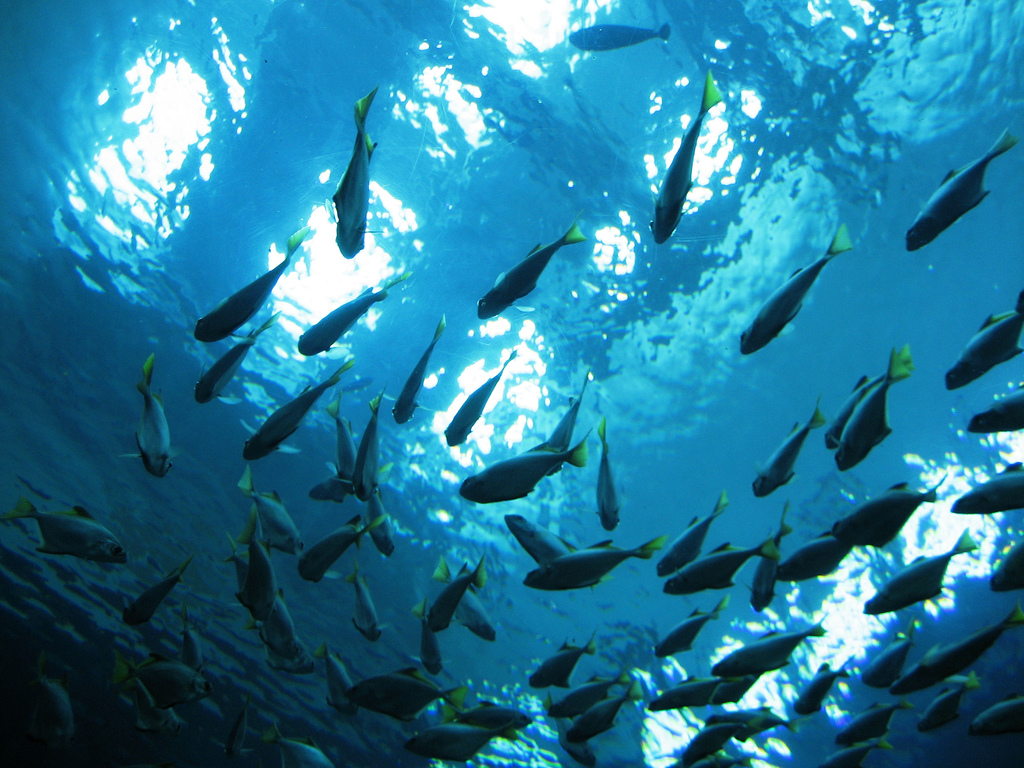
According to a recent study published in the journal Global Change Biology, rising CO2 levels in the ocean can disrupt the sensory systems of fish and can even make them swim toward predators and ignore the sounds that normally deter them from risky habitats.

[Read more…] about Climate Change And Fish

Primary Sidebar

Recent Episodes

  • An uninsurable future
  • Clean energy and jobs
  • Insect declines in remote regions
  • Fossil fuel producing nations ignoring climate goals
  • Trouble for clownfishes

WAMC Northeast Public Radio

WAMC/Northeast Public Radio is a regional public radio network serving parts of seven northeastern states (more...)

Copyright © 2026 ·