
• Skip to primary navigation
  • Skip to main content
  • Skip to primary sidebar

Earth Wise

A look at our changing environment.

  • Home
  • About Earth Wise
  • Where to Listen
  • All Articles
  • Show Search
Hide Search
You are here: Home / Archives for GHGs

GHGs

Corals and climate change

December 24, 2024 By EarthWise Leave a Comment

Climate change is a major threat to coral reefs around the world.  Ocean warming triggers coral bleaching – a stress response where corals expel the symbiotic algae essential for their survival.  If coral bleaching is severe, it can lead to coral death.

A new study led by scientists from Newcastle University in England suggests that corals are unlikely to adapt to ocean warming quickly enough to keep pace with global warming, unless there are rapid reductions in global greenhouse gas emissions.

The study, which was recently published in the journal Science, found that coral heat tolerance adaptation via natural selection could keep pace with ocean warming, but only if the climate goals of the Paris Agreement are realized.  In the Paris Agreement, countries agreed to limit global warming by the end of the century to two degrees Celsius above pre-industrial levels.  

However, current climate policies around the world have the globe on track to warm by three degrees Celsius.  According to the research team, this could lead to significant reductions in reef health, elevated risks of local coral extinctions, and considerable uncertainty in the so-called “evolvability” of corals. 

Coral reefs are among the most biologically diverse ecosystems on Earth.  They are often referred to as the “rainforests of the sea” because they support an incredible variety of marine life.  They provide essential ecosystem services, such as protecting coastlines from erosion and storm surges, supporting fisheries, and serving as a source of income through tourism. Coral reef health is vital for the health of the planet.

**********

Web Links

Coral adaptation unlikely to keep pace with global warming

Photo, posted June 9, 2012, courtesy of Bokissa Private Island Resort via Flickr.

Earth Wise is a production of WAMC Northeast Public Radio

Hydrogen-powered aviation

December 16, 2024 By EarthWise Leave a Comment

The transportation sector is responsible for about a quarter of human-generated greenhouse gas emissions.  Most of the energy used by transport systems comes from fossil fuels.  The transition to electric vehicles – cars, trucks, and buses – is making a real difference.  However, the emissions from the aviation industry have continued to grow faster than those of other forms of transportation.  There have been increased efforts to develop hydrogen-powered aircraft, but the challenges are substantial.

Hydrogen can be used for aviation both as a directly combusted fuel, or to power electric fuel cells.  Its advantages are that its use produces no carbon dioxide, and, in fact, hydrogen produces more energy per pound than jet fuel.

A study by researchers at MIT looked at the prospects for hydrogen use in aircraft and what needs to be done to make it practical.  The biggest issue is that the extra bulk of a hydrogen fuel tank and fuel cells in a plane would have to be offset by weight reductions elsewhere, such as reducing payload (cargo or passengers).  This would mean there would need to be more flights, thereby reducing the gains made.  The researchers argued that improvements in fuel cell power and more weight efficient fuel systems could eliminate the need for additional flights.

The bigger challenge is the infrastructure for generating and distributing hydrogen.  There needs to be green hydrogen – hydrogen produced without carbon emissions – and the infrastructure for getting it to planes where it is needed has to also not produce substantial emissions.

The study suggests that the rollout of hydrogen-based aviation should start at locations that have favorable conditions for hydrogen production.

**********

Web Links

Fueling greener aviation with hydrogen

Photo, posted December 20, 2016, courtesy of Dylan Agbagni via Flickr.

Earth Wise is a production of WAMC Northeast Public Radio
Capturing hot carbon dioxide

December 13, 2024 By EarthWise Leave a Comment

Researchers are developing new methods to capture hot carbon dioxide

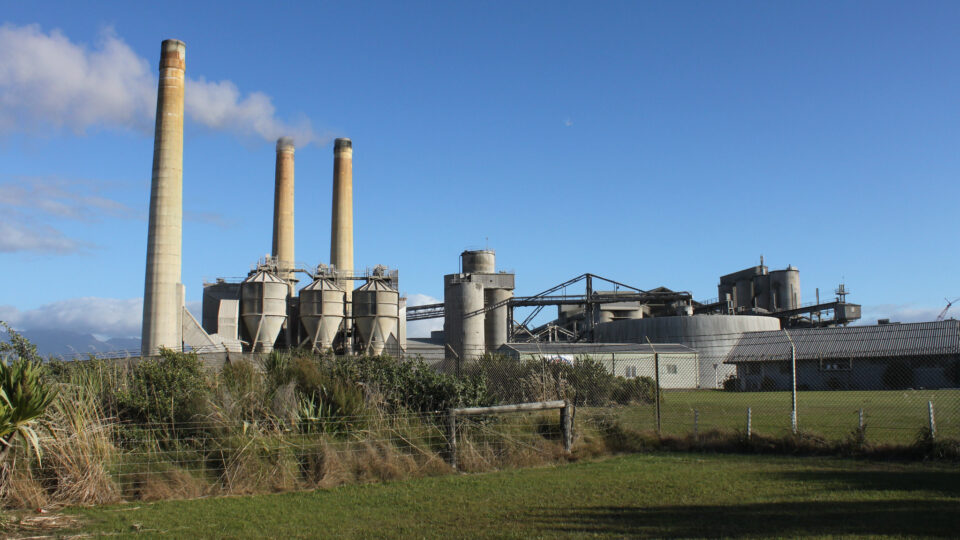
Decarbonizing industries like steel and cement is a difficult challenge.  Both involve emitting large amounts of carbon dioxide both from burning fossil fuels and from intrinsic chemical reactions taking place.  A potential solution is to capture the carbon dioxide emissions and either use them or store them away.  But this sort of carbon capture is not easy and can be quite expensive.

The most common method for capturing carbon dioxide emissions from industrial plants uses chemicals called liquid amines which absorb the gas.  But the chemical reaction by which this occurs only works well at temperatures between 100 and 140 degrees Fahrenheit.  Cement manufacturing and steelmaking plants produce exhaust that exceeds 400 degrees and other industrial processes produce exhaust as hot as 930 degrees.

Costly infrastructure is necessary to cool down these exhaust streams so that amine-based carbon capture technology can work. 

Chemists at the University of California, Berkeley, have developed a porous material – a type of metal-organic framework – that can act like a sponge to capture CO2 at temperatures close to those of many industrial exhaust streams.  The molecular metal hydride structures have demonstrated rapid, reversible, high-capacity capture of carbon dioxide that can be accomplished at high temperatures.

Removing carbon dioxide from industrial and power plant emissions is a key strategy for reducing greenhouse gases that are warming the Earth and altering the global climate.  The captured CO2 can be used to produce value-added chemicals or can be stored underground or chemically-reacted into stable substances.

**********

Web Links

Breakthrough in capturing ‘hot’ CO2 from industrial exhaust

Photo, posted March 3, 2010, courtesy of Eli Duke via Flickr.

Earth Wise is a production of WAMC Northeast Public Radio

Carbon levies for shipping

November 27, 2024 By EarthWise Leave a Comment

The global shipping industry is responsible for 90 percent of world trade.  The ships crossing the world’s oceans emit nearly 3% of the global greenhouse gas emissions caused by human activity that are contributing to climate change.  Among the effects of climate change are sea level rise, which is threatening the very existence of small island nations.

One such nation is Tuvalu, which is a group of islands in the South Pacific.  Tuvalu has a total landmass of just 10 square miles, and sea level there is rising 1.5 times faster than the global average.  Predictions are that within 50 to 100 years, low-lying islands like those of Tuvalu could be fully submerged by the ocean.

Representatives from six Pacific Island states and a growing number of Caribbean nations known as the 6Pac+ Alliance are urgently calling upon the International Marine Organization to enact a mandatory universal levy of $150 per ton of shipping emissions from large commercial vessels. 

Most marine vessels typically run on highly polluting heavy fuel oil.  Burning really filthy fuel is the cheapest way to cross the oceans.  There are alternatives including entirely carbon-free technologies, but they will be expensive to implement and utilize.  The cost of shipping would undoubtedly go up and be especially felt by small island nations and in developing countries where most food is imported.

The idea behind putting a price on ships’ carbon emissions is to both provide a financial incentive for the shipping industry to reduce its emissions and provide revenue for countries that incur costs from dealing with rising seas.

**********

Web Links

Pacific and Caribbean Island Nations Call for the First Universal Carbon Levy on International Shipping Emissions

Photo, posted November 23, 2006, courtesy of Stefan Lins via Flickr.

Earth Wise is a production of WAMC Northeast Public Radio

New approaches to nuclear power

November 18, 2024 By EarthWise 1 Comment

Researchers explore new approaches to nuclear power

The US is the world’s largest user of nuclear power.  Its 94 reactors supply nearly 19% of the country’s electricity. But the number of U.S. reactors has steadily fallen over the past 30 years and new nuclear power plants are a real rarity.  The reasons are a combination of perceived dangers following several nuclear accidents and the increasing costs associated with building plants that can meet a growing number of regulatory requirements.

There are recent developments associated with new advanced reactor technologies that may lead to a resurgence in the use of nuclear power.  Bill Gates’ energy company TerraPower is developing nuclear reactors that use sodium instead of water for cooling.  Such reactors operate at lower pressures and higher temperatures.  

Meanwhile, Kairos Power, a California-based energy company, has entered into an agreement with Google to build multiple small modular nuclear reactors that will supply electricity to that giant tech company.  The modular reactors use a molten-salt cooling system combined with a ceramic, pebble-type fuel in order to transport heat to a steam turbine to generate power.  The novel design of these reactors can reduce construction timelines, allow deployment in more places, and make final project delivery more predictable.

Surveys indicate that a majority of Americans favor the use of nuclear power, which has the advantages that it doesn’t create greenhouse gas emissions and can run 24-7.  But traditional nuclear power plants are too expensive and have too many potential problems.  These new nuclear power technologies may be the answer for allowing nuclear power to play an important role in the future energy system.

**********

Web Links

New nuclear clean energy agreement with Kairos Power

Photo, posted May 16, 2016, courtesy of Steve Jurvetson via Flickr.

Earth Wise is a production of WAMC Northeast Public Radio

Progress towards electric school buses

November 8, 2024 By EarthWise Leave a Comment

Making progress on electrifying school buses

The U.S. has nearly half a million school buses providing daily transportation for about 20 million students.  Most of these buses are powered by diesel engines which not only dump greenhouse gases into the atmosphere but also fill kids’ lungs with harmful fumes.

Thanks to various federal and state incentive programs, this situation is starting to change.  School districts all over the country are beginning to swap out old diesel buses for emissions-free electric-powered school buses.

Electric school buses are finding their way into school districts of all sizes and demographics.  The first district in the country to go fully electric was in Martinsville, Texas, which last year converted its 4-bus fleet.  The first large urban district to go all-electric was the 74-bus fleet in Oakland, California this summer.

The EPA’s $5 billion Clean School Bus program and many state initiatives are providing incentives for the transition.  Five years ago, there were less than 1,000 electric school buses in the U.S.  Now there are about 5,000 and more than 7,000 additional buses are in the pipeline.

Apart from the climate implications, there is urgency to replacing diesel school buses from a health perspective.  Diesel exhaust is classified as a carcinogen by the World Health Organization, and it contains fine particles and nitrogen oxides, both of which are well-documented asthma triggers.

Electric buses are more expensive than diesel buses, but they are much cheaper to operate. School districts need to put in place charging infrastructure.  The transition is not so easy to accomplish, but it is an important step, and more and more school districts are taking it.

**********

Web Links

Slowly but Surely, U.S. School Buses Are Starting to Electrify

Photo, posted May 5, 2021, courtesy of California Energy Commission via Flickr.

Earth Wise is a production of WAMC Northeast Public Radio
The last coal plant in Britain

October 31, 2024 By EarthWise Leave a Comment

The last coal plant in Britain has closed

The Industrial Revolution, which basically got underway in the mid-19th century, was largely enabled by coal, which fueled iron manufacturing, railroads, steam engines, and more.  Most of these things got their start in Britain, which inspired the rest of the world to follow suit.

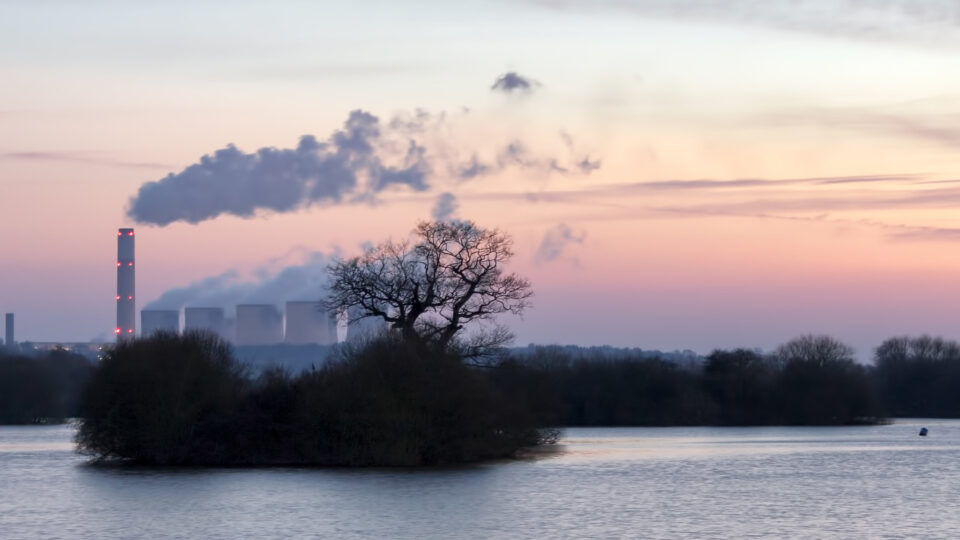
The world’s first coal-burning power plant began producing electricity at the Holborn Viaduct in London in 1882.  This September, Britain – the birthplace of coal power – shut down its last coal-burning power station when the 2,000-megawatt Ratcliffe-on-Soar facility ceased operations.  Uniper, the company that operated the plant, will be converting the 750-acre site to a low-carbon energy hub.

Shutting down coal plants is not a simple matter, as they are the lifeblood of entire towns and regions where they are located.  Finding fair transitions for workers is an uphill battle that has to take place in many locations.

Coal is the dirtiest fossil fuel, producing more greenhouse gas than others, but historically was the cheapest and most abundant source of power in many countries.  In recent decades, it has been replaced by gas, nuclear power, and most recently, renewables like wind and solar.

The coal era has ended in much of the world. The United States still gets 16% of its electricity from coal, but that number keeps getting smaller.  Unfortunately, the great majority of coal use is in the world’s two most populous countries:  India and China.  Both are adding renewable energy sources, but both have rapidly climbing energy demand.  China’s coal consumption is expected to peak this year and flatten out.  But there is still work to be done to bring an end to coal power.

**********

Web Links

Britain Shuts Down Last Coal Plant, ‘Turning Its Back on Coal Forever’

Photo, posted March 13, 2016, courtesy of Arran Bee via Flickr.

Earth Wise is a production of WAMC Northeast Public Radio

Big Food and greenhouse gas emissions

October 29, 2024 By EarthWise Leave a Comment

Analyzing Big Food and its greenhouse gas emissions

The global food system is responsible for as much as 40% of human-generated greenhouse gas emissions. The investor advocacy group Ceres has tracked whether the 50 largest North American food and agriculture companies have set targets to lower their emissions and whether doing so has actually resulted in lower emissions.

The emissions from food and agriculture companies are grouped into three so-called scopes.  Scope 1 are emissions from a company’s direct operations.  Scope 2 are emissions from its energy use.  Scope 3 are emissions from a company’s supply chain:  from the farmers who grow crops, raise cattle, and otherwise provide necessary items for a company’s final products.  In the food industry, the scope 3 category is responsible for about 90% of overall emissions.

Of the 50 food companies studied, 23 reduced their scope 1 and scope 2 emissions over the past 2 years, but only 12 reduced their scope 3 emissions.  Companies have more control over their scope 1 and scope 2 emissions. 

Reducing scope 3 emissions is more difficult.  And most companies haven’t set scope 3 reduction targets. 

The findings of the study suggest that reducing scope 3 emissions is especially difficult for companies whose supply chains are linked to carbon-intensive commodities, like meat, or crops linked to deforestation or land-use change, both of which result in increased emissions.

In March, the Securities and Exchange Commission finalized rules requiring companies to disclose their climate risk to regulators, increasing the visibility of the food industry emissions issue.

**********

Web Links

North America’s Biggest Food Companies Are Struggling to Lower Their Greenhouse Gas Emissions

Photo, posted October 13, 2011, courtesy of the United Soybean Board via Flickr.

Earth Wise is a production of WAMC Northeast Public Radio

Ocean geoengineering

October 24, 2024 By EarthWise Leave a Comment

A start-up company is exploring ocean geoengineering

As greenhouse gas emissions continue to be dangerously large and the perils of climate change are increasingly apparent, the world is increasingly exploring ways to deliberately intervene in climate systems.  A number of these ideas involve introducing substances into the atmosphere, but there are also ways to tinker with the oceans.

The oceans naturally absorb about a third of the carbon dioxide that humans pump into the atmosphere, mostly by burning coal, gas, and oil.  People are exploring ways to get the ocean to take up even more of the carbon dioxide.  One approach that is gaining traction is known as alkalinity enhancement.  By adding limestone, magnesium oxide, or other alkaline substances to rivers and oceans, it changes their chemistry and makes them soak up more carbon dioxide.

This approach has been around for a while as a way to mitigate acid rain in rivers and has been very successful.  A start-up company in Canada called CarbonRun is building a machine that grinds up limestone and will release the powder it produces into a local river in Nova Scotia.  The limestone in the river will be naturally converted into a stable molecule that will eventually be washed into the seas, where it should remain for thousands of years.

Expanding this approach to oceans faces many challenges including the costs and complexities of obtaining, processing, and transporting vast amounts of limestone to where it is to be released.  There are also potential environmental issues to grapple with.  But CarbonRun and others are moving forward with testing the approach.

In any event, the biggest barrier to ocean alkalinity enhancement is proving that it works.  That effort is underway.

**********

Web Links

They’ve Got a Plan to Fight Global Warming. It Could Alter the Oceans.

Photo, posted May 27, 2007, courtesy of John Loo via Flickr.

Earth Wise is a production of WAMC Northeast Public Radio

Rising methane emissions

October 22, 2024 By EarthWise Leave a Comment

Methane is a colorless and odorless gas that occurs abundantly in nature and is also a product of certain human activities.  It’s a short-lived but highly potent greenhouse gas and, as a result, is a major driver of climate change.  In fact, methane heats the atmosphere nearly 90 times faster than carbon dioxide over a 20-year period. 

Despite a global pledge from more than 150 nations to reduce methane emissions by 30% this decade, methane emissions continue to rise.  In fact, according to a new paper led by researchers from Stanford University, total annual methane emissions have increased 20% over the past two decades. 

The paper, which was recently published in the journal Environmental Research Letters, found that atmospheric concentrations of methane today are more than 2.6 times higher than in pre-industrial times.  In fact, atmospheric methane concentrations are currently the highest they’ve been in at least 800,000 years.

Methane emissions from coal mining, oil and gas production and use, cattle and sheep ranching, and decomposing organic waste in landfills are responsible for driving the growth.  In 2020, the most recent year for which data was available, nearly 400 million tons – or about two-thirds – of global methane emissions came directly from human activities. 

Methane concentrations in Earth’s atmosphere have increased at record speed over the past five years.  According to the research team, only the European Union and possibly Australia seem to have decreased methane emissions from human activities over the past two decades.  This trend “cannot continue if we are to maintain a habitable climate.”

**********

Web Links

Methane emissions are rising faster than ever

Photo, posted December 4, 2010, courtesy of Dani Mettler via Flickr.

Earth Wise is a production of WAMC Northeast Public Radio

The impact of climate change on agriculture

October 18, 2024 By EarthWise Leave a Comment

Climate change is changing the landscape of global agriculture

Agriculture is a major part of the climate problem and remains one of the hardest human activities to decarbonize.  Agriculture is responsible for approximately 30% of global greenhouse gas emissions.

On farms around the world, excess fertilizer gets broken down by microbes in the soil, releasing nitrous oxide into the atmosphere.  Nitrous oxide is a greenhouse gas that is 300 times more potent than carbon dioxide.

According to a sweeping global research review recently published in the journal Science, greenhouse gas emissions from agriculture are now 18 times higher than they were in the 1960s. 

The research, which was co-written by professors at the University of Minnesota with more than 20 experts around the world, also reveals the likelihood of an emergent feedback loop between climate and agriculture.  As the changing climate puts more pressure on the global food supply, agriculture will, out of necessity, adopt practices that may exacerbate its environmental impact. Without changes in agriculture, this feedback loop could make it impossible to achieve the Paris Climate Agreement goal of limiting global warming to 1.5 degrees Celsius above pre-industrial levels. 

The research identifies several agricultural practices that could improve efficiency and stabilize our food supply in the decades to come, including precision farming, perennial crop integration, agrivoltaics, nitrogen fixation, and novel genome editing. 

Finding ways to reduce the warming impact of agriculture while maintaining high crop yields are essential to both mitigating climate change and protecting our food supply from its impacts.

**********

Web Links

Impact of Climate Change on Agriculture Suggests Even Greater Challenges to the Environment, Global Food Supply and Public Health

Photo, posted October 16, 2010, courtesy of Timlewisnm via Flickr.

Earth Wise is a production of WAMC Northeast Public Radio

Big Tech and emissions

September 23, 2024 By EarthWise Leave a Comment

Most of the well-known largest technology companies have established ambitious clean energy goals.  They are on record for achieving net-zero emissions for all their operations and supply chains in many cases by 2030.  As a result, they have been investing heavily in renewable energy in various ways.  Despite these lofty goals and sincere efforts, many of them are struggling to reduce emissions.  The reason is simple:  big data.

A good example is Google, which started investing in renewable energy in 2010 and since 2017 has been purchasing renewable energy on an annual basis to match the electricity consumption of its global operations. However, Google’s greenhouse gas emissions have increased nearly 48% since 2019.  This is primarily a result of data center energy consumption.

The expanding use of artificial intelligence technology is consuming large amounts of electricity.  For example, a single ChatGPT query uses nearly 10 times as much electrical energy as a traditional Google search.

Google is by no means unique in having this problem.  Microsoft’s carbon emissions have risen by nearly 30% since 2020.  Amazon is struggling to reach net-zero across its operations by 2040.

All of these companies are entering into large power agreements with renewable energy companies all across the country.  The AI arms race for more and more computational power is driving a race to install more and more large-scale renewable energy.   Power purchase agreements for solar power, wind power, and even geothermal power are becoming a major activity for most of the largest tech companies.

**********

Web Links

Can Google gobble up enough renewables?

Photo, posted February 12, 2023, courtesy of Geoff Henson via Flickr.

Earth Wise is a production of WAMC Northeast Public Radio

Emissions and the Great Salt Lake

September 4, 2024 By EarthWise Leave a Comment

Emissions and the Great Salt Lake

The Great Salt Lake in Utah has been described as a puddle of its former self.  The lake’s size fluctuates naturally with seasonal and long-term weather patterns, but the lake has been experiencing decline for decades as Utahans take water out of the rivers and streams that once fed the lake.  Over recent decades, the lake has lost 73% of its water and 60% of its surface area.

For years, scientists and environmental leaders have warned that the Great Salt Lake is headed toward a catastrophic decline.  Recent research has found that the lake’s desiccating shores are becoming a significant source of greenhouse gas emissions.  Scientists have calculated that the dried-out portions of the lakebed released about 4.1 million tons of carbon dioxide and other greenhouse gases in 2020.

The recent study, published in the journal One Earth, suggests that the Great Salt Lake – which is largest saltwater lake in the Western Hemisphere – as well as other shrinking saline lakes around the world could become major contributors of climate-warming emissions.

The shrinking back of the water has exposed a dusty lakebed that is laced with arsenic, mercury, lead, and other toxic substances.  Some are naturally occurring, and others are the residue of mining activity in the region.  These substances threaten to increase rates of respiratory conditions, heart and lung disease, and cancers.

As the lake shrinks, it is becoming saltier and uninhabitable to native flies and brine shrimp and may increasingly become unable to support the 10 million migratory birds and wildlife that frequent it.

The new research about greenhouse gas emissions just adds to a dire list of environmental consequences brought on by the lake’s steep decline.

**********

Web Links

Shrinking Great Salt Lake Becoming Source of Heat-Trapping Gas

Photo, posted January 20, 2020, courtesy of Matthew Dillon via Flickr.

Earth Wise is a production of WAMC Northeast Public Radio

Nearly everyone wants climate action

July 29, 2024 By EarthWise Leave a Comment

Almost everyone wants more action on climate change

A global survey of 75,000 people revealed that 80% of participants want their governments’ climate action commitments to be stronger.  The poll, conducted by the United Nations Development Program, GeoPoll, and Oxford University, asked 15 questions in telephone calls to residents of 77 countries representing 87% of the global population.

According to the survey, 89% of poorer countries favored increasing efforts to curb global emission, while 76% of wealthy G20 nations supported tougher climate action.

The two biggest greenhouse emitters in the world were less enthusiastic:  Chinese participants were 73% in favor of stronger action and Americans were 66% in favor of greater efforts to combat global warming. 

Other demographic differences included that in the big emitting countries of Canada, France, Germany, Australia, and the U.S., women were 10 to 17% more in support of stronger climate action than men.

Overall, only 7% of those polled globally thought their government should not transition away from fossil fuels at all.  More than half of those polled said that they were more worried about climate change this year than last year.  A worldwide majority of 72% support a fast fossil fuel phaseout, including those in nations that are among the top ten coal, oil, and gas producers.

As is the case across the board with respect to climate issues, the more influential factor continues to be economic as opposed to scientific or humanitarian.  Those who stand to lose the most money from the transition away from fossil fuels continue to hold sway over those who will lose in many other ways.

**********

Web Links

Four Out of Five People Want Increased Climate Action, UN Poll Says

Photo, posted July 31, 2020, courtesy of School Strike 4 Climate via Flickr.

Earth Wise is a production of WAMC Northeast Public Radio

The slippery slopes of the ski industry

July 18, 2024 By EarthWise Leave a Comment

According to the National Oceanic and Atmospheric Administration, snowfall is declining globally as temperatures warm because of human-caused climate change.  Less snow threatens to reinforce global warming, and to disrupt food, water, and livelihoods for billions of people.   

According to new modeling by researchers from Protect Our Winters Australia and The Australian National University, the ski industry in Australia is at risk of major disruptions and shorter seasons if climate change continues unabated.  The researchers found the average ski season across all resorts in Australia will be 44 days shorter by 2050 under a mid-greenhouse gas emissions scenario, and 55 days shorter under a high-emissions scenario.

But the research team also revealed that the Australian ski industry would fare significantly better if decisive action is taken to reduce climate pollution.  In fact, under a low-emissions scenario, the ski season would be 28 days shorter by 2050, before starting to improve by 2080 if emissions are kept down.

However, if decisive climate action isn’t taken, the researchers warn some ski resorts in Australia may be forced to close for good.  But this threat isn’t unique to Australia. 

In fact, according to a study recently published in the journal PLOS ONE, 13% of ski areas around the world are predicted to lose all natural snow cover under the high-emissions scenario by 2071-2100 – relative to their historic baselines. 

The future losses of ski areas around the world will be significant if global emissions continue unchecked.

**********

Web Links

Climate crisis puts Australia’s ski industry on slippery slope, but not all hope is lost

“Our Changing Snowscapes” Report Released

The future is likely less skiable, thanks to climate change

Photo, posted June 6, 2018, courtesy of Clement Tang via Flickr.

Earth Wise is a production of WAMC Northeast Public Radio

Benefits of electric school buses

July 1, 2024 By EarthWise Leave a Comment

Converting to electric school buses

There are about half a million school buses in use in the U.S.  A large number of them are older, highly polluting diesel buses.  There are well-established health and climate benefits of switching from diesel vehicles to electric vehicles but making the switch is expensive.  Diesel buses generally cost between $65,000 to $120,000, depending on the type and configuration.  Electric buses cost about $250,000 each.

The substantial cost makes it a difficult decision for local, state, and federal officials, particularly since the actual magnitude of the benefits is not well known.

A new study by researchers at Harvard’s T.H. Chan School of Public Health has quantified these benefits.  According to the study, replacing each bus may yield up to $247,600 in climate and health benefits. These benefits derive from fewer greenhouse gas emissions and from reduced rates of adult mortality and childhood asthma. 

The study compared the amounts of carbon dioxide emitted from diesel bus tailpipes to the emissions associated with generating electricity for the buses and producing their batteries.  It also compared how these respective emissions contribute to fine particulate air pollution, which is linked to adult mortality and the onset of childhood asthma.  The study concluded that particularly in dense urban settings, the savings incurred from electrifying older school buses easily outweigh the costs of replacing them.

An important question not tackled in the study is how electric school buses impact children’s exposure to in-cabin air pollution while riding the bus.  This issue could further inform policy decisions.

**********

Web Links

Electric school buses may yield significant health and climate benefits, cost savings

Photo, posted May 9, 2008, courtesy of Christine H. via Flickr.

Earth Wise is a production of WAMC Northeast Public Radio
Record carbon dioxide levels

June 25, 2024 By EarthWise Leave a Comment

Record carbon dioxide levels

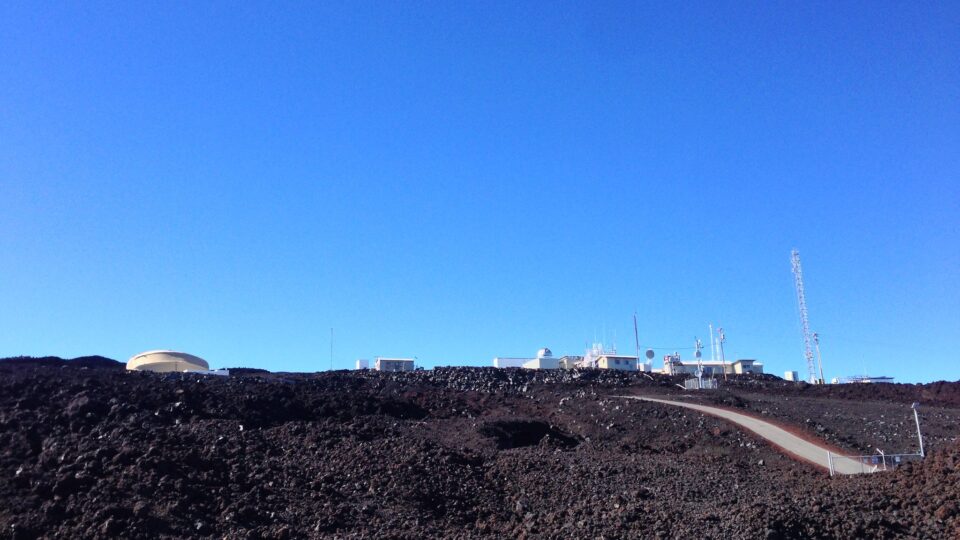
Despite the increasing concern about the warming climate, the period between March of last year and March of this year has set a new record for the largest 12-month gain in atmospheric CO2 concentration ever observed.  The new level, measured at Hawaii’s Mauna Loa Observatory was nearly 5 parts per million higher than last year’s level reaching more than 426 parts per million.

CO2 levels averaged 280 ppm for the past 800,000 years until the Industrial Revolution began and people started burning fossil fuels.  Levels started being measured at Mauna Loa in 1958, when they were 315 ppm.  Between 1958 and 2005, the CO2 level rose to 380 ppm.  Over the past 19 years, the amount of CO2 has continued to rise rapidly and with it, global temperatures.

The record increase in carbon dioxide over this past year is probably associated with the end of an El Niño event.  The previous record increase in 2015-2016 was also associated with El Niño.

But the overall trend is clear and discouraging.  Over the past 66 years, the amount of carbon dioxide in the atmosphere has increased by 35%.  This increase is a result of the burning of coal, oil, and natural gas, as well as the effects of deforestation and livestock agriculture.

Carbon dioxide absorbs heat radiating from the Earth’s surface and re-releases it in all directions, including back toward Earth’s surface.  Without this greenhouse effect, the Earth would actually be frozen.  But people are supercharging the natural greenhouse effect and causing the global temperature to rise.  Global energy demand continues to grow and if we continue to meet that demand mostly with fossil fuels, temperatures will continue to rise.

**********

Web Links

Scripps Institution of Oceanography: CO2 levels have largest 12-month gain

Photo, posted March 3, 2014, courtesy of Jon Roig via Flickr.

Earth Wise is a production of WAMC Northeast Public Radio

Recycling cement

June 21, 2024 By EarthWise Leave a Comment

Recycling concrete may have a future

Concrete is the second-most-used material on the planet.  Only water is used more.  Producing concrete is responsible for 7.5% of human-produced carbon dioxide emissions.  So, finding a cost-effective way to reduce these emissions is a major challenge in the face of ever-growing global demand for concrete.

Researchers at Cambridge University have found that used cement is an effective substitute for lime flux, which is an essential material used in steel recycling that results in a waste product called slag.  When lime is replaced with used cement, the end product instead is recycled cement that can be used to make new concrete.

The process does not add any significant costs to concrete or steel production and significantly reduces the emissions associated with both.

Concrete is made from sand, gravel, water, and cement.  Cement is made by a process called clinkering, in which limestone and other materials are heated to 2,600 degrees Fahrenheit.  The process converts the materials into cement but releases large amounts of CO2 as limestone decarbonates into lime. 

Cambridge researchers found that using cement clinker and iron oxide instead of lime works well in steel recycling.  Crushing old concrete and taking out the sand and stone results in a cement that is reactivated by the recycling furnace to produce a material with excellent properties. 

Recent tests by the Materials Processing Institute showed that recycled cement can be produced at scale in an electric arc furnace.  Ultimately, this method could produce zero emission cement if the electricity for the furnace comes from renewable sources.

**********

Web Links

Cement recycling method could help solve one of the world’s biggest climate challenges

Photo, posted July 18, 2011, courtesy of Kenta Mabuchi via Flickr.

Earth Wise is a production of WAMC Northeast Public Radio

Beware of the blob

June 20, 2024 By EarthWise Leave a Comment

For the past 10 years, there have been several occurrences of a vast expanse of ocean stretching from Alaska to California in which water temperatures are as much as 7 degrees Fahrenheit warmer than normal.  Known jocularly as “the Blob,” the phenomenon can last for several years and decimates fish stocks, starves seabirds, creates blooms of toxic algae, prevents salmon from returning to rivers, and displaces sea lions and whales.

Until recently, there was no accepted explanation for this abrupt ocean heating.  Climate change, even combined with natural cycles like El Niños, is not enough to account for it.

In depth analysis by an international team of researchers has found that the extraordinary heating is the result of a dramatic cleanup of Chinese air pollution.  The decline of smog particles, which to some extent shield the planet from the sun’s rays, has accelerated warming and set off a chain of atmospheric events across the Pacific, essentially cooking the ocean.

This is an example of what can be called the pollution paradox in which global warming is actually increased when air pollution is reduced.  Reduced air pollution on the US West Coast has even been identified as a factor contributing to increased wildfires.  However, air pollution causes more than 4 million premature deaths from cancers and respiratory and cardiovascular diseases each year. 

Nobody thinks that we should stop cleaning up the air to slow down global warming.  The only viable solution is to reduce greenhouse gas emissions as rapidly as possible.

**********

Web Links

Pollution Paradox: How Cleaning Up Smog Drives Ocean Warming

Photo, posted December 18, 2017, courtesy of SGUP via Flickr.

Earth Wise is a production of WAMC Northeast Public Radio
The largest carbon removal plant

June 11, 2024 By EarthWise Leave a Comment

Direct air capture (DAC) is process that removes carbon dioxide out of the air and stores it away where it can no longer trap heat in the atmosphere.  It is intended to be a way of getting rid of the greenhouse gases that have built up in the atmosphere.  In principle, it’s a great idea.  In practice, it is a huge challenge.

In 2017, a company called Climeworks became the first company to take carbon dioxide out of the air and sell it as a product for use in carbonated drinks and in greenhouses.  In 2021, the company opened a DAC plant called Orca in Iceland that captures CO2 and permanently stores it underground.  Clients like Microsoft pay Climeworks for doing this as a way of offsetting their own emissions.

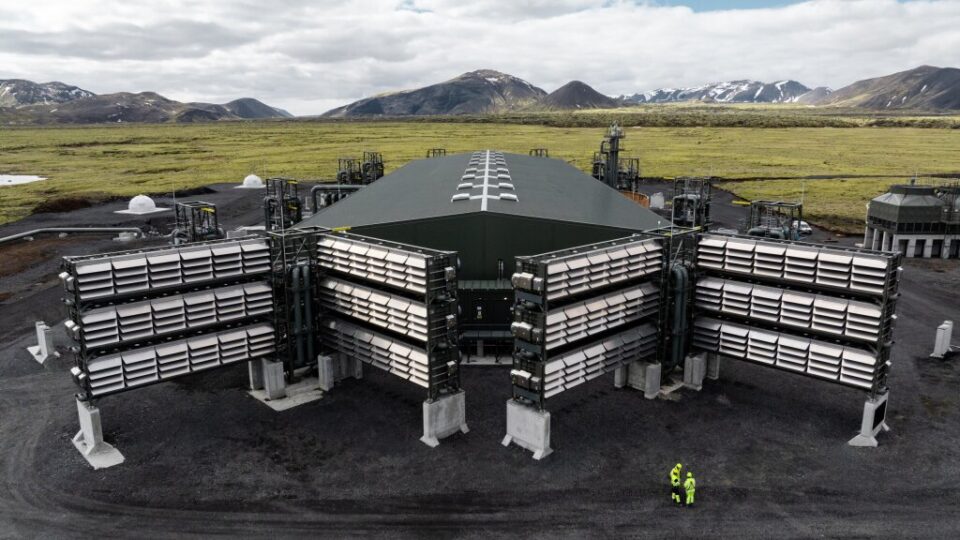
Recently, Climeworks has started operating a new plant called Mammoth – also in Iceland – that will be able to capture about 10 times more carbon dioxide than Orca.  Iceland is a prime location for DAC technology because its abundant geothermal energy makes powering it cheap and environmentally friendly.

Mammoth, when fully operational, will remove about 36,000 tons of carbon dioxide a year, the largest DAC system in the world.  But there is a long, long way to go.  Microsoft alone emits nearly 13 million tons of carbon dioxide a year.

There are multiple DAC projects in development including several in the United States being funded by the Bipartisan Infrastructure Law.  The four DAC hubs being developed under the program are each supposed to have the capacity to capture at least a million metric tons of CO2 a year.

Whether DAC can make a real difference remains to be seen.

**********

Web Links

The world’s largest carbon removal plant is here, and bigger ones are on the way

Photo credit: Climeworks

Earth Wise is a production of WAMC Northeast Public Radio

  • « Go to Previous Page
  • Page 1
  • Page 2
  • Page 3
  • Page 4
  • Page 5
  • Go to Next Page »

Primary Sidebar

Recent Episodes

  • An uninsurable future
  • Clean energy and jobs
  • Insect declines in remote regions
  • Fossil fuel producing nations ignoring climate goals
  • Trouble for clownfishes

WAMC Northeast Public Radio

WAMC/Northeast Public Radio is a regional public radio network serving parts of seven northeastern states (more...)

Copyright © 2026 ·