• Skip to primary navigation
  • Skip to main content
  • Skip to primary sidebar

Earth Wise

A look at our changing environment.

  • Home
  • About Earth Wise
  • Where to Listen
  • All Articles
  • Show Search
Hide Search
You are here: Home / Archives for ghg

ghg

Carbon dioxide and wildfires

May 14, 2024 By EarthWise Leave a Comment

Rising carbon dioxide levels are fueling wildfires

Climate change is a key factor in the increasing risk and extent of wildfires.  Wildfires require the alignment of several factors, including humidity, temperature, and the lack of moisture in fuels, such as trees, shrubs, and grasses.  All of these factors have strong ties to climate variability and climate change.

While the global surge in wildfires is often attributed to hotter and drier conditions, a new study by researchers from the University of California – Riverside has found that increasing levels of a greenhouse gas may be an even bigger factor. 

According to the study, which was recently published in the journal Communications Earth & Environment, carbon dioxide is driving an increase in the severity and frequency of wildfires by fueling the growth of plants that become kindling.

Centuries of burning fossil fuels to produce heat, electricity and to power engines has added alarming amounts of carbon dioxide to the atmosphere.  In fact, atmospheric CO2 levels are measuring more than 420 parts per million, which is a level not seen on earth for 14-16 million years. 

Plants require carbon dioxide, along with sunlight and water, for photosynthesis.  But rising levels of CO2 in the atmosphere are driving an increase in plant photosynthesis – an effect known as the carbon fertilization effect.  This effect can make plants grow bigger and faster. 

Warming and drying are important fire factors.  These are the conditions that make the extra plant mass more flammable.  But the study found that the increase in fires during hotter seasons is driven by the CO2-fueled growth of plants.   

The researchers hope their findings will urge policymakers to focus on reducing carbon dioxide levels in the atmosphere.

********** 

Web Links

CO2 worsens wildfires by helping plants grow

Current carbon dioxide levels last seen 14 million years ago

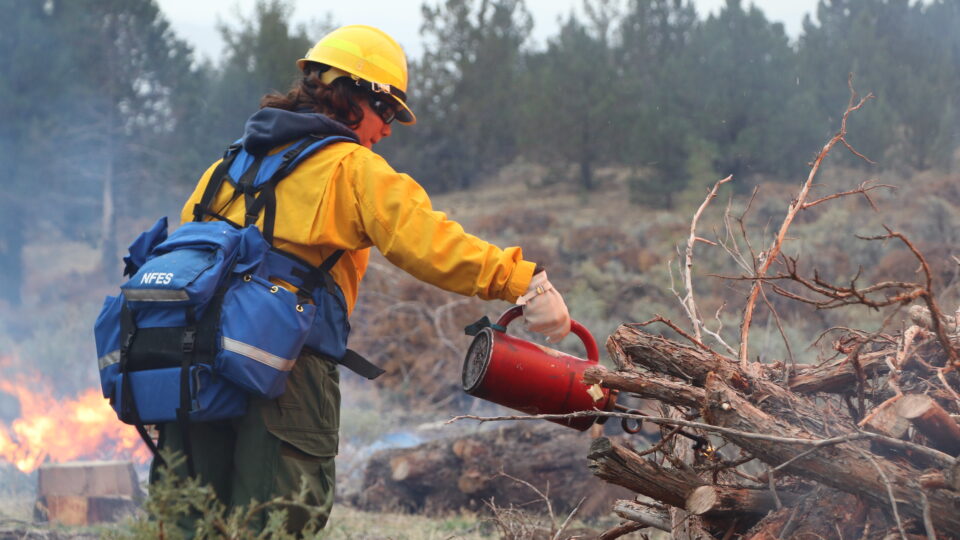
Photo, posted January 17, 2024, courtesy of Jennifer Myslivy, BLM Fire/NIFC via Flickr.

Earth Wise is a production of WAMC Northeast Public Radio
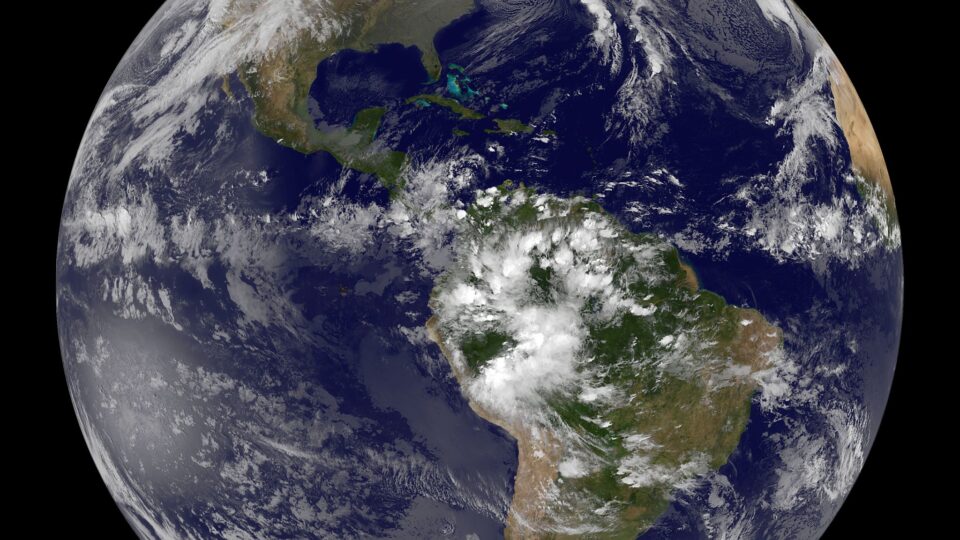
A Hot Year With Record GHG Levels | Earth Wise

February 25, 2022 By EarthWise Leave a Comment

Record Greenhouse Gas levels

Last year was a year that saw rising temperatures and rising levels of greenhouse gases.  2021 was the fifth-hottest year on record.  The average global temperature was nearly 1.2 degrees Celsius or 2.1 Fahrenheit degrees higher than the preindustrial average.  The past seven years were the hottest ever by a significant margin.

The concentration of carbon dioxide in the atmosphere reached 414 parts per million, compared with preindustrial levels of 280 parts per million.  Concentrations of methane reached 1876 parts per billion, the highest levels ever recorded. 

Apart from these global measurements, local and regional weather saw the effects of the heating planet.  Extreme temperatures were common with the hottest summer in Europe, heatwaves in the Mediterranean, and unprecedented high temperatures in North America.

The West Coast of the US, northeast Canada, Greenland, and parts of north Africa and the Middle East all experienced the highest above-average temperatures.  However, some places, including Australia, Antarctica, Siberia, and much of the Pacific Ocean often saw below-average temperatures, even though the same places occasionally experienced record high temperatures.

The Covid-19 pandemic and its economic disruptions continued to lead to some reductions in greenhouse gas emissions, but in the US, emissions from energy use and industry nonetheless grew 6.2% in 2021 after falling more than 10% in 2020.

Carbon dioxide and methane concentrations are continuing to increase each year and don’t appear to be slowing down.  As long as this situation persists, global temperatures will continue to rise, and extreme and erratic weather will be more and more commonplace.

**********

Web Links

2021 Rated One of the Hottest Years Ever as CO2 Levels Hit Record High

Photo, posted November 11, 2011, courtesy of NASA Goddard Space Flight Center via Flickr.

Earth Wise is a production of WAMC Northeast Public Radio.

Climate Change And The Winter Olympics | Earth Wise

February 8, 2022 By EarthWise Leave a Comment

Climate change is threatening winter sports

According to a new study led by researchers from the University of Waterloo in Canada, climate change will limit where the Winter Olympics can be held as winter changes across the Northern Hemisphere. 

The international research team found that by the end of the century only one of the 21 cities that have previously hosted the Winter Olympics would be able to reliably provide fair and safe conditions for winter sports if global greenhouse gas emissions are not dramatically reduced. 

However, if the emissions targets set forth in the Paris Climate Agreement can be reached, the number of climate-reliable host cities for the Winter Olympics would jump to eight.

In the study, which was recently published in the journal Current Issues in Tourism, the researchers reviewed historical climate data from the 1920s to today, as well as future climate change scenarios for the 2050s and 2080s.  The researchers also surveyed international athletes and coaches, and found that 89% of them felt that changing weather patterns are already affecting competition conditions. 

The average February daytime temperature of host cities has been steadily increasing.  At the winter games held between the 1920s and 1950s, the average temperature was 32.7°F.  It rose to 37.6°F at games between the 1960s and 1990s, and has spiked to 43.3°F in the games held in the twenty-first century.  The planet is projected to warm another 3.6°F to 7.9°F this century depending on our ability to mitigate greenhouse gas emissions.

Reducing global greenhouse gas emissions is critical to ensure that there remain places across the globe to host the Winter Olympics.

**********

Web Links

Climate change threatens future Winter Olympics

Photo, posted February 21, 2010, courtesy of Michael via Flickr.

Earth Wise is a production of WAMC Northeast Public Radio.

Carbon Capture In Denmark | Earth Wise

January 11, 2022 By EarthWise Leave a Comment

Denmark pursuing carbon capture technologies

Denmark has pledged to reduce greenhouse gas emissions 70% by 2030 compared with 1990 levels. The country has also banned oil exploration in Danish waters and plans to phase out offshore drilling in the North Sea by 2050.

Instead of pumping oil from the North Sea, Denmark plans to capture CO2 and store it there.  To meet its climate goals, Denmark is investing $2.4 billion in a plan to capture carbon dioxide from its energy and industrial sectors and inject it into the seabed in geological formations that previously held oil and gas deposits.

The first North Sea carbon capture and storage facilities will be put into service in 2025 and will remove nearly half a million tons of emissions from the atmosphere each year.  The carbon dioxide will be captured from energy and industrial sectors such as waste incineration and cement production.

There are multiple carbon capture projects underway around the world.  Many are directed at so-called direct air capture, which is taking carbon dioxide out of the air once it is already there.  In Iceland, a project named “Orca” is extracting CO2 from the air and piping into a processing facility where it is mixed with water and diverted into a deep underground well.  Other large direct air capture plants are being built in the U.S. Southwest and in Scotland.

Whether capturing carbon from industrial operations or directly from the air ultimately makes environmental and economic sense remains to be seen.  What is driving the development of these technologies is the troubling math that reducing emissions is not happening fast enough to stave off the destructive effects of climate change that will result from global temperatures rising too much.

**********

Web Links

Denmark bets on North Sea carbon capture to hit climate goals

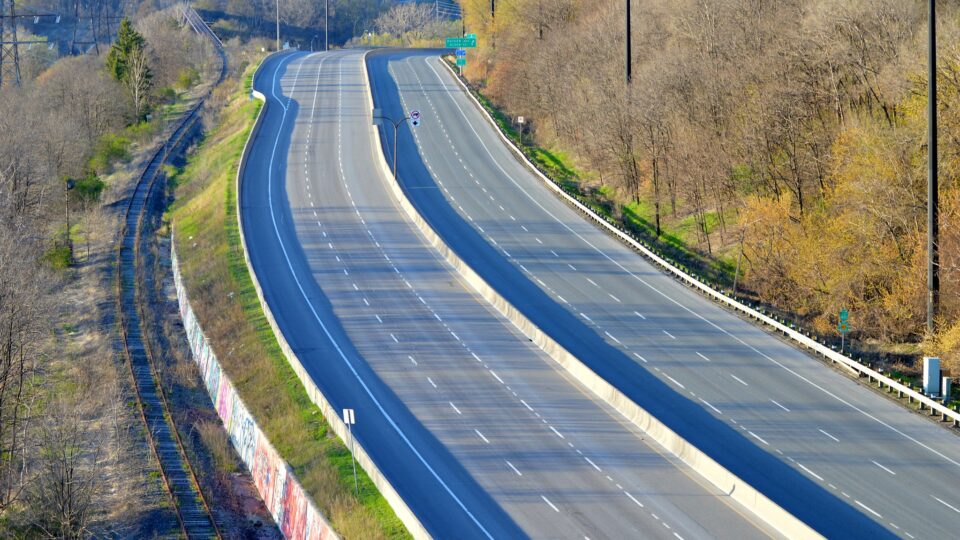
Photo, posted July 2, 2018, courtesy of Ansgar Koreng via Flickr.

Earth Wise is a production of WAMC Northeast Public Radio.

Emissions And The Pandemic | Earth Wise

January 3, 2022 By EarthWise Leave a Comment

Studying the effects of the pandemic on emissions

The early months of the COVID-19 pandemic saw drastic reductions in travel and other economic sectors across the globe that greatly decreased air pollution and greenhouse gas emissions. These dramatic changes occurred quite suddenly.  This abrupt set of changes gave scientists the unprecedented opportunity to observe the results of changes that would ordinarily have taken years if they came about through regulations and gradual behavior shifts.

A comprehensive study by Caltech on the effects of the pandemic on the atmosphere has revealed some surprising results.

The biggest surprise is that even though carbon dioxide emissions fell by 5.4% in 2020, the amount of CO2 in the atmosphere continued to grow at about the same rate as in previous years.  According to the researchers, the reasons are that the growth in atmospheric concentrations was within the normal range of year-to-year variations caused by natural processes and, in addition, the ocean did not absorb as much CO2 because of the reduced pressure of CO2 in the air at the ocean’s surface.

A second result involved the reduction in nitrogen oxides, which led to a reduction in a short-lived molecule called the hydroxyl radical, which is important in breaking down gases including methane in the atmosphere.  Reducing nitrogen oxides is advantageous with respect to air pollution, but they are important for the atmosphere’s ability to cleanse itself of methane.  In fact, the drop in nitrogen oxide emissions actually resulted in a small increase of methane in the atmosphere because it was staying there longer.

The main lesson learned is that reducing activity in industrial and residential sectors is not a practical solution for cutting emissions.  The transition to low-carbon-emitting technology will be necessary.

**********

Web Links

Emission Reductions From Pandemic Had Unexpected Effects on Atmosphere

Photo, posted March 22, 2020, courtesy of Greg via Flickr.

Earth Wise is a production of WAMC Northeast Public Radio.

Food And Greenhouse Gas Emissions | Earth Wise

December 29, 2021 By EarthWise Leave a Comment

How to reduce the greenhouse gas emissions associated with food

According to a study published in the journal Nature Food, the world’s food systems are responsible for more than one third of global greenhouse gas emissions caused by human activities. 

‘Eat Local’ is often recommended as a way to minimize the carbon footprint of our diet.  But from a climate impact perspective, eating local only has a significant impact if transportation is responsible for a large portion of a food’s final carbon footprint.  And in many cases, greenhouse gas emissions related to transportation make up only a small portion of the emissions from food and what we eat is far more important. 

There are massive differences in the greenhouse gas emissions of various foods. 

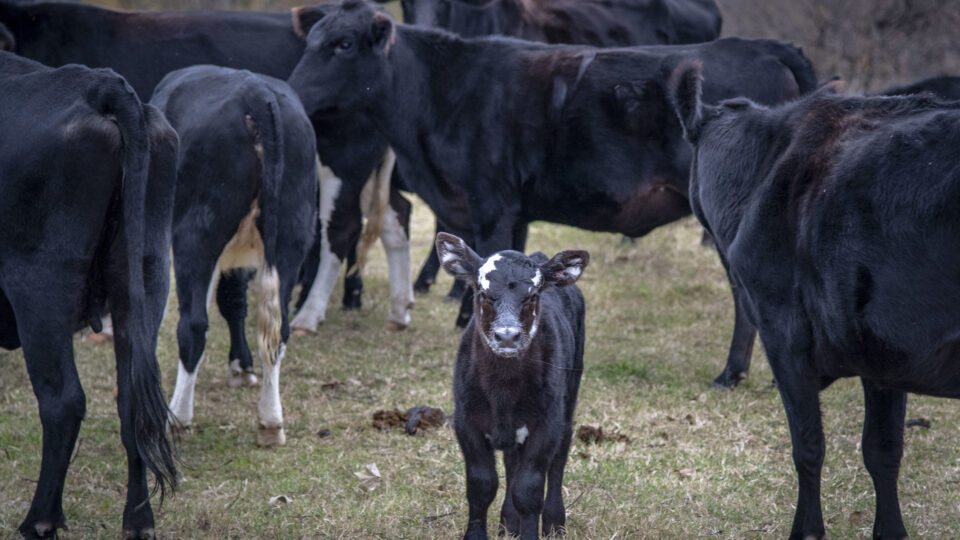
For example, producing one pound of beef generates 60 pounds of greenhouse gas emissions.  This is more than double the next closest food (lamb), and more than 60 times greater than some plant crops like corn and cassava. 

For most foods – especially the largest emitters – greenhouse gas emissions from land use change combined with the emissions from processes at the farm stage account for more than 80% of the environmental footprint.  Meanwhile, transportation accounts for less than 10%, and its contribution for the largest emitters is even smaller.  For example, transportation accounts for 0.5% of emissions from beef production.

Eating beef or lamb has many times the carbon footprint of most other foods.  It matters very little in terms of emissions whether it was grown locally or shipped from another part of the world.  It’s not the location that makes the carbon footprint of our dinner large.  It’s what is on our plate that matters.

**********  

Web Links

Food systems account for over one-third of global greenhouse gas emissions

You want to reduce the carbon footprint of your food?

Photo, posted November 7, 2018, courtesy of Preston Keres / USDA via Flickr.

Earth Wise is a production of WAMC Northeast Public Radio.

Climate Change And Crops | Earth Wise

December 22, 2021 By EarthWise Leave a Comment

Climate change will impact yield of food crops

A new NASA study published in the journal Nature Food looks at the impact of global climate change on food crops.  According to the study, declines in global crop yields are likely to become apparent by 2030 if high greenhouse gas emissions continue.

The study used advanced climate and agriculture models to predict the effects of projected increases in temperature, shifts in rainfall patterns, and elevated surface carbon dioxide concentrations from human-caused greenhouse gas emissions.

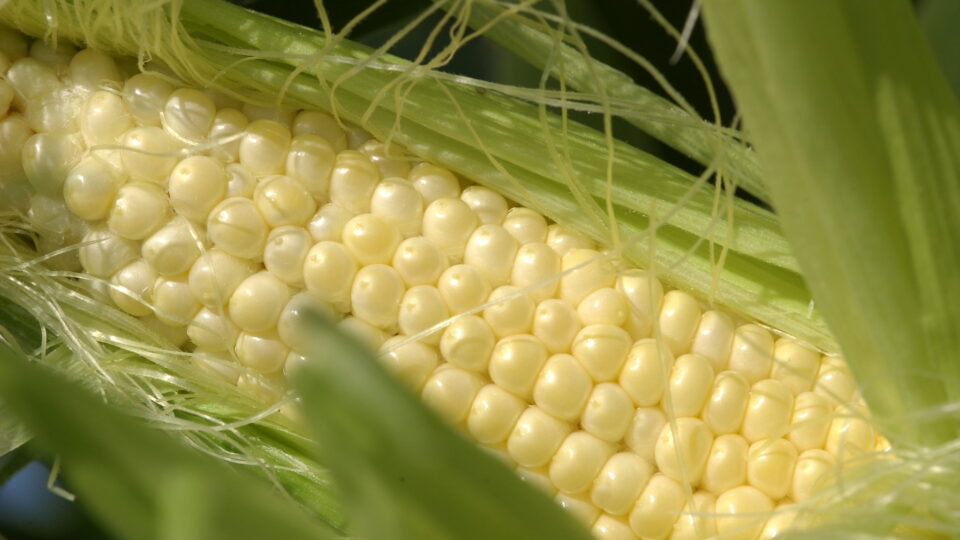
These climate changes would make it more difficult to grow corn in the tropics but would actually expand wheat’s growing range.  The reduction in corn yields could be as much as 24% by late in the century.   Corn Is grown all over the world and large quantities are produced in countries nearer to the equator.  As temperatures rise in countries such as the US, Brazil, and China, yields are likely to decline because of the increased stress on the plants.

Wheat, which grows best in temperate climates may see a broader area where it can be grown as temperatures rise, but these gains are likely to level off by mid-century.

Rising temperature is not the only factor influencing crop yields.  Rising carbon dioxide levels have a positive effect on photosynthesis and therefore on crop yields, especially for wheat.  But changing rainfall patterns and rising temperatures can affect the length of growing seasons and accelerate crop maturity.  This can result in the production of less grain than in a longer development period.

The changing climate has complicated effects on the growth of breadbasket crops and will be felt worldwide.

**********

Web Links

Global Climate Change Impact on Crops Expected Within 10 Years, NASA Study Finds

Photo, posted September 8, 2004, courtesy of Lynn Ketchum/Oregon State University via Flickr.

Earth Wise is a production of WAMC Northeast Public Radio.

Primary Sidebar

Recent Episodes

  • An uninsurable future
  • Clean energy and jobs
  • Insect declines in remote regions
  • Fossil fuel producing nations ignoring climate goals
  • Trouble for clownfishes

WAMC Northeast Public Radio

WAMC/Northeast Public Radio is a regional public radio network serving parts of seven northeastern states (more...)

Copyright © 2026 ·