
• Skip to primary navigation
  • Skip to main content
  • Skip to primary sidebar

Earth Wise

A look at our changing environment.

  • Home
  • About Earth Wise
  • Where to Listen
  • All Articles
  • Show Search
Hide Search
You are here: Home / Archives for future

future

Solid-state batteries for cars

September 19, 2024 By EarthWise Leave a Comment

Battery-powered electric vehicles have historically faced the challenges of limited driving range and long charging time.  In recent years, both of these limitations have been largely overcome for many if not most drivers.  Popular EVs on the market can go 300 miles and more on a charge and today’s fastest charging networks can add 200 miles of range in 20 minutes.  But many people want even more range and even faster charging.  Both of these things will happen in the not-too-distant future.

Multiple companies are working on solid-state batteries, which hold more energy in a given volume than current batteries.  The lithium-ion batteries that power today’s EVs (as well as our phones and computers) have a liquid or gel electrolyte.  Solid-state batteries use a solid ceramic or polymer electrolyte that provides higher energy density, faster charging times, and reduced fire risk as well.

Samsung announced that it will produce solid-state batteries for vehicles by 2027.  Toyota says it is on track to develop a solid-state battery by 2027 or 2028.  California-based QuantumScape has an agreement to supply solid-state batteries to Volkswagen for mass production.  Tesla has not said what it is doing with regard to solid-state batteries, but it is likely that it’s also pursuing the technology.

The upshot of all of this is that EV ranges are likely to increase dramatically over the next several years leading to the availability of vehicles that can go 600 miles or more on a charge.  Given that the cost of EVs is already rapidly becoming at least competitive with if not lower than that of gasoline-powered cars, the days of internal combustion are becoming numbered.

**********

Web Links

Want an EV With 600 Miles of Range? It’s Coming

Photo, posted August 17, 2024, courtesy of Bill Abbott via Flickr.

Earth Wise is a production of WAMC Northeast Public Radio
Mixed news for the Great Barrier Reef

August 27, 2024 By EarthWise Leave a Comment

Mixed news about the Great Barrier Reef

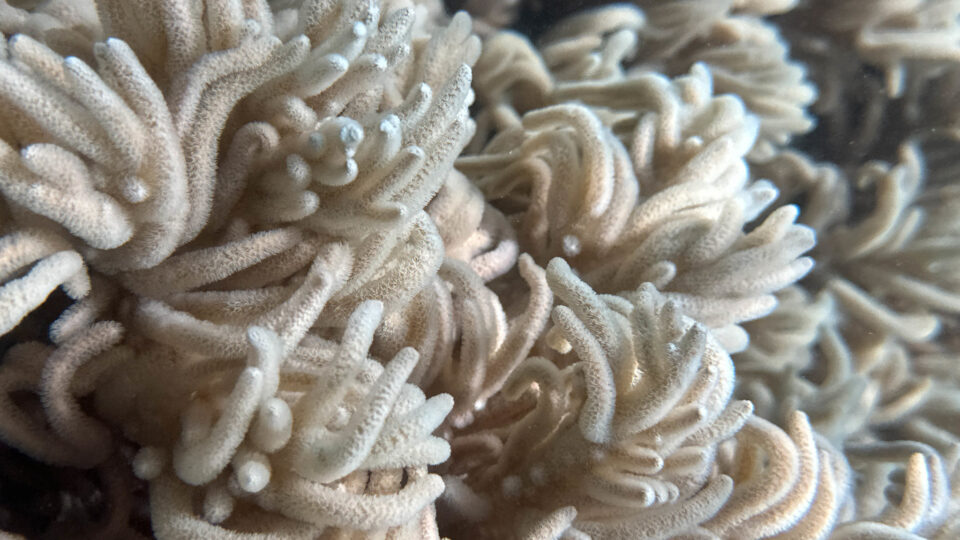
A prolonged and widespread coral bleaching event in Australia’s Great Barrier Reef has taken place this year.  It is the fifth such event over the past eight years and appears to be one of the worst ever.  According to preliminary analysis, 97% of corals in some areas of the northern part of the reef died as a result of the bleaching.  Over the entire length of the reef – which is more than 1,200 miles long – bleaching was observed on 74% of the more than 1,000 individual reefs that make up the Great Barrier Reef.  Half of those observed recorded high or very high levels of bleaching, although less than 10% had extreme levels of bleaching.

Prior to this mass bleaching event, an extensive survey of the reef was conducted, and it provided some good news.  Coral cover had increased in all three regions on the Great Barrier Reef and was actually at regional highs in two of the three regions.  The surveys were completed before the passage of Tropic Cyclone Jasper in December 2023.

Bleached corals are very stressed, but they still remain alive for at least some period of time.  Some types of corals can remain bleached for months, hanging on like a hospital patient in critical condition, but then recover.  Depending upon water conditions going forward, it remains to be seen how much of the reef will survive the latest bleaching event.  The next survey season by the Australian Institute of Marine Science will commence in September.

In many ways, the reef has had some lucky escapes in recent years.  As marine heatwaves become increasingly common, its luck may eventually run out.

**********

Web Links

New report on Great Barrier Reef shows coral cover increases before onset of serious bleaching, cyclones

Photo, posted 8, 2023, courtesy of Chris Hoare via Flickr.

Earth Wise is a production of WAMC Northeast Public Radio
How warm is It?

August 8, 2024 By EarthWise Leave a Comment

The record-breaking heat continues

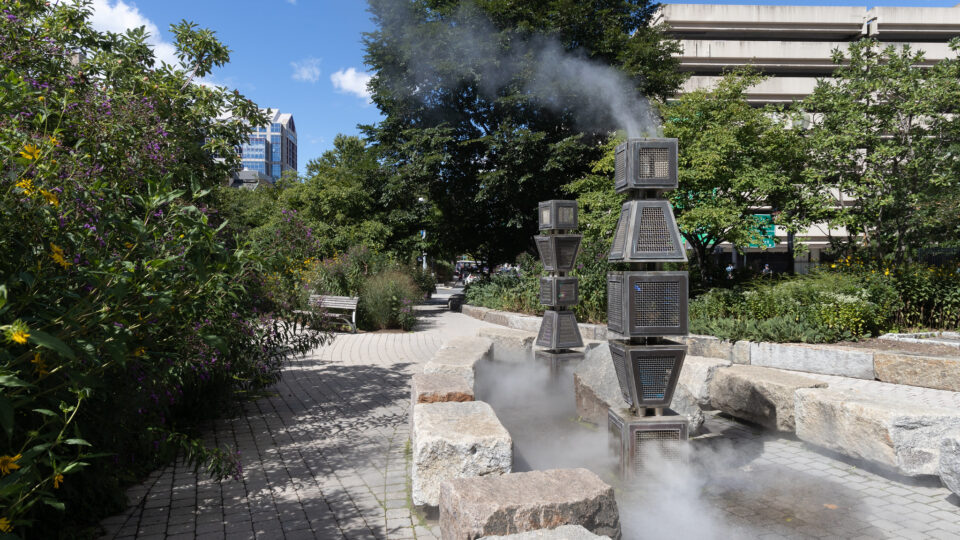
As of June, the world had seen 13 consecutive months of record-breaking heat.  The average global temperature over the last 12 of those months measured 1.5 degrees Celsius warmer than the preindustrial era. This means that the world has at least temporarily exceeded the temperature target set forth in the Paris Climate Agreement.

Does this mean that climate change has gotten to the point where keeping temperatures below that goal is no longer possible? Not necessarily. Temperatures could drop below the 1.5-degree level in the near future.

The world has certainly been warming as a result of climate change, but the spike in temperature for the past year has also been driven by an El Niño condition in the Pacific, which leads to warmer temperatures.  How much of the warming is a result of each factor is not known.

But scientists say that El Niño has ended in June and a La Niña condition is likely to take shape between August and October. This would lead to cooler temperatures in many places.

Despite the extensive and lingering heatwaves in the US in July, on a global scale, temperatures have actually started falling in July.  July may end up being the first month since June 2023 to not set a new monthly global temperature record.  Nevertheless, the long streak of record-high temperatures is no statistical anomaly.  It is indicative of a large and continuing shift in the climate.   Whether conditions in the Pacific produce an El Niño or a La Niña, the steady long-term warming will continue as long as human-generated carbon emissions continue.

**********

Web Links

How Bad Is Warming? La Niña May Reveal

Photo, posted September 19, 2022, courtesy of Paul Sableman via Flickr.

Earth Wise is a production of WAMC Northeast Public Radio
Geological thermal energy storage

August 7, 2024 By EarthWise Leave a Comment

The electricity grid is increasingly using solar and wind power.  Depending on those two sources requires the ability to store energy to have on hand when the sun isn’t shining and the wind isn’t blowing.   Energy needs to be stored away to be used hours, days, or even weeks after it is produced.

Energy storage is booming.  California has increased its energy storage capacity tenfold in recent times.  One day in April, storage batteries were the largest source of electricity in the state for a period of two hours.  But batteries are not the only way to store energy.  There are chemical, electrochemical, mechanical, and thermal methods that each has potential advantages and unique features.

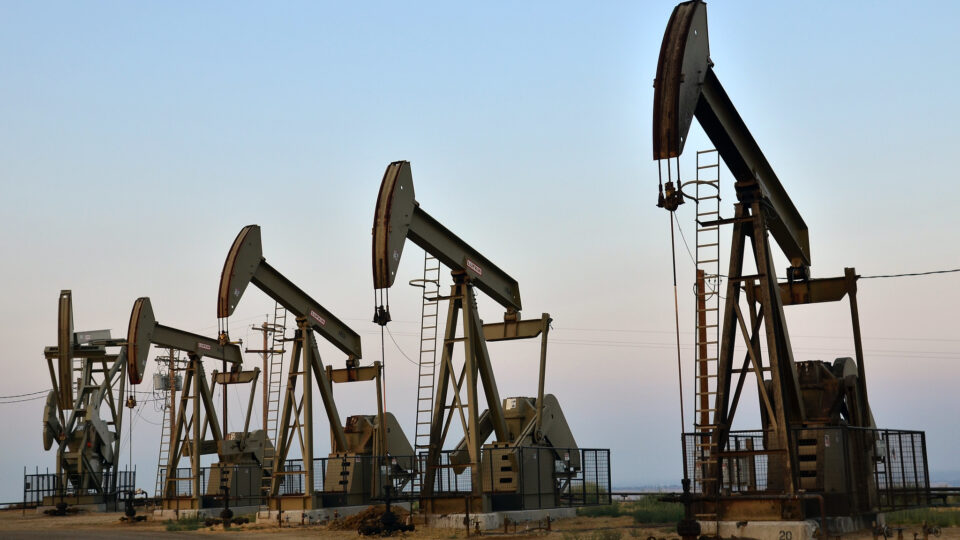
A project in Kern County, California, is making use of an abandoned oil field to create a long-term energy storage installation.  The plan is to retrofit depleted oil wells to store concentrated solar energy in superheated groundwater for long periods of time.  The stored heat can then be used to drive turbines when electricity is needed.

Some 1,200 feet below the surface of the oil field are pockets of permeable sandstone that have been emptied of the oil they previously contained.   An array of parabolic mirrors will gather solar energy that will heat silicon oil in an underground loop to 700 degrees Fahrenheit.  The oil pipeline will heat up groundwater down below.  When electricity is needed, the heated groundwater will be brought to the surface to operate turbines.

There is no new technology involved.  The individual aspects have never all been combined before, but the likelihood of success is high.  There are lots of depleted oil fields that could be used this way in the future.

**********

Web Links

Can a California Oilfield Be Retrofitted to Store Solar Energy?

Photo, posted July 18, 2017, courtesy of John Ciccarelli / BLM via Flickr.

Earth Wise is a production of WAMC Northeast Public Radio
Much more energy storage for New York

August 2, 2024 By EarthWise Leave a Comment

As solar and wind power play an ever-growing role in the electricity grid, the need for energy storage also grows.  Even if sun and wind can provide more energy than is needed at a particular time, they can’t provide it at all times.  The ability to store excess energy waiting in reserve for when the sun and wind are not providing it is essential to avoid the need for burning fossil fuels to take up the slack.

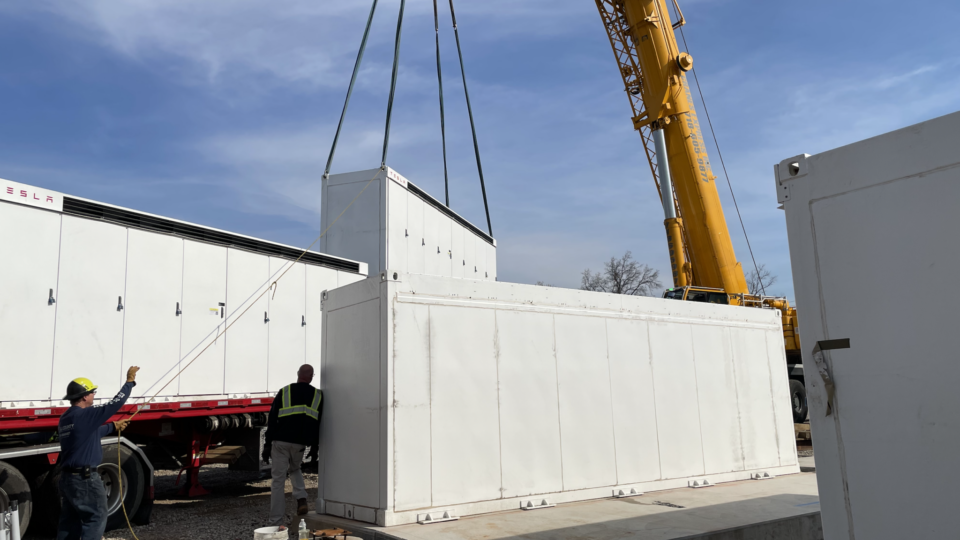
The New York State Public Service Commission has announced that it has approved a new framework for the state to have in place a nation-leading six gigawatts of energy storage by 2030.  This represents at least 20% of the peak electricity load of New York State.

An extensive set of recommendations to expand New York’s energy storage programs describe cost-effective ways to unlock the rapid growth of renewable energy across the state as well as to bolster the reliability of the grid.  The buildout of storage deployment is estimated to reduce projected future statewide electric system costs by nearly $2 billion.  New York has previously established goals to generate 70% of its electricity from renewable sources by 2030 and 100% zero-emission electricity by 2040.

The new roadmap includes programs to procure an additional 4.7 gigawatts of new energy storage projects across large-scale, retail, and residential energy storage sectors across the state.  These future procurements, when combined with the 1.3 gigawatts already being procured or under contract, will allow the State to achieve the 6-gigawatt goal by 2030.

Energy storage plays a critical role in decarbonizing the grid, reducing electricity system costs, and improving the reliability of the electricity system.

**********

Web Links

New York approves plan to add six gigawatts of energy storage by 2030

Photo courtesy of NineDot Energy.

Earth Wise is a production of WAMC Northeast Public Radio
The slippery slopes of the ski industry

July 18, 2024 By EarthWise Leave a Comment

According to the National Oceanic and Atmospheric Administration, snowfall is declining globally as temperatures warm because of human-caused climate change.  Less snow threatens to reinforce global warming, and to disrupt food, water, and livelihoods for billions of people.   

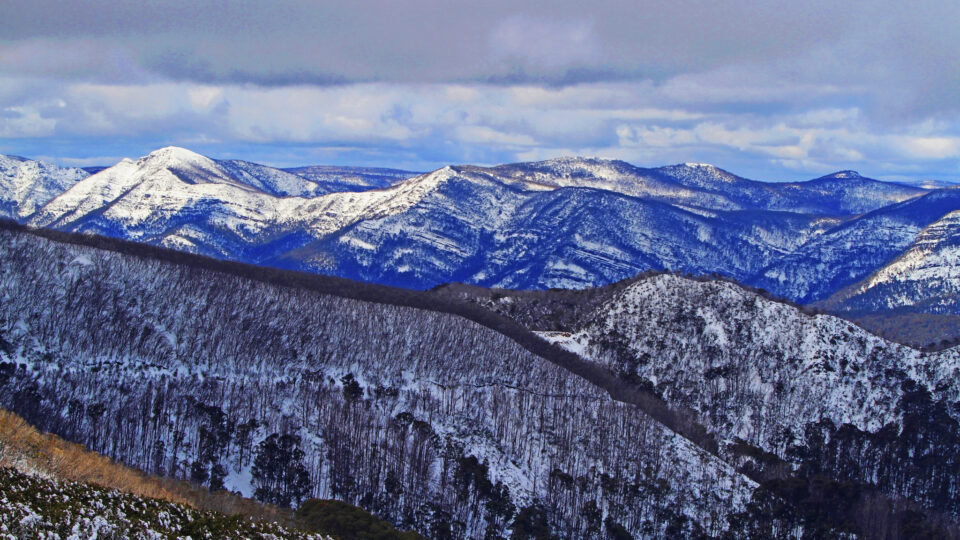
According to new modeling by researchers from Protect Our Winters Australia and The Australian National University, the ski industry in Australia is at risk of major disruptions and shorter seasons if climate change continues unabated.  The researchers found the average ski season across all resorts in Australia will be 44 days shorter by 2050 under a mid-greenhouse gas emissions scenario, and 55 days shorter under a high-emissions scenario.

But the research team also revealed that the Australian ski industry would fare significantly better if decisive action is taken to reduce climate pollution.  In fact, under a low-emissions scenario, the ski season would be 28 days shorter by 2050, before starting to improve by 2080 if emissions are kept down.

However, if decisive climate action isn’t taken, the researchers warn some ski resorts in Australia may be forced to close for good.  But this threat isn’t unique to Australia. 

In fact, according to a study recently published in the journal PLOS ONE, 13% of ski areas around the world are predicted to lose all natural snow cover under the high-emissions scenario by 2071-2100 – relative to their historic baselines. 

The future losses of ski areas around the world will be significant if global emissions continue unchecked.

**********

Web Links

Climate crisis puts Australia’s ski industry on slippery slope, but not all hope is lost

“Our Changing Snowscapes” Report Released

The future is likely less skiable, thanks to climate change

Photo, posted June 6, 2018, courtesy of Clement Tang via Flickr.

Earth Wise is a production of WAMC Northeast Public Radio

Floating cities

June 6, 2024 By EarthWise Leave a Comment

About 40% of the world‘s population lives in coastal regions.  People really like ocean-front property.  But worldwide, rising sea levels mean that more and more people want to live on land that may someday be swallowed up by the sea.

One possible solution to the problem is to build cities on top of the water.  It sounds pretty futuristic and impractical, but it is starting to happen.  There have long been floating communities in places like the Netherlands, but these are for the most part clusters of houseboats moored close together.

But there are far more ambitious projects underway.  The Maldives Floating City, already under construction, will eventually have 5,000 houses located in a lagoon that is a 15-minute boat ride from the capital city of Male.  The housing units will be tethered to the lagoon floor and linked together. 

A new project, located off Busan, South Korea, will combine high and low technology to create a large-scale, on-water town, that can house more than 10,000 people.

The town will be built on enormous concrete platforms suspended on the water.  The platforms float because they are rounded hexagonal boxes that are buoyed up by Archimedes’’ principle.  They can’t sink.  Such structures will attract marine life, providing places for oysters and mussels, for example, to grow. 

The initial development will cover 15 acres and the infrastructure will handle power, water, waste, and even some food.  The goal is even to produce enough energy to provide some to the nearby community.  A bridge will link the community to the land.

The project is scheduled to be completed in 2028.  Future expansion could end up housing 150,000 people.

Floating cities could soon no longer be exotic or futuristic.

**********

Web Links

Are Floating Cities the Solution to Rising Seas?

Photo, posted June 5, 2012, courtesy of Raymond Bucko via Flickr.

Earth Wise is a production of WAMC Northeast Public Radio
Penguin detectives

June 5, 2024 By EarthWise Leave a Comment

Researchers need aspiring conservationists to help them count emperor penguins

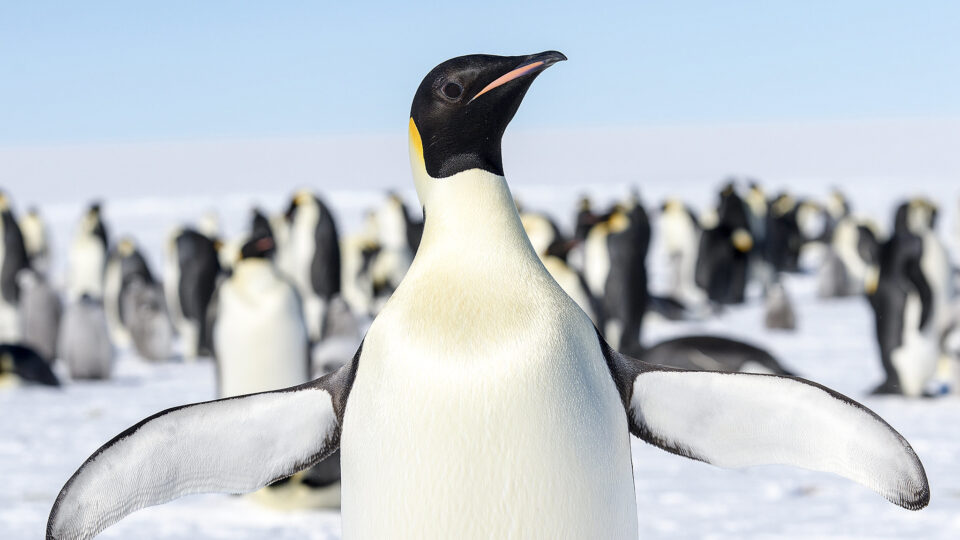
Emperor penguins, the tallest and heaviest of all living penguins, are also the most famous, being the subject of a very popular documentary film.  The ongoing loss of sea ice in Antarctica has led to unprecedented breeding failures in emperor penguin colonies. 

Since 2016, Antarctica has seen the four years with the lowest sea ice extent on record.  Between 2018 and 2022, 30% of the 62 known emperor penguin colonies were affected by partial or total sea ice loss.  Current predictions suggest that the population of emperor penguins will fall by 99% by the end of the century.

To monitor remote emperor penguin colonies, researchers use satellite images in which the brown stains of the birds’ guano stand out against the white ice and snow.

Researchers at the British Antarctic Survey have launched the ‘Polar Observatory’ on the online citizen science website Zooniverse to recruit ‘penguin detectives’ to help validate the accuracy of satellite images in assessing penguin populations.

The online app contains drone photos taken over the Snow Hill penguin colony.  The images have been split into more than 300 10-meter squares.  Volunteers are asked to identify any adult and chick penguins in a given picture.  The results will be fed into machine learning algorithms to train the AI systems in automatically counting penguins in future surveys.

The project is a fun opportunity for aspiring conservationists and penguin lovers in general to help learn more about the future of the species.  Interested people can learn more on the Zooniverse website.

**********

Web Links

‘Penguin detectives’ required for new counting app

Polar Observatory

Photo, posted October 7, 2017, courtesy of Christopher Michel via Flickr.

Earth Wise is a production of WAMC Northeast Public Radio

The global chocolate supply is threatened

May 16, 2024 By EarthWise Leave a Comment

The global supply of chocolate is threatened

The world is facing the biggest deficit of cocoa in decades. Most cocoa beans are grown in West Africa, where climate change-induced drought has ravaged crops.  Harvests are forecasted to fall short for the third consecutive year. 

The harvest shortfall has triggered a steep rise in cocoa prices.  In fact, cocoa prices have more than doubled in the first four months of this year, and have more than tripled in the past 12 months.

But drought isn’t the only threat:  A rapidly spreading virus is also threatening the future of chocolate.   

Approximately half of the world’s chocolate originates from cacao trees in Ghana and the Ivory Coast.  The Cacao Swollen Shoot Virus Disease is spread by small insects called mealybugs, which eat the leaves, buds, and flowers of cacao trees.  The virus is attacking cacao trees in Ghana, resulting in harvest losses of 15-50%. 

Pesticides don’t work well against mealybugs.  Farmers can vaccinate trees to inoculate them from the virus.  But the vaccines are expensive, and the vaccinated trees produce a smaller harvest of cacao.

According to a new paper recently published in the journal PLOS ONE, an international team of researchers has developed a new strategy to combat these pests: using mathematical data to determine how far apart vaccinated trees need to be planted in order to stop mealybugs from hopping from tree to tree.  The researchers developed two models that allow farmers to create a defensive ring of vaccinated trees around unvaccinated trees

The research team hopes its models will help farmers protect their crops and achieve better harvests in the future. 

**********

Web Links

Cacao sustainability: The case of cacao swollen-shoot virus co-infection

Will rising cocoa prices trigger a chocolate crisis?

Photo, posted April 1, 2019, courtesy of Konrad Lembcke via Flickr.

Earth Wise is a production of WAMC Northeast Public Radio

Skiing and climate change

April 12, 2024 By EarthWise Leave a Comment

Climate change threatens the future of skiing

According to the National Oceanic and Atmospheric Administration, anthropogenic climate change resulting in higher average temperatures has caused a global decline in snowfall.  Less snow threatens to reinforce global warming, and to disrupt food, water, and livelihoods for billions of people.  

According to a new study recently published in the journal PLOS ONE, annual snow cover days in all major skiing regions are projected to decrease dramatically as a result of climate change.  In the study, the research team from the University of Bayreuth in Germany examined the impact of climate change on annual natural snow cover in seven major skiing regions.  Using the public climate database CHELSA, the researchers predicted annual snow cover days for each ski area for 2011-2040, 2041-2070, and 2071-2100 under low, high, and very high carbon emissions scenarios.

Under the high emissions scenario, 13% of ski areas are predicted to lose all natural snow cover by 2071-2100 relative to their historic baselines.  By 2071-2100, average annual snow cover days were predicted to decline by 78% in the Australian Alps, 51% in the Southern Alps, 50% in the Japanese Alps, 43% in the Andes, 42% in the European Alps, 37% in the Appalachians, and 23% in the the Rocky Mountains – all declines relative to their historic baselines.

The future losses of natural snow cover in ski areas around the world will be significant if global emissions continue unchecked.

**********

Web Links

The future is likely less skiable, thanks to climate change

New maps show where snowfall is disappearing

Photo, posted April 14, 2006, courtesy of Kallu via Flickr.

Earth Wise is a production of WAMC Northeast Public Radio
An ice-free Arctic

April 9, 2024 By EarthWise Leave a Comment

A future ice-free Arctic is very likely as the climate warms

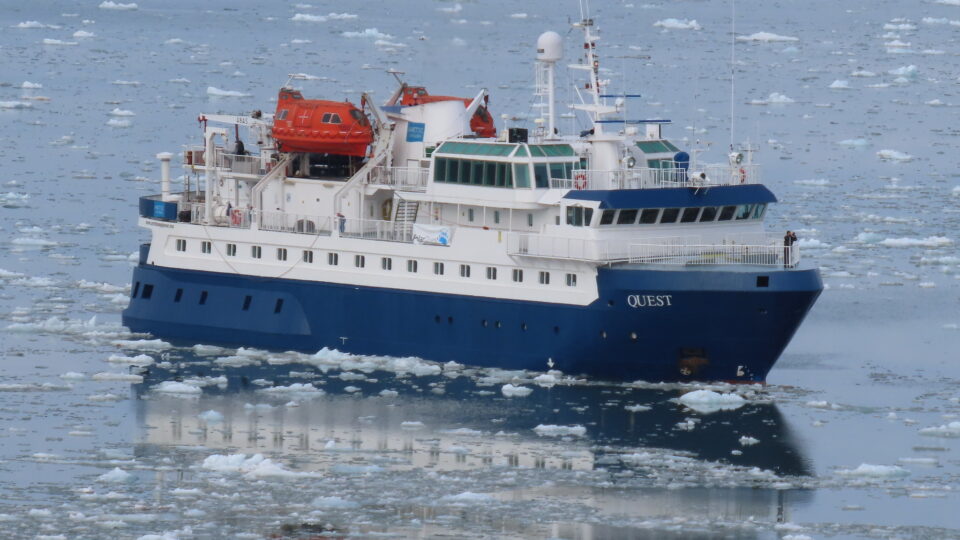
According to a new study by Colorado University, Boulder, the Arctic could see summer days with practically no sea ice as soon as sometime in the next few years.  Earlier predictions for when the first ice-free day in the Arctic could occur were sometime well into the 2030s.

By mid-century, the Arctic is likely to see an entire month without floating sea ice.  This would likely be in September, when ice coverage is at its minimum.  By the end of the century, the ice-free season could last for many months during the year.

Technically, an ice-free Arctic does not mean zero ice in the water.  The working definition is less than 386,000 square miles of ice, which represents less than 20% of what the minimum ice coverage was in the 1980s. In recent years, the coverage has been about 1.25 million square miles.

Sea ice coverage is a big deal because many Arctic animals rely on sea ice for survival, including seals and polar bears.  With warmer ocean water, invasive fish species could move into the Arctic Ocean, upsetting local ecosystems.  Sea ice loss also is a risk for coastal communities because the ice buffers the impact of ocean waves on the coastal land.  As the ice retreats, ocean waves would get bigger, eroding the coasts.

At this point, an ice-free Arctic is basically inevitable, but its annual duration will depend on society’s efforts to reduce carbon emissions.  Lengthy periods of minimal sea ice would transform the Arctic into a completely different environment with global effects that are mostly highly undesirable.  However, Arctic sea ice is resilient and could return fairly quickly if the atmosphere cools down.

**********

Web Links

The Arctic could become ‘ice-free’ within a decade

Photo, posted July 9, 2022, courtesy of Reiner Ehlers via Flickr.

Earth Wise is a production of WAMC Northeast Public Radio
Sodium-ion batteries

January 31, 2024 By EarthWise Leave a Comment

The transition away from fossil fuels is driving a rapidly increasing need for batteries.  Both electric vehicles and energy storage for the electric grid are enormous consumers of batteries.  At present, lithium-ion batteries are almost universally used for these purposes.  They have been getting better all the time and cheaper all the time and are likely to be the answer for the foreseeable future.  But they are not perfect.

Lithium is only found in a relatively small number of places and mining and extracting it is fairly expensive and environmentally unfriendly.  Lithium-ion batteries also frequently contain cobalt, which has its own set of problems.  There are also safety issues related to the flammability of lithium-ion batteries. 

As a result, there continue to be numerous efforts to identify and develop alternative battery technologies.  One of these is sodium-ion batteries, which are similar in many ways to lithium-ion batteries but in which sodium replaces lithium as the cathode material.

Sodium is extremely common – it’s found in ordinary salt – and sodium-ion batteries have a high energy density and are easy to produce.  They should have a long lifetime and have a more benign environmental impact than lithium-ion.  Many companies and researchers are working on sodium-ion batteries and are making good progress.

A study by Chalmers University in Sweden looked at the potential for sodium-ion batteries and found that the batteries are particularly promising for use in energy storage even in their current state of development and could eventually be used in cars.  Whether sodium-ion batteries can be good enough and cheap enough quickly enough to give lithium-ion a run for its money remains to be seen.

**********

Web Links

Resource-efficient and climate-friendly with sodium-ion batteries

Photo, posted March 12, 2013, courtesy of Chris Hunkeler via Flickr.

Earth Wise is a production of WAMC Northeast Public Radio

Pesticides and beeswax

December 25, 2023 By EarthWise Leave a Comment

Pesticides linger in beeswax

Honey bee colonies in the United States have experienced annual population declines since 2006.  Commercial beekeepers have reported honey bee colony loss rates averaging 30% each winter, which is startling when compared to historical loss rates of just 10-15%.  According to the USDA, there are many factors contributing to this decline, including parasites, pests, diseases, pesticides, and a phenomenon called Colony Collapse Disorder, in which worker bees abandon a hive and leave behind the queen.

According to a new study by researchers from Cornell University, beeswax in managed honey bee hives contains a variety of pesticide, herbicide, and fungicide residues.  Because bees reuse wax over years, these harmful chemicals can accumulate inside hives, exposing current and future generations of bees to long-term toxicity. 

The study, which was recently published in the Journal of Veterinary Diagnostic Investigation, adds that humans may also be exposed to these pesticides through contaminated honey, pollen, and beeswax (which is used in certain soaps, lotions, and cosmetics).  However, the amounts in these products are unlikely to pose a major threat to human health.

Pesticides get into the beeswax when bees feast on the nectar and pollen of plants that have been treated with the chemicals. According to the researchers, understanding which contaminants are impacting domestic honey bee populations could help better protect them and other pollinators, including birds, bats, wild bees, and other insects.

**********

Web Links

Pesticides detected in beeswax

Photo, posted November 22, 2008, courtesy of Andrew Rivett via Flickr.

Earth Wise is a production of WAMC Northeast Public Radio
Who wins: Wind or solar?

November 27, 2023 By EarthWise Leave a Comment

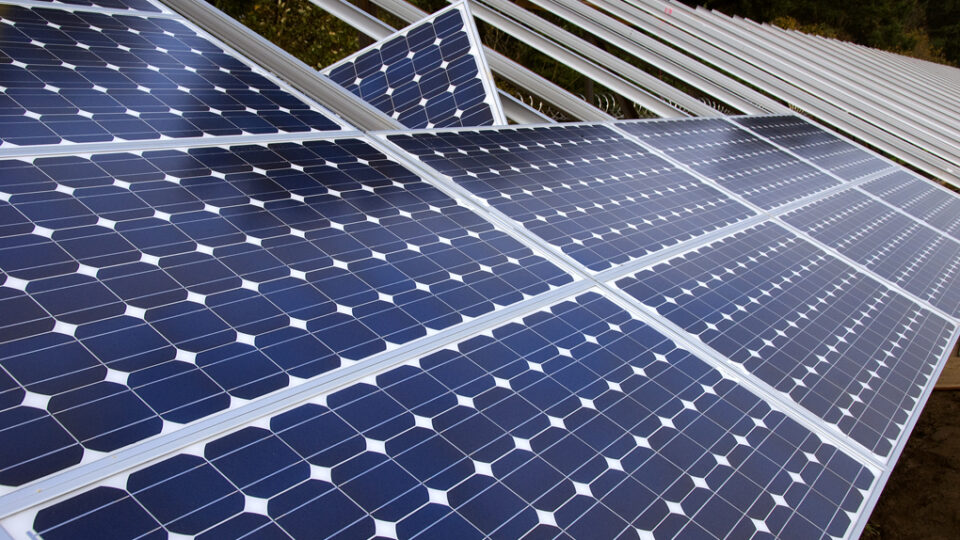
A new study by the University of Exeter in the UK suggests that the world may have crossed a tipping point that will inevitably make solar power our main source of energy.  This data-driven model of technology seems to fly in the face of the current situation in which wind power contributes considerably more generation than solar power – by a factor of 3 in the U.S. and nearly double worldwide.

Wind and solar power both have advantages and disadvantages.  Solar power is quiet, requires little maintenance, and presents little danger to wildlife.  It is also practical for individual homes.  Residential wind power is not really a viable option for most people in most places.  But on the other hand, wind energy can produce more power than solar, can work both day and night, and can be located offshore far away from people.  On land, both wind and solar power take up lots of space and compete with other land use needs as well as countering people’s aesthetic preferences.

Both technologies continue to get cheaper over time, although solar has especially seen significant cost reductions.  The cost of solar power, which is already the cheapest form of electricity production, is estimated to fall to as low as $20 per megawatt hour over time from the current level of $40 per megawatt hour.

Wind and solar energy are on track to account for more than a third of the world’s electricity by 2030, according to the Rocky Mountain Institute.  Despite the predictions of various studies and the ambitions of specific technologies, it seems likely that wind and solar power will both play an expanding role in our energy systems for a long time to come.

**********

Web Links

World may have crossed solar power ‘tipping point’

Photo, posted November 22, 2008, courtesy of Oregon Department of Transportation via Flickr.

Earth Wise is a production of WAMC Northeast Public Radio
More renewable energy for New York

November 24, 2023 By EarthWise Leave a Comment

More renewable energy coming for New York

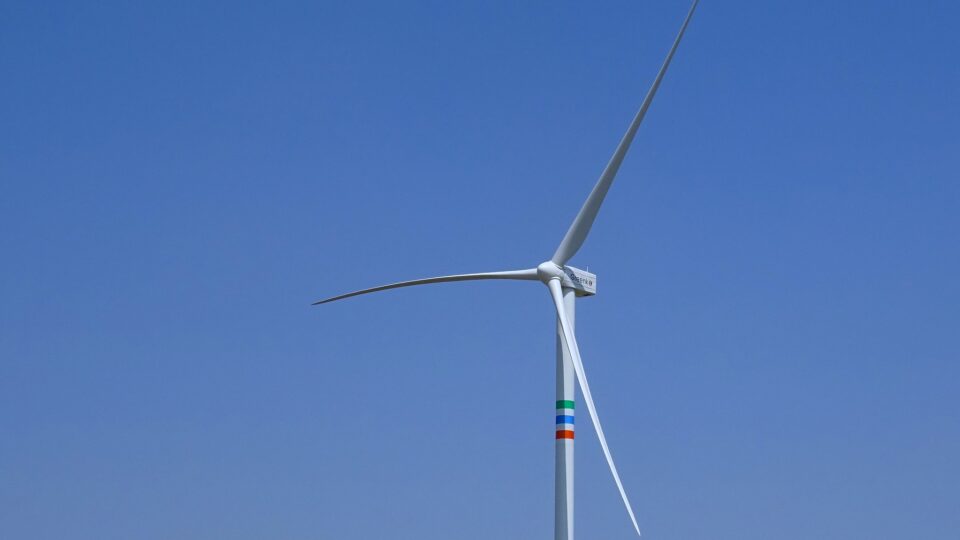
In late October, New York announced its largest state investment in renewable energy to date that includes three offshore wind projects, and 22 land-based clean energy projects totaling more than 6 GW of power generation.

The portfolio of projects is expected to create approximately 8,300 jobs and spur $20 billion in economic investments statewide.

The projects support the state’s goal to have 70% of its electricity come from renewable sources by 2030 and to have 9 GW of offshore wind operating by 2035.  The announcement represents the first set of actions taken by the State as part of New York’s 10-Point Action Plan.

The three offshore wind projects include Attentive Energy One, a 1.4 GW project that seeks to retire fossil fuel power generation in New York City.  Community Offshore Wind, a 1.3 GW project will make use of a new grid interconnection in downtown Brooklyn.  Excelsior Wind, another 1.3 GW project, will provide robust energy deliverability to Long Island. 

Apart from the offshore wind projects, there will be 14 new solar projects, six wind upgrading projects, one new wind project, and one return-to-service hydroelectric project.

The average bill impact for customers over the life of the land-based projects is estimated to be approximately 0.31%, or about 32 cents a month for the average customer.  The bill impact for customers utilizing the offshore wind projects is estimated to be about 2.7%, or $2.93 per month.

*********

Web Links

NY to invest in 3 offshore wind farms, 22 land-based renewable projects

Photo, posted October 21, 2016, courtesy of B Sarangi via Flickr.

XXXXXXXXXXXXXXX

Lots of female turtles

November 3, 2023 By EarthWise Leave a Comment

Climate change threatening the future of green sea turtles

Green sea turtles were listed under the Endangered Species Act in 1978.  Since that time, there have been conservation measures put in place in many locations.  One such place is Florida, where restrictions on beachfront development and careful monitoring of turtle nests has helped to get hatchlings safely into the water.  A gill net ban in 1995 sharply reduced the number of young turtles killed by fishing gear.

All of this has resulted in what is described as an explosion in turtle populations in Florida.  Volunteers monitoring the 2023 nesting season on Florida’s beaches have counted more than 74,000 nests.  That beats the previous record – set in 2017 – by an incredible 40%.

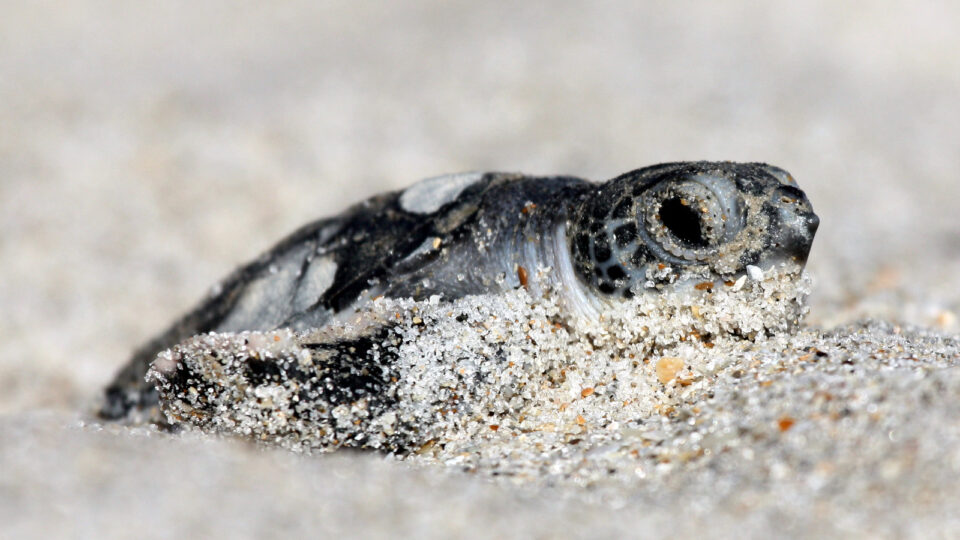
Unfortunately, this does not represent a guaranteed great future for the species.  Sea turtles are particularly sensitive to the warming climate.  The sex of a baby sea turtle is not determined by DNA, but rather by the temperature of the sand in which its egg develops.  Cooler temperatures mean more males; warmer ones mean more females.

In recent years, the proportion of male green sea turtles has dwindled substantially.  In the past few seasons, between 87 percent and 100 percent of the hatchlings tested in Florida have been female.

In the short term, the skewed sex ratio might be a boon for the species.  Lots of females laying lots of eggs means lots of turtles.  Sea turtles don’t reach sexual maturity until their twenties or thirties.  So, for the next few decades, there are likely to be growing numbers of turtle nests.  But down the line, there is going to be a real problem.  Where will for all the female turtles find the mates to populate the species in the future?

**********

Web Links

Florida Turtle Nests Are Recovering. When They Hatch, Expect Mostly Girls.

Photo, posted October 5, 2011, courtesy of Keenan Adams / USFWS via Flickr.

Earth Wise is a production of WAMC Northeast Public Radio
Geologic Hydrogen | Earth Wise

October 20, 2023 By EarthWise Leave a Comment

Exploring geologic hydrogen

There is great interest in the potential use of hydrogen as a fuel or an energy storage medium.  Unlike hydrocarbon-based fuels, pure hydrogen combustion produces nothing but water as an emission.  But most hydrogen used at present is made by reforming natural gas, which is a process that results in carbon dioxide emissions.  Thus, the search goes on for cost-effective and energy-efficient ways to make “green hydrogen” that doesn’t result in greenhouse gas emissions.

Researchers at Colorado University Boulder are investigating the potential effectiveness of coaxing hydrogen from subterranean rocks – a commodity known as geologic hydrogen.

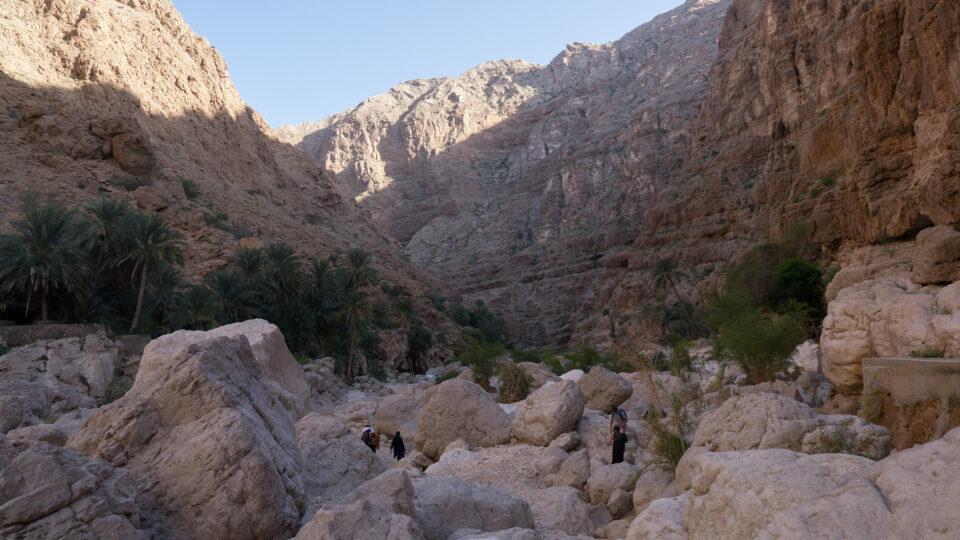
When water mixes with iron-rich minerals deep in the earth’s crust, ensuing chemical reactions can generate pockets of hydrogen gas. 

The questions are whether it is possible to bring these deposits up to the surface without harming the environment or human communities in the process and whether they can be extracted in large enough quantities to meet growing global energy demands.

The Colorado researchers will conduct experiments both in the lab and hundreds of meters below the earth’s surface to see if it is possible to induce the subterranean rock to make more hydrogen than it normally does.  If the hydrogen-producing reactions can be accelerated, then geologic hydrogen could become a clean and abundant energy source.

Geologists have known about hidden underground deposits of hydrogen for a long time, but recent research has found that there may be a lot more of it than once thought.  According to a 2022 report by the US Geological Survey, there may be enough hydrogen below ground to supply humanity’s need for fuel for hundreds of years.

**********

Web Link

Can rocks produce abundant clean energy? New project to explore

Photo, posted December 26, 2013, courtesy of Juozas Šalna via Flickr.

Earth Wise is a production of WAMC Northeast Public Radio
Glacier Loss Day | Earth Wise

October 9, 2023 By EarthWise Leave a Comment

Glaciers are sensitive indicators of climate change

Glaciers are sensitive indicators of climate change that respond to changes in both temperature and precipitation.  But they are not only affected by climate change, they also affect climate change.  As glaciers melt, they contribute to sea level rise, alter regional hydrology, and influence the global energy balance.

A group of glacier experts from the University of Innsbruck in Austria introduced a concept called “Glacier Loss Day” or GLD as a way to measure the annual mass balance of glaciers.  Mass balance is the difference between the amount of snow and ice that accumulates on a glacier and the amount that melts or sublimates.  If the mass balance is positive, the glacier is growing.  If the mass balance is negative, the glacier is shrinking.

GLD is the day during the year when the glacier has lost all the mass it gained during previous winter.  This is a similar concept to Earth Overshoot Day, which marks the date when humankind’s demand for ecological resources exceeds the amount the planet can regenerate during the year.

The Hintereisferner, a glacier in the Tyrolean Alps, has been monitored for more than 100 years and there are continuous records of its mass balance since 1952.  In 2022, the GLD on the Hintereisferner was measured on the 23rd of June.  In the two previous years, it was reached in the middle of August.  Even in years with large negative balances, such as 2003 and 2018, GLD did not occur until the end of July.

Every summer in the future may not be like 2022, but the trend is clear.  Climate change is taking its toll on glaciers.  Experts project that the Hintereisferner will lose half of its volume in the next 10 to 20 years.

**********

Web Links

Glacier Loss Day indi­cates record break­ing glacier melt

Photo, posted July 20, 2023, courtesy of Pedro Szekely via Flickr.

Earth Wise is a production of WAMC Northeast Public Radio
The Captive Lion Problem | Earth Wise

September 25, 2023 By EarthWise Leave a Comment

In the 1990s, there was rapid growth in South Africa of the private wildlife industry.  Large numbers of cattle, sheep, and goat ranchers replaced their domestic livestock with wild animals that wealthy hunters would pay lots of money to shoot.  Lions were among the most prized targets for these people.  Over time, hundreds of ranchers became involved in the business of breeding large numbers of the big cats in cages or small enclosures.  Wealthy clients paid $25,000 to $40,000 to shoot a captive-bred lion – cheaper than the cost of a true wild lion hunt and much easier too.  The animals were not afraid of humans and were easy to find.

By 2015, about 200 ranches held at least 8,000 captive-bred lions.  Over 600 were trophy-hunted that year, generating about $16 million in trophy fees, mostly from Americans.

Journalists and conservationists exposed poor conditions on many lion farms and many other abuses.  Over time, the South African government cracked down on the export of lion bones and other body parts for taxidermy, traditional Chinese medicine, and other uses.  The days of captive lion breeding seemed numbered but shutting down the lucrative industry is not easy.

Wild lions in South Africa are not endangered.  In fact, existing sanctuaries and preserves have as many lions as they can sustain.  What to do with thousands of captive lions is a real problem.  Some have suggested mass euthanasia, but that appalling idea has garnered very little support.  The future of these animals still hangs in the balance and so far, there are really no truly desirable solutions in the offing.

**********

Web Links

If South Africa Ends Lion Breeding, What to Do With Captive Cats?

Photo, posted August 21, 2011, courtesy of Leszek Leszczynski via Flickr.

Earth Wise is a production of WAMC Northeast Public Radio

Endangered Plants And The Changing Climate | Earth Wise

August 31, 2023 By EarthWise Leave a Comment

Plants are a critical resource because of the countless ways they support life on Earth. Plants release oxygen into the atmosphere, absorb carbon dioxide, and provide food and habitat for humans and wildlife.  Plants are also used to produce fibers, building materials, and medicines. 

Plants form the backbone of natural ecosystems, and absorb about 30% of all the carbon dioxide emitted by humans each year.  But plants are struggling to adapt in a human-dominated world.  Even though they are easier and cheaper to protect than animals, plants are often overlooked in conservation efforts.

Ironically, conservation efforts appear to be overlooking a key threat to endangered plants.  According to a new study led by researchers from Penn State University, all plants and lichens listed as endangered under the Endangered Species Act are sensitive to climate change, but there are few plans in place to address that threat directly. 

The threat that climate change poses to endangered plants and lichens had not been thoroughly evaluated in more than a decade.  In the study, which was recently published in the journal PLOS Climate, the research team adapted existing assessment tools used to examine the threat of climate change for wild animals and applied them to 771 endangered plant species.  The researchers found that all endangered plant and lichen species are at least slightly threatened by climate change, and little is being done to protect the listed species from that threat.

The researchers hope their findings will be used to aid future conservation planning.  After all, plants can live without humans, but humans cannot live without plants.

**********

Web Links

Climate change threatens 771 endangered plant and lichen species

Photo, posted June 12, 2014, courtesy of Mark Freeth via Flickr.

Earth Wise is a production of WAMC Northeast Public Radio

  • « Go to Previous Page
  • Page 1
  • Page 2
  • Page 3
  • Page 4
  • Interim pages omitted …
  • Page 6
  • Go to Next Page »

Primary Sidebar

Recent Episodes

  • An uninsurable future
  • Clean energy and jobs
  • Insect declines in remote regions
  • Fossil fuel producing nations ignoring climate goals
  • Trouble for clownfishes

WAMC Northeast Public Radio

WAMC/Northeast Public Radio is a regional public radio network serving parts of seven northeastern states (more...)

Copyright © 2026 ·