• Skip to primary navigation
  • Skip to main content
  • Skip to primary sidebar

Earth Wise

A look at our changing environment.

  • Home
  • About Earth Wise
  • Where to Listen
  • All Articles
  • Show Search
Hide Search
You are here: Home / Archives for ford

ford

Electric Cars Getting Cheaper | Earth Wise

April 12, 2023 By EarthWise Leave a Comment

Electric cars are getting cheaper

A sticking point for buying electric cars has always been that they are typically more expensive than equivalent gasoline-powered cars.  But increasing competition, government incentives, and falling prices for lithium and other battery materials is changing the equation.  In fact, the tipping point when electric cars are as cheap or even cheaper than internal combustion cars is likely to happen this year for many cars and, in fact, has already happened for some.

Battery production is ramping up for Tesla, General Motors, Ford, and others, creating cost savings from mass production. Companies manufacturing batteries in the United States are receiving government subsidies as part of a drive to establish a domestic supply chain and reduce dependence on China.  Before anyone cries foul, it should be noted that globally, oil companies received a trillion dollars in subsidies last year.  The Inflation Reduction Act is making it cheaper for automakers to build electric cars (provided they do it in the United States using US materials) and cheaper for consumers to buy them because of tax credits.

Multiple companies have lowered the price of their electric vehicles in recent months, including both the Tesla Model 3 and Model Y, which are the best-selling electric cars in the United States. GM’s electric Equinox crossover will start at about $30,000, which is still about $3,400 more than the gas-powered version.  But once the electric vehicle tax credit is figured in, it will actually be cheaper.

Electric cars are already cheaper to own and operate because of the much lower cost of powering with electricity instead of gas as well as the greatly reduced maintenance costs for the vehicles.  Once the purchase price of these cars is less than that of gas-powered cars, the economics becomes a no-brainer.

**********

Web Links

Electric Vehicles Could Match Gasoline Cars on Price This Year

Photo, posted May 11, 2021, courtesy of Chris Yarzab via Flickr.

Earth Wise is a production of WAMC Northeast Public Radio
The Carbon Footprint Of Electric Vehicles | Earth Wise

November 29, 2022 By EarthWise Leave a Comment

Electric vehicles are widely known to be the environmentally friendly alternative to internal combustion-based cars.   But there are skeptics who argue that EVs actually have a larger carbon footprint than nonelectric vehicles.  The argument is that the manufacturing and disposal of vehicle batteries is very carbon intensive.  They also point to the reliance on coal to produce the electricity that powers the cars.

These claims have led to multiple studies in the form of life-cycle analyses comparing the amount of greenhouse gases created by the production, use, and disposal of a battery electric vehicle to that associated with a gasoline-powered car of a similar size.

In short, the studies have found that while it is true that the production of a battery electric vehicle results in more emissions than a gasoline-powered one, this difference disappears as the vehicle is driven. 

According to a study conducted by the University of Michigan and financed by the Ford Motor Company, the emissions equation evens out in 1.4-1.5 years for sedans, 1.6-1.9 years for S.U.V.s, and about 1.6 years for pickup trucks.

Emissions from driving come from burning gas in the nonelectric vehicles and from the generation of electricity used by the battery-powered cars.  In the current average power mix across the U.S., driving an EV results in a 35% reduction in emissions.  However, it varies tremendously by location.  There are some places with very dirty power and some with very clean power.  But of the more than 3,000 counties in the U.S., only 78 end up with higher emissions from electric cars.  Of course, as the electric grid gets greener, the advantages of electric cars only become greater.

**********

Web Links

E.V.s Start With a Bigger Carbon Footprint. But That Doesn’t Last.

Photo, posted May 21, 2022, courtesy of Ivan Radic via Flickr.

Earth Wise is a production of WAMC Northeast Public Radio
Electrifying Delivery Vehicles | Earth Wise

October 12, 2022 By EarthWise Leave a Comment

Electrifying delivery vehicles is important for the climate

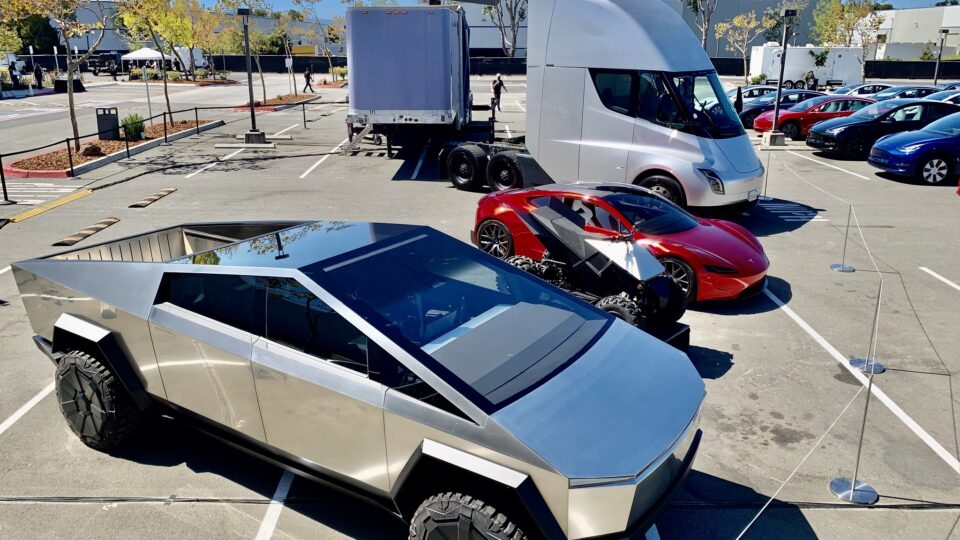
Most of the buzz about electric vehicles relates to passenger cars as the auto industry is making a major transition away from gasoline power.  Recently, pickup trucks have started to get some attention as well as Ford’s electric version of the F-150 truck has hit the streets and the long-awaited Tesla Cybertruck will be introduced next year.  There hasn’t been as much talk about delivery vehicles, but there should be.

There are about 15 million delivery vehicles in the U.S., and they are a significant contributor to greenhouse gas emissions.   The post office alone has a quarter million of them.  Such vehicles are especially attractive candidates for electrification.  Most travel relatively consistent and short routes, which makes it easier for companies to be able to charge them and keep them charged.

Electrifying delivery vehicles in cities is especially important because the vehicles travel into and through residential neighborhoods, spreading pollution and particulates as they go.

Some provisions of the Inflation Reduction Act provide credits for the purchase of commercial vehicles.  Light-duty vans and trucks qualify for a credit of as much as $7,500.  Medium- and heavy-duty trucks qualify for credits as high as $40,000.  In addition, substantial tax credits are available for the installation of charging equipment.

According to a study by the Rocky Mountain Institute, sixty percent of new truck sales could be electric by 2030.  By 2035, the trucking industry could cut its emissions in half.

American companies are already stepping up to the plate.  Amazon plans to deploy 100,000 electric delivery vehicles from new automaker Rivian.  Walmart, UPS, FedEx, and others have also committed to electrified trucks.

**********

Web Links

The Climate Bill Will Electrify More Delivery Vans and Trucks

Photo, posted August 1, 2021, courtesy of Ivan Radic via Flickr.

Earth Wise is a production of WAMC Northeast Public Radio
Electric Cars On The Rise | Earth Wise           

May 16, 2022 By EarthWise Leave a Comment

Sales of electric vehicles surging

The first quarter of the year was a tough one for the U.S. auto industry.  Overall sales of cars and trucks were down 15.7% compared with last year.   Automakers have been dealing with shortages of computer chips and other supplies, resulting in slowdowns in production.

The one major exception to the trend has been sales of electric cars.  In the first quarter, U.S. electric vehicle sales were up 76% compared with last year.  This was enough to double EV’s market share to 5.2%, up from 2.5% last year.

Reaching a five percent market share is a significant indicator that electric vehicles are becoming mainstream.  According to many industry analysts, this is just the beginning of a major ramp-up in EV sales.

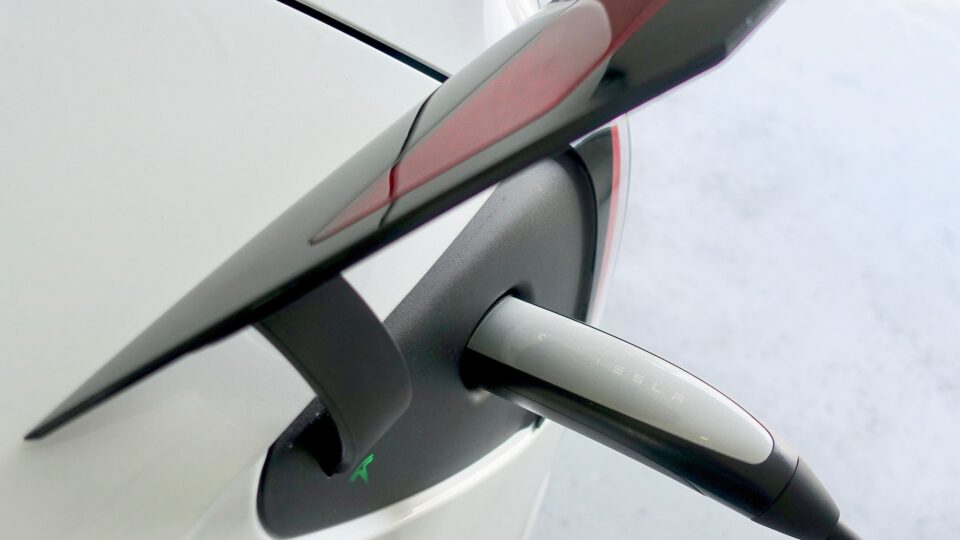
The strong results in the first quarter were largely driven by one company – namely, Tesla.  Tesla has been expanding rapidly and has been proactive and creative in avoiding delays due to parts shortages.  Tesla’s best-selling car is now the Model Y, which is an SUV implementation of its Model 3 design.  Overall, the company is now producing cars at a rate of more than 1 million per year and has recently opened new manufacturing plants in Texas and in Germany.

But Tesla is not the only story in the world of electric vehicles.  Mass production is beginning for Ford’s F-150 Lightning truck. 

Nissan, Hyundai and Kia have electric cars on the market and shortly near-twin electric models jointly developed by Subaru and Toyota will be available as well.

The electrification of vehicles is an essential step in reducing greenhouse gas emissions.  With gasoline at painfully high prices, electric cars are more attractive than ever.

**********

Web Links

Inside Clean Energy: US Electric Vehicle Sales Soared in First Quarter, while Overall Auto Sales Slid

Photo, posted October 13, 2017, courtesy of Rob Bertholf via Flickr.

Earth Wise is a production of WAMC Northeast Public Radio.

Electric Pickup Trucks | Earth Wise

April 5, 2022 By EarthWise Leave a Comment

There are more and more electric cars on the market as auto manufacturers move toward fleet-wide electrification.  In the United States, pickup trucks are massively popular.  The top three selling vehicles in the country are all trucks, led by the Ford F-Series.  Thus, it is no surprise that automakers are now turning their attention to electric pickup trucks.

Some of the trucks are from established manufacturers like Ford and Chevy and others from new companies like Rivian.  The Ford F-150 Lightning is bound to be a big seller.  There are hundreds of thousands of pre-orders for Tesla’s exotic Cybertruck, now expected to enter the market next year.

A recent study looked at the environmental impact of pickup truck electrification.  The central question is what does the transition to electric trucks mean for the overall decarbonization of the transportation industry?

Researchers from the University of Michigan and the Ford Motor Company conducted a cradle-to-grave assessment of the life cycle of pickup trucks and compared the implications of truck electrification to those of sedans and SUVs.

The study found that replacing an internal combustion-powered vehicle with a battery-powered vehicle results in greater total greenhouse gas emission reductions as the size of the vehicle increases, which is no real surprise considering how much more gas larger vehicles use.

The study also found that manufacturing electric vehicles produces more emissions than gas-powered vehicles, but the impact is offset by savings in their operation.  Breakeven time is little more than a year.

Basically, the results are that replacing gas-powered trucks with electric trucks is even a bigger win for the planet than replacing gas cars with electric cars.  Let’s hope we see plenty of electric trucks on the roads in the near future.

**********

Web Links

Study: Greater greenhouse gas reductions for pickup truck electrification than for other light-duty vehicles

Photo, posted September 22, 2020, courtesy of Steve Jurvetson via Flickr.

Earth Wise is a production of WAMC Northeast Public Radio.

Policy Moves on Electric Cars | Earth Wise

February 26, 2021 By EarthWise Leave a Comment

The transition to electric vehicles is underway

In recent times, there have been several significant events affecting the transition to electric vehicles.  The new administration has made aggressive moves toward fighting climate change.  Wall Street investors have placed more value on Tesla stock than that of GM, Toyota, Volkswagen, and Ford combined.  China, the world’s largest car market, recently mandated that most new cars must be powered by electricity within 15 years.

Against this background, the CEO of General Motors announced in late January that the company will aim to sell only zero-emission cars and trucks by 2035.

This announcement took the rest of the auto industry by surprise.  In the past, the industry tended to present a united message on emissions and other policy issues.  This time around, GM has stepped out in front of the issue.

GM has already committed to spending $27 billion to introduce 30 electric vehicle models by 2025 and is building a plant in Ohio to make batteries for those cars and trucks.

A key driver in the GM decision, no doubt, was an executive order signed by President Biden on his first day of office.  The order directed the Environmental Protection Agency to immediately begin developing tough new tailpipe pollution regulations, designed to reduce the nation’s largest source of greenhouse gas emissions.

Even before the change in administration, five other major automakers – BMW, Ford, Honda, Volkswagen, and Volvo – had already legally bound themselves to tougher fuel economy standards in a deal with California.  Those companies committed to an average fuel economy of 51 miles per gallon in 2026.

While no other large automaker has set a specific target date for selling only electric vehicles, many of them are moving in that direction.  The rapid growth of Tesla is an indicator of where the auto industry is heading.

**********

Web Links

G.M. Announcement Shakes Up U.S. Automakers’ Transition to Electric Cars

Photo, posted July 29, 2017, courtesy of Steve Jurvetson via Flickr.

Earth Wise is a production of WAMC Northeast Public Radio.

Other Ways To Cut Vehicle Emissions

October 17, 2019 By EarthWise Leave a Comment

It is pretty clear that the way to drastically reduce vehicle greenhouse gas emissions is to switch as many vehicles as possible to electric power.  As a result, more and more localities are putting in place policies that encourage electrification.

While there is no doubt that electrification is the long-term solution to vehicle emissions, a recent study by MIT and the Ford Motor Company found that, in the short term, there are some places in the US where electric cars are not the best way to reduce emissions.

The study looked at a variety of factors that affect the relative performance of vehicles.  These include the role of low temperatures in reducing battery performance, regional differences in the average number of miles driven annually, and significant differences in the way electricity is generated in different parts of the US.

The results showed that electric vehicles definitely provide the greatest impact in reducing greenhouse gas emissions for most of the country – and particularly on both coasts and in the south – but that there are some places in the upper Midwest where the greatest reduction would be achieved by the use of lightweight gasoline-powered vehicles.

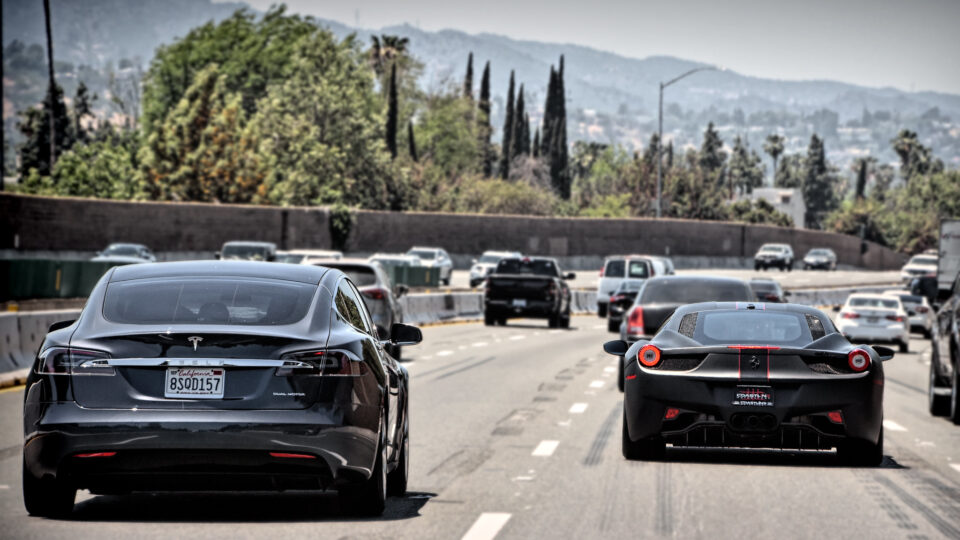
In places like parts of Wisconsin and Michigan, it is mostly rural, there are cold winters, and electricity is predominantly generated by coal-powered plants.  In these places, if gas-powered lightweight cars were to be used, the overall benefit would be greater than that of electric cars.  Unfortunately, there are no high-volume lightweight gasoline-powered mid-sized cars on the market in the US.  Ironically, the only cars of that class using lightweight aluminum construction are Teslas.

While electric cars are truly the long-term solution, the study does demonstrate the benefits of reducing the weight of vehicles.

**********

Web Links

What’s the best way to cut vehicle greenhouse-gas emissions?

Photo, posted February 9, 2018, courtesy of Dave Field via Flickr.

Earth Wise is a production of WAMC Northeast Public Radio.

France And Climate Change

August 15, 2017 By EarthWise

https://earthwiseradio.org/wp-content/uploads/2017/08/EW-08-15-17-France-and-Climate-Change.mp3

On the heels of the Trump Administration’s decision to withdraw from the Paris Climate Accord, France has rolled out ambitious plans to reduce its carbon footprint even further. 

[Read more…] about France And Climate Change

The Struggle For Fuel Economy

May 31, 2016 By WAMC WEB

https://earthwiseradio.org/wp-content/uploads/2016/05/EW-05-31-16-Struggle-For-Fuel-Economy.mp3

Five years ago, the Obama Administration announced that the Corporate Average Fuel Economy or CAFE standard for the year 2025 would be 54.5 miles-per-gallon.   They estimated that improving the average fuel economy of cars and light-duty trucks to this level would save car owners $1.7 trillion at the pump and eliminate more than 6 billion metric tons of greenhouse gas emissions.

[Read more…] about The Struggle For Fuel Economy

Primary Sidebar

Recent Episodes

  • An uninsurable future
  • Clean energy and jobs
  • Insect declines in remote regions
  • Fossil fuel producing nations ignoring climate goals
  • Trouble for clownfishes

WAMC Northeast Public Radio

WAMC/Northeast Public Radio is a regional public radio network serving parts of seven northeastern states (more...)

Copyright © 2026 ·