• Skip to primary navigation
  • Skip to main content
  • Skip to primary sidebar

Earth Wise

A look at our changing environment.

  • Home
  • About Earth Wise
  • Where to Listen
  • All Articles
  • Show Search
Hide Search
You are here: Home / Archives for flood

flood

Restored wetlands and climate

September 23, 2025 By EarthWise Leave a Comment

Restoring wetlands offers massive climate benefit within one year

Forests are well-known to be major storehouses of carbon in the environment.  Less known but also extremely important are peatlands and wetlands and, like forests, both have suffered declines as a result of human activity.  And, like forests, both are seeing efforts at restoration.

Restoring peatlands has the drawback that it initially causes a spike in methane emissions, and it therefore takes a long time for them to have a net positive effect on the climate after they are restored. 

In a new study by RMIT University in Australia, it was found that reviving floodplain wetlands reduces carbon emissions by 39% and restores critical ecosystem functions in one year without any increase in methane emissions.  The 6-year study reintroduced water flow to a degraded freshwater wetland.  Over the course of the study, carbon stocks in the wetland increased by 53%.  Freshwater wetlands cover less than 10% of the Earth’s surface but contribute up to 25% of global methane emissions.  Despite this, they still play a crucial role in global ecosystem function.

Floodplain or riparian wetlands comprise over half of global wetlands.   They store less carbon than peatlands but restoring them gains substantial ecosystem benefits quickly.  The carbon is stored in plant roots and soil.  Wetlands are nature’s purification system removing both nitrogen from waterways and carbon from the atmosphere. 

Restoring and managing freshwater wetlands for the purpose of carbon sequestration also boosts flood and drought resilience.  Riparian wetlands are connected to other ecosystems like rivers and streams and provide benefits to them.

**********

Web Links

Restored wetlands reap benefits for climate, drought-resilience after just one year: study

Photo, posted January 7, 2014, courtesy of Tom Barnes / USFWS via Flickr.

Earth Wise is a production of WAMC Northeast Public Radio
Billion-Dollar Disasters | Earth Wise

October 5, 2023 By EarthWise Leave a Comment

As the climate changes, billion-dollar disasters are increasing

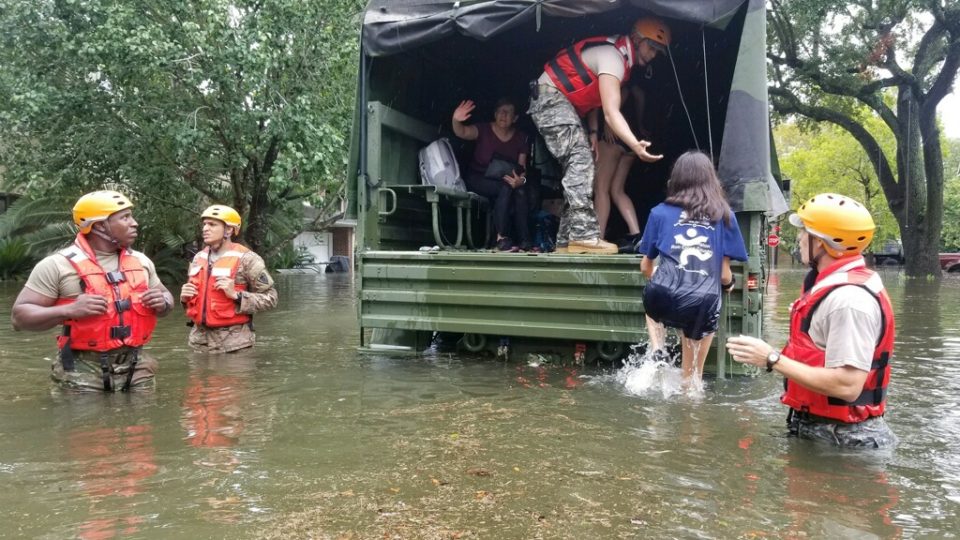
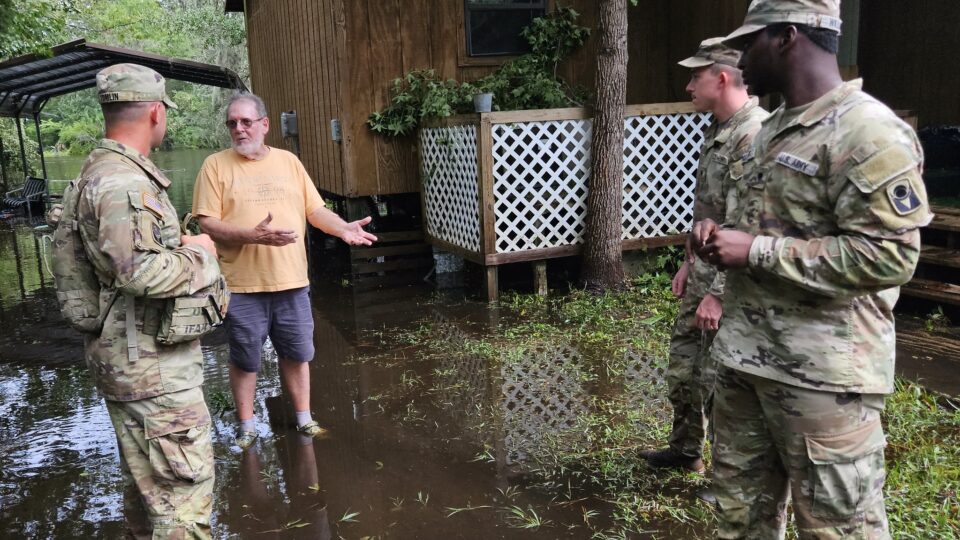
By the end of August, the United States had already broken the one-year record for the number of weather and climate disasters that caused more than $1 billion in damage.

According to the National Oceanic and Atmospheric Administration, through August there had already been 23 billion-dollar disasters.  The previous record of 22 had been set in 2020.  The 23 this year racked up $58 billion in damages.

The unfortunate litany of events included two in August:  Hurricane Idalia, which struck Florida’s Big Bend region and the Lahaina fire storm on Maui.  Earlier in the year, winter storms in the Northeast, floods in California and Vermont, and 18 other severe storm events contributed to the record.

With a very active Atlantic hurricane season underway and the prospects for more wildfires in the west, it is likely that the record for billion-dollar disasters will climb even higher before the year ends.

The massive financial losses incurred this year highlight the need for more funding and attention to be directed toward climate resistance and adaptation.  The NOAA report urges policymakers to invest much more in getting out ahead of disasters before they strike rather than only looking for ways to help communities to pick up the pieces after disaster has struck.

Congress is currently considering $16 billion in additional funding for FEMA to keep the agency functioning in this very trying year.

As climate change continues to contribute to more intense storms and larger and more frequent wildfires, the price of adaptation and recovery efforts is likely to continue to grow.

**********

Web Links

2023 has already broken the US record for billion-dollar climate disasters

Photo, posted August 31, 2023, courtesy of Spc. Christian Wilson / The National Guard via Flickr.

Earth Wise is a production of WAMC Northeast Public Radio
Lithium In The Salton Sea | Earth Wise

October 2, 2023 By EarthWise Leave a Comment

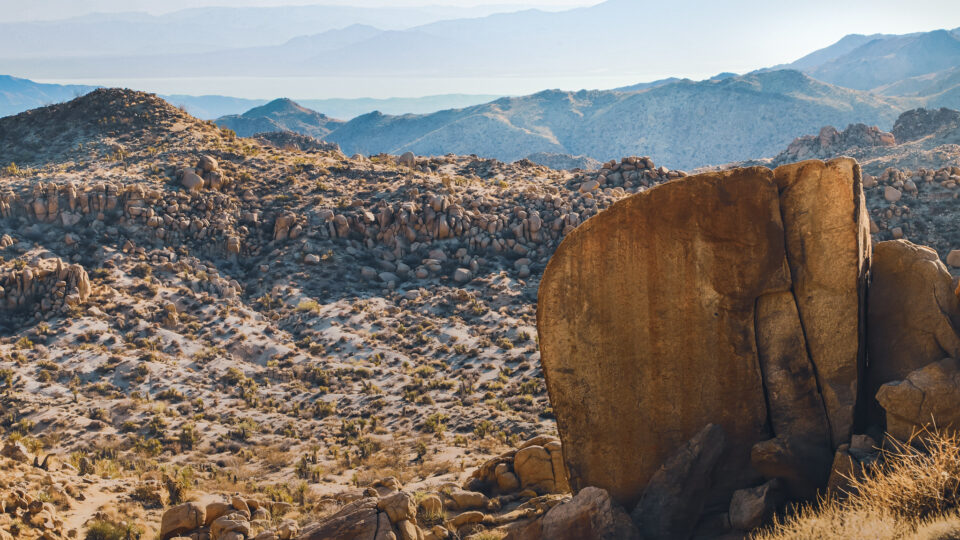
The Salton Sea is a shallow, landlocked, extremely salty body of water in the southern end of California.  It was formed from an inflow of water from the Colorado River in 1905 in the aftermath of a collapse of a canal during spring floods.  At one time, it was a thriving tourist destination and site of real estate speculation.  It was also a crucial habitat for migratory birds and various aquatic species.

Over the past 20 years, the Salton Sea has become increasingly desiccated and polluted with agricultural runoff and waste.  Rising salinity and the shrinking water supply from the Colorado River has made it uninhabitable for many species.

Recently, the Salton Sea has attracted new attention because of untouched lithium deposits located beneath its shores.  The general area has acquired the moniker “Lithium Valley” and has become a place where major energy companies are exploring advanced mining techniques such as Direct Lithium Extraction (DLE).  This new technique enables lithium to be captured from brine deposits without resource-intensive open-pit mining or evaporation pond processes.

Lithium is crucial for making the batteries that power electric vehicles.  DLE mining has attracted large investments from billionaires like Warren Buffet, Bill Gates, and Jeff Bezos. 

Lithium mining has generated major controversies because of its potential to damage the environment.  Whether the new mining techniques can avoid these problems and tap into the potential resources near the Salton Sea remains to be seen.  According to experts, the aquifers near the Salton Sea hold enough lithium to supply close to 40% of the global demand.

*********

Web Links

As Companies Eye Massive Lithium Deposits in California’s Salton Sea, Locals Anticipate a Mixed Bag

Photo, posted October 28, 2021, courtesy of Christian Collins via Flickr.

Earth Wise is a production of WAMC Northeast Public Radio
Dangers Of Melting Glaciers | Earth Wise

March 31, 2023 By EarthWise Leave a Comment

The dangers posed by melting glaciers

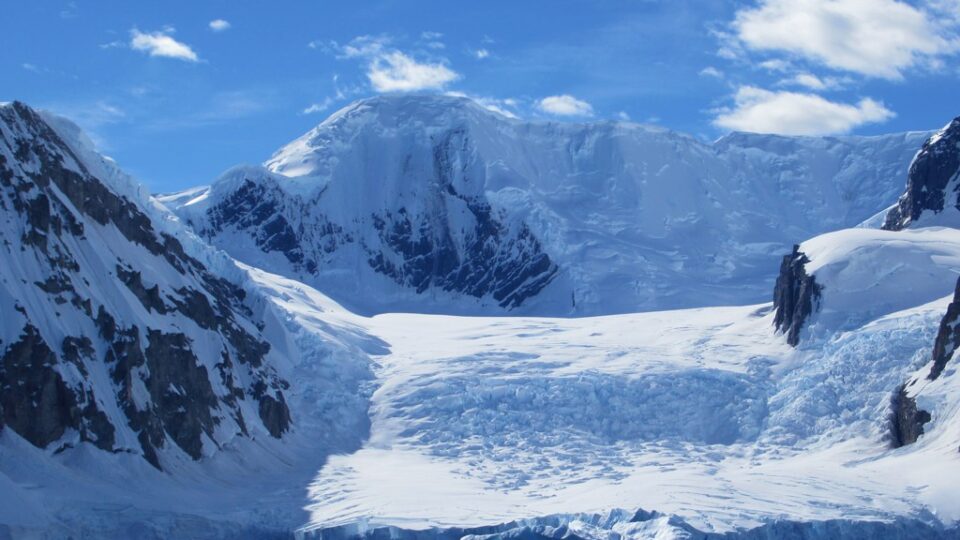
Some of most dramatic evidence that the Earth’s climate is warming is the retreat and even disappearance of mountain glaciers around the world.  2022 was the 35th year in a row that glaciers tracked by the World Glacier Monitoring Service lost rather than gained ice.  Glaciers gain mass through snowfall and lose mass through melting and sublimation (water evaporating directly from solid ice.)  Some glaciers that terminate in lakes or the ocean lose mass through iceberg calving.

In the warming climate, glaciers retreat and meltwater collects at the front of the glacier forming a lake.  Such lakes can suddenly burst and create a fast-flowing Glacier Lake Outburst Flood that can spread over a large distance from the original site – in some cases over 70 miles.  These floods can damage property, infrastructure, and agricultural land and can also be deadly.

The number of glacial lakes has grown rapidly since 1990 as a result of climate change.  According to research by an international team of scientists led by Newcastle University in the UK, the number of people living in glacial lake catchments has increased significantly.

According to the study, 15 million people live within 30 miles of a glacial lake.  The highest danger is in High Mountain Asia – which encompasses the Tibetan Plateau.  That area, which spans from Kyrgyzstan to parts of China, has 9.3 million people potentially at risk.  India and Pakistan have around 5 million exposed people.

Detailed analysis shows that it is not the areas with the largest number or most rapidly growing lakes that are most dangerous.  It is the number of people in proximity to the lakes and their ability to cope with potential floods.

**********

Web Links

Glacial flooding threatens millions globally

Photo, posted February 12, 2022, courtesy of David Stanley via Flickr.

Earth Wise is a production of WAMC Northeast Public Radio
History Emerges In European Drought | Earth Wise

October 17, 2022 By EarthWise Leave a Comment

European drought is revealing historical structures and relics previously covered by water

During the summer, much of Europe faced a string of extreme heat waves and a devastating drought.  As a result, many reservoirs and rivers have shrunk back to reveal historical structures and relics that, in some cases, date back thousands of years.  Once-submerged villages, ships, and bridges have re-emerged this year.

In northwest Spain, a former village called Aceredo has reappeared after having been submerged 30 years ago when a hydropower dam flooded the valley where it was located.  Elsewhere in Spain, the Dolmen of Guadalperal, a 4000-5000-year-old stone monument often called the Spanish Stonehedge, has risen from a drought-stricken dam west of Madrid

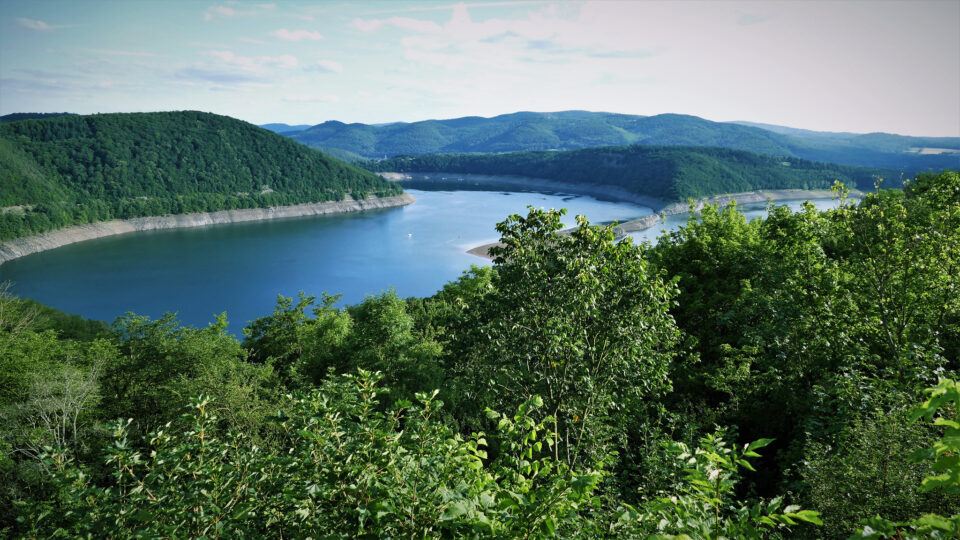
In Italy, which is suffering from its worst drought in 70 years, the ruins of a bridge from the time of Nero are now visible in the Tiber River.   One of Germany’s largest reservoirs, the Edersee, has shrunk back so much that parts of Berich, a village that was flooded in 1914, can be seen.  In Serbia, water levels in the Danube River are so low that more than a dozen sunken Nazi boats from World War II have been exposed in the town of Prahovo.   In Northern England, the lower water levels of the Batings Reservoir have uncovered an ancient packhorse bridge.

The shrinking of riverbeds and reservoirs across Europe has attracted a great deal of attention, probably more than many other effects of the increasing number of extreme weather events because it is so visual.  But the frequency of extreme heat and drought is only likely to increase over time.

**********

Web Links

Europe’s Shrinking Waterways Reveal Treasures, and Experts Are Worried

Photo, posted July 13, 2017, courtesy of Marco Brandstetter via Flickr.

Earth Wise is a production of WAMC Northeast Public Radio
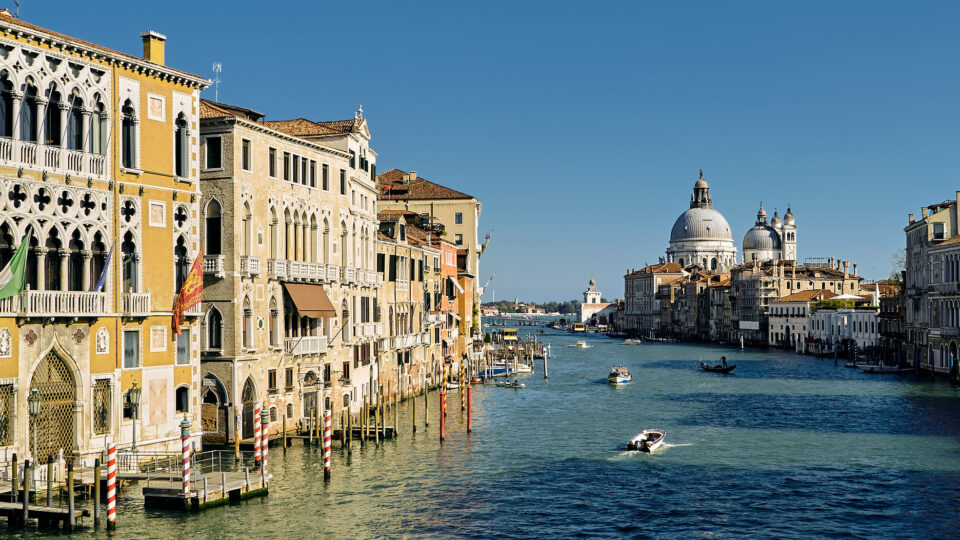
Keeping Venice From Flooding | Earth Wise

January 6, 2022 By EarthWise Leave a Comment

Venice can hold back the Adriatic Sea

Since 2003, Venice Italy has been building a system of mobile gates at three inlets to its famous lagoon.  The project is called MOSE, the Italian word for Moses, but is actually an acronym for the Italian words meaning Experimental Electromechanical Module.  

The 78 mobile gates are metal box structures that sit at the bottom of inlet channels.  When a high tide is predicted, compressed air is pumped into the structures.  The air causes the barriers to rise up to the surface and block the flow of the tide, thereby preventing water from flowing into the lagoon.

The system had an important test on November 3 when water levels were predicted to rise four-and-a-half feet above normal at high tide and strong winds were blowing.  Water at that level is enough to flood 60% of the city, including the famous St. Mark’s Square, which is unfortunately the lowest part of the city.

Activating the flood gates proved to be successful.  Even though high tide water levels in fact rose 4.3 feet in the surrounding Adriatic Sea, they only reached 2.7 feet in Venice, which was enough to prevent significant flooding.

Rising sea levels have led to increasingly frequent floods in Venice.  In 2019, before the MOSE system was available for use, there were more than 25 high-water events swamping Venice, including one in November of that year that was the second worst on record.

Some researchers have calculated that the system will need to be closed for as much as 3 weeks a year by the end of the century even if emission reductions are reasonably effective.  If they aren’t, the gates may be closed for at least two months a year by 2080.

After many years of delays, setbacks and controversies, the system is finally operational.

**********

Web Links

Venice Holds Back the Adriatic Sea

Photo, posted October 25, 2014, courtesy of Pedro Szekely via Flickr.

Earth Wise is a production of WAMC Northeast Public Radio.

More Dam Failures Likely | Earth Wise

June 24, 2020 By EarthWise Leave a Comment

dam failures a growing concern

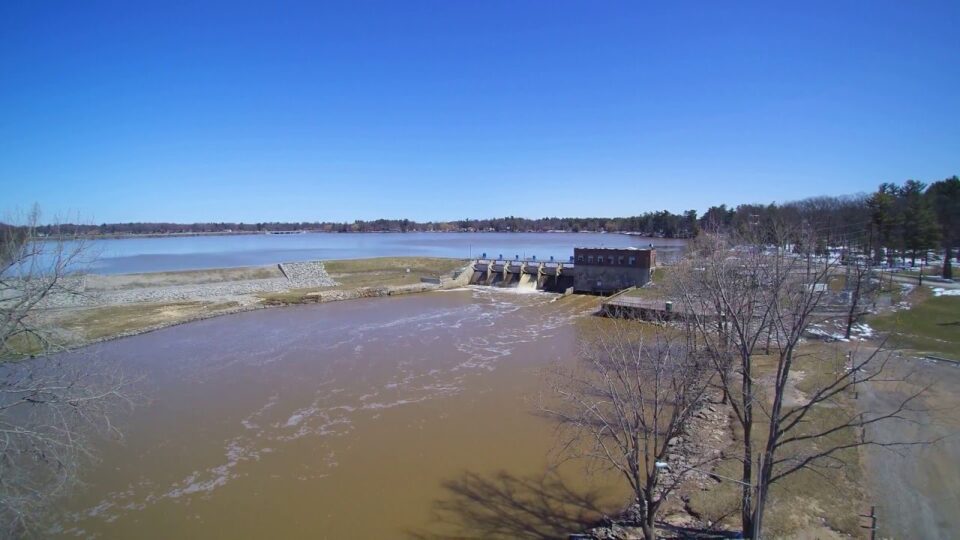
Two dams in Central Michigan were breached by rain-swollen floodwaters in May and forced the evacuation of tens of thousands of residents and prompted officials to warn of life-threatening danger from a flooded chemical complex and a toxic waste cleanup site.  Engineers say that most dams in the U.S. were designed many decades ago – in some cases, a century ago – and are not suited to a warming world with ever stronger storms.

The dams in Michigan gave way for the same reason behind most dam failures:  they were overwhelmed by water, in this case by five inches of rain falling over two days after earlier storms had saturated the ground and swollen rivers.

It can’t be proven whether this specific set of events was triggered by climate change, but global warming is definitely causing some regions to become wetter and is increasing the frequency of extreme storms.  And these trends are expected to continue as the world continues to warm.

All of this puts more of the 91,500 dams in the U.S. at greater risk of failing.  The American Society of Civil Engineers, in its latest report card on infrastructure issued in 2017, gave the nation’s dams a “D” grade.

Historically, dams have been designed based on past weather history to predict the magnitude of the maximum potential flood that a dam would have to withstand.  There was no expectation that future weather patterns might be very different.  Infrastructure designers will clearly need to change their practices.

For existing dams, operational changes might be called for, such as reducing water levels in anticipation of more extreme storms.  Upgrades might include changing spillway designs to accommodate larger water volumes over a longer time period.

**********

Web Links

‘Expect More’: Climate Change Raises Risk of Dam Failures

Photo courtesy of Eye in the Sky/Youtube.

Earth Wise is a production of WAMC Northeast Public Radio.

Climate Change And Nutrients

August 15, 2019 By EarthWise Leave a Comment

Ending hunger isn’t a question of producing enough food.  Globally, enough food is produced to feed all 7.7 billion people on the planet.  But despite this, approximately 1 in 9 people go hungry.  Conflict, natural disasters, and extreme poverty are some of the main drivers of global hunger. 

Climate change is another.  The more frequent and intense extreme weather events increase food insecurity and malnutrition by destroying land, livestock, crops, and food supplies.  Climate change makes growing crops harder every year, especially for those who lack the tools and technology to adapt. 

But the challenge of reducing hunger and malnutrition is to not only produce foods that provide enough calories, but to also produce foods that make enough necessary nutrients widely available.  According to new research, climate change is projected to significantly reduce the availability of critical nutrients such as protein, iron, and zinc over the next 30 years.  The total impact of climate change could reduce global per capita nutrient availability of protein, iron, and zinc by 19.5%, 14.4%, and 14.6%, respectively.

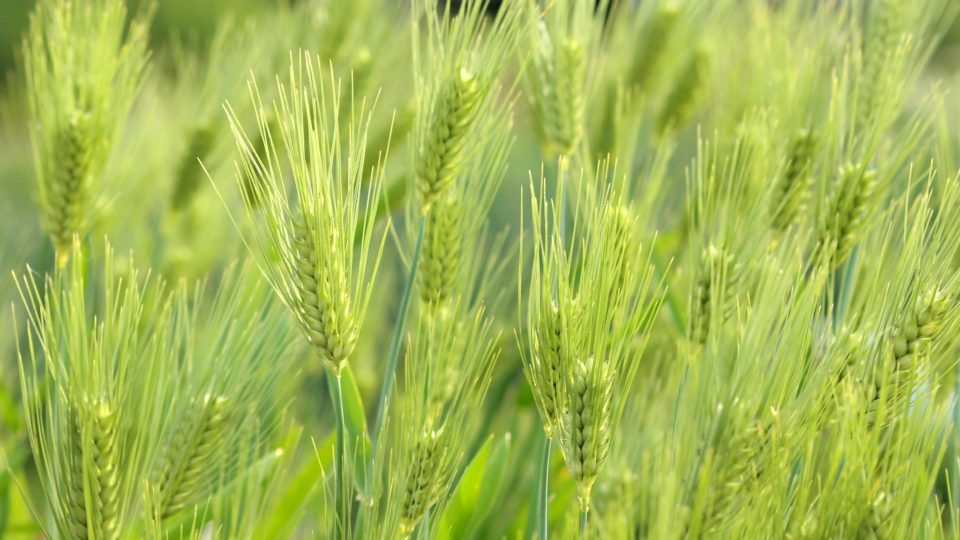
While higher levels of carbon dioxide can boost growth in plants, wheat, rice, corn, barley, potatoes, soybeans, and vegetables are all projected to suffer nutrient losses of about 3% on average by 2050 due to the elevated CO2 levels.

The study, which was co-authored by an international group of researchers and published in the peer-reviewed journal, Lancet Planetary Health, represents the most comprehensive synthesis of the impacts of climate change on the availability of nutrients in the global food supply to date. 

Climate change is complicating the quest to end global hunger and malnutrition. 

**********

Web Links

Rising CO2, climate change projected to reduce availability of nutrients worldwide

Photo, posted April 30, 2015, courtesy of Flickr.

Earth Wise is a production of WAMC Northeast Public Radio.

Natural Climate Solutions

February 13, 2018 By EarthWise Leave a Comment

https://earthwiseradio.org/wp-content/uploads/2018/01/EW-02-13-18-Natural-Climate-Solutions.mp3

The Paris Climate Agreement embodies a commitment to hold the increase in the global average temperature to less than 2 Celsius degrees above preindustrial levels.  Most strategies to achieve this goal involve reductions in greenhouse gas emissions from human activities such as burning fossil fuels as well as various land use activities.  But there are also so-called Natural Climate Solutions, which relate to the storage of carbon and reduction in carbon emissions across global forests, wetlands, grasslands, and agricultural lands.

[Read more…] about Natural Climate Solutions

The Terminology Of Extreme Weather

September 19, 2017 By EarthWise Leave a Comment

https://earthwiseradio.org/wp-content/uploads/2017/09/EW-09-19-17-The-Terminology-of-Extreme-Weather.mp3

We often hear the terms “100-year” and “500-year” used to describe instances of extreme flooding.  But as the climate changes, these extreme weather events are expected to become more frequent.  So what’s with the terminology then anyways? 

[Read more…] about The Terminology Of Extreme Weather

Primary Sidebar

Recent Episodes

  • An uninsurable future
  • Clean energy and jobs
  • Insect declines in remote regions
  • Fossil fuel producing nations ignoring climate goals
  • Trouble for clownfishes

WAMC Northeast Public Radio

WAMC/Northeast Public Radio is a regional public radio network serving parts of seven northeastern states (more...)

Copyright © 2026 ·