• Skip to primary navigation
  • Skip to main content
  • Skip to primary sidebar

Earth Wise

A look at our changing environment.

  • Home
  • About Earth Wise
  • Where to Listen
  • All Articles
  • Show Search
Hide Search
You are here: Home / Archives for fishing industry

fishing industry

Is U.S. Offshore Wind Finally Happening? | Earth Wise

March 26, 2021 By EarthWise Leave a Comment

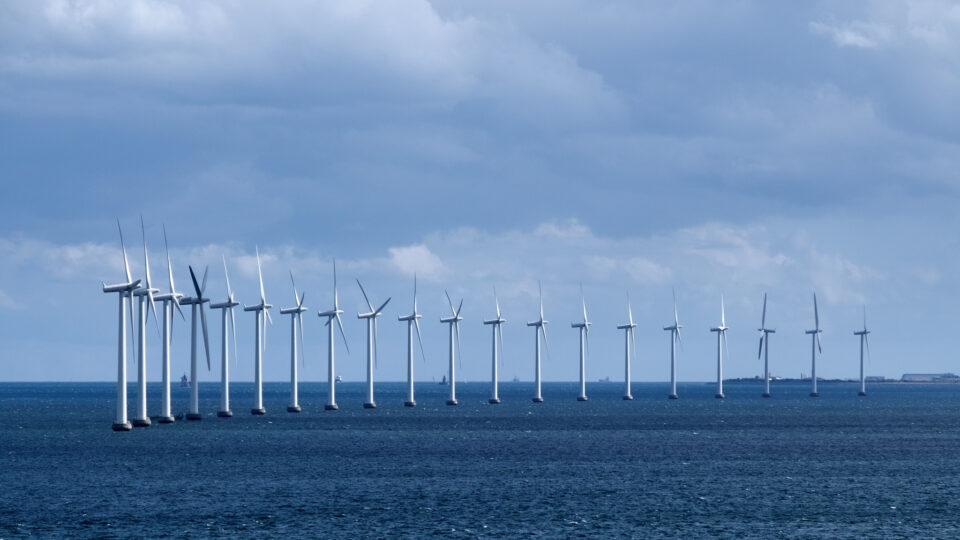
United States offshore wind is finally happening

Offshore wind capacity has been growing rapidly in recent years, especially in Europe and China.  Globally, there is now more than 30 GW of offshore wind and industry experts predict that there will be well over 200 GW of installed capacity by 2030.

Meanwhile, the U.S. has only two small pilot projects, one with five turbines off Rhode Island and another with two turbines off Virginia.  But after many years of battles with determined opponents, false starts, regulatory struggles, and other hurdles, the U.S. offshore wind industry appears to be poised to take off.

A combination of significant commitments by power companies to purchase offshore wind power, strong support by the Biden administration, and billions of dollars in investments is creating the new-found momentum.

New York, New Jersey, Virginia, Massachusetts, Connecticut, Rhode Island, and Maryland have collectively committed to buying 30 GW of offshore electricity by 2035.  (That’s enough to power roughly 20 million homes).

Among the first major offshore installations to be completed in the next few years in the U.S. will be Vineyard Wind, 15 miles off of Martha’s Vineyard, another wind farm 60 miles east of New York’s Montauk Point, a third fifteen miles off Atlantic City, New Jersey, and a fourth off the Virginia Coast.

Offshore wind projects will create nearly 40,000 jobs just in the New York-New Jersey area over the next ten years.  There is still some opposition from elements of the commercial fishing industry and from some coastal residents.  However, with state and federal governments committed to reducing carbon emissions and rapidly reducing regulatory barriers, and with the price of offshore wind continuing to get lower and lower, most observers agree that the U.S. offshore wind industry is finally on the verge of really getting going.

**********

Web Links

On U.S. East Coast, Has Offshore Wind’s Moment Finally Arrived?

Photo, posted August 9, 2016, courtesy of Lars Plougmann via Flickr.

Earth Wise is a production of WAMC Northeast Public Radio.
The Cost of Cleaning Up Ocean Plastic | Earth Wise

October 7, 2020 By EarthWise Leave a Comment

Cleaning up ocean plastic carries a large price tag

Small island developing states increasingly find themselves with large amounts of plastic waste.  A recent study looked at the financial cost for removing it.

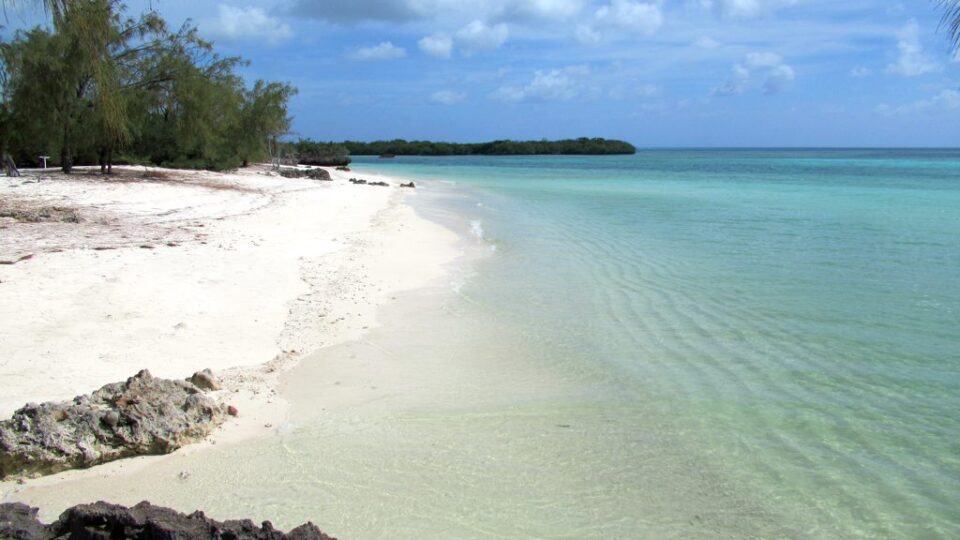
Aldabra Atoll is a UNESCO World Heritage Site in the Seychelles.  It is the world’s second-largest coral atoll and is the home of 307 species of animals and plants, including the largest population of giant tortoises in the world.  Aldabra has been called one of the wonders of the world and one of the crown jewels of the Indian Ocean.

Last year, a team from the University of Oxford and the Seychelles Island Foundation, spent five weeks removing litter that had washed up on Aldabra’s shores.  In total, they removed 25 tons of plastic litter which, to their surprise, was dominated by waste from the fishing industry.  The researchers now estimate that over 500 tons of litter remain on the island, 83% of which consists of buoys, ropes, nets, and, of all things, over 300,000 individual flipflops.  This is the largest accumulation of plastic waste reported for any single island in the world.

According to the study, the cost to clean up the entire island would be nearly $5 million, requiring 18,000 person-hours of labor.  A project of this magnitude is beyond the capacity of non-profit organizations like the Seychelles Islands Foundation.

The plastic pollution in Aldabra is related to the fishing industry in Seychelles, which provides tuna to high-income markets around the world.  The research highlights how even remote highly protected island ecosystems are impacted by global pollution and how difficult and costly it is to remedy.

**********

Web Links

Millions of dollars to clean up tuna nets and flip flops from island state

Photo, posted December 27, 2016, courtesy of David Stanley via Flickr.

Earth Wise is a production of WAMC Northeast Public Radio.
Fishers Helping To Clean The Oceans

August 2, 2019 By EarthWise Leave a Comment

Marine litter – particularly plastics – is a global, persistent, and increasing threat to the oceans.  Much of it comes from discarded materials on shore that makes their way to the sea but waste from the fishing industry is a also a major contributor to the problem. 

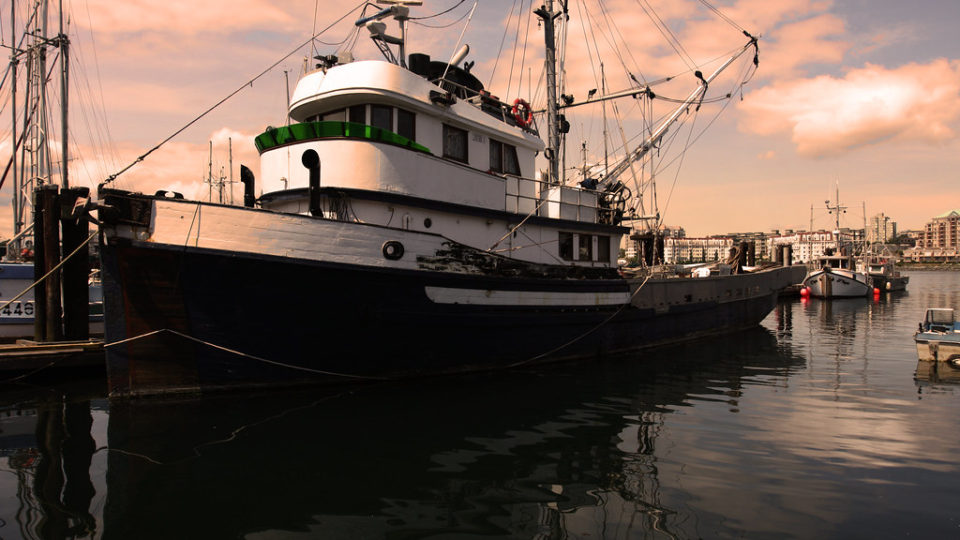
Commercial fishers are acutely aware of the potential for marine litter to damage and even destroy their livelihoods and are starting to try to be part of the solution instead of just part of the problem.

An initiative called Fishing for Litter, which has been operating around the British coastline since 2006, is an example.

With hubs in Scotland and South West of England, FFL aims to reduce the amount of marine litter in the sea by physically removing it while also highlighting the importance of good waste management in the fishing fleet.  Fishers have to assume responsibility for their own waste and dispose of it in a responsible manner.  They also have a unique ability to access remote and hard to reach marine litter caused by others.

A survey of 120 commercial fishers revealed that they often found marine litter in their hauls and that keeping the sea and coasts clean was important to them. 

The responsibility for reducing marine litter does not belong to any single industry or organization.  It requires a collective global change of behavior.  The problem directly affects fishers, so they are especially motivated to do something about it.   They can make an important contribution to an issue that ultimately affects us all.  Groups like Fishing for Litter are providing a model for behavior that we can only hope that others around the world can emulate.

**********

Web Links

Fishers keen to help address the problem of marine litter

Photo, posted July 9, 2009, courtesy of Rennett Stowe via Flickr.

Earth Wise is a production of WAMC Northeast Public Radio.
Cod And Global Warming

December 3, 2015 By WAMC WEB

https://earthwiseradio.org/wp-content/uploads/2015/11/EW-12-03-15-Cod-and-Global-Warming.mp3

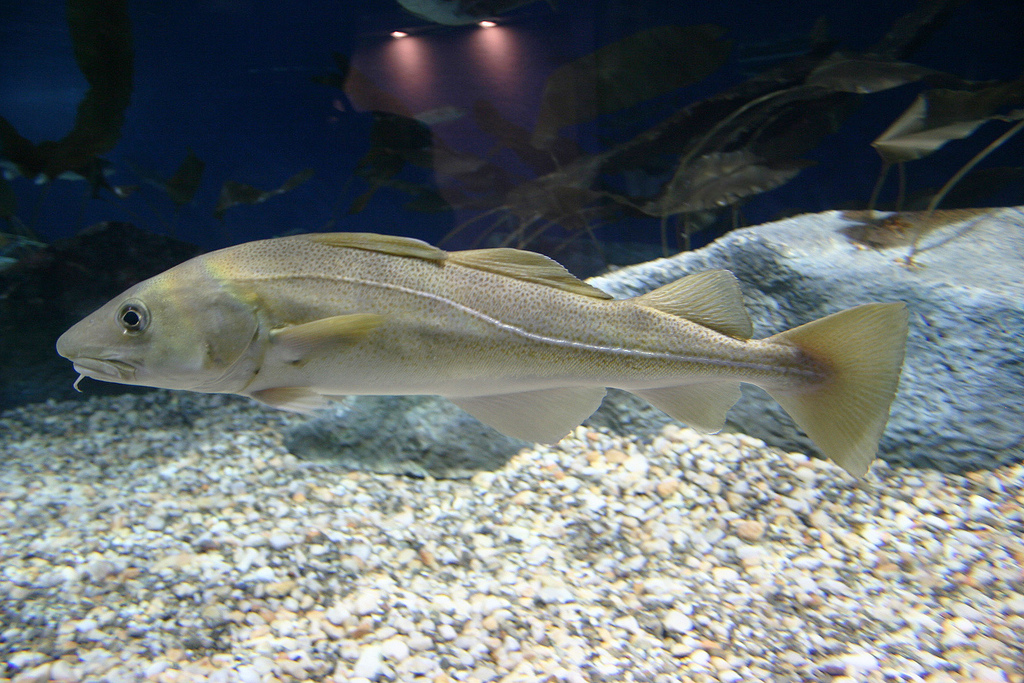
Atlantic cod has been the basis of a major fishing industry in the Gulf of Maine for centuries and is a key species in the local ecosystem.  Overfishing decimated the population of cod and in 2010, fisheries managers imposed a series of restrictions on harvesting the fish in order to try to help the species to rebound.

[Read more…] about Cod And Global Warming

Primary Sidebar

Recent Episodes

  • An uninsurable future
  • Clean energy and jobs
  • Insect declines in remote regions
  • Fossil fuel producing nations ignoring climate goals
  • Trouble for clownfishes

WAMC Northeast Public Radio

WAMC/Northeast Public Radio is a regional public radio network serving parts of seven northeastern states (more...)

Copyright © 2026 ·