• Skip to primary navigation
  • Skip to main content
  • Skip to primary sidebar

Earth Wise

A look at our changing environment.

  • Home
  • About Earth Wise
  • Where to Listen
  • All Articles
  • Show Search
Hide Search
You are here: Home / Archives for environment

environment

Ocean Oxygen Levels And The Future Of Fish | Earth Wise

June 23, 2023 By EarthWise Leave a Comment

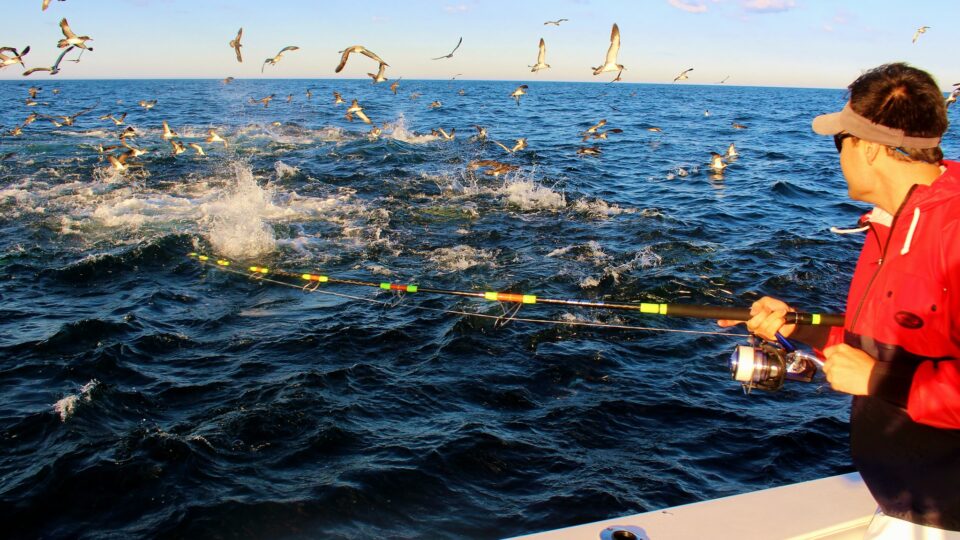
How oxygen levels in the ocean will impact the future of fish

Climate change is creating a cascade of effects in the world’s oceans.  Not only are ocean temperatures on the rise, but oceans are becoming more acidic, and oxygen deprived.  The warming temperatures and acidification have grabbed headlines and prompted academic research. Declining oxygen levels have not garnered as much attention.  But they spell bad news for fish.

Oxygen levels in the world’s oceans have dropped over 2% between 1960 and 2010 and are expected to decline up to 7% over the next century.  There are places in the northeast Pacific that have lost more than 15% of their oxygen.  There are a growing number of “oxygen minimum zones” where big fish cannot survive but jellyfish can.

Oceans are losing oxygen for several reasons.  First, warmer water can hold less dissolved gas than colder water.  (This is why warm soda is flatter than cold soda.)  Deeper in the ocean, oxygen levels are governed by currents that mix oxygen-rich surface water from above.  Melting ice in the warming polar regions add fresh, less-dense water that resists downward mixing in key regions.  Finally, increasing amounts of ocean bacteria in warming waters gobble up oxygen creating dead zones in the ocean.

In many places, fish species that cannot cope with lower oxygen levels are migrating from their usual homes, resulting in a decline in species diversity.  Our future oceans – warmer and oxygen-deprived – will not only hold fewer kinds of fish, but also smaller fish and even more greenhouse-gas producing bacteria.   

Climate change is bad news for fish and for the more than 3 billion people in the world who depend on seafood as a significant source of protein.

**********

Web Links

As Ocean Oxygen Levels Dip, Fish Face an Uncertain Future

Photo, posted January 10, 2022, courtesy of Willy Goldsmith via Flickr.

Earth Wise is a production of WAMC Northeast Public Radio

Climate Change And Species Tipping Points | Earth Wise

June 22, 2023 By EarthWise Leave a Comment

In climate science, tipping points are critical thresholds that, once crossed, lead to large and often irreversible changes in the climate system. For example, surpassing a 1.5 degree C rise in global warming has long been considered a tipping point for the planet. 

According to a new study led by researchers from University College London, climate change will abruptly push species over tipping points as their geographic ranges reach unforeseen temperatures. 

In the study, which was recently published in the journal Nature Ecology and Evolution, the research team analyzed data from more than 35,000 species of animals and seagrasses from every continent and ocean basin, alongside climate projections up to 2100.  The researchers found a consistent trend:  for many animals, the thermal exposure threshold will be crossed for much of their geographic range within the same decade. 

The thermal exposure threshold is defined as the first five consecutive years where temperatures consistently exceed the most extreme monthly temperature experienced by a species across its geographic range over recent history. 

The researchers also found that the extent of global warming will make a big difference for animals.  If the planet warms by just 1.5°C, 15% of species studied will be at risk of experiencing unfamiliarly hot temperatures across at least 30% of their current  geographic range in a single decade.  But this figure will double to 30% of species at 2.5°C of warming.

Since their data provides an early warning system, the researchers hope that their findings will help species conservation efforts. 

**********

Web Links

Climate change to push species over abrupt tipping points

Photo, posted May 27, 2017, courtesy of Sarah Lemarié via Flickr.

Earth Wise is a production of WAMC Northeast Public Radio

El Niño Will Likely Return | Earth Wise

June 21, 2023 By EarthWise Leave a Comment

El Niño, a weather phenomenon triggered by warm waters in the eastern Pacific, is likely to return this year, according to the World Meteorological Organization.  The Pacific has been in the cooler La Niña phase for the past 3 years, which is unusual, but that appears to be coming to a close.  According to the WMO, there is an 80% chance that the Pacific will shift to the El Niño phase before fall.

Record hot years typically coincide with El Niño, which adds to the ongoing warming trend in the climate.   There is not yet a clear picture of how strong the forthcoming El Niño event will be or how long it might last, but even a mild El Niño could affect precipitation and temperature patterns around the world.

The hottest year on record, 2016, occurred during a particularly strong El Niño.  Experts expect that 2024 is likely to see soaring temperatures again.  El Niño generally leads to drier conditions in Australia, Indonesia, and southern Asia, but greater amounts of rainfall in South America, the U.S., and parts of Africa.  Despite the presence of a cooling La Niña for the past three years, the last eight years have been the hottest on record.

El Niño and La Niña form an intermittent cycle known as the El Niño Southern Oscillation, or ENSO, that is highly influential in shaping the year-to-year variations in weather conditions around the world.  ENSO is a natural phenomenon and scientists are still trying to understand how human-caused climate change might be impacting the behavior and dynamics of the cycle.

**********

Web Links

‘A New Spike’ in Global Temperatures in the Forecast

Photo, posted October 11, 2015, courtesy of Harshil Shah via Flickr.

Earth Wise is a production of WAMC Northeast Public Radio

Energy From Fruit Waste | Earth Wise

June 20, 2023 By EarthWise Leave a Comment

In the Back to the Future films, Doc Brown ran his DeLorean time machine on food scraps.  It was a fun bit of science fiction.  But researchers at the University of British Columbia Okanagan in Canada are investigating the potential for using food waste to generate power.

Food waste is not a candidate to replace solar or wind power, but it could be a source of energy for powering fuel cells.  As it is, food waste represents a sustainability challenge because of its detrimental impacts on the economy and the environment.  Organic waste represents a significant fraction of the material in landfills and contributes to methane production, air pollution, and other harmful pollutants.

The UBC researchers focused on fruit waste, which is abundantly available in agricultural regions.  They have devised microbial fuel cells that convert fruit waste into electrical energy using an anaerobic anode compartment.  That is a chamber in which anaerobic microbes – ones that don’t need oxygen – utilize the organic matter to convert it into energy.  The microbes consume the fruit waste and produce water while generating bioelectricity.

It is not like the Back to the Future time machine where you can just toss in scraps of whatever is on hand.  Different types of fruits provide different results when used in the microbial fuel cell. The process works best when the food waste is separated and ground into small particles.  There is a long way to go before the technology could produce bioenergy on a commercial scale, but there is considerable potential for doing something useful with something that is currently worthless.

**********

Web Links

UBCO researchers aim to energize fruit waste

Photo, posted July 24, 2011, courtesy of Andrew Girdwood via Flickr.

Earth Wise is a production of WAMC Northeast Public Radio

Chatbots Are Thirsty | Earth Wise

June 19, 2023 By EarthWise Leave a Comment

We hear a lot about artificial intelligence these days.  ChatGPT has found its way into education, technology, and many other aspects of life.  It and its brethren are a source of fascination, enthusiasm, and even fear.  Many of us have given queries to the bot to see what kind of results we can obtain.  But a recent study has found out something about AI systems that we probably didn’t know – they use up lots of fresh water.

According to researchers at the University of California, Riverside, running a few dozen queries on ChatGPT uses up about half a quart of fresh water from already overtaxed reservoirs.

Running artificial intelligence systems like ChatGPT relies on cloud computations done in racks of servers in warehouse-sized data processing centers.  Google’s data centers in the U.S. alone consumed nearly 3.5 billion gallons of fresh water in 2021 in order to keep their servers cool.

Data processing centers consume water in two ways.  They often draw much of their electricity from power plants that use large cooling towers that convert water into steam emitted into the atmosphere.  In addition, the servers themselves need to be cooled to keep running and are typically connected to cooling towers as well.

It isn’t going to be easy for AI systems to reduce their water use.  The study’s authors noted that people make use of AI at all hours of the day and night.  But a significant amount of AI activity is actually the training of the systems.  That could be scheduled for the cooler hours, when less water is lost to evaporation.

In an era of scarce fresh water and droughts, it is important to make AI less thirsty.

**********

Web Links

AI programs consume large volumes of scarce water

Photo, posted May 22, 2023, courtesy of Jernej Furman via Flickr.

Earth Wise is a production of WAMC Northeast Public Radio
Offshore Wind In Maine | Earth Wise

June 15, 2023 By EarthWise Leave a Comment

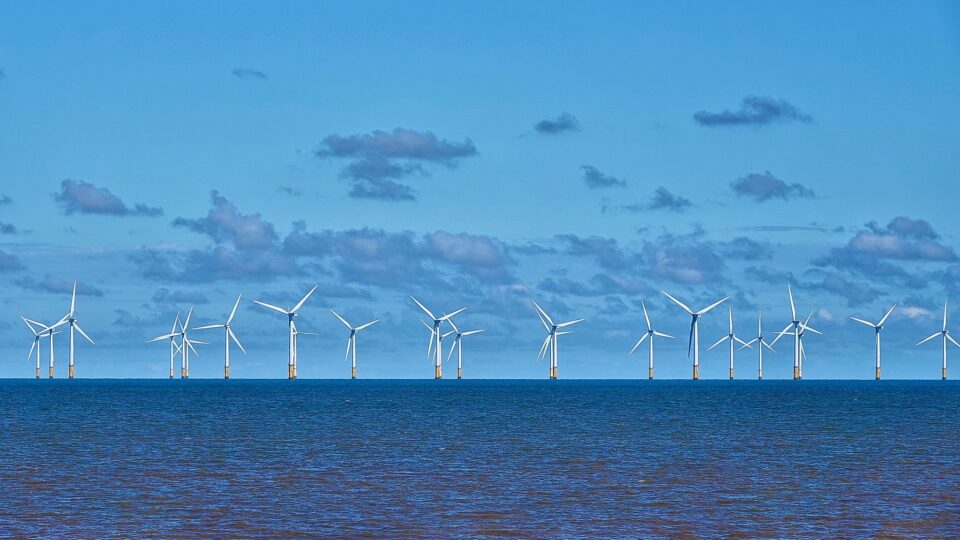
Offshore wind is coming to Maine

There are currently only two small offshore wind farms operating in the United States, but there are now several more under construction or in the permitting process.  Substantial wind farms are expected to come online over the next five years off the coasts of Virginia, New Jersey, Massachusetts. North Carolina, Delaware, Rhode Island, and New York.   There has been a recent auction for offshore wind sites off the California coast as well.

In April, the Bureau of Ocean Energy Management issued its Gulf of Maine Call for Information and Nominations, inviting public comment and assessing the interest in areas offshore of Maine, New Hampshire, and Massachusetts.  This is the first official step in the lengthy process that leads to offshore wind development in new areas.  Last year, the Department of the Interior defined an area of about 13.7 million acres in the Gulf of Maine that could end up providing energy leases for windfarm development.

The Biden administration has set a goal of deploying 30 gigawatts of offshore wind electricity generation by 2030, which is enough to power more than 10 million homes. It would also create thousands of jobs across manufacturing, shipbuilding, port operations, construction, and other industrial sectors.  Existing offshore wind projects have been structured to develop American-based supply chains for the offshore wind industry.

The European Union currently has over 15 gigawatts of installed offshore wind, has a target of 60 gigawatts by 2030, and 300 gigawatts by 2050.  The EU has five substantial sea basins which have tremendous potential for wind energy generation.  As a result, offshore wind is the centerpiece of the ambitious European Green Deal.

**********

Web Links

U.S. moves to develop offshore wind in the Gulf of Maine

Photo, posted August 31, 2022, courtesy of Nina Ali via Flickr.

Earth Wise is a production of WAMC Northeast Public Radio
Reducing Cattle-Driven Deforestation | Earth Wise

June 14, 2023 By EarthWise Leave a Comment

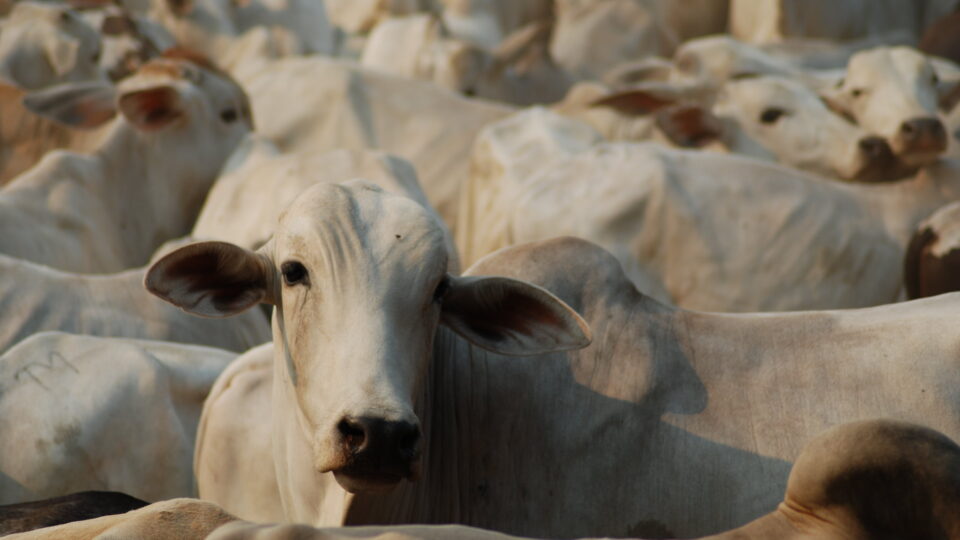
The Amazon rainforest is the biggest rainforest in the world, larger than the next two biggest combined.  It covers more than three million square miles, roughly the size of the lower 48 states.  The Amazon functions as a critical sink for carbon in the atmosphere.

However, human activity has removed more than 10% of the vegetation from the Amazon rainforest since the 1960s.  Cattle ranching accounts for roughly 70% of Amazon deforestation – much of which is illegal.   

According to a study recently published in the journal Global Environmental Change, companies’ ‘zero-deforestation’ commitments could reduce cattle-driven deforestation in the Brazilian Amazon by 50%.   Better adoption and implementation of company supply chain policies for Brazilian beef and leather could significantly reduce carbon emissions. 

Between 2010 and 2018, some of the world’s largest slaughterhouses reduced cattle-driven deforestation by 15% through their commitment to zero-deforestation policies.  If these policies were fully implemented and adopted across all cattle companies operating in the Amazon, more than 9,200 square miles of forest could have been spared over the same time period, effectively halving the cattle-driven deforestation in Brazil.  

Zero-deforestation commitments currently cover 82% of beef exported from the Brazilian Amazon for trade internationally.  However, a large amount of beef production destined for Brazil’s domestic markets is not covered.

The researchers say a mix of interventions by both the private and public sector is needed to improve cattle-rearing practices and help reduce deforestation in countries like Brazil.

**********

Web Links

Companies’ zero-deforestation commitments have potential to halve cattle-driven deforestation in Brazilian Amazon

Photo, posted January 17, 2011, courtesy of Kelly Sato via Flickr.

Earth Wise is a production of WAMC Northeast Public Radio
Chasing The Ivory-Billed Woodpecker | Earth Wise

June 13, 2023 By EarthWise Leave a Comment

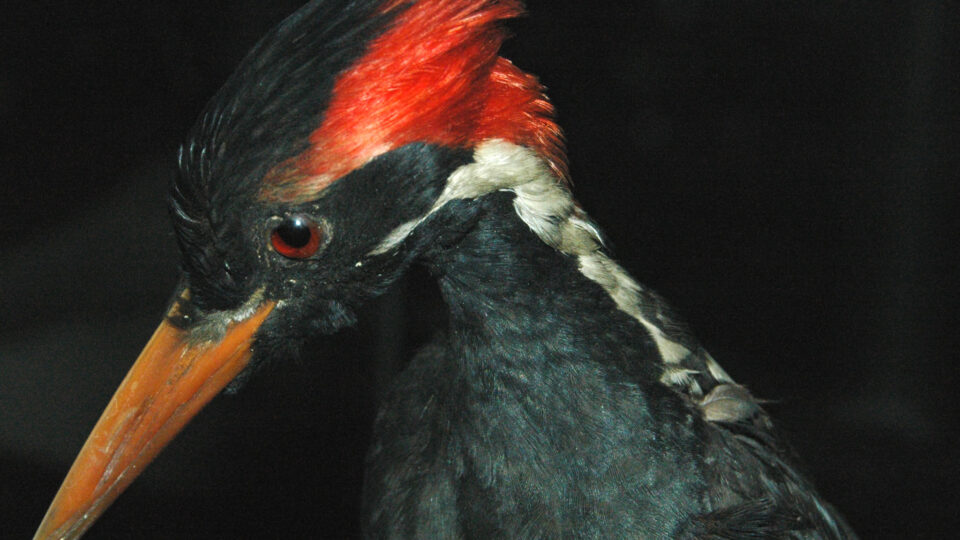
The ivory-billed woodpecker is or was the largest woodpecker in the United States. The last unassailable sighting of the bird was in 1944.  Since then, there have various reports of glimpses of the bird or of hearing its distinctive sounds.  But there has not been anything resembling proof that the bird still exists.

Despite this, the ivory-billed woodpecker has been legally protected under the Endangered Species Act.  There has been a proposal to end that protection and formally declare the species extinct.  Because of the controversy surrounding the bird, a final ruling on its status has been repeatedly delayed by the US Fish and Wildlife Service.

Very recently, a peer-reviewed study in the journal Ecology and Evolution makes the case that the ivory-billed woodpecker still exists and that it is premature to declare it extinct.  The study cites visual encounters by expert observers, audio recordings, tree-damage, and rather grainy video evidence.  The authors claim that there is intermittent but repeated presence of birds that at least look and behave like ivory-billed woodpeckers.

One might ask:  why does it matter whether this bird is declared extinct or not?  The answer is that there are limited federal funds for conservation efforts, and they should be spent on saving genuinely endangered species and habitats.  The authors of the new study say that removing federal protection would be bad for any remaining ivory bills, which may be living in some swampy old-growth forests in Louisiana.  Other scientists consider conservation resources expended on the ivory-billed woodpecker to be chasing a ghost.

As is the case for several other notorious objects, one really clear photograph of an ivory-billed woodpecker could solve a long-standing mystery.

**********

Web Links

A Vanished Bird Might Live On, or Not. The Video Is Grainy

Photo, posted October 19, 2014, courtesy of James St. John via Flickr.

Earth Wise is a production of WAMC Northeast Public Radio

Electric Cars In Norway | Earth Wise

June 12, 2023 By EarthWise Leave a Comment

We are at a relatively early stage of the electric car revolution.  EV sales are increasing rapidly, but they still comprise only a small fraction of the cars on American roads.  So, there is still lots of speculation and argument about how things will actually work when a large fraction of cars are electric.  But there is at least one place where one doesn’t have to speculate:  Norway.

Last year, 80% of new-car sales in Norway were EVs.  That country is essentially an observatory for figuring out what the electrification of vehicles will mean for the environment, workers, and life in general.  In fact, sales of internal combustion cars in Norway will end in 2025.

Based on Norway’s experience, electric vehicles bring benefits and none of the dire consequences that some critics predict.  The transition isn’t problem-free.  There have been unreliable chargers and long waits during periods of high demand.  Auto dealers and retailers have had to adapt to the changes in their businesses.  The pecking order of car brands has changed dramatically making Tesla the best-selling brand and marginalizing long-established carmakers like Renault and Fiat.

But in the bigger picture, the air in Oslo, the capital of Norway, is measurably cleaner.  The city is quieter as noisy gasoline and diesel vehicles gradually disappear.  Oslo’s greenhouse gas emissions have fallen 30% since 2009.  Meanwhile, there hasn’t been mass unemployment among gas station workers, and the electrical grid has not collapsed.

Norway is perhaps 10 years ahead of us with respect to electric cars.  There are still problems to solve, and difficulties to overcome, but so far, it looks like it will all turn out well.

**********

Web Links

In Norway, the Electric Vehicle Future Has Already Arrived

Photo, posted October 15, 2018, courtesy of Mario Duran-Ortiz via Flickr.

Earth Wise is a production of WAMC Northeast Public Radio
Can All Plant Species Survive? | Earth Wise 

June 9, 2023 By EarthWise Leave a Comment

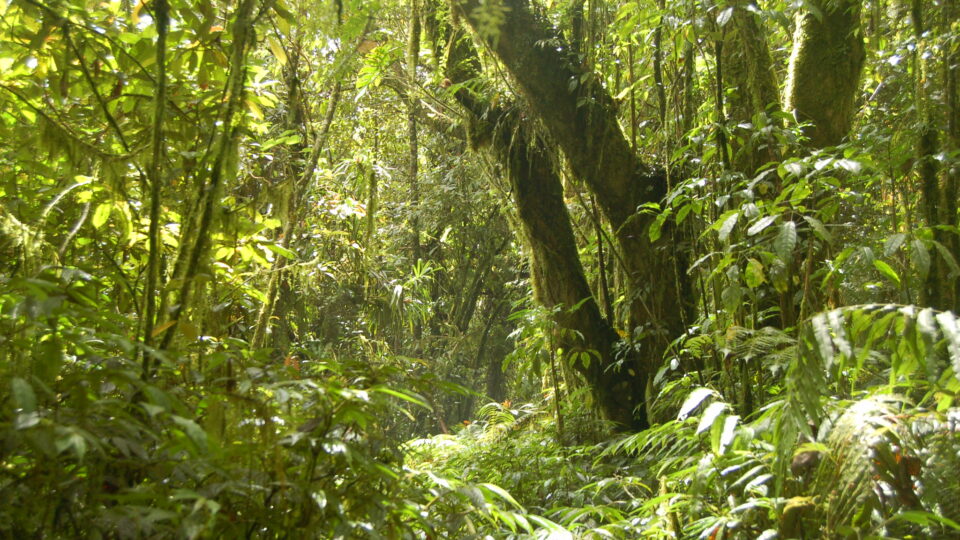
Many animal populations around the world are struggling and people are mostly to blame.  Species are declining because of all sorts of things including changes in land and sea use, pollution, invasive species, and climate change.

Like many animal species, plants are also struggling to adapt to a human-dominated world.  Plants provide the planet with food, oxygen, and energy, and are used to produce fibers, building materials, and medicines.  Even though plants are easier and cheaper to protect, they are often overlooked in conservation efforts. 

According to a paper recently published in the journal Trends in Plant Science, preventing all future land plant extinctions across the globe is possible with the right approaches.  The author of the paper, Richard Corlett of the Xishuangbanna Tropical Botanical Garden in China, writes that “if zero extinction is potentially achievable for plants, a less ambitious target would be inexcusable.” 

According to the paper, one big barrier in plant conservation is the lack of trained specialists, especially in tropical areas where there is a backlog of unidentified species.  It’s likely that many “dark extinctions,” which is when species slip away without us knowing they existed, have already occurred.

Another roadblock in preventing plant extinctions is information access, which can be solved by building an online “metaherbarium.”  This collaborative database would link digitized records from herbarium specimens with photographs, status assessments, and recovery plans.

Finally, the creation of “microreserves” – which are tiny pieces of protected land designed to get around space constraints – would further contribute to effective conservation of targeted plant species. 

Zero plant extinctions should be the goal.   

**********

Web Links

‘Zero plant extinction’ is possible, says plant ecologist

Photo, posted May 16, 2008, courtesy of Andrew Otto via Flickr.

Earth Wise is a production of WAMC Northeast Public Radio

 Restoring Biocrusts | Earth Wise

June 8, 2023 By EarthWise Leave a Comment

Biocrusts are complex ecosystems that form a thin layer on the surface of soils in arid and semiarid environments.  They are composed of variety of microbes including cyanobacteria, green algae, fungi, lichens, and mosses.  Biocrusts play a crucial role in maintaining soil health and ecosystem sustainability.

Biocrusts are under assault from human activities including agriculture, urbanization, and off-road vehicle use. Climate change is also placing stress on biocrusts, which are struggling to adapt to increasing temperatures.

Researchers at Arizona State University have proposed a novel approach to restoring healthy biocrusts.  Their idea is to make use of solar energy farms as nurseries for generating fresh biocrust.  The arrays of solar panels serve as shields from excessive heat and allow biocrusts to flourish and develop.  The newly generated biocrusts can then be used to replenish arid lands where the existing biocrusts have been damaged or destroyed.

When such biocrusts are harvested, the natural recovery process is rather slow, taking around six or eight years to fully recuperate.  But the researchers found that when harvested areas are reinoculated with the microbes, the biocrust cover can reach near-original levels within a year.

The ASU researchers demonstrated the viability of the approach in a three-year study at a solar farm in Arizona’s lower Sonoran Desert.  Based on their results, they conclude that the use of large solar farms for this purpose could provide a low-cost, low-impact, and high-capacity method to regenerate biocrusts and enable soil restoration on a regional scale.  They have dubbed their new approach as “crustivoltaics.”

**********

Web Links

Using solar farms to generate fresh desert soil crust

Photo, posted March 12, 2023, courtesy of Eric Peterson via Flickr.

Earth Wise is a production of WAMC Northeast Public Radio

Abandoned Oil Wells In The Gulf Of Mexico | Earth Wise

June 7, 2023 By EarthWise Leave a Comment

Abandoned and unplugged oil wells pose a major risk to the environment

There have been offshore oil platforms in the Gulf of Mexico for 85 years.  After all those decades of drilling, there are now more than 14,000 old, unplugged wells out in the water, and they are at risk of springing dangerous leaks and spills.  There are now more unplugged, non-producing wells than active wells in the gulf.   According to a new study, plugging all those abandoned wells could cost more than $30 billion.

Most of these wells are in federal waters and nearly 90% of them were owned at some point by one of the so-called supermajor oil companies:  BP, Shell, Chevron, and Exxon.  Under federal law, those companies would still be responsible for cleanup costs, even if they might have sold the wells in the past.

Oil and gas companies are legally responsible for plugging wells that are no longer in service, but such companies often go bankrupt, leaving wells orphaned and unplugged and taxpayers end up footing the bill.  The 2021 trillion-dollar infrastructure bill sets aside $4.7 billion to plug orphaned wells, but that is nowhere near enough.  

It may be possible to go after the supermajors to get them to pay for plugging wells in federal waters, but it will undoubtedly be a battle.   In state waters, whose wells are generally in shallower locations, it is even more urgent to act because any pollution from the wells is more likely to reach shore and wreak environmental havoc.

As the world starts to transition away from fossil fuels, decades of mining and drilling in almost every corner of the world, including the oceans, has left behind the need for an immense plugging and cleanup effort.

**********

Web Links

Price to Plug Old Wells in Gulf of Mexico? $30 Billion, Study Says

Photo, posted July 8, 2010, courtesy of John Masson / Coast Guard via Flickr.

Earth Wise is a production of WAMC Northeast Public Radio
Carbon-Negative Concrete | Earth Wise

June 6, 2023 By EarthWise Leave a Comment

Researchers exploring a carbon-negative concrete

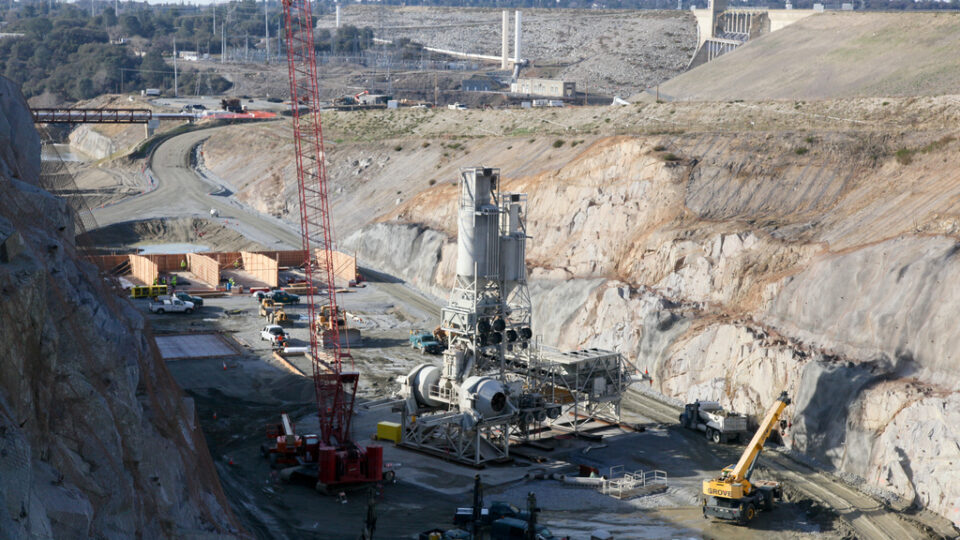
Concrete is a mainstay of modern civilization.  The world produces more than 4 billion tons of it each year and the process requires high temperatures, mostly obtained by burning fossil fuels.  The chemical reactions that produce concrete also produce large amounts of carbon dioxide.  In all, cement production is responsible for about 8% of total global carbon emissions by human activities.

This situation is the impetus for a wide range of research activities aimed at reducing the environmental impact of concrete production.  Researchers at Washington State University have recently developed a way of making carbon-negative concrete: a recipe for concrete that absorbs large amounts of carbon dioxide.

There have been attempts in the past to add biochar to concrete.  Biochar is a type of charcoal made from organic waste that sucks up carbon dioxide from the air.  In earlier attempts, even adding 3% of biochar would dramatically reduce the strength of the concrete.

The WSU researchers found that treating biochar with concrete washout wastewater makes it possible to add much more biochar to concrete without reducing its strength.  Mixing it with biochar adds calcium, which induces the formation of the mineral calcite, which in turn strengthens the concrete.

The researchers were able to add up to 30% biochar to their cement mixture.  Within a month, the resultant concrete was comparable in strength to ordinary concrete.  But at the same time, the biochar was able to absorb up to 23% of its weight in carbon dioxide from the air.  The new concrete is potentially the most environmentally friendly concrete ever developed.

**********

Web Links

Researchers develop carbon-negative concrete

Photo, posted January 31, 2012, courtesy of Michael J. Nevins / U.S. Army Corps of Engineers via Flickr.

Earth Wise is a production of WAMC Northeast Public Radio

Shrinking Birds | Earth Wise

June 5, 2023 By EarthWise Leave a Comment

A new study by researchers at Yale University looks at the way bird morphology is changing in response to the warming climate.  As temperatures rise, birds’ bodies are growing smaller, but their wings are growing longer.

In the study, published in the Proceedings of the National Academy of Sciences, the scientists analyzed two independently collected datasets containing 40 years of morphology changes in 129 bird species comprising 52 migratory species in North America and 77 South American species.

In both datasets, similar changes were observed over the 40-year period.  The overall trend makes sense given that being smaller and having longer wings both would help birds to stay cool in warmer weather.  What was less obvious was that the changes to the birds were much greater among the smallest bird species.

One possible explanation is that smaller species tend to reproduce on a shorter time scale and therefore evolve more quickly.  However, the study found no link between generation length and the changes in body size.

Another possible explanation is that smaller species tend to have larger populations, which means there is a greater chance of having individuals with desirable new traits that can get passed on.  But the scientists found no link between population size and shifts in body size either.

At this point, it is unclear why smaller birds are shrinking more.  More research is needed to figure out why larger birds are slower to adapt to climate change.  In general, larger species of animals have an increased risk of extinction.  This new research suggests that larger body size exacerbates extinction risk by limiting the ability for birds to adapt to the changes we are making to the climate.

**********

Web Links

Birds Are Shrinking as the Climate Warms — and Small Birds Are Shrinking Faster

Photo, posted October 30, 2018, courtesy of N. Lewis / National Park Service via Flickr.

Earth Wise is a production of WAMC Northeast Public Radio

A New Deep-Sea Reef In The Galapagos | Earth Wise

June 2, 2023 By EarthWise Leave a Comment

Like in many other places around the world, ocean warming has mostly destroyed the shallow-water reefs in the Galapagos Islands.  The islands are some of the most carefully protected places in the world, but they can’t escape the effects of a warming planet.

Recently, however, scientists have discovered a healthy, sprawling coral reef hidden deep under the sea in the Galapagos.  More than 1,300 feet underwater, the reef extends for several miles along the ridge of a previously unknown volcano in the Galapagos Marine Preserve.

The reef is pristine and is teeming with all sorts of marine life including pink octopus, batfish, squat lobsters, and a variety of deep-sea fish, sharks, and rays.

The expedition that discovered the new reef was led by the University of Essex in the UK.  Prior to this discovery, scientists thought that coral reefs were all but gone from the Galapagos.  A period of ocean warming in 1982 through 1983 wiped out more than 95% of the corals in the archipelago.  Only a few reefs in shallow waters remained.  The newly discovered reefs are sheltered deep under the sea and would have been protected from the deadly heat.

According to the scientists from the expedition, the newly discovered reef potentially has global significance because it represents a site that can be monitored over time to see how such a pristine habitat evolves with the ongoing climate crisis.  Reefs like this are clearly very old because coral reefs take a long time to grow. Finding this one means that it is likely that there are more healthy reefs across different depths that are waiting to be discovered.

**********

Web Links

Pristine Deep-Sea Reef Discovered in the Galápagos

Photo, posted March 28, 2009, courtesy of Derek Keats via Flickr.

Earth Wise is a production of WAMC Northeast Public Radio

Wildfire Smoke And Global Weather | Earth Wise

June 1, 2023 By EarthWise Leave a Comment

In 2019 and 2020, wildfires burned 72,000 square miles in Australia, roughly the same area as the entire country of Syria. During the nine months when the fires raged, persistent and widespread plumes of smoke filled the atmosphere.

These aerosols brightened a vast area of clouds above the subtropical Pacific Ocean.  Beneath these clouds, the surface of the ocean and the atmosphere cooled.  The effect of this was an unexpected and long-lasting cool phase of the Pacific’s La Niña-El Niño cycle.

A new modeling study by the National Center for Atmospheric Research in Boulder, Colorado quantified the extent to which aerosols from the Australian wildfires made clouds over the tropical Pacific reflect more sunlight back towards space.  The resultant cooling shifted the cloud and rain belt known as the Intertropical Convergence Zone northward.  These effects may have helped trigger the unusual three-year-long La Niña, which lasted from late 2019 through 2022.

The impacts of that La Niña included intensifying drought and famine in Eastern Africa and priming the Atlantic Ocean for hurricanes.  2020 was the most active tropical storm season on record, with 31 storm systems, including 11 that made landfall in the U.S.

The study highlights widespread multi-year climate impacts caused by an unprecedented wildfire season.  The wildfires set off a chain of events that influenced weather far from where the fires occurred.  In the future, climate experts will need to include the potential effects of wildfires in their forecasts.

**********

Web Links

How Wildfire Smoke from Australia Affected Climate Events Around the World

Photo, posted December 19, 2019, courtesy of Simon Rumi via Flickr.

Earth Wise is a production of WAMC Northeast Public Radio
Removing Carbon Dioxide Won’t Get the Job Done | Earth Wise

May 31, 2023 By EarthWise Leave a Comment

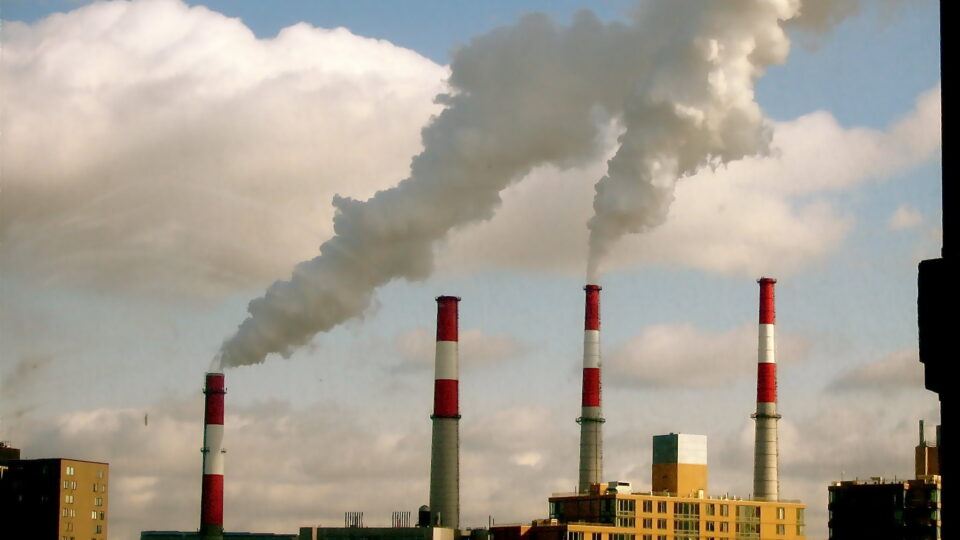
Limiting global warming to no more than 1.5-2 degrees Celsius above pre-industrial levels is a crucial goal for humankind.  Countries, companies, and other organizations around the world have committed to achieving ‘net zero’ emissions.  This is distinct from zero emissions in that it includes removing carbon dioxide from the atmosphere to offset the amounts we are putting into it.  Carbon dioxide removal is increasingly touted as the way to achieve emission goals.  But it is a realistic strategy?  According to a recent paper by a leading climate scientist in the journal Nature, the answer in the short term is decidedly no.

In 2022, the world emitted 45 billion tons of carbon dioxide into the atmosphere.  Last year’s bipartisan Infrastructure Law earmarked $3.5 billion for developing four direct air capture hubs in the US.  Each of these is expected to eventually be able to extract a little over a million tons of CO2 from the air each year. These hubs combined would therefore remove about 52 minutes’ worth of the year’s emissions over the course of the year. 

The bottom line is that unless we drastically reduce emissions, all the carbon dioxide removal strategies combined will scarcely make a dent in the problem.

We will never be able to eliminate all sources of emissions, particularly from certain industries, and carbon dioxide removal will be a very important technology to address those emissions, but in the big picture, it is essential that the world decarbonizes as much as possible and as soon as possible.

**********

Web Links

Carbon dioxide removal is not a current climate solution — we need to change the narrative

Photo, posted January 19, 2009, courtesy of Wladimir Labeikovsky via Flickr.

Earth Wise is a production of WAMC Northeast Public Radio
Record Polar Ice Melting | Earth Wise

May 30, 2023 By EarthWise Leave a Comment

A record amount of polar ice has melted

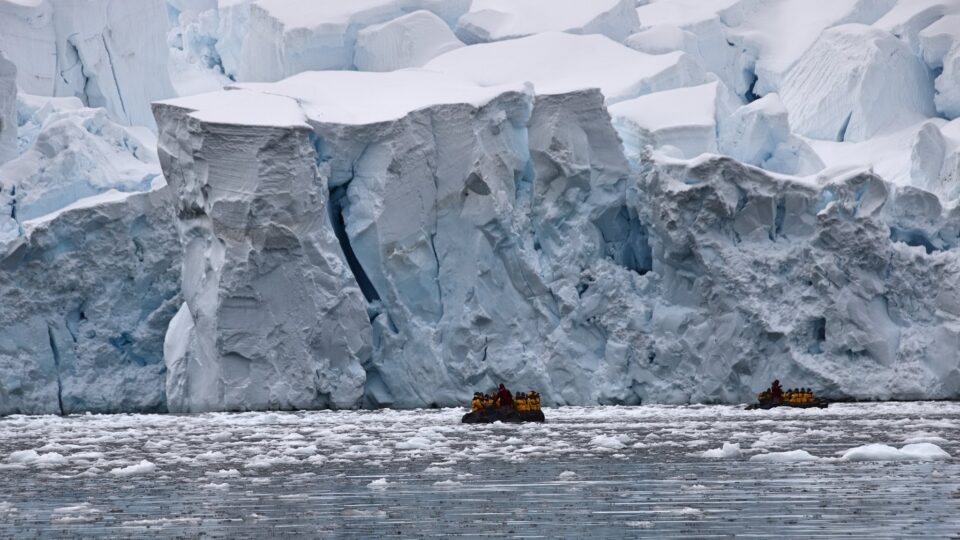
Sea levels are rising and ocean warming is responsible for the bulk of that rise.  As water heats up, it expands, which drives up sea levels.  But on top of that, global warming is melting the polar ice sheets, and that is leading to about a quarter of the world’s sea level rise. So far, polar melting has fueled about an inch of sea level rise, two-thirds from Greenland and one third from Antarctica.   According to scientists, by the end of this century, melting polar ice caps could raise sea levels between 6 and 10 inches.

The seven worst years for polar ice sheet melting have occurred during the past decade.  The worst year on record was 2019.  The loss in 2019 was driven by an Arctic summer heatwave, which resulted in record melting from Greenland, amounting to nearly 500 billion tons melted that year.  Antarctica lost 180 billion tons of ice that year, mostly due to melting glaciers and record melting from the Antarctic Peninsula.

Ice losses from Greenland and Antarctica can now be reliably measured by satellites in space.  A team of researchers led by Northumbria University in the UK has combined 50 satellite surveys taken between 1992 and 2020.

They have found that the Earth’s polar ice sheets have lost over 8,000 billion tons of ice over that time period.  That much ice corresponds to an ice cube roughly 12 miles high.

The satellite technology is now at the stage where the ice sheet status can be continuously updated.  Such monitoring is critical to predict the future behavior of the ice sheets and provide risk warnings of the dangers that coastal communities around the world will face.

**********

Web Links

Polar ice sheet melting records have toppled during the past decade

Photo, posted December 19, 2017, courtesy of Jasmine Nears via Flickr.

Earth Wise is a production of WAMC Northeast Public Radio

Methane And Wildfires | Earth Wise

May 29, 2023 By EarthWise Leave a Comment

Wildfires release a massive amount of methane

Methane is a colorless and odorless gas that occurs abundantly in nature and is also a product of certain human activities.  It’s also a potent greenhouse gas, meaning it affects climate change by contributing to increased warming.  In fact, methane gas is known to warm the planet 86 times more effectively than carbon dioxide over a 20-year period.

According to the U.S. EPA, up to 65% of total methane emissions around the world come from the following human activities: raising livestock, leaks from natural gas systems, and waste from landfills. 

Scientists from the University of California, Riverside have discovered that wildfires are releasing a massive amount of methane gas into the atmosphere.  According to the research team, this source of methane is not currently being tracked by air quality managers in California.  And this omission could have significant implications for climate change mitigation efforts in the state. 

Methane from wildfires is nothing new.  But what is new is just how much of the stuff is being emitted.  According to the findings, which were recently detailed in the journal Atmospheric Chemistry and Physics, the amount of methane from the top 20 fires in 2020 was more than seven times greater than the average from wildfires in the previous 19 years.  Wildfires were the third largest source of methane emissions in California in 2020. 

In 2016, California passed a law requiring a 40% reduction in air pollutants contributing to global warming by 2030.  But as wildfires continue to get bigger and more intense, achieving those reduction targets will get increasingly difficult.

**********

Web Links

Methane from megafires: more spew than we knew

Detecting Methane

Photo, posted November 30, 2015, courtesy of Daria Devyatkina via Flickr.

Earth Wise is a production of WAMC Northeast Public Radio
Plastic Eating Fungus | Earth Wise

May 26, 2023 By EarthWise Leave a Comment

Researchers exploring the use of fungi to break down plastic

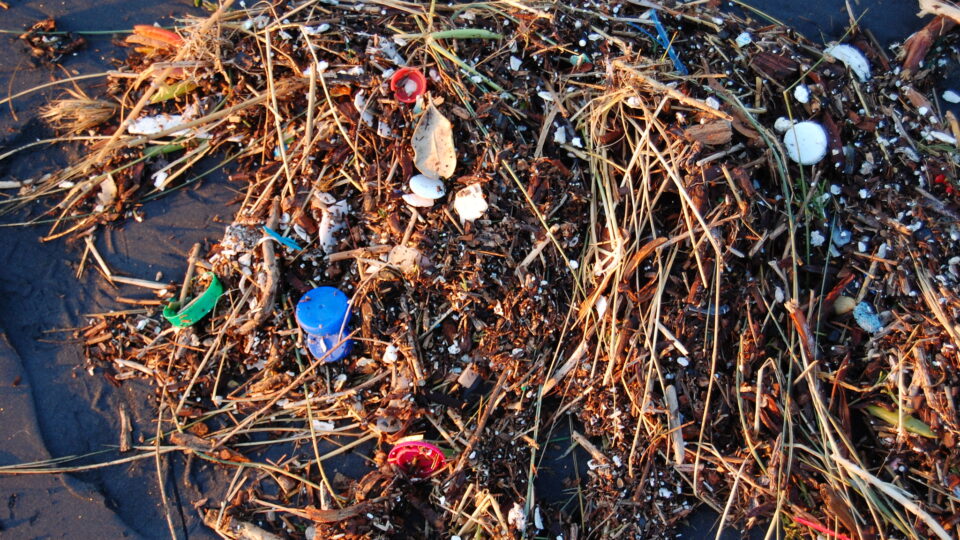
More than five billion tons of plastic have accumulated on land and sea including the most remote regions of the planet as well as in the bodies of animals and humans.  There is a compelling need to recycle as much plastic as possible but doing so is a major challenge. Plastic comes in many varieties and breaking it down for reuse requires different methods for each.

Polypropylene is one of the biggest challenges for recycling.  It is a very common plastic used for all sorts of products including food containers, coat hangers, plastic wrap, toys, and much more. It accounts for roughly 28% of the world’s plastic waste, but only 1% of it is recycled.

Polypropylene is seldom recycled because it generally has a short life as a packaging material, and it often becomes contaminated by other materials and plastics.  Thus, it generally ends up in landfills.

Researchers at the University of Sydney in Australia have discovered that two common strains of fungi were able to successfully biodegrade polypropylene.  The fungi species – with unavoidable Latin names of Aspergillus terreus and Engyodontium album – are typically found in soil and plants.

The researchers found that the fungi were able to break down polypropylene after it had been pre-treated with either UV light or heat, by 21% over 30 days, and by 25-27% over 90 days.  This seems rather slow but compared with the nearly endless life of polypropylene in landfills, it is a major improvement.

The hope is that methods like this could ultimately reduce the amount of plastic polluting the environment by encouraging plastic to biodegrade naturally under the appropriate conditions.

**********

Web Links

Fungi makes meal of hard to recycle plastic

Photo, posted March 5, 2010, courtesy of Kevin Krejci via Flickr.

Earth Wise is a production of WAMC Northeast Public Radio

  • « Go to Previous Page
  • Page 1
  • Interim pages omitted …
  • Page 29
  • Page 30
  • Page 31
  • Page 32
  • Page 33
  • Interim pages omitted …
  • Page 91
  • Go to Next Page »

Primary Sidebar

Recent Episodes

  • An uninsurable future
  • Clean energy and jobs
  • Insect declines in remote regions
  • Fossil fuel producing nations ignoring climate goals
  • Trouble for clownfishes

WAMC Northeast Public Radio

WAMC/Northeast Public Radio is a regional public radio network serving parts of seven northeastern states (more...)

Copyright © 2026 ·