• Skip to primary navigation
  • Skip to main content
  • Skip to primary sidebar

Earth Wise

A look at our changing environment.

  • Home
  • About Earth Wise
  • Where to Listen
  • All Articles
  • Show Search
Hide Search
You are here: Home / Archives for environment

environment

Explosive Growth Of Electric Vehicles | Earth Wise

May 25, 2023 By EarthWise Leave a Comment

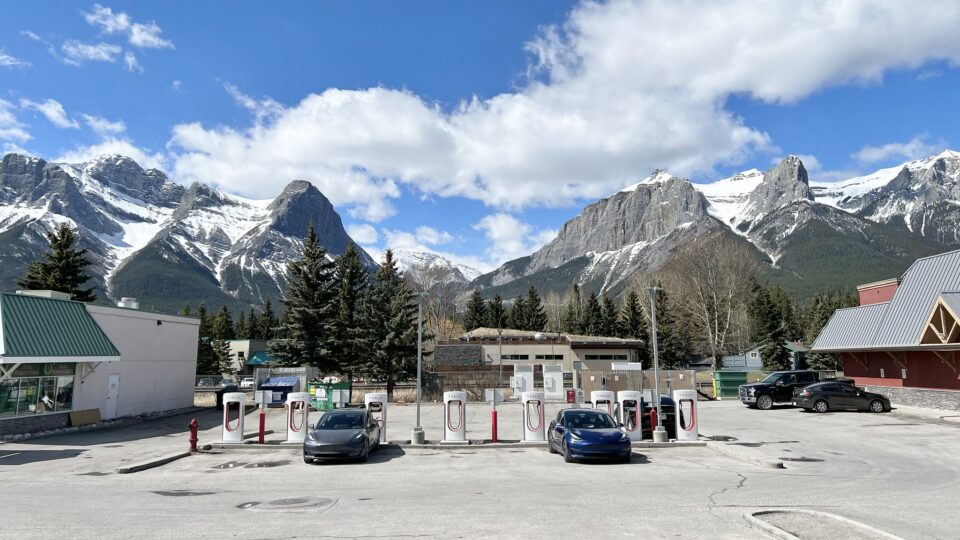
Not long ago, electric cars were a rarity.  Ten years ago, annual global sales of EVs were only a few hundred thousand.  As of today, globally, still less than one percent of all the cars on the road are electric.  But that is changing rapidly.

In fact, electric vehicles are expected to capture nearly 20% of the global market this year.  Global sales of EVs were 3 million in 2020 and 6.6 million in 2021.  Last year, sales of electric vehicles hit 10 million and are expected to reach 14 million this year according to the International Energy Agency.

Analysts at the IEA have had to repeatedly revise their projections for future EV sales as the numbers keep going up faster than predicted.  Last year, they projected that EVs would account for 21% of global sales by 2030.  Now, they expect that EVs will reach 35% of sales by that year.

In the US, the EU, and China, policy efforts are in place to boost EV sales.  In the US, the Inflation Reduction Act both supports the EV industry and subsidizes consumer purchases with tax credits. As a result of such policies, the IEA expects electric vehicles to account for 60% of sales across these three large markets by 2030.

Part of what is driving the boom in EV sales is that prices continue to come down for the vehicles.  When operating and maintenance costs are figured in, the EVs come out considerably cheaper to own.  In addition, there are starting to be price wars in the EV industry as competition heats up in the sector.

**********

Web Links

EVs to Capture One-Fifth of Global Market This Year Amid ‘Explosive Growth’

Photo, posted May 7, 2022, courtesy of Sharon Hahn Darlin via Flickr.

Earth Wise is a production of WAMC Northeast Public Radio
Greenhouse Gases Continue To Rise | Earth Wise

May 24, 2023 By EarthWise Leave a Comment

Greenhouse gases continue to rise

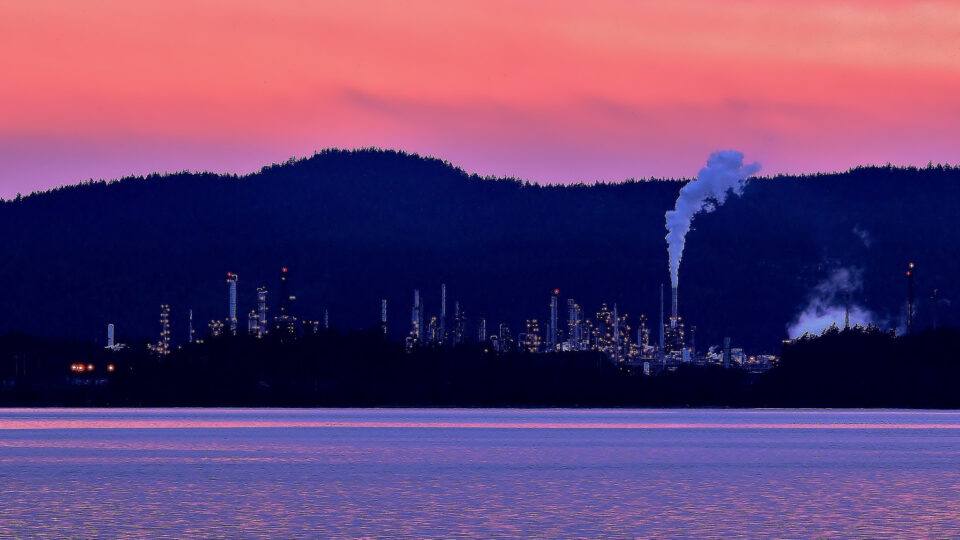
Despite all the focus on reducing emissions of greenhouse gases, there continues to be little progress toward actually accomplishing reductions.  A combination of growing populations, increasing industrialization in the developing world, and just plain reluctance on the part of many sectors of society to act, have all contributed to the continuing buildup of climate-altering gases in the atmosphere.

Levels of carbon dioxide, methane, and nitrous oxide – the three greenhouse gases produced by human activity that are the major contributors to climate change – all continued historically high rates of growth in 2022.

CO2 levels rose by 2.13 parts per million last year, roughly the same rate observed during the past decade.  The current level of 417 ppm is 50% higher than pre-industrial levels.  Increases of more than 2 ppm have occurred for 11 consecutive years.  Prior to 2013, there had never even been 3 years in row with increases of that size.

Methane levels increased by 14 parts per billion, the fourth largest increase over the past 40 years.  Methane levels in the atmosphere are now two-and-a-half times greater than their pre-industrial level. 

The third most significant greenhouse gas – nitrous oxide – also saw a large increase, reaching 24% above pre-industrial levels.

Carbon dioxide emissions are by far the most important contributor to climate change and the continuing widespread burning of fossil fuels is the primary source.  There are widespread intentions to reduce carbon dioxide emissions, but those intentions have not yet resulted in sufficient actions.

**********

Web Links

Greenhouse gases continued to increase rapidly in 2022

Photo, posted May 16, 2014, courtesy of Flickr.

Earth Wise is a production of WAMC Northeast Public Radio
Life In The Garbage Patch | Earth Wise

May 23, 2023 By EarthWise Leave a Comment

The ocean's garbage patches are teaming with marine life

A team of scientists has found thriving communities of coastal creatures living thousands of miles from their original homes and now ensconced on plastic debris in the Great Pacific Garbage Patch. 

A new study published in the journal Nature Ecology & Evolution reports that dozens of species of coastal invertebrate organisms – including tiny crabs and anemones – have been able to survive and reproduce on plastic garbage that has been floating in the ocean for years.

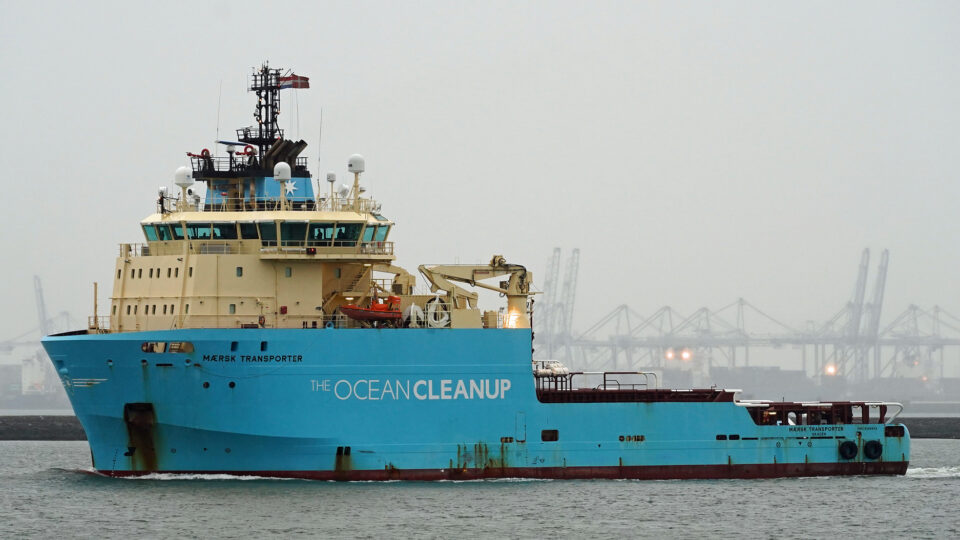
The Great Pacific Garbage Patch is an area in the ocean between California and Hawaii, larger than Texas, where plastic debris has been collected by the North Pacific Subtropical Gyre, one of five huge, spinning circular currents in the world’s oceans.  The patch is estimated to contain about 1.8 trillion pieces of plastic weighing an estimated 90,000 tons.  The Ocean Cleanup Initiative is dedicated to removing this immense accumulation of plastic, but it is an immense job.

Researchers discovered this new ecosystem after analyzing plastic samples collected by The Ocean Cleanup organization during its expeditions in the Pacific.  They were surprised to find 37 different invertebrate species that normally live in coastal water and only a dozen species that live in open waters.  These species have made their way from North America and have thrived.  So, the garbage patch has created a novel community that didn’t previously exist.

Debris from the Great Pacific Garbage patch constitutes the majority of debris arriving on Hawaiian beaches and reefs.  Hawaii’s fragile marine ecosystems have long been protected from invasive species because of the very long distances from North America or Asia.  With the coastal species now inhabiting the garbage patch, there is increased danger of colonization by them in Hawaii’s ecosystems.

**********

Web Links

Coastal species persist on high seas on floating plastic debris

Photo, posted September 30, 2020, courtesy of Kees Torn via Flickr.

Earth Wise is a production of WAMC Northeast Public Radio

Geothermal Energy Storage | Earth Wise

May 22, 2023 By EarthWise Leave a Comment

Aquifer thermal energy storage a solution to heat and cool buildings

About 12% of the energy consumed by humanity is used to heat and cool homes and businesses.  A study by researchers at Lawrence Berkeley National Laboratory and Princeton University looked at a novel approach to making use of underground water to maintain comfortable temperatures and reduce consumption of natural gas and electricity.

The idea is to use aquifer thermal energy storage (known as ATES) to provide both heat in the winter and cooling in the summer.  The concept leverages the heat-absorbing property of water and natural geological features.  The idea is to pump up water from existing underground reservoirs and heat it at the surface using environmental heat or even excess energy from solar or wind generation.  Then the warm water is pumped back down. It stays warm for a long time – even months – because the earth is a good insulator.  When the water is pumped back up in the winter, it is much hotter than the ambient air and can be used to supply heat to buildings.

Alternately, water can be pumped up and cooled in the winter and then put back down underground and stored until cooling is needed in the summer months.

This technology has not been used much in the US, but it is gaining recognition internationally, particularly in the Netherlands.  It can perform very well in areas with large seasonal fluctuations.

The research study used modeling and various simulations to estimate how much energy ATES could save on the US grid.  The results showed that adding ATES to the grid could reduce consumption of petroleum products for heating and  cooling by up to 40%.  The system could also help prevent blackouts by reducing high power demand during extreme weather events.

**********

Web Links

Underground Water Could be the Solution to Green Heating and Cooling

Photo, posted February 19, 2012, courtesy of Sanjay via Flickr.

Earth Wise is a production of WAMC Northeast Public Radio
Rare Earths And The Energy Transition | Earth Wise

May 19, 2023 By EarthWise Leave a Comment

Mining rare earths key to completing the energy transition

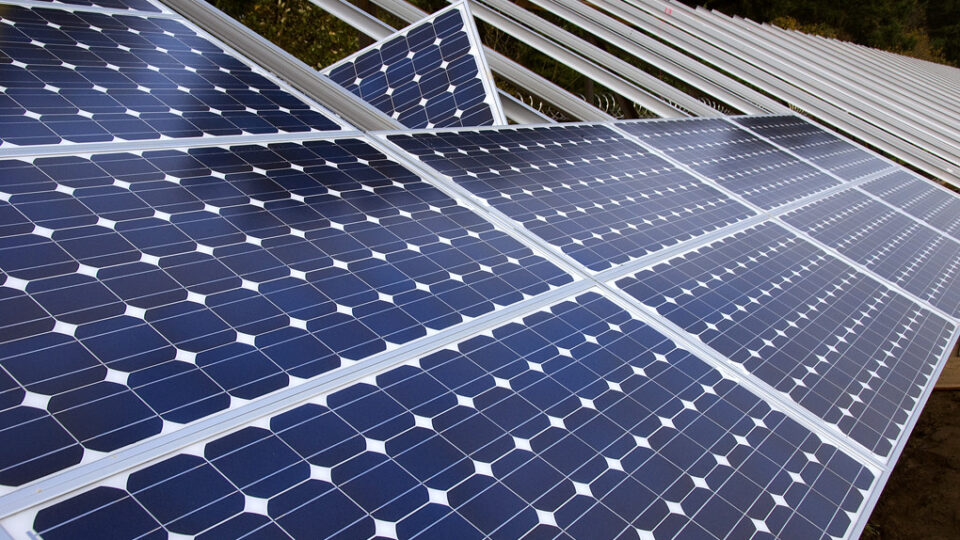
Limiting the rise in global temperature to no more than 1.5 degrees Celsius requires decarbonization.  This means slashing fossil fuel use, switching to renewable energy sources, and electrifying as many sectors of the economy as possible.  Doing these things requires huge numbers of wind turbines, solar panels, electric vehicles, and storage batteries.   All of them use rare earth elements and other critical metals.

The 17 rare earth elements are actually common, but they are called rare because they are seldom found in sufficient quantities to be extracted easily or economically. 

China once supplied 97% of the world’s rare earth elements as a result of government support, cheap labor, lax environmental regulations, and low prices.  Once the world started to realize the dangers of being so dependent on China, many countries began developing their own rare earth element production. (However, today China still produces 60-70% of the world’s rare earth elements).

It is difficult to mine rare earth elements without causing environmental damage.  The prevalent extraction techniques involve toxic chemicals that can leach into the environment and, because rare earths are often found near radioactive elements, mining often brings dangerous radioactive waste into the environment.

Researchers are working on ways to make rare earth mining more sustainable.  Some of these include biomining – which uses microbes to extract rare earths from ores, electrical methods to free rare earths from ores, and so-called agromining, which is growing plants that hyperaccumulate rare earths from the soil into their tissues.

Making rare earth mining more sustainable and less harmful to the environment is an essential part of the world’s future.

**********

Web Links

The Energy Transition Will Need More Rare Earth Elements. Can We Secure Them Sustainably?

Photo, posted November 18, 2008, courtesy of the Oregon Department of Transportation via Flickr.

Earth Wise is a production of WAMC Northeast Public Radio

Arctic Warming And Weather At Mid-Latitudes | Earth Wise

May 18, 2023 By EarthWise Leave a Comment

Arctic warming and how it impacts weather

Some of the most striking images of climate change are those of melting glaciers in the Arctic and polar bears stranded on shrinking sea ice. The Arctic has been warming at a rate twice as fast as the global average.  In recent years, there has been growing recognition of the Arctic’s role in driving extreme weather events in other parts of the world.

Winters in the midlatitude regions have seen more extreme weather events.  The past winter saw record-breaking cold temperatures and snowfall in Japan, China, and Korea.   Many parts of Eurasia and North America experienced severe cold snaps, with heavy snowfall and prolonged periods of subzero temperature.  On the other hand, Europe saw its second warmest winter on record with record high temperatures in many places, much drier than normal conditions, and the closure of many ski resorts.

A study published in the journal Climate and Atmospheric Science by scientists from South Korea and the U.S. looked at various climate projection models as well as historic climate data to assess what is likely to happen to weather in the mid-latitudes as the Arctic continues to warm.  Warmer Arctic Sea temperatures usually result in lower winter temperatures in East Asia and North America as ocean currents and the jet streams are altered.

The study shows that Arctic warming-triggered cold waves in the mid-latitudes are likely to persist in a warmer future, but that such events will become more difficult to predict.  The study highlights the importance of continued efforts to better understand the interactions between Arctic warming and the climate of the midlatitudes.   There need to be better ways to predict the extreme weather events that are likely to come.

**********

Web Links

Gwangju Institute of Science and Technology Researchers Correlate Arctic Warming to Extreme Winter Weather in Midlatitude and Its Future

Photo, posted August 31, 2006, courtesy of Hillebrand / USFWS via Flickr.

Earth Wise is a production of WAMC Northeast Public Radio
Better Zinc Batteries | Earth Wise

May 17, 2023 By EarthWise Leave a Comment

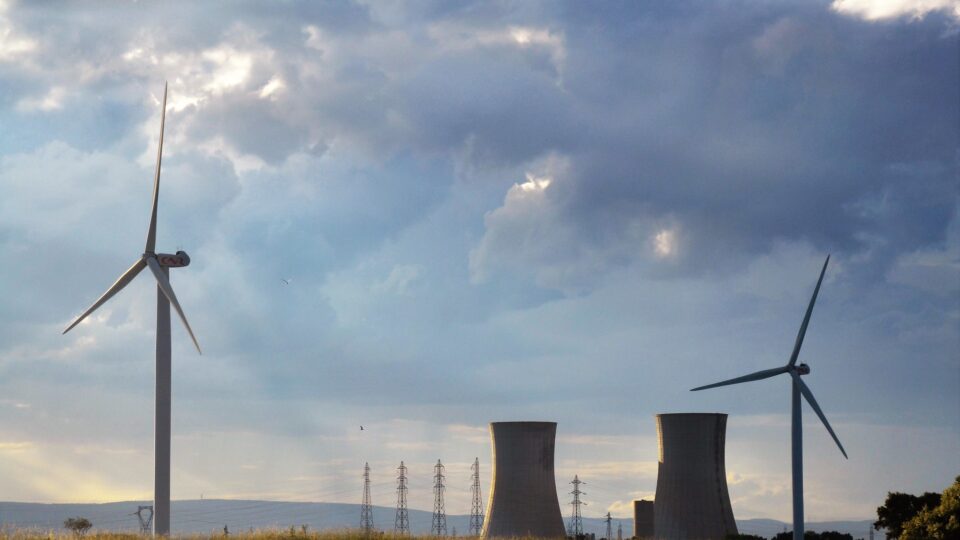
The rapid growth of wind and solar power continues to drive a global quest for new battery technologies that can be used to store the energy generated by these sources when the sun isn’t shining, and the wind isn’t blowing.

For the most part, current battery energy storage systems use lithium-ion batteries – the same sort of batteries found in cellphones and electric vehicles.  There are many other battery chemistries, but they mostly have shortcomings in performance, economy, or longevity. 

Batteries store electricity in the form of chemical energy and chemical reactions convert that energy into electrical energy. Every battery has two electrodes:  the anode, from which electrons flow into external circuits, and the cathode, which receives electrons from the external circuit.  The electrolyte is the chemical medium through which the electrons flow.

One technology that has great potential is zinc-based batteries.  Zinc itself is a metal that is safe and abundant.  Batteries based on it are energy dense. However, zinc batteries have faced the challenge of having a short cycle life.  The batteries end up plating zinc on their anodes and battery performance degrades. 

A team of researchers at Oregon State University and three other universities have recently developed a new electrolyte for zinc batteries that raises the efficiency of the zinc metal anode to nearly 100% – actually slightly better than lithium-ion batteries.

Zinc batteries have a number of potential advantages over lithium-ion.  The new hybrid electrolyte developed by the researchers is non-flammable, cost-effective, and has low environmental impact.  Lithium-ion batteries rely on the supplies of relatively rare metals that are often difficult and environmentally harmful to obtain. 

**********

Web Links

Researchers develop electrolyte enabling high efficiency of safe, sustainable zinc batteries

Photo, posted May 13, 2017, courtesy of Jeanne Menjoulet via Flickr.

Earth Wise is a production of WAMC Northeast Public Radio

Major League Baseball And Climate Change | Earth Wise

May 16, 2023 By EarthWise Leave a Comment

Major League Baseball is one of the most historic professional sports leagues in the United States and represents the highest level of professional baseball.  Throughout its history, MLB has endured many changes to rules, equipment, and strategy.  As a result of these changes, the league has been segmented into several distinct eras, including the dead ball era and the live ball era. 

According to a new study by researchers from Dartmouth College, baseball could be on the cusp of another era where higher temperatures due to global warming are increasingly having an impact on the game.  The report, which was published in the scientific journal Bulletin of the American Meteorological Society, found that more than 500 home runs since 2010 can be attributed to the warmer and thinner air caused by global warming  The research team expects several hundred more home runs per season to come with future climate warming.

While only 1% of recent home runs are attributable to climate change, researchers expect that figure to jump to 10% or more by 2100 if climate change continues unabated. 

The researchers examined each major league ballpark to gauge how the average number of home runs per year could rise with each 1-degree Celsius increase in global average temperature.  They found that Wrigley Field – home of the Chicago Cubs – would have the largest spike with more than 15 home runs per season.  Meanwhile, domed Tropicana Field – home of the Tampa Bay Rays – would remain unaffected by the hotter temperatures outside. 

Perhaps the next era for baseball will be known as “climate-ball.”

**********

Web Links

Spike in Major League Home Runs Tied to Climate Change

Photo, posted September 23, 2021, courtesy of Joe Passe via Flickr.

Earth Wise is a production of WAMC Northeast Public Radio

Here Come The Lanternflies | Earth Wise

May 15, 2023 By EarthWise Leave a Comment

The spotted lanternfly is an invasive pest from Asia that primarily feeds on tree of heaven, which is itself an invasive species that has become widespread.  The real problem is that the lanternfly can also feed on some 70 other plants such as grapevines, maples, fruit trees, and more.

The lanternfly was first discovered in the US in Pennsylvania in 2014 and has since spread to 14 states including New York, Massachusetts, Connecticut, and Rhode Island.  (It was first spotted in New York in Staten Island in 2020 and has continued to spread).

The insect poses a significant threat to New York’s agricultural and forest health. Both the adults and nymphs feed on the sap of plants which stresses them making them vulnerable to diseases and other insect attacks.  They also secrete a sticky substance that attracts molds and interferes with photosynthesis.

Lanternflies are not strong fliers.  They mostly spread through human activity by laying their eggs on vehicles, firewood, outdoor furniture, and other objects that people transport.

The bout of unusually warm weather that the Northeast experienced in early spring is likely to have jumpstarted the spotted lanternfly timeline and hatching could be bumped up to as early as May.

Agriculture officials are asking for people to look for spotted lanternfly egg masses and scrape them off with implements with a sharp edge.  Adult insects should be reported to local authorities and should be killed if at all possible.  There is lots of information online about how to recognize the egg masses and the insects.  Spotted lanternflies are not a direct threat to humans, but they have the potential to cause great harm to vineyards, orchards, and forests.

**********

Web Links

Spotted Lanternfly

Photo, posted September 12, 2018, courtesy of the U.S. Department of Agriculture via Flickr.

Earth Wise is a production of WAMC Northeast Public Radio

Storing Carbon Dioxide In The Ocean | Earth Wise

May 11, 2023 By EarthWise 2 Comments

Storing carbon dioxide in the ocean

Reducing the amount of carbon dioxide entering the atmosphere means either shutting down emission sources (primarily curbing the use of fossil fuels) or capturing the CO2 as it is emitted.  Capturing carbon dioxide from smokestacks and other point sources with high concentrations is relatively efficient and can make economic sense.  Removing it from the air, which even at today’s dangerously high levels contains only 400 parts per million, is difficult and energy intensive.  And even when it is removed, it then must be stored somewhere.

Researchers at Lehigh University have developed a novel way to capture carbon dioxide from the air and store it in what is effectively the infinite sink of the ocean.  The approach uses an innovative copper-containing filter that essentially converts CO2 into sodium bicarbonate (better known as baking soda.)  The bicarbonate can be released harmlessly into the ocean.

This technique has produced a 300 percent increase in the amount of carbon dioxide captured compared with existing direct air capture methods.   It does not require any specific level of carbon dioxide to work.  The filter becomes saturated with the gas molecules as air is blown through it.  Once this occurs, seawater is passed through the filter and the CO2 is converted to dissolved bicarbonate.  Dumping it into the ocean has no adverse effect on the ocean.  It doesn’t change the salinity at all, and the stuff is slightly alkaline, which will help reduce ocean acidification.

Reusing the filter requires cleaning it with a sodium hydroxide solution, which can be created from seawater using electricity generated by waves, wind, or sun.

The filter, called DeCarbonHIX, is attracting interest from companies based in countries around the world.

**********

Web Links

Path to net-zero carbon capture and storage may lead to ocean

Photo, posted March 10, 2007, courtesy of Gail via Flickr.

Earth Wise is a production of WAMC Northeast Public Radio
Two Lost Lakes Return To California | Earth Wise

May 10, 2023 By EarthWise Leave a Comment

Two lost lakes return to California following recent rains

The recent siege of powerful storms in California driven by a series of atmospheric rivers has had a significant effect on the severe drought that has plagued most of the state for many years.  Many of the state’s reservoirs are at the highest level they have been for decades.   The snowpack in the Sierras is well over 200% of its historical average.  Many parts of the state are no longer considered to be in drought conditions, and, in fact, flooding has been a serious problem in some areas.  This flooding has had some surprising results.

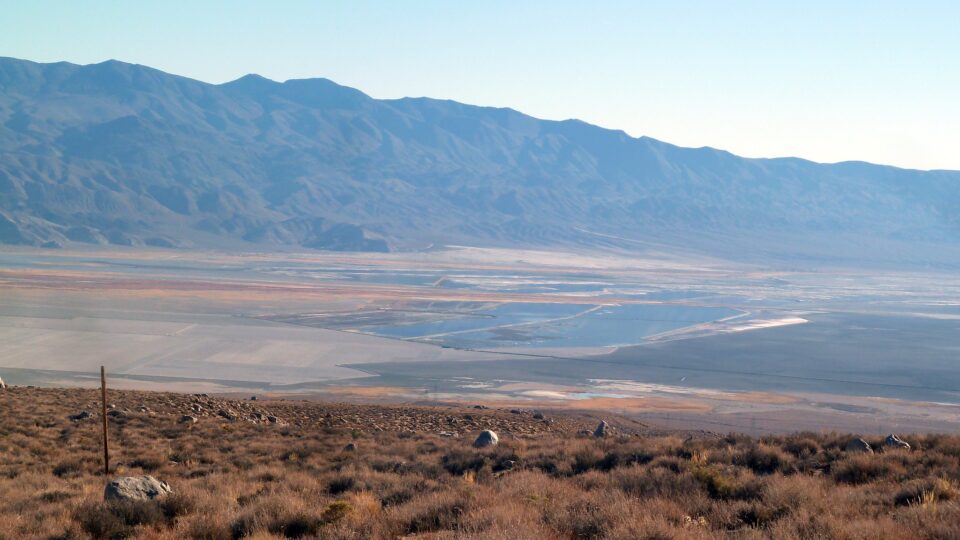
Two California lakes that drained a century ago have reappeared as a result of floodwaters from the recent storms.

Tulare Lake, in California’s Central Valley used to be fed by rain and snowmelt from the Sierras.  A system of dams and canals constructed in the early 20th century to support regional agriculture diverted water away from the lake.  It used to be the largest freshwater lake in the West but farmers ultimate planted crops in the dried lakebed.

The atmospheric river events in March inundated that farmland and once again there is water in Tulare Lake.

Owens Lake, on the eastern side of the Sierra Nevada, was long fed by mountain streams.  The 1913 construction of the Los Angeles Aqueduct redirected water to that city and desiccated the lake.   Floodwaters in March caused a partial collapse of the aqueduct and when the spill gates on the aqueduct were opened to drain the damaged areas, floodwaters poured in and partially refilled the lake.

California has suffered from drought for many years.  With its massive snowpack, as the weather warms, the state may face even more flooding.

**********

Web Links

Two Long-Drained California Lakes Refilled by Floodwaters, Satellite Images Show

Photo, posted November 10, 2014, courtesy of CN via Flickr.

Earth Wise is a production of WAMC Northeast Public Radio

Plants Make Sounds | Earth Wise

May 9, 2023 By EarthWise Leave a Comment

Some people talk to their plants.  It is highly unlikely that the plants are listening, but recent research has found that plants are doing quite a bit of talking of their own.

It turns out that plant emit a variety of click-like sounds, especially when they are stressed in some way, such as being dehydrated or injured.  The sounds are actually fairly loud – comparable to the volume of human speech – but occur at frequencies well above the range of human hearing.

The study at Tel Aviv University in Israel monitored plants in a greenhouse that were subjected to various stresses over time.  Unstressed plants emitted less than one sound per hour, on average, while stressed plants emitted dozens of sounds every hour.

Recordings of the plant sounds were analyzed by specially developed artificial intelligence algorithms.  The algorithms learned how to distinguish between different plants and different types of sounds.  Eventually, they could identify the plant and determine the type and level of stress from the recordings.  They could even do this in a greenhouse with a great deal of background noise.

The study resolved a very old scientific controversy about whether plants emit sounds.  Not only do they, but the sounds contain useful information.  We don’t yet know what the mechanism is for plant sounds.  It is likely that in nature, the sounds are detected by various animals and perhaps even plants that can detect the high frequencies.  And perhaps they react to them as part of seeking food, shelter, or other services that plants provide.  Given the right tools, we humans may also be able to make use of the sounds being made by plants.

**********

Web Links

Plants Emit Sounds – Especially When Stressed

Photo, posted February 20, 2009, courtesy of ProBuild Garden Center via Flickr.

Earth Wise is a production of WAMC Northeast Public Radio

Concrete And Carbon | Earth Wise

May 8, 2023 By EarthWise Leave a Comment

How to reduce the carbon emissions associated with concrete

After water, concrete is the world’s second most consumed material.  It is the cornerstone of modern infrastructure.  Its production accounts for 8% of global carbon dioxide emissions.  The carbon dioxide is a result of chemical reactions in its manufacture and from the energy required to fuel the reactions.

About half of the emissions associated with concrete come from burning fossil fuels to heat up the mixture of limestone and clay that ultimately becomes ordinary Portland cement.  These emissions could eventually be eliminated by using renewable-generated electricity to provide the necessary heat.  However, the other half of the emissions is inherent in the chemical process.

When the minerals are heated to temperatures above 2500 degrees Fahrenheit, a chemical reaction occurs producing a substance called clinker (which is mostly calcium silicates) and carbon dioxide.  The carbon dioxide escapes into the air.

Portland cement is then mixed with water, sand, and gravel to produce concrete.  The concrete is somewhat alkaline and naturally absorbs carbon dioxide albeit slowly.  Over time, these reactions weaken the concrete and corrode reinforcing rebar.

Researchers at MIT have discovered that the simple addition of sodium bicarbonate (aka baking soda) to the concrete mixture accelerates the early-stage mineralization of carbon dioxide, enough to make a real dent in concrete’s carbon footprint.  In addition, the resulting concrete sets much more quickly.  It forms a new composite phase that doubles the mechanical performance of early-stage concrete.

The goal is to provide much greener, and possibly even carbon-negative construction materials, turning concrete from being a problem to part of a solution.

**********

Web Links

New additives could turn concrete into an effective carbon sink

Photo, posted April 4, 2009, courtesy of PSNH via Flickr.

Earth Wise is a production of WAMC Northeast Public Radio

Minimizing The Impact Of EVs On The Grid | Earth Wise

May 4, 2023 By EarthWise Leave a Comment

How to minimize the impact of EVs on the electricity grid

Two current trends are the increasing reliance on renewable sources in the electric grid and the increasing use of electric vehicles.  According to some projections, these trends could lead to the need for costly new power plants to meet peak loads in the evening when cars are plugged in to charge.  Overproduction of power from solar farms during the daytime would require expanded energy storage capacity so as not to waste all that generating capacity.

A new study by MIT researchers has found that it is possible to mitigate or eliminate these problems without the need for advanced technological systems and complex infrastructure.  The key elements of the strategy are the strategic placement of charging stations and the practice of delaying the onset of home charging.

Better availability of charging stations at workplaces could help to soak up peak power being produced at midday from solar power installations.  In general, placing of charging stations in strategic ways, rather than letting them spring up just anywhere, could make a big difference.

Delaying home charging to times when there is less electricity demand could be accomplished with the use of a simple app that would estimate the time to begin the charging cycle so that it finishes charging just before the car is needed the next day.  Since different people have different schedules and needs, by delaying the onset of charging appropriately, not everyone will be charging at the same time, and therefore the peak in demand would be smoothed out.

There are substantial government funds earmarked for charging infrastructure and creating that infrastructure in suitably strategic ways could make a big difference in supporting EV adoption and supporting the power grid.

**********

Web Links

Minimizing electric vehicles’ impact on the grid

Photo, posted July 2, 2020, courtesy of Ivan Radic via Flickr.

Earth Wise is a production of WAMC Northeast Public Radio

Caterpillars And Light Pollution | Earth Wise

May 3, 2023 By EarthWise Leave a Comment

Most of us are familiar with air pollution, water pollution, soil pollution, and even noise pollution.  But it turns out that light can be a pollutant as well, and it’s a consequence of industrial civilization.  In fact, nighttime light pollution now covers approximately 23% of the globe and over 80% of inhabited regions. 

Light pollution affects more than just our view of the stars.  For example, light pollution can alter our circadian rhythm, disrupting our sleep cycle.  In nature, light pollution can kill baby turtles by causing them to head inland instead of into the ocean, can cause birds to migrate during the wrong season, and can deter nighttime pollinators like bats.  And those are just a few of the examples.    

According to new research from scientists at Cornell University, moderate levels of artificial light at night – like a porch light – attract caterpillar predators and reduce the chance that caterpillars grow up to become moths. 

In the study, which was recently published in the journal Proceedings of the Royal Society B: Biological Sciences, the researchers placed 552 lifelike caterpillar replicas made of soft clay in a forest to measure predation rates compared to a control group.  They found that predation rates on clay caterpillars and the abundance of arthropod predators were significantly higher on the artificial light at night treatment plots.  In fact, of the 552 clay caterpillars deployed and glued to leaves to look authentic, 521 models were recovered and 249 of them- or 47.8% – showed predatory marks from arthropods during the summer-long nighttime study.

In addition to light pollution, caterpillars also face major threats from habitat loss, pollution, invasive species, and climate change.

**********

Web Links

Artificial light at night aids caterpillar predators

Photo, posted July 23, 2020, courtesy of Judy Gallagher via Flickr.

Earth Wise is a production of WAMC Northeast Public Radio

Ocean-based Climate Intervention And Deep-sea Ecosystems | Earth Wise

May 2, 2023 By EarthWise Leave a Comment

Climate interventions could jeopardize deep sea ecosystems

Deep-sea ecosystems cover more than 40% of the Earth.  These regions are some of the least well-known and understood areas of our planet but are home to numerous ecosystems.  The deep seas are already directly exposed to the effects of human-induced climate change but could potentially be greatly threatened by efforts to artificially counteract climate change.

A class of geoengineering solutions called ocean-based climate interventions are increasingly being claimed as promising ways to mitigate climate change.  Such interventions would remove carbon dioxide from the atmosphere and sequester it in the deep sea.  There is very little known about the impact of such efforts on ocean biogeochemistry and the biodiversity of ocean ecosystems.

One approach is direct CO2 injection into the deep ocean, which would sequester large amounts of it and reduce the concentration in the atmosphere.  However, too much carbon dioxide in the water is called hypercapnia, which can have serious consequences on marine life.

Other approaches include ocean fertilization – which is enhancing phytoplankton production at the surface, leading to their eventual deposition on the deep-sea floor – and crop waste deposition – which is deep-sea disposal of terrestrial crop waste. 

A multinational study led by the Scripps Institution of Oceanography warns that there needs to be much more research and governance before any such interventions ever take place.  The deep sea faces unprecedented threats from industrial fisheries, pollution, warming, deoxygenation, acidification, and other climate-related problems.  Ocean-based climate intervention represents yet another serious threat to the functioning of these essential ecosystems.

**********

Web Links

HKU Marine Scientist contributes to research assessing the potential risks of ocean-based climate intervention technologies on deep-sea ecosystems

Photo, posted January 6, 2010, courtesy of Emrys Roberts via Flickr.

Earth Wise is a production of WAMC Northeast Public Radio

Falling Lithium Prices | Earth Wise

May 1, 2023 By EarthWise Leave a Comment

Producers still working out how to meet the surging demand for lithium

Lithium, the key element in the batteries that power electric cars, as well as smartphones, tablets, and laptop computers, is sometimes called white gold.  Over time, the price of the metal has gone up and up.  But recently, and surprisingly, the price of lithium has actually gone down, helping to make electric vehicles more affordable.

Over the first couple of months of this year, the price of lithium has dropped by nearly 20%.  The price of cobalt, another important component of vehicle batteries, has fallen by more than half.  Even copper, another battery material, has seen its price drop by 18%.

Many analysts predicted that prices of these commodities would stay high or even climb higher.  The reason for the decline, as well as whether it is likely to persist, is the subject of much debate.

Some experts believe that the price drops are a result of demand not being as high as expected, perhaps related to slowing sales growth of EVs in Europe and China after certain subsidies expired.  Other industry experts said that the drop was a result of new mines and processing plants providing additional supply sooner than was thought possible.

Despite the price drops, mining and processing lithium remains an extraordinarily profitable business.  It costs from $5,000 to $8,000 to produce a ton of lithium that sells for ten times that amount.  With such fat profit margins, there is no shortage of banks and investors eager to finance lithium mining and processing projects.  Such profit margins are probably not sustainable and that will likely result in more reasonable prices over time.

There is plenty of lithium in the world.  The huge demand for it is a recent phenomenon and the world is still working out how to meet that demand.

**********

Web Links

Falling Lithium Prices Are Making Electric Cars More Affordable

Photo, posted January 9, 2023, courtesy of Phillip Pessar via Flickr.

Earth Wise is a production of WAMC Northeast Public Radio

Seaweed On The Way | Earth Wise

April 28, 2023 By EarthWise Leave a Comment

Massive blob of sargassum heading towards the Gulf of Mexico

A type of seaweed called sargassum has long formed large blooms in the Atlantic Ocean.  It gets its name from the Sargasso Sea in the western Atlantic.  Since 2011, scientists have been tracking massive accumulations of the stuff each year that starts out off the coast of Africa and works its way across the Atlantic to end up in the Gulf of Mexico. 

The amount of sargassum present each year can shift depending on factors like changes in nutrients, rainfall, and wind conditions.  But since the 1980s, nitrogen content in the Atlantic has gone up by 45%.  This is likely due to human activities such as agriculture and fossil fuel production dumping materials into the rivers that feed into the ocean.

According to recent observations, the mass of seaweed now heading for Florida and other coastlines throughout the Gulf of Mexico may be the largest on record.  The giant blob of sargassum spans more than 5,000 miles in extent.  It is moving west and will pass through the Caribbean and up into the Gulf during the summer.  The seaweed is expected to become prevalent on beaches in Florida around July.

The seaweed provides food and protection for fishes, mammals, marine birds, crabs, sea turtles, and more.  But unfortunately, when sargassum hits the beaches, it piles up in mounds that can be difficult to walk through and eventually emits a gas that smells like rotten eggs.

Tourist destinations in the Caribbean region have their work cut out for them to remove seaweed that can pile up several feet deep.  For example, in Barbados, locals were using 1,600 dump trucks a day to clean their beaches.  Caribbean and Florida resorts spend millions of dollars each year to remove sargassum seaweed.

**********

Web Links

A 5,000-mile-wide blob of seaweed is headed for Florida, threatening tourism across the Caribbean

Photo, posted February 24, 2020, courtesy of Bernard Dupont via Flickr.

Earth Wise is a production of WAMC Northeast Public Radio
An Accelerating Rate Of Mountain Forest Loss | Earth Wise

April 27, 2023 By EarthWise Leave a Comment

Recent study demonstrates how mountain forest loss is accelerating

Mountains contribute disproportionately to the Earth’s diversity of life.  While mountains account for about 25% of the land area on Earth, they are home to more than 85% of the mammal, bird, and amphibian species.  But alarmingly, forested mountain habitats in which these species live are disappearing, and they appear to be disappearing at an accelerating rate.

According to a new study recently published in the journal One Earth, more than 300,000 square miles of mountain forest has been lost globally since 2000, which is an area larger than the state of Texas. 

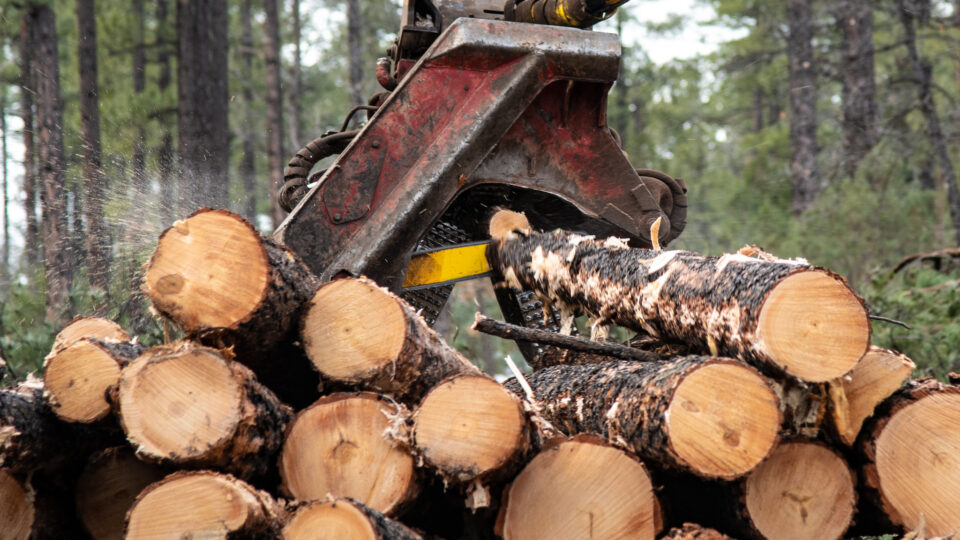
A research team led by scientists from Leeds University in the United Kingdom and the Southern University of Science and Technology in China tracked changes in mountain forests on an annual basis from 2001 to 2018.  The researchers found logging to be the biggest driver of mountain forest loss, responsible for 42% of the overall decline.  This is followed by wildfires at 29%, so-called “slash-and-burn” cultivation at 15%, and permanent or semi-permanent agriculture at 10%.  Significant losses occurred in Asia, Africa, Europe, Australia, and South America, but not in Oceania or North America.

The research team also found that the rate of mountain forest loss seems to be accelerating: in fact, the annual rate of loss increased 50% from 2010-2018 when compared with 2001-2009.

While developing additional forest protection strategies and interventions is critical, the researchers emphasize the importance of also considering food production, livelihoods, and human wellbeing in any new measures.

**********

Web Links

Mountain forests are being lost at an accelerating rate, putting biodiversity at risk

Photo, posted December 6, 2018, courtesy of Lance Cheung / USDA via Flickr.

Earth Wise is a production of WAMC Northeast Public Radio
California: Drought Or No Drought? | Earth Wise

April 26, 2023 By EarthWise Leave a Comment

Despite heavy rains, California is still experiencing a drought

Just a few months ago, millions of people in California were living under challenging water conservation rules.  The past three years were the driest on record and reservoirs were depleted, landscapes dried up, and the snowpack in the Sierras at very low levels.

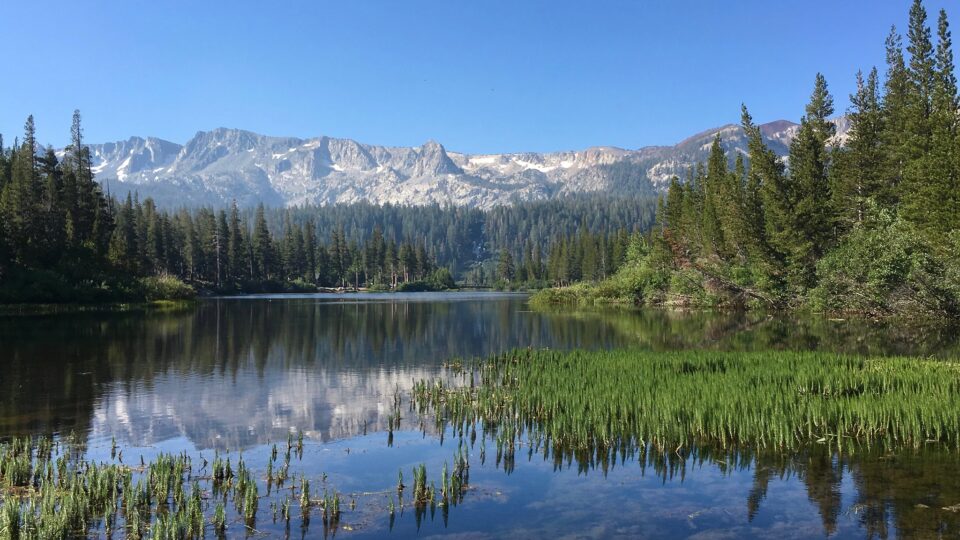
But in recent months, a dozen atmospheric river storms have brought huge amounts of rain and snow to the state.  Twelve out of 17 major reservoirs in the state have been replenished, the snowpack is over 240% of normal, and brown hills are blooming once again.

So, is the California drought over?  According to the experts, the answer is:  sort of.

The record snowpack and heavy rains have erased the most severe aspects of the drought in many parts of the state.  Only 9% of the state is now experiencing “severe” or “exceptional” drought, down from 55% last fall.

But the changes are basically all at the surface.  Groundwater in the state is still extremely low and the state’s cities and farms are still using more of it than is appropriate.  The state has been unwisely overusing its groundwater aquifers because of the drought and this one year of heavy rains cannot replenish levels that have been dropping for years.

California has been rolling back many of the most severe drought restrictions that had been imposed but has not entirely lifted the drought emergency status.  Meanwhile, the massive snowpack in the mountains will begin to melt as the weather warms and, in many areas, Californians will face flooding.  Water is a complicated business in California.

**********

Web Links

Drought or no drought? California left pondering after record winter deluge

Photo, posted August 28, 2019, courtesy of Joyce Cory via Flickr.

Earth Wise is a production of WAMC Northeast Public Radio

  • « Go to Previous Page
  • Page 1
  • Interim pages omitted …
  • Page 30
  • Page 31
  • Page 32
  • Page 33
  • Page 34
  • Interim pages omitted …
  • Page 91
  • Go to Next Page »

Primary Sidebar

Recent Episodes

  • An uninsurable future
  • Clean energy and jobs
  • Insect declines in remote regions
  • Fossil fuel producing nations ignoring climate goals
  • Trouble for clownfishes

WAMC Northeast Public Radio

WAMC/Northeast Public Radio is a regional public radio network serving parts of seven northeastern states (more...)

Copyright © 2026 ·