
• Skip to primary navigation
  • Skip to main content
  • Skip to primary sidebar

Earth Wise

A look at our changing environment.

  • Home
  • About Earth Wise
  • Where to Listen
  • All Articles
  • Show Search
Hide Search
You are here: Home / Archives for energy

energy

Aluminum In Batteries | Earth Wise

September 1, 2023 By EarthWise 1 Comment

Researchers working on a new battery

Batteries are playing a bigger and bigger role in our lives.  Apart from their use in ubiquitous smartphones, laptops, and other devices, millions of electric vehicles are hitting the roads, and utilities are installing giant banks of batteries to store energy generated by wind and solar farms.

The necessary characteristics of batteries are high energy density and stability.  The latter is needed so that batteries can be safely and reliably recharged thousands of times.  For decades, lithium-ion batteries have been the go-to for all these modern battery applications.  And they have gradually gotten better and cheaper all the time.  But the improvements are getting smaller, and the price reductions have limits.

For these reasons, researchers are always looking for batteries with higher energy density – so that, for example, electric cars can drive farther on a charge – and that can be made more cheaply, are not flammable, and are very stable.

Since the 1970s, researchers have investigated the use of aluminum for the anode of batteries because its properties would allow more energy to be stored.  However, when used in lithium-ion batteries, aluminum developed fractures and failed after a few cycles.

Researchers at Georgia Tech University have developed a type of aluminum foil with small amounts of other materials that create specific microstructures.  Used in battery anodes, this material does not degrade and appears to be a path to a better battery.  When incorporated into a solid-state battery that does not contain the flammable liquid found in standard lithium-ion batteries, the result is a battery that checks most of the boxes in the search for a better battery.

Much more work is needed to assess the potential for the aluminum-based battery, but it looks very promising.

**********

Web Links

Aluminum Materials Show Promising Performance for Safer, Cheaper, More Powerful Batteries

Photo, posted August 27, 2019, courtesy of Marco Verch via Flickr.

Earth Wise is a production of WAMC Northeast Public Radio

Missing Antarctic Sea Ice | Earth Wise

August 30, 2023 By EarthWise Leave a Comment

It is summer here in the United States, but it is winter in Antarctica.  Antarctic sea ice is water that forms and melts entirely in the ocean and it has a pattern of growth and reduction that has been monitored by satellites for the past 44 years.  The area of sea ice that surrounds the continent of Antarctica is known as the sea ice ‘extent’ and it had been quite stable for much of those years.

In 2016, the sea ice extent began to decline.  Since then, there have been several record summer lows with both the summers of 2021/22 and 2022/23 setting new minimum records.

This August, the deviation from all previous records intensified.  This winter’s sea ice extent is over 900,000 square miles below the long-term average, an area about the size of Greenland or, for example, Texas and Alaska combined.

Climate models have long predicted that Antarctic sea ice would reduce as a result of global warming but the current change to sea-ice extent is so dramatic that it is difficult to explain.  Sea ice extent is affected by multiple factors including the El Niño Southern Oscillation, the strength of the southern hemisphere jet stream, and regional low-pressure systems.  The warming climate is certainly the overall force that is changing Antarctic sea ice extent over time.

Antarctic sea ice extent is important because it covers a vast area of the dark Southern Sea with a bright white surface that reflects the sun’s energy back into space, helping to reduce temperatures at the pole and protecting glaciers and polar ice sheets. 

**********

Web Links

The mystery of the missing Antarctic sea ice

Photo, posted November 7, 2016, courtesy of Rob Oo via Flickr.

Earth Wise is a production of WAMC Northeast Public Radio

Electric Steel Furnaces | Earth Wise

August 29, 2023 By EarthWise 1 Comment

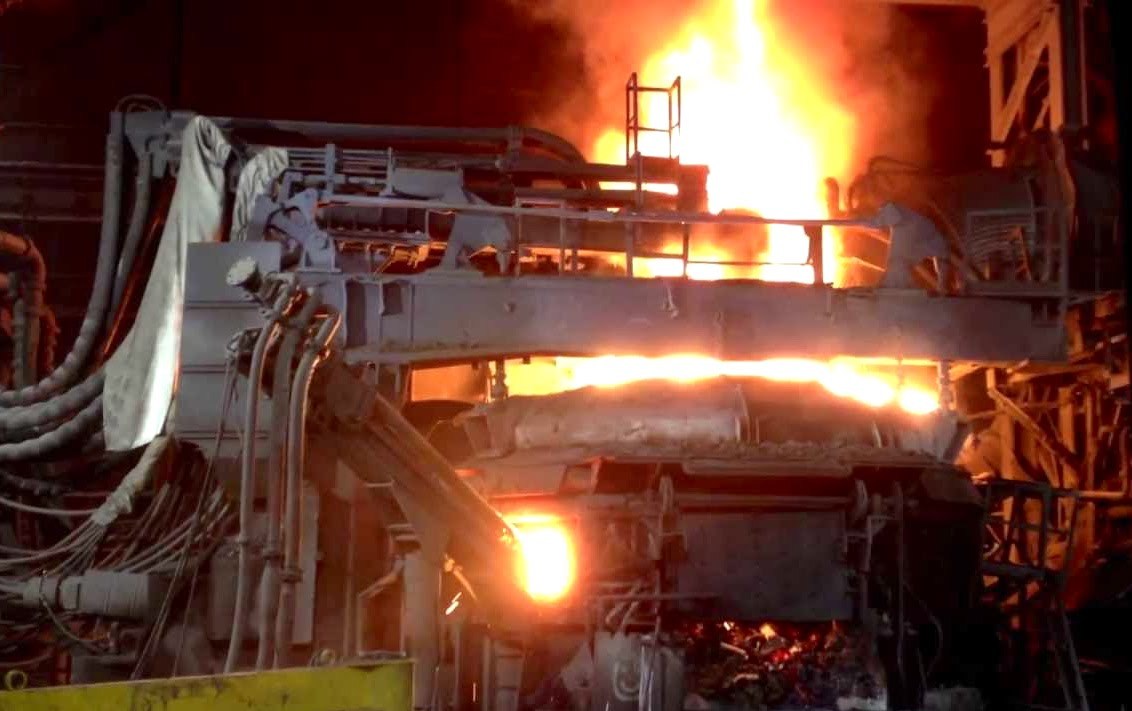
Steel was first made thousands of years ago.  The discovery that heating up iron ore in a hot enough charcoal fire could purify the iron into a strong and valuable material was the start of the Iron Age.  In many ways, things have changed very little since then.

Global iron and steel production accounts for 7% of society’s carbon emissions. Making steel generally involves burning coal in a blast furnace to produce the very high temperatures required to turn iron into steel.  The coal is used both as a feedstock and as a fuel.  Steel is made from iron and a substance called coke, which is basically coal that has been carbonized at high temperatures.  Coal itself is burned to provide the high temperatures needed.

A new analysis from the Global Energy Monitor think tank shows that the global steel industry is slowly embracing electric-arc furnaces to produce the necessary heat, which is a cleaner alternative.  The analysis found that 43% of forthcoming steelmaking capacity will rely on electric-arc furnaces, up from 33% last year.

According to the study, the shift to cleaner steel is not happening fast enough.  To meet the emissions reductions goals of the Paris Climate Agreement, electric-arc furnaces must account for 53% of global steelmaking capacity by 2050.  Based on the current plans, those furnaces would only account for 32% of total capacity by that year.

In order to meet these goals, the steel industry will need to retire or cancel about 381 million tons of coal-based manufacturing capacity and add 670 million tons of electric-arc furnace capacity. 

**********

Web Links

Steel Industry Pivoting to Electric Furnaces, Analysis Shows

Photo, posted March 3, 2012, courtesy of Jeronimo Nisa via Flickr.

Earth Wise is a production of WAMC Northeast Public Radio
Solar Panels On Canals | Earth Wise

August 25, 2023 By EarthWise Leave a Comment

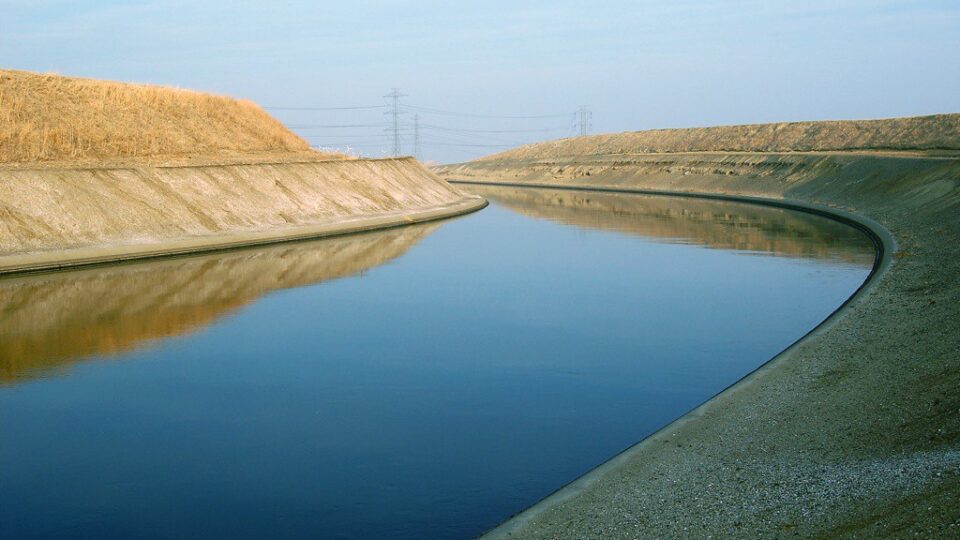
There has been growing interest in installing solar panels on top of reservoirs to make use of the available space to make electricity and reduce evaporation.  There has been far less interest in installing solar on canals and aqueducts.  But that is changing and a new project in California is part of that change.

A study by the University of California, Merced estimates that 63 billion gallons of water would be saved by covering California’s 4,000 miles of canals with solar panels.  All that installed solar would generate a significant amount of electricity.

The idea is going to be tested in the Turlock Irrigation District in Central California with Project Nexus, which is the installation of solar panels over 1.8 miles of canals that are between 20 and 110 feet wide.  The panels will sit between 5 and 15 feet off the ground.  UC Merced researchers will study impacts ranging from evaporation to water quality and use the results to make recommendations with respect to wider use of the technology.

California isn’t the first place to put solar on a canal.  India pioneered it on one of the largest irrigation projects in the world.  The Sardar Sarovar dam and canal project brings water to hundreds of thousands of villages in the dry, arid region of India’s Gujarat State.

Meanwhile, the Gila River Indian Community in Arizona received funding from the Bipartisan Infrastructure Law to install solar panels on their canals in an effort to save water and reduce stress on the struggling Colorado River.

The world of water infrastructure does not embrace change easily but covering canals with solar panels is an idea whose time may have come.

**********

Web Links

Solar panels on water canals seem like a no-brainer. So why aren’t they widespread?

Photo, posted December 11, 2005, courtesy of Dave Parker via Flickr.

Earth Wise is a production of WAMC Northeast Public Radio
Biosurfactants And Oil Spills | Earth Wise

August 22, 2023 By EarthWise Leave a Comment

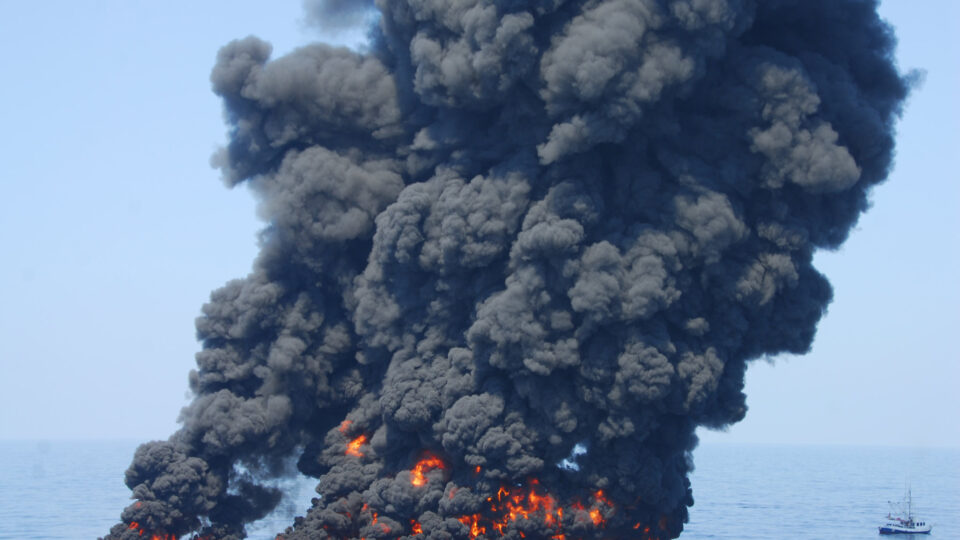
About 400 million gallons of oil leaks into the ocean every year.  This is a major source of environmental pollution.  Oil contains many hazardous compounds that are toxic or mutagenic for marine organisms. 

When oil spill incidents occur, large quantities of chemical dispersants, sometimes as much as millions of gallons, are applied to dissolve oil slicks, prevent oil from reaching coastlines, and enhance the dispersion of the oil in the water.  The hope for doing this is that microbial oil degradation will be enhanced as a result.  Certain microorganisms present in the water can feed on crude oil components and break them down into harmless substances.

A study at the University of Stuttgart in Germany in 2015 showed that chemical dispersants in fact can slow down microbial oil degradation and therefore inhibit water purification.  The oil components need to be broken down sufficiently for them to be bioavailable to microorganisms.  The study found that dispersants were not accomplishing this.

A new study by the same group along with researchers from the University of Tubingen in Germany and the University of Georgia has found that using biosurfactants rather than chemical dispersants stimulates different microbial oil degraders with respect to their growth and activity and can enhance our ability to deal with oil spills.   Treating the water with the biosurfactant rhamnolipid rather than any of the generally-used dispersants provided much higher rates of microbial breakdown of oil components.

The hope is that this work can lead to the development of effective and environmentally friendly approaches to combatting oil spills.

**********

Web Links

Biosurfactants might offer an environmentally friendly solution for tackling oil spills

Photo, posted June 11, 2010, courtesy of Deepwater Horizon Response via Flickr.

Earth Wise is a production of WAMC Northeast Public Radio
Floating Solar And Hydropower | Earth Wise

August 16, 2023 By EarthWise Leave a Comment

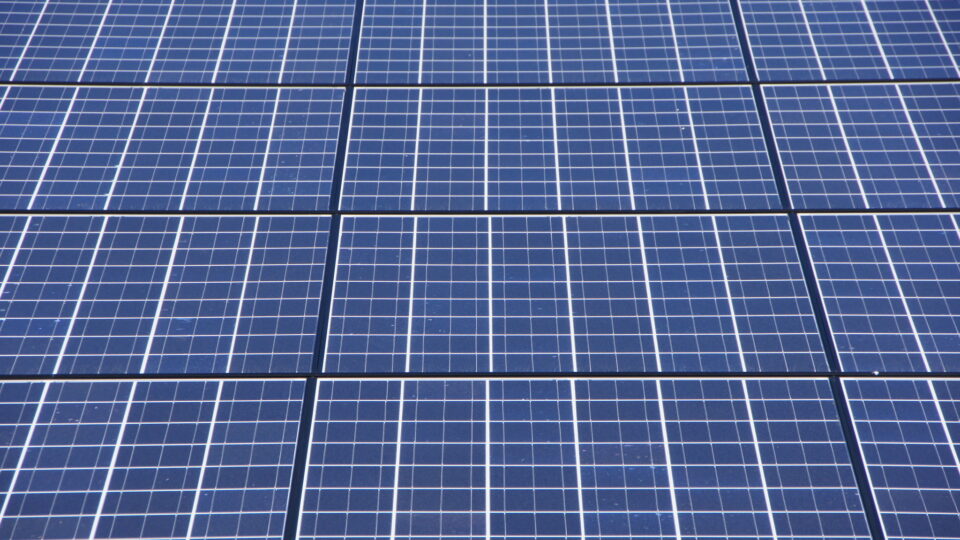
Installing solar panels on the surface of reservoirs is an up-and-coming trend.  The arrays of solar panels produce renewable energy while at the same time shielding significant expanses of water from the sun’s heat, thereby reducing evaporation.  The panels also help to inhibit the growth of algae.

Two recent floating solar installations are demonstrating the synergy between solar power and hydroelectric power.

The Lazer floating solar plant in France comprises over 50,000 solar panels and is capable of producing 30 MW of power.  The reservoir serves a 16.5 MW hydropower plant.  During the summer, the water from Lazer Reservoir is used primarily for crop irrigation and the solar plant supplements power generation as the reservoir water level experiences variations.  This is the first facility of its kind to be installed in France.  The company that built it – the EDF Group – had already built four floating solar power plants in Israel and the US. 

In Colombia, the Aquasol solar project is installed at the 340 MW Urrá hydropower plant.  Its 2,800 solar panels produce enough power to offset the amount of energy it takes to operate the dam.  The floating solar system is designed to withstand water-level fluctuations of up to 120 feet.

Floating solar systems can help keep power flowing when low water levels or other adverse conditions reduce hydroelectric output.  About 60% of the world’s renewable energy comes from hydropower.  Given this fact, there are countless opportunities to deploy floating solar that maximizes zero-emission energy generation as well as diversifying clean energy sources.

**********

Web Links

Floating solar and hydropower: A match made in renewable energy heaven

Photo, posted October 25, 2010, courtesy of Martin Abegglen via Flickr.

Earth Wise is a production of WAMC Northeast Public Radio
Cleaner And Greener Steel | Earth Wise

August 14, 2023 By EarthWise Leave a Comment

Researchers are developing a cleaner and greener steel

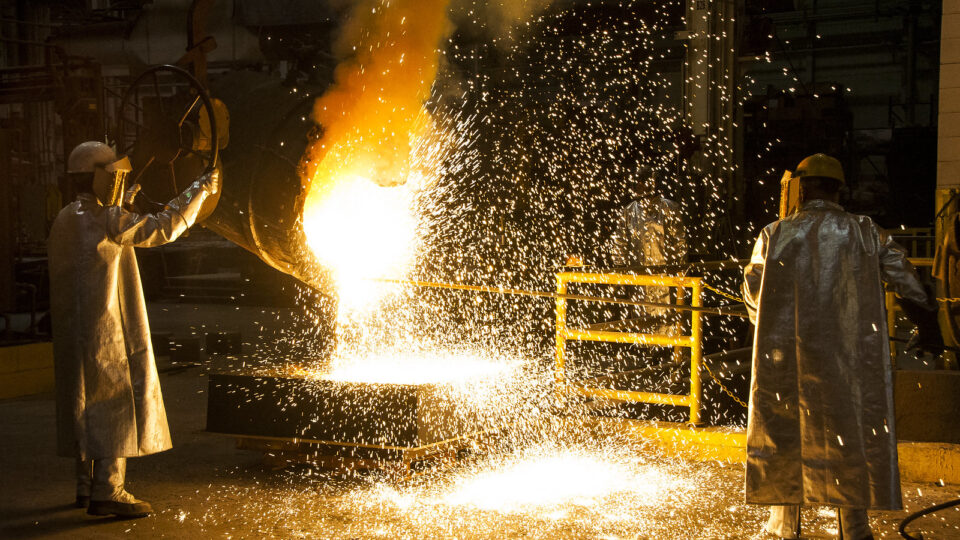
Producing construction materials like concrete and steel is a major contributor to greenhouse gas emissions.  Between 7 and 8% of emissions are due to steelmaking alone, which has been done pretty much the same way for more than a century.

Iron ore is smelted with high-carbon fuel and is turned into so-called pig iron in a blast furnace, which creates the key raw material for the steel industry.  The process uses huge amounts of energy (still often generated by burning fossil fuels) and releases carbon dioxide as a byproduct. 

The Department of Energy is sponsoring 40 projects at universities, national laboratories and companies in 21 states aimed at reducing industrial carbon pollution.  Ten of those projects are focused on decarbonizing iron and steel. These initiatives are part of the overall effort to move the nation towards a net-zero emissions economy by 2050.

A team headed by Case Western Reserve University that includes Lawrence Livermore National Laboratory, the University of Arizona, and steel company Cleveland-Cliffs Inc. has developed a promising new zero-carbon, electrochemical process for producing steel.

The process is a novel molten salt electrolysis method that is low-cost, capable of achieving high rates, and uses environmentally benign chemicals.  The process does not use carbon at all.  Using molten salts, electrochemistry can be performed at moderately high temperatures rather than the temperatures of nearly 3000 degrees Fahrenheit used for conventional steelmaking.  The goal is to enable steel production that is both economically viable at an industrial scale and that is environmentally sustainable.

**********

Web Links

Case Western Reserve leading research to develop zero-carbon, electrochemical process to produce iron metal as part of U.S. Department of Energy effort

Photo, posted January 11, 2017, courtesy of Kevin Casey Fleming via Flickr.

Earth Wise is a production of WAMC Northeast Public Radio
Solar Power And Water | Earth Wise

August 8, 2023 By EarthWise Leave a Comment

Solar power and water conservation in California

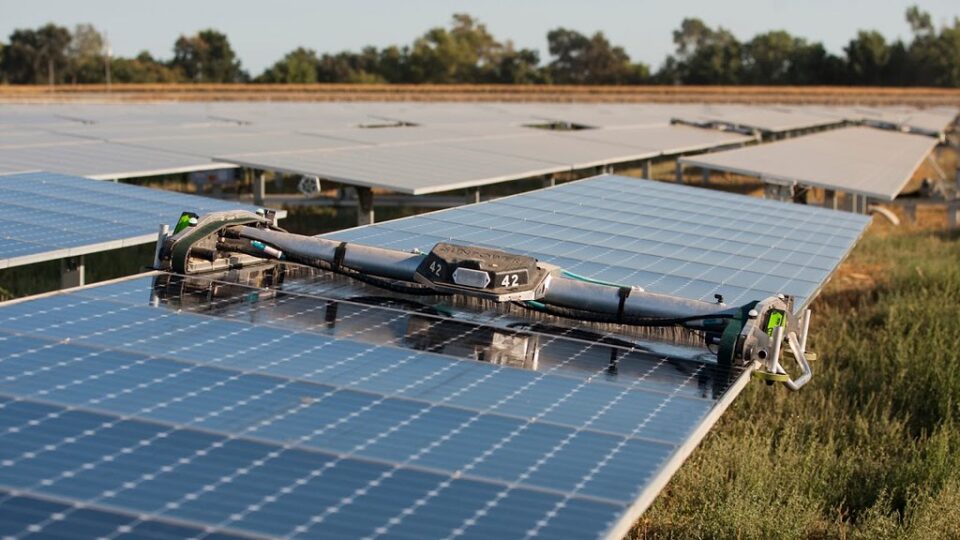
Solar power is a prime example of clean energy, but it does not come without complications and potential problems.  One problem that has arisen in the Californian desert is the effect on scarce water supplies.  Solar farms don’t use up water when they are operating but they consume it when they are being built.

One of the densest areas of solar development in North America is in a corridor along Interstate 10 near Palm Springs, California.  Multiple utility-scale solar projects are underway near the small town of Desert Center.  The projects are being built on public land overseen by the Department of Interior’s Bureau of Land Management.  The location is ideal for solar power projects:  endless sunshine, nearby transmission lines to distribute power, and a major highway for easy transportation of construction materials.

The problem is that during construction of the solar farms, the law requires developers to reduce the amount of dust being generated that can otherwise spread health problems like Valley Fever.  Preventing dust from flying requires water and lots of it.

The water comes from groundwater and building the solar farms is drying up local wells and emptying the aquifer that is part of the Chuckwalla Valley Groundwater Basin.  For the people who live in Desert Center and adjacent areas, this is a serious problem. It is also a problem for the desert ecosystem that supports palo verde and ironwood trees as well as endangered desert tortoises.

This isn’t an easy problem to solve. Seven approved new utility-scale solar projects in the area will provide enough electricity to power 2 million homes. But having enough water to build those projects won’t be easy.

**********

Web Links

Solar Is Booming in the California Desert, if Water Issues Don’t Get in the Way

Photo, posted October 16, 2017, courtesy of UC Davis College of Engineering via Flickr.

Earth Wise is a production of WAMC Northeast Public Radio
Wind And Solar Pass Coal | Earth Wise

August 3, 2023 By EarthWise Leave a Comment

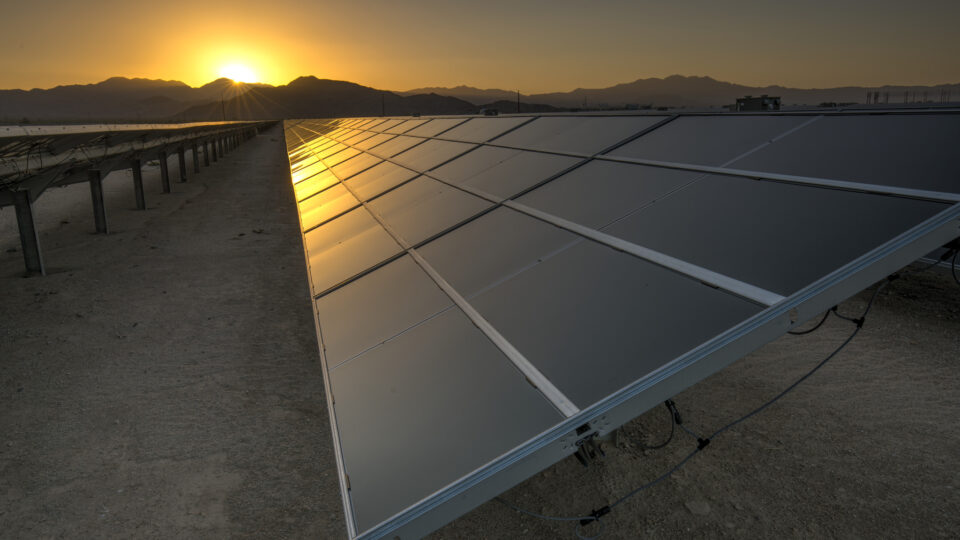
For the first five months of this year, wind and solar generated more electricity than coal in the United States.  This is a first.  Total renewable energy generation exceeded coal-fired power in both 2020 and 2022, but that counted hydroelectric power as one of the renewable sources.

This year, wind and solar alone generated a total of 252 terawatt-hours of energy through May compared with coal’s output of 249 terawatt-hours.  Hydropower generated an additional 117 terawatt-hours during that period.

While solar and wind power have been expanding at a rapid rate, the biggest change this year has been a precipitous drop in coal-fired generation due to a combination of low natural gas prices, a mild winter, and a series of coal plant retirements.

Coal generated almost half of the country’s electricity as recently as 2008.  Since then, coal has steadily declined as older coal plants shut down and were replaced by natural gas plants and renewable energy sources.  The coal industry had a bit of a reprieve last year when natural gas prices spiked in response to the disruptions in gas supplies in Europe due to the war in Ukraine.  The benchmark for natural gas prices – known as Henry Hub – was $8.81 in August 2022.  In May of this year, it was $2.15.  Given this trend, the demand for coal has steadily declined. 

The US has retired another 7% of the coal fleet – 14 gigawatts of capacity – since the start of 2022.  Meanwhile, power companies have added 22.5 GW of wind and solar capacity in just the past 12 months.

**********

Web Links

In a First, Wind and Solar Generated More Power Than Coal in U.S.

Photo, posted September 20, 2016, courtesy of Bureau of Land Management via Flickr.

Earth Wise is a production of WAMC Northeast Public Radio

An Electric Cruise Ship | Earth Wise

July 31, 2023 By EarthWise Leave a Comment

Electrifying cruise ships

The shipping industry accounts for about 3% of global manmade greenhouse gas emissions.  In 2018, the International Maritime Organization, the UN body that regulates global shipping, set a target to cut the industry’s greenhouse gas emissions by at least half by 2050.

This goal has led to a variety of designs for eco-friendly ships, including car carriers, superyachts, and cargo ships with retractable sails.  But most of the designs still rely to at least some extent on engines that run on fossil fuels.

The Norwegian cruise ship company Hurtigruten has announced that it will build a zero-emissions electric cruise ship with retractable sails covered in solar panels.  The ship is expected to set sail in 2030.  Hurtigruten is a relatively small company, with a fleet of eight ships, each with a capacity of 500 passengers.  But the company hopes that its innovative plan will inspire the entire maritime industry.

The ship will predominantly run off of electric motors powered by 60 megawatt batteries that can be charged in port with renewable energy.  To reduce reliance on the battery, when it is windy, three retractable sails will rise out of the deck, reaching a maximum height of 164 feet.  The sails will be covered in solar panels that will generate energy to top off the batteries while sailing.

The ship will have 270 cabins to hold 500 passengers and 99 crew members.  The streamlined shape of the ship will result in less air resistance to further reduce energy use.

Hurtigruten already has a hybrid, battery-supported cruise ship and is currently in the process of converting its entire fleet to hybrid battery power.

**********

Web Links

An electric cruise ship with gigantic solar sails is set to launch in 2030

Photo, posted January 15, 2023, courtesy of Bernard Spragg via Flickr.

Earth Wise is a production of WAMC Northeast Public Radio

Renewables In China | Earth Wise

July 28, 2023 By EarthWise Leave a Comment

A couple of years ago, China set an ambitious goal for renewable energy capacity – which includes wind, solar, hydroelectric, and nuclear power – for it to exceed fossil fuel capacity by 2025.  According to a recent report by Reuters, China has hit this goal two years ahead of schedule.  Renewables now make up 50.9% of the country’s power capacity.

The rapid growth in renewable capacity has largely been driven by investments in wind and solar megaprojects in the sparsely populated west of the country that export power to the manufacturing centers in the east.  China’s most recent 5-year plan calls for 570 gigawatts of wind and solar power to be installed over that period, which more than doubles its installed capacity.  The plan makes use of what it called “clean energy bases”, which utilize sandy and rocky deserts, other types of barren lands, and wastelands left behind by coal mining.  The largest clean energy bases make use of vast deserts in Inner Mongolia and Gansu.

One cautionary note is that power capacity refers to the maximum amount of electricity that a power plant can produce under ideal conditions.  Thus, for example, it refers to how much electricity a solar farm can generate at noon on a cloudless day.  So, the new figures from China don’t necessarily reveal how much electricity China is actually drawing from renewables.  In reality, China still gets a great deal of its power from coal.

China is the world’s largest emitter of carbon dioxide – more than twice as much as the United States, albeit from nearly 4 times the population.  The rapid growth of renewables is at least moving that country in the right direction.

**********

Web Links

Fossil Fuels Now Account for Less Than Half of China’s Power Capacity

Photo, posted December 2, 2015, courtesy of IBM via Flickr.

Earth Wise is a production of WAMC Northeast Public Radio

Electric Motors For Aviation | Earth Wise

July 25, 2023 By EarthWise Leave a Comment

Aviation contributes about 3% of global greenhouse gas emissions.  Its carbon footprint is one of the more difficult ones to reduce.  Electrifying planes would shrink that footprint considerably, but it represents a significant technical challenge.  To date, only small all-electric planes have gotten off the ground.  The electric motors in those planes generate hundreds of kilowatts of power.  To power large planes, like commercial airliners, megawatt-scale motors are required.

A team of MIT engineers is developing a 1-megawatt motor that could be a key step towards electrifying commercial aircraft.  They have designed and tested major components of the motor and have calculated how the completed design could generate one megawatt of power at a weight and size competitive with existing small aircraft engines.

To be suitable for aircraft use, motors have to be compact and lightweight.  The more power electric motors generate, the bigger they are and the more heat they produce.  Cooling motors requires additional components that take up space and add significant weight.  The MIT motor design and associated power electronics are each about the size of a typical checked suitcase and weigh less than an adult passenger.

Once the MIT team can demonstrate an entire functional motor, the design could be used to power regional aircraft and could be the enabling element of hybrid-electric propulsion systems for jet aircraft.  Possible future configurations could make use of multiple one-megawatt motors powering multiple fans distributed along aircraft wings.

Electrification of aircraft is a slow but steady area of development and technologies such as that being developed at MIT could end up meeting the practical needs of the aircraft of the future.

**********

Web Links

Megawatt electrical motor designed by MIT engineers could help electrify aviation

Photo, posted September 14, 2019, courtesy of Dylan Agbagni via Flickr.

Earth Wise is a production of WAMC Northeast Public Radio
Greenhouse Gas Emissions Are Still Increasing | Earth Wise

July 21, 2023 By EarthWise Leave a Comment

Greenhouse gas emissions are still rising

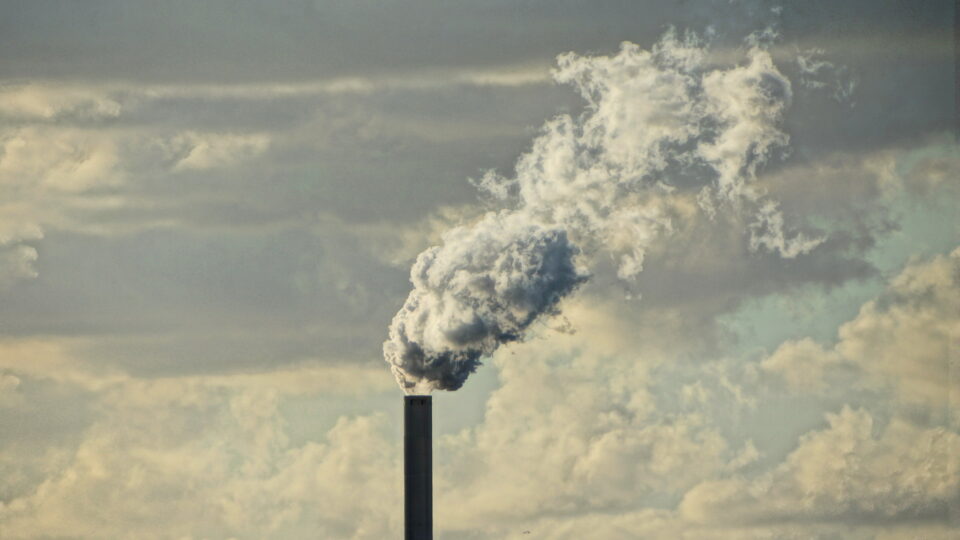
Recent research has found that the level of greenhouse gases emitted by human activity has reached an all-time high level of nearly 60 billion tons a year.  Despite increasing public attention, policy measures, and adoption of green technologies, the pace at which these changes have been taking place has simply not kept up with the ongoing burning of fossil fuels by increasingly industrialized societies.  The rate at which greenhouse gas emissions has increased over time has indeed slowed, but emissions need to start decreasing and as soon and as much as possible.

Human-induced warming has reached a ten-year average from 2013-2022 of 1.14 degrees Celsius above pre-industrial levels, up from a 1.07 degrees average between 2010-2019. 

Scientists have calculated a carbon budget that describes how much more carbon dioxide can be emitted before global warming exceeds the threshold of 1.5 degrees Celsius that is widely predicted to lead to potentially catastrophic changes to the climate.  In 2020, the Intergovernmental Panel on Climate Change calculated that the remaining carbon budget was about 500 billion tons of carbon dioxide.  Over the past three years, nearly half of that carbon budget has already been exhausted by the continuing onslaught of carbon emissions.

Researchers describe their study as a timely wake-up call that the pace and scale of climate action to date has been insufficient and that we need to change policy and approaches in light of the latest evidence about the state of the climate system.  Time is no longer on our side in trying to stave off the worst effects of climate change.

**********

Web Links

Greenhouse gas emissions at ‘an all-time high’, warn scientists

Photo, posted September 18, 2015, courtesy of In Hiatus via Flickr.

Earth Wise is a production of WAMC Northeast Public Radio
A Big Year For Rooftop Solar | Earth Wise

July 19, 2023 By EarthWise Leave a Comment

Rooftop solar growing around the globe

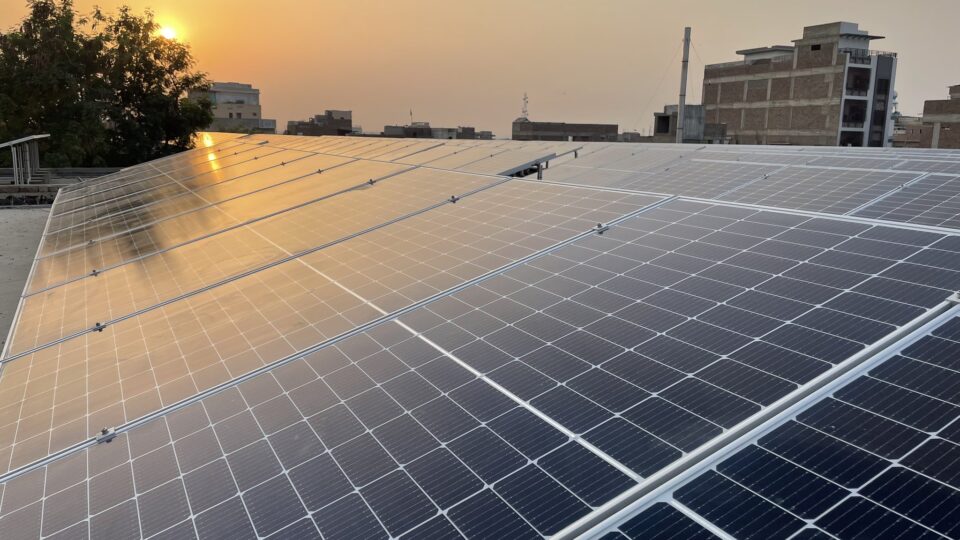
The global capacity of rooftop solar power grew by 49% in 2022.  Overall, the installed amount of rooftop solar grew from 79 gigawatts to 118 gigawatts last year and it is projected to reach 159 gigawatts by the end of this year.  By comparison, a typical nuclear power plant can produce 1 gigawatt; a gas-powered power plant is typically half a gigawatt.

Rooftop solar constitutes a relatively small fraction of the total global installed solar capacity, which is dominated by utility-scale solar arrays.  Total installed solar capacity rose from 950 gigawatts to 1,177 gigawatts last year and is projected to reach 1,518 gigawatts this year.  That is enough power to meet more than half the electricity demand of the European Union.

The rapid growth of solar power can only continue if there is more energy storage put in place to manage the peaks and troughs in solar output.  Countries will also need to upgrade their power grids to be able to transport excess solar power from where it is generated to where it is needed.   Bottlenecks in the grids of most of the leading solar-producing nations are already interfering with further solar development.

The overall potential for rooftop solar is based on the number of rooftops that would be suitable for solar power, which depends on the size, shading, orientation, and location of the roofs.  According to the National Renewable Energy Laboratory, rooftops in the United States have the potential for more than 1,000 gigawatts of solar capacity. Currently, only about 4% of US homes have rooftop solar. 

**********

Web Links

Rooftop Solar Grew Nearly 50 Percent Globally Last Year

Photo, posted November 16, 2022, courtesy of Oliver Knight via Flickr.

Earth Wise is a production of WAMC Northeast Public Radio

Europe Is Warming Very Quickly | Earth Wise

July 13, 2023 By EarthWise Leave a Comment

Europe is warming faster than most of the world

According to a new report from the World Meteorological Organization, Europe is warming faster than any other inhabited continent.  The result of the rising temperatures has been increasingly severe heat waves, flood, and wildfires.

The Paris Climate Agreement has set a goal of limiting warming to no more than 2 degrees Celsius above pre-industrial levels and, if at all possible, to no more than 1.5 degrees.  To date, the planet has warmed by 1.2 degrees and, with greenhouse gas emissions continuing at record levels, the temperature keeps going up.

These numbers refer to the global average.  Some places have warmed more and others less.  The Arctic has been warming four times quicker than the rest of the world.  In terms of direct impact on large populations, Europe has already surpassed the 2-degree mark, having reached 2.3 degrees last year.  In 2022, many countries in western and southwestern Europe had their warmest year on record. Weather-related economic damages totaled $2 billion, mostly as a result of storms and floods.

Europe is trying to do its part in mitigating climate change by making major gains on clean energy.  Wind and solar generated 22% of Europe’s power in 2022, which is more than either natural gas or coal produced.  Europe is trying to do its share, but the warming climate is a global phenomenon and will require a global effort to mitigate its effects.

The record-breaking heat stress experienced by Europeans last year cannot be considered a one-off occurrence.  It is part of a pattern that will make weather extremes more frequent and more intense over time.

**********

Web Links

The Fastest-Warming Continent, Europe Has Already Heated by More Than 2 Degrees C

Photo, posted September 26, 2011, courtesy of Ben Ramirez via Flickr.

Earth Wise is a production of WAMC Northeast Public Radio

Electric Cars And Apartments | Earth Wise

July 10, 2023 By EarthWise Leave a Comment

Lack of charging options for people who rent hinder wider electric vehicle adoption

The transition to electric cars is underway.  People are increasingly buying them, carmakers are switching over to making them, and governments are providing incentives as well as legislating the changeover.  More and more consumers want to lower their carbon footprints and stop burning fossil fuels.  But one very large group of consumers faces an uphill battle in switching to electric cars:  people who rent their dwellings.

About one third of our country lives in rented apartments or houses.  These nearly 110 million Americans are more likely to be in the bottom half of income and net worth and are more likely to be people of color.  These people are less likely to have the spare cash to make upgrades to their property such as car chargers and may not be able to get permission from their landlords to do it anyway.

Renters face what is known as the “split-incentive problem” or the “landlord-tenant problem.”  Three-quarters of tenants in the US pay their own utility bills, so they have a strong incentive to conserve electricity, water, and gas.  Their landlords, on the other hand, have little incentive to upgrade appliances and systems to be more environmentally responsible.  Studies have shown that on average renters use 3% more energy than homeowners for this reason.

There are some landlords who are being proactive and installing facilities for charging cars on their properties.   This will undoubtedly become an increasingly sought-after feature for renters.  But in the meantime, millions of them have a more difficult time driving electric cars.  They can charge at public chargers or perhaps at work.  But at the moment, homeowners are three times more likely than renters to own an electric car.

**********

Web Links

The coming battle between Americans who want to go electric and their landlords

Photo, posted July 22, 2022, courtesy of Chris Yarzab via Flickr.

Earth Wise is a production of WAMC Northeast Public Radio

Liquid Fuel From Sunshine | Earth Wise

July 6, 2023 By EarthWise Leave a Comment

Producing liquid fuel from sunshine

A key goal of artificial photosynthesis research is to be able to produce a useful liquid fuel using only carbon dioxide, water, and sunlight in a single step.  Such a so-called solar fuel would produce net zero carbon emissions and would be completely renewable.

Bioethanol has long been touted as a green alternative to fossil fuels, since it is made from plants rather than petroleum.  But producing it takes up agricultural land that could be used to grow food instead and there are emissions associated with many aspects of the process by which plant mass becomes fuel.

Researchers from the University of Cambridge in the UK have developed a so-called artificial leaf that produces ethanol or propanol – usable liquid fuels – in a single step.  They developed a copper and palladium-based catalyst that allows the artificial leaf to directly produce multicarbon complex chemicals.  Earlier versions of artificial leaves could make simple chemicals, such as syngas, which would then require additional processing to turn into high-density fuels.

The new device produces liquid fuel from carbon dioxide and water simply by shining sunlight on it.

At present, the artificial leaf is a proof-of-concept device that exhibits only modest efficiency.  The researchers are working to optimize the device’s light absorbers so that they can better make use of sunlight and to optimize the catalyst so that it can convert more of the sunlight into fuel.  In addition, the device needs to be scaled up so that it can produce large volumes of fuel.

All that being said, it is an important step towards people being able to do what plants have been doing for millions of years.

**********

Web Links

Driving on sunshine: clean, usable liquid fuels made from solar power

Photo, posted March 23, 2015, courtesy of Astro via Flickr.

Earth Wise is a production of WAMC Northeast Public Radio

Keeping The Colorado River Flowing | Earth Wise

July 5, 2023 By EarthWise Leave a Comment

The Colorado River supplies drinking water to 40 million Americans in seven states as well as to many Mexicans and provides irrigation to 5.5 million acres of farmland.  Electricity generated by dams on the Colorado powers millions of homes and businesses in the West.

A combination of drought, population growth, and climate change has reduced the river’s flows by a third in recent years compared with historical averages.  Further reductions could trigger a water and power catastrophe across the Western states.

California, Arizona, and Nevada all get water from Lake Mead, the reservoir formed by the Colorado at Hoover Dam.  The Interior Department determines how much water each of these three states receives.  The other states that use Colorado River water get it directly from the river and its tributaries.  Last summer, water levels in Lake Mead and Lake Powell fell enough that officials feared that the hydroelectric turbines at the Colorado’s dams would soon cease functioning.

The three states have recently struck an agreement with the federal government to take less water from the Colorado.  The reductions amount to about 13% of the total water use in the lower Colorado.  The government will pay about $1.2 billion to irrigation districts, cities, and Native American tribes for temporarily using less water.  The states have also agreed to make additional cuts to generate the total reductions needed to prevent the collapse of the river.

The agreement runs only through the end of 2026.  At that point, all seven states that rely on the river – which includes Colorado, New Mexico, Utah, and Wyoming – may well be facing a deeper reckoning.  The forces driving the decline of the Colorado are not going away.

**********

Web Links

A Breakthrough Deal to Keep the Colorado River From Going Dry, for Now

Photo, posted June 16, 2017, courtesy Karen and Brad Emerson via Flickr.

Earth Wise is a production of WAMC Northeast Public Radio

An Unwanted Temperature Threshold Is Approaching | Earth Wise

July 3, 2023 By EarthWise Leave a Comment

An alarming temperature threshold is approaching

According to the World Meteorological Organization, there is a 66% chance over the next five years that the Earth’s global temperature will exceed 1.5 degrees Celsius above pre-industrial levels for at least one year.

A combination of the continued accumulation of greenhouse gases in the atmosphere along with a looming El Niño condition will contribute to surging temperatures.  The WMO also reports that there is a 98% likelihood that at least one of the next five years will be the warmest on record and that the five-year period as a whole will be the warmest on record.

Reaching or surpassing the 1.5-degree threshold may only be temporary but would be the strongest indication yet of how quickly climate change is accelerating.   The 1.5-degree point is considered by many scientists to be a key tipping point, beyond which the chances of extreme flooding, drought, wildfires, heatwaves, and food shortages could increase dramatically.

The world has already seen about 1.2 degrees of warming as we continue to burn fossil fuels and produce enormous quantities of greenhouse gas emissions.  As recently as 2015, the WMO put the chance of breaching the 1.5-degree threshold as close to zero.

It is important to understand that the 1.5-degree temperature increase is an average for the entire planet.  Many individual locations around the world have been experiencing tremendously greater amounts of warming with record-breaking temperatures.

The 1.5-degree threshold is important, but it is not itself a tipping point.  There is still time to reduce global warming by moving away from fossil fuels and towards clean energy.  But the clock is ticking and so far, the world is not showing any urgency.

**********

Web Links

‘Sounding the alarm’: World on track to breach a critical warming threshold in the next five years

Photo, posted May 20, 2015, courtesy of Kevin Gill via Flickr.

Earth Wise is a production of WAMC Northeast Public Radio

Nantucket Residents Still Fighting Offshore Wind | Earth Wise

June 28, 2023 By EarthWise Leave a Comment

Nantucket residents continue to resist offshore wind

Offshore wind in the US has had to fight to exist for a long time.  The Cape Wind project in Nantucket Sound off the coast of Cape Cod was envisioned over 20 years ago as a 1.5-gigawatt wind farm.  Years of legal battles and other controversies saw the project start and stop multiple times with only minimal actual construction.  Primary opposition came from residents who considered the turbines far off on the distant horizon to be an eyesore and threat to their property values.  Eventually, the project was terminated in 2017.

Since then, offshore wind has gained substantial support in the US and multiple projects are either ongoing or in the permitting process.  The 800 MW Vineyard Wind project is on track to be the first commercial-scale offshore wind farm in the US, with plans to eventually generate enough electricity to power 400,000 homes.

Once again, Nantucket residents are fighting against an offshore wind farm.  Once again, they are making arguments that are not really what concerns them, in this case, saying that the wind turbines are a threat to the survival of endangered North Atlantic right whales.

A federal judge has recently rejected a lawsuit brought by the group Nantucket Residents Against Turbines that sought to stop the project.  The judge found that the group failed to show that either the US Bureau of Ocean Energy Management or the National Marine Fisheries Service violated the Endangered Species Act or the National Environmental Policy Act in its 2021 rulings on the impact of the proposed wind farm on the whales.

Undoubtedly there will be additional challenges from the group, possibly based on entirely different complaints.  It’s tough to build offshore wind in Massachusetts.

**********

Web Links

Judge rejects lawsuit by Nantucket residents to block offshore wind farm

Photo, posted November 21, 2016, courtesy of Adrian Scottow via Flickr.

Earth Wise is a production of WAMC Northeast Public Radio
  • « Go to Previous Page
  • Page 1
  • Interim pages omitted …
  • Page 10
  • Page 11
  • Page 12
  • Page 13
  • Page 14
  • Interim pages omitted …
  • Page 36
  • Go to Next Page »

Primary Sidebar

Recent Episodes

  • An uninsurable future
  • Clean energy and jobs
  • Insect declines in remote regions
  • Fossil fuel producing nations ignoring climate goals
  • Trouble for clownfishes

WAMC Northeast Public Radio
WAMC/Northeast Public Radio is a regional public radio network serving parts of seven northeastern states (more...)

Copyright © 2026 ·