• Skip to primary navigation
  • Skip to main content
  • Skip to primary sidebar

Earth Wise

A look at our changing environment.

  • Home
  • About Earth Wise
  • Where to Listen
  • All Articles
  • Show Search
Hide Search
You are here: Home / Archives for energy

energy

Who wins: Wind or solar?

November 27, 2023 By EarthWise Leave a Comment

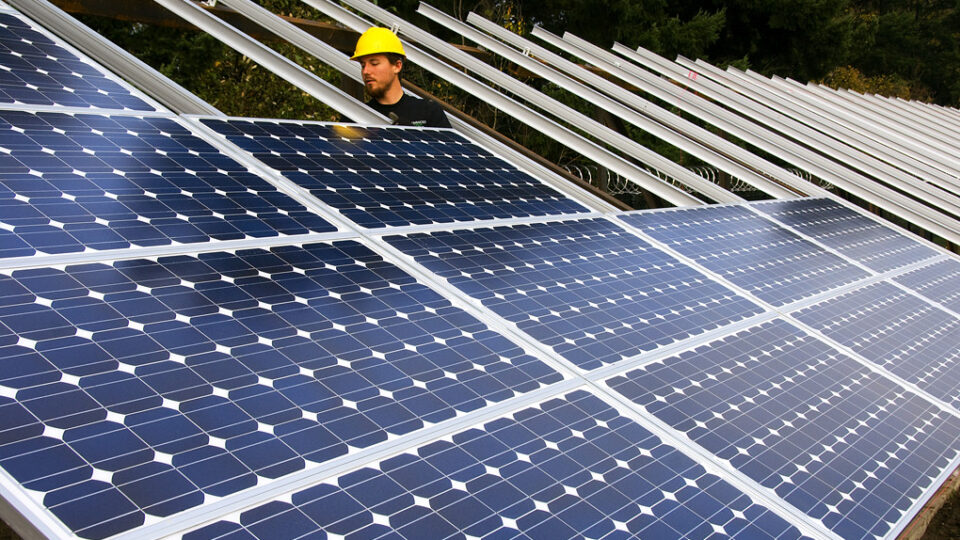
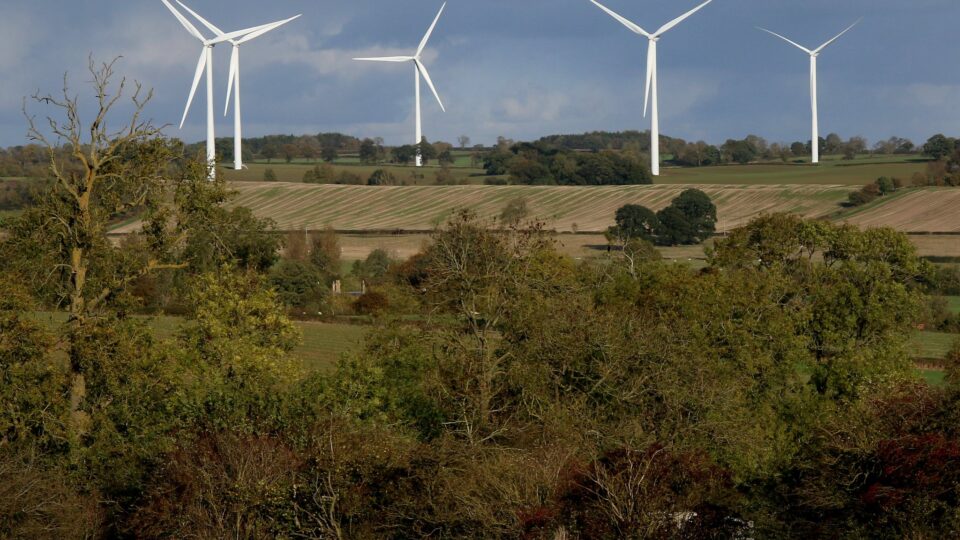
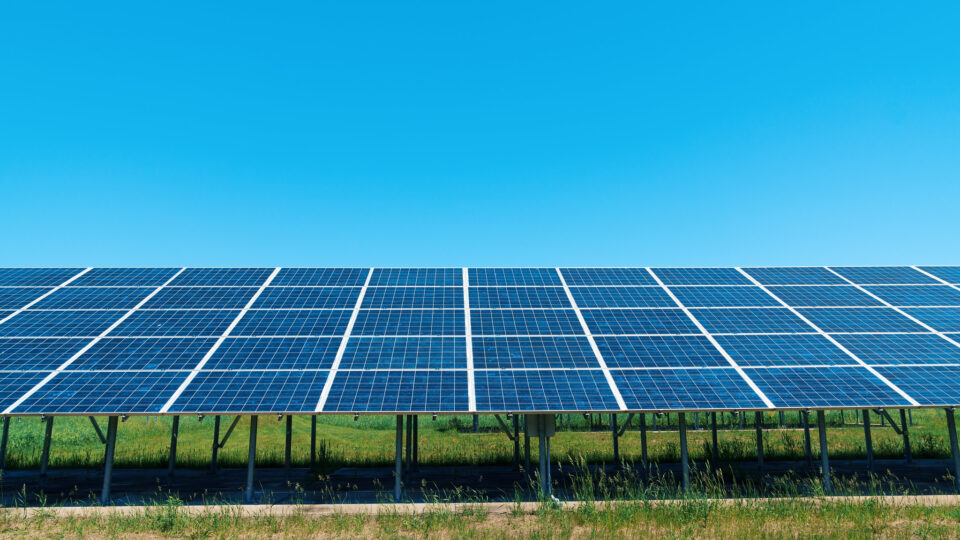
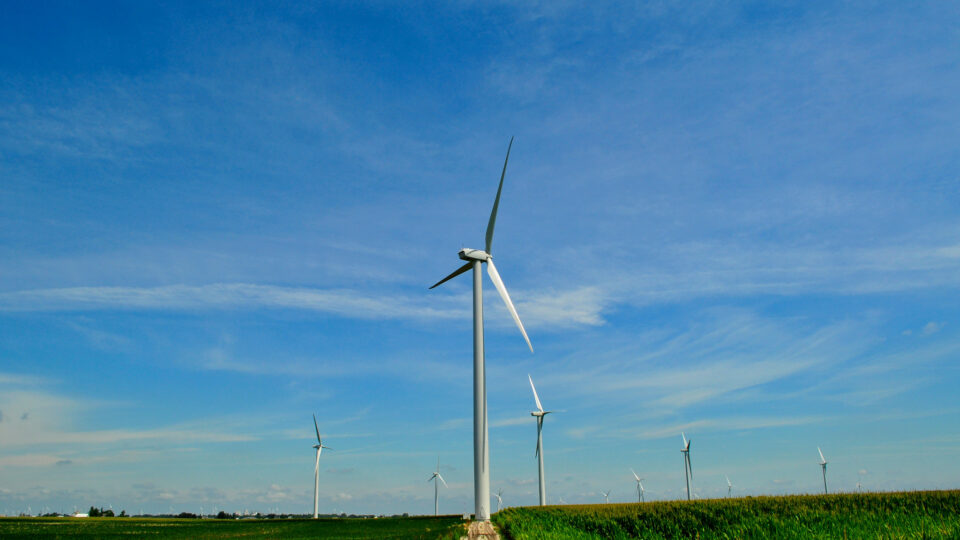
A new study by the University of Exeter in the UK suggests that the world may have crossed a tipping point that will inevitably make solar power our main source of energy.  This data-driven model of technology seems to fly in the face of the current situation in which wind power contributes considerably more generation than solar power – by a factor of 3 in the U.S. and nearly double worldwide.

Wind and solar power both have advantages and disadvantages.  Solar power is quiet, requires little maintenance, and presents little danger to wildlife.  It is also practical for individual homes.  Residential wind power is not really a viable option for most people in most places.  But on the other hand, wind energy can produce more power than solar, can work both day and night, and can be located offshore far away from people.  On land, both wind and solar power take up lots of space and compete with other land use needs as well as countering people’s aesthetic preferences.

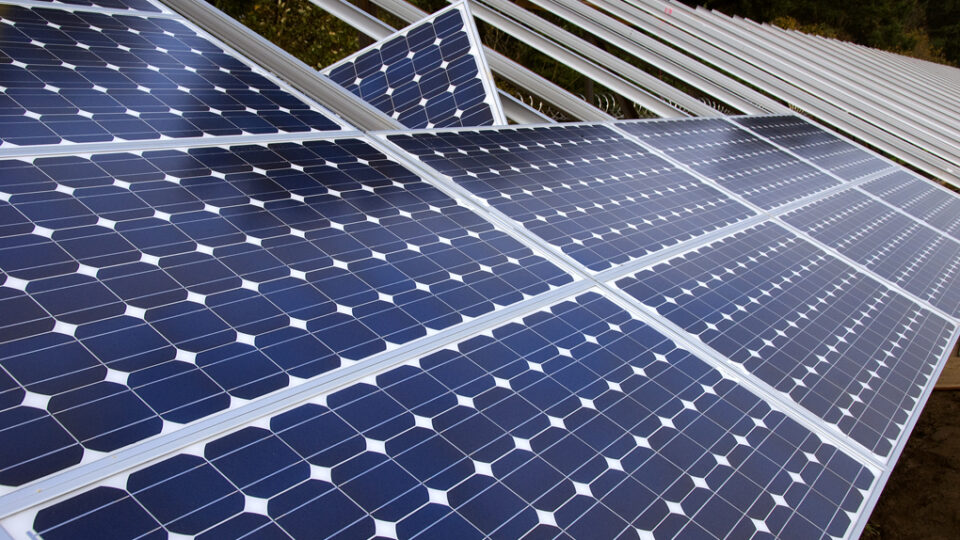
Both technologies continue to get cheaper over time, although solar has especially seen significant cost reductions.  The cost of solar power, which is already the cheapest form of electricity production, is estimated to fall to as low as $20 per megawatt hour over time from the current level of $40 per megawatt hour.

Wind and solar energy are on track to account for more than a third of the world’s electricity by 2030, according to the Rocky Mountain Institute.  Despite the predictions of various studies and the ambitions of specific technologies, it seems likely that wind and solar power will both play an expanding role in our energy systems for a long time to come.

**********

Web Links

World may have crossed solar power ‘tipping point’

Photo, posted November 22, 2008, courtesy of Oregon Department of Transportation via Flickr.

Earth Wise is a production of WAMC Northeast Public Radio

More renewable energy for New York

November 24, 2023 By EarthWise Leave a Comment

More renewable energy coming for New York

In late October, New York announced its largest state investment in renewable energy to date that includes three offshore wind projects, and 22 land-based clean energy projects totaling more than 6 GW of power generation.

The portfolio of projects is expected to create approximately 8,300 jobs and spur $20 billion in economic investments statewide.

The projects support the state’s goal to have 70% of its electricity come from renewable sources by 2030 and to have 9 GW of offshore wind operating by 2035.  The announcement represents the first set of actions taken by the State as part of New York’s 10-Point Action Plan.

The three offshore wind projects include Attentive Energy One, a 1.4 GW project that seeks to retire fossil fuel power generation in New York City.  Community Offshore Wind, a 1.3 GW project will make use of a new grid interconnection in downtown Brooklyn.  Excelsior Wind, another 1.3 GW project, will provide robust energy deliverability to Long Island. 

Apart from the offshore wind projects, there will be 14 new solar projects, six wind upgrading projects, one new wind project, and one return-to-service hydroelectric project.

The average bill impact for customers over the life of the land-based projects is estimated to be approximately 0.31%, or about 32 cents a month for the average customer.  The bill impact for customers utilizing the offshore wind projects is estimated to be about 2.7%, or $2.93 per month.

*********

Web Links

NY to invest in 3 offshore wind farms, 22 land-based renewable projects

Photo, posted October 21, 2016, courtesy of B Sarangi via Flickr.

XXXXXXXXXXXXXXX

Solar thermochemical hydrogen

November 23, 2023 By EarthWise Leave a Comment

For decades, there has been talk of the hydrogen economy in which hydrogen would take the place of fossil fuels in a wide range of domestic and industrial applications.  Over time, hydrogen’s potential advantages in some applications have diminished but it is still seen as perhaps the most promising way to decarbonize long-distance truck, ship, and plane transportation as well as many heavy-duty industrial processes.

Hydrogen is the most common element in the universe, but here on Earth, it is tightly bound up in chemical compounds, notably water and hydrocarbons.  Extracting hydrogen from these compounds takes lots of energy.  To date, most hydrogen is produced from fossil fuel sources, resulting in carbon dioxide emissions.  So-called green hydrogen is made by splitting up water into its component elements.

Getting hydrogen from water generally uses electrolysis, which requires lots of electrical power.  That is why it isn’t the standard way to produce hydrogen; it costs too much to pay for all that power.

MIT scientists have been developing a process to make solar thermochemical hydrogen, or STCH.  STCH uses the sun’s heat to split apart water and no other energy source.  An existing source of solar heat drives a thermochemical reaction in which a heated metal surface grabs oxygen from steam and leaves hydrogen behind.  MIT did not invent the concept; their efforts are to make it practical.

Previous STCH designs were only capable of using 7% of incoming solar heat to make hydrogen.  The MIT process may be able to harness up to 40% of the sun’s heat and therefore generate far more hydrogen. 

**********

Web Links

MIT design would harness 40 percent of the sun’s heat to produce clean hydrogen fuel

Photo, posted August 23, 2017, courtesy of Evan Lovely via Flickr.

Earth Wise is a production of WAMC Northeast Public Radio

Moisture swing carbon capture

November 10, 2023 By EarthWise Leave a Comment

As the world grapples with limiting the amount of carbon dioxide in the atmosphere, there is a growing need to capture the carbon dioxide that is emitted as well as preventing it from being emitted in the first place.  Carbon capture can be accomplished at the source of emissions (such as power plants) or it can be done by taking it out of the atmosphere.  The latter is called “direct air capture”.

It is not at all clear whether direct air capture can be accomplished on a scale that would really make a difference and at an acceptable cost either in dollars or energy expended.  But if it can be done that way, it would be a major tool in combatting climate change.

Direct air capture technology generally makes use of sorbent materials whose capacity to capture carbon dioxide and later release it is a function of temperature.  The process requires significant amounts of energy to release the carbon dioxide that has been captured. 

New research from Northwestern University makes use of the “moisture-swing” technique which uses materials whose ability to capture and release carbon dioxide depends on humidity rather than temperature.  While it takes some amount of energy to humidify the volume of air containing the sorbent material, it is very small compared to temperature-driven systems. 

There are many groups working with moisture-swing technology, but the Northwestern Group has identified a number of new sorbent materials with superior properties.

The fundamental questions of scalability and cost remain, but moisture-swing is a promising approach to direct air capture.  If carbon dioxide can be pulled out of the atmosphere in large volumes, it can be concentrated and stored or converted into useful products.

*********

Web Links

Pulling carbon dioxide right out of the air

Photo, posted May 15, 2020, courtesy of James Watt via Flickr.

Earth Wise is a production of WAMC Northeast Public Radio

Powering Britain with sun and wind

November 8, 2023 By EarthWise Leave a Comment

The United Kingdom is quite small in size compared with the US, but its population of 67 million makes it a fairly large country with substantial energy needs.  A recent study by Oxford University looked at the ability of wind and solar power to provide for those energy needs over the course of time.

According to the study, Britain’s energy needs could easily be met entirely by the two sources of clean power.  Wind and solar can provide significantly more energy than the highest energy demand forecasted for 2050 and nearly 10 times the current electricity demand. 

Britain currently requires 299 TWh per year.  The Oxford study found that wind and solar could generate as much as 2,896 TWh per year. Furthermore, the researchers stated that these estimates are intentionally conservative, taking into account concerns around land use and the visual impact of installations.

The analysis assumes that offshore wind would produce nearly three-quarters of the energy required.  Onshore wind would contribute about 7%, while taking up only 0.07% of the country’s land.  Utility-scale solar would add about 19% of the power.  The small remainder comes from rooftop solar.  The researchers do point out that the power grid would require significant upgrades to handle all this renewable energy and that there would need to be appropriate quantities of energy storage. 

According to the authors of the study, achieving these results is a question of ambition rather than technical feasibility.  So far, the UK government has not been aggressive in making the transition to renewable energy.

**********

Web Links

Wind and solar power could significantly exceed Britain’s energy needs

Photo, posted November 4, 2021, courtesy of Steve Knight via Flickr.

Earth Wise is a production of WAMC Northeast Public Radio

The right to not buy fossil fuels

November 6, 2023 By EarthWise Leave a Comment

Minnesota has been one of the most aggressive states in setting and realizing clean energy goals.  As of this year, Minnesota gets 55% of its energy from net zero carbon emission sources.  The state has goals of reaching 80% green energy by 2030, 90% by 2035, and 100% by 2040.  Recent legislation in Minnesota aims at further reducing carbon emissions and job creation in the clean energy sector.

All of this is very good news, but not for the neighboring state of North Dakota.  Minnesota getting all of its energy from clean energy sources means that it would no longer be a customer for the fossil fuel products of North Dakota.

North Dakota is known for its vast reserves of coal, oil, and natural gas and, apart from agriculture, the energy industry is the biggest moneymaker in the state.  Faced with the aggressive clean energy initiatives of its next-door neighbor, North Dakota has threatened to sue Minnesota. 

What would be the basis of such a lawsuit?  The argument would be that Minnesota’s clean energy goals would be in violation of interstate commerce laws and infringe upon North Dakota’s economic sovereignty.  The claim would be that the energy regulations in Minnesota unfairly discriminate against North Dakota’s energy products.

Minnesota, on the other hand, would defend its energy goals as a legitimate exercise of its own state sovereignty and a necessary response to the climate crisis.

The outcome of any legal battle that may take place will have far-reaching implications for Minnesota and North Dakota as well as for other states across the country that have clean energy initiatives.

**********

Web Links

North Dakota plans to sue Minnesota over its clean energy goals. What comes next?

Photo, posted June 8, 2019, courtesy of Tony Webster via Flickr.

Earth Wise is a production of WAMC Northeast Public Radio

Hydrogen hubs

November 2, 2023 By EarthWise Leave a Comment

The Infrastructure Investment and Jobs Act of 2021 earmarked $7 billion in federal funding aimed at accelerating the commercial-scale deployment of hydrogen as well as driving down its cost.  Clean hydrogen is considered to be a key technology for cleaning up hard-to-decarbonize industrial sectors like refining, chemicals, and heavy-duty transport. 

On October 13th, the Department of Energy named seven regional clean hydrogen hubs which will provide clean hydrogen production, storage, delivery, and end-use components.  The so-called H2Hubs are expected to collectively produce three million metric tons of hydrogen annually. 

One selected project is the Appalachian Hydrogen Hub that includes West Virginia, Ohio, Kentucky, and Pennsylvania.  Another is the California Hydrogen Hub, that will produce hydrogen exclusively from renewable energy and biomass.  Then there is the Gulf Coast Hydrogen Hub, centered in the Houston, Texas region.  A fourth hub is the Heartland Hydrogen Hub, which includes Minnesota, North Dakota, and South Dakota.  A fifth hub is the Mid-Atlantic Hydrogen Hub, that includes Pennsylvania, Delaware, and New Jersey.  The sixth is the Midwest Hydrogen Hub that includes Illinois, Indiana, and Michigan.  Finally, there is the Pacific Northwest Hydrogen Hub that includes Washington, Oregon, and Montana.

Each of these hubs involve multiple partner organizations in their regions and each has specific goals and strategies. The seven centers are located all around the country and are intended to jumpstart a national network of clean hydrogen producers, consumers, and connective infrastructure.

**********

Web Links

Hydrogen hubs have arrived. Here are the big winners of the $7 billion sweepstakes

Photo, posted August 17, 2010, courtesy of David Stanley via Flickr.

Earth Wise is a production of WAMC Northeast Public Radio

Wind turbines and bats

October 31, 2023 By EarthWise Leave a Comment

How to reduce bat collisions with wind turbines

Collisions with wind turbines are one of the leading causes of bat mortality in North America and Europe.  Most bat fatalities are caused by bats colliding with the rotating blades of wind turbines.  Fatalities are highest during autumn migration and on nights with low wind speeds.

According to a recent study, land-based wind turbines kill as many as 880,000 bats a year and are wiping out so many threatened bats that some species may become endangered unless preventative action is taken.

The big challenge is that bat conservation experts and scientists don’t know how to stop or reduce turbine collisions.  They don’t really know why bats are interacting with turbines to the extent that they are.  Do turbines attract bats?  Do turbines’ bright lights or just their silhouettes stimulate an attraction response?

The U.S. Department of Energy has awarded $8 million to five research centers to develop strategies for deterring bats from wind turbines. 

One of these is Bat Conservation International, which is an organization whose mission is to accelerate research to address knowledge gaps in bat ecology and behavior and develop technologies and industry methods to reduce fatality of bats at wind farms.  Among the approaches to be tested is limiting the use of nighttime lighting on wind farms to make migrating bats less likely to fly through blades. 

Another team at Boise State University is designing ultrasonic noisemakers to scare off bats. 

In announcing the new program, the Department of Energy states that wind energy must be appropriately and responsibly sited, which includes the protection of wildlife and their habitats.

**********

Web Links

Experts Seek to Spare Bats From Wind Turbine Collisions

Photo, posted January 10, 2013, courtesy of Tom Shockey via Flickr.

Earth Wise is a production of WAMC Northeast Public Radio

Record low Antarctic sea ice

October 30, 2023 By EarthWise Leave a Comment

Record low sea ice levels in Antarctica

Antarctica’s winter came to a close in September and during that month, the continent reaches its maximum amount of sea ice that grows during the darkest and coldest months.  This year, that maximum occurred on September 10th and turned out to be the lowest on record.

The sea ice around Antarctica reached a maximum extent of 6.5 million square miles according to NASA researchers.  That was nearly 400,000 square miles below the previous record low set in 1986. 

There are several possible causes for the meager growth of Antarctic sea ice this year.  It may be a combination of several factors including El Niño, wind patterns, and warming ocean temperatures.  Recent research indicates that ocean heat is most likely playing an important role in slowing ice growth in the cold season and enhancing ice melting in the warm season.

The record-low ice extent so far this year is a continuation of a downward trend in Antarctic sea ice that has gone on since the ice reached a record high in 2014.  Prior to that year, the ice surrounding the southern continent was actually increasing slightly by about 1% every decade.

Meanwhile, Arctic sea ice reached its minimum extent in September and it was the sixth-lowest level in the satellite record.  Scientists track the seasonal and annual fluctuations of polar sea ice because they shape polar ecosystems and play a significant role in global climate.  Sea ice melting at both poles reinforces global warming because bright sea ice reflects most of the Sun’s energy back to space while open ocean water absorbs 90% of it.

**********

Web Links

Antarctic Sea Ice Sees Record Low Growth  

Photo, posted June 30, 2023, courtesy of Pedro Szekely via Flickr.

Earth Wise is a production of WAMC Northeast Public Radio

Geologic Hydrogen | Earth Wise

October 20, 2023 By EarthWise Leave a Comment

Exploring geologic hydrogen

There is great interest in the potential use of hydrogen as a fuel or an energy storage medium.  Unlike hydrocarbon-based fuels, pure hydrogen combustion produces nothing but water as an emission.  But most hydrogen used at present is made by reforming natural gas, which is a process that results in carbon dioxide emissions.  Thus, the search goes on for cost-effective and energy-efficient ways to make “green hydrogen” that doesn’t result in greenhouse gas emissions.

Researchers at Colorado University Boulder are investigating the potential effectiveness of coaxing hydrogen from subterranean rocks – a commodity known as geologic hydrogen.

When water mixes with iron-rich minerals deep in the earth’s crust, ensuing chemical reactions can generate pockets of hydrogen gas. 

The questions are whether it is possible to bring these deposits up to the surface without harming the environment or human communities in the process and whether they can be extracted in large enough quantities to meet growing global energy demands.

The Colorado researchers will conduct experiments both in the lab and hundreds of meters below the earth’s surface to see if it is possible to induce the subterranean rock to make more hydrogen than it normally does.  If the hydrogen-producing reactions can be accelerated, then geologic hydrogen could become a clean and abundant energy source.

Geologists have known about hidden underground deposits of hydrogen for a long time, but recent research has found that there may be a lot more of it than once thought.  According to a 2022 report by the US Geological Survey, there may be enough hydrogen below ground to supply humanity’s need for fuel for hundreds of years.

**********

Web Link

Can rocks produce abundant clean energy? New project to explore

Photo, posted December 26, 2013, courtesy of Juozas Šalna via Flickr.

Earth Wise is a production of WAMC Northeast Public Radio

Enhanced Geothermal Energy | Earth Wise

October 17, 2023 By EarthWise Leave a Comment

Enhanced geothermal energy

Steam produced by underground heat is an excellent source of clean energy.  In a few fortunate places around the world – notably Iceland and New Zealand – people have been using this source of power for more than a century.   In the U.S., a few places in the West have access to geothermal energy, and thus it provides roughly half-a-percent of the total U.S. power supply.

There is no shortage of underground heat but tapping into it is not so easy.  Enhanced geothermal energy refers to drilling down to where the rock is hot and injecting water to be heated and thereby provide steam that is then used to generate electricity.  According to the Department of Energy, there is enough energy in the rocks below the surface of the US to power the entire country five times over.

Recently, in northern Nevada, a company called Fervo Energy successfully operated an enhanced geothermal system called Project Red that generated 3.5 megawatts of clean electricity, the largest enhanced geothermal plant ever demonstrated.

There are now multiple start-up companies pursuing enhanced geothermal energy and the reason is somewhat ironic.  Much of the research and development needed for new geothermal technologies has already been done by the oil and gas industry for their own purposes  – notably fracking.  Those industries have gotten extremely skilled at drilling into rock and such skills are what are needed for enhanced geothermal technology.

Enhanced geothermal faces some of the same challenges as drilling for gas, such as intensive water use and potential triggering of earthquakes.  There are also issues related to permitting.  But the urgent need for more sources of clean energy has made enhanced geothermal energy a potentially very valuable addition to our energy portfolio.

**********

Web Links

Enhanced Geothermal Could Be A Missing Piece Of America’s Climate Puzzle

Photo, posted October 12, 2022, courtesy of David Stanley via Flickr.

Earth Wise is a production of WAMC Northeast Public Radio

Storing Energy In Abandoned Mines | Earth Wise

October 10, 2023 By EarthWise Leave a Comment

Using abandoned mines to store energy

An international study led by researchers from Austria has developed a novel way to store energy by transporting sand into abandoned underground mines.  The technique is called Underground Gravity Energy Storage or UGES.

As the world deploys growing amounts of wind and solar energy, it is increasingly important to find ways to accessibly and efficiently store that energy to eliminate the inherent variability of the generation.  There are many ways to store energy on a short-term basis – most commonly in batteries – but cost-effective long-term storage is still in its early stages.

The UGES technique generates electricity by lowering sand into an underground mine thereby converting the potential energy of the sand into electricity by the same regenerative braking effect used in hybrid and electric cars.  The lowering sand operates a generator.   Storing energy is accomplished by lifting the sand from the mine with electric motors to an upper reservoir where it is ready for the next cycle.  By its nature, this storage technique has an indefinite duration, unlike batteries, for example, which lose energy to self-discharge.

The main components of UGES are the mineshaft, motor/generator, sand storage sites, and mining equipment.  The deeper and broader the mineshaft, the more power can be extracted from the plant, and the larger the mine, the more energy can be stored. Mines generally already have the basic infrastructure needed and are connected to the power grid.  The researchers estimate that there is global potential of 7 to 70 TWh of storage. Total global generating capacity is currently at the lower end of that range.

**********

Web Links

Turning abandoned mines into batteries

Photo, posted October 21, 2020, courtesy of Christine Warner-Morin via Flickr.

Earth Wise is a production of WAMC Northeast Public Radio

Glacier Loss Day | Earth Wise

October 9, 2023 By EarthWise Leave a Comment

Glaciers are sensitive indicators of climate change

Glaciers are sensitive indicators of climate change that respond to changes in both temperature and precipitation.  But they are not only affected by climate change, they also affect climate change.  As glaciers melt, they contribute to sea level rise, alter regional hydrology, and influence the global energy balance.

A group of glacier experts from the University of Innsbruck in Austria introduced a concept called “Glacier Loss Day” or GLD as a way to measure the annual mass balance of glaciers.  Mass balance is the difference between the amount of snow and ice that accumulates on a glacier and the amount that melts or sublimates.  If the mass balance is positive, the glacier is growing.  If the mass balance is negative, the glacier is shrinking.

GLD is the day during the year when the glacier has lost all the mass it gained during previous winter.  This is a similar concept to Earth Overshoot Day, which marks the date when humankind’s demand for ecological resources exceeds the amount the planet can regenerate during the year.

The Hintereisferner, a glacier in the Tyrolean Alps, has been monitored for more than 100 years and there are continuous records of its mass balance since 1952.  In 2022, the GLD on the Hintereisferner was measured on the 23rd of June.  In the two previous years, it was reached in the middle of August.  Even in years with large negative balances, such as 2003 and 2018, GLD did not occur until the end of July.

Every summer in the future may not be like 2022, but the trend is clear.  Climate change is taking its toll on glaciers.  Experts project that the Hintereisferner will lose half of its volume in the next 10 to 20 years.

**********

Web Links

Glacier Loss Day indi­cates record break­ing glacier melt

Photo, posted July 20, 2023, courtesy of Pedro Szekely via Flickr.

Earth Wise is a production of WAMC Northeast Public Radio

Recycling Solar Panels | Earth Wise

September 29, 2023 By EarthWise Leave a Comment

Solar panels generally have a useful life of around 20 to 25 years.  The great majority of deployed panels have been installed fairly recently, so they have a long way to go.  But the growth in solar technology dates back to the 1990s, so there are growing number of panels that have already or are shortly coming to their end-of-life.

Today, roughly 90% of solar panels that have lost their efficiency due to age, or that are defective, end up in landfills because recycling them is too expensive.  Nevertheless, solar panels contain valuable materials, including silver, copper, and crystalline silicon, as well as lower-value aluminum and glass. 

The rapid growth of solar technology means that in the coming years, large numbers of retired solar panels will enter the waste stream.  The area covered by solar panels that are due to be retired by 2030 in the U.S. alone would cover about 3,000 football fields.  Clearly, more cost-effective recycling methods are sorely needed.

Engineers at the University of New South Wales in Sydney Australia have developed a new, more effective way of recycling solar panels that can recover silver at high efficiency.  The panel frames and glass are removed leaving just the solar cells themselves.  The cells are then crushed and sieved in a vibration container that effectively separates 99% of the materials contained in them.

Silver is the most valuable material contained in solar cells.  The Australian researchers estimate that between 5 and 10 thousand tons of silver could potentially be recycled from retired solar panels by the year 2050.  But even the other materials contained in solar panels are well worth recovering if it can be done cost-effectively.

**********

Web Links

New environmentally friendly solar panel recycling process helps recover valuable silver

Photo, posted November 22, 2008, courtesy of Oregon Department of Transportation via Flickr.

Earth Wise is a production of WAMC Northeast Public Radio

Wealth And Greenhouse Gas Emissions | Earth Wise

September 28, 2023 By EarthWise Leave a Comment

A new study led by researchers from the University of Massachusetts Amherst has found that the wealthiest 10% of Americans are responsible for a staggering 40% of the country’s greenhouse gas emissions. The study, which was recently published in the journal PLOS Climate, is the first to link income, especially income derived from financial investments, to the emissions used in generating that income.

The research team suggests that policymakers adopt taxation strategies focused on shareholders and the carbon intensity of investment incomes in order to meet the global goal of limiting temperature rise to 1.5 degrees Celsius.

Historically, environmental policies have focused on regulating consumption, but the researchers argue that this approach misses something important:  carbon pollution generates income, but when that income is reinvested into stocks, rather than spent on necessities, it isn’t subject to a consumption-based carbon tax.  Rather than focus on how emissions enable consumption, they argue that the focus should be on how emissions create income. 

After analyzing 30 years of data, the researchers found that not only are the top 10% of earners in the United States responsible for 40% of the nation’s total greenhouse gas emissions, but that the top 1% alone account for 15-17% of the emissions. Emissions tended to peak in the 45-54 age group before declining.

The researchers highlight the need for an income and shareholder-based taxation strategy to incentivize climate action among high-income earners and industries, which could expedite decarbonization efforts and create tax revenue to support other climate initiatives.

**********

Web Links

America’s Wealthiest 10% Responsible for 40% of U.S. Greenhouse Gas Emissions

Photo, posted June 29, 2015, courtesy of Pictures of Money (via Flickr).

Earth Wise is a production of WAMC Northeast Public Radio
Lampshades And Indoor Air Pollution | Earth Wise

September 26, 2023 By EarthWise Leave a Comment

Converting indoor air pollution into harmless compounds

We mostly think of air pollution as an outdoor problem.  Common sources of air pollution include emissions from vehicles, byproducts of manufacturing and power generation, and smoke from wildfires.  What we don’t often spend a lot of time thinking about is indoor air quality. 

Indoor air pollution refers to harmful pollutants within buildings and structures, which can lead to a myriad of health issues.  Sources of indoor air pollution include smoke from tobacco products, as well as volatile organic compounds (VOCs), including acetaldehyde and formaldehyde, emitted from things such as paints, cleaning products, plastics, and cooking. 

A team of scientists from South Korea’s Yonsei University has developed a special coating that when applied to lampshades can convert pollutants into harmless compounds.  Composed of titanium dioxide and a small amount of platinum, this thermocatalyst can be applied to the inside surface of a lampshade and is triggered to break down VOCs when warmed by the lamp’s existing incandescent or halogen bulb.

In lab tests, the coating was applied to the inside of an aluminum lampshade, warmed by a halogen bulb, and then placed into a sealed chamber containing air and acetaldehyde gas.  The researchers found that the material quickly converted the gas into acetic acid, then into formic acid, and finally into carbon dioxide and water. The scientists are now looking for ways to extend the pollutant-destroying-lampshade concept to LED lightbulbs. 

The findings offer a promising and eco-friendly solution to improve indoor air quality and reduce the health risks associated with prolonged exposure to VOCs. 

**********

Web Links

Clever coating turns lampshades into indoor air purifiers

Photo, posted March 21, 2009, courtesy of Levent Ali via Flickr.

Earth Wise is a production of WAMC Northeast Public Radio
Grid-Scale Gravity Energy Storage | Earth Wise

September 19, 2023 By EarthWise Leave a Comment

As wind and solar energy play a growing part in our energy system, the need for grid-scale energy storage is growing as well.  An historic form of energy storage and still the largest in installed capacity is pumped hydro storage, which makes use of the potential energy contained in having water sitting at a higher elevation where it can be released downward to operate turbine generators.  This is an effective system but is limited to places where geography cooperates.

For the past five years, a company called Energy Vault has been developing a system that uses the same principle to generate electricity but instead of pumping water to a higher elevation, it uses mechanical devices to lift heavy objects such as concrete blocks to an appropriate height.  Lowering the blocks back to the ground drives generators.

To date, Energy Vault has only built demonstration systems with a fraction of the storage capacity needed for grid-scale operation. Their EV1 Tower in Switzerland was successfully grid interconnected in 2020 and demonstrated round-trip efficiency (the fraction of the energy stored that was produced by the generators) above 75%.  Their improved EVx system is expected to do better than 80%.

This year the company, along with partners Atlas Renewable and China TIanying, is now in the first phases of commissioning a grid-scale system located outside of Shanghai, China.  The 25-MW system is built adjacent to a wind farm and a national grid interconnection site

This is the first grid-scale gravity energy storage system and is expected to be fully online in the fourth quarter of this year.  A second, similar system is now under contract to be built elsewhere in China.

**********

Web Links

First grid-scale gravity energy storage system undergoes commencement in China

Photo courtesy of Energy Vault.

Earth Wise is a production of WAMC Northeast Public Radio
Better Plastic Recycling | Earth Wise

September 14, 2023 By EarthWise Leave a Comment

Developing a better way to recycle plastics

Many of us are careful to put our plastic trash into the appropriate recycling bins hoping that we are helping to stem the global tide of plastic waste.  But many plastics are not recyclable at all and recycling those that are is not even always a good thing.  Breaking down plastics can generate polluting microplastics that are themselves a major environmental problem.  And perhaps the biggest problem for recycling efforts is that they are not cost effective and generally incur huge losses.

Chemical engineers at the University of Wisconsin-Madison recently published a study in the journal Nature outlining a new technique for turning low-value waste plastic into high-value industrial chemicals. 

The technique makes use of two existing chemical processing techniques.  The first is pyrolysis, which is high-temperature heating in an oxygen-free environment.  Heating waste plastic in this way produces pyrolysis oil, a liquid mix of various compounds that includes large amounts of olefins.  Olefins are simple hydrocarbons that are a central building block of many chemicals and polymers.  Olefins are most often produced by energy-intensive processes like steam cracking of petroleum. 

The UW-Madison process takes the olefins and subjects them to a process called homogenous hydroformylation catalysis, which converts them into aldehydes, which can then be further reduced into important industrial chemicals. 

The payoff is that the process can take waste plastics, which are only worth about $100 a ton, and turn them into high-value chemicals worth $1,200-$6,000 a ton.  If the process can be optimized and otherwise made ready for industrial-scale use, it would be a real game-changer in the battle against plastic waste.

**********

Web Links

New recycling process could find markets for ‘junk’ plastic waste

Photo, posted September 16, 2015, courtesy of Oregon State University via Flickr.

Earth Wise is a production of WAMC Northeast Public Radio

More Offshore Wind Proposed For New Jersey | Earth Wise

September 13, 2023 By EarthWise Leave a Comment

There have been three offshore wind projects previously approved by utility regulators in New Jersey.  New Jersey is vying to become an East Coast leader in the fast-growing offshore wind industry and now developers have proposed four new projects off the New Jersey Shore.

Two of the projects would be located far out to sea where they would not be visible at all from the shore.  One of them, called Community Offshore Wind, would be built 37 miles offshore from Long Beach Island.  It aims to generate enough electricity to power 500,000 homes.

A second project, called Leading Light Wind, would be located 40 miles off Long Beach Island and would consist of up to 100 turbines that would generate enough electricity to power 1 million homes.

The two companies that are building the already-approved Atlantic Shores Wind Farm have submitted a bid for a new project located 10 to 20 miles offshore.  In addition, a fourth application to the New Jersey Board of Public Utilities has also been submitted, but there is yet no public information about it.

Existing offshore projects have drawn intense opposition from homeowners in part because they are close enough to the Atlantic City and Ocean City shorelines to be seen by beachgoers, albeit as tiny objects on the horizon.  The new proposed projects located far offshore would not have this problem.

The new projects can take advantage of existing federal tax credits, but the bidders say they will not seek the tax breaks from New Jersey that the earlier project received as they have also been the subject of legal challenges by opponents of offshore wind.

**********

Web Links

4 new offshore wind power projects proposed for New Jersey Shore; 2 would be far out to sea

Photo, posted March 25, 2016, courtesy of TEIA via Flickr.

Earth Wise is a production of WAMC Northeast Public Radio
Why Was the Summer So Hot? | Earth Wise

September 4, 2023 By EarthWise Leave a Comment

Many places around the world have experienced extraordinary heat waves this summer.  The 31 days of high temperatures 110 degrees or more in Phoenix is a prime example but many other places suffered from extreme and relentless heat.  Why did this happen?

The overarching reason is climate change, which has warmed the Earth by 2.2 degrees Fahrenheit since the preindustrial era.  This change on a global level is enough to make heatwaves far more likely.  For example, the concurrent heatwaves in Europe and North America were 1000 times more likely to have occurred because of climate change.

But there hasn’t been a sudden increase in global temperature that would make this summer so much hotter.  Instead, what really has happened is three other factors all came into play at the same time.

The first is the 2022 eruption of Hunga Tonga-Hunga Ha-apai, which is an underwater volcano in the South Pacific.  That eruption did not produce much in the way of planet-cooling aerosols in the atmosphere.  Instead, it vaporized huge amounts of seawater, sending water vapor into the atmosphere, which helps trap heat.

The second is a change in the amount of energy radiating from the sun.  That actually rises and falls a small amount every 11 years.  Currently, it is in the upswing and will reach its next peak in 2025.

Finally, there is the arrival of the El Niño in the Pacific, whose balmy ocean waters radiate heat into the air.

The combination of all these factors when added to the already warming climate is a recipe for temperatures to soar to uncharted highs.  We can expect more heat waves, forest fires, flash floods, and other sorts of extreme weather.

**********

Web Links

It’s Not Just Climate Change: Three Other Factors Driving This Summer’s Extreme Heat

Photo, posted February 27, 2017, courtesy of Giuseppe Milo via Flickr.

Earth Wise is a production of WAMC Northeast Public Radio

  • « Go to Previous Page
  • Page 1
  • Interim pages omitted …
  • Page 9
  • Page 10
  • Page 11
  • Page 12
  • Page 13
  • Interim pages omitted …
  • Page 36
  • Go to Next Page »

Primary Sidebar

Recent Episodes

  • An uninsurable future
  • Clean energy and jobs
  • Insect declines in remote regions
  • Fossil fuel producing nations ignoring climate goals
  • Trouble for clownfishes

WAMC Northeast Public Radio

WAMC/Northeast Public Radio is a regional public radio network serving parts of seven northeastern states (more...)

Copyright © 2026 ·