• Skip to primary navigation
  • Skip to main content
  • Skip to primary sidebar

Earth Wise

A look at our changing environment.

  • Home
  • About Earth Wise
  • Where to Listen
  • All Articles
  • Show Search
Hide Search
You are here: Home / Archives for economic growth

economic growth

Clean energy and jobs

October 30, 2025 By EarthWise Leave a Comment

The clean energy industry is creating lots of new jobs

America’s clean energy industry is unquestionably under attack by the Trump administration.  The administration is blocking renewable energy projects on federal lands, slashing clean tech tax credits, and putting in place new regulatory hurdles for solar and wind power and electric vehicles.  During the first half of the year, businesses cancelled $22 billion worth of clean energy projects, which would have created more than 16,000 jobs, ironically mostly in Republican areas.  Federal clean energy tax credits have generated billions of dollars in economic value annually, providing a strong return on investment for every federal dollar spent.

Last year, clean energy jobs grew three times faster than the rest of the economy.  The U.S. added nearly 100,000 jobs in solar, wind, batteries, energy efficiency, grid upgrades, biofuels, and electric cars.  In total, more than 3.5 million Americans hold jobs related to clean energy. 

Clean energy investments create substantial economic growth.  The clean energy transition creates opportunities in manufacturing, engineering, installation, and maintenance.  These new jobs far outweigh job losses in the fossil fuel sector.  Investments in clean energy had been projected to create massive numbers of new jobs and significantly boost the U.S. GDP by 2030, often providing new opportunities for rural communities.

Overall, clean energy has been one of the hottest and most promising job sectors in the country.  Now that clean energy job growth is at serious risk, so is the health of the overall economy.

**********

Web Links

More Americans Working in Clean Energy Than as Servers or Cashiers

Photo, posted July 28, 2025, courtesy of Bronx Community College via Flickr.

Earth Wise is a production of WAMC Northeast Public Radio

Global solar power on the rise

October 6, 2025 By EarthWise Leave a Comment

The current administration has essentially declared war on renewable energy.  President Trump stated recently that his administration will not approve solar or wind power projects.  Renewable companies are unlikely to receive permits that were once a normal course of business. Now, the United States is likely to struggle to meet its growing demand for electricity while the world moves ahead with solar power.

Solar power is the fastest-growing source of electricity worldwide.  Installations are up 64% in the first half of this year.  During that period, countries installed 380 gigawatts of solar power, compared with 232 gigawatts in 2024.

China is the main source of the growth.  It installed more than twice as much solar in the first half of the year as it did in the first half of 2024.  Under tremendous administration pressure, the U.S. saw solar installations rise by just 4% year over year.

China’s exporting of low-cost solar panels is driving growth of solar elsewhere, including India and much of Africa. 

China is at a crossroads with energy technology.  For the first time, solar power is not just supplementing coal power, but replacing it.  As a result, Chinese policymakers need to choose between propping up coal – which is an important industry in many cities – and doubling down on renewables, which are a major driver of the country’s economic growth.

The U.S. is currently headed in the direction of trying to prop up the fossil fuel industry and gut the renewable energy industry, with little or no regard for either the economic or environmental consequences.

**********

Web Links

Global Solar Installations Up 64 Percent So Far This Year

Photo, posted April 6, 2025, courtesy of Pencils for Kids via Flickr.

Earth Wise is a production of WAMC Northeast Public Radio

The Cost Of Heat Waves | Earth Wise

December 7, 2022 By EarthWise Leave a Comment

Heat waves are defined as periods of abnormally hot weather generally lasting more than two days. To be considered a heat wave, the recorded temperatures must be substantially above the historical averages for a given area. According to climate scientists, anthropogenic climate change is likely causing heat waves to increase in both frequency and intensity.  

According to a new study by researchers from Dartmouth University, climate change-driven severe heat waves have cost the world economy trillions of dollars since the early 1990s. 

In the study, which was recently published in the journal Science Advances, researchers combined in-depth economic data for regions worldwide with the average temperature for the hottest five-day period —a commonly used measurement of heat intensity—for each region in each year.  The research team found that between 1992 and 2013, heat waves statistically coincided with variations in economic growth and that an estimated $16 trillion was lost to the effects of high temperatures on human health, productivity and agricultural output.

The results of the study underscore issues of climate justice and inequality.  According to researchers, the economic costs of extreme heat have been and will be disproportionately borne by the world’s poorest nations.  While economic losses due to extreme heat events averaged 1.5% of GDP per capita for the world’s wealthiest regions, the researchers found that low-income regions suffered a loss of 6.7% of GDP per capita.  Most of these low-income nations have contributed the least to climate change. 

According to the research team, immediate action is needed now to protect vulnerable people during the hottest days of the year.

**********

Web Links

Heat Waves Have Cost World Economy Trillions of Dollars

Photo, posted July 23, 2021, courtesy of Martin Fisch (marfis75) via Flickr.

Earth Wise is a production of WAMC Northeast Public Radio
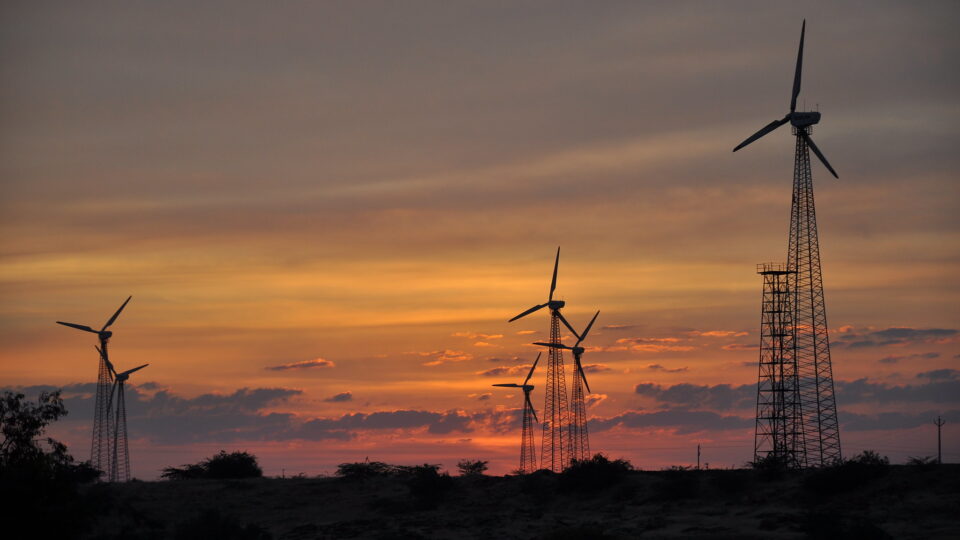
Renewable Energy Booming in India | Earth Wise

December 6, 2022 By EarthWise Leave a Comment

Renewable power is booming in India

India is the country with the second largest population in the world – over 1.4 billion people – second only to China – and will undoubtedly pass China soon based on population trends in the two countries.   India is the third largest emitter of carbon dioxide, after China and the U.S.  With its rapidly growing population and an economy heavily dependent on coal and oil, emissions in India are on a steep upward trajectory.  Currently, fossil fuels account for about 60% of India’s installed energy capacity.  It is essential that actions are taken to curb its rapid increase in greenhouse gas emissions.

To that end, India’s renewables sector is booming.  The country is projected to add 35 to 40 gigawatts of renewable energy each year until 2030.  That’s enough energy to power up 30 million more homes each year.  The country has established a target of producing 50% of its electricity from non-fossil fuel sources by the end of this decade.

 India is expected to reach over 400 gigawatts of renewable energy capacity by 2030

according to the Institute for Energy Economics and Financial Analysis and Climate Energy Finance.  The Indian government’s own projections estimate that the country will reach 500 gigawatts of renewable capacity in that timeframe.

As is the case with China, a country with an enormous population undergoing major economic growth and modernization has vast energy needs.  While it is imperative for the entire world that India puts a cap on its growing greenhouse gas emissions, it is a difficult challenge for an energy-hungry country.

**********

Web Links

Renewable energy booms in India

Photo, posted November 14, 2011, courtesy of Amaury Laporte via Flickr.

Earth Wise is a production of WAMC Northeast Public Radio
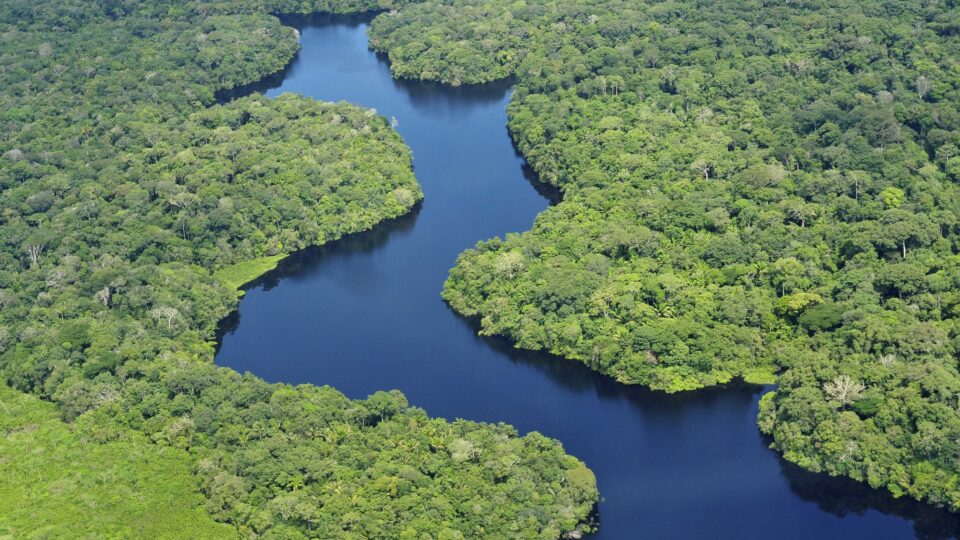
Decreasing Forest Area Per Capita | Earth Wise

September 7, 2022 By EarthWise Leave a Comment

Over the past 60 years, global forest area has decreased by 315,000 square miles, an area about twice the size of California. Combined with global population growth over that period, this has resulted in more than a 60% decline in global forest area per capita.

The continuous loss as well as degradation of forest affects the integrity of forest ecosystems and reduces their ability to generate and provide essential services and sustain biodiversity.  It impacts the lives of at least 1.6 billion people worldwide – primarily in developing countries – who depend upon forests in multiple ways.

According to the new study published in the journal Environmental Research Letters, forest losses have been occurring primarily in lower-income countries in the tropics while forest gains have occurred in higher-income countries in the mid-latitudes or extratropics. 

More than half of the world’s forest losses were in Brazil, home to the Amazon rainforest.  In the past 60 years, that country has had a net loss of 170,000 square miles of forest.  While most high-income countries had net forest gains, Canada actually had a net loss of about 11,000 square miles of forest.

Economic growth has a stronger association with net forest gain than with net forest loss.  Therefore, the study highlights the need to strengthen the support given to lower income countries, especially in the tropics, to help improve their capacity to minimize or curtail their forest losses.  To help address this ongoing displacement of forest losses to lower income countries, higher-income nations need to reduce their dependence on imported tropic forest products.

**********

Web Links

New study finds global forest area per capita has decreased by over 60%

Photo, posted April 19, 2011, courtesy of ©2011CIAT/NeilPalmer via Flickr.

Earth Wise is a production of WAMC Northeast Public Radio.

Lower Power Sector Emissions | Earth Wise

September 16, 2021 By EarthWise Leave a Comment

Large decrease in United States power sector emissions

A combination of factors led to emissions from the U.S. power sector dropping 10% between 2019 and 2020, which was the largest one-year drop measured since annual reports first began being published in 1997.

The coronavirus pandemic was certainly a contributing factor, but the drop in emissions is part of a long-term trend being driven by increasing reliance on renewable energy sources, diminishing use of coal, and improving energy efficiency.

Between 2000 and 2020, power generation from solar, wind, and geothermal generation more than doubled.  Coupled with the declining use of coal power, power sector emissions during that period dropped by 37% even though the U.S. gross domestic product grew by 40% over the same years.   Overall, at this point zero-carbon electricity sources – which include wind, solar, geothermal, hydropower, and nuclear power – provide about 38% of U.S. electricity.

The Biden Administration has set a target of 100% zero-carbon power by the year 2035.  Given that the costs of wind and solar power continue to fall, there are power companies pushing for setting an intermediate goal of 80% clean power by 2030.

According to recent research, the increasingly attractive cost of renewable power along with the job creation associated with it means that reaching at least 90% clean power by the year 2035 could be achieved at no extra cost to consumers.  Being able to separate economic growth from emissions makes it far more likely that the goals of decarbonization can be met without encountering economic resistance. 

**********

Web Links

U.S. Power Sector Sees Biggest One-Year Drop in Emissions in More Than Two Decades

Photo, posted June 30, 2019, courtesy of Stephen Strowes via Flickr.

Earth Wise is a production of WAMC Northeast Public Radio.

Lots Of Renewable Energy Jobs

August 16, 2019 By EarthWise Leave a Comment

According to the International Renewable Energy Agency, there were 11 million people employed in renewable energy worldwide in 2018.  This compares with 10.3 million in 2017.  So roughly three-quarters of a million new jobs were added last year.   As more and more countries manufacture, trade and install renewable energy technologies, renewables jobs continue to reach new high levels.

The geographic footprint of renewable energy jobs is changing.  Until now, renewable energy industries have remained relatively concentrated in a handful of major markets such as China, the US, and the European Union.  But more recently, East and Southeast Asian countries have emerged alongside China as key exporters of solar technology.  Malaysia, Thailand, and Vietnam were responsible for a greater share of growth in renewables last year.  Overall, Asia has a 60% share of renewable energy jobs worldwide.

Beyond climate goals, low-carbon economic growth has become a driver for renewables technology.  Renewables deliver on all the major elements of sustainable development:  environmental, economic and social.

The solar photovoltaic industry continues to be the most dynamic renewable enterprise.  It accounts for a third of the renewable energy workforce with more than three million jobs.  

Biofuel jobs were up by 6% to over 2 million.  Wind power supports 1.2 million jobs, with onshore projects predominant.  But the offshore wind segment is gaining traction.  Hydropower is still the largest installed capacity of all renewables but is now only expanding slowly.  The hydropower sector employs 2.1 million people directly, three-quarters in operations and maintenance.

**********

Web Links

Renewable energy market employs 11 million in 2018 – IRENA

Photo, posted January 11, 2012, courtesy of the Oregon Department of Transportation via Flickr.

Earth Wise is a production of WAMC Northeast Public Radio.

Climate Change And Economic Inequality

June 3, 2019 By EarthWise 1 Comment

A new study by Stanford University looked at the effects of climate change on global economic inequality.  The study found that the gap between the economic output of the world’s richest and poorest countries is larger today than it would have been without global warming.

The warming climate has enriched cooler countries like Norway and Sweden while dragging down economic growth in warm countries such as India and Nigeria.  The results of the study showed that most of the poorest countries on Earth are considerably poorer than they would have been in the absence of rising temperatures.  At the same time, the majority of rich countries are richer than they would have otherwise been.

Detailed analysis of 50 years of annual temperature and GDP measurements for 165 countries demonstrated that growth during warmer than average years has accelerated in cool nations and slowed in warm nations.  Historical data clearly show that crops are more productive, people are healthier, and they are more productive at work when temperatures are neither too hot nor too cold.  That means that in cold countries, a little bit of warming can help but the opposite is true in places that are already hot.

For most counties, whether global warming has helped or hurt economic growth is pretty certain.  Tropical countries in particular tend to have temperatures far outside the ideal for economic growth and they are already among the poorest countries.  It is less clear how warming has influenced growth in countries in the middle latitudes, such as here in the United States.  Some of the largest economies are near the perfect temperature for economic output but continued warming in the future is likely to push them away from the temperature optimum.

**********

Web Links

Climate change has worsened global economic inequality

Photo, posted November 1, 2011, courtesy of CIAT via Flickr.

Earth Wise is a production of WAMC Northeast Public Radio.

Greenhouse Gas Emissions Rising Again

May 8, 2018 By EarthWise Leave a Comment

https://earthwiseradio.org/wp-content/uploads/2018/04/EW-05-08-18-Greenhouse-Gas-Emissions-Rising-Again.mp3

If we want to avoid drastic global warming this century, we need to sharply reduce greenhouse gas emissions over time.   For the previous three years, emissions had been holding steady, but last year, global emissions from the use of coal, oil and natural gas increased by 1.4%.  According to the International Energy Agency, this unfortunate new data should serve as a strong warning that we need to increase our efforts to combat climate change.

[Read more…] about Greenhouse Gas Emissions Rising Again

Our Air Is Killing Us

September 28, 2016 By WAMC WEB

https://earthwiseradio.org/wp-content/uploads/2016/09/EW-09-28-16-Our-Air-Is-Killing-Us.mp3

Poor air quality is a serious problem.  Exposure to air pollution is linked to the premature deaths of an estimated 6.5 million people every year.  This makes air pollution the fourth largest threat to human health.  Only high blood pressure, dietary risks, and smoking are a bigger danger. 

[Read more…] about Our Air Is Killing Us

Primary Sidebar

Recent Episodes

  • An uninsurable future
  • Clean energy and jobs
  • Insect declines in remote regions
  • Fossil fuel producing nations ignoring climate goals
  • Trouble for clownfishes

WAMC Northeast Public Radio

WAMC/Northeast Public Radio is a regional public radio network serving parts of seven northeastern states (more...)

Copyright © 2026 ·