ecology
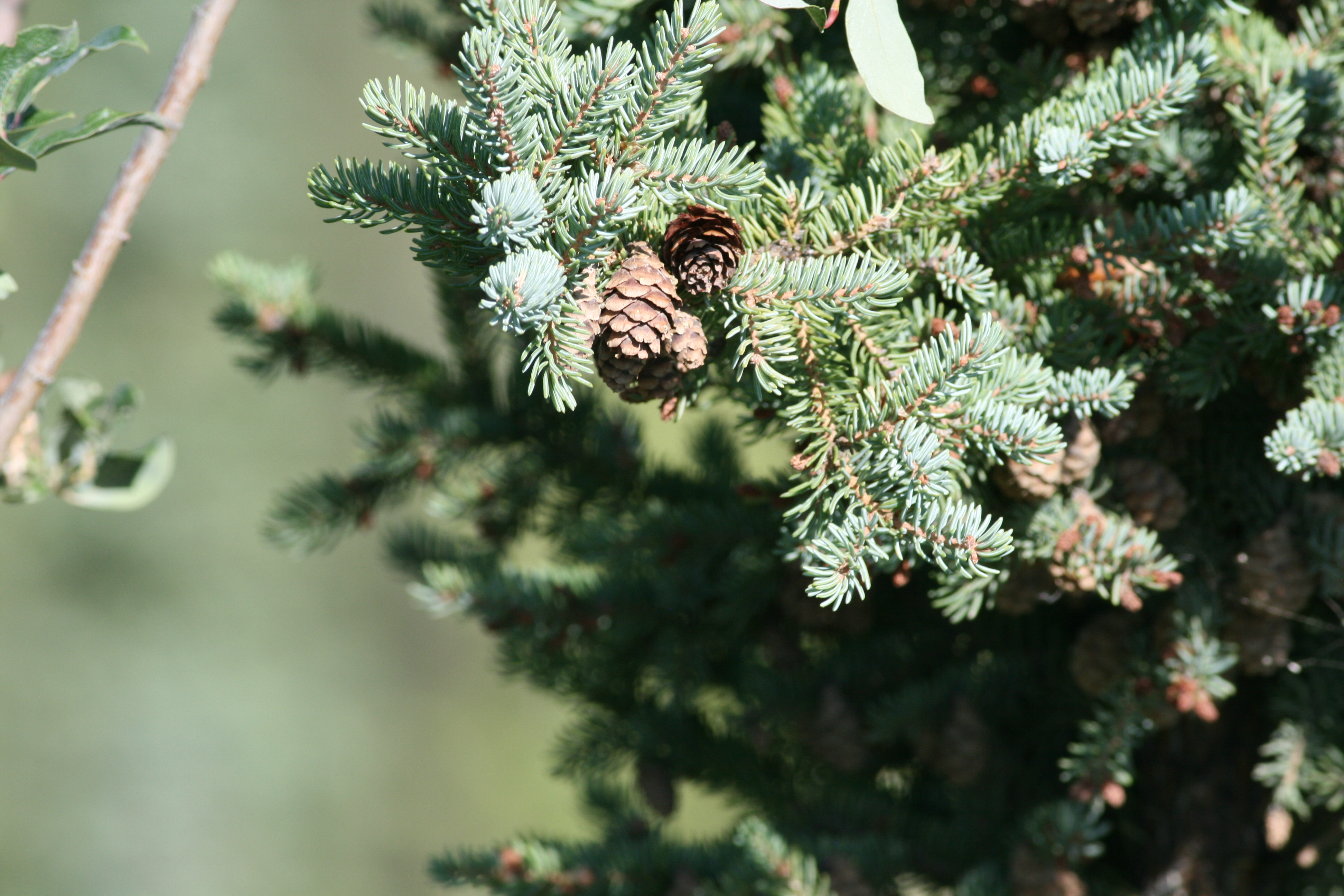
Lessons From The Forest
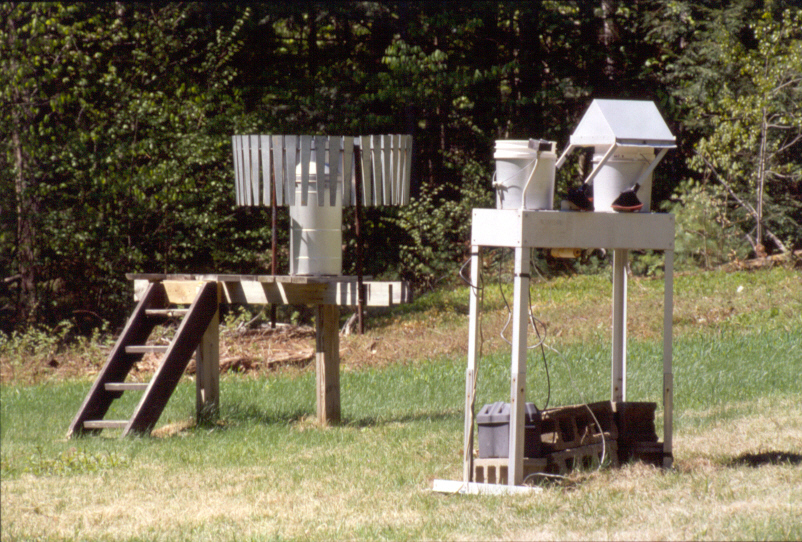
For more than half a century, scientists have converged on Hubbard Brook Experimental Forest in New Hampshire’s White Mountains to explore how forest ecosystems work. The site was established by the U.S. Forest Service to study the relationship between forests and New England’s water supply. In the 1960s, inquiry was expanded to include ecology, biogeochemistry, and studies of birds and other animals.
Natural World Heritage Sites
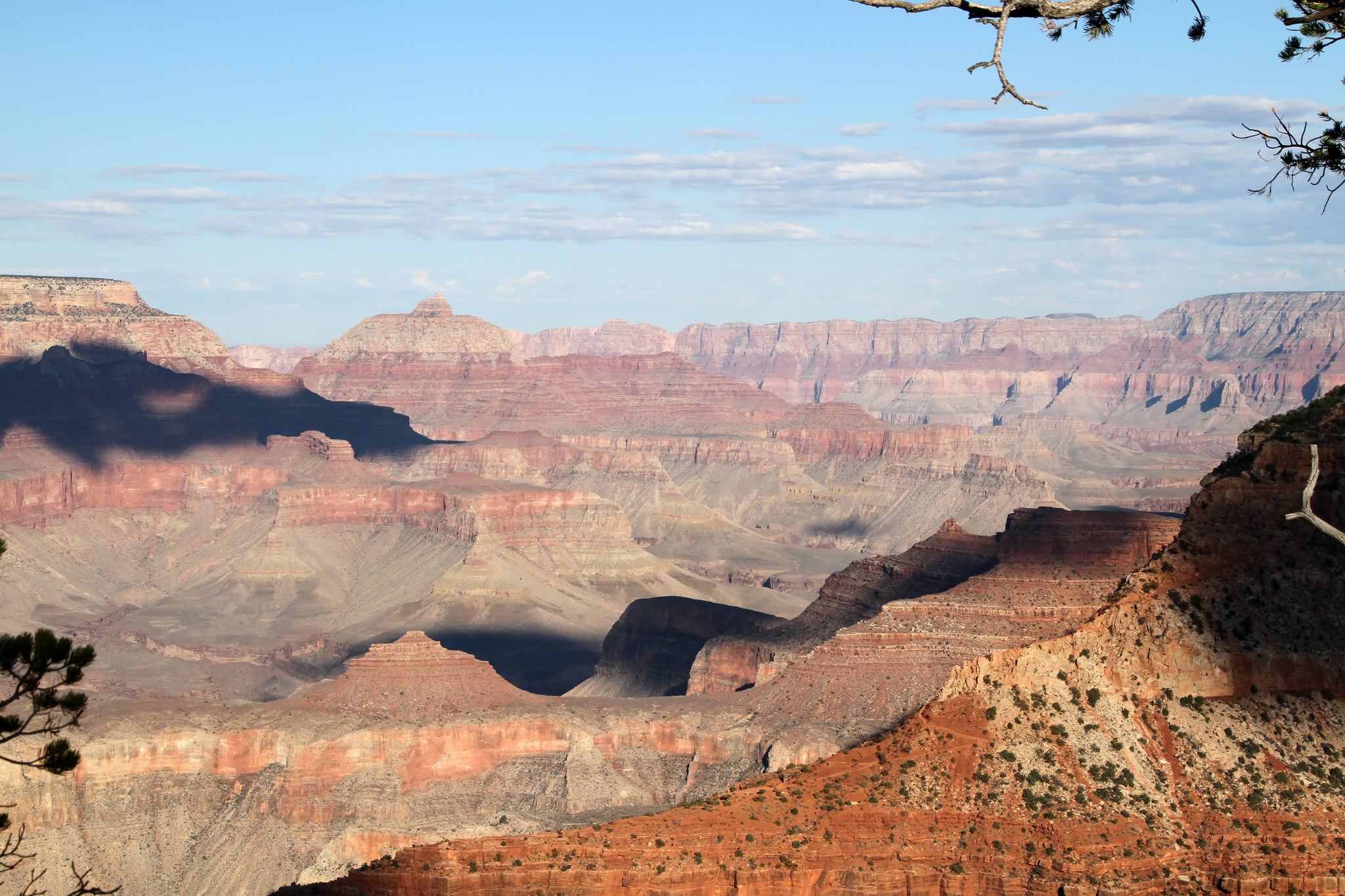
Natural world heritage sites exemplify the world’s greatest areas of natural beauty, ecology, geology, and biodiversity. They are recognized internationally for their value as places with significance that is “so exceptional as to transcend national boundaries and be of common importance for present and future generations of all humanity.” Many of these areas also are a vital source of food, fuel, and water for rural communities, and provide a revenue stream for national economies through tourism and recreation. The livelihoods of some 11 million people are directly dependent on these areas.
Ecology And Designing Future Cities
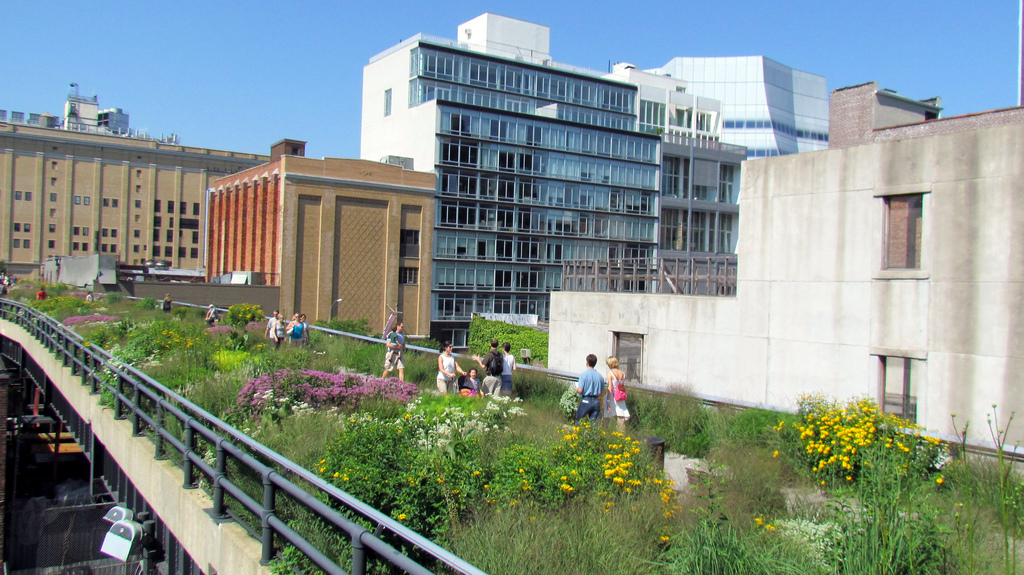
When most people hear the word ‘ecology’ – chances are it conjures up images of scientists working in distant, wild landscapes, such as old growth forests or remote mountain lakes. Increasingly, however, ecological studies are focused on urban and suburban areas.