• Skip to primary navigation
  • Skip to main content
  • Skip to primary sidebar

Earth Wise

A look at our changing environment.

  • Home
  • About Earth Wise
  • Where to Listen
  • All Articles
  • Show Search
Hide Search
You are here: Home / Archives for ecologists

ecologists

Can birds outfly climate change?

July 8, 2025 By EarthWise Leave a Comment

Birds cannot outfly climate change

As global temperatures continue to rise and ecosystems shift, animals are left with limited options. They must either adjust to the changing conditions in their habitats or relocate to cooler environments. For many species, neither choice is easy – or sometimes even possible.

Ecologists had long assumed birds were among the most adaptable species in a warming world simply because they can fly to higher altitudes or towards global poles. But a new study by researchers from Yale University found that even birds are struggling to stay ahead of rising global temperatures.

The study, which was recently published in the journal Nature Ecology and Evolution, analyzed 20 years of data from 406 bird species across North America. They found that while most birds did shift their ranges northward – by about 40 to 50 miles on average during the summer – the changes weren’t enough to keep up with the rapid pace of climate change.

Birds still experienced significant warming in their new areas when compared with temperatures in their original home range.  In fact, warming was about 1.35 degrees Celsius more in summer, and a striking 3.7 degrees more in winter. And some species, especially those with limited flight ranges or specific habitat needs, like the cactus wren, didn’t move at all.

Highly mobile birds like the blue-winged warbler did better, avoiding nearly two degrees of warming by traveling more than 100 miles north. But even they couldn’t completely dodge the heat.

The findings raise serious concerns about whether less mobile species can survive in a warming world, and underscores the urgent need to better understand and manage those most vulnerable to climate-driven extinction.

**********

Web Links

Even birds can’t outfly climate change

Photo, posted March 1, 2023, courtesy of Henry via Flickr.

Earth Wise is a production of WAMC Northeast Public Radio
Deer vs. caribou

June 13, 2024 By EarthWise Leave a Comment

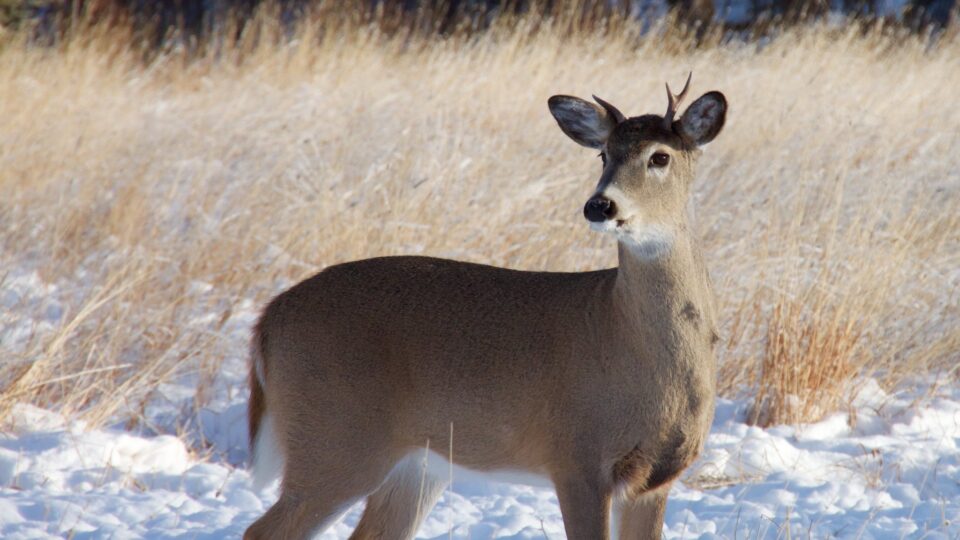
White-tailed deer expansion bad news for caribou

The combination of a warming climate and human disruption of traditional habitats has been causing changes in the ranges of many animal species.  Over the past century, white-tailed deer have greatly expanded their range in North America.  Researchers from a group of Canadian institutions have been investigating the expansion of the deer in the boreal forest of Western Canada.  A five-year study used 300 wildlife cameras throughout the region to track the activities of large mammals.

Climate change has created milder winters and habitat alteration from forestry and energy exploration have created new food sources for deer. 

The expansion of deer in the forest has not been a good thing for the woodland caribou. The species was designated as threatened in 2002.  As of 2011, only 34,000 remained in the region.  Deer are ecosystem disruptors, in this case disrupting existing predator-prey dynamics.  Areas with more deer typically have more wolves and wolves are predators of caribou.  Deer can handle high predation rates, but the already threatened caribou cannot.

Understanding the relative roles of climate and human land use is essential in efforts to recover caribou populations.  It is complicated because further north, the climate becomes harsher and human land use decreases.  The debate over the relative effect of climate or habitat change is one of the most pressing issues facing ecologists globally as they pursue efforts for ecosystem restoration.

In any case, winter severity is expected to decline as climate change progresses.  Therefore, deer are expected to keep expanding northward and increasing in abundance, which means increasing risk to caribou.

**********

Web Links

Deer are expanding north, and that’s not good for caribou

Photo, posted January 12, 2016, courtesy of Gerry via Flickr.

Earth Wise is a production of WAMC Northeast Public Radio
Carnivores Eating Human Food | Earth Wise

December 1, 2020 By EarthWise Leave a Comment

Carnivores increasingly relying on humans for food

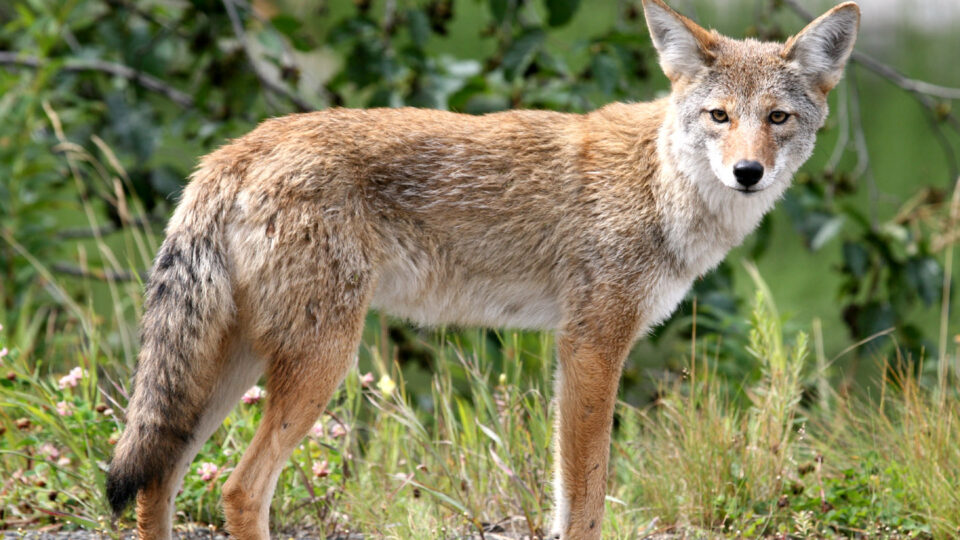
A recent study by ecologists at the University of Wisconsin-Madison has found that carnivores living near people often get more than half of their diets from human food sources rather than from their traditional prey.  This represents a major lifestyle disruption that puts North America’s carnivore-dominated ecosystems at risk.

The researchers studied the diets of seven predator species across the Great Lakes region using bone and fur samples taken from animals from areas as remote as national parks to metropolitan areas including Albany, New York.  What they found – unsurprisingly – is that the closer carnivores lived to cities and farms, the more human food they ate.  Dietary contributions of human food varied with species, but on average was more than 25% in most human-altered habitats.

The researchers studied the diets of carnivores like bobcats, coyotes, red and gray foxes, fishers, and American martens by chemical analysis of samples from Minnesota, Wisconsin, upstate New York, and the Upper Peninsula of Michigan.  The diets of the animals could be analyzed on the basis of the carbon content of bone and fur samples.  Human food, heavy in corn and sugar, lends these samples a distinctive carbon isotope signature.  In contrast, prey species confer their own carbon signatures.  The ratio of these isotope fingerprints provides information on the proportion of an animal’s diet that came from human sources.

Relying upon human food increases how much carnivores overlap one another in their competition for food.  Compared to when these predators vie for distinct prey, there can be more conflicts between animals.  Changing how a species gets their food can have far-ranging effects on ecosystems.

**********

Web Links

Carnivores living near people feast on human food, threatening ecosystems

Photo, posted August 18, 2007, courtesy of Jitze Couperus via Flickr.

Earth Wise is a production of WAMC Northeast Public Radio.

Ocean Currents And Climate Change | Earth Wise

September 22, 2020 By EarthWise Leave a Comment

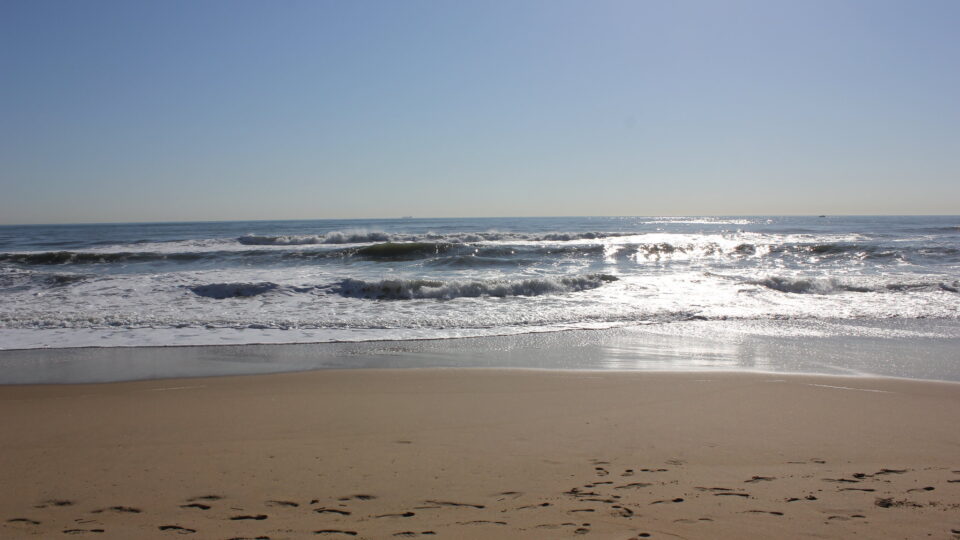
Climate change intensifies marine heatwaves

Oceans cover more than 70% of the earth and absorb 94% of incoming solar radiation.  As a result, oceans play a major role in the climate system.  With their massive size and capacity to store heat, oceans help keep temperature fluctuations in check.  But oceans also play a more active role.  Ocean currents are responsible for moving vast amounts of heat around the planet.  

According to a paper recently published in the journal Nature Communications, the world’s strongest ocean currents will experience more intense marine heatwaves than the global average in the coming decades.  These strong ocean currents play key roles in fisheries and ocean ecosystems.  

Sections of the Gulf Stream near the United States, the Kuroshio Current near Japan, the East Australian Current near Australia, and the Antarctic Circumpolar Current will all see more intense marine heatwaves over the next 30 years. 

Scientists from the University of Tasmania and CSIRO in Australia relied on high-resolution ocean modeling to carry out their research.  They confirmed the model’s accuracy by comparing outputs with observations from 1982-2018.  They then used the same model to project how marine heatwaves would alter with climate change out to 2050.

The model projects, for example, that intense marine heatwaves are more likely to form well off the coast of Tasmania, while more intense marine heatwaves along the Gulf Stream start to appear more frequently close to the shore from Virginia to New Brunswick, Canada. 

Marine heatwaves are on the rise globally, but knowing where they will occur and how much hotter they will be will help policymakers, ecologists, and fisheries experts in their regional decision-making. 

**********

Web Links

Where marine heatwaves will intensify fastest: New analysis

Photo, posted April 17, 2016, courtesy of Nicolas Henderson via Flickr.

Earth Wise is a production of WAMC Northeast Public Radio.

Antarctica’s Hot Summer | Earth Wise

May 1, 2020 By EarthWise Leave a Comment

Extreme heat in Antarctica

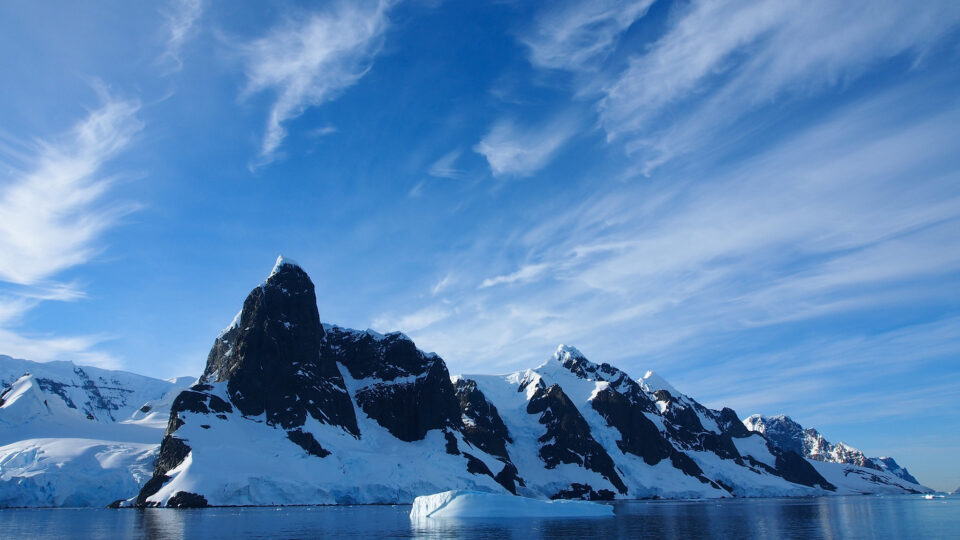
The Southern Hemisphere’s recent summer brought drought, heatwaves and bush-fires that ravaged Australia.  At the same time, Antarctica experienced a summer of extreme weather.

In East Antarctica, the Casey research station in the Australian Antarctic Territory had its first heatwave event, recording extreme maximum and minimum temperatures over three consecutive days in January.  Record high temperatures were also reported at bases on the Antarctic Peninsula.

The Casey station recorded a record high maximum temperature of 49 degrees Fahrenheit and a record overnight low of 36 degrees.  In February, Brazilian scientists reported a high temperature of 69 degrees at Marambio, an all-time record for Antarctica.

Ecologists say that the hot summer would most likely lead to long-term disruption of local populations, communities, and the broader ecosystem.  That disruption could be both positive and negative.

Most life in Antarctica exists in small ice-free oases and depends on melting snow and ice for a water supply.  Melt water from the warming temperatures will lead to increased growth and reproduction of mosses, lichens, microbes and invertebrates.

However, excessive flooding can dislodge plants and alter the composition of communities of invertebrates and microbial mats. If the ice completely melts early in the season, then ecosystems will suffer drought for the rest of the season.

Extreme events often have impacts for years after the event.  There will be long-term studies of the areas affected by the recent Antarctic heat wave. Such extreme events associated with global climate change are predicted to increase in frequency and impact, and even the most remote areas of the planet are not immune to them.

**********

Web Links

Antarctica’s summer of extreme heat

Photo, posted January 30, 2014, courtesy of Andreas Kambanis via Flickr

Earth Wise is a production of WAMC Northeast Public Radio.

Boutique Hotels For Birds | Earth Wise

April 28, 2020 By EarthWise Leave a Comment

building boutique hotels for threatened birds

The changing Arctic climate has had a drastic effect on its seabirds.  In fact, seabirds worldwide are in crisis, with global populations plummeting nearly 70% over the past 70 years as a result of climate change, over-fishing, habitat loss, and other human impacts on their environment.

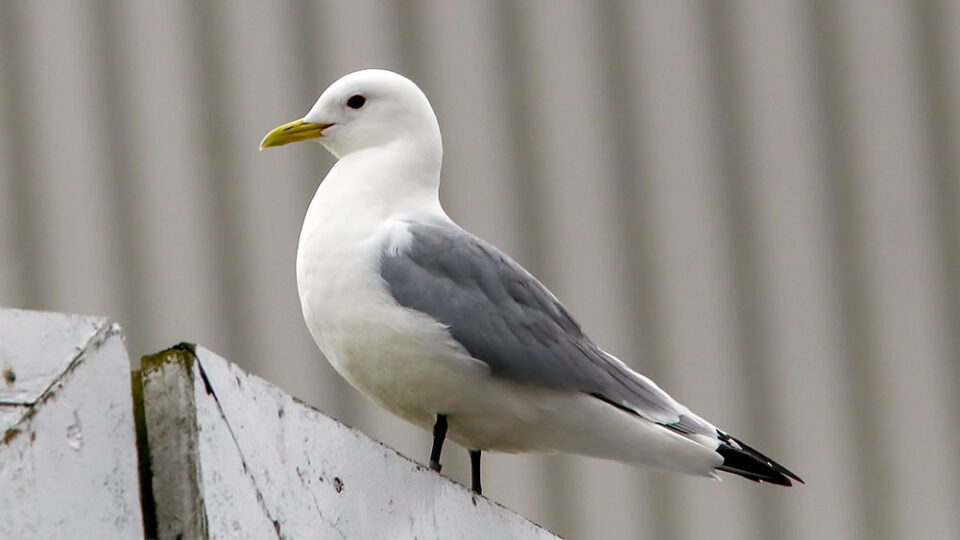
Above the Arctic circle in Norway, seabird behavior has changed dramatically.  Black-legged kittiwakes – which are the most seafaring member of the gull family – used to nest in cliffs over the ocean and seldom ventured inland.  But in recent years, that has changed.  Because of a warming ocean, increased storminess and other changes that are decimating chick populations in their normal habitat, the birds have been setting up housekeeping in places like shopping centers and office buildings in Tromsø and other towns along Norway’s north coast.

Tromsø, Hammerfest and other towns at the very north end of Norway have become very popular with tourists seeking the Northern Lights and wanting to see glaciers before they disappear.  The booming tourism has been put on hold for the moment as it has elsewhere, but when it returns, the regions growing hotels and shopping areas are facing a problem.

The birds taking up residence on these buildings are unpleasant neighbors.  They are especially noisy during the breeding season and people are having to put up nets or spikes on buildings to discourage the kittiwakes from settling there.

Local ecologists are now building boutique hotels just for kittiwakes. Using abandoned buildings on piers, they are adding ledges for nesting, materials for nest-building, and electronic speakers that croon kittiwake songs.  The hope is that the birds will stay in their own hotels and leave the other ones for the human tourists.

**********

Web Links

Norwegians are building boutique hotels for threatened Arctic birds

Photo, posted April 14, 2018, courtesy of Charlie Jackson via Flickr.

Earth Wise is a production of WAMC Northeast Public Radio.

The Ecology Of Dust

January 19, 2018 By EarthWise Leave a Comment

https://earthwiseradio.org/wp-content/uploads/2017/12/EW-01-19-18-The-Ecology-of-Dust.mp3

It isn’t something we think about very often, but dust is a connector of ecosystems around the world.  Dust carries various minerals and nutrients to places where such things are in very scarce supply.  This includes the oceans of the world as well as many forests and other ecosystems.  For example, phosphorus-bearing dust carried from the Gobi Desert is essential to the growth of giant redwoods in California’s Sierra Mountains.

[Read more…] about The Ecology Of Dust

The Southern Pine Beetle

October 13, 2017 By EarthWise Leave a Comment

https://earthwiseradio.org/wp-content/uploads/2017/10/EW-10-13-17-The-Southern-Pine-Beetle.mp3

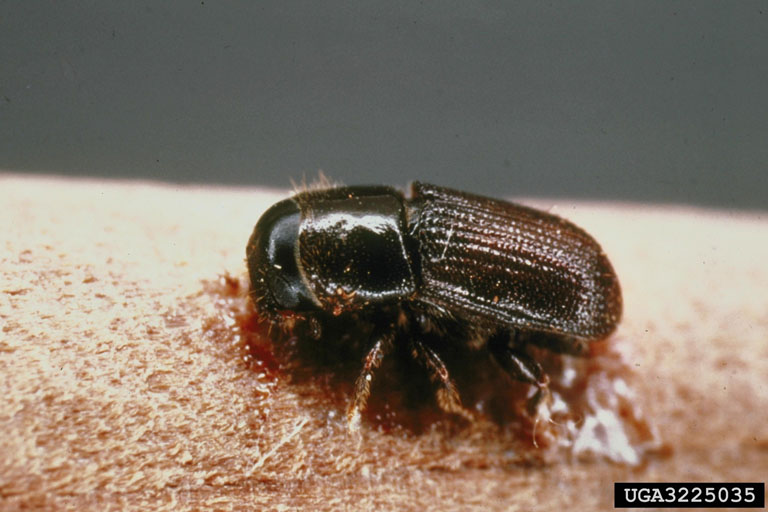
Recent sightings of a destructive tree-eating beetle in northeast pine forests have been alarming.  And a new study from Columbia University has confirmed what ecologists had feared all along:  they’re here to stay.

[Read more…] about The Southern Pine Beetle

Leave Leaves Alone

October 16, 2015 By EarthWise

Close-up of several brown autumn leaves with dried surface, fallen on the ground above other such leaves.

https://earthwiseradio.org/wp-content/uploads/2015/09/EW-10-16-15-Leave-Leaves-Alone.mp3

In natural ecosystems, there is little waste. Nutrients taken up by plants are returned to the soil when plants die and decompose. Food eaten by animals is excreted; at the end of their lives, animals are also returned to the soil. Ecologists call this nutrient loop a biogeochemical cycle.

[Read more…] about Leave Leaves Alone

Primary Sidebar

Recent Episodes

  • An uninsurable future
  • Clean energy and jobs
  • Insect declines in remote regions
  • Fossil fuel producing nations ignoring climate goals
  • Trouble for clownfishes

WAMC Northeast Public Radio

WAMC/Northeast Public Radio is a regional public radio network serving parts of seven northeastern states (more...)

Copyright © 2026 ·