• Skip to primary navigation
  • Skip to main content
  • Skip to primary sidebar

Earth Wise

A look at our changing environment.

  • Home
  • About Earth Wise
  • Where to Listen
  • All Articles
  • Show Search
Hide Search
You are here: Home / Archives for earthquakes

earthquakes

Rising seas are destroying buildings

April 8, 2025 By EarthWise Leave a Comment

Alexandria is the second largest city in Egypt and is the largest city on the Mediterranean coast.  Its history goes back over 2,300 years and it was once home to a lighthouse that was among the Seven Wonders of the Ancient World and a Great Library that was the largest in the ancient world.  The modern city has more than 6 million residents but still has many historic buildings and ancient monuments.  But perhaps not for long.

Rising seas and intensifying storms are taking a toll on the ancient port city.  For centuries, Alexandria’s historic structures have endured earthquakes, storm surges, tsunamis, and more.  They are truly marvels of resilient engineering.  But now, climate change is undoing in decades what took millennia for humans to create.

Over the past two decades, the number of buildings collapsing in Alexandria has risen tenfold.   Buildings are collapsing from the bottom up as a rising water table weakens soil and erodes foundations.  Since 2001, Alexandria has seen 290 buildings collapse.  Comparing present-day satellite imagery with decades-old maps, the authors of a study by the Technical University of Munich have tracked the retreat of Alexandria’s shorelines to determine where seas have intruded into groundwater. The authors say that more than 7,000 buildings in Alexandria are at risk.  They call for building sand dunes and planting trees along the coast to block encroaching seawater.

The true cost of this gradual destruction goes far beyond bricks and mortar.  This is the gradual disappearance of historic coastal cities.  Alexandria is a warning for such cities around the world.

**********

Web Links

In This Storied Egyptian City, Rising Seas are Causing Buildings to Crumble

Photo, posted September 11, 2012, courtesy of Sowr via Flickr.

Earth Wise is a production of WAMC Northeast Public Radio
Slow-moving landslides

October 17, 2024 By EarthWise Leave a Comment

Landslides are mass movements of rock, earth, or debris down a slope.  They can be initiated by rainfall, snowmelt, changes in water level, erosion by streams, earthquakes, volcanic activity, or by various human activities.  Most landslides we hear about are sudden events that can cause all sorts of calamities.  But not all landslides are rapid occurrences.  There are also slow-moving landslides.

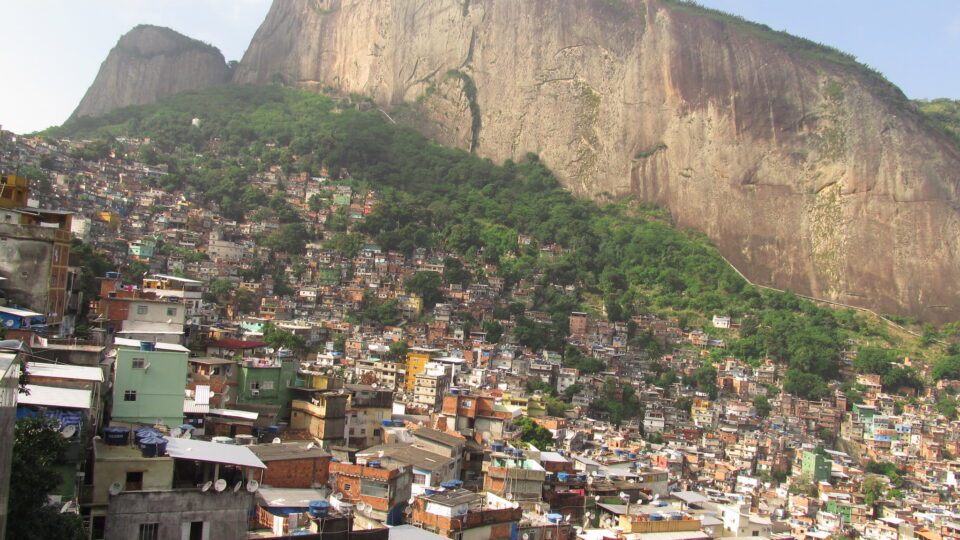
A new study by the University of Potsdam in Germany has found that as urban centers in mountainous regions grow, more people are building homes on steeper slopes prone to slow-moving landslides.  Slow-moving landslides can move as little as one millimeter a year and up to as much as three meters per year.  Locations with slow-moving landslides can seem safe to settle on; in some cases, the movement itself can be inconspicuous or even completely undetected.

Slow slides can gradually produce damage in houses and other infrastructure and there can also be sudden acceleration from heavy rain or other influences.

The study compiled a new database of nearly 8,000 slow-moving landslides with areas of at least 25 acres located in regions classified as “mountain risk.”  Of the landslides documented, 563 are inhabited by hundreds of thousands of people.  The densest settlements on slow-moving landslides are in northwestern South America and southeastern Africa. 

In all regions of the study, urban center expansion was associated with an increase in exposure to slow-moving landslides.  As cities expand in mountainous areas, people are moving into unsafe areas, but poorer populations may have few other options.

**********

Web Links

Slow-moving landslides a growing, but ignored, threat to mountain communities

Photo, posted March 4, 2015, courtesy of Flickr.

Earth Wise is a production of WAMC Northeast Public Radio
Storing carbon underground and abandoned wells

April 18, 2024 By EarthWise Leave a Comment

Energy companies pushing for expansion of underground carbon storage

Using government support in the form of subsidies and tax credits, energy companies and others are planning to capture millions of tons of industrial carbon dioxide emissions and pipe the greenhouse gas into underground storage.  It is a strategy enthusiastically supported by the fossil fuel industry because it allows them to keep burning the stuff.

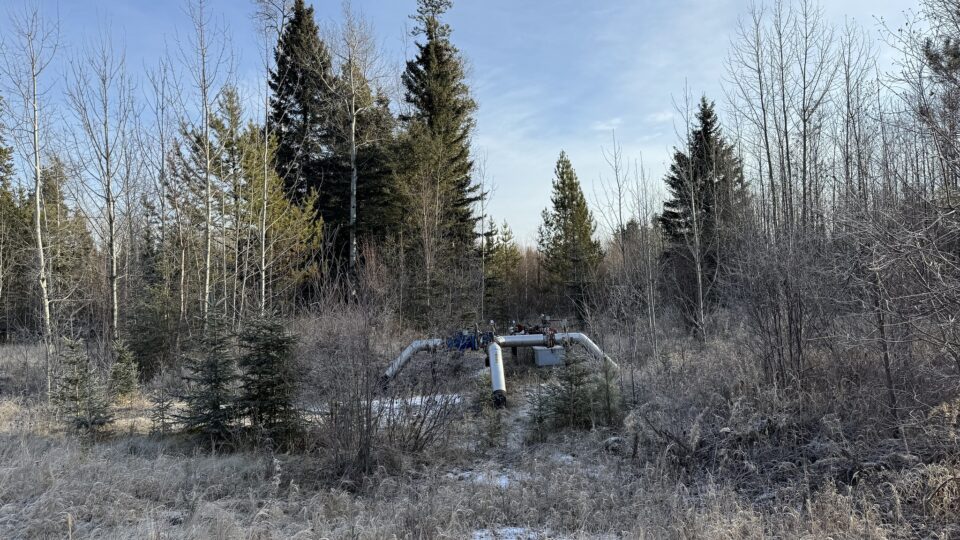
There are currently 69 projects being reviewed by federal and state regulators seeking to store CO2 underground.  The sorts of places where carbon dioxide can be injected are geologic zones containing porous rock formations which, in no way coincidentally, are the same places where oil and gas deposits are found.  As a result, these places are studded with abandoned wells that have accumulated over the past century.

In Louisiana, there are about 120,000 abandoned wells that overlie geological zones that could store carbon dioxide.  Environmental watchdog groups have identified numerous abandoned wells within a few miles of proposed storage sites.

The problem is that abandoned wells leak – even ones that have been plugged – and many haven’t been.  The question is how much leakage will occur and what will be the consequences of the leakage.  In Texas, pumping oilfield wastewater into abandoned wells has led to geysers of toxic water, artificial saline lakes, and earthquakes.

Underground carbon dioxide sequestering on a scale large enough to really matter will have to extend to very large areas.  For example, injecting 100 million tons per year could create a pressurized zone as large as 100 miles.  How large a problem this might create from abandoned wells in the zone is not at all clear but cannot be ignored.

**********

Web Links

Companies Are Poised to Inject Millions of Tons of Carbon Underground. Will It Stay Put?

Photo, posted December 3, 2023, courtesy of Jason Woodhead via Flickr.

Earth Wise is a production of WAMC Northeast Public Radio
Enhanced Geothermal Energy | Earth Wise

October 17, 2023 By EarthWise Leave a Comment

Enhanced geothermal energy

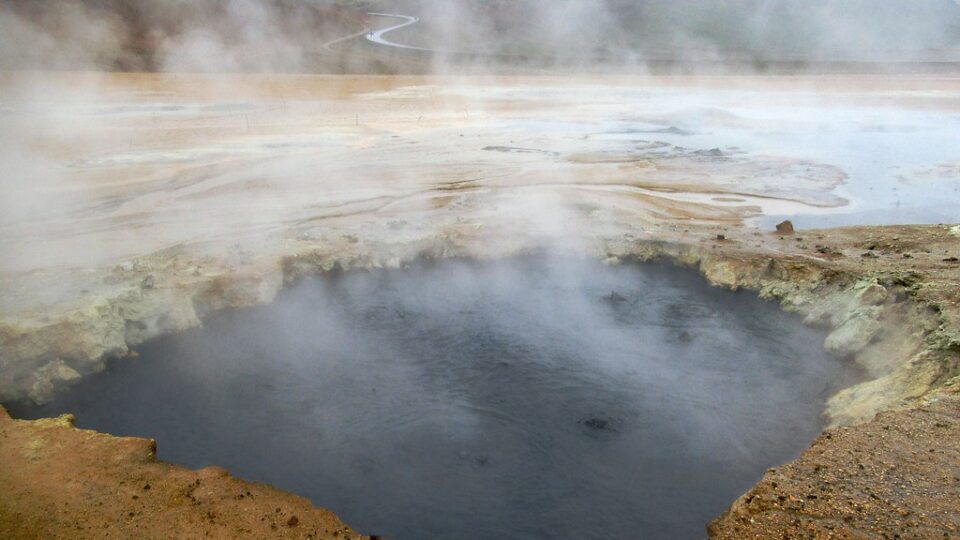
Steam produced by underground heat is an excellent source of clean energy.  In a few fortunate places around the world – notably Iceland and New Zealand – people have been using this source of power for more than a century.   In the U.S., a few places in the West have access to geothermal energy, and thus it provides roughly half-a-percent of the total U.S. power supply.

There is no shortage of underground heat but tapping into it is not so easy.  Enhanced geothermal energy refers to drilling down to where the rock is hot and injecting water to be heated and thereby provide steam that is then used to generate electricity.  According to the Department of Energy, there is enough energy in the rocks below the surface of the US to power the entire country five times over.

Recently, in northern Nevada, a company called Fervo Energy successfully operated an enhanced geothermal system called Project Red that generated 3.5 megawatts of clean electricity, the largest enhanced geothermal plant ever demonstrated.

There are now multiple start-up companies pursuing enhanced geothermal energy and the reason is somewhat ironic.  Much of the research and development needed for new geothermal technologies has already been done by the oil and gas industry for their own purposes  – notably fracking.  Those industries have gotten extremely skilled at drilling into rock and such skills are what are needed for enhanced geothermal technology.

Enhanced geothermal faces some of the same challenges as drilling for gas, such as intensive water use and potential triggering of earthquakes.  There are also issues related to permitting.  But the urgent need for more sources of clean energy has made enhanced geothermal energy a potentially very valuable addition to our energy portfolio.

**********

Web Links

Enhanced Geothermal Could Be A Missing Piece Of America’s Climate Puzzle

Photo, posted October 12, 2022, courtesy of David Stanley via Flickr.

Earth Wise is a production of WAMC Northeast Public Radio
Radar Satellites And Hazard Mitigation | Earth Wise

May 26, 2021 By EarthWise Leave a Comment

Using satellites to keep tabs on natural disasters

Scientists have concluded that the changing climate is primarily the result of increased human-caused greenhouse gas emissions.  Some of the effects of global climate change include melting glaciers, warming oceans, intensifying storms, and rising seas.

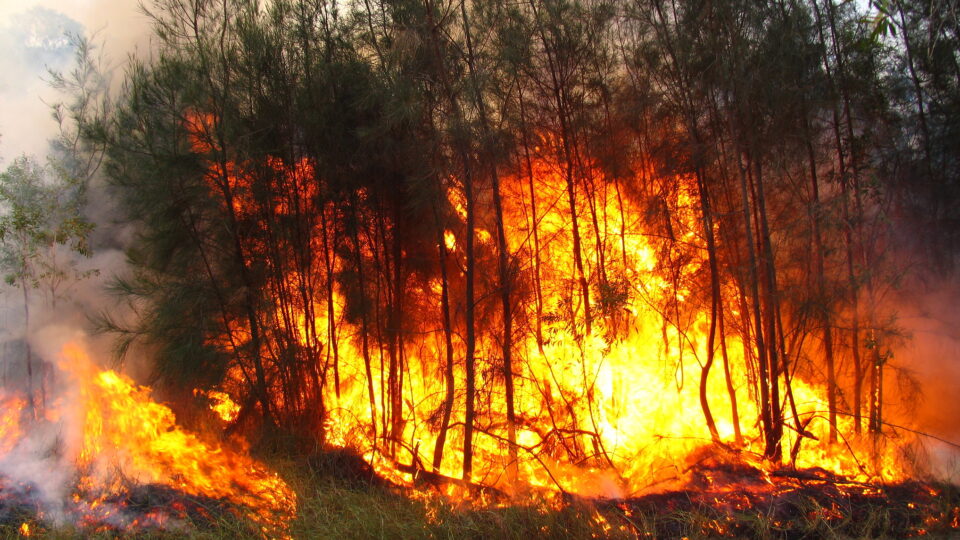
Another consequence of global climate change is natural disasters like floods and wildfires.  Climate change is increasing the frequency and severity of wildfires and increasing the odds of record-breaking floods in many parts of the United States and all around the world.

As a result, scientists in Australia have turned to technology for better assistance in keeping tabs on these climate change-driven natural disasters.  Researchers from Curtin University in Perth, Australia have found that satellites can improve the ability to detect, monitor, prepare for, and withstand natural disasters, including floods, wildfires, and earthquakes.

The research team used Synthetic Aperture Radar (SAR) data, which was acquired by the European Space Agency Sentinel-1 satellite.  The researchers also used data acquired by other satellites to evaluate these Australia-specific case studies.

According to the researchers, SAR data provides remote monitoring capabilities of Earth’s surface around the clock and in all weather, which is something that traditional optical Earth Observation (EO) imagery cannot do. The ability to function through fog, clouds, rainfall, and smoke is what makes SAR so valuable.

The research team says that the data can be used to improve how people track and respond to natural disasters, by precisely mapping topography, tracking movements of the ground, and mapping damage to infrastructure. 

As the climate continues to change, the ability to mitigate hazards like floods and wildfires will be increasingly important. 

**********

Web Links

Radar satellites can better protect against bushfires and floods

Photo, posted May 11, 2007, courtesy of Bert Knottenbeld via Flickr.

Earth Wise is a production of WAMC Northeast Public Radio.

Drilling In California

May 16, 2019 By EarthWise Leave a Comment

More than one million acres of public and private land in California may soon be opened up to oil drilling and hydraulic fracturing, according to a plan recently released by the Trump Administration.  The proposal raises environmental concerns, and comes at a time when opposition to oil and gas drilling in the state is growing.  

The plan, put forth by the Bureau of Land Management, would end a five-year moratorium in the state on leasing federal public land to oil and gas developers.  In 2013, a federal judge put the moratorium in place until the environmental risks of hydraulic fracturing, or fracking, could be better evaluated.

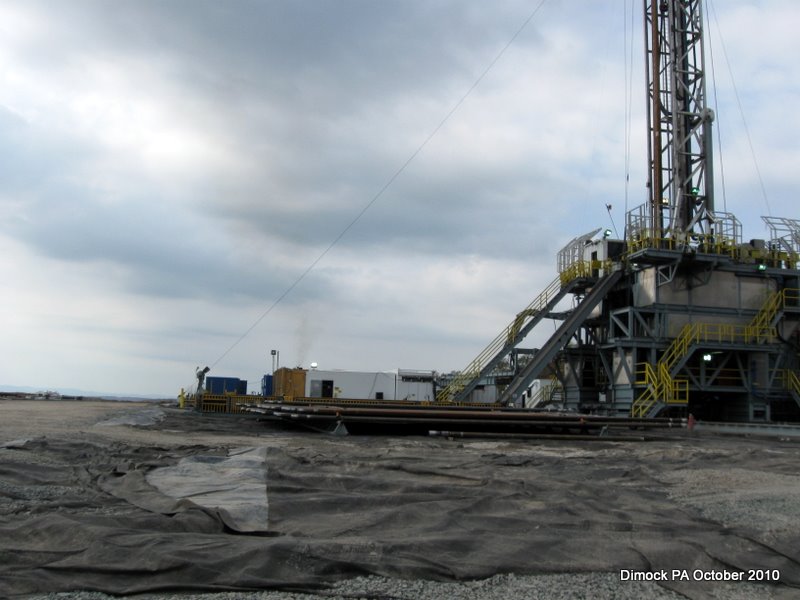
Fracking is the process of injecting liquid at high pressure underground in order to crack open rocks and extract oil or gas.  Well-documented risks associated with fracking include air and water pollution, as well as increased risks of oil spills and earthquakes.

Nevertheless, the Bureau of Land Management, which is part of the U.S. Department of the Interior, released its 174-page environmental impact statement with the proposal to open up 1,011,470 acres of land to fossil fuel extraction, impacting the California counties of Fresno, Kern, Kings, San Luis Obispo, Santa Barbara, Tulare, and Ventura. 

Unsurprisingly, the draft plan has been praised by industry groups who say concerns are misguided, and slammed by environmentalists who say the move poses a serious public health risk and could lead to a “fracking frenzy.”

The proposal is now subject to a 45-day period for public comment, after which the Interior Department will determine how to proceed.  A link to weigh in on the proposal can be found here.

*********

Web Links

Trump fracking plan targets over 1 million acres in California

Bakersfield Field Office Hydraulic Fracturing Draft Supplemental Environmental Impact Statement

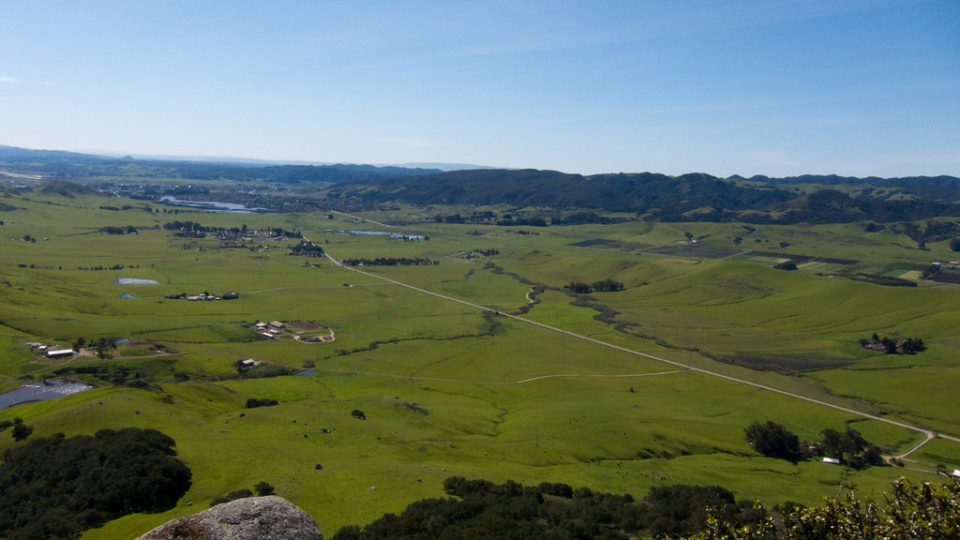
Photo, posted March 14, 2010, courtesy of Mike Baird via Flickr.

Earth Wise is a production of WAMC Northeast Public Radio.

Earthquakes And Injection Wells

October 8, 2018 By EarthWise Leave a Comment

https://earthwiseradio.org/wp-content/uploads/2018/10/EW-10-08-18-Earthquakes-and-Injection-Wells.mp3

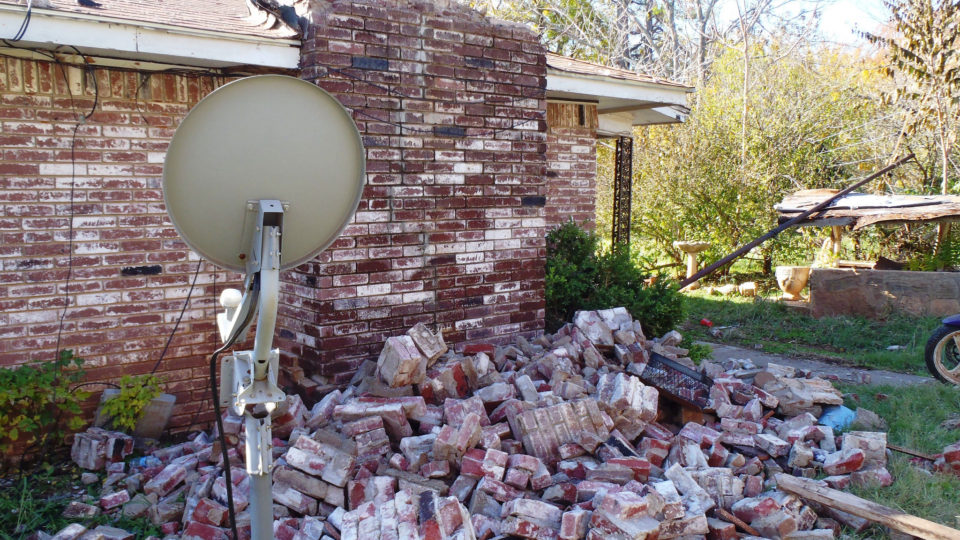
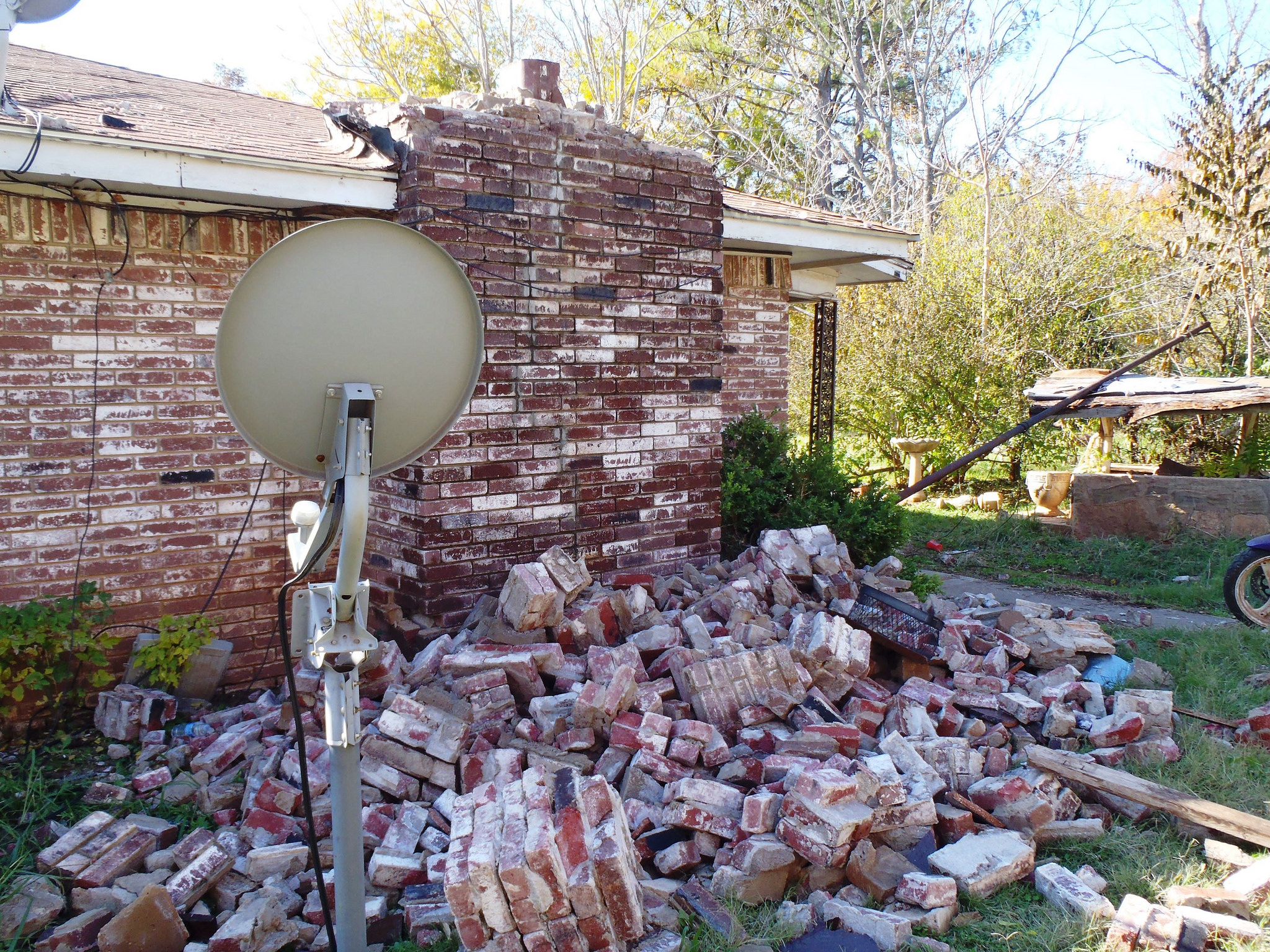
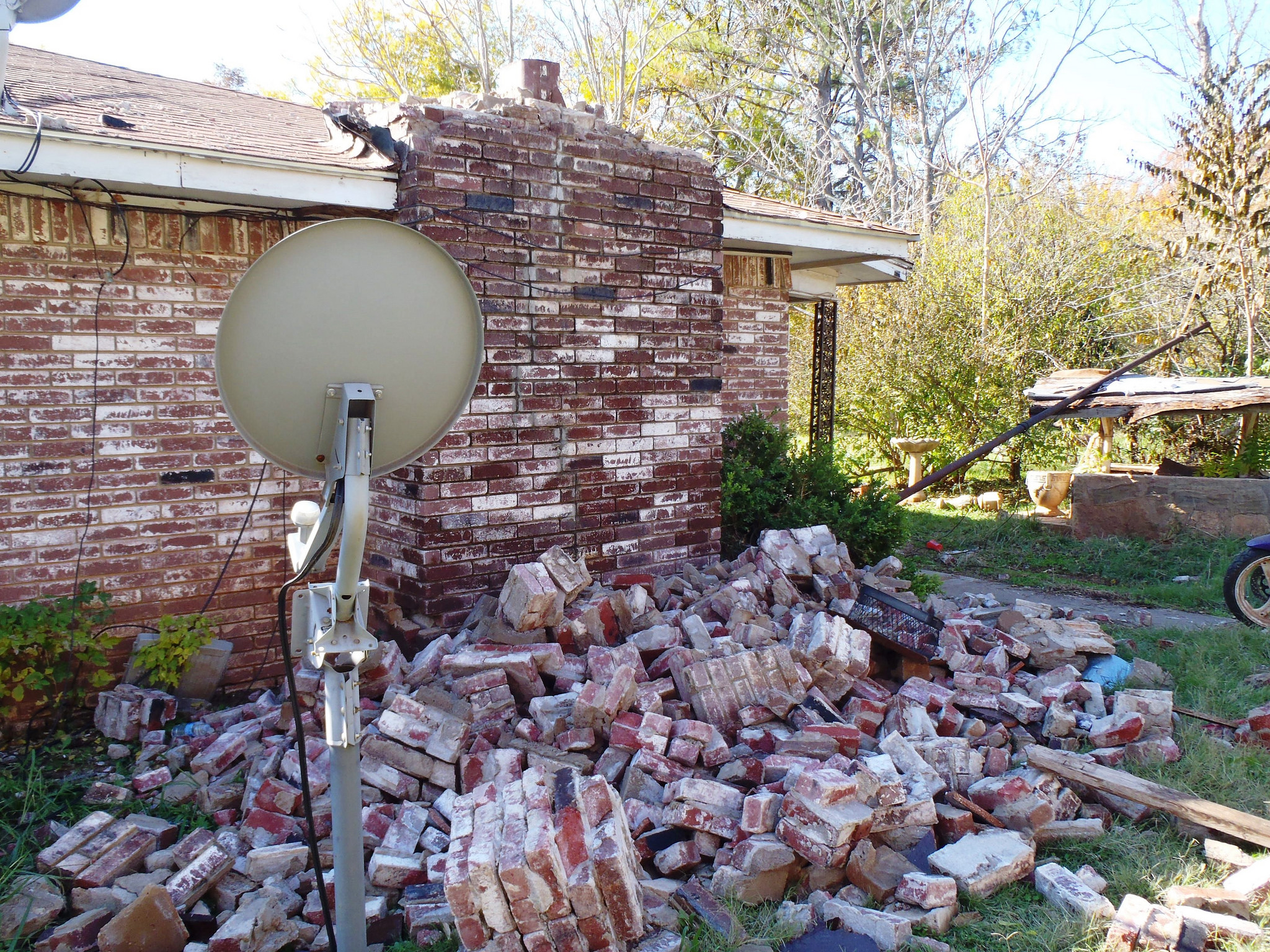
The expanded use of injection wells and fracking has brought about a significant increase in earthquakes in places that didn’t have very many before.  Wastewater injection in Oklahoma increased earthquake totals from dozens per year to over 900 in 2015 before collapsing oil prices reduced the use of the technique.  Increased earthquakes in Alberta, Canada were triggered by fracking in that area.

[Read more…] about Earthquakes And Injection Wells

The Threat Of Man-Made Earthquakes

April 14, 2017 By EarthWise

https://earthwiseradio.org/wp-content/uploads/2017/03/EW-04-14-17-Man-Made-Earthquakes.mp3

According to a new report from the U.S. Geological Survey, millions of people living in Oklahoma and parts of Kansas face significant potential for damaging earthquakes this year as a result of human activity.  The only other part of the continental United States facing a similar danger is California, which has natural faults lines slicing through the state.

[Read more…] about The Threat Of Man-Made Earthquakes

Fracking And Earthquakes

January 5, 2017 By EarthWise

https://earthwiseradio.org/wp-content/uploads/2017/01/EW-01-05-17-Fracking-and-Earthquakes.mp3

Hydraulic fracturing, or fracking, is the process in which water, chemicals and sand are injected at high pressure to split apart rock thousands of feet below Earth’s surface and release oil or natural gas.  And it’s a controversial practice. 

[Read more…] about Fracking And Earthquakes

The Zombieless Apocalypse

November 29, 2016 By WAMC WEB

https://earthwiseradio.org/wp-content/uploads/2016/11/EW-11-29-16-The-Zombieless-Apocalypse.mp3

Post-apocalyptic fiction is all the rage these days.  There are numerous stories featuring an endless list of civilization-ending disasters:  asteroid collisions, cataclysmic earthquakes, nuclear wars, supervolcanoes, pandemics…  the list goes on and on.   Most of the time, humanity either perishes entirely, is reduced to a handful of heroic and astonishingly resourceful souls, or ends up inexplicably as zombies staggering around the landscape in search of brains.

[Read more…] about The Zombieless Apocalypse

Human-Caused Earthquakes

May 10, 2016 By WAMC WEB

https://earthwiseradio.org/wp-content/uploads/2016/05/EW-05-10-16-Human-Caused-Earthquakes.mp3

Oklahoma has had its share of disasters over the years.  It has seen tornado outbreaks, massive wildfires, huge dust storms and even onslaughts of tumbleweeds.  But one thing it was not known for is earthquakes.

[Read more…] about Human-Caused Earthquakes

Land, Water and Energy

January 28, 2016 By WAMC WEB

https://earthwiseradio.org/wp-content/uploads/2016/01/EW-01-28-16-Land-Water-and-Energy.mp3

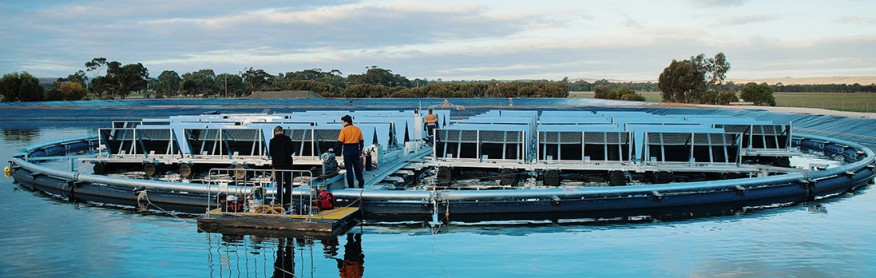
The city of Holtville in California is sometimes called the “Carrot Capital of the World.”  This agricultural community has signed an agreement with Australian company Infratech to build a floating solar power system for its water treatment plant.

[Read more…] about Land, Water and Energy

Primary Sidebar

Recent Episodes

  • An uninsurable future
  • Clean energy and jobs
  • Insect declines in remote regions
  • Fossil fuel producing nations ignoring climate goals
  • Trouble for clownfishes

WAMC Northeast Public Radio

WAMC/Northeast Public Radio is a regional public radio network serving parts of seven northeastern states (more...)

Copyright © 2025 ·