• Skip to primary navigation
  • Skip to main content
  • Skip to primary sidebar

Earth Wise

A look at our changing environment.

  • Home
  • About Earth Wise
  • Where to Listen
  • All Articles
  • Show Search
Hide Search
You are here: Home / Archives for ddt

ddt

Dangers Of Thawing Permafrost | Earth Wise

April 12, 2022 By EarthWise Leave a Comment

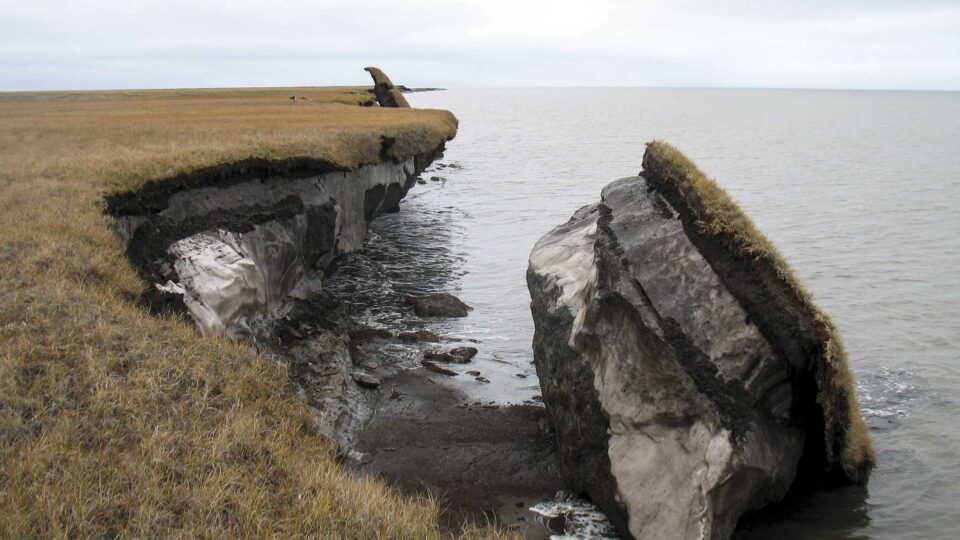
The danger thawing permafrost poses

The thawing of the permafrost in the Arctic is a major concern from the standpoint of the potential release of enormous amounts of carbon dioxide trapped in it.  There are nearly 2,000 billion tons of carbon there, which is as much as humanity releases into the atmosphere in 50 years.  But greenhouse gases are not the only danger posed by permafrost thawing.  There are also microbes, unknown viruses, and chemicals that could be very dangerous.

More than 100 diverse microorganisms in Siberia’s deep permafrost have been found to be antibiotic resistant.  The deep permafrost is one of the few environments on Earth that have not been exposed to modern antibiotics.  As the permafrost thaws, its bacteria could mix with meltwater and create new antibiotic-resistant strains.

By-products of fossil fuels – introduced into permafrost environments since the beginning of the industrial revolution – are present.  Metal deposits including arsenic, mercury, and nickel, have been mined for decades and have contaminated large areas.

Now-banned pollutants and chemicals – including DDT – came to the Arctic through the atmosphere and over time have become trapped in the permafrost.

There is now ongoing research further characterizing the microbes frozen in permafrost and providing more precise measurement of emissions hotspots in permafrost regions.  Scientists are increasingly turning to integrated Earth observations from the ground, the air, and space.

There are models that predict the gradual release of emissions from permafrost over the next century.  Other models say it could happen within just a few years.  The worst-case scenario would be utterly catastrophic but none of the scenarios portend anything good.

**********

Web Links

Thawing Permafrost Could Leach Microbes, Chemicals Into Environment

Photo, posted February 9, 2017, courtesy of Benjamin Jones/USGS via Flickr.

Earth Wise is a production of WAMC Northeast Public Radio.
Bald Eagles And Lead Poisoning | Earth Wise

February 21, 2022 By EarthWise Leave a Comment

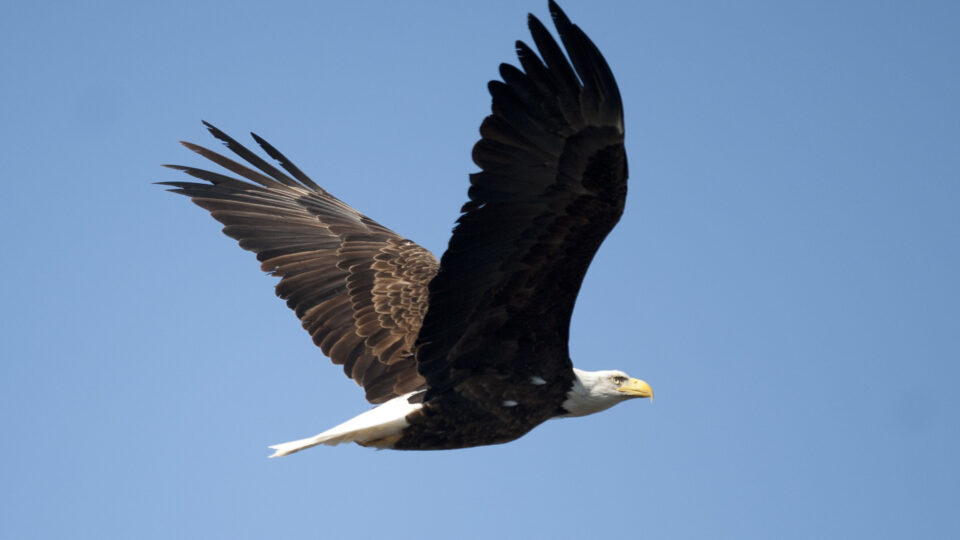
Ammunition threatens bald eagles

The bald eagle is the national bird of the United States.  It was once a common sight over much of the continent but was severely affected in the mid-20th century by a variety of factors, particularly the use of the pesticide DDT, which caused thinning of its eggshells and sterility.  In the 18th century, the bald eagle population was 300,000 – 500,000.  By the 1950s, there were only 412 nesting pairs in the 48 contiguous states.

The bald eagle was declared an endangered species in the US in 1967 and additional regulations strengthened protections for the bird.  The banning of DDT in 1972 was a major factor in the recovery of the species.

Bald eagle populations have been rebounding for decades but another issue is weakening that rebound – lead poisoning from gunshot ammunition.  According to a new study published in the Journal of Wildlife Management, poisoning from eating dead carcasses or parts contaminated by lead shot has reduced population growth by 4% to 6% annually in the Northeast.

Bald eagle numbers in the lower 48 states quadrupled between 2009 and 2021 to more than 316,000, according to a report by the U.S. Fish and Wildlife Service.  But even though the population has seemingly recovered, some combination of factors such as habitat loss, climate change, infectious disease, and lead poisoning could reverse the trends and lead to population declines.

The hope is that the study could help educate and inform policy on ammunition choices for hunters.  There are alternatives such as copper-based ammunition.  Human health can also be affected when bullets fragment inside game species and are then consumed.

**********

Web Links

Bald eagle rebound stunted by poisoning from lead ammunition

Photo, posted March 28, 2013, courtesy of Ben Johnson via Flickr.

Earth Wise is a production of WAMC Northeast Public Radio.
Is It Time to Ban Neonics?

May 10, 2018 By EarthWise Leave a Comment

https://earthwiseradio.org/wp-content/uploads/2018/05/EW-05-10-18-Time-to-Ban-Neonics.mp3

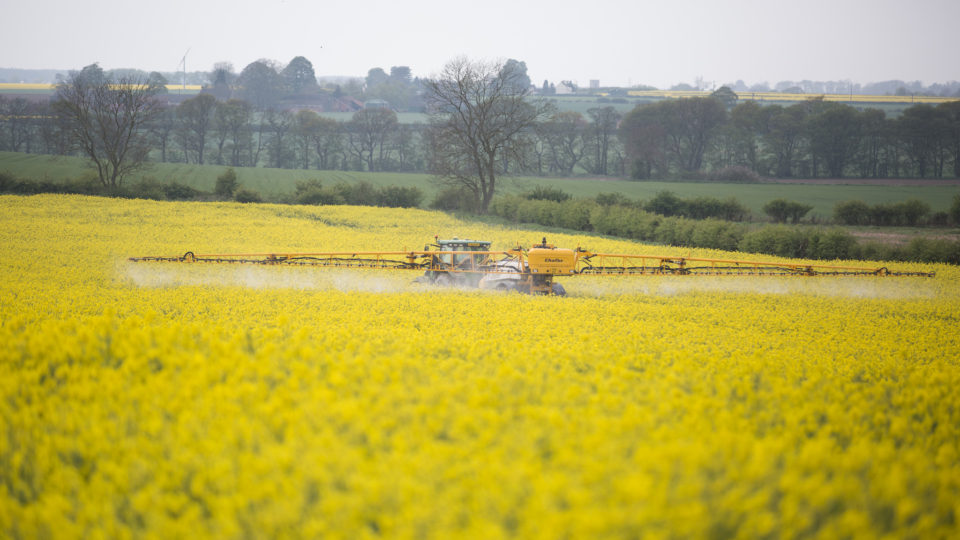
Neonicotinoids (or ‘neonics’ for short) are a class of insecticides chemically related to nicotine.  In fact, the name ‘neonicotinoid’ literally means “new nicotine-like insecticide.”  And like nicotine, neonics act on certain kinds of receptors in the nerve synapse.  Most corn, soy, and wheat seeds planted today are coated with neonics, which is reportedly 5,000 to 10,000 times more toxic than DDT. 

[Read more…] about Is It Time to Ban Neonics?

Pollutants In Fish

February 29, 2016 By WAMC WEB

https://earthwiseradio.org/wp-content/uploads/2016/02/EW-02-29-16-Pollutants-in-Fish.mp3

A new global analysis of seafood has found that fish populations in all the oceans of the world are contaminated with industrial and agricultural pollutants, which are collectively known as persistent organic pollutants or POPs.

[Read more…] about Pollutants In Fish

Primary Sidebar

Recent Episodes

  • An uninsurable future
  • Clean energy and jobs
  • Insect declines in remote regions
  • Fossil fuel producing nations ignoring climate goals
  • Trouble for clownfishes

WAMC Northeast Public Radio

WAMC/Northeast Public Radio is a regional public radio network serving parts of seven northeastern states (more...)

Copyright © 2026 ·