
• Skip to primary navigation
  • Skip to main content
  • Skip to primary sidebar

Earth Wise

A look at our changing environment.

  • Home
  • About Earth Wise
  • Where to Listen
  • All Articles
  • Show Search
Hide Search
You are here: Home / Archives for crustaceans

crustaceans

Less Phytoplankton In The Gulf Of Maine | Earth Wise

July 20, 2022 By EarthWise Leave a Comment

The Gulf of Maine is changing

Phytoplankton, also known as microalgae, are the base of the marine food web and also play a key role in removing carbon dioxide from the air.  They are eaten by primary consumers like zooplankton, small fish, and crustaceans. 

Phytoplankton, like land plants, absorb carbon dioxide from the atmosphere and use photosynthesis to grow.  Then they become a food source for other organisms and ultimately for people who depend upon marine ecosystems.   If phytoplankton productivity is disrupted, there can be adverse effects on regional fisheries and the communities that depend on them.

The Gulf of Maine is becoming warmer and saltier, because of ocean currents pushing warm water into the gulf from the Northwest Atlantic.  These temperature and salinity changes have led to a significant decrease in the productivity of phytoplankton.   According to a new paper from scientists at Bigelow Laboratory of Ocean Sciences in Maine, phytoplankton are about 65% less productive in the gulf than they were 20 years ago.

The study’s results come from the analysis of the Gulf of Maine North Atlantic Time Series, a 23-year sampling program of the temperature, salinity, chemical, biological, and optical measurements of the gulf.  The scientists refer to what they describe as a giant windmill effect happening in the North Atlantic, which is changing the circulation of water coming into the Gulf of Maine.  In the past, inflows from the North Atlantic brought water from the Labrador Current, which made the gulf cooler and fresher.  The new circulation is making the water warmer and saltier.

These changes have significant implications for higher marine species, fisheries, the lobster industry, and other activities in the states that border the Gulf of Maine.

**********

Web Links

NASA-funded Study: Gulf of Maine’s Phytoplankton Productivity Down 65%

Photo, posted November 15, 2015, courtesy of Paul VanDerWerf via Flickr.

Earth Wise is a production of WAMC Northeast Public Radio.
Mollusks And Microplastics | Earth Wise

January 26, 2021 By EarthWise Leave a Comment

Microplastics are contaminating marine creatures

Plastic debris comes in all different shapes and sizes, but pieces that are less than five millimeters in length are called microplastics.  Microplastics are everywhere, including in the food we eat, the water we drink, and the air we breathe.

Much of the oceanic microplastic pollution comes from the breakdown of plastic litter.  Another source of microplastic pollution is microbeads.  Microbeads, which are sometimes added to cleansing and exfoliating personal care products, pollute the environment when they get flushed down the drain.  

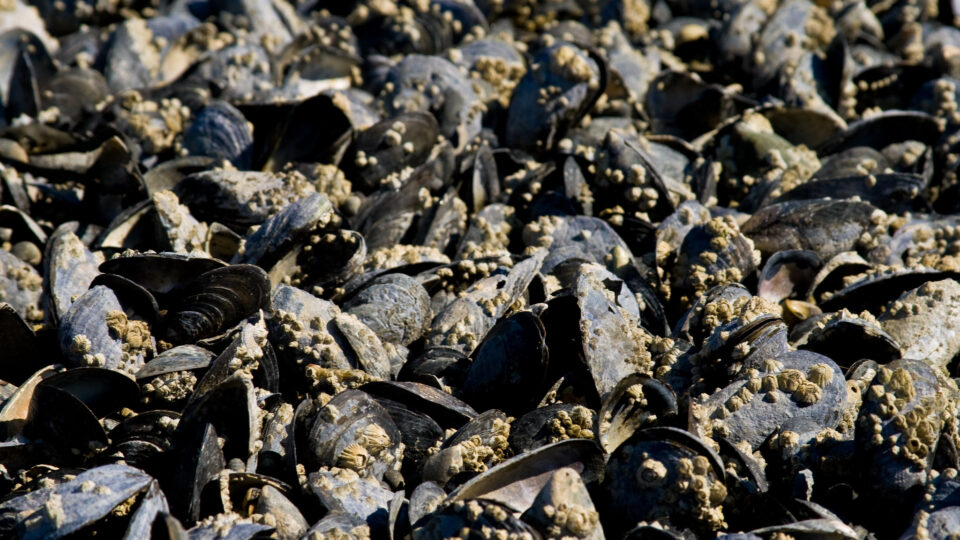
According to a new study by researchers at Hull York Medical School and the University of Hull in the U.K., mussels, oysters and scallops have the highest levels of microplastic contamination among seafood.  The research team examined 50 studies between 2014 and 2020 to determine the levels of microplastic contamination globally in fish and shellfish.  The team found that microplastic content was 0-10.5 microplastics per gram in mollusks, 0.1-8.6 microplastics per gram in crustaceans, and 0-2.9 microplastics per gram in fish.  

The researchers found that mollusks collected off the coasts of Asia were the most heavily contaminated with microplastics.  China, Australia, Canada, Japan and the United States are among the largest consumers of mollusks, followed by Europe and the U.K.

While the human health implications of consuming microplastics are not well understood, early evidence from other studies suggest they do cause harm. 

According to the research team, more data is needed from different parts of the world in order to better understand how microplastics vary between different oceans, seas, and waterways.

**********

Web Links

Highest levels of microplastics found in molluscs, new study says

Photo, posted September 3, 2007, courtesy of Andrew Malone via Flickr.

Earth Wise is a production of WAMC Northeast Public Radio.
Pesticides In The Great Barrier Reef

November 7, 2019 By EarthWise Leave a Comment

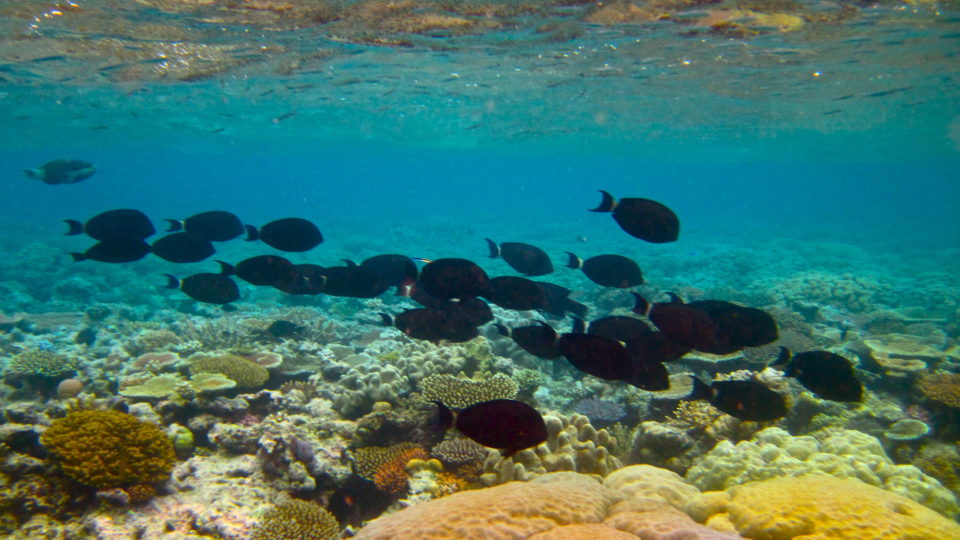
Australia’s Great Barrier Reef is one of the greatest natural wonders in the world and it has been under siege by warming waters and ocean acidification.  Widespread coral bleaching has damaged or destroyed large portions of the 1,400-mile long coral reef system.  But the effects of climate change are not the only threat to the reef.  Pesticides found in waterways that flow into the Great Barrier Reef are another serious problem.

According to a new study by the University of Queensland, the combined toxicity of 22 of the most common pesticides that flow into the Reef are not meeting pollution reduction targets.

Different pesticides affect different organisms.  Herbicides affect organisms that photosynthesize such as seagrass, corals, mangroves, and algae.  Insecticides affect insect larvae in freshwater, and crustaceans such as crabs, prawns, and lobsters.  Previous assessments have only examined individual pesticides and only for limited times.  The new study has utilized a methodology that estimates the combined toxicity of multiple pesticides found in the waterways that discharge into the Reef and does it for the entire wet season.

The research revealed that the pesticide reduction target set in the Australian Government’s Reef 2050 Water Quality Improvement Plan is not being met.  Only one natural resource management region – the Cape York region – was found to be meeting its target.

By having estimates of the risk posed by pesticides in the various regions and individual waterways, governments, farmers, and conservationists can see which areas pose the greatest risk and where to maximize efforts.  Stakeholders have to come together to reduce pesticide concentrations through better management practices and by using less toxic pesticides.

**********

Web Links

High pesticide concentrations continue to enter Great Barrier Reef

Photo, posted July 29, 2010, courtesy of Kyle Taylor via Flickr.

Earth Wise is a production of WAMC Northeast Public Radio.
Climate Change And Global Fisheries

April 12, 2019 By EarthWise Leave a Comment

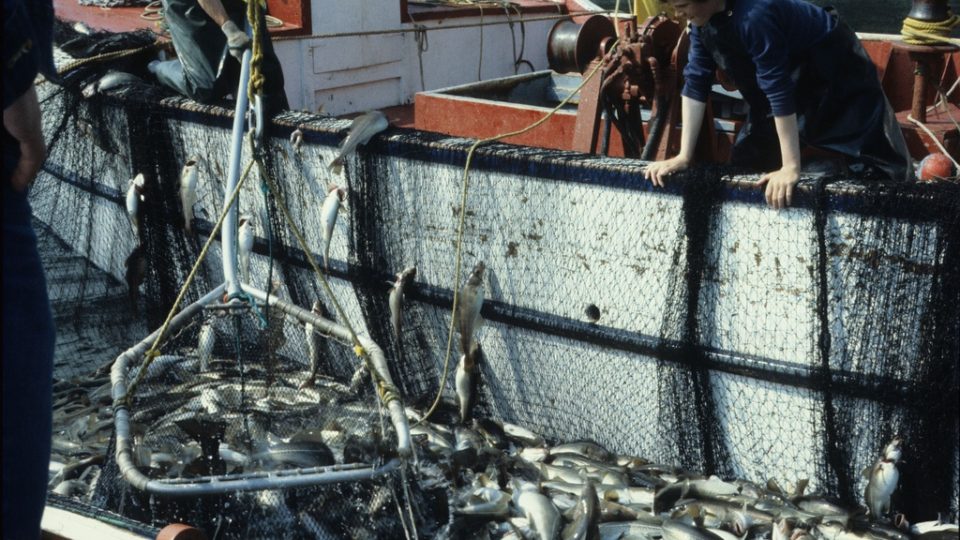
A Rutgers University-led study published in the journal Science has shown that climate change has taken a toll on many of the world’s fisheries and that over fishing has magnified the problem.

Seafood has become an increasingly important source of nourishment as the global population grows, especially in coastal, developing countries where it provides as much as half of the animal protein eaten.  More than 50 million people worldwide work in the fisheries industry or subsist on fisheries.

Scientists at Rutgers and the National Oceanic and Atmospheric Administration studied the impact of ocean warming on 235 populations of 124 species in 38 ecological regions around the world.  Species included fish, crustaceans such as shrimp, and mollusks such as scallops.  They combined data on fisheries with ocean temperature maps to estimate temperature-driven changes in the sustainable catch over 8 decades.  The data covered about one-third of the global catch.

According to the study, ocean warming has led to an estimated 4.1% drop in sustainable catches, on average around the world, for many species of fish and shellfish from 1930 to 2010.  In five regions that include the East China Sea and the North Sea, the estimated decline was 15 to 35%.

The researchers recommend that fisheries managers eliminate over fishing, rebuild fisheries, and account for climate change in fisheries management decisions.  Over fishing provides a one-two punch to fisheries facing warming waters.   It not only makes fisheries more vulnerable to ocean warming but continued warming will also hinder efforts to rebuild over fished populations.

**********

Web Links

Climate Change Shrinks Many Fisheries Globally, Rutgers-Led Study Finds

Photo, posted April 23, 2011, courtesy of Derek Keats via Flickr.

Earth Wise is a production of WAMC Northeast Public Radio.
The BP Oil Spill

May 16, 2016 By WAMC WEB

https://earthwiseradio.org/wp-content/uploads/2016/05/EW-05-16-16-BP-Oil-Spill.mp3

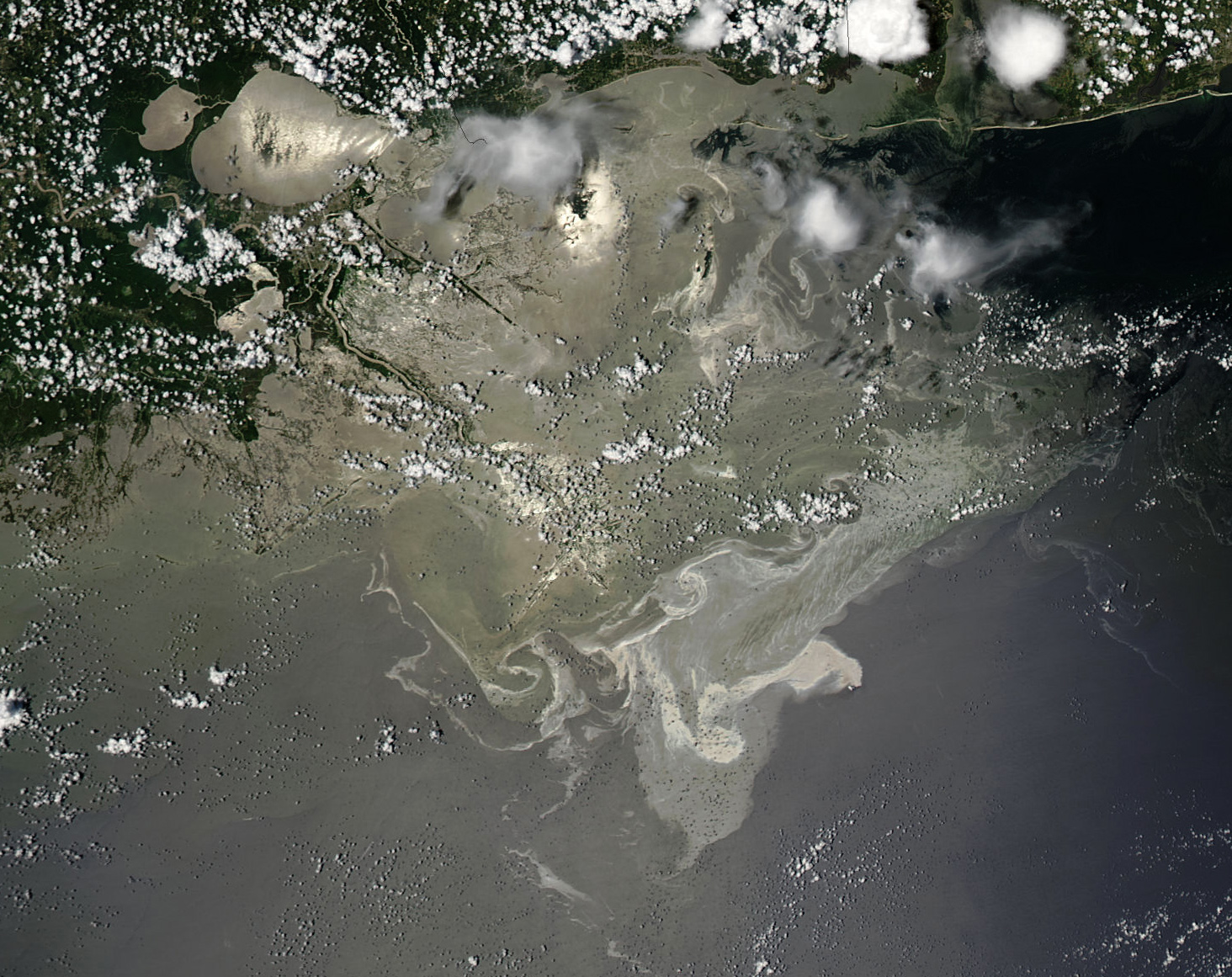
In 2010, an explosion on the BP-owned Deepwater Horizon drilling rig released more than 200 million gallons of oil into the Gulf of Mexico.  Some of the oil was recovered, burned, or dispersed at sea, while some washed up onto the shorelines of Texas, Louisiana, Mississippi, Alabama, and Florida. 

[Read more…] about The BP Oil Spill

Primary Sidebar

Recent Episodes

  • An uninsurable future
  • Clean energy and jobs
  • Insect declines in remote regions
  • Fossil fuel producing nations ignoring climate goals
  • Trouble for clownfishes

WAMC Northeast Public Radio

WAMC/Northeast Public Radio is a regional public radio network serving parts of seven northeastern states (more...)

Copyright © 2026 ·