• Skip to primary navigation
  • Skip to main content
  • Skip to primary sidebar

Earth Wise

A look at our changing environment.

  • Home
  • About Earth Wise
  • Where to Listen
  • All Articles
  • Show Search
Hide Search
You are here: Home / Archives for copenhagen

copenhagen

Sea Level Rise And Global Security | Earth Wise

March 22, 2023 By EarthWise Leave a Comment

Recently, United Nations General Secretary Antonio Guterres addressed the U.N. Security Council on the issue of the security threats created by rising sea levels. In the past, some members of the Security Council – notably Brazil, China, Russia, and at times, India – have argued that the U.N.’s climate program should address such issues and that the Security Council doesn’t have a mandate or the expertise to consider the issue.   The underlying problem is that by addressing the security issues created by rising seas, other sensitive geopolitical issues might come to the forefront.

Guterres’ speech focused on the real possibility that rising seas could disrupt and destabilize global societies unless there is an organized international effort to get ahead of the problem.  Major cities facing serious impacts from rising seas include Cairo, Lagos, Bangkok, Jakarta, Mumbai, Shanghai, Copenhagen, London, Los Angeles, New York, and Buenos Aires, among others.

In all, Guterres said that the danger is most acute for about 900 million people living in low-lying coastal areas.  Some countries, particularly small island developing countries, could disappear entirely.

The world is already facing refugee crises related to politics, warfare, and extreme weather.  The flood of refugees created by rising seas could be biblical in magnitude.

The confluence of climate change and global security is growing steadily.  As the global body primarily responsible for maintaining international peace and security, the U.N. Security Council cannot duck this issue much longer.  It has a critical role to play in building the political will required to address the security challenges looming from rising seas.

**********

Web Links

Sea Level Rise Could Drive 1 in 10 People from Their Homes, with Dangerous Implications for International Peace, UN Secretary General Warns

Photo, posted July 19, 2021, courtesy of Face of the World via Flickr.

Earth Wise is a production of WAMC Northeast Public Radio
Using CO2 To Convert Seawater Into Drinking Water | Earth Wise

October 27, 2020 By EarthWise Leave a Comment

Converting Seawater into Drinking Water

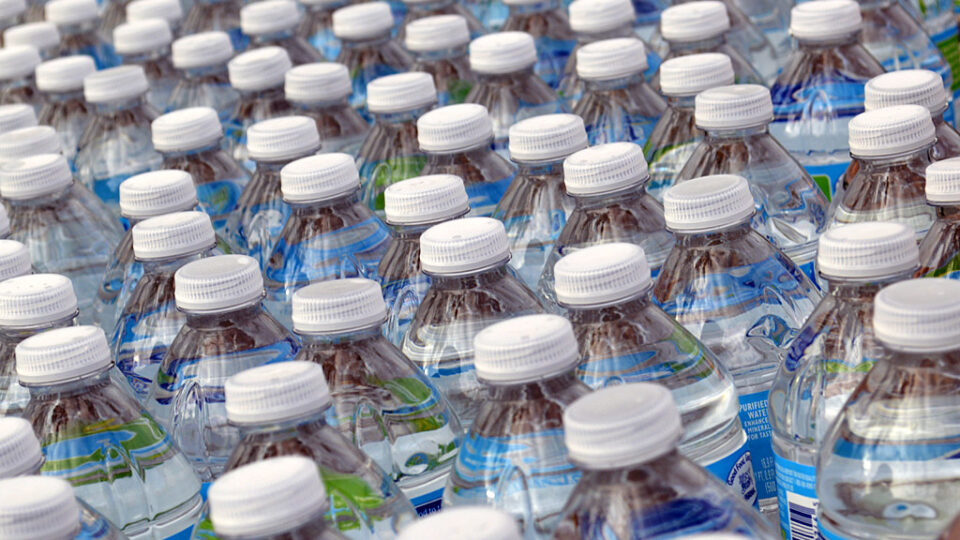
A chemist at the University of Copenhagen has invented a technology that uses carbon dioxide to convert seawater into drinking water within minutes.  This desalination technology has the potential to replace electricity with CO2 and be used in survival gear and in large-scale industrial plants in places where people don’t have clean drinking water.

Over 800 million people worldwide lack access to clean drinking water and that number is growing rapidly.  Seawater is a vital source of drinking water in many parts of the world, but desalination faces the major challenge of being highly energy intensive.  Desalination plants use huge amounts of fossil fuel-generated electricity and therefore contribute to climate change.

The Copenhagen technology is reminiscent of a SodaStream machine.  Carbon dioxide is added to water, initiating a chemical reaction.  But instead of using it for bubbly carbonation, it is used to separate salt from water.  It works by adding a chemical called CO2-responsive diamine to saltwater.  The diamine compound binds with the added CO2 and acts as a sponge to absorb the salt, which can then be separated.  The entire process takes one to ten minutes.  Once the CO2 is removed, the salt is released again, allowing the diamine to be reused for several more rounds of desalination.

In the laboratory, the method removed 99.6% of the salt in seawater.  The technology is still being developed to lower its price and optimize the recycling process.  It is also being tested on a small scale in the form of water bottles fitted with special filters that can be used in lifeboats or in other outdoor settings.  Ultimately, it could be used to greatly reduce the energy consumption of desalination plants.

**********

Web Links

Chemist uses CO2 to convert seawater into drinking water

Photo, posted January 10, 2015, courtesy of Daniel Orth via Flickr.

Earth Wise is a production of WAMC Northeast Public Radio.

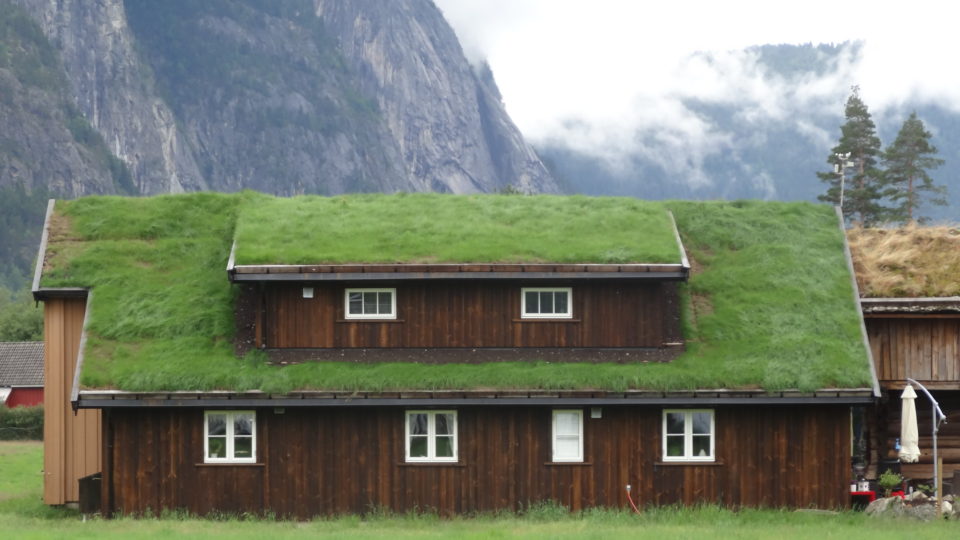
Roofs Going Green

November 21, 2019 By EarthWise Leave a Comment

Green roofs are roofs on buildings that are partially or completely covered with vegetation and a growing medium, generally planted over a waterproofing membrane.  The modern version of these roofs began in Germany in the 1960s and spread to many other European countries over time.  With concerns about climate change and shrinking natural resources rising, green roofs are becoming increasingly popular across North America.  The Toronto-based organization Green Roofs for Healthy Cities estimates that the number in North America has increased by about 15% since 2013.

Replacing black asphalt and shingles with plants can lower the surrounding air temperature, filter dirty storm water, and reduce building energy use.  The National Research Council of Canada estimates that a green roof can reduce air conditioning use in a building by as much as 75%.  The roofs also help to reduce air pollution and greenhouse gas emissions according to the EPA.

As the benefits of green roofs become more widely known, cities around the world are passing green roof legislation.  Copenhagen passed a law in 2010 requiring all new commercial buildings to have green roofs if their roofs are not sloped too much.  Toronto was the first city in North America to pass a green roof law in 2009.  Over 640 green roofs covering more than five million square feet have since been constructed in Toronto.

Apart from the environmental benefits, green roofs are providing pleasant spaces in the urban environment that may include flower beds, trees, herb gardens, gazebos and picnic tables.  As for the economics, studies show that over the course of a roof’s lifetime, green roofs are actually considerably cheaper than conventional roofs taking into account energy savings.

**********

Web Links

The Green Revolution Spreading Across Our Rooftops

Photo, posted July 15, 2014, courtesy of Flickr.

Earth Wise is a production of WAMC Northeast Public Radio.

Cloudbursts And New York City

November 13, 2018 By EarthWise Leave a Comment

https://earthwiseradio.org/wp-content/uploads/2018/11/EW-11-13-18-Cloudbursts-and-New-York-City.mp3

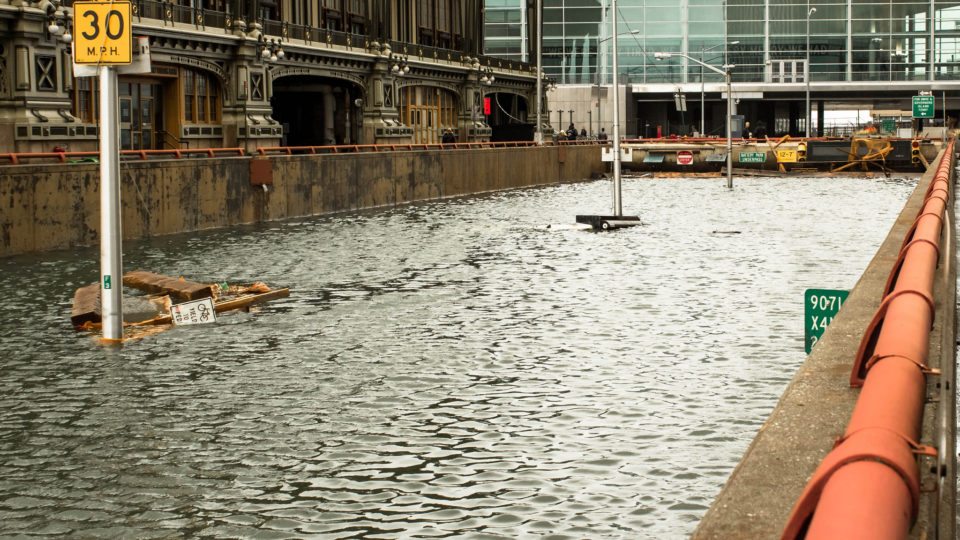
Cloudbursts are intense rainstorms that drop enormous amounts of water over a short period of time.  Climate change is expected to make cloudbursts occur more frequently.  Cities around the world are looking for better ways to cope with weather phenomena like cloudbursts. 

[Read more…] about Cloudbursts And New York City

Green Solutions To Storm Water Runoff

July 5, 2018 By EarthWise Leave a Comment

https://earthwiseradio.org/wp-content/uploads/2018/07/EW-07-05-18-Green-Storm-Water-Solutions.mp3

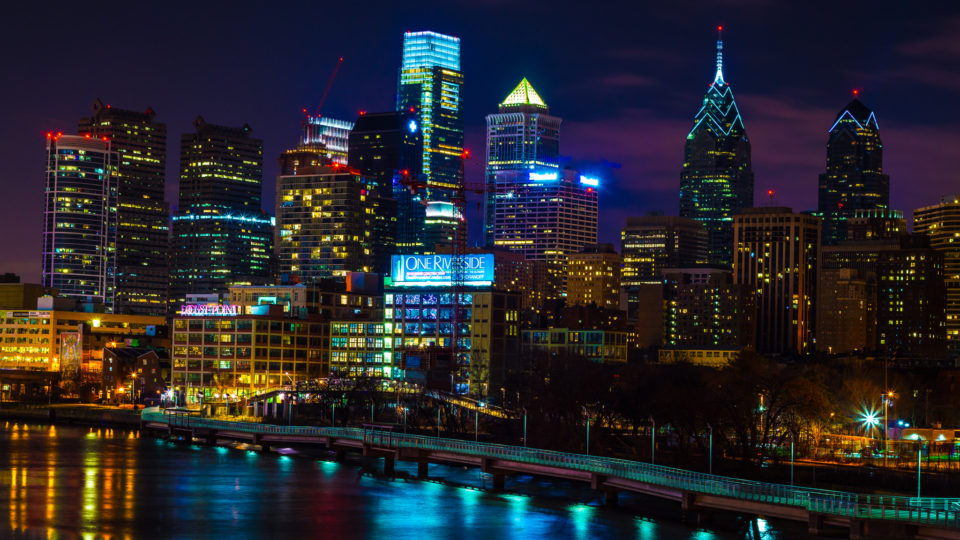
Philadelphia, America’s fifth largest city, has struggled with storm water runoff problems since the days of Benjamin Franklin.  The city’s numerous streams that run into the Schuylkill and Delaware Rivers were eventually covered with brick arches or cemented into underground sewers.  The network of underground-to-riverfront outfalls through increasingly-larger pipes is pretty much how all U.S. cities have been coping with storm water for over 200 years.

[Read more…] about Green Solutions To Storm Water Runoff

European Diesel Under Siege

June 5, 2018 By EarthWise Leave a Comment

https://earthwiseradio.org/wp-content/uploads/2018/06/EW-06-05-18-European-Diesel-Under-Seige.mp3

Diesel cars have never been very popular in the US and in the aftermath of the so-called Dieselgate scandal at Volkswagen, they are even less so.  Less than a dozen diesel car models are available for purchase in the US and only one of those is from a German automaker: BMW.

[Read more…] about European Diesel Under Siege

Green Steam

March 9, 2016 By WAMC WEB

https://earthwiseradio.org/wp-content/uploads/2016/03/EW-03-09-16-Green-Steam.mp3

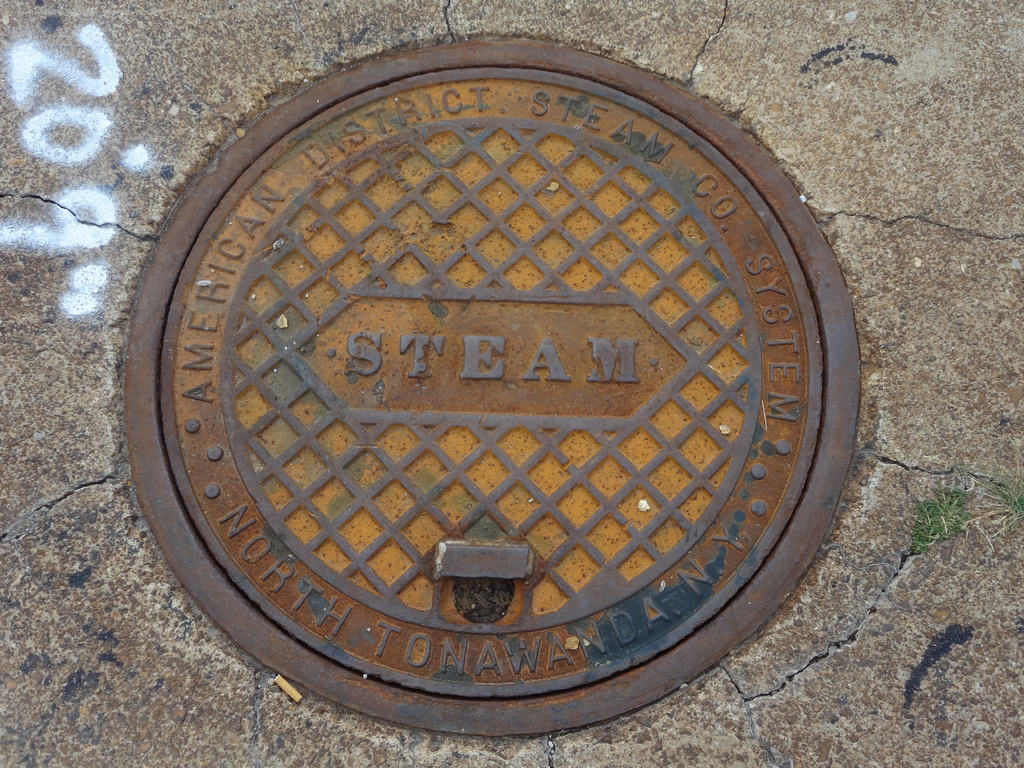
Many of the world’s biggest cities have miles of underground pipes built decades ago that provide district energy.   District energy systems use a central plant to produce steam, hot water or chilled water that is then piped underground to individual buildings for space heating, domestic hot water heating and air conditioning. As a result, individual buildings served by a district energy system don’t need their own boilers or furnaces, chillers or air conditioners.

[Read more…] about Green Steam

Primary Sidebar

Recent Episodes

  • An uninsurable future
  • Clean energy and jobs
  • Insect declines in remote regions
  • Fossil fuel producing nations ignoring climate goals
  • Trouble for clownfishes

WAMC Northeast Public Radio

WAMC/Northeast Public Radio is a regional public radio network serving parts of seven northeastern states (more...)

Copyright © 2026 ·